
Reviewed · LAKE TITICACA & UROS ISLANDS
Uros Floating Islands Tour in Puno
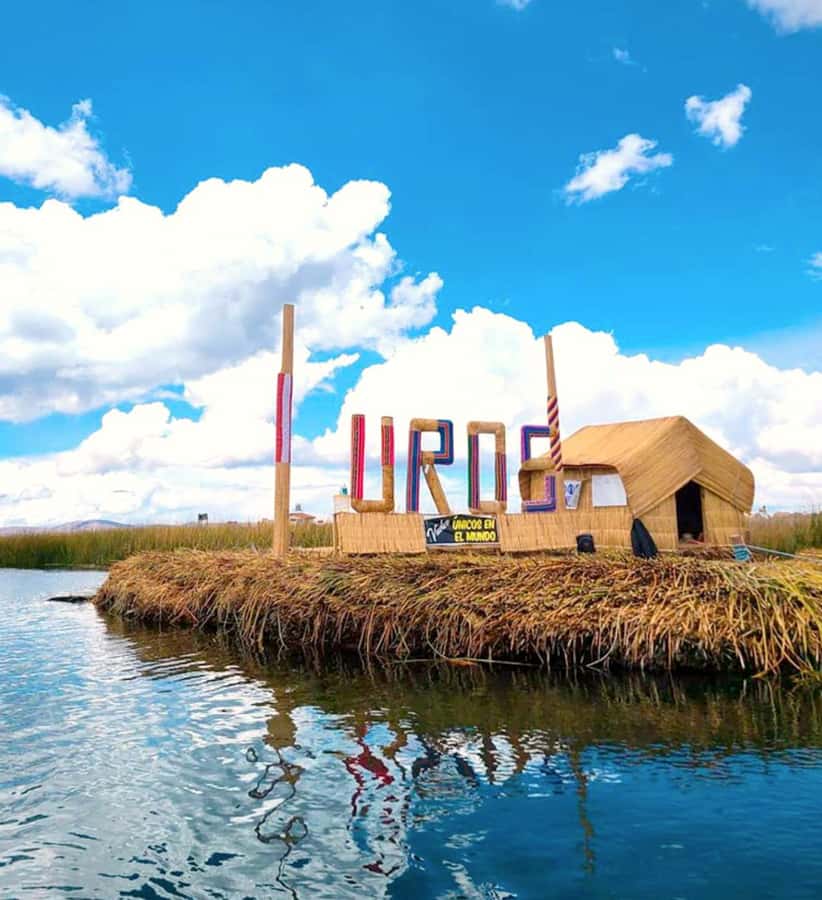
The Uros Floating Islands are made from layers of totora reeds, and that unusual construction is the heart of this half-day trip. You’ll ride across Lake Titicaca, meet island residents, and see how these floating platforms are maintained. I like the short boat journey and the chance to learn about Uros customs directly on the islands.
I also like the low $13 price, which covers hotel-area transport, the motor boat, guide, entrance fees, and the return ride. The catch is that the optional reed-boat trip costs extra, and the sales stops can feel forceful. Guide quality may vary too, including limited English on some departures.
Key points to know before booking

- Thirty minutes across Lake Titicaca: The motor boat covers about 7 kilometers from Puno’s port to the Uros islands.
- Reed construction is the main lesson: Your guide and local families explain how the floating islands are built and kept in place.
- The reed boat costs extra: The advertised 20-minute ride is not included in the $13 price, so bring cash if you want it.
- Shopping is part of the visit: Expect crafts, souvenirs, restaurants, and cafes around the island’s main square.
- Three departure times: Pick-up is offered around 8:45 am, 11:45 am, or 3:30 pm, with returns around noon, 3 pm, or 6 pm.
- Allow for a flexible schedule: The full experience is described as three to four hours, and some departures finish closer to three hours.
Why the Uros Islands are worth seeing
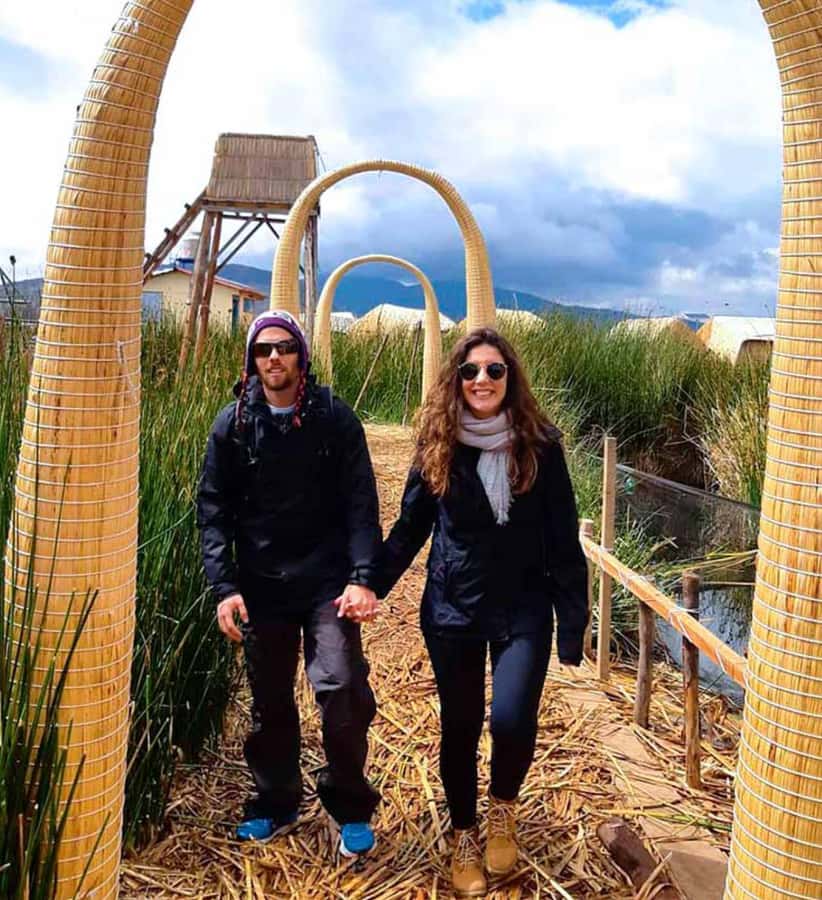
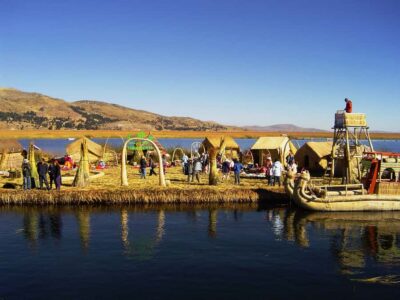
The Uros islands are one of Lake Titicaca’s most unusual sights. They are not ordinary islands with solid ground under your feet. The platforms are formed from totora reeds, a plant that grows around the lake, and fresh layers are added as the older material breaks down.
That basic fact gives the visit its focus. You are not simply looking at a pretty patch of lake. You are learning how a community has adapted its homes, walkways, boats, and daily routines to a floating environment.
I find the construction explanation more valuable than a quick photo stop. The guide shows how the reeds are used, while local residents explain their lifestyle, celebrations, fishing methods, and crafts. The lesson is brief, but it gives you a practical sense of how the islands function.
You should also set your expectations correctly. This is a well-established visitor stop, not a chance to quietly observe an untouched community. There are craft displays, sales pitches, and a main square with cafes, restaurants, and souvenir shops. That commercial side is part of the visit, but it can take more attention than you may want.
Other days on Lake Titicaca from Puno:
- From Puno: Uros, Amantaní & Taquile Islands 2-Day Tour
★ 4.5 · 452 reviews - From Puno: Floating Islands of the Uros Half-Day Tour
★ 4.4 · 394 reviews - Lake Titicaca 2-Day Tour to Uros, Amantani and Taquile
★ 4.4 · 199 reviews
Starting in Puno and reaching the port
The day begins with pick-up in central Puno. You can be collected from a hotel in the tourist center, the Main Square, or the bus terminal. A tourist van takes you to the port, a ride listed at about 20 minutes.
This transfer is useful if you are staying downtown and do not want to arrange a taxi before sunrise or find the port yourself. It also keeps the morning simple for visitors arriving by bus. Confirm the exact meeting point and time, since the listed departures are 8:45 am, 11:45 am, and 3:30 pm.
The first departure gives you the rest of the day in Puno. The midday option works well if you want a slower morning, while the afternoon trip returns around 6 pm. The schedule matters because the tour is not a full-day outing, but transport delays can eat into your plans.
One practical warning: pick-up reliability may not be perfect. A recent departure ran about 40 minutes late, followed by a rushed transfer to catch the boat. I would arrive at the stated meeting point early and keep the local operator’s contact details handy.
The 30-minute motor-boat ride
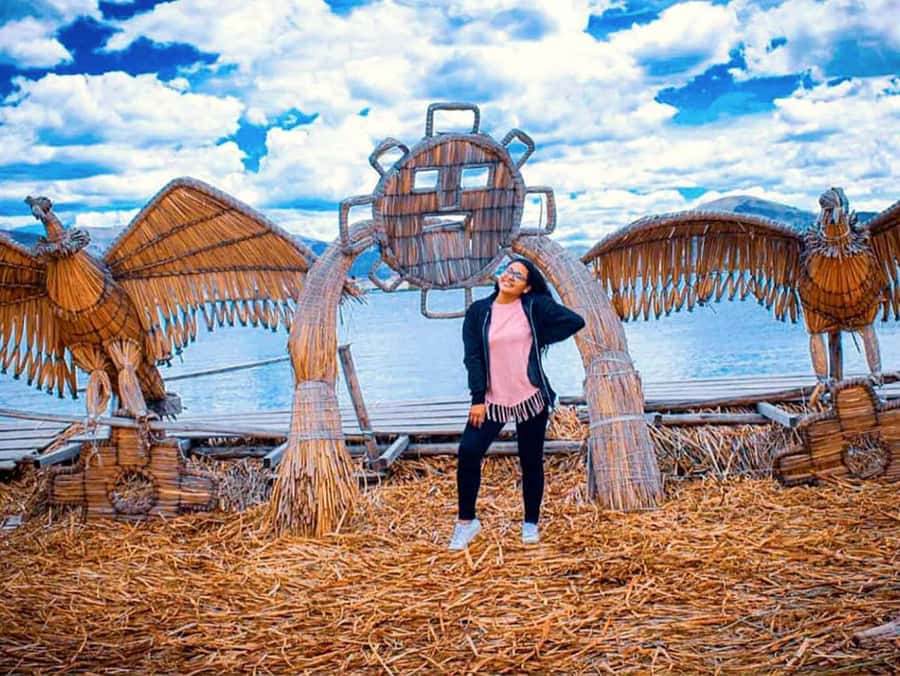
At the port, you board a motor boat for the trip to the Uros islands. The crossing takes about 30 minutes and covers roughly 7 kilometers. Lake Titicaca sits at 3,812 meters above sea level, so the high-altitude setting is noticeable even before you reach the islands.
The ride gives you open views across the water and a useful change of pace from Puno’s streets. Bring sunglasses, a hat, sunscreen, and a camera. Rain gear is also sensible because weather on the lake can change quickly, and the supplied information specifically recommends it.
The boat ride is not a long expedition. That is good news if you want a manageable half-day visit, but it also means you should not expect a large section of Lake Titicaca. The main value lies in arriving at the Uros community and hearing how the islands are made.
Comfortable clothing is important. You may walk across reed surfaces, board and leave boats, and spend time outside in strong sun. Bring cash as well, since lunch, drinks, snacks, crafts, and the extra boat ride are not included.
Meeting the island families
After landing, local people welcome you onto the island. The visit usually begins with an explanation of Uros life, including customs, festivals, fishing, and handicrafts. The guide translates and adds context in English or Spanish, depending on your booking.
This is where the tour can feel most worthwhile. A guidebook can tell you that the islands are made of reeds, but watching the construction process explained by people who live there makes the idea easier to understand. You can also take photos of the water and the surrounding scenery.
The experience is structured rather than casual. You follow an organized visit, listen to presentations, and then have time for photographs and shopping. That arrangement makes the tour efficient, but it leaves little room for a long, private conversation with island residents.
English service deserves attention. The activity is sold with English or Spanish guiding, but one recent departure had a guide who spoke very little English. If you need detailed explanations in English, ask at booking how the language assignment is handled. A friendly guide may still be unable to explain much if communication is weak.
Same base, a completely different day:
- From Cusco: Vinicunca Rainbow Mountain ATV Tour with Meals
★ 4.6 · 1,060 reviews - Puno: Full-Day Tour of Lake Titicaca and Uros & Taquile
★ 4.4 · 178 reviews - Puno: Full-Day Route of the Sun Tour to Cusco with Lunch
★ 4.7 · 131 reviews - Floating Islands of the Uros
★ 4.2 · 101 reviews
Seeing how a floating island is built
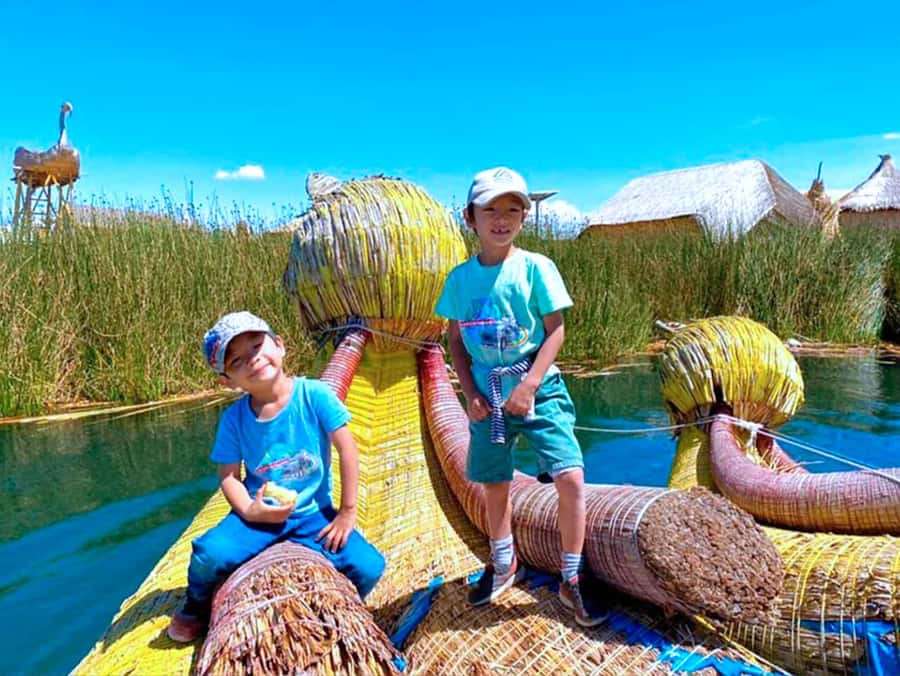
The construction lesson is the central stop. You learn that layers of totora reeds form the island surface, with additional material needed as the lower reeds decay. The same plant is also used in the traditional boats associated with the Uros.
This is a strong teaching moment because it connects the natural setting with daily life. The lake supplies the building material, the boats, and part of the food supply. You gain a clearer picture of why fishing, reed work, and boatbuilding matter here.
Do not expect a long technical workshop. The tour lasts about three to four hours overall, including two boat transfers and the van rides, so the island presentation is limited. Some departures have finished in about three hours rather than the full four.
That shorter timing can be helpful if you have a bus, train, or afternoon plan. It is less satisfying if you booked specifically for a full four-hour cultural visit. I would avoid scheduling an important connection immediately afterward.
The optional 20-minute reed boat ride

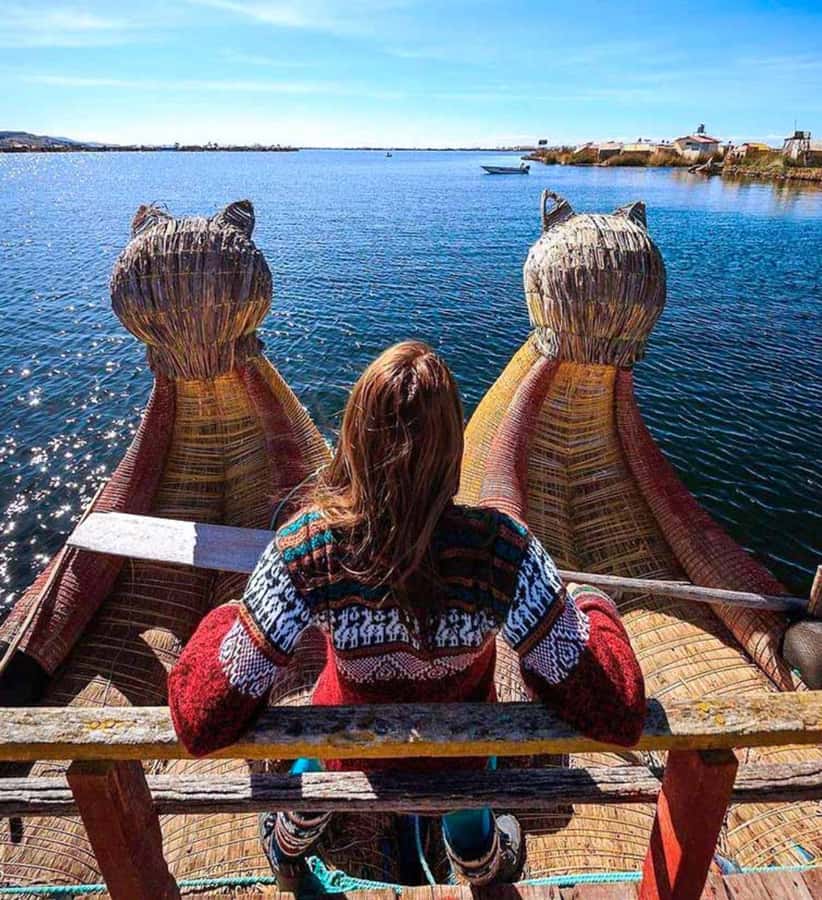
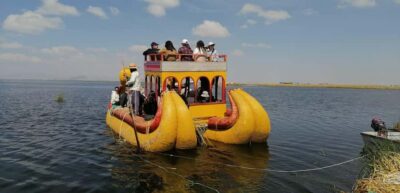
The traditional reed boat trip is advertised as optional and lasts about 20 minutes. You board one of the larger reed boats and ride to the island’s main square, where you may find cafes, restaurants, and souvenir shops.
The boat ride can add a memorable visual element. You get to see the reeds used as a working material rather than only hearing about them. It also gives you a different view of the floating platforms and the surrounding water.
The cost is not included. More importantly, the experience may not feel fully optional once you are on the island. Some visitors have found the extra charge and the pressure to join frustrating, especially after already paying for the tour. Ask clearly before departure how much the ride costs and how declining it works.
If you want to keep the tour within its advertised price, you can say no and remain with the main group. Bring cash only if you are comfortable with the extra expense. The $13 tour price looks attractive partly because this add-on is separate, so compare the real total rather than the headline fare alone.
Shopping, photos, and the commercial side
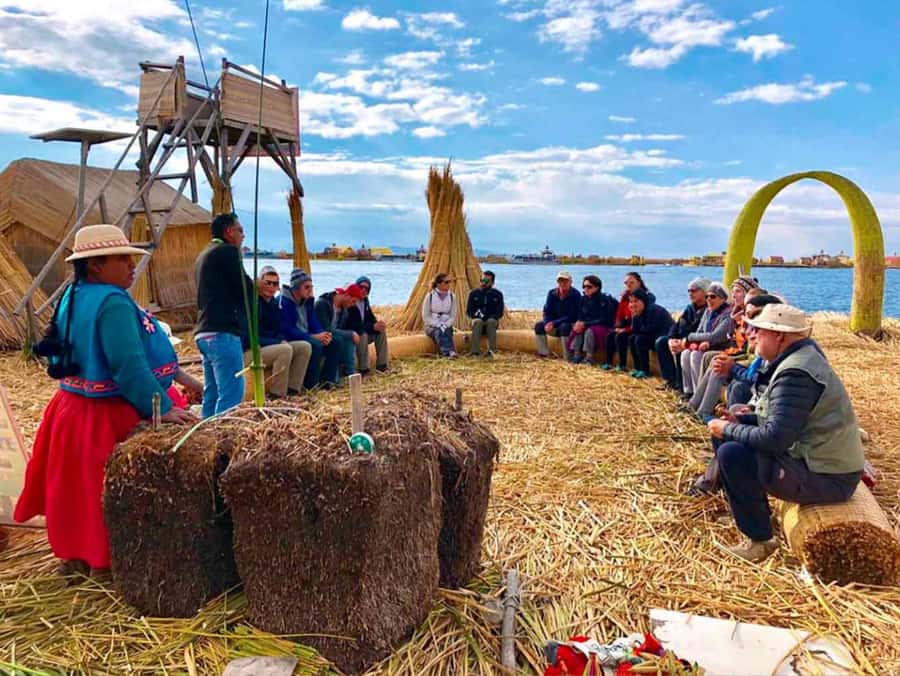
Craft sales are built into the visit. You will have a chance to look at local goods, and the main square includes souvenir shops as well as places to eat and drink. This gives the community a way to earn money from tourism, and buying something can support the families hosting the visit.
Still, the sales approach may not suit everyone. Some people have felt pressured or guilted into buying items they did not want or could not carry home. You should feel free to browse without purchasing, and it is wise to decide your budget before arriving.
The same applies to tips. Keep small cash available only if you want to tip, not because you feel cornered into doing so. The activity includes the guide, entrance fees, boat transportation, and return transport, so a tip is not a substitute for an undisclosed required charge.
Photography is one of the easier pleasures here. The lake provides broad views, and the reed platforms and boats make distinctive pictures. Ask before photographing individuals or private family areas, and remember that a photo is not a replacement for respectful behavior.
Returning to Puno
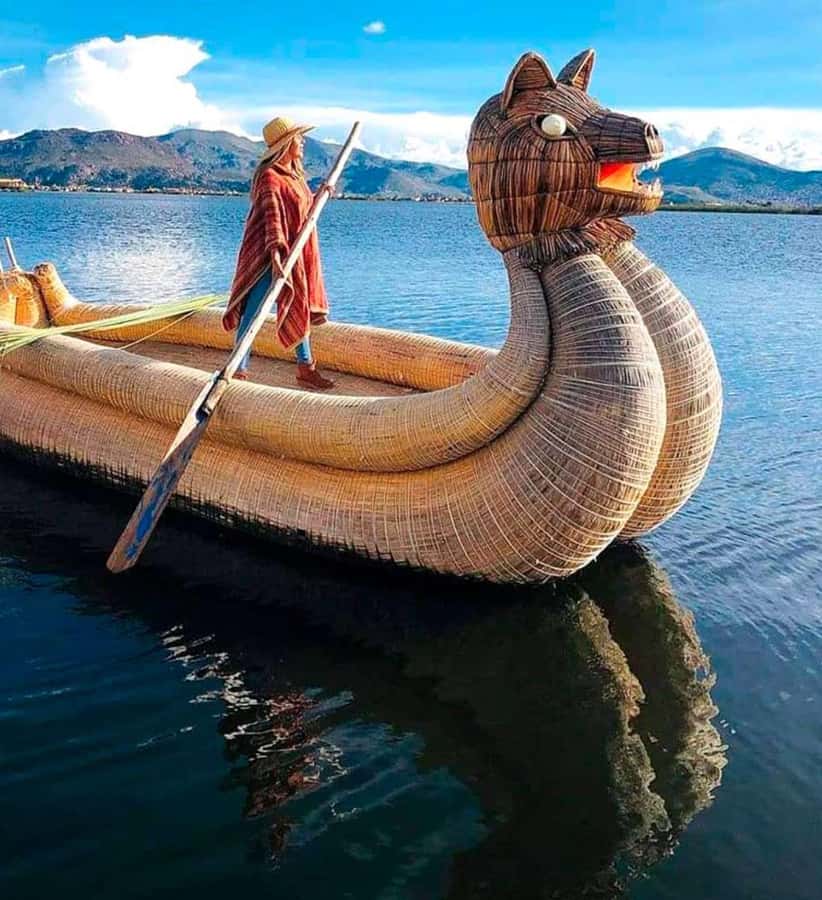
After the island visit and any reed-boat ride, you return by motor boat. The ride back takes another 30 minutes. At the port, the tourist van takes you back to your hotel, the Main Square, or the stated city drop-off point.
The return schedule depends on your departure. Morning tours are listed to finish around noon, midday tours around 3 pm, and afternoon tours around 6 pm. Actual timing can vary, especially if pick-up is late or the island visit runs long.
The return transfer is included, which makes this easier than arranging separate transport at the port. If you are connecting to another destination that day, leave a generous buffer. A nominal three-hour tour can stretch closer to four hours, while another group may finish sooner than expected.
What the $13 price really covers
At $13 per person, this is a low-cost way to see the Uros islands. The price includes central Puno pick-up, transport to the port, the motor boat in both directions, an English or Spanish guide, entrance fees, and transport back to the city.
That is solid value if you want a short introduction and do not mind a group format. You are paying for the major transport and basic guided access rather than a private cultural visit.
The price does not cover the reed boat, food, snacks, or drinks. The reed-boat charge is the main item to watch. If you add it, the final cost can be noticeably higher than the advertised fare.
I would also factor in the cost of any crafts you may want to buy. The tour is affordable when you treat shopping and the boat ride as optional. It becomes less appealing if you feel pressured into paying for extras.
Who should take this tour
I would recommend this outing to you if you have limited time in Puno and want a straightforward introduction to Lake Titicaca. It suits first-time visitors who want transport arranged from a central hotel and prefer a half-day schedule over a long lake excursion.
It also works well for budget-minded visitors. You get the basic boat trip, island entrance, guide, and city transport without paying for a private service. The three departure times offer useful flexibility.
You may want another option if you dislike organized shopping stops or sales pressure. The same is true if you need polished English interpretation. Ask about the guide language before paying, and do not assume that every departure will offer the same level of explanation.
The tour is also a better fit for flexible schedules. Pick-up delays and changing visit lengths have affected some departures, so I would not pair it with a tight bus or flight connection.
What to bring for a better visit
Pack light, but do not leave out the basics. The high-altitude sun can be strong, and weather on the lake can turn wet or cool.
- Passport
- Sunglasses and sun hat
- Sunscreen
- Camera
- Comfortable clothes
- Rain gear
- Cash for food, crafts, tips, or the reed boat
I would wear shoes that feel secure on boat ramps and reed surfaces. The supplied information does not specify a dress code or special footwear, but comfortable clothing is clearly the sensible choice.
Should you book the Uros Floating Islands Tour?
Book it if you want an inexpensive, convenient first look at Lake Titicaca and the Uros way of building floating islands. The short crossing, clear construction lesson, and included city transport make the $13 base price appealing.
Go in with your eyes open. The visit is organized, shopping is part of the experience, the reed boat costs extra, and guide quality can vary. If you set a firm budget, ask about the English guide, and allow extra time after the stated finish, this can be a useful half-day addition to Puno.
FAQ
Where does the Uros Floating Islands Tour begin?
Pick-up is available from hotels in the tourist center of Puno, the Main Square, or the city bus terminal. Tourist transport then takes you to the port.
How long is the boat ride from Puno to the Uros islands?
The motor-boat ride takes about 30 minutes and covers roughly 7 kilometers.
What languages are available for the guided tour?
The tour is offered with a live guide in English or Spanish. Guide ability may vary, so confirm your preferred language when booking.
Is the traditional reed-boat ride included?
No. The approximately 20-minute reed-boat ride is an extra cost and is not included in the tour price.
Are food and drinks included?
No. Lunch, snacks, and drinks are not included. The island’s main square has restaurants and cafes.
What are the available departure and return times?
Pick-up times are listed as 8:45 am, 11:45 am, and 3:30 pm. Expected return times are around noon, 3 pm, and 6 pm, depending on the departure you choose.
Just added around Puno
- Two Day Lake Titicaca Tour With Homestay★ 3.7 · 6 reviews
- TRIP FROM PUNO TO CUSCO WITH THE ROUTE OF THE SUN★ 4.7 · 16 reviews
- Two-Day Tour to Uros with Amantani and Taquile from Puno★ 5.0 · 44 reviews
- Full Day Lake Titicaca Tour to Uros and Taquile Islands★ 4.5 · 56 reviews
- Full-Day Tour of Uros, Taquile and Sillustani from Puno★ 5.0 · 41 reviews
- Full Day Guided Tour of the Aymara Route from Puno★ 5.0 · 55 reviews
- Sun island and Copacabana | From Puno or La Paz / Day Trip★ 4.1 · 5 reviews
- Aymara Route Mystical Cultural Tour★ 4.7 · 27 reviews
Lake Titicaca & Uros Islands, compared.

2-Day Tour Colca Canyon in Arequipa with end in Puno
Read our review →
Lake Titicaca 2-Day Tour to Uros, Amantani and Taquile
Read our review →
Full-Day Route of the Sun Tour to Cusco with Lunch
Read our review →
Scenic Route of the Sun to Puno with Buffet Lunch
Read our review →
Browse the lists this tour appears in