
Reviewed · MACHU PICCHU TOURS
Cusco: 4-Day Salkantay Trek to Machu Picchu, Panoramic Train
The best part of this four-day route is the sudden change in scenery. You begin beside the cold turquoise waters of Humantay Lake, cross the stark high Andes at Salkantay Pass, then walk down into cloud forest before reaching Machu Picchu. It feels like several trips in one.
I like the thoughtful sleeping plan, with a glamping camp after the first hard climb and a hotel in Aguas Calientes before Machu Picchu. I also like the food and cultural stops, especially the underground Pachamanca barbecue and coffee session. The main drawback is clear: this is a demanding trek, and the second night in the Andean huts may feel basic, with hot showers costing extra.
Key points to know before booking
- The high point is 4,630 meters: Salkantay Pass brings big views, thin air, and the trek’s hardest climb.
- Humantay Lake comes early: Day one includes an uphill walk soon after a very early Cusco pickup.
- The scenery keeps changing: You move from snow-covered peaks to cloud forest, orchids, hummingbirds, and coffee country.
- Comfort improves near Machu Picchu: You get glamping and huts on the trail, then a 3-star hotel in Aguas Calientes.
- Meals are a real part of the experience: Three breakfasts, lunches, and dinners are prepared along the route, with daily snacks and water.
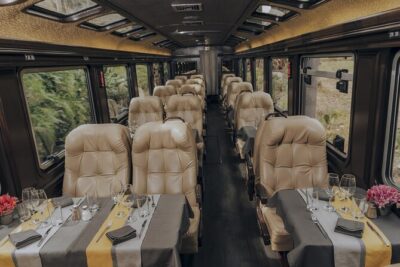
- The return train saves your legs: A Vistadome or 360° panoramic train brings you back toward Cusco after Machu Picchu.
Why this Salkantay route is worth considering
At $552 per person, this is not a bargain-basement hike, but it covers a lot. You receive transport, entrance tickets, a professional guide, three nights of lodging, trail meals, snacks, water, a duffle bag service, the Machu Picchu visit, and the scenic train back toward Cusco.
That matters because the Salkantay Trek is not a simple walk with one ticket at the end. Food, camp logistics, permits, porter support, transfers, and the return from Aguas Calientes can quickly become a tangle of separate bookings. Here, most of the moving pieces are handled for you.
The group is limited to 16 people, which is small enough for a guide to keep an eye on the slower hikers. Different departures have included guides named Alex, José, Filio, Roger, and William, with cooks such as Felix, Zenobio, Ismael, and Dionissios. The guide and chef team can vary, but the repeated strength of this setup is personal care and hearty cooking.
You should still treat the price as the cost of a serious mountain trek, not a soft sightseeing tour. The route includes long walks, early starts, steep climbs, and high altitude. Optional extras can also raise the final bill: Huayna Picchu, Machu Picchu Mountain, sleeping bags, an air mattress, trekking poles, and your final lunch are not included.
Other walks into the mountains in Cusco:
- From Cusco: 7 Lakes Ausangate Trek with Breakfast and Lunch
★ 4.8 · 360 reviews - Cusco: Rainbow Mountain Tour and Red Valley Hike (Optional)
★ 4.7 · 149 reviews - Cusco: Full-Day Rainbow Mountain & Red Valley Trekking Tour
★ 4.5 · 121 reviews
Day one: Humantay Lake and the first night at SalkaGlamp
Your day begins around 4:30 a.m. with pickup from a hotel in Cusco’s historic center. That early start is necessary, but it is not gentle. Pack your clothes and day bag the night before, keep your passport close, and be waiting in the lobby 10 minutes ahead of time.
The drive takes you through Andean valleys to Mollepata, where breakfast provides an important first meal before the hiking begins. You then continue to Challacancha, the starting point for the walk toward Humantay Lake.
Humantay Lake is one of the trip’s signature sights. Its clear turquoise water sits beneath high mountain peaks, and the climb gives you an immediate sense of the altitude and effort ahead. This is not a flat opening stroll. Even if you are fit, you will want steady pacing rather than a fast start.
After time at the lake, you descend toward Soraypampa for lunch. That downhill section is welcome after the climb, though uneven ground can still work your knees. From there, the route continues to the Salkantaypampa glamping camp.
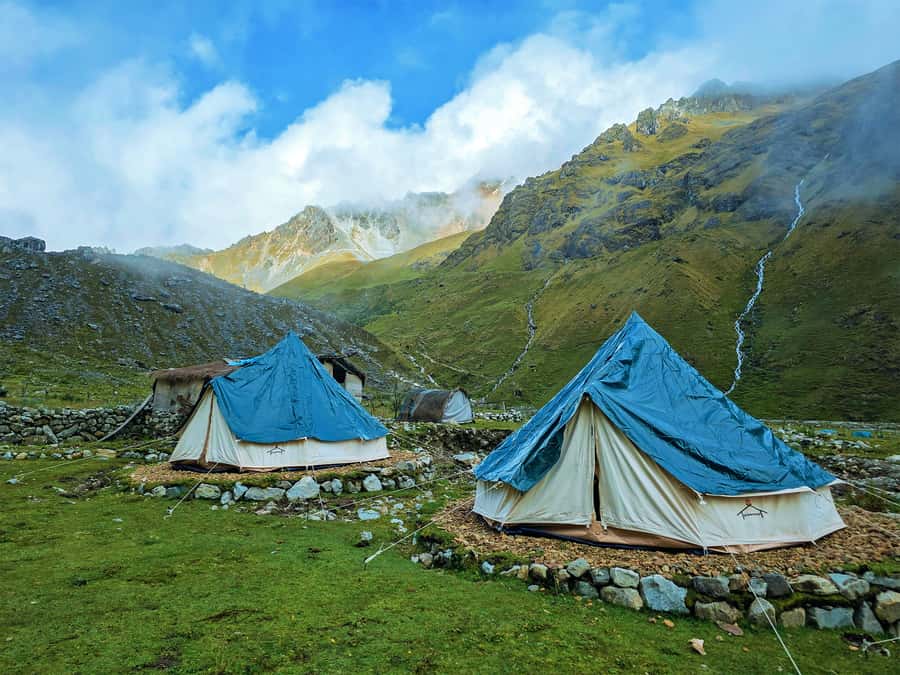
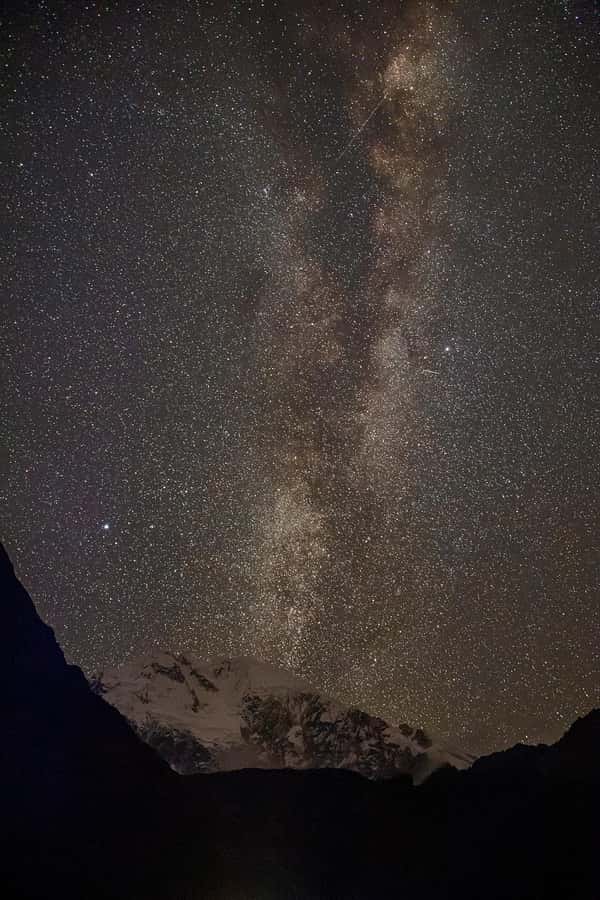
The glamping setup is one of the more attractive touches on this trek. You sleep in a tent with a pillow and sleeping pad provided, rather than carrying every piece of camp equipment yourself. A warm dinner follows, and the remote setting gives you a chance to see the Andes at night, weather permitting.
This first day combines an early departure, a major scenic stop, and a substantial amount of walking. I would not schedule an important late-night activity in Cusco before this trek. Your energy is better spent sleeping early.
Day two: Crossing Salkantay Pass at 4,630 meters
Day two is the physical test. Coffee or coca tea is served at your tent, followed by breakfast before the climb to Salkantay Pass. The ascent takes about two hours, but altitude can make that feel much longer.
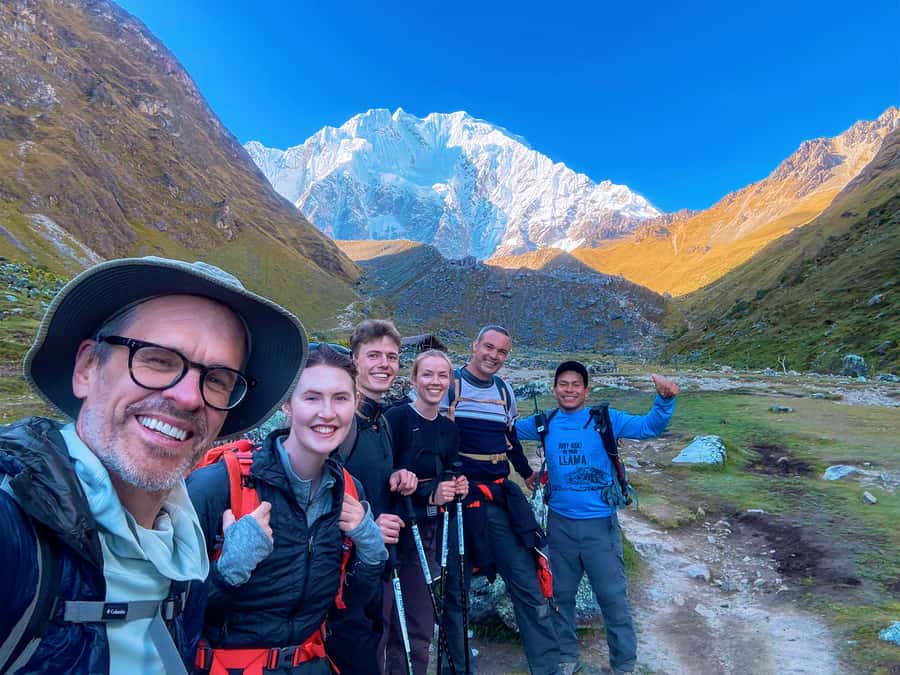
At 4,630 meters, the pass is the highest point of the route. You can expect broad views of snow-capped peaks and the lake below Salkantay Mountain. This is the moment to slow down, breathe evenly, and let the guide set the pace.
The pass is also where preparation matters most. Bring layers, gloves or warm accessories suited to the forecast, sunscreen, sunglasses, and a sun hat. The weather can change quickly in the mountains, so rain gear should remain easy to reach rather than buried in your duffle.
After the high point, you descend for about three hours to Wayracmachay for lunch. The change is striking. Cold, open mountain terrain gives way to warmer country, and the route gradually leads toward the cloud forest.
The final section takes another three hours into Collpapampa. Flowers, orchids, and hummingbirds add color and movement after the stark views at the pass. The change in climate is one reason this route feels more varied than a trek that stays at one altitude.
You spend the night in Andean huts. This is the least polished accommodation of the trip, and you should set your expectations accordingly. The huts are described as cozy, but conditions can vary. A warm shower may require an additional fee, and the sanitary facilities have not always been in good condition.
That does not cancel out the value of the night, but it is worth knowing before you pay. Bring toiletries, hand sanitizer or tissues, and a flashlight. If comfort is your top priority, this basic stop may bother you more than the long walking day.
Day three: Pachamanca, coffee, and the road to Aguas Calientes
The third day shifts from mountain crossing to local food and farming. After breakfast, you hike for about three hours to Lucmabamba. The route continues through warmer country, with the forest and farm setting replacing the high pass.
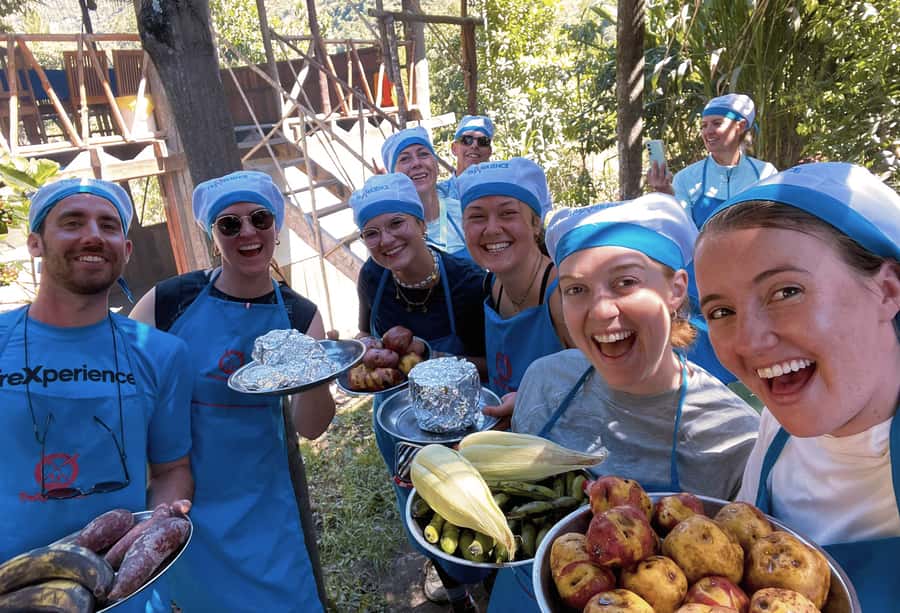
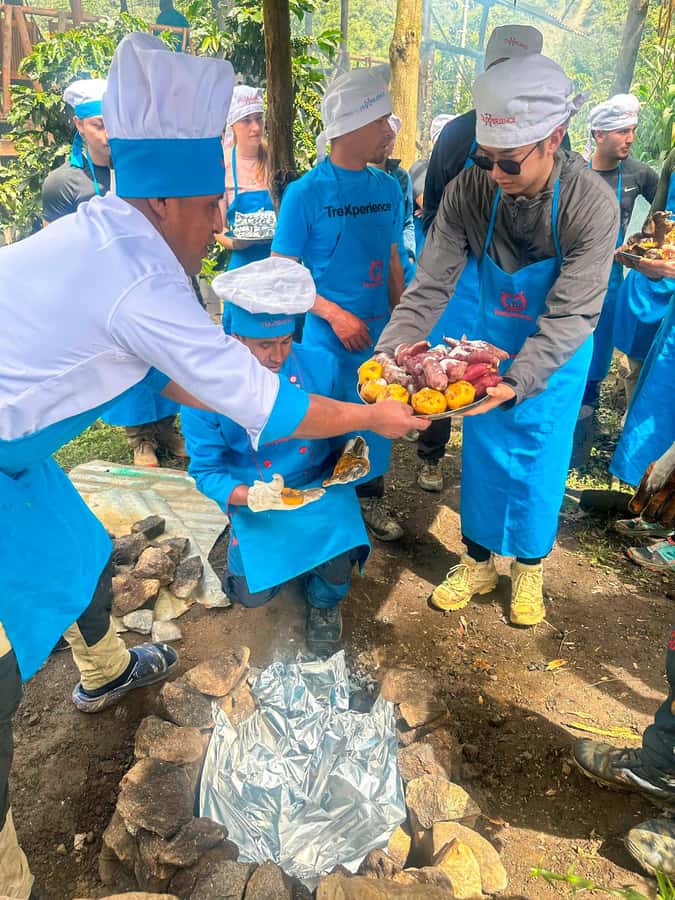
The Pachamanca barbecue is more than a standard lunch stop. Food is cooked underground with hot stones, including vegetables, fruit, and meat. It gives you a direct taste of Andean cooking methods and a meal that fits the setting rather than feeling like something brought in from elsewhere.
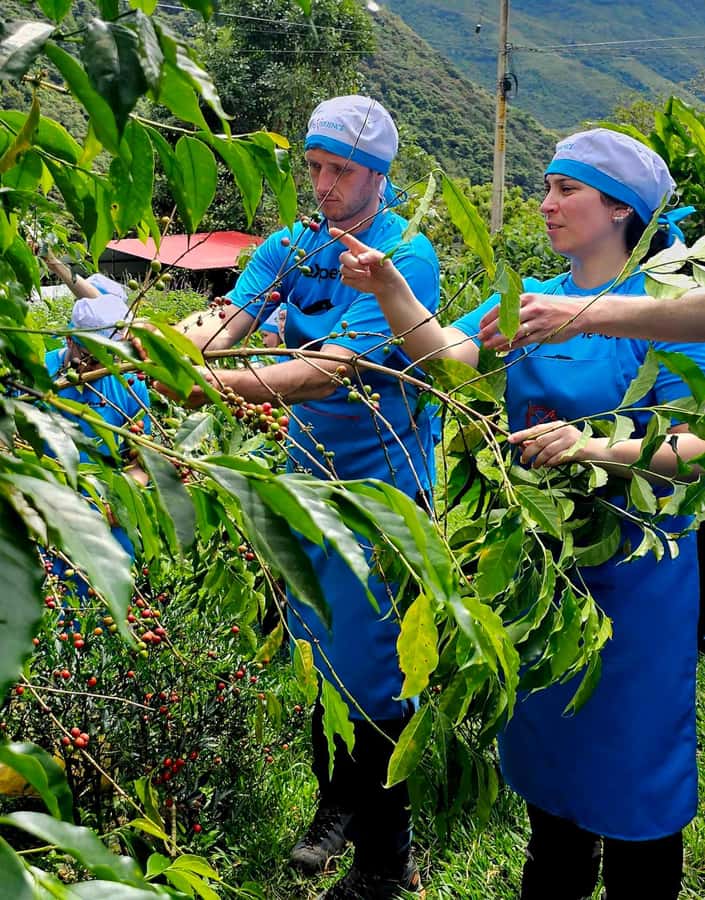
You also visit a local coffee farm and follow the process from bean to cup. The activity includes preparing your own espresso. For many people, this will be one of the most memorable parts of the trip because it is hands-on and practical, not just a short explanation followed by a souvenir shop.
Food is a major strength of this tour. The trail package includes three breakfasts, three lunches, and three dinners, plus water and daily snacks. Chefs have served fresh local meals with enough variety to keep people fueled through the long walking days. Tell the operator about dietary needs when booking, not after you arrive.
After Lucmabamba, a drive takes you to Hidroeléctrica. You then walk for about three hours to Aguas Calientes. This final walk is less about conquering altitude and more about reaching the town under your own power.
In Aguas Calientes, you check into a 3-star hotel and have dinner at a local restaurant. The hotel night is a useful reset before Machu Picchu, especially after two nights in mountain camps. Breakfast is included the next morning, but your last-day lunch is not.
Other ways up to Machu Picchu from Cusco:
- From Cusco: Full-Day Group Tour of Machu Picchu
★ 4.7 · 1,767 reviews - Machu Picchu Day Trip from Cusco
★ 4.5 · 1,644 reviews - Machu Picchu: Full-Day Tour from Cusco with Optional Lunch
★ 4.6 · 927 reviews - Cusco: 4-Day Inca Trail to Machu Picchu with Accommodation
★ 4.8 · 432 reviews
Day four: Machu Picchu and the panoramic train home
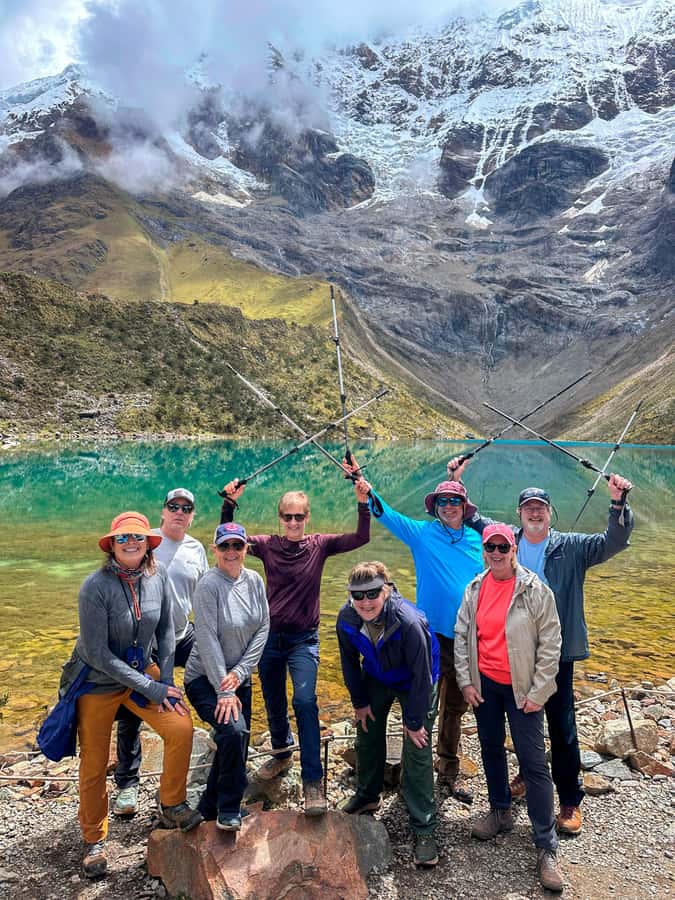
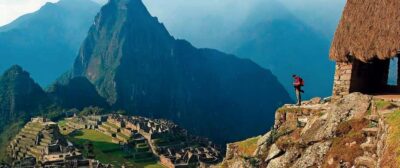
The final day starts early, with one of the first buses up to Machu Picchu. The aim is to reach the citadel in the morning and see the surrounding mountains in early light.
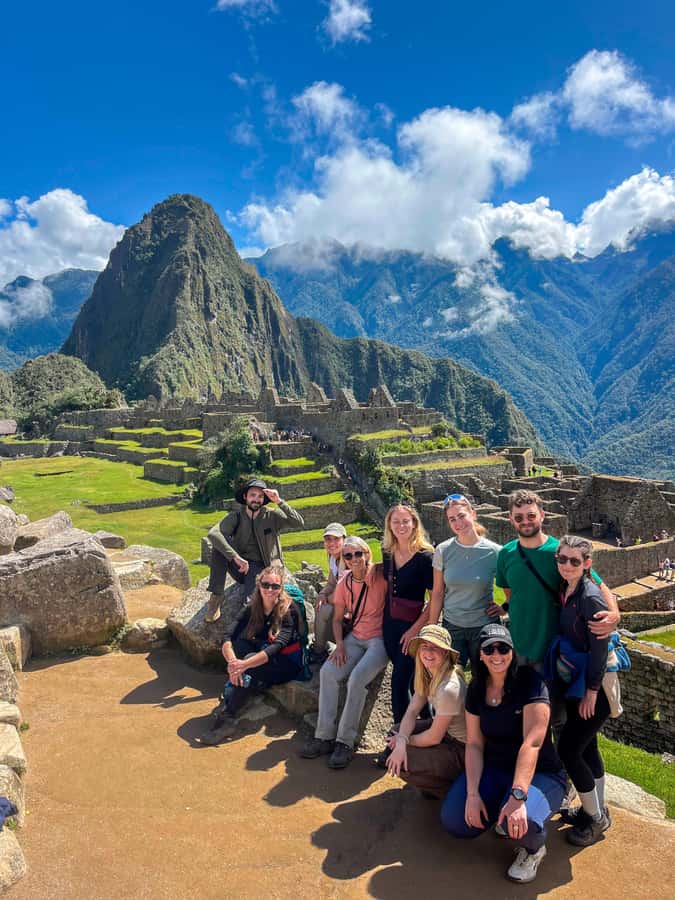
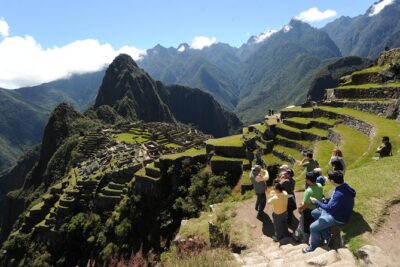
Your guide leads a two to three-hour visit through the main areas of Machu Picchu. Circuit 2 is the default route. If it sells out, Circuit 1 or Circuit 3 may be assigned instead, so check the current route when booking if the exact circuit matters to you.
The guided visit gives structure to a huge site that can otherwise feel confusing. You will hear about the Inca civilization, the mountain setting, and the enduring questions around the citadel. Guides such as Alex and Roger have been praised for explaining history clearly, while guides including José and Filio have been noted for staying attentive to the group.
Huayna Picchu and Machu Picchu Mountain are not included. You must reserve those in advance, and availability is limited. Do not assume you can decide at the gate.
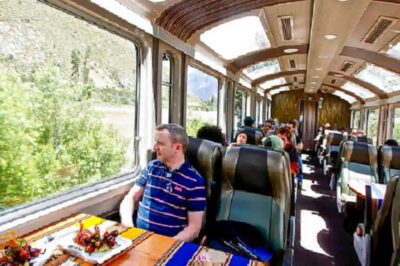
After the visit, you return to Aguas Calientes for lunch, which you pay for yourself. Then you board either the Vistadome or 360° panoramic train for the trip back toward Cusco. The large windows make this more than a basic transfer, especially after several days on foot.
The tour team meets you at the end and transfers you to your hotel. The exact final arrival time depends on the train and onward transport, so avoid booking a tight evening connection from Cusco.
Sleeping arrangements, luggage, and trail support
You carry only what you need for the day. A duffle bag service allows up to 7 kilograms, or 11 pounds, for personal belongings. Pack a small daypack for water, rain gear, sunscreen, snacks, a camera, and warm layers.
The tour provides a pillow, sleeping pad, rain poncho, and hand towels. A sleeping bag, air mattress, and trekking poles can be rented, but they are not included. If you prefer familiar equipment, bring your own trekking poles and sleeping bag if practical.
Safety support includes a satellite phone, first-aid kit, and oxygen tank. Those supplies do not make the route easy, but they are reassuring on a high mountain crossing. You should still be honest about your fitness and health before booking.
This trek is not suitable for pregnant women, people with heart or back problems, people with mobility impairments, or wheelchair users. Children must be accompanied by a responsible adult, and the route should be treated as a demanding outdoor activity.
What the price includes, and what it does not
The $552 price includes the safety briefing held one day before departure, trek and Machu Picchu entrance tickets, transport, hotel pickup and drop-off, the train return, lodging, meals on the trail, the coffee and Pachamanca activities, and the guide.
The safety briefing is useful because it gives you a final chance to ask about pace, equipment, altitude, and the next morning’s pickup. It also helps you organize the 7-kilogram duffle before the early departure.
You still need money for lunch in Aguas Calientes, possible rental gear, and optional mountain tickets. Bring cash, as requested, and do not forget your passport. Passport details are needed at booking, and your original passport is required for the trip.
The activity is non-refundable. That policy makes travel insurance worth considering, especially because the route involves four fixed days, advance entrance arrangements, and mountain conditions.
Who will enjoy this trek most
I would recommend this trip to you if you want Machu Picchu as part of a real mountain journey, not as a quick train ride from Cusco. You should enjoy long days outdoors, changing weather, basic accommodation, and the satisfaction of earning the final destination.
It is also a good match if you want support without giving up variety. The small group, cooks, duffle service, organized transfers, and hotel night remove much of the planning work, while the route still includes demanding walks and local food experiences.
You may prefer a shorter or less strenuous option if high altitude worries you, if you need consistent hotel comfort, or if you have mobility or heart concerns. The second day is especially important to consider because the pass reaches 4,630 meters.
The tour operates in English and Spanish. Check the departure details carefully, and confirm that your accommodation is in Cusco’s historic center for direct pickup. If it is outside the Cusco district, you will need to meet the group near the main square.
Should you book the Salkantay Trek?
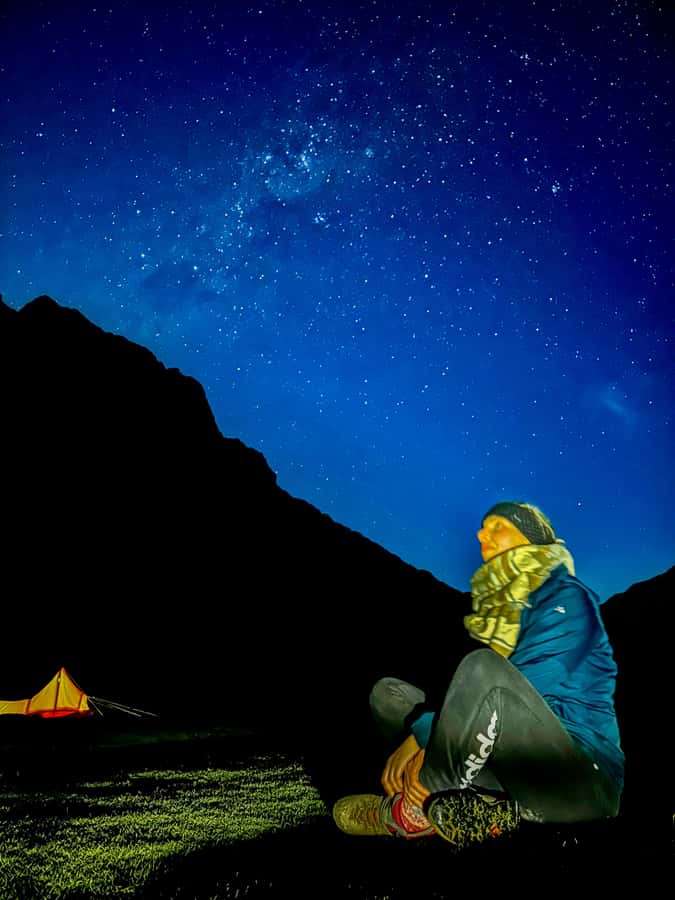
Book it if you want a full four-day story: turquoise water, a high mountain pass, cloud forest, underground cooking, coffee, Machu Picchu, and a panoramic train ride home. The food, guides, and careful camp planning add real value to the $552 cost.
Think twice if you mainly want comfort or an easy path to Machu Picchu. The early starts, long hiking days, basic second-night huts, altitude, and non-refundable booking policy demand a firm commitment. For a fit hiker who wants variety and support, this is a strong choice. For everyone else, choose a gentler route.
FAQ
How long is the Salkantay Trek to Machu Picchu?
The experience lasts four days, beginning with pickup in Cusco and ending with a transfer back to your Cusco hotel after the panoramic train.
What altitude does the trek reach?
The highest point is Salkantay Pass at 4,630 meters, or 15,190 feet, above sea level.
Where does pickup take place in Cusco?
Pickup is included from accommodation in Cusco’s historic center. If your hotel is outside the Cusco district, you must meet the group at a designated location near the main square.
What accommodation is included?
You spend one night in a glamping tent at Salkantay Camp, one night in Andean huts at Collpapampa, and one night at a 3-star hotel in Aguas Calientes.
Are meals included?
Three breakfasts, three lunches, three dinners, water, and daily snacks are included during the trek. Lunch on the final day in Aguas Calientes is not included.
Is the train back to Cusco included?
Yes. The return is by either the Vistadome or 360° panoramic train, followed by a transfer to your Cusco hotel.
Are Huayna Picchu and Machu Picchu Mountain included?
No. Tickets for Huayna Picchu and Machu Picchu Mountain are optional and must be booked in advance. Circuit 2 is included by default for the Machu Picchu visit.
What luggage can I bring?
A duffle bag is provided for up to 7 kilograms, or 11 pounds, of personal belongings. You should also carry a daypack for items needed during the hikes.
Can I rent trekking equipment?
Sleeping bags, air mattresses, and trekking poles are available to rent, but the rental cost is not included in the tour price.
More train journeys around Cusco
- The First Class Machu Picchu Train by Inca Rail
★ 4.0 · 182 reviews - From Cusco: 1-day Machu Picchu Tour by Train
★ 4.6 · 138 reviews - 2-Day Machu Picchu Tour by train from Cusco ( All included )
★ 5.0 · 85 reviews - From Cusco: Sacred Valley & Machu Picchu 2-Day Tour by Train
★ 4.9 · 79 reviews
More treks in Cusco
- Cusco: Machu Picchu 2-Day Inca Trail with Panoramic Train
★ 4.9 · 260 reviews - From Cusco: 2-Day Inca Trail to Machu Picchu
★ 4.2 · 244 reviews - Machu Picchu: Inca Trail 2-Day Overnight Guided Tour
★ 4.9 · 203 reviews - Short Inca trail to MachuPicchu || 2days – 1nigth ||
★ 5.0 · 103 reviews
Just added around Cusco
- Cusco: City and Nearby Ruins 5-Hour Guided Tour★ 4.4 · 30 reviews
- Cusco: 3-Hour Peruvian Cooking Class★ 4.7 · 16 reviews
- Cusco: 4-Day Lares Trek to Machu Picchu with Panoramic Train★ 4.9 · 20 reviews
- Cusco Tourist Ticket and Sacred Valley Site Pass★ 4.2 · 28 reviews
- Colorful mountain tour Palcoyo | Cusco★ 4.8 · 5 reviews
- City Tour in Cusco★ 4.0 · 3 reviews
- City Tour Cusco★ 5.0 · 5 reviews
- City Tour Cusco & Valle Sagrado Pisac mas Almuerzo★ 3.6 · 3 reviews
Machu Picchu Tours, compared.
4-Day Inca Trail to Machu Picchu with Accommodation
Read our review →
2-Day Trip to the Sacred Valley and Machu Picchu
Read our review →
Machu Picchu 2-Day Inca Trail with Panoramic Train
Read our review →
The First Class Machu Picchu Train by Inca Rail
Read our review →Browse the lists this tour appears in