
Reviewed · COOKING CLASSES
Cusco: Peruvian Cooking Class, Cocktails & Local Market Tour
Cusco’s San Pedro Market is the best part of this food experience. You begin among stalls filled with potatoes, quinoa, fruit, bread, cheese, chocolate and cacao, then carry that local flavor into a clean cooking studio in the historic center. I like the way the market visit gives meaning to the recipes, and I like that the class includes a full meal, two cocktails and dessert for $67.
The main consideration is that this is not a serious knife-skills course. Much of the class involves assembling and finishing prepared ingredients, so you get a fun introduction rather than professional kitchen training. The pace can also make for a long afternoon, especially if you arrive without much appetite.
Quick reasons to book
- San Pedro Market comes first: See where many Peruvian ingredients begin, with chances to sample cheese, bread, chocolate and fruit.
- Three classic dishes: Prepare cebiche, causa limeña and quinoa tamal, then sit down to eat them.
- Two pisco cocktails: Make and enjoy two drinks, with alcohol-free versions available.
- Excellent dietary flexibility: Vegetarian, vegan and gluten-free menus can be arranged.
- Small English-language group: The class is limited to 10 people, so you can ask questions and get help.
- A useful Cusco arrival activity: The relaxed food focus makes this a good choice while you are getting used to the altitude.
Why San Pedro Market is the right starting point
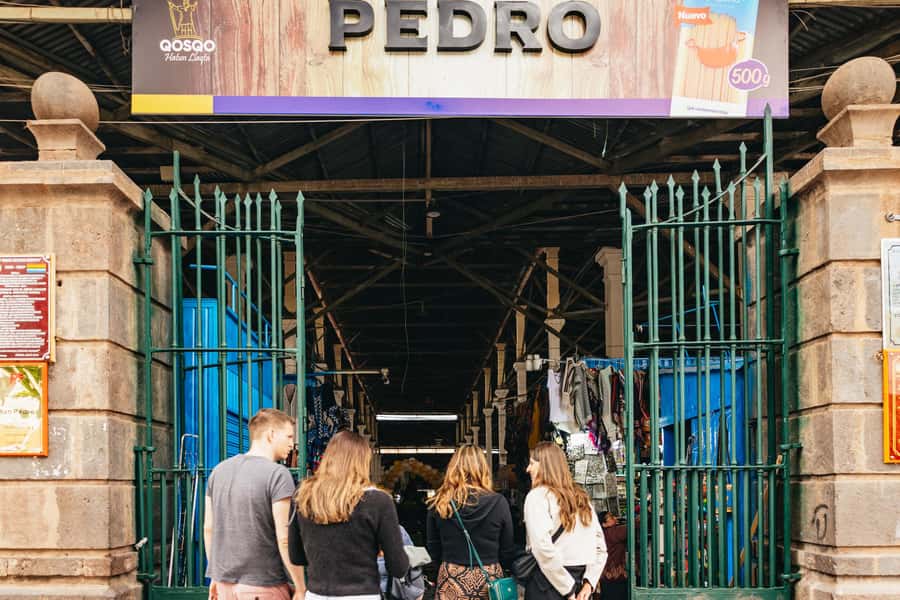
The experience begins at Door Number 1 of San Pedro Market, one of Cusco’s oldest markets. That meeting point is easy to identify, but you should still allow time to find your bearings around the market entrance and arrive in comfortable shoes.
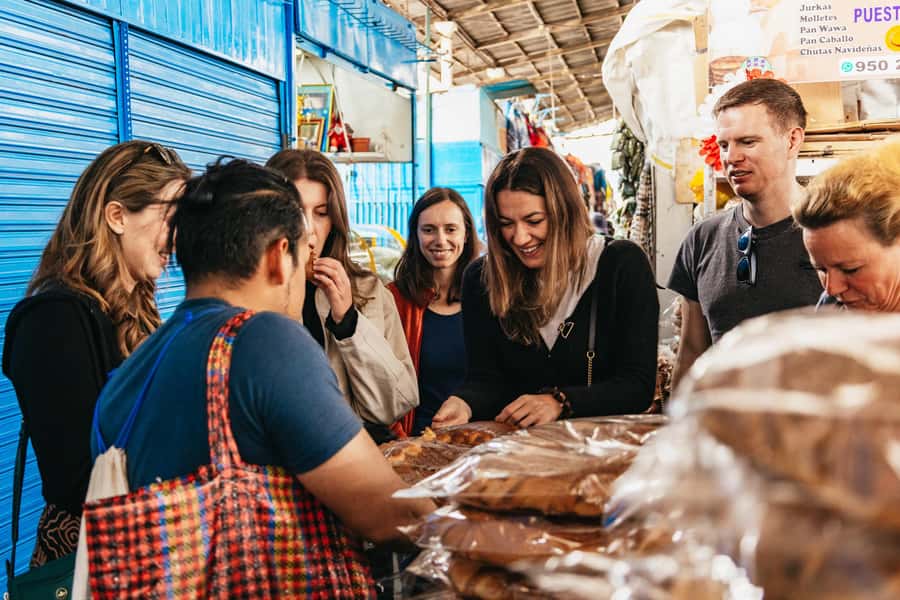
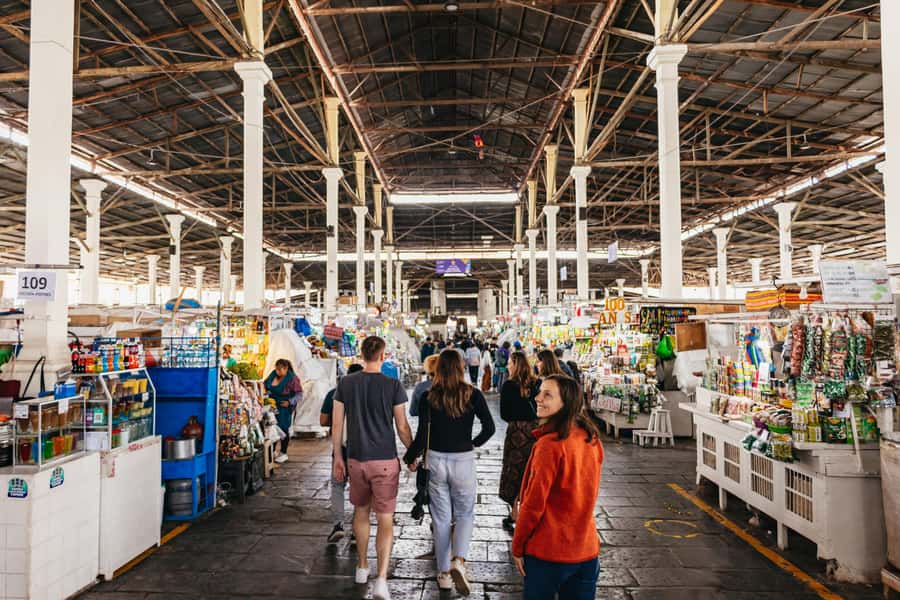
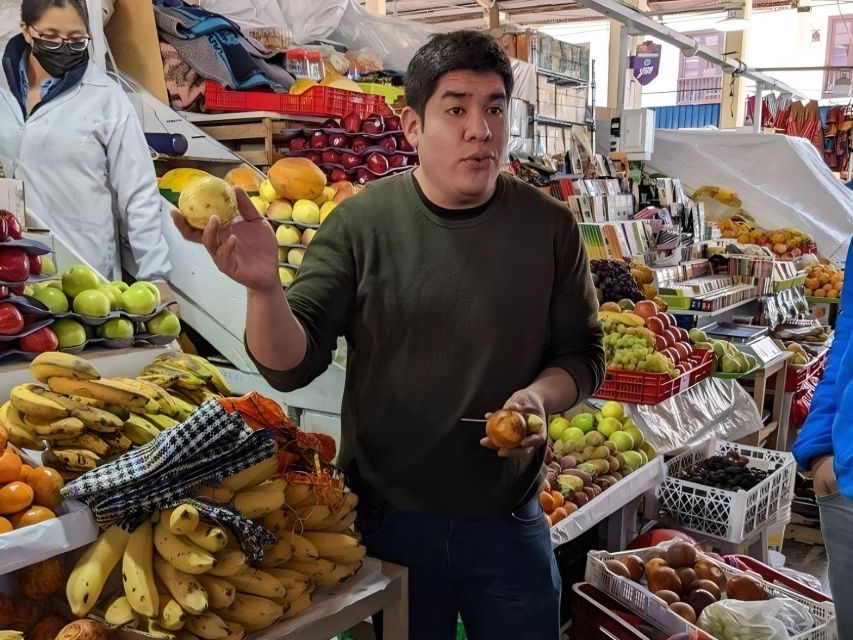
The market walk is not filler before the cooking. It gives you a working introduction to the ingredients used later. You might see rows of potatoes, quinoa, local cheeses, bread, cacao, chocolate and unfamiliar fruits. The guide explains what these foods are and how they fit into Peruvian cooking.
This is also where the activity feels most connected to daily life in Cusco. A restaurant meal can show you the finished dish. The market lets you see the raw materials, compare produce and understand why potatoes and grains matter so much in the Andes.
The market can be crowded and sensory, and it is not polished like a food hall. That is part of its appeal, but it may feel intense if you prefer quiet sightseeing. Some of the food stalls are practical working businesses rather than displays for tourists.
Sampling is an important part of the walk. You may try local cheese, bread, fruit and chocolate, with cacao and passion fruit among the foods highlighted during the experience. If you enjoy learning through taste, this opening section may be the strongest part of the afternoon.
Other hands-on kitchens in Cusco:
- Cooking class and market tour with a local chef
★ 5.0 · 186 reviews - Cusco by Night: Planetarium Cusco, Dinner, and Pisco Sour
★ 5.0 · 75 reviews - Cusco: Historic Walking Tour with Pisco Sour and Music Show
★ 4.6 · 65 reviews
Walking from the market to the cooking studio
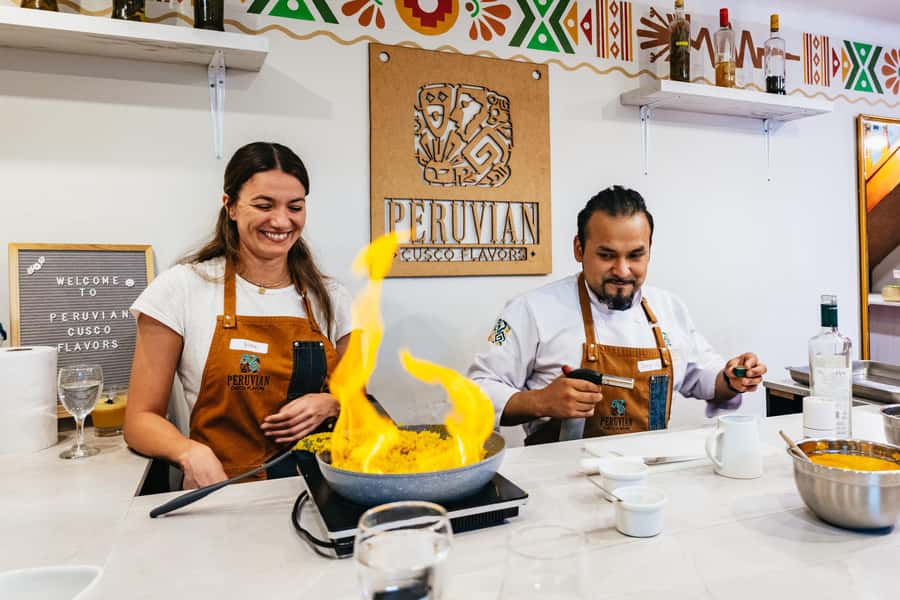
After the market, you take a short walk through Cusco’s historic center to the cooking studio. The class takes place indoors, where you tie on an apron and settle into the kitchen before the practical work begins.
The contrast is useful. San Pedro gives you the raw, local setting. The studio provides a cleaner and more controlled place to prepare food, plate it and eat at a shared table.
Chef Jesus is named as the main chef for the experience, though sessions may also be led by Chef Jorge or Chef Eric. The strongest quality across the guides is their ability to explain the food while you work. They cover the background of each dish, answer questions and help with presentation.
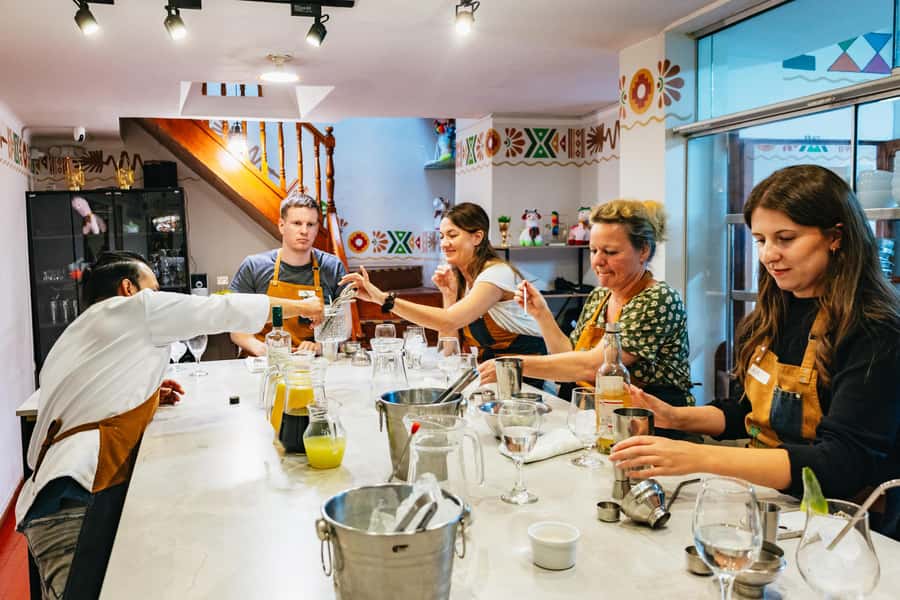
The group is capped at 10 people. That is small enough for a more personal class without making the activity feel like a private lesson. You will work alongside other people, which adds a social side to the meal. Cooking together gives you an easy reason to talk, even if nobody in the group knows one another at the start.
Making two Peruvian cocktails
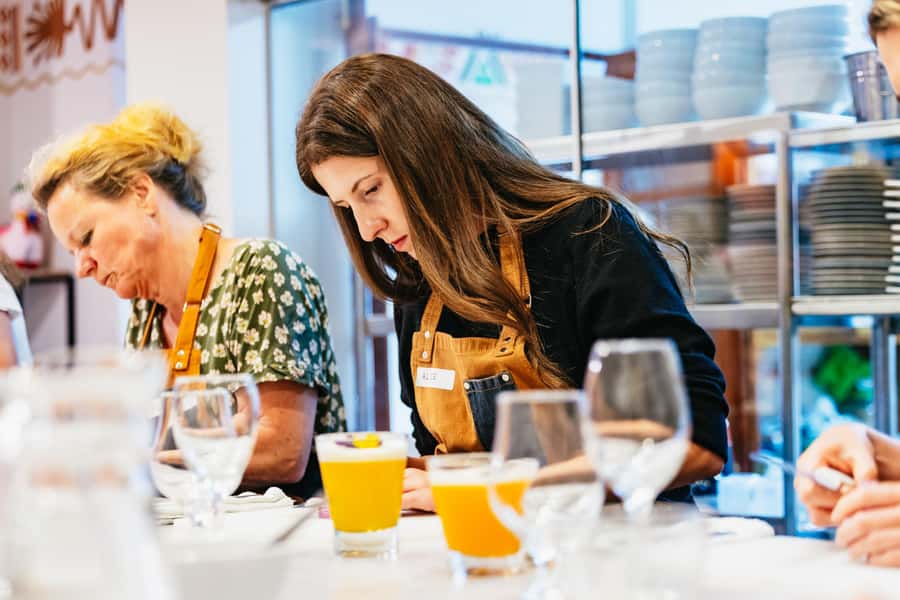
The first practical lesson is a Peruvian cocktail. You make two drinks during the class and sip them as the cooking continues. Pisco is the main local spirit, so this part gives you an introduction to Peru’s national drink without requiring a separate bar visit.
The cocktails are not simply handed to you. You take part in making them, which makes the drinks more memorable and gives the class a natural rhythm. Start with the cocktail portion, move into the food preparation, and return to the table as each course comes together.
Alcohol-free versions are available. This matters for anyone who does not drink, as well as for people who want to stay sharp in Cusco’s high-altitude setting. The same care applies to food restrictions, with vegetarian, vegan and gluten-free menus offered.
You should still mention dietary needs when booking and repeat them at the beginning of the activity. One person reported some confusion about a gluten-free request, even though the kitchen ultimately accommodates these needs. Clear communication is the sensible approach.
Cebiche, causa limeña and quinoa tamal
The main lesson covers three Peruvian dishes. Each offers a different look at the country’s cooking.
Cebiche is the most immediately recognizable of the three. Fresh ingredients and bright flavors make it a lively dish to prepare and eat. The guide explains the steps and the background, so you learn more than a restaurant version would tell you.
Causa limeña is based around potato and is assembled in layers. This is one of the most visually pleasing parts of the class, since the food is shaped and plated rather than simply spooned into a bowl. You get to practice presentation and see how a few simple elements can look special when arranged carefully.
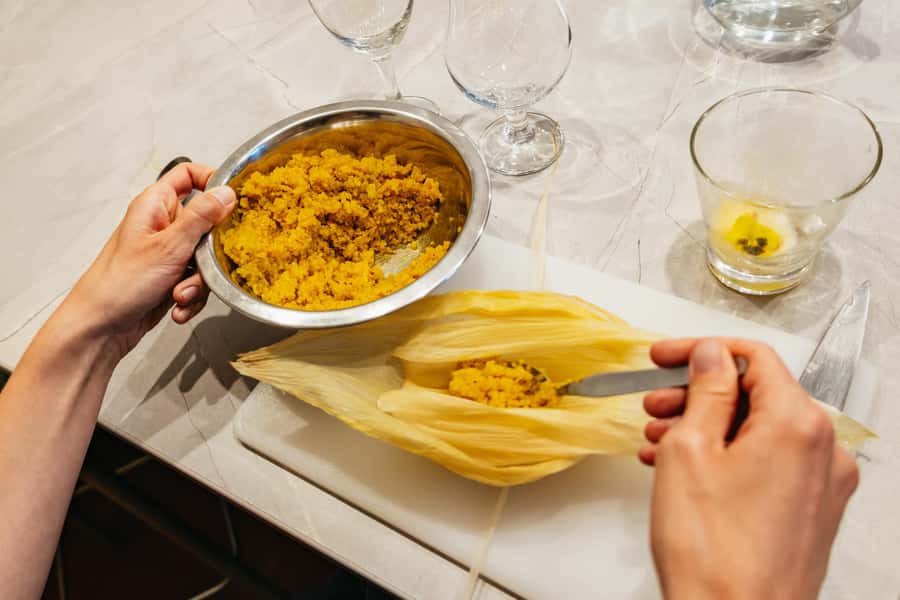
The quinoa tamal brings an Andean ingredient into the lesson. Quinoa is strongly linked with Peru, especially the highlands around Cusco, so this dish connects the market visit to the region’s food traditions.
The class is described as making three dishes, but the experience feels closer to a multi-course meal because picarones are served afterward as dessert. Some preparation is done in advance, and one useful expectation to set is that this is partly a cooking class and partly a guided assembly class. You will prepare and finish food, but you will not spend four hours doing every task from scratch.
That arrangement is a benefit for many people. You can focus on flavor, technique and plating without becoming exhausted. If you are seeking an intensive culinary school session, you may find it too light. If you want to eat well and learn the basics in a social setting, the balance works.
More eating your way around Cusco:
- The 10 Tastings of Cusco With Locals: Private Food Tour
★ 4.5 · 71 reviews - Lima: Ultimate Peruvian Food Tour
★ 4.9 · 700 reviews - Lima: Historic Center Street Food, Market, and Eateries Tour
★ 4.9 · 216 reviews - Lima Street Food Tour Beyond Netflix
★ 5.0 · 117 reviews
A full meal, not just a demonstration
Once the dishes are ready, you sit down with the group and eat what you helped prepare. This is where the $67 price begins to make sense. The cost covers the market walk, a professional chef, ingredients, two cocktails, three savory dishes, dessert and water over four hours.
I would not compare it with a quick market tour or a standard restaurant meal. The value comes from combining several activities in one booking. You get an introduction to the market, a cultural explanation of the ingredients, hands-on food preparation and a sit-down meal.
The food is also substantial. Several people specifically advise arriving hungry because plenty is prepared. You may want a light breakfast or lunch beforehand rather than a large meal. The cocktails and picarones add to the total, so this is more than a small tasting session.
The shared table is an important part of the experience. You can trade stories with the group, compare your dishes and enjoy the meal without rushing off to the next attraction. For solo visitors, this makes the class an easy way to meet people. For couples and friends, it gives you a shared activity beyond sightseeing.
Picarones finish the afternoon
The final taste is picarones with honey. These Peruvian fritters provide a sweet ending after the savory dishes and cocktails.
A sugar-free and gluten-free option is available. If you have strict dietary needs, confirm the details with the chef before eating, but the general menu is built to handle several common restrictions.
Ending with dessert also helps the class feel complete. You start with raw market ingredients, learn about local food traditions, make drinks and dishes, then finish at the table with a final Peruvian specialty.
The guides make the difference
The class is led in English, and the guide is central to how much you get from the experience. Chef Jesus is praised for his teaching style, personality and ability to explain the food. Chef Jorge and Chef Eric also lead sessions, with Eric often noted for his enthusiasm and broad knowledge of Peruvian cuisine.
The best guide for you is not simply someone who can follow a recipe. You want someone who can explain why the dish matters, identify ingredients at the market and adjust the preparation when a participant is vegetarian, vegan or gluten-free.
That teaching approach is especially useful in Cusco, where food reflects several influences. The chef discusses Peruvian gastronomy and the history behind the recipes rather than treating the dishes as isolated cooking exercises.
Recipes are emailed after the class. That adds real value because causa and quinoa tamal are not dishes most people can recreate from memory. You can take home the method, buy ingredients later and try the recipes again.
Is this a good activity while adjusting to Cusco?
Yes, for many people. The class is mostly indoors and does not require a long hike, yet it still gives you movement through the market and historic center. Several people use it during their first days in Cusco, before heading to the Inca Trail or other demanding excursions.
You should remember that Cusco sits at high altitude. Two cocktails, a full meal and a market walk may feel more tiring than expected if you have just arrived. Drink water, take the pace slowly and choose the non-alcoholic cocktails if you are still adjusting.
The four-hour duration is long enough to feel worthwhile, but it occupies a large part of your day. It is not the best choice if you want a quick activity between major sights. It works well on an afternoon when you want to stay within central Cusco and focus on food.
Who should book this experience?
I would recommend it to anyone who wants more than a restaurant introduction to Peruvian cuisine. It is particularly good for couples, solo visitors, friends and small families with children aged 10 or older.
Food-focused visitors will enjoy the market access and ingredient explanations. People who like social activities will appreciate the shared table and small group. Anyone with dietary restrictions should also consider it, since vegetarian, vegan, gluten-free and alcohol-free options are part of the setup.
Children under 10 are not suitable for this activity. Older children may enjoy the market samples, mocktails and hands-on plating, but the four-hour length may still be a lot for a young participant.
You should skip it if you want advanced cooking instruction, a private class or a short tasting. The experience favors conversation, cultural context and a generous meal over technical training.
Practical details before you go
The price is $67 per person, and cancellation is free up to 24 hours before the start time. You can also reserve now and pay later, which helps if your Cusco schedule may change.
Wear comfortable clothing and shoes. You will walk through the market, take a short walk to the studio and spend time standing in the kitchen. The activity is offered in English only, so you should be comfortable following spoken instructions in English.
The group size is limited to 10 people. Starting times vary, so check availability before booking. Meet at Door Number 1 at San Pedro Market, not at the cooking studio.
Should you book it?
Book this experience if you want a practical, friendly introduction to Cusco’s food culture with plenty to eat. The market visit, two cocktails, three dishes, picarones and recipe follow-up make the $67 fee reasonable, especially compared with paying separately for a market tour, cooking lesson and full meal.
I would choose it early in a Cusco visit if you want help getting oriented to local ingredients, or near the end if you want to leave with recipes you can make at home. Just arrive in comfortable clothes, keep your appetite available and remember that the class is more about shared discovery and assembling traditional dishes than mastering advanced cooking technique.
FAQ
Where does the Cusco cooking class begin?
Meet at Door Number 1 at San Pedro Market in Cusco.
How long does the experience last?
The activity lasts four hours.
What dishes will I prepare?
You will prepare cebiche, causa limeña and quinoa tamal, followed by a tasting of picarones with honey.
Are cocktails included?
Yes. Two Peruvian pisco cocktails are included. Non-alcoholic versions are available.
Can I join if I am vegetarian or vegan?
Yes. Vegetarian and vegan menu options are available.
Can the class accommodate a gluten-free diet?
Yes. A gluten-free menu is available, and a gluten-free option is also offered for the dessert. Tell the provider about your needs when booking and again at the start.
Is the activity offered in English?
Yes. The live guide and cooking instruction are available in English only.
Are children allowed to join?
Children under 10 years old are not suitable for the activity.
Just added around Cusco
- “Waqra Pucara, The Majestic Fortress Revealing Secrets of the Andes”.★ 3.5 · 8 reviews
- 1.5h Cusco Chocolate Workshop – Truffles & Hot Chocolate★ 4.3 · 8 reviews
- Cusco: Chocolate Workshop with the Best Local Organic Cacao★ 4.5 · 23 reviews
- Cusco: Bean to bar chocolate workshop★ 5.0 · 3 reviews
- Cusco: Pub Crawl with Skip-the-Line Access and Drinks★ 4.6 · 57 reviews
- Horseback Tour in cusco to Temple of the Moon & Hidden temples★ 5.0 · 54 reviews
- Sacred Valley Experience and Machu Picchu Sunrise 2-day Journey★ 5.0 · 60 reviews
- 4-Day Inca Jungle Adventure, Mountain Biking, Rafting and Zipline★ 5.0 · 60 reviews
Cooking Classes, compared.
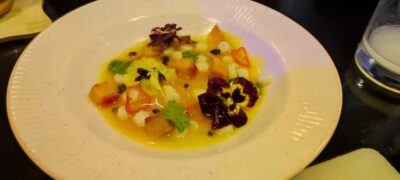
Cooking class and market tour with a local chef
Read our review →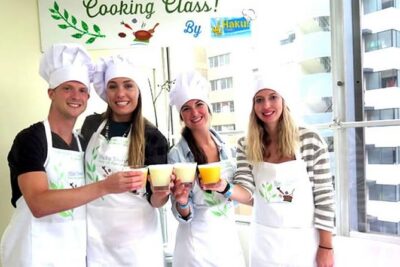
Cook an Authentic Ceviche And Peruvian Pisco Sour!
Read our review →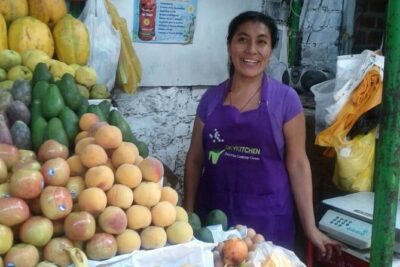
Market Tour, Tasting of 35 Fruits, and 4-Course Peruvian Cooking Class in Lima
Read our review →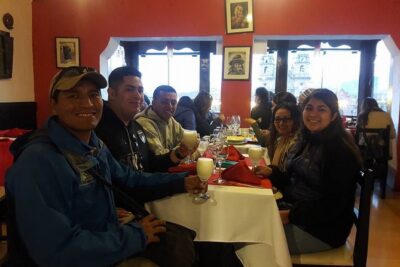
Cusco by Night: Planetarium Cusco, Dinner, and Pisco Sour
Read our review →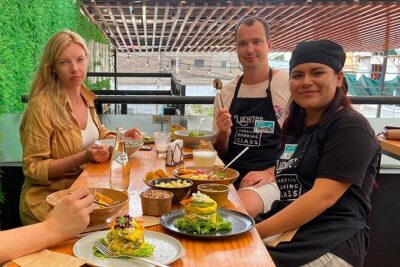
#1 Rated Cooking Classes with Local Market Tour & Pickup
Read our review →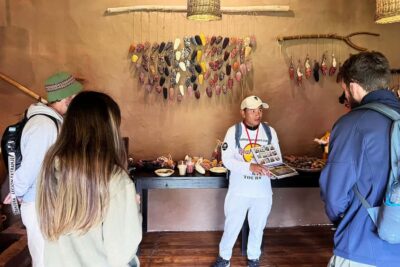
Historic Walking Tour with Pisco Sour and Music Show
Read our review →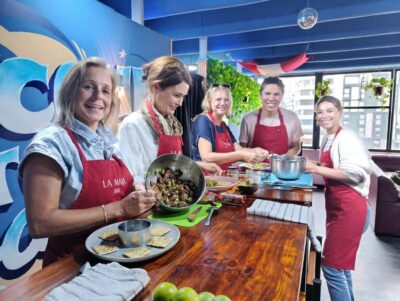
Amazing Peruvian Cooking Class Ceviche Seafood and Pisco Sour
Read our review →Browse the lists this tour appears in