
Reviewed · COOKING CLASSES
Private Andean Cooking Class, Pachamanca
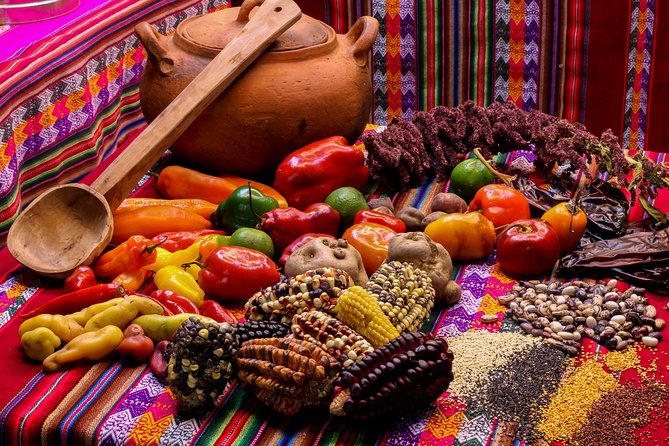
This private Cusco cooking class puts you close to the food traditions of the Andes. You work with corn, local peppers, grains, fruits, meats, and clay pots, then sit down to eat what you helped prepare. The Pachamanca-style finish gives the class a stronger Andean focus than a standard city cooking lesson.
I like the hands-on format, since you are not simply watching a chef prepare lunch. I also like the cultural detail: uchucuta, chicha, Andean tamales, ancient grains, and local superfoods give the meal some context. The main consideration is the $150 per-person price, which is a serious spend for a three-hour activity, especially if your group is large.
Key points before you book
- Private instruction: Only your group takes part, so the chef can adjust the pace and cooking tasks to your level.
- Andean ingredients: You taste corn, fruits, peppers, grains, and other products connected to the highlands.
- Pachamanca-style cooking: The final tasting centers on ingredients cooked in clay pots, tying lunch to older Andean methods.
- Dishes can be substantial: The class includes one appetizer and one main, with past sessions also featuring ceviche, lomo saltado, alpaca, and Pisco cocktails.
- Family-friendly options: Children can receive mocktails and help with the cooking, while adults make cocktails.
- Easy midday timing: The class begins at 9:00 a.m. at C. Palacio 135 and ends at the same meeting point.
What the three-hour class is really about
This is not just a recipe lesson. It is a guided introduction to how Peru brings together native Andean ingredients, Spanish influences, Asian cooking methods, fermentation, fire, and fresh sauces.
Your chef leads the session in English or Spanish, depending on your request. The instructors named in the available information include Alejandro, Fernando, Jose, Jose Luis, and Christina. The exact chef matters because each brings a different style. Alejandro has been described as especially strong on food history and instruction, while Fernando has worked well with children. Christina has taught Pisco tasting and classic dishes in a warm, informal way.
The private setup is useful here. You do not have to match the pace of a large group, and the chef can help if your knife work is slow or if you need a dish adjusted. You also get more freedom to ask why an ingredient is used, rather than simply copying a recipe.
The class lasts about three hours. That is enough time for several cooking stages, tasting, drinks, and lunch, but it is not a full-day market-and-farm experience. Think of it as a well-filled morning that leaves the rest of your day open for Cusco museums, ruins, or a quiet afternoon.
Other hands-on kitchens in Cusco:
- Cusco: Peruvian Cooking Class, Cocktails & Local Market Tour
★ 4.9 · 512 reviews - Cooking class and market tour with a local chef
★ 5.0 · 186 reviews - Cusco by Night: Planetarium Cusco, Dinner, and Pisco Sour
★ 5.0 · 75 reviews
Starting with marinades and Andean flavor
The first stage focuses on marination. You prepare meats and other ingredients in a seasoned sauce before cooking them. This is a useful beginning because it shows how flavor is built before the heat arrives.
The class also introduces local fruits, vegetables, herbs, condiments, and peppers. In earlier versions of the lesson, the chef has offered samples before the cooking begins, including unusual Peruvian fruits and different types of Pisco. That tasting gives you a better sense of the country’s food range than a recipe sheet alone.
You may find the flavor lesson especially useful if you have mostly eaten familiar Peruvian dishes in restaurants. The class helps explain why the food tastes the way it does. Fresh citrus, hot peppers, herbs, corn, potatoes, and local meats each play a clear role.
The instruction is aimed at all skill levels. You do not need to arrive as an experienced cook. If you already cook often, the value comes from the ingredients, techniques, and background rather than from basic kitchen instruction.
Andean tamales, corn, and the meaning of staple foods
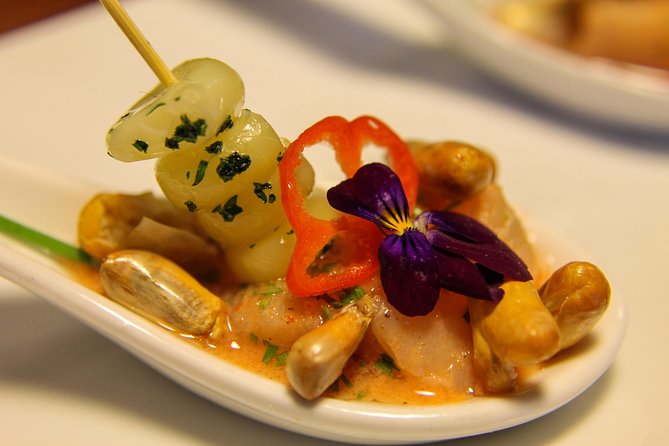
The next stage centers on Andean tamales made from corn. Corn is not merely a side dish in the Andes. It is tied to farming, daily meals, festivals, and older cooking traditions.
Making tamales gives you a slower, more tactile task than preparing a sauce or cocktail. You work with the corn mixture and learn how the food is assembled using an ancestral method. The point is not only the finished tamale. It is the connection between the ingredient, the land, and the technique.
This part should appeal to you if you want food with a clear cultural link. It also adds balance to the class. Ceviche and lomo saltado are famous, but tamales and corn reveal a more specifically Andean side of Peruvian cooking.
One limitation is that the supplied information does not specify the precise tamale filling or serving size. The class includes one appetizer and one main, so the tamale may be part of the cooking sequence rather than a separate full course. Ask about the day’s menu if that distinction matters to you.
The private market and the ingredients behind the meal
The private market portion introduces Andean products, including ancient grains and foods often called superfoods. You learn how these ingredients fit into the diet and culture of the Andes.
This is one of the most useful sections for people who want to understand Peru beyond restaurant menus. You can taste and handle ingredients that might otherwise remain mysterious on a market shelf. The lesson gives you a reason to notice corn varieties, peppers, grains, fruits, and potatoes during the rest of your time in Cusco.
The market is described as private, but no separate public market visit or walking route is specified. I would not book this expecting a long excursion through Cusco’s main markets. It is better understood as a focused ingredient presentation within the class.
The setting also means you can ask direct questions. If a grain is unfamiliar, you can learn how it is used. If a pepper is hot, you can find out how it changes a sauce. These small explanations make lunch more memorable and give you ideas to use at home.
Other private tours around Cusco:
- City Tour in Cusco & visit Museum South American Camelid Private.
★ 5.0 · 147 reviews - Private Tour to Sacred Valley and Machu Picchu from Cusco
★ 5.0 · 133 reviews - Private Rainbow Mountain Full Day Tour from Cusco
★ 5.0 · 129 reviews - Full Day Private Guided Tour in Machu Picchu
★ 5.0 · 115 reviews
Uchucuta, the pepper sauce with an Andean identity
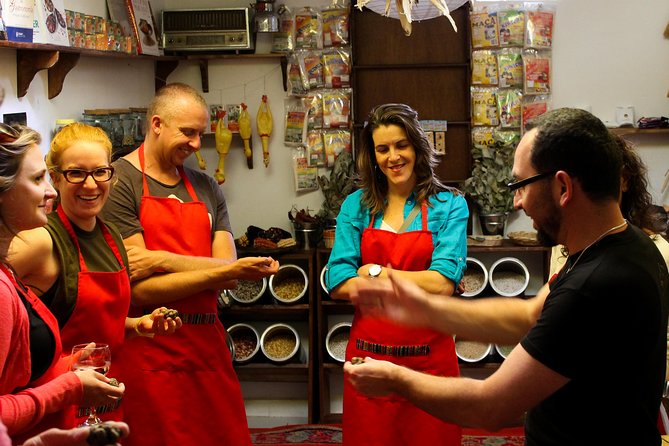
Uchucuta is a spicy sauce linked to Inca-era food traditions. During the class, you prepare it using traditional methods passed down through generations.
This sauce is a strong reason to choose the Andean version of the activity. A standard Peruvian cooking class may focus on ceviche, lomo saltado, and Pisco cocktails. Those dishes are worthwhile, but uchucuta gives you something less predictable and more closely tied to the highlands.
Expect heat, but the information provided does not state a fixed level of spiciness. If you do not handle hot peppers well, tell the chef at the start. Dietary needs should also be given when booking, not at the last minute.
You may also appreciate the contrast between raw and cooked flavors. Ceviche relies on fresh ingredients and careful timing, while a pepper sauce brings heat, texture, and seasoning together. The class lets you see how different techniques shape the final meal.
Chicha tasting and the place of fermentation
Chicha is presented as an ancestral Andean drink associated with the Incas. The tasting gives the class a historical and social angle, since the drink is not treated as an ordinary beverage.
The exact type of chicha is not specified, so you should not assume a particular flavor, alcohol level, or serving style. The important point is that you get an introduction to fermentation and to a drink with a long place in Andean food culture.
The included beverages also extend beyond chicha. Past class formats have included Pisco tastings, Pisco sours, and Chilcanos. You may prepare cocktails with the chef, though the exact drinks can vary. This is a nice touch for adults who want more than a cooking demonstration.
Families should note the helpful flexibility shown in past classes. Children have been offered mocktails while adults prepared cocktails. That makes the activity easier to share across generations, though you should still mention the ages in your booking request.
The final tasting from clay pots
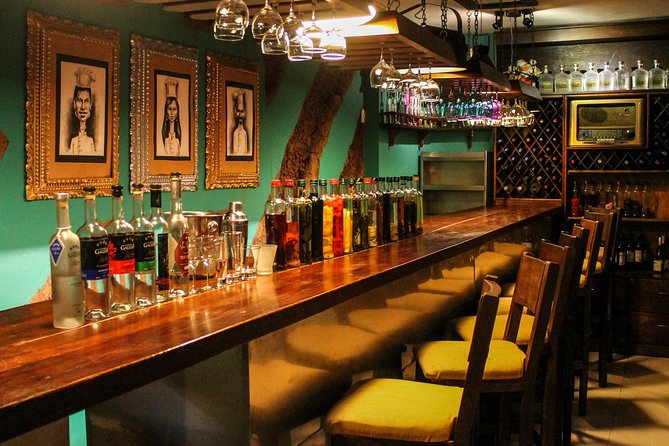
The class ends with food cooked in clay pots, bringing the Pachamanca idea to the front. Pachamanca is associated with cooking food using earth, stones, and heat, although the supplied class details specifically describe ingredients cooked in clay pots rather than promising a full outdoor pit ceremony.
That distinction matters. You should expect an Andean clay-pot cooking experience, not necessarily a rural farm visit or a large underground feast. The final meal connects the food to the land and to older Peruvian methods while keeping the activity practical for a Cusco city setting.
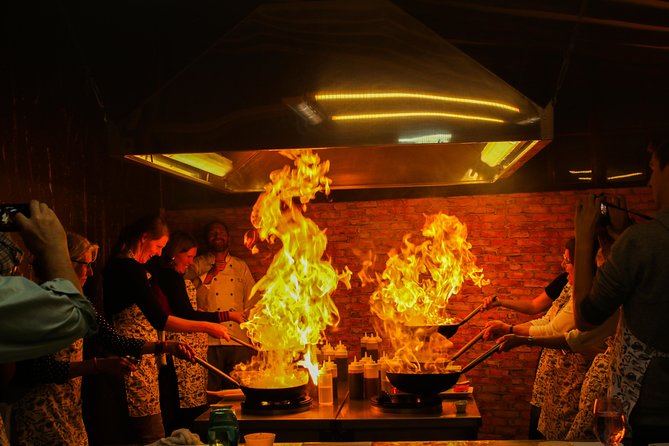
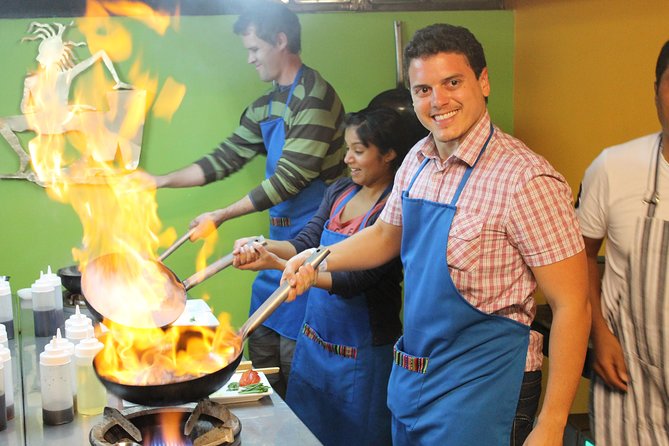
The included meal consists of one appetizer and one main. Past sessions have included ceviche, lomo saltado, and alpaca lomo saltado. The lomo saltado may be prepared in a wok with a dramatic flame, which adds theater as well as technique. If you enjoy food presentation, this is likely to be one of the most memorable moments.
After cooking, you eat the finished food rather than rushing straight to the next activity. The meal is the payoff for the morning’s work, and the private format lets you ask final questions while you taste.
Ceviche, lomo saltado, and a menu that may vary
The stated Andean program emphasizes tamales, uchucuta, chicha, and clay-pot cooking. The available class experience has also included ceviche, lomo saltado, Pisco sours, Chilcanos, fruits, and local meat.
You should treat this as a flexible menu rather than a fixed restaurant-style tasting. The chefs may shape the lesson around seasonal ingredients, dietary needs, and the format requested for your group. If ceviche or Pisco drinks are the main reason you are booking, confirm that they are part of your session.
Ceviche teaches timing and balance. You see how fresh ingredients, acid, seasoning, and texture work together. Lomo saltado shows a different side of Peru, with wok cooking, high heat, and a style often linked to Chinese-Peruvian influence.
The class is particularly good for comparing techniques. One dish may be fresh and quickly assembled, another may require marination and high heat, and the Andean elements may rely on corn, peppers, fermentation, and clay-pot cooking.
Is $150 per person a fair price?
At $150 per person, this is not a cheap lunch. You are paying for a private three-hour class, a professional chef, beverages, bottled water, one appetizer, one main, and the chance to cook rather than simply eat.
The price makes more sense for a honeymoon, a small family celebration, or a group that genuinely enjoys food. The private format also has value if you want individual attention or need vegetarian or other dietary adjustments.
It is less compelling if you are mainly looking for an inexpensive introduction to Peruvian dishes. Cusco has many good-value meals, and a public class would normally cost less. You should choose this activity for the teaching, cultural context, and private pace, not only for the amount of food.
Recipe follow-up may add practical value. Christina has sent recipes after class, and other chefs have helped participants recreate dishes at home. Confirm this directly if having written recipes is important to you, since it is not listed as a formal inclusion.
Who will enjoy this Cusco cooking class?
I would recommend it to you if you enjoy food, want a break from ruins, or prefer an activity that gives you something to do with your hands. It also works well for people who want a more personal connection to Peruvian ingredients.
Families can make good use of the private arrangement. Children can help with cooking, listen to kid-friendly music, and receive mocktails in the format previously offered by Fernando. Grandparents and mixed-age groups also benefit from avoiding a large class pace.
The class suits adults interested in cocktails, but alcohol is not the whole point. You can focus on food, request nonalcoholic options, or ask about a vegetarian version. The provider asks for dietary requirements at booking, and vegetarian preparation is available.
It may be less suitable if you want a farm visit, a long market walk, or a full outdoor Pachamanca pit ceremony. Those details are not promised. The experience is a city-based cooking class with Andean methods and ingredients.
Practical details for your morning
Meet at C. Palacio 135 in Cusco at 9:00 a.m. The activity ends back at the same meeting point. Since lunch is included, the timing works well as a morning activity followed by an open afternoon.
Bring your original passport at the beginning of the course for tax purposes. This is easy to forget, so keep it accessible rather than locked away at your hotel.
The class is private, and only your group participates. Request English or Spanish when booking. Confirmation is provided at booking, and the provider asks you to share dietary needs in advance.
Free cancellation is available up to 24 hours before the start time for a full refund. Changes or cancellations inside that 24-hour window are not accepted for a refund. The experience also requires a minimum number of participants, and if that minimum is not met, you are offered another date or experience, or a full refund.
Should you book the Pachamanca class?
Book it if you want a personal, food-centered morning that goes beyond the usual ceviche lesson. The best reasons are the private chef, the Andean ingredients, the tamales and uchucuta, the chicha tasting, and the clay-pot finish.
I would especially choose it for a honeymoon, family group, or food-loving couple with room in the budget. Ask ahead about the exact menu and chef if you have your heart set on Pisco cocktails, ceviche, alpaca, or lomo saltado.
Skip it if $150 feels too high for lunch or if you want a full rural Pachamanca ceremony. For everyone else, it is a useful pause between Cusco adventures, with enough cooking to keep you involved and enough cultural detail to make the meal mean something.
FAQ
Where does the cooking class begin?
The class begins at C. Palacio 135, Cusco 08002, Peru.
What time does the activity start?
The stated start time is 9:00 a.m.
Where does the experience end?
The activity ends back at the meeting point.
How long is the cooking class?
The class lasts approximately three hours.
Is the class private?
Yes. Only your group participates in the activity.
Can I take the class in English?
Yes. The class operates in English or Spanish, depending on your request.
Is a vegetarian option available?
Yes. A vegetarian option is available, but you should request it when booking. Specific dietary requirements should also be provided in advance.
Just added around Cusco
- Full-Day Tour to Ausangate 7 Lakes★ 5.0 · 56 reviews
- Private Ollantaytambo, Pisac Ruins Tour with Farm Visit, Gourmet Picnic Lunch★ 5.0 · 52 reviews
- Cusco Cooking Class by ChocoMuseo in Cusco★ 5.0 · 29 reviews
- Private Machu Picchu 1 Day Tour from Poroy Cusco★ 5.0 · 5 reviews
- Palccoyo Rainbow Mountain Full Day Tour★ 5.0 · 31 reviews
- Palccoyo Rainbow Mountain Full Day Tour from Cusco★ 4.5 · 49 reviews
- 2-Day Sacred Valley Machu Picchu by Train with Llama Experience★ 5.0 · 55 reviews
- Moray and Salinera de Maras Half Day★ 4.5 · 48 reviews
Cooking Classes, compared.
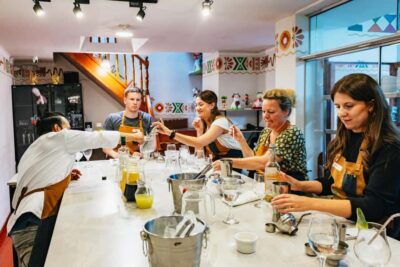
Peruvian Cooking Class, Cocktails & Local Market Tour
Read our review →
Cooking class and market tour with a local chef
Read our review →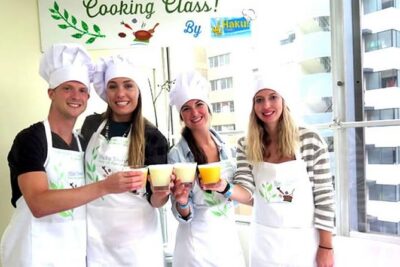
Cook an Authentic Ceviche And Peruvian Pisco Sour!
Read our review →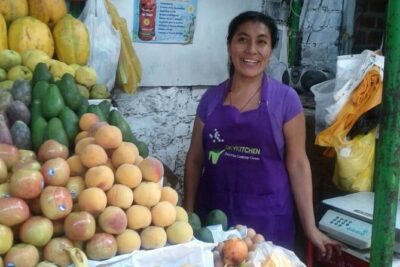
Market Tour, Tasting of 35 Fruits, and 4-Course Peruvian Cooking Class in Lima
Read our review →
Cusco by Night: Planetarium Cusco, Dinner, and Pisco Sour
Read our review →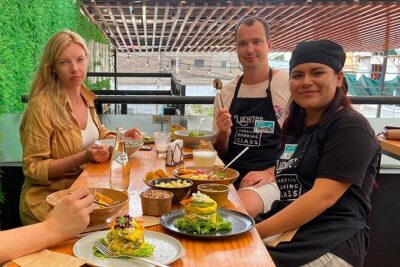
#1 Rated Cooking Classes with Local Market Tour & Pickup
Read our review →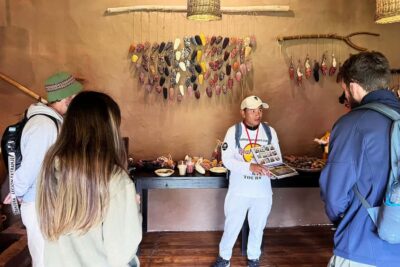
Historic Walking Tour with Pisco Sour and Music Show
Read our review →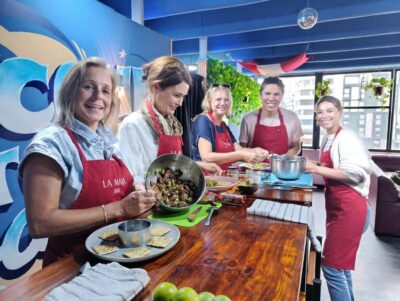
Amazing Peruvian Cooking Class Ceviche Seafood and Pisco Sour
Read our review →Browse the lists this tour appears in