
Reviewed · ZIPLINE & VIA FERRATA
Qampa Climbing 2 Days in Ausangate
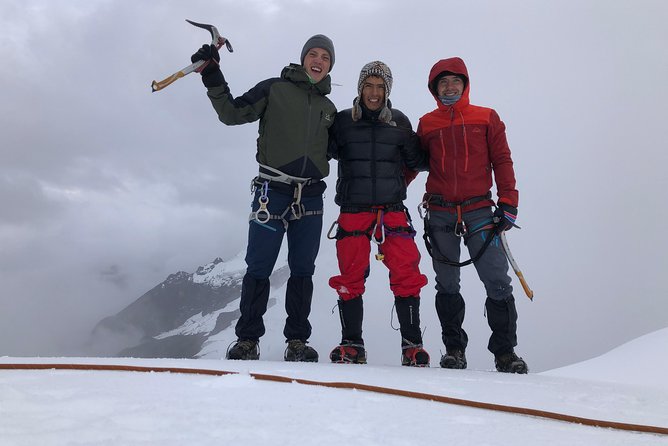
Qampa reaches 5,520 meters above sea level, yet it is presented as Cusco’s easiest mountain climb for people without previous mountaineering experience. You hike across moraine, put on glacier gear, and climb for about two hours to the summit. I like the compact two-day format and the small maximum group of six. I also like the finish at Pacchanta’s hot springs, with Ausangate in view.
The catch is the altitude and the early start. You wake at 2:30 a.m. after sleeping at 4,680 meters, then work toward a glacier summit that can require some rock scrambling depending on conditions. This is not a casual sightseeing day, even if you have never climbed before.
Key points before you book
- A real glacier climb: You receive high-mountain equipment and instruction before climbing from the moraine onto the glacier.
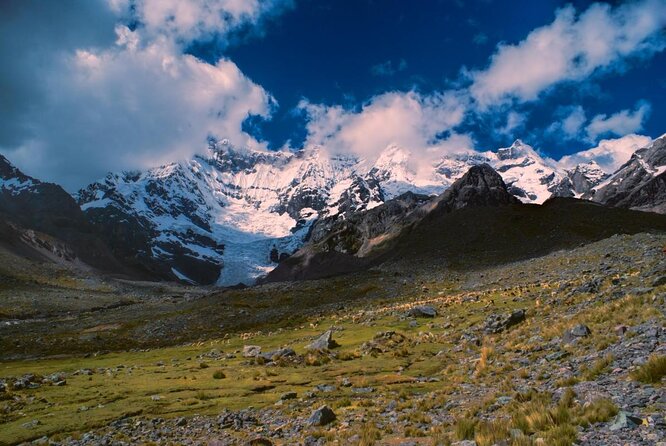
- 5,520-meter summit: Qampa offers wide views toward the Ausangate area and, on clear days, as far as Salkantay, more than 200 kilometers away.
- Short but demanding schedule: The tour lasts two days, with a 2:30 a.m. summit start on the second day.
- Small groups: The maximum group size is six, which allows closer contact with your high-mountain guide.
- Camp support included: Tents are set up before you arrive, and horses carry extra duffel bags according to the supplied trip information.
- Hot springs at the finish: After returning to Pacchanta, you can soak in the springs before the drive back to Cusco.
What Qampa offers that a standard trek does not
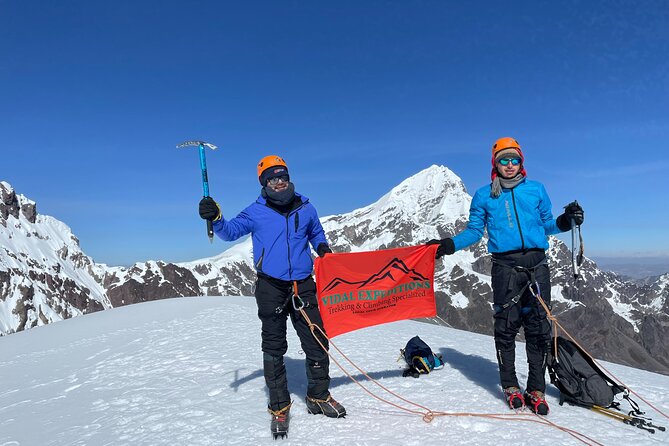
Qampa is a useful introduction to mountaineering because the route combines a straightforward approach hike with a short technical section. You are not simply walking to a viewpoint. You hike to high camp, learn how to use climbing equipment, cross glacier terrain, and make a summit attempt before descending the same day.
That distinction matters. Someone who has completed several long hikes may still find the summit morning difficult because of the altitude and cold. At the same time, you do not need previous mountaineering experience according to the tour description. The guides provide the gear and instructions, and the group is limited to six people.
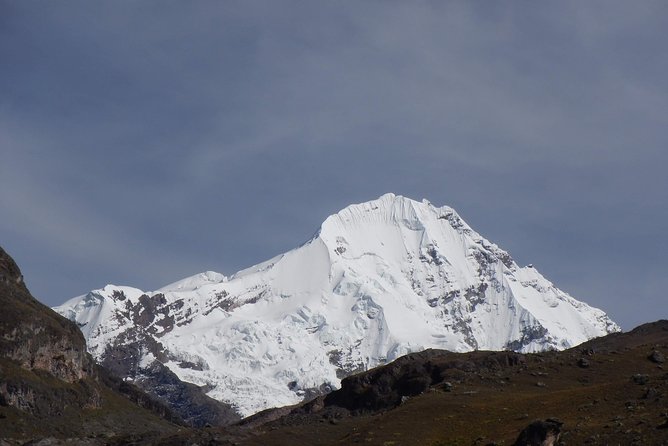
The setting is the Ausangate region, one of the most impressive mountain areas near Cusco. From the route, you see snow-covered peaks rather than the ruins and villages that fill many Cusco excursions. The summit view can extend toward Salkantay, more than 200 kilometers to the northwest, if the weather is clear.
The experience also has a practical advantage. It fits into two days, so you do not need to give up a long block of your Peru trip. You still need to take the altitude seriously, but Qampa makes a first mountaineering attempt possible within a short itinerary.
Other days on a rope around Cusco:
- Sam’s Zip Line in Sacred Valley
★ 5.0 · 75 reviews - Rafting & Zip line Urubamba River 1 Day
★ 5.0 · 75 reviews - Salkantay Trek 4 Days to Machu Picchu by Glamping Sky Lodge Dome
★ 5.0 · 68 reviews
Day one: from Cusco to Pacchanta Baja
Pickup is scheduled from your Cusco hotel at 6:00 a.m. The drive heads toward Tinki on the Interoceanic Highway and takes about two and a half hours. Tinki is a useful break rather than a major sightseeing stop. You have about 30 minutes to eat breakfast, look around, or buy anything you still need.
Pay attention to the food arrangements here. The package includes dinner, breakfast, and two lunches in the supplied details, but one trip description indicates that breakfast on the first morning may need to be paid for separately. I would confirm exactly what is covered before departure and carry some cash for Tinki.
From Tinki, the route continues to Pacchanta village at about 4,060 meters. This is where the walking portion begins. The altitude is already serious, so do not treat the first day as a warm-up at sea level. Move steadily, drink regularly, and keep your pace comfortable.
The first hike takes about two hours toward Azulccocha. You stop there for lunch with views of snow-covered mountains around you. That meal break has real value. It gives you time to eat before the harder altitude gain, and it keeps the trip from becoming one long push to camp.
After lunch, you continue toward base camp at 4,680 meters. The day is not described with a total walking distance, so you should judge it by the altitude and the roughly stated hiking times rather than by mileage. Once you reach camp, your tent should already be set up. Dinner follows, then an early night.
Sleeping at 4,680 meters is one of the main tests of the trip. You may be fit enough for the walking and still have a poor night because of the thin air. The schedule does not leave room for a slow morning, so I would avoid booking Qampa immediately after a long flight or an exhausting arrival in Cusco.
Day two: the 2:30 a.m. summit attempt
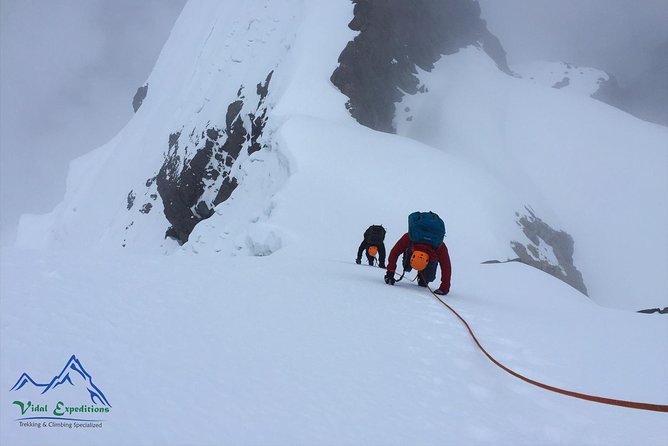
The second day starts at 2:30 a.m. You have breakfast, then begin the climb toward the moraine. From there, the guide leads you onto the glacier and provides the equipment and instructions needed for the climbing section.
The ascent from the glacier to the top takes about two hours. The route includes steps, and depending on the season, you may also face a small rock-climbing passage. The details supplied do not describe the exact equipment list, so ask what is provided during booking and what clothing or footwear you must bring yourself.
The summit of Qampa is listed at 5,520 meters. Some trip descriptions refer to elevations between roughly 5,532 and 5,560 meters, but the stated itinerary uses 5,520 meters. You should expect a climb above 5,500 meters, not rely on a precise figure.
At that height, every movement costs more effort. You will likely stop often, follow the guide’s pace, and focus on short sections of the route. The reward is the high mountain view, with the Ausangate peaks nearby and a possible distant sightline toward Salkantay.
Summit time depends on conditions and your group’s progress. You should not expect a long picnic at the top. After resting and taking in the views, you descend to base camp for lunch.
This is where the route becomes more manageable. Once back at camp, you collect your belongings and walk down to Pacchanta. The return hike still takes effort, especially after the summit, but you are losing altitude rather than gaining it.
Pacchanta hot springs and the return to Cusco
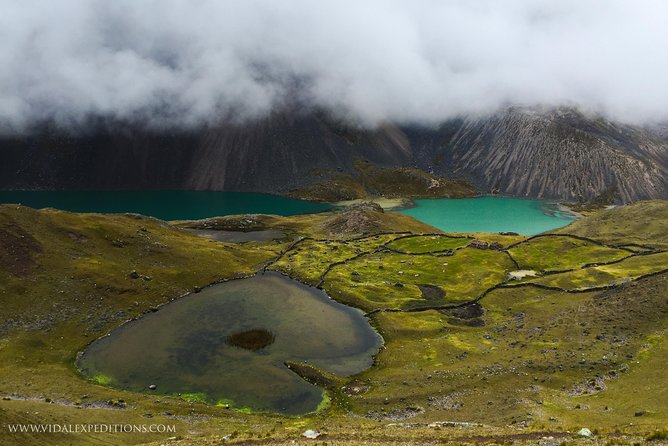
Back in Pacchanta, you have the option to soak in the hot springs. This is a smart ending to a demanding morning. You can warm up, rest your legs, and look back toward Ausangate before the bus ride.
The hot spring stop is optional, so bring only what you need for it and check with the operator about practical arrangements. The tour information confirms the option but does not give a separate admission price or a precise amount of time there.
The bus returns to Cusco in the afternoon. The exact arrival time is not given, so avoid scheduling a flight, train, or fixed evening reservation that requires you to return at a precise hour. Mountain weather, road conditions, and the summit schedule can all affect the day.
Other two-day trips from Cusco:
- From Cusco: 2-Day Trip to the Sacred Valley and Machu Picchu
★ 4.6 · 265 reviews - Cusco: Machu Picchu 2-Day Inca Trail with Panoramic Train
★ 4.9 · 260 reviews - From Cusco: 2-Day Inca Trail to Machu Picchu
★ 4.2 · 244 reviews - Machu Picchu: Inca Trail 2-Day Overnight Guided Tour
★ 4.9 · 203 reviews
How the guide and support team affect the climb
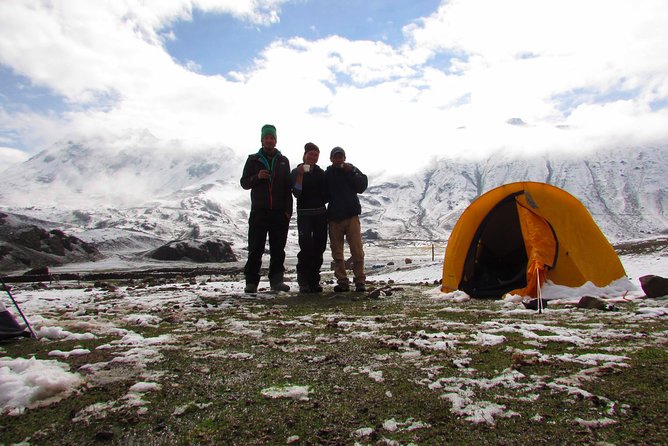
On a route like Qampa, the guide matters more than polished sightseeing commentary. You need someone who can set a safe pace, explain glacier equipment, and make sensible decisions when weather or route conditions change.
The supplied trip information identifies several guides who have led this climb, including Flavio, Chino, Carlos, Angel, Sergio, Vinerson, Hector, and Raul. You should not assume you will receive a particular guide unless Vidal Expeditions confirms that in writing. Still, the repeated emphasis on experienced mountain leadership is important for a first climb.
The support team can include a cook, horse drivers, and an assistant. Previous trip details describe tents and sleeping bags being prepared for the group, with horses carrying extra duffel bags. That makes the trip easier than carrying every item yourself, but it does not turn the route into a luxury expedition.
Food receives especially strong praise in the supplied comments. Meals are described as generous and well prepared, with one special cake served after the summit. That kind of care matters at altitude, where a warm meal can do more for your mood than another scenic stop.
Water is listed as not included. Carry enough for the walking day and ask before departure how much water support is available at camp. One trip account says there was no shortage of water or food, but the formal inclusions still require you to plan for water yourself.
Is the $380 price good value?
At $380 per person, this is not the cheapest way to spend two days near Cusco. The value comes from the parts of a mountaineering trip that are difficult to arrange independently: private transport, a high-altitude guide, climbing equipment, camp support, meals, tents, and horse assistance.
The maximum group size of six also improves the value. On a technical route, six people is far more workable than a large trekking group. You receive more direct attention from the guide, and the pace can be adjusted more easily.
The price does not include water or tips. Breakfast arrangements should be checked because the supplied details are not perfectly consistent about the first morning meal. You should also confirm the equipment list, hot spring admission, and any personal clothing requirements before paying.
For someone who wants a guided first climb and has already allowed time to adjust to Cusco’s altitude, $380 can be reasonable. For someone who only wants dramatic mountain scenery, a nontechnical Ausangate trek may offer better comfort and more walking time. Qampa’s cost makes sense when reaching a summit is the main goal.
Who should choose this two-day climb?
Qampa suits you if you want to try mountaineering without committing to a long expedition. You should have a moderate fitness level, be comfortable hiking uphill for several hours, and accept a very early summit start.
It is also a good match for people who prefer a small group. With no more than six participants, you are less likely to feel lost in a crowd, and the guide can watch your progress more closely.
This trip is not ideal if you dislike cold nights, basic camping, early starts, or uncertain mountain weather. It is also a poor choice if you have not allowed time to adjust to altitude in Cusco. The tour description gives no acclimatization schedule, so you must plan that part of your Peru visit yourself.
The route can work for a first climb, but beginner-friendly does not mean easy. The summit is above 5,500 meters, and the glacier section requires attention. You need to follow instructions carefully and be willing to turn around if conditions or your health make the summit unsafe.
Practical preparation for Qampa
Bring warm layers that you can add or remove, gloves, a hat, sun protection, and sturdy hiking clothing. The formal information does not provide a full packing list, so confirm footwear and personal gear requirements with Vidal Expeditions.
Carry personal water and some money for the Tinki stop, tips, and any food or drinks not covered by the package. Since water is excluded, do not assume every drink is supplied.
Keep your luggage simple. Extra duffel bags may be carried by horses, but you still need a small day pack for the summit morning. Put essential layers, water, snacks, sun protection, and personal medication where you can reach them quickly.
The cancellation policy allows a full refund when you cancel at least 24 hours before the start time. Cancellations within 24 hours are not refunded, and changes within that period are not accepted. The activity is scheduled daily, with pickup around 5:30 to 6:00 a.m., and confirmation is provided at booking.
Should you book Qampa?
Book it if your main goal is to stand on a 5,520-meter summit and learn the basics of glacier climbing within a short two-day trip. The small group, prepared camp, horse support, meals, and optional Pacchanta hot springs make the logistics easier than arranging a first climb on your own.
Skip it if you want a relaxed mountain holiday or if you have not yet adjusted to Cusco’s altitude. The route is accessible to beginners in mountaineering, but the height, cold, glacier travel, and 2:30 a.m. start demand real preparation.
For the right person, Qampa is a direct and memorable introduction to high-mountain climbing. Confirm the meal details, equipment list, water plan, and assigned guide before you go, then give yourself enough time in Cusco to arrive at the mountain ready rather than rushed.
FAQ
Where does the Qampa climb begin?
The activity begins with pickup in Cusco at about 6:00 a.m. The walking section starts at Pacchanta village, at approximately 4,060 meters above sea level.
How high is Qampa Mountain?
The itinerary lists the summit at 5,520 meters above sea level. Some supplied trip details give slightly different figures, so expect an ascent above 5,500 meters.
Do I need mountaineering experience?
No previous mountaineering experience is required according to the activity information. You do need moderate physical fitness and must follow the high-mountain guide’s instructions.
Is this only a hike?
No. The route includes a glacier hike and a climbing section. Depending on the season, you may also encounter a small rock-climbing passage.
How large is the group?
The activity has a maximum of six participants.
What time does the summit day begin?
You wake at approximately 2:30 a.m. on the second day, eat breakfast, and begin the climb toward the moraine and glacier.
Are climbing tools and equipment included?
The high-mountain guide provides the climbing gear and instructions. Ask Vidal Expeditions for the exact equipment list before departure.
Are meals included?
Dinner, breakfast, and two lunches are listed as included. One supplied trip detail says breakfast on the first day may need to be paid for separately, so confirm that point before the tour.
Is water included?
No. Water is listed among the items not included.
Can I visit hot springs after the climb?
Yes. After returning to Pacchanta, you have the option to soak in the hot springs before taking the bus back to Cusco.
What is the cancellation policy?
You can receive a full refund if you cancel at least 24 hours before the experience starts. Cancellations or changes made within 24 hours are not accepted for a refund.
Just added around Cusco
- 2-Day Sacred Valley & Machu Picchu by Train – Small Group Tour★ 5.0 · 54 reviews
- Excursion to Sacred Valley of the Incas tour – Private service.★ 5.0 · 35 reviews
- Salkantay Trek: 5 Days to Machu Picchu★ 5.0 · 33 reviews
- Sacred Valley Pisac Ollantaytambo and Chinchero Full-Day Tour★ 4.5 · 39 reviews
- 2 Days : Sacred Valley Conection Machu Picchu || Private Tour ||★ 5.0 · 46 reviews
- 2-Day Sacred Valley & Machu Picchu Group Tour from Cusco★ 5.0 · 52 reviews
- Sacred Valley Private Tour: Chinchero, Ollantaytambo and Pisaq★ 5.0 · 33 reviews
- 2 Day Sacred Valley and Machu Picchu Guided Tour from Cusco★ 5.0 · 33 reviews
Zipline & Via Ferrata, compared.
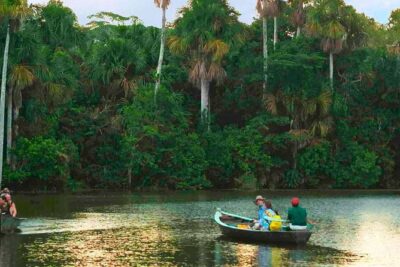
4 Day Tambopata Amazon Wildlife & Canopy Experience
Read our review →
Salkantay Trek 4 Days to Machu Picchu by Glamping Sky Lodge Dome
Read our review →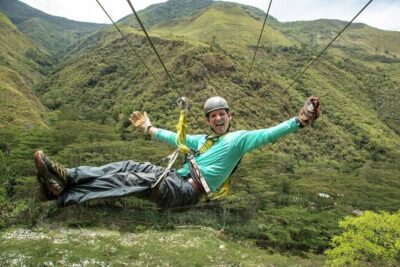
4-Day Inca Jungle Adventure, Mountain Biking, Rafting and Zipline
Read our review →
07 Day: Inca Jungle Adventure with Mountain Bike, Rafting, Zipline & Trek
Read our review →Browse the lists this tour appears in