
Reviewed · MACHU PICCHU TOURS
Salkantay Trek: 5 Days to Machu Picchu
The Salkantay Trek takes you from icy mountain country to tropical forest in five demanding but rewarding days. You will see Humantay Lake, cross the 4,650-meter Salkantay Pass, walk among coffee and orchid plants, and reach Machu Picchu by way of Aguas Calientes rather than the usual Inca Trail route.
I like the dramatic change in scenery and the practical support: cooks prepare four lunches and four dinners, while horses carry up to 7 kilograms of your belongings. I also like the small maximum group of 12 and the emergency horse, which can make a hard day more manageable. The main drawback is the physical strain, especially on the first two days, with altitude, steep descents, early starts, and one hiking day listed at about 10 hours.
Key points to know before you book
- 4,650-meter Salkantay Pass: The highest point comes on day two, after a steep climb from Soraypampa.
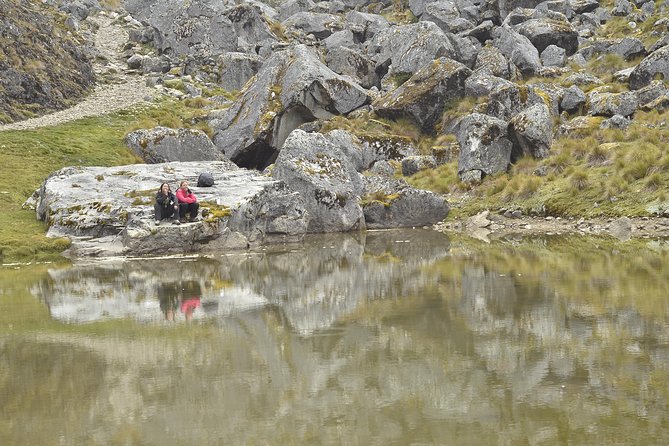
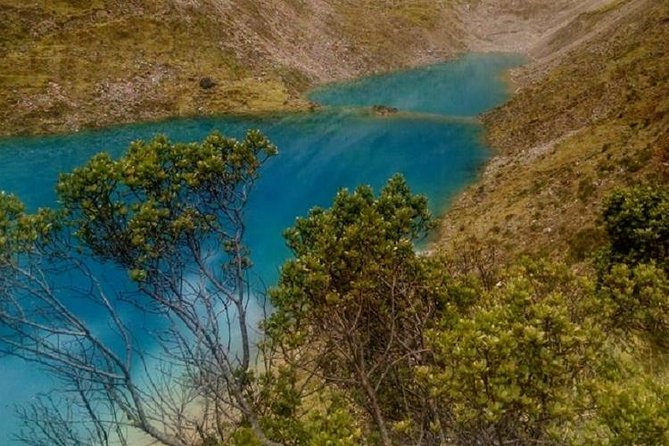
- Humantay Lake on day one: You reach the turquoise mountain lake after several hours of hiking, with a first camp at Soraypampa.
- Three nights under canvas: Campsites, sleeping bags, blankets, pillows, mattresses, and tents are supplied.
- A sharp change in scenery: Snowy peaks give way to coffee plantations, orchids, bromeliads, and tropical forest.
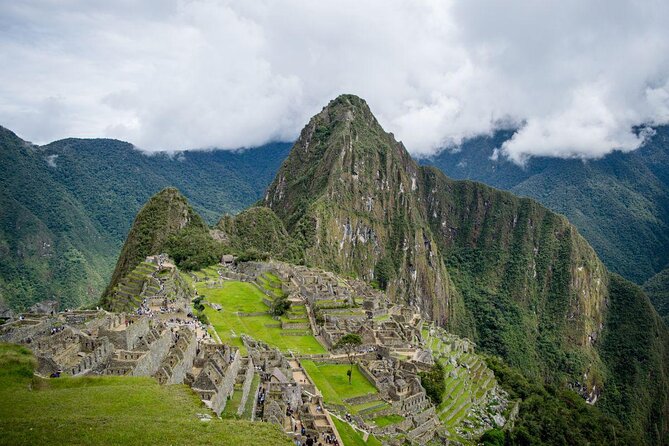
- Machu Picchu with a guide: Your final day includes a guided visit to temples, terraces, palaces, and platforms.
- Strong food and guide support: Guides named in customer accounts include Carlos, Nico, Juan de Dios, Diego, Alvina, and Edy, while the cooks receive repeated praise for creative, filling meals.
What the $909 price really covers
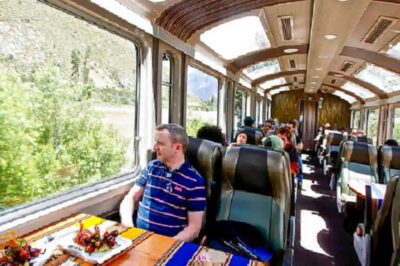
At $909, this is not a bare-bones hiking package. The fee covers transfers from Cusco, three nights at campsites, one hotel night in Aguas Calientes, meals from breakfast on day two through dinner on day four, a bilingual guide, a cook, pack animals, camping gear, a sleeping bag, hiking poles, and the tourist train from Aguas Calientes to Ollantaytambo.
The price also includes a tourist bus from Ollantaytambo back to Cusco. That matters because the trek ends far from the city, and arranging the final connections yourself would add both cost and hassle.
Your personal gear is limited to a 7-kilogram duffel carried by horses. The tour also supplies a double tent, an inflatable Therm-a-Rest mattress, a blanket, a pillow, and a sleeping bag rated to minus 5 degrees Celsius. These are useful inclusions at high altitude, where cold nights can make a basic sleeping arrangement miserable.
There are still extra costs. Breakfast on day one and lunch on the last day are not included. The shuttle bus between Machu Picchu and Aguas Calientes costs $12 one way or $24 round trip, and Huayna Picchu has a separate $25 entrance fee. Travel insurance and tips are also up to you.
One detail needs attention before departure: the day-one plan says the group stops for breakfast in Mollepata, but the included-meals list excludes that breakfast. Ask the operator how this works, and carry money for it.
Other walks into the mountains in Cusco:
- From Cusco: 7 Lakes Ausangate Trek with Breakfast and Lunch
★ 4.8 · 360 reviews - Cusco: Rainbow Mountain Tour and Red Valley Hike (Optional)
★ 4.7 · 149 reviews - Cusco: Full-Day Rainbow Mountain & Red Valley Trekking Tour
★ 4.5 · 121 reviews
Day one: Cusco to Humantay Lake and Soraypampa
Your pickup begins at 4:30 a.m. in Cusco. The early start is not optional window dressing. You need the morning transfer through Izcuchaca and Limatambo to reach Mollepata around 7:30 a.m., where the group stops and loads personal belongings for the muleteers.
Mollepata sits at about 2,900 meters. From there, a vehicle takes you for roughly an hour to Challacancha, at about 3,380 meters. This is the trailhead, and the walking begins in earnest.
The first hiking section takes about three hours to Soraypampa, at roughly 3,900 meters. You should treat this as an acclimatization test, not a casual stroll. Even fit hikers can feel the altitude here, especially after waking before dawn.
At Soraypampa, you have lunch before heading to Humantay Lake. The lake is the day’s prize, set below snow-covered mountain slopes. The route to it adds about five hours of walking for the day, according to the schedule, and the path can feel much harder than the distance suggests because of the altitude.
After visiting the lake, you return to the campsite to rest. This is a sensible first-night plan. You are not pushed onward to a town, and the camp puts you close to the next morning’s climb.
Day one is also when you hand over the bulk of your belongings. The horse team carries food, camping equipment, and up to 7 kilograms of each person’s gear. You still need a daypack with water, rain protection, warm layers, sun protection, medication, and anything you need during the day.
Day two: The Salkantay Pass is the serious test
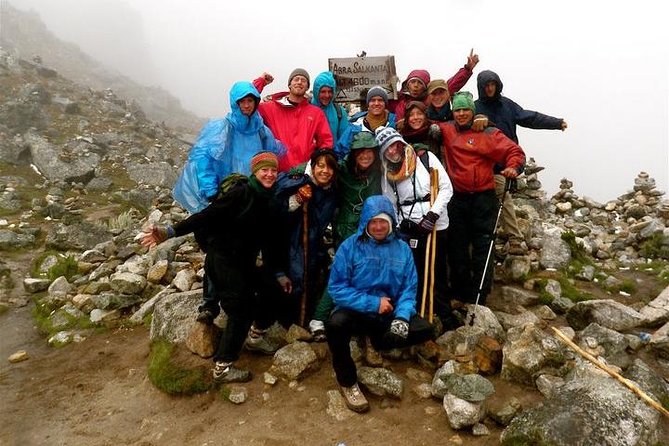
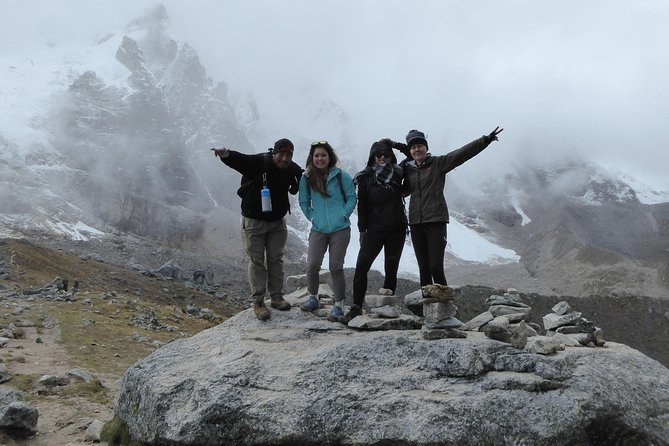
Day two starts around 5 a.m. with breakfast. From Soraypampa, you climb toward Abra Salkantay, the trek’s highest point at about 4,650 meters.
The climb takes around three hours. The route passes through Salkantaypampa and Soyrococha, where a small lake gives you a pause before the final push. From the pass, you can see the snowy peaks of Salkantay, Humantay, Tucarhuay, and Pumasillo.
This is the day that separates a scenic walk from a genuine high-altitude trek. The air is thin, the ascent is sustained, and the descent afterward can punish your knees. One customer described needing help with steep descents at age 55 and using horses at points along the way. That is useful context: you do not need to prove anything by refusing assistance.
The emergency horse is available if you feel ill or cannot keep pace. Additional horses can be rented along the way, according to the customer accounts, but you should confirm the cost and availability during your briefing.
After reaching the pass, you descend to Huayracmachay, at about 3,800 meters, for lunch. The route then continues downward to Chaullay, at approximately 2,900 meters, where you camp.
The full day is listed at about 10 hours, making it the hardest section of the trip. Build your expectations around that. You will want sturdy footwear, trekking poles, plenty of water, and a conservative pace. Coca leaves and traditional remedies may be offered by the crew, but you should bring any altitude medication recommended by your doctor.
Day three: Coffee, orchids, and Santa Teresa
The terrain changes quickly on day three. After breakfast at 6 a.m., you walk for about five and a half hours through the ceja de selva, or jungle brow, a transition zone between the high Andes and tropical forest.
The route has rolling ascents and descents rather than the sustained high climb of the previous day. You pass coffee plantations, orchids, bromeliads, and plants used in local natural medicine. This section gives the trek its variety. You are no longer surrounded by bare high slopes, but you are not yet in the full heat of the low jungle.
The walk ends at Playa Sahuayaco, where lunch is served. Transport then takes you to the campsite at Santa Teresa.
Santa Teresa offers the trip’s main optional side activity: the Cocalmayo thermal baths. The entrance fee is not included, so bring extra cash if you want to go. The schedule allows a visit before returning to camp around 6 p.m. for tea and dinner.
This is also the day when insects become more likely. One negative account specifically warned about mosquitoes from day three onward. Pack repellent, long sleeves, and light clothing that covers your arms and legs. The tropical section may feel easier than day two, but heat, humidity, mud, and insects bring their own discomfort.
Other ways up to Machu Picchu from Cusco:
- From Cusco: Full-Day Group Tour of Machu Picchu
★ 4.7 · 1,767 reviews - Machu Picchu Day Trip from Cusco
★ 4.5 · 1,644 reviews - Machu Picchu: Full-Day Tour from Cusco with Optional Lunch
★ 4.6 · 927 reviews - Cusco: 4-Day Inca Trail to Machu Picchu with Accommodation
★ 4.8 · 432 reviews
Day four: Walking beside the railway to Aguas Calientes
Breakfast comes in a tropical setting before the group transfers to Hydroelectric. Lunch is served at a restaurant there, followed by the final walk to Aguas Calientes, the town below Machu Picchu.
The hike from Hydroelectric to Aguas Calientes takes about five hours. The route follows the tropical zone and leads toward the railway corridor. It is less alpine than the first two days, but you will already have several days of walking in your legs.
At Aguas Calientes, you check into the included hotel or hostel. The accommodation description calls it a hotel, while the daily plan calls it a hostel, so ask what standard of room is provided. Do not expect a luxury stay. The value here is the chance to sleep indoors before the early Machu Picchu visit.
Dinner with the guide is scheduled for 6:30 p.m. This meeting is useful because the guide explains the next morning’s plan, including the timing for entering the citadel and returning to town.
The plan gets you to Aguas Calientes without requiring a second train journey into town. You walk the final section instead, which saves one transport cost but adds another five hours on foot. If you are tired, this is worth considering when comparing the trek with shorter versions.
Day five: Machu Picchu, then the long ride back
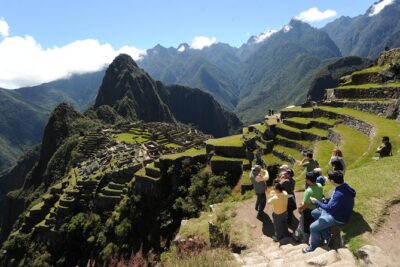
You wake early for Machu Picchu. The visit includes a guided tour through the citadel, with temples, terraces, palaces, and platforms. After the guided portion, you have time to take photos and explore on your own.
The listed guided visit lasts about two hours. That is enough for a focused introduction, but it is not an all-day archaeological study. If you want a longer visit or a mountain climb, check the ticket options before booking. Huayna Picchu costs an additional $25, and its entry is not part of this package.
The shuttle bus between Aguas Calientes and Machu Picchu is also separate. At $12 each way, it is an important budget detail. The tour does not state that the bus is included, so plan for this expense if you do not want to walk that section.
After the visit, you descend to Aguas Calientes and board the tourist train to Ollantaytambo. A representative meets you there, and a tourist bus takes you onward to your Cusco hotel.
The final day is therefore not just a Machu Picchu visit. It includes an early start, a guided site visit, time at the citadel, a descent, a train, and a road transfer. Do not schedule an important evening flight unless you have checked the exact return time.
Food, camping, and the people who make the trip work
Food is one of the strongest parts of this package. Four breakfasts, four lunches, four dinners, and four afternoon hot drinks are included. The cooks have prepared elaborate meals, including memorable multi-course dinners, and vegetarian meals are available at no extra charge if you request them when booking.
The cooking team matters more than it might seem. After a long day at altitude, a hot dinner is not a minor comfort. It helps you recover for the next climb. Guides such as Carlos, Nico, Juan de Dios, Diego, Alvina, and Edy have also been praised for English, route knowledge, history, humor, patience, and adapting the pace when needed. Your assigned guide may be different, but the company’s service depends heavily on this crew structure.
Camps are supplied with double tents, mattresses, sleeping bags, blankets, pillows, and cooking equipment. The description says a four-person tent is used for two people, allowing extra room for gear. That is a useful comfort upgrade after a wet or cold day.
Water is provided each day, except for the first four hours of walking. Start day one with enough water for that opening stretch. You should also carry a refillable bottle, personal snacks, sunscreen, and a headlamp even though it is not specifically listed.
Who should book this trek?
This route suits you if you want a serious five-day physical challenge with major changes in scenery. It is a good choice if the classic Inca Trail feels too crowded, or if you prefer snow peaks, a high pass, tropical forest, and Machu Picchu in one trip.
You should have a moderate fitness level, but do not read that phrase too casually. Day two lasts around 10 hours and reaches 4,650 meters. Steep descents may be harder than the climbs, and the hot lowland section can bring mosquitoes and fatigue.
The trip can work for older hikers who prepare well and use the support available. The minimum age is four, but the stated minimum does not mean a young child will enjoy the long high-altitude days. Consider the walking time, temperature changes, and early starts carefully.
This is less suitable if you want private bathrooms, short hikes, a predictable hotel bed each night, or a relaxed approach to Machu Picchu. It is also not the right choice if you have concerns about altitude and have not discussed them with a doctor.
The group maximum of 12 is a real advantage. You get more personal contact with the guide than on a large bus-based excursion, and the support team can respond more easily if someone needs a slower pace or a horse.
Practical details before you commit
The experience begins at the Plaza de Armas area in Cusco at 4:30 a.m., with pickup offered. A pre-trek briefing takes place at your hotel the day before, which is the time to confirm the pickup, gear handover, meals, horse support, train details, and Machu Picchu entry plan.
Altitude sickness deserves serious attention. Bring any medication your doctor recommends, and speak with a doctor before departure if you have a history of altitude problems. Cusco itself is already high, and the route climbs far above it.
Cancellation terms are strict near departure. You receive a full refund if you cancel at least six full days beforehand, 50 percent if you cancel two to six full days beforehand, and no refund within two days. Changes are not accepted inside those same cutoffs.
Should you book the Salkantay Trek?
Book it if you want the long route to Machu Picchu and value scenery, camp support, good food, and a small group more than comfort. The combination of Humantay Lake, the Salkantay Pass, coffee country, thermal baths, and a guided citadel visit gives you much more than a simple transport package.
Think twice if you dislike early mornings, high altitude, mosquitoes, long descents, or sleeping in camps. At $909, the package offers strong value because it bundles guides, cooks, horses, equipment, meals, transfers, and the train, but you still need money for Machu Picchu shuttles, the first breakfast, final lunch, Huayna Picchu, tips, and insurance.
For a fit hiker who wants a demanding route with a capable support team, this is a compelling way to reach Machu Picchu.
FAQ
How long is the Salkantay Trek?
The trek lasts approximately five days, beginning with a 4:30 a.m. pickup in Cusco and ending with transport back to your Cusco hotel after the Machu Picchu visit.
What is the highest point on the route?
The highest point is Abra Salkantay at approximately 4,650 meters above sea level.
Is Humantay Lake included?
Yes. The first day includes the hike from Soraypampa to Humantay Lake and the return to the campsite.
How many nights do you spend camping?
You spend three nights at campsites and one night at a hotel or hostel in Aguas Calientes.
Are meals included?
The package includes four breakfasts, four lunches, four dinners, and four afternoon hot beverages. Breakfast on day one and lunch on the final day are excluded.
Can I request vegetarian food?
Yes. Vegetarian meals are available at no extra cost, but you should advise the operator when booking.
Is the Machu Picchu shuttle bus included?
No. The shuttle between Machu Picchu and Aguas Calientes costs $12 one way or $24 round trip.
Is Huayna Picchu included?
No. Entry to Huayna Picchu has a separate listed cost of $25.
More Machu Picchu tours in Cusco
- From Cusco: 2-Day Trip to the Sacred Valley and Machu Picchu
★ 4.6 · 265 reviews - The First Class Machu Picchu Train by Inca Rail
★ 4.0 · 182 reviews - From Cusco: 1-day Machu Picchu Tour by Train
★ 4.6 · 138 reviews - Private Tour to Sacred Valley and Machu Picchu from Cusco
★ 5.0 · 133 reviews
More treks in Cusco
- Cusco: Machu Picchu 2-Day Inca Trail with Panoramic Train
★ 4.9 · 260 reviews - From Cusco: 2-Day Inca Trail to Machu Picchu
★ 4.2 · 244 reviews - Machu Picchu: Inca Trail 2-Day Overnight Guided Tour
★ 4.9 · 203 reviews - Short Inca trail to MachuPicchu || 2days – 1nigth ||
★ 5.0 · 103 reviews
Just added around Cusco
- 2-Day Sacred Valley & Machu Picchu by Train – Small Group Tour★ 5.0 · 54 reviews
- Excursion to Sacred Valley of the Incas tour – Private service.★ 5.0 · 35 reviews
- 2 Days : Sacred Valley Conection Machu Picchu || Private Tour ||★ 5.0 · 46 reviews
- 2-Day Sacred Valley & Machu Picchu Group Tour from Cusco★ 5.0 · 52 reviews
- Sacred Valley Pisac Ollantaytambo and Chinchero Full-Day Tour★ 4.5 · 39 reviews
- Cusco : Sacred Valley & Inca Trail to Machu Picchu 3 days★ 5.0 · 57 reviews
- Sacred Valley Private Tour: Chinchero, Ollantaytambo and Pisaq★ 5.0 · 33 reviews
- 2 Day Sacred Valley and Machu Picchu Guided Tour from Cusco★ 5.0 · 33 reviews
Machu Picchu Tours, compared.
4-Day Inca Trail to Machu Picchu with Accommodation
Read our review →
2-Day Trip to the Sacred Valley and Machu Picchu
Read our review →
Machu Picchu 2-Day Inca Trail with Panoramic Train
Read our review →
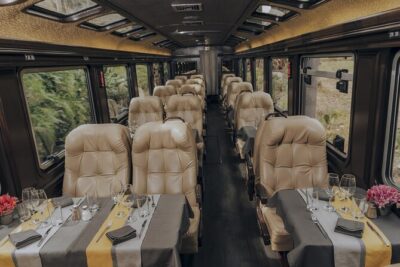
The First Class Machu Picchu Train by Inca Rail
Read our review →Browse the lists this tour appears in