
Reviewed · SACRED VALLEY TOURS
Sacred Valley Textile Workshop – Dyeing & Weaving in Cusco
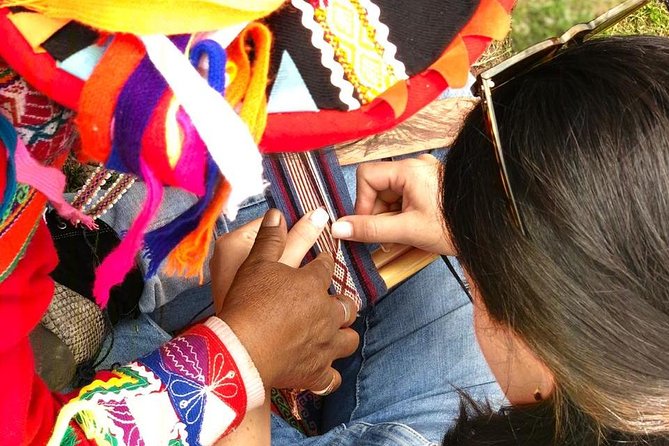
This is not a quick demonstration followed by a gift-shop stop. You spend the day making a small textile yourself, from gathering plants for natural dye to working a traditional backstrap loom with Andean weavers. Ruth Pimentel, presented as Peru’s only UNESCO-awarded Indigenous Master Weaver, leads the workshop with other skilled women from the Sacred Valley.
I like the hands-on work and the unhurried time with the weaving families. I also like that the day includes private transport, a home-style lunch, translation, and a finished piece you helped make. The main drawback is the distance: the workshop can take roughly an hour to an hour and a half each way from Cusco, so this is a full day, not a short city activity.
Key points at a glance
- You gather natural dye materials such as leaves and herbs before preparing the dye bath.
- You work with alpaca wool, including spinning, dyeing, winding, and weaving.
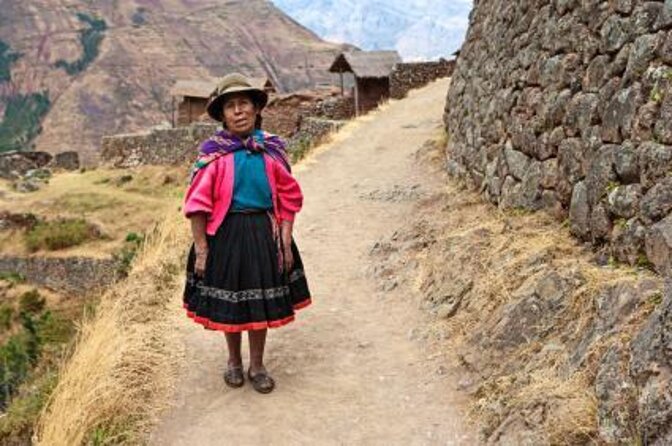
- Ruth Pimentel and local master weavers explain techniques passed through Andean families.
- Your finished piece is personal, with options reported as bracelets, bookmarks, or headbands.
- Lunch, coffee or tea, and private transport are included in the experience.
- The day is private, so only your own group participates.
A full day in the Sacred Valley textile tradition
The appeal here is simple: you are not just looking at a finished textile. You see how much work sits behind every color and pattern, then try several stages yourself.
The workshop takes place in the hills near Cusco, in the Sacred Valley area around Calca and local Quechua communities. The setting matters. You are away from the busy streets of Cusco, with countryside views during the drive and a quieter place to work once you arrive.
This is a private experience, though the exact number of people in your booking can vary. Solo visitors, couples, families, and small groups have all been accommodated. The private format also makes it easier to ask questions, work at your own pace, and get help when the weaving becomes tricky.
Other days through the Sacred Valley from Cusco:
- From Cusco: Moray, Maras Salt Mines & Chinchero Weavers Tour
★ 4.8 · 1,925 reviews - Cusco: Sacred Valley, Pisac, Ollantaytambo, Salt Mines Moray
★ 4.6 · 1,058 reviews - Cusco:Chinchero,Moray & Salt Mines drop-off in Ollantaytambo
★ 4.8 · 793 reviews
The drive from Cusco to Calca
Pickup is scheduled for 8:30 am from your Cusco hotel, using private transport. The drive is part of the day rather than a minor transfer. Allow roughly an hour or more each way, with some journeys taking about an hour and a half depending on the location and road conditions.
You may stop for countryside photographs along the way. The changing views help make the ride worthwhile, but you should plan for a long day from start to finish. If you have a fixed afternoon appointment in Cusco, this is not the activity to squeeze into a narrow gap.
The trip can also be a gentle way to begin your stay at altitude. One visitor found the calm pace useful for getting used to the elevation. Still, this is not a passive sightseeing day. You will spend time sitting, handling wool, walking to collect plants, and concentrating on the loom.
Drivers and guides have included Pedro, Edwin, and Nayda. Nayda is frequently involved in translation and workshop guidance, while Edwin has helped explain the family’s connection to weaving and the wider community. Guide assignments can change, so treat these names as examples rather than a guaranteed lineup.
Meeting Ruth Pimentel and the weaving teachers
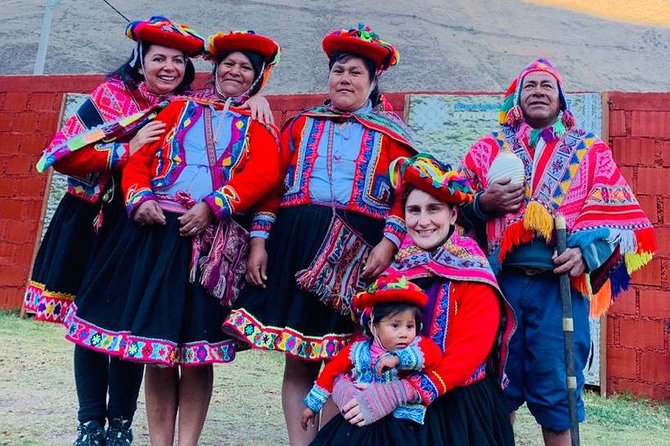
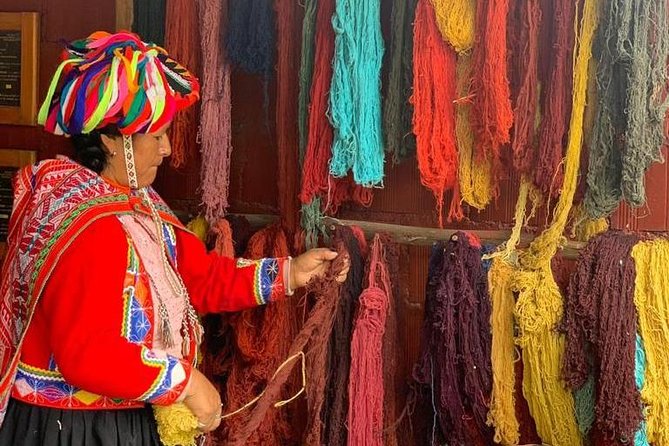
At the atelier, you begin with an introduction to Ruth Pimentel and the people who teach the craft. The experience presents Ruth as an Indigenous master weaver recognized by UNESCO, and her family has maintained textile skills across generations.
That introduction gives useful context before you touch the wool. Andean weaving is not simply a decorative hobby. It carries local knowledge through color, technique, clothing, and pattern. You learn about the work involved and the way the craft has been passed down through women in the community.
Translation is part of the experience. You may hear English explanations through a guide while the weavers demonstrate the work directly. Some sessions also include a few Quechua words, which adds a small but meaningful connection to the people and place.
The best part is the ease of the interaction. You are encouraged to ask questions, and the teachers are patient when your first attempts are slow. That patience matters, since a traditional loom can look simple until you try to control the threads yourself.
Gathering plants for natural dyes
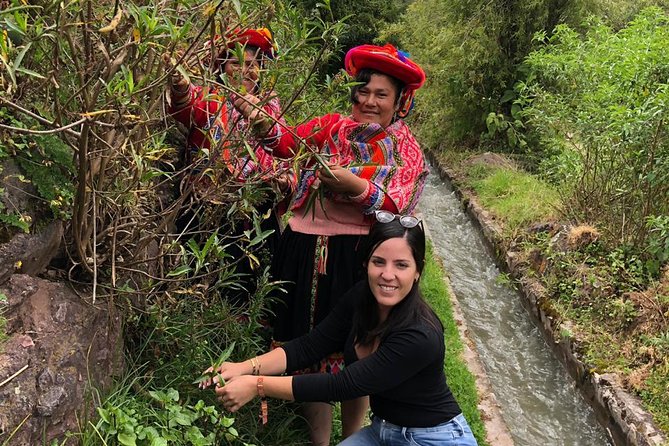
One of the day’s most memorable sections is the walk to collect leaves and other plant material for dyeing. This turns a color lesson into a lesson about local plants and daily knowledge.
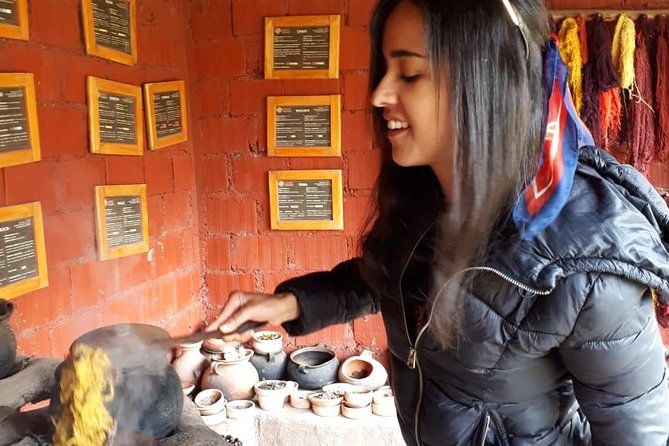
The teachers explain which plants can provide color and, in some cases, how plants are also used for medicine or herbal drinks. You might help gather leaves, herbs, or other natural ingredients before returning to prepare the dye.
The exact plants depend on the season and what is available. That seasonal element is a strength. You are not working from a fixed classroom kit shipped in from elsewhere. The colors begin with materials from the surrounding area.
You then help prepare the dye bath and color alpaca yarn. The process gives you a clearer sense of why handmade textiles take time. The yarn must be prepared, the color developed, and the fibers handled carefully. You may also take home yarn you dyed yourself, along with your finished textile.
Same base, a completely different day:
- Cusco: Humantay Lake Tour with Breakfast and Buffet Lunch
★ 4.9 · 2,976 reviews - From Cusco: Full-Day Group Tour of Machu Picchu
★ 4.7 · 1,767 reviews - Machu Picchu Day Trip from Cusco
★ 4.5 · 1,644 reviews - Cusco: Half-Day City Tour with Sacsayhuaman and Q’enco
★ 4.6 · 1,129 reviews
From alpaca fiber to usable yarn
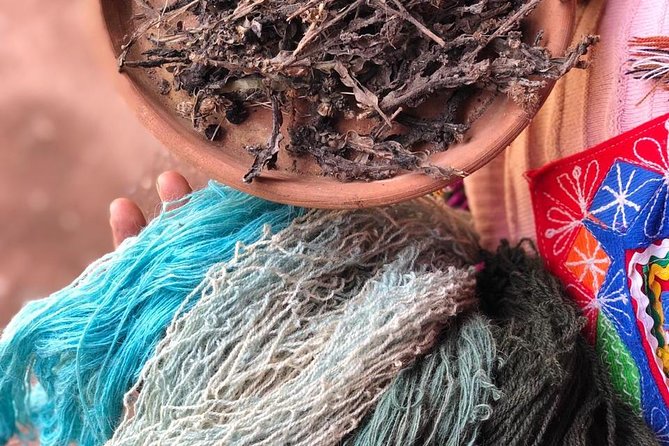
The workshop can include more than dyeing. Depending on the day and your chosen project, you may learn to make yarn from alpaca wool, spin it, wind it into balls, and prepare it for weaving.
The wool used is described as premium baby alpaca in the workshop presentation. The practical lesson is more important than the label: you handle the material at several stages instead of seeing only a polished scarf or hat in a shop.
This section is especially good for anyone who works with fiber, embroidery, macramé, tapestry, or other textile crafts. You will recognize some basic principles, but the traditional tools and methods still require practice.
Do not expect to produce a large textile in one day. The project is usually a small item such as a bracelet, bookmark, or headband. The goal is to understand the process and make something meaningful, not to compete with someone who has practiced since childhood.
Learning the backstrap loom
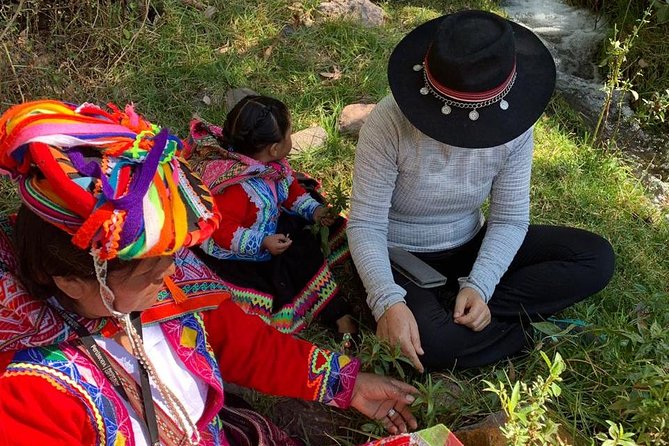
The backstrap loom is the heart of the workshop. It is a traditional method passed down through generations of Andean women, and it requires more coordination than the finished patterns suggest.
You learn how the loom is arranged, how the threads are controlled, and how to build a simple pattern. The weaving may take place on the floor, so be prepared to sit low for a while. That detail is easy to overlook when booking, but it matters if you have trouble sitting on the ground or prefer a chair.
The teachers demonstrate first, then guide your hands as you try. The first rows can be frustrating. That is useful. A small bracelet or bookmark quickly shows why Andean textiles demand so much skill and patience.
Most people will need help, and that is normal. The finished piece may be partly completed by the teacher or started for you before you continue. The point is not to claim that you made every thread alone. The point is to understand the method and take part in it.
Lunch, conversation, and a slower pace
Lunch is included, along with coffee or tea. The meal is served as part of the shared day, rather than as a separate restaurant stop. Previous menus have included fresh fruit, vegetables, potatoes, yucca, avocado, and other local foods, though you should not assume a fixed menu.
The meal creates time for conversation with the guides and weavers. It also breaks up the more concentrated work of spinning and weaving. The social side is important here. You are not rushing from one photo stop to the next, and the people teaching you have time to talk about their work and community.
Families and solo visitors can fit comfortably into this format. Several solo participants felt welcomed, and the private booking means you do not need to arrive as part of a large organized group.
A few activities may be added around the meal, including traditional clothing demonstrations, dancing, or a short cultural presentation. These moments are informal and tied to the people hosting the workshop. They are not the main reason to book, but they can make the day feel more personal.
Your finished textile and the local shop
By the end, you take home the small item you made, along with any dyed yarn included in the session. Bracelets, bookmarks, and headbands have all been part of the workshop, but the available project may vary.
The activity description also promises elegant packaging and a signed provenance card for your bespoke creation. That gives the piece a useful record of where and how it was made.
There is usually time to look at additional handmade goods. Purchasing is optional. The shop gives you a chance to buy directly from the women who made the textiles, which is more meaningful than picking up a generic souvenir in a city market.
Prices for these items have been described as more reasonable than expected, but you should still carry a payment method suited to a small local purchase. Buying is not required for the workshop to feel complete.
Is $420 per person good value?
At $420 per person, this is a costly day by Cusco excursion standards. You are paying much more than you would for a group bus trip to a famous site, and the price may be hard to justify if you only want a quick craft demonstration.
The value is in the private transport, the full-day access to the teaching family, the translation, lunch, hands-on materials, and personal instruction. You also receive a textile you helped create rather than a mass-produced item bought from a shelf.
I would consider it good value for someone who places a high priority on craft, community contact, and a slower cultural experience. It is especially suitable if you already work with textiles or want an activity beyond ruins, markets, and standard Sacred Valley stops.
I would be more cautious if you are traveling on a tight budget, dislike long drives, or want a short activity near central Cusco. The price also makes sense only if you plan to give the day your full attention. Booking it as an afterthought between major sightseeing stops would miss the point.
Who should book this workshop?
You should consider it if you:
- Enjoy making things with your hands
- Want to understand how natural dyes and alpaca yarn are prepared
- Prefer private or small-scale experiences
- Are happy to spend most of a day outside Cusco
- Value meeting local artisans more than checking off another monument
- Can manage several hours of seated work, including time on the floor
Families can take part, and most people can participate. Service animals are allowed, and the experience is near public transportation, though private pickup is offered and is the easier choice.
This is not a specialist-only class. You do not need weaving experience. But you should arrive ready to concentrate and accept help. The loom is not a novelty prop. It is a working tool, and learning it takes patience.
Booking, weather, and cancellation details
The start time is 8:30 am, with hotel pickup by private vehicle. Confirmation is provided at booking, and the activity is private for your group.
Free cancellation is available if you cancel at least 24 hours before the start time. Cancellations or changes made inside that window are not refunded or accepted. The workshop also depends on good weather. If poor weather causes cancellation, you can choose another date or receive a full refund.
The experience is often booked about 30 days ahead, so reserve early if your Cusco dates are fixed. That is especially sensible if you want a particular day or are arranging the workshop around a larger Sacred Valley itinerary.
Should you book the Sacred Valley textile workshop?
Book it if you want to spend a full day learning directly from Andean weavers and are willing to trade convenience for real participation. The strongest parts are the plant gathering, natural dyeing, patient instruction, shared meal, and chance to work a backstrap loom yourself.
Skip it if you want a brief city activity, dislike long drives, or are mainly interested in seeing a finished textile rather than learning how it is made. For everyone else, this offers a thoughtful counterpoint to Cusco’s better-known sights. You leave with a small handmade object, but the bigger gain is understanding the time, skill, and family knowledge held in every thread.
FAQ
How long does the textile workshop last?
The workshop lasts approximately eight hours, not counting possible variations in the pickup and return drive.
What time does the experience start?
Pickup and the activity start at 8:30 am.
Is hotel pickup included?
Yes. Private transport and hotel pickup in Cusco are offered.
How far is the workshop from Cusco?
The drive can take about an hour or more each way. Some journeys have taken roughly an hour and a half, so plan for a full day.
What will I make during the workshop?
Projects have included bracelets, bookmarks, and woven headbands. The exact project may vary. You may also take home yarn that you dyed yourself.
Is lunch included?
Yes. Lunch and coffee or tea are included.
Do I need previous weaving experience?
No previous experience is stated as a requirement. The master weavers and guide provide hands-on help, though the weaving can be challenging for beginners.
What happens if bad weather cancels the activity?
If the experience is canceled because of poor weather, you can choose a different date or receive a full refund.
Just added around Cusco
- “Waqra Pucara, The Majestic Fortress Revealing Secrets of the Andes”.★ 3.5 · 8 reviews
- Cusco: Chocolate Workshop with the Best Local Organic Cacao★ 4.5 · 23 reviews
- Cusco: Bean to bar chocolate workshop★ 5.0 · 3 reviews
- Cusco: Pub Crawl with Skip-the-Line Access and Drinks★ 4.6 · 57 reviews
- Horseback Tour in cusco to Temple of the Moon & Hidden temples★ 5.0 · 54 reviews
- 1.5h Cusco Chocolate Workshop – Truffles & Hot Chocolate★ 4.3 · 8 reviews
- From Cusco: 2-Night Lake Titicaca Excursion★ 3.7 · 62 reviews
- From Cusco: Rainbow Mountain in ATV Quad Bikes + meals★ 4.5 · 60 reviews
Sacred Valley Tours, compared.
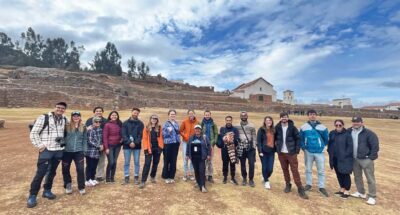
Sacred Valley & Maras Salt Mines Tour with Lunch
Read our review →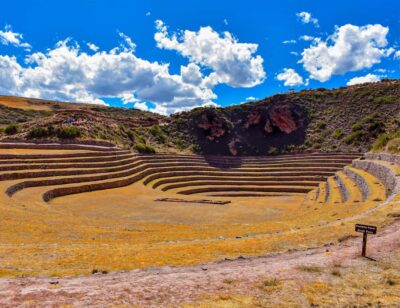
Moray, Maras Salt Mines & Chinchero Weavers Tour
Read our review →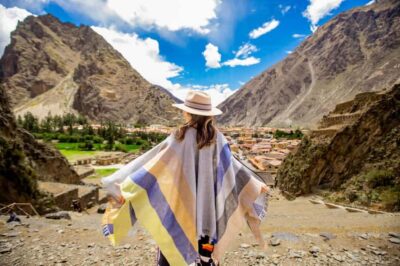
Sacred Valley, Pisac, Ollantaytambo, Salt Mines Moray
Read our review →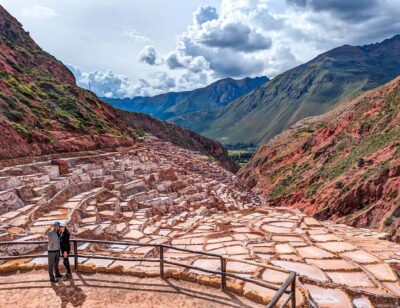
Chinchero,Moray & Salt Mines drop-off in Ollantaytambo
Read our review →


Pisac Indian Market and Ollantaytambo Fortress with Lunch
Read our review →
Browse the lists this tour appears in