Reviewed · TOURS IN CUSCO
Cusco Santuario de Animales Rescatados en Cusco
Cochahuasi Animal Sanctuary gives you a close look at rescued animals from Peru’s highlands and jungle, including condors, alpacas, monkeys, macaws, bears, foxes, wild cats, and turtles. The visit is not just a quick animal stop. It explains why these creatures need care and how the sanctuary hopes to return some of them to the wild.
I like the private format, which lets you move at your own pace rather than trail behind a large group. I also like the direct support for the sanctuary and nearby farming communities: proceeds from its alpaca shop are split between animal care and local families.
The main consideration is timing. The sanctuary portion is listed as about one hour, while the full experience takes two to three hours with transport. If you expect a full-day wildlife excursion, this will feel brief. Also, animal contact is handled by the staff, so feeding or touching animals depends on what they consider suitable that day.
Key points to know before booking
- Private visits for up to 10 people: You can take your time and ask questions without being part of a large coach group.
- A short ride from Cusco: Pickup may be arranged from your hostel, Airbnb, a meeting point, or Selina Cusco Saphi.
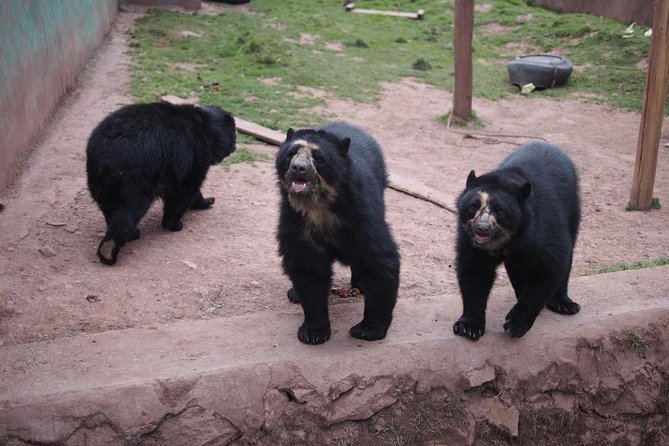
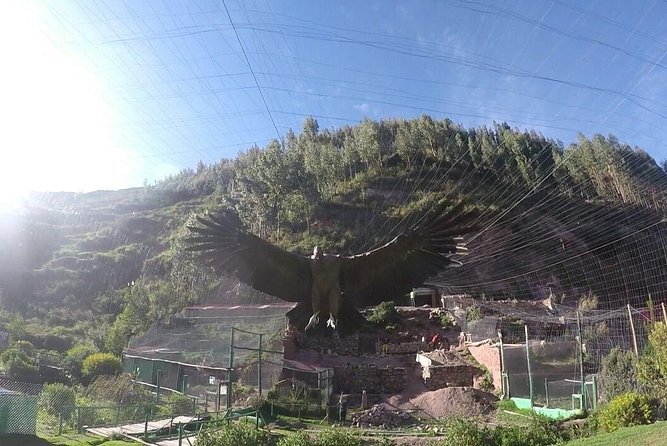
- A broad mix of rescued animals: Expect Andean and jungle species, from alpacas and condors to monkeys, macaws, bears, foxes, and turtles.
- Guide-led rescue stories: Guides explain where the animals came from, what happened to them, and how the sanctuary cares for them.
- Hands-on moments may be included: Feeding alpacas, llamas, birds, and monkeys is possible, while staff supervise animal contact.
- A working education project: The sanctuary teaches children and the public about respecting nature and hopes to release suitable animals into natural habitats.
Meeting the animals near Cusco
The sanctuary sits outside the city, giving you a change from Cusco’s stone streets, churches, and busy central lanes. Your transport is arranged for the morning, with pickup available from your accommodation or another agreed location. The published meeting point is Selina Cusco Saphi at C. Saphy 601, though the operator also asks you to share your hostel or Airbnb details.
That flexibility matters in Cusco, where accommodation addresses can be confusing and many visitors stay in small hostels without formal reception desks. Confirm your pickup point clearly before the morning of the visit. The operator provides a WhatsApp contact for arranging the location.
The ride itself is part of the practical appeal. You do not need to find a taxi or work out local transport after breakfast. One driver even suggests photo stops along the way, although these should be treated as a pleasant possibility rather than a guaranteed part of the route.
The total tour lasts roughly two to three hours. The sanctuary visit itself is listed at one hour, with the rest covering the drive and any flexible time afterward. That makes it easy to fit around a morning or afternoon in Cusco, a useful feature if you are also planning Machu Picchu, the Sacred Valley, or city sightseeing.
Other days travellers book out of Cusco:
- Cusco: Humantay Lake Tour with Breakfast and Buffet Lunch
★ 4.9 · 2,976 reviews - From Cusco: Moray, Maras Salt Mines & Chinchero Weavers Tour
★ 4.8 · 1,925 reviews - From Cusco: Full-Day Group Tour of Machu Picchu
★ 4.7 · 1,767 reviews
What you see at Cochahuasi Sanctuary
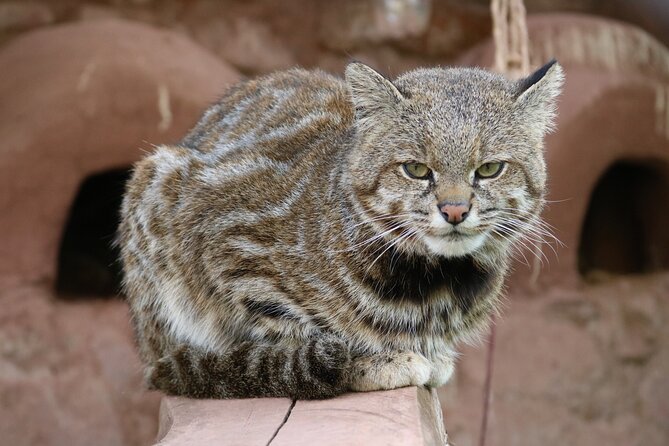
Cochahuasi cares for animals from both the Andean highlands and Peru’s jungle regions. The exact animals visible during your visit can vary, but the stated collection includes monkeys, macaws, turtles, deer, deer cats, alpacas, bears, wild cats, foxes, and condors.
That range is what makes this more than an alpaca stop. You may move from familiar farm animals to native predators and birds of prey within the same visit. For children, the variety keeps the hour moving. For adults, the important part is learning why a sanctuary is needed in the first place.
The animals are described as rescues from harmful human treatment. The aim is to give them food, safety, attention, and care. The staff also work toward releasing some animals into suitable natural habitats, though you should not assume that every animal can return to the wild. Previous treatment, injuries, dependence on humans, or other conditions can make permanent sanctuary care necessary.
A guide explains the story behind the animals rather than simply pointing them out. Albert is named as one guide who gives detailed accounts of where each animal came from and what it had endured. If he is leading your visit, expect a patient explanation of the sanctuary’s daily work. Guide assignments can change, so treat Albert as a useful name to know, not a promise that he will lead every departure.
Feeding alpacas, llamas, birds, and monkeys
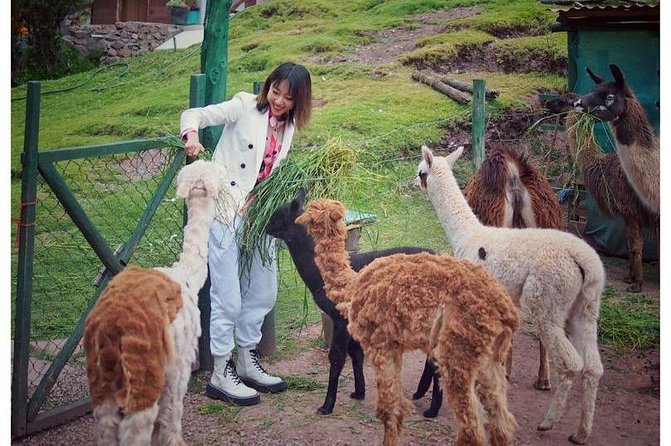
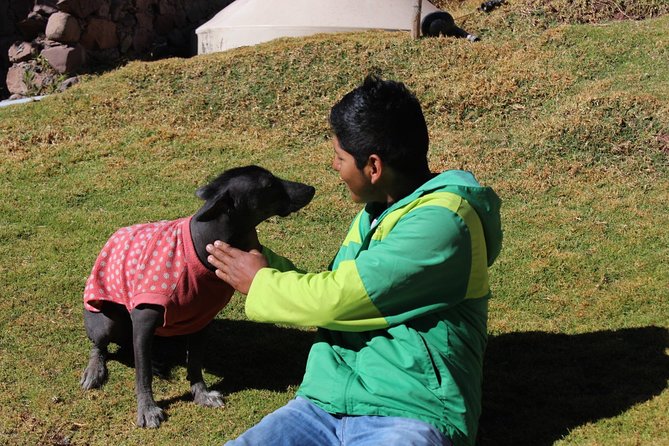
The most active part of the visit may be feeding the animals. The experience can include food for alpacas, llamas, birds, and monkeys, giving you something to do rather than simply viewing enclosures from a distance.
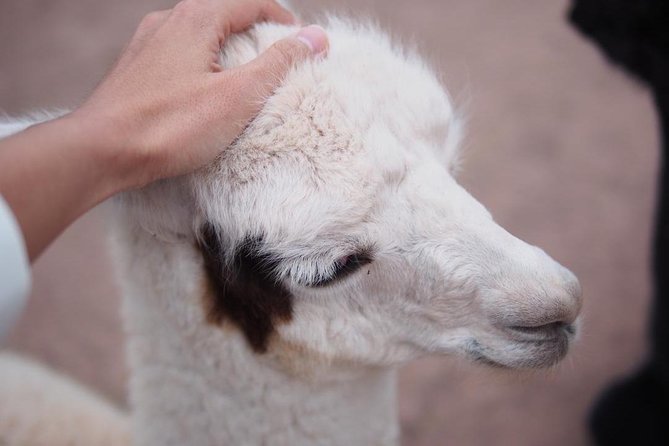
Alpaca feeding is especially accessible. These animals are familiar symbols of Peru, but seeing them in a care setting gives the encounter more meaning than a quick photo opportunity in a market. You can also expect staff to guide the interaction and explain how to approach the animals.
Bird contact can be memorable. One visitor described petting a toucan after asking to return to it at the end of the tour. That detail offers a useful lesson: if a particular animal matters to you, ask politely and early, then follow the staff’s instructions. A toucan may be shy, and staff decide when contact is safe and appropriate.
Do not arrive expecting every animal to be handled. This is a sanctuary, not a petting zoo. Some animals are wild, recovering, or unsuitable for close contact. The best visit respects those limits. The staff may allow feeding or gentle contact in some areas, but animal welfare comes first.
The sanctuary’s education work
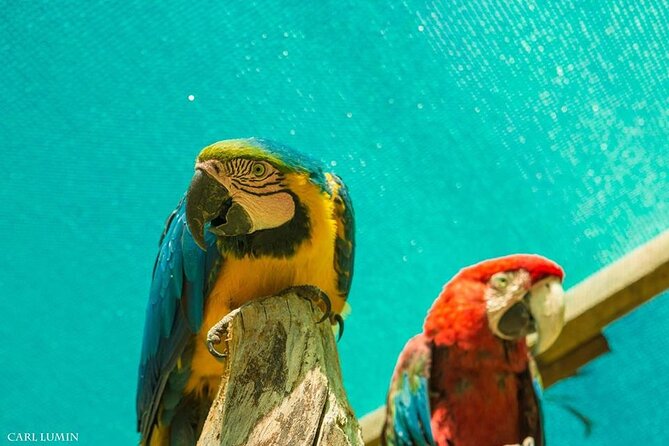
Cochahuasi’s mission includes teaching children and the wider public to respect nature and animals. Schools are invited to learn about wildlife, which gives the place a purpose beyond caring for the animals currently living there.
I find this educational role important because rescue work cannot solve the problem by itself. If people continue to buy wild animals, mistreat them, or remove them from their habitats, sanctuaries will keep receiving new animals. A visit helps connect your holiday spending with a wider lesson about responsible treatment of wildlife.
The educational message is especially useful for families. Children can see animals they may know from books or pictures, then learn that a condor, monkey, fox, or wild cat is not a household pet. The experience gives parents a natural way to talk about habitat, human responsibility, and why some animals need lifelong care.
The visit also shows the less glamorous side of conservation. Food, cleaning, supervision, medical attention, and enclosure maintenance all cost money. The sanctuary does not receive government support according to the tour information, so entrance fees, donations, and shop purchases help keep the work going.
Same base, a completely different day:
- Machu Picchu Day Trip from Cusco
★ 4.5 · 1,644 reviews - Cusco: Half-Day City Tour with Sacsayhuaman and Q’enco
★ 4.6 · 1,129 reviews - Cusco: Sacred Valley, Pisac, Ollantaytambo, Salt Mines Moray
★ 4.6 · 1,058 reviews - Machu Picchu: Full-Day Tour from Cusco with Optional Lunch
★ 4.6 · 927 reviews
How your money supports the project
The price is $34 per person. That is a reasonable amount if you value private transport, a personal guide, and a direct contribution to a local animal-care project. The price also saves you the trouble of arranging separate transport from Cusco.
Value depends on your expectations. If you want a long wildlife outing with hours of observation, the visit may feel short. If you want a compact, guided introduction that fits into a morning and includes pickup and return, the price makes more sense.
The alpaca shop provides another way to support the sanctuary. Proceeds from its products are divided equally, with 50 percent going to the animals and 50 percent to farming communities around the sanctuary. That arrangement gives your souvenir purchase a local purpose, although you should buy only what you genuinely want.
A donation is also encouraged. You do not need to treat the visit as a charitable obligation, but the sanctuary’s work depends on outside support. Even if you do not buy anything, your admission helps fund the project.
The private format and group size
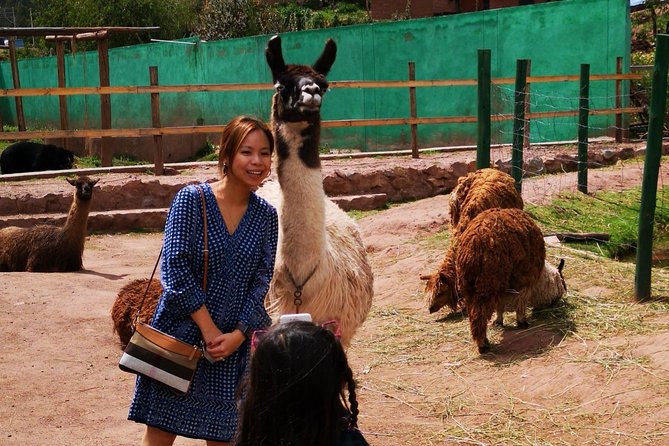
The maximum group size is 10 people, and the activity is presented as a private tour. That is a useful distinction for anyone who dislikes fixed group pacing. You can spend more time asking about a condor or move along when the children in your group are ready for the next animal.
The private format also suits different interests. An animal lover may want detailed rescue stories. A family may prefer a relaxed pace and hands-on feeding. A photographer may need a little extra time for a bird or alpaca. The guide can respond more easily when the group is small.
Still, private does not mean every part is completely open-ended. The sanctuary has its own routines and animal-care rules. Transport timing, staff availability, and animal behavior all shape the visit. Think of the private format as flexible pacing, not unlimited access.
English is offered, which removes a major barrier for English-speaking visitors. Confirmation is provided at booking, and most people can participate. The available information does not give detailed accessibility specifications, so ask the operator directly if you need information about paths, vehicle access, or mobility support.
Weather, timing, and practical details
The experience requires good weather. If poor weather causes cancellation, you are offered another date or a full refund. For that reason, I would avoid scheduling it so tightly against a flight or other nonrefundable activity.
You can cancel for a full refund up to 24 hours before the start time. Changes or cancellations made less than 24 hours ahead are not accepted for a refund, and the cut-off follows local time in Cusco.
Wear practical clothes for an outdoor animal visit. The supplied information does not specify a dress code, but you will be more comfortable in clothing and shoes suitable for a sanctuary setting. Keep your hands ready to follow staff instructions, especially around birds, monkeys, and other animals.
The tour ends with a return to your accommodation or Cusco’s main square, depending on what you arrange. The published meeting point is also listed as the end point, so confirm the exact drop-off plan before setting out.
Who will enjoy this Cusco activity
This is a good choice for animal lovers who want more context than a simple photo stop. You will get the most from it if you care about rescue work, enjoy asking questions, and are comfortable letting staff control animal contact.
Families can also make good use of the short duration. The mix of birds, mammals, and reptiles offers plenty of variety without consuming a full day. Feeding alpacas and seeing a condor overhead can be memorable highlights for children.
It also suits visitors with limited time in Cusco. Pickup, guiding, and return transport are bundled into a two to three-hour plan. You do not need to sacrifice a full day of sightseeing.
I would be more cautious if your main goal is to see animals in completely wild conditions. This is a sanctuary, so the animals live under human care. It offers education and rehabilitation, not a substitute for a national park or wildlife expedition.
Should you book the Cochahuasi visit?
Book it if you want a short, personal animal experience that supports rescue and education work near Cusco. The best reasons are the small private group, the range of species, the chance to hear individual rescue stories, and the possibility of feeding alpacas, llamas, birds, or monkeys under staff supervision.
Think twice if you want a long outing or guaranteed contact with a particular animal. The sanctuary portion is only about an hour, and animal behavior cannot be scheduled. For many visitors, though, that compact format is exactly the point: a meaningful change of pace from Cusco, with transport included and a clear local purpose.
FAQ
Where does the Cusco sanctuary tour start?
The listed meeting point is Selina Cusco Saphi at C. Saphy 601, Cusco 08002, Peru. Pickup can also be arranged from your hostel, Airbnb, or another agreed location.
How long does the experience last?
The full experience takes approximately two to three hours. The sanctuary visit itself is listed as one hour, with additional time for transport and flexible return arrangements.
Is hotel pickup included?
Pickup is offered from your Cusco accommodation or another agreed meeting point. You should share your exact hostel or Airbnb location with the operator.
What animals can I see?
The sanctuary houses animals including monkeys, macaws, turtles, deer, deer cats, alpacas, bears, wild cats, foxes, and condors. The animals visible during your visit may vary.
Can I feed or touch the animals?
The experience can include feeding birds, alpacas, llamas, and monkeys. Staff control animal contact, so touching or feeding a particular animal is not guaranteed.
Is the tour available in English?
Yes. The tour is offered in English and includes a personal guide.
How many people can join the tour?
The activity has a maximum of 10 participants and is presented as a private tour.
Can I cancel for a refund?
You can cancel at least 24 hours before the start time for a full refund. Cancellations or changes made less than 24 hours before the start time are not refunded. If poor weather causes the operator to cancel, you can choose another date or receive a full refund.
Just added around Cusco
- 4 Days Inca Trail To Machu Picchu★ 5.0 · 32 reviews
- 2 Day – Inca Trail to Machu Picchu★ 5.0 · 57 reviews
- Inca Trail Trek to Machu Picchu – 2 Days (Small Group or Private)★ 5.0 · 31 reviews
- Humantay Lake Day Hike (Small Group or Private)★ 5.0 · 30 reviews
- Inca Jungle 4-Day Tour: Full Adventure to Machu Picchu Included★ 5.0 · 38 reviews
- Humantay Lake Full-Day Adventure: Scenic Trek and Stunning Views★ 4.5 · 39 reviews
- Horseback Riding Plus Tour to Sacsayhuaman, Quenqo, Puka Pucara and Tambomachay★ 5.0 · 40 reviews
- Half day Horseback Riding tour around Sacsayhuaman park★ 5.0 · 37 reviews
Tours in Cusco, compared.
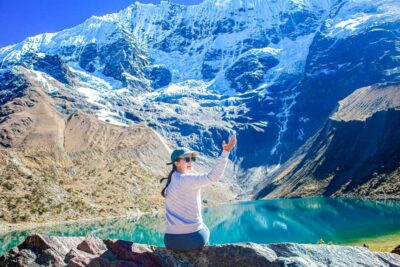
Humantay Lake Tour with Breakfast and Buffet Lunch
Read our review →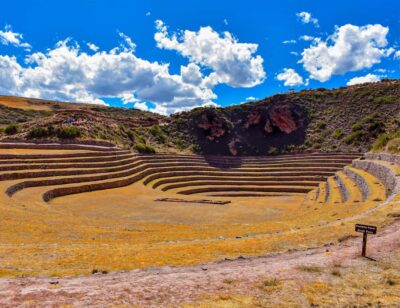
Moray, Maras Salt Mines & Chinchero Weavers Tour
Read our review →
Half-Day City Tour with Sacsayhuaman and Q’enco
Read our review →
Sacred Valley, Pisac, Ollantaytambo, Salt Mines Moray
Read our review →