
Reviewed · MUSEUMS & INCA RUINS
Sacsayhuaman Temple, Tambomachay and Puca Pucara Half-Day Tour
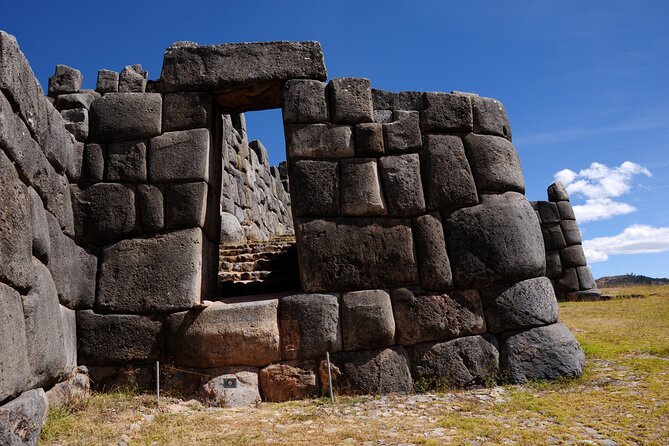
The huge stones at Sacsayhuaman are the reason to book this tour. They fit together with astonishing precision, and the high perch gives you broad views over Cusco. The other three sites are smaller, but together they show how Inca ceremony, water, defense, and transport worked around the city.
I like the hotel pickup and direct minivan transport, especially when you want to cover several hilltop sites without arranging taxis. I also like the small-group limit of 14 and the early 8 a.m. start, which can mean fewer people at Sacsayhuaman. The main concern is time: some guides move quickly, and an unscheduled alpaca or textile-shop stop has cut into sightseeing for some groups.
Key points at a glance
- Sacsayhuaman gets the lion’s share of the visit: Plan on roughly 90 minutes here, with massive stone terraces and views over Cusco.
- Four sites fit into one morning: Q’enko, Puca Pucara, and Tambomachay add useful context, but each receives a shorter visit.
- The 8 a.m. departure matters: An early start can help you reach Sacsayhuaman before the busiest period.
- Transport saves time and effort: An air-conditioned minivan links the sites, with hotel pickup and drop-off included where vehicles can reach.
- Ask about shopping stops: Textile or alpaca shops have appeared on some departures, despite not being part of the listed sightseeing schedule.
- The price is fair for convenience: At $69 per person, the tour is most useful if you value transport, entry tickets, and a guide more than a leisurely pace.
Why Sacsayhuaman is the star of the morning
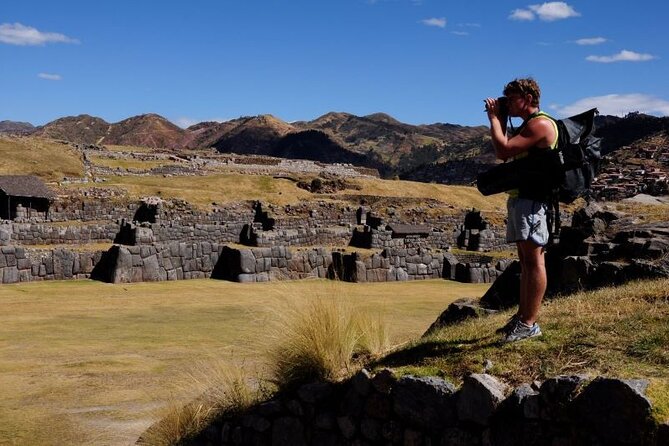
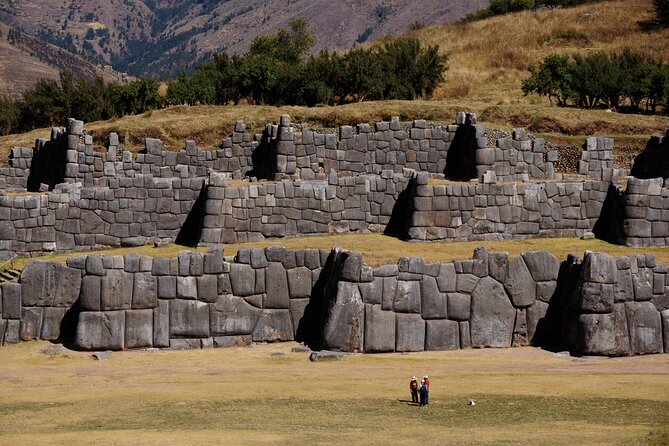
Sacsayhuaman is not just another ruin on a checklist. It is the place where the scale of Inca stonework becomes hard to grasp from photographs. Huge blocks form long zigzag terraces, and the fit between many stones is remarkably tight. You can also look for carved shapes and animal symbolism connected with the Inca view of the world.
The planned visit gives Sacsayhuaman about one hour and 30 minutes, much longer than the other stops. That is sensible. The site is spread out, and you need time to see the terraces, remains of towers, pathways, and viewpoints rather than simply step out for a photograph.
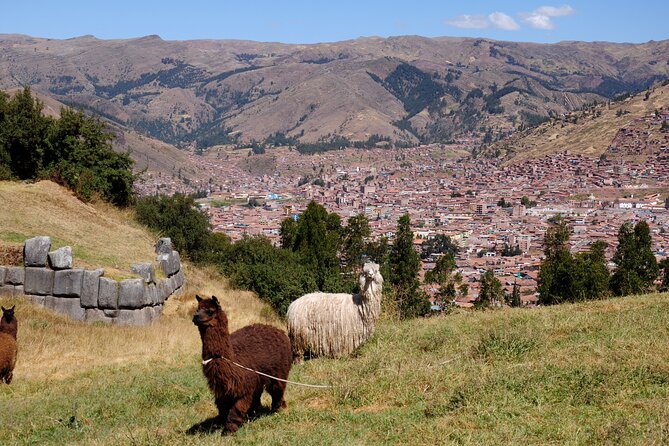
The views over Cusco are another strong point. From above, the city feels close, yet the archaeological park gives you a short break from its traffic and narrow streets. A white Christ statue, Cristo Blanco, is about a 10-minute walk from one viewpoint, although it is not part of the stated route.
I would pay close attention to how much of the site your guide actually covers. Some departures have spent too long at the viewpoint and too little time among the ruins. If the guide pauses for photographs, use that moment to look closely at the stone joins and ask about the Spanish and Inca battle fought here. A good guide should be able to explain more than the usual story about heavy stones and ancient engineering.
Other ruins and collections around Cusco:
- Cusco: Half-Day City Tour with Sacsayhuaman and Q’enco
★ 4.6 · 1,129 reviews - City Tour Cusco Qoricancha Sacsayhuaman y Tambomachay
★ 4.7 · 617 reviews - Cusco: City Tour | Half-Day Tour to 4 Archaeological Sites
★ 4.6 · 206 reviews
Q’enko reveals a more intimate ceremonial site
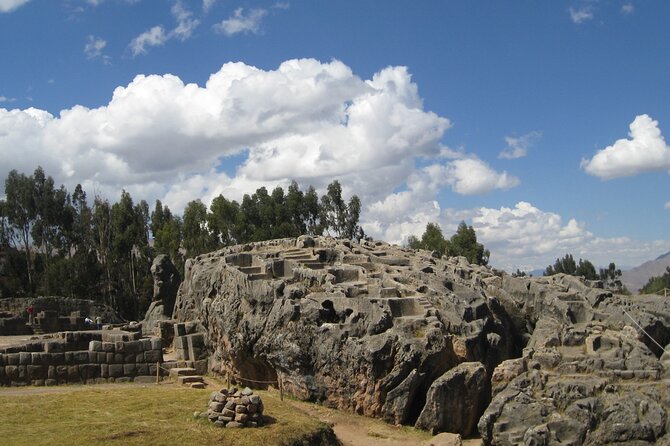
Q’enko is a different experience from Sacsayhuaman. Instead of grand terraces, you find a carved rock complex with channels, passages, stairways, and a central altar connected with ritual activity. The site feels more enclosed and atmospheric, even though the visit is short.
The listed stop lasts about 30 minutes. That is enough for an introduction, but not enough for a slow archaeological inspection. The interior altar area has also been inaccessible at times because of health restrictions, so you may see the site mainly from outside and from its upper viewpoint.
Your guide’s explanation matters here. Without context, Q’enko can look like a group of weathered rocks. With a clear explanation, the carved surfaces and channels make more sense as part of ceremonial practice. I would ask specifically what you can enter on the day of your visit and how much time the group will spend below the main rock.
Puca Pucara explains the defensive network
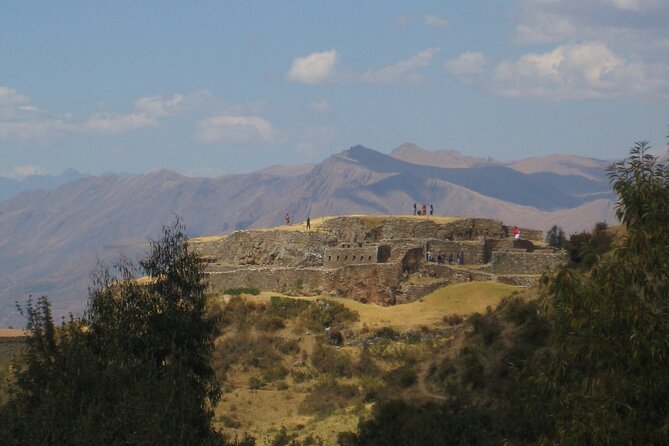
Puca Pucara translates as Red Fortress in Quechua. It sits on a hill and is linked with military control, lookout duties, and the movement of people approaching Cusco and Sacsayhuaman. Its walls, aqueducts, and water features are less imposing than Sacsayhuaman’s stonework, but the location helps you understand why the site mattered.
The stop is scheduled for about 30 minutes. That makes it a quick orientation rather than a full exploration. You can see the basic wall lines, take photographs, and consider how the elevated position helped with observation.
This is one stop where rushing is especially noticeable. A few extra minutes can make the difference between seeing only the nearest walls and walking far enough to understand the layout. If Sacsayhuaman has taken longer than planned, Puca Pucara may receive an especially brief visit, so keep your camera ready and listen for the guide’s main points as soon as you arrive.
Tambomachay brings water into the story
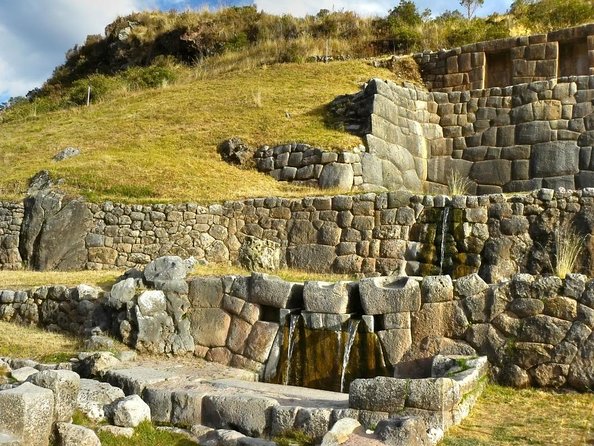
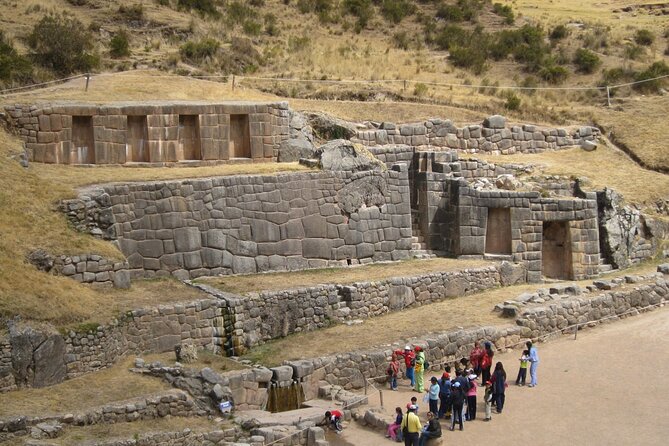
Tambomachay is built around natural springs and carefully shaped water channels. Water emerges from the mountain through a set of stone features, and the site is tied to ceremony, renewal, good fortune, and the sacred role of springs in Inca life.
The planned stop is about 45 minutes. That is a reasonable amount of time for a small site, though the walk includes uneven ground and steps. In wet weather, rocks can become slippery. Several people have found the rainy season less comfortable here, so sturdy shoes and care on the steps are sensible.
Tambomachay also makes a useful final chapter to the route. After seeing Sacsayhuaman’s construction and Puca Pucara’s defensive position, you see how water shaped ceremonial life. The site is not large, but it rewards a slower look at the channels and the way the stonework directs the spring water.
The supplied route descriptions differ slightly on the order of the stops. The detailed itinerary places Sacsayhuaman first, followed by Q’enko, Puca Pucara, and Tambomachay, while the general description begins with Tambomachay. The exact order may depend on the guide and road conditions, so do not build a strict plan around the sequence.
Same base, a completely different day:
- Cusco: Humantay Lake Tour with Breakfast and Buffet Lunch
★ 4.9 · 2,976 reviews - From Cusco: Moray, Maras Salt Mines & Chinchero Weavers Tour
★ 4.8 · 1,925 reviews - From Cusco: Full-Day Group Tour of Machu Picchu
★ 4.7 · 1,767 reviews - Machu Picchu Day Trip from Cusco
★ 4.5 · 1,644 reviews
An early start can make the biggest difference
The tour begins at 8 a.m. That may feel early after arriving in Cusco, but it is one of the practical strengths of this experience. Sacsayhuaman can develop long lines and heavier foot traffic later in the day, especially in the busiest periods. Reaching the main site early gives you a better chance of seeing the stone terraces without constant interruptions.
Pickup is offered from Cusco hotels, though vehicles cannot reach every street. If your hotel sits in a pedestrian-only area, confirm the pickup point before the morning of the tour. The return is also to your hotel or a nearby vehicle-accessible point.
The air-conditioned minivan is useful because the four sites sit outside the central streets and on higher ground. You avoid negotiating separate taxi rides and do not have to keep checking directions between stops. The tradeoff is that you follow the group’s clock. If you want to stay an extra 30 minutes at Sacsayhuaman, the driver cannot simply reshape the whole morning around you.
What the small group really means
The maximum group size is 14 people. That is small enough for a guide to speak to the group without shouting, and it is far more personal than a large coach outing. Several departures have had only a handful of people, and one had a single English-speaking participant.
That can work well in a bilingual group. The guide provides live commentary in English and Spanish, but the pace may depend on how much translation is needed. Some guides have handled both languages carefully and offered detailed explanations. Others have given a much shorter account, leaving people with plenty of unanswered questions.
Guide quality is the biggest variable here. Names connected with especially positive departures include Jose Aguilar, Ana, Robinson, Yuber, Alex, Marínés, and Henry. That does not mean you can select one of them when booking, but it shows how much the morning can improve when the guide is prepared, patient, and engaged. A strong guide adds context about Inca society, Quechua culture, architecture, and the Spanish conquest. A weak one may focus on taking photographs or discussing general topics instead of explaining the ruins.
The shopping-stop question deserves attention
The listed experience includes four archaeological sites, transport, a bilingual guide, and admission to the archaeological park. It does not list a textile-shop visit. Yet some departures have included a 20 to 30-minute stop at an alpaca or silver shop.
A short demonstration can be useful if you want to learn how alpaca, baby alpaca, vicuña, llama, wool, and synthetic fibers differ. It can also be a welcome pause before returning to Cusco. The problem is that the stop takes time from the ruins, and some shops use firm sales tactics. If you are interested in buying, compare prices and ask about card surcharges. One person reported a 30 percent markup for paying by Visa.
I would ask at the start of the tour if a shopping stop is planned. If it is, you can decide how much time to spend inside and make clear that you prefer the archaeological sites. The guide may not control every part of the route, but asking early gives you a better chance of avoiding confusion.
Is $69 a good value for Cusco?
At $69 per person, this is not the cheapest way to see the four sites. You can arrange a taxi and visit independently, especially if you are comfortable managing admission, directions, and timing. That option gives you more control and may suit people who want to linger at Sacsayhuaman or skip shopping.
The tour earns its price through convenience. Admission tickets are prebooked, hotel pickup and drop-off are included where possible, and one minivan connects all four sites. You also receive live commentary rather than simply being dropped at a gate. For a first morning in Cusco, that structure can be worth paying for.
The value drops if your main goal is detailed archaeology. Three hours is a compact schedule, and some departures have finished in about two and a half hours. One itinerary description gives a four-hour experience, while the headline duration is about three hours. Allow roughly a morning, but do not assume every minute will be spent at the ruins.
This is best viewed as an orientation tour. It gives you the layout, main features, and broad meaning of four sites. If Sacsayhuaman captures your attention, return independently or book a longer private visit so you can explore beyond the main viewpoint.
What to bring for a smoother visit
Cusco’s high elevation makes strong sun a concern even on a cool day. Bring sunscreen and a hat. Rain can arrive quickly, and wet stone steps at Tambomachay and other sites can be slick, so a light rain layer and shoes with a firm sole are practical.
Keep water with you, and leave room in your schedule after the tour for lunch or further sightseeing. Several departures have returned to Cusco around midday, making the tour useful on a final day before an evening flight. At the same time, pickup delays or a slow group can alter the finish, so avoid booking a tight connection immediately afterward.
You will want a camera, but do not let the photo stop replace the explanation. At Sacsayhuaman, look at the smaller stones as well as the famous giant blocks. At Tambomachay, watch how the water is directed. At Puca Pucara, use the hilltop position to picture its role as a checkpoint.
Who should book this half-day route?
I would choose this tour if you have limited time in Cusco, want organized transport, and prefer a guide to connect the sites. It is also a good fit for solo visitors who would rather not arrange a taxi alone, and for people who want the main archaeological stops before lunch.
It suits families and mixed-age groups better than a long full-day excursion, provided everyone can manage uneven paths and steps. Most people can participate, but wet weather and rough surfaces can make the walking harder.
I would hesitate if you are a serious archaeology fan, dislike fixed schedules, or want to photograph Sacsayhuaman at length. In that case, hire a taxi or private guide and give the main site the time it deserves. I would also confirm the start time directly, since one departure created confusion when the booking information showed 9 a.m. but the actual pickup was 8 a.m.
Should you book the Sacsayhuaman half-day tour?
Book it for efficient coverage of four nearby Inca sites, early access, included tickets, and a small vehicle. The strongest version of the experience pairs you with a guide like Jose Aguilar, Yuber, Alex, Ana, or Marínés, who can turn a short route into a useful lesson about Cusco and Inca culture.
Skip it in favor of an independent visit if you need a slow pace or have little patience for an unexpected textile stop. Before paying, confirm the 8 a.m. start, ask about the route order, and ask directly whether shopping is included. With those expectations set, $69 is a reasonable price for a compact introduction to Cusco’s most accessible archaeological sites.
FAQ
How long does the tour last?
The experience is listed as approximately three hours. Some route descriptions refer to a morning lasting closer to four hours, so you should allow extra flexibility around the stated schedule.
What time does the tour begin?
The stated start time is 8 a.m. Confirm this carefully when booking, since incorrect start-time information has caused confusion on some departures.
Which archaeological sites are included?
The tour visits Sacsayhuaman, Q’enko, Puca Pucara, and Tambomachay.
Is admission included?
Yes. Admission to the Sacsayhuaman Archaeological Park covering the four archaeological sites is included.
Is hotel pickup provided?
Yes, hotel pickup and drop-off are included where vehicles can reach the property. Some Cusco hotels are in areas where vehicle access is not permitted.
How large is the group?
The tour has a maximum of 14 people.
Is the guide bilingual?
Yes. Live guiding is provided in English and Spanish.
Can I cancel for a full refund?
You can cancel at least 24 hours before the experience begins for a full refund. Cancellations or changes made less than 24 hours before the start time are not accepted for a refund.
More half-day trips around Cusco
- Cusco: Half-Day City Tour
★ 4.2 · 129 reviews - From Cusco: Moray, Maras Salt Mines & Chinchero Weavers Half-Day
★ 5.0 · 126 reviews - Cusco: Half-Day Horseback Riding at Devil’s Balcony
★ 4.9 · 89 reviews - Lima’s Vibrant Heritage: Exploring the City’s Landmarks Half-day
★ 4.5 · 581 reviews
Just added around Cusco
- “Waqra Pucara, The Majestic Fortress Revealing Secrets of the Andes”.★ 3.5 · 8 reviews
- 1.5h Cusco Chocolate Workshop – Truffles & Hot Chocolate★ 4.3 · 8 reviews
- Cusco: Chocolate Workshop with the Best Local Organic Cacao★ 4.5 · 23 reviews
- Cusco: Bean to bar chocolate workshop★ 5.0 · 3 reviews
- Cusco: Pub Crawl with Skip-the-Line Access and Drinks★ 4.6 · 57 reviews
- Horseback Tour in cusco to Temple of the Moon & Hidden temples★ 5.0 · 54 reviews
- From Cusco: 2-Night Lake Titicaca Excursion★ 3.7 · 62 reviews
- From Cusco: Rainbow Mountain in ATV Quad Bikes + meals★ 4.5 · 60 reviews
Museums & Inca Ruins, compared.
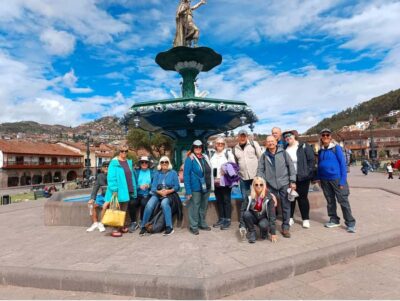
Half-Day City Tour with Sacsayhuaman and Q’enco
Read our review →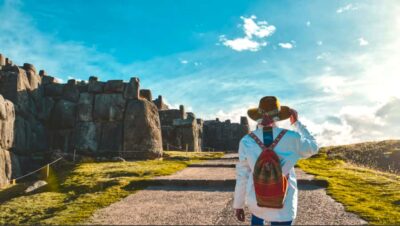
City Tour Cusco Qoricancha Sacsayhuaman y Tambomachay
Read our review →
The Charm of Barranco & Pre Inca Pyramid in Miraflores
Read our review →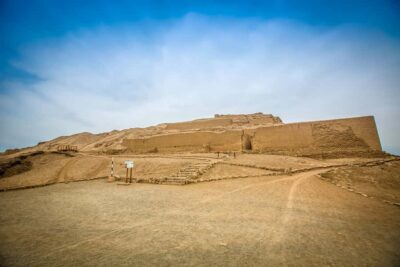
Pachacamac Ruins & Barranco Half-Day Guided Tour
Read our review →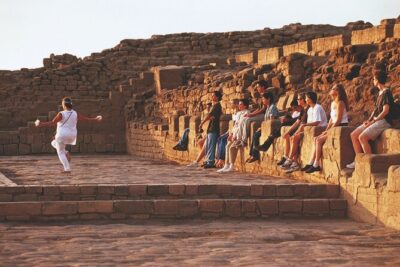
Pre Inca Temple of Pachacamac Half-Day Tour from Lima
Read our review →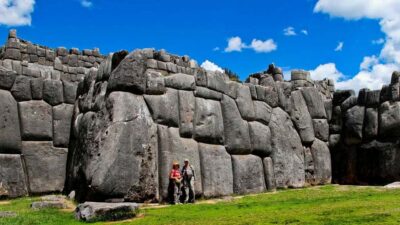
City Tour | Half-Day Tour to 4 Archaeological Sites
Read our review →
City Tour in Cusco & visit Museum South American Camelid Private.
Read our review →Browse the lists this tour appears in