Reviewed · TOURS IN CUSCO
07 Day Andean Experience Through the Living Culture of the Incas
Machu Picchu is the headline, but the best part of this seven-day trip is how much Andean life you see around it. You move from Cusco’s Inca foundations to Sacred Valley villages, salt pools, weaving markets, and working archaeological sites. Moray’s circular terraces and the family-run salt pools at Maras add depth to a visit that could otherwise become just a quick photo stop at Machu Picchu.
I like the built-in first day for adjusting to Cusco’s 3,400-meter altitude, and I like that the price includes hotels, six breakfasts, entrance fees, transfers, trains, Machu Picchu buses, and an English-speaking guide. The main caution is pace: several days run seven to twelve hours, and the high elevations can make even ordinary walking tiring. The trip also has a strict no-refund policy.
Key points at a glance
- Cusco starts slowly: Your arrival day is set aside for rest and altitude adjustment, followed by a group briefing at about 5:00 PM.
- Four Inca sites in one day: Sacsayhuaman, Qenko, Tambomachay, and Puca Pucara give you a useful introduction to Cusco’s ceremonial and defensive sites.
- Machu Picchu includes the essentials: Your guide leads you through the citadel, with round-trip buses and an Expedition or Voyager train included.
- Moray and Maras are strong cultural stops: One shows clever farming methods, while the other remains a working salt-harvesting site.
- Pisac combines ruins and shopping: You visit the hilltop archaeological site, then descend to the town market for textiles, jewelry, and ceramics.
- The guide can make the difference: Yeny, Jonathan, Percy, Herlin Apaza, Julio, Saul, and Ronald Ccana Soralero are among the guides praised for clear explanations, care, photos, and help with arrangements.
What this seven-day Andean trip actually covers
At $1,299 per person, this is a packaged Cusco and Machu Picchu journey rather than a simple guided day trip. You get six nights in three-star hotels based on double occupancy, six breakfasts, all entrance fees, transportation, the train to Machu Picchu, the buses up to the citadel, and a professional English-speaking guide throughout the trip.
That package matters in Peru. Machu Picchu tickets, train schedules, bus tickets, archaeological admissions, and long road transfers can be awkward to arrange separately. Here, one company coordinates the moving parts. You still pay for international and local flights, lunches and dinners, travel insurance, and any Huayna Picchu entrance. The value is strongest if you want structure and help rather than assembling each piece yourself.
This is described as a private activity, with only your group participating. Group size is not stated, so I would ask before booking if that detail affects your decision. The tour also includes pickup, and your airport transfer on the final morning is arranged around your flight time.
Other days travellers book out of Cusco:
- Cusco: Humantay Lake Tour with Breakfast and Buffet Lunch
★ 4.9 · 2,976 reviews - From Cusco: Moray, Maras Salt Mines & Chinchero Weavers Tour
★ 4.8 · 1,925 reviews - From Cusco: Full-Day Group Tour of Machu Picchu
★ 4.7 · 1,767 reviews
Day 1: Cusco at 11,000 feet
Your first day is intentionally light. A member of the Inkayni Peru Tours team meets you at Alejandro Velasco Astete Airport and takes you to your accommodation in Cusco, at roughly 3,400 meters, or 11,000 feet.
That altitude is no small detail. You may feel short of breath, tired, or headachy even while doing very little. Use this day for water, a slow walk near your hotel, and rest. The schedule does not push you into a major sightseeing program immediately, which is a sensible choice.
At about 5:00 PM, you meet the expedition group for a briefing. This is your chance to understand the next days, check arrangements, and ask questions before the early starts begin. Bring personal medication, sun cream rated SPF 35 or higher, and a waterproof jacket or rain poncho. And keep your original passport handy, since it is required for the trip.
Day 2: Sacsayhuaman and the high sites above Cusco
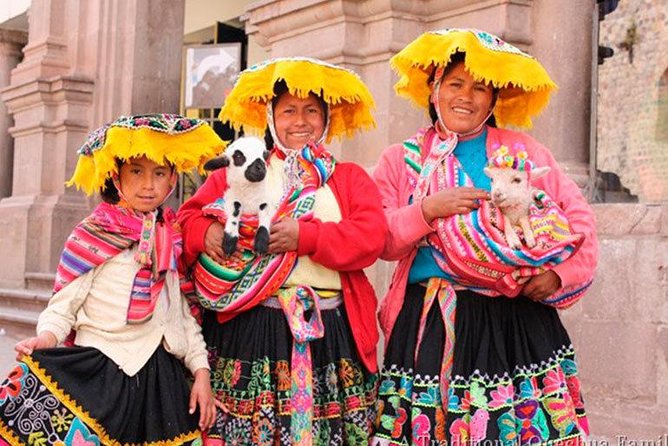
The first sightseeing day opens with Sacsayhuaman, high above Cusco at about 3,700 meters. Its enormous fitted stones are the main attraction. Some weigh more than 100 tons, and the tight joins between them show why Inca stonework remains one of the great puzzles of the Andes.
The Spanish used and dismantled parts of the complex, so you are not seeing the full original site. Still, the remaining walls are powerful. Your guide can help you read the place as more than a pile of stones, explaining its role during the reign of Pachacutec and its connection to Cusco below.
Qenko follows, with its carved rock and ceremonial purpose. Tambomachay is associated with water and ritual baths, while Puca Pucara functioned as a guard post. Seeing the four places together gives you a better sense of how the Inca organized ceremony, defense, water, and movement around the capital.
The afternoon takes you to Ollantaytambo at about 2,792 meters. The town is one of the most rewarding stops because modern life still fits around old Inca streets and foundations. You walk cobbled lanes, explore the archaeological site, and see how the settlement remains tied to Andean traditions.
This is a long sightseeing day, listed at about five hours, before the wider trip continues. Wear shoes with a firm grip and keep your daypack light. Cusco’s altitude is higher than Ollantaytambo’s, but the stone paths and steps still demand care.
Day 3: Machu Picchu, the trip’s big moment
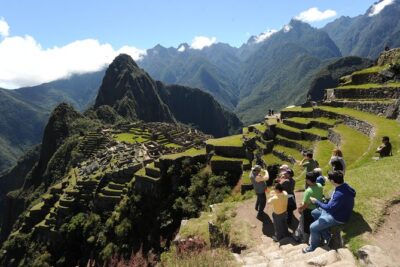
The Machu Picchu day begins early with breakfast, then a morning bus and entry into the Historic Sanctuary of Machu Picchu. Your guide leads the main visit, explaining the temples, ceremonial areas, terraces, and storage structures rather than leaving you to wander without context.
That guide service is especially useful here. The site is visually overwhelming, but its details are easy to miss. A good explanation helps you understand why terraces were built, how the settlement was arranged, and which areas served practical or ceremonial roles.
The visit is listed at about twelve hours, so prepare for a full day. After the guided tour, you return to Aguas Calientes for rest and lunch, which is not included. The schedule then allows time for the onward arrangements described by your tour team.
Huayna Picchu or Machu Picchu Mountain requires an extra ticket reserved in advance. It is not included in the base price. If you want one of those climbs, confirm availability and cost before booking, rather than assuming you can add it on the morning of your visit.
The train is either an IncaRail Voyager or an Expedition service, and the round-trip buses to Machu Picchu are included. Those details remove much of the stress from the day, but you should still expect crowds, early transport, and plenty of walking.
Same base, a completely different day:
- Machu Picchu Day Trip from Cusco
★ 4.5 · 1,644 reviews - Cusco: Half-Day City Tour with Sacsayhuaman and Q’enco
★ 4.6 · 1,129 reviews - Cusco: Sacred Valley, Pisac, Ollantaytambo, Salt Mines Moray
★ 4.6 · 1,058 reviews - Machu Picchu: Full-Day Tour from Cusco with Optional Lunch
★ 4.6 · 927 reviews
Day 4: Moray’s terraces and the Maras salt pools
After returning from Aguas Calientes to Ollantaytambo, the route heads into the highlands to Moray. At about 11,482 feet, this is another high stop, and the elevation can be felt even when the walking is not difficult.
Moray consists of large circular terraces cut into the earth. Their different levels created varying growing conditions, and the site is often understood as a place where the Incas tested crops in different microclimates. The exact details of how it was used are still discussed, but the design clearly reflects close observation of altitude, temperature, and farming.
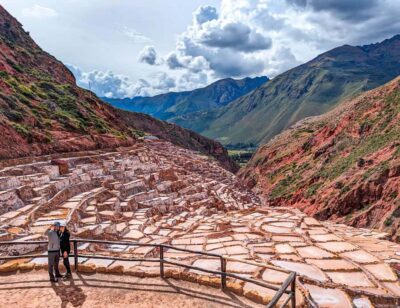
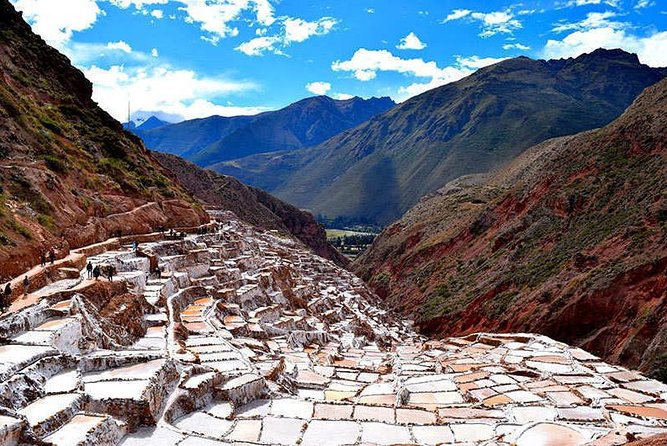
Maras is a different kind of experience. More than 3,000 salt pools spread across the mountainside, fed by salty water that flows through the terraces. Local families continue to harvest the salt, linking the archaeological setting to a living local economy.
The pools can look bright white or warm brown depending on the season, water flow, and sunlight. This is a good place to appreciate the connection between scenery and work. You are not simply looking at an old ruin; you are seeing a traditional practice that continues today.
The day lasts about eight hours. Moray and Maras are both above 11,000 feet, so pace yourself, use sun protection, and carry water. The high sun can be strong even when the air feels cool.
Day 5: A flexible Cusco day, with extra choices
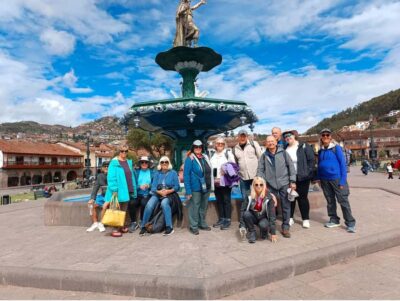
Day five gives you time in Cusco at your own pace. You can walk through the historic center, see Inca foundations beneath colonial buildings, or sit in one of the city’s plazas and recover from the earlier long days.
The tour company also offers optional activities, including Rainbow Mountain, a city tour, horseback riding around Sacsayhuaman, and an ATV outing to Apukunaq Tianan. The information supplied does not say that these choices are included in the $1,299 price, so confirm the cost before selecting one.
This free day is valuable even if you add nothing. After several early starts, you may prefer a quiet morning, a slow meal, and time to shop. If you do choose Rainbow Mountain, remember that it adds another high-altitude day. You should only choose it if you are feeling well and want more physical exertion.
Cusco is also where the trip’s cultural theme comes together. The city shows how Inca construction and Spanish colonial architecture occupy the same streets. A guide can give the history structure, but your own wandering supplies the pauses that a packed touring day does not.
Day 6: Cochawasi and the Pisac market
The final major touring day returns to the Sacred Valley. At the Cochawasi Animal Sanctuary, you may see pumas, Andean condors, alpacas, and llamas. This stop adds wildlife to a program otherwise focused on buildings, agriculture, and crafts.
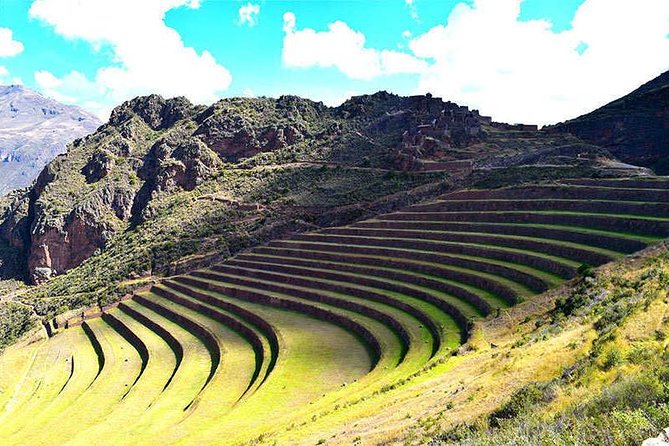
Pisac follows, with ruins at about 2,972 meters. The terraces and temples sit above the valley, and the site is designed in a form associated with the condor. The position gives you a strong sense of how the Incas used steep terrain for farming, settlement, and ceremony.
After the ruins, you descend to the Pisac Market. This is the place to look for textiles, jewelry, ceramics, and other handmade goods. Take time to inspect the work and speak with artisans, but keep your buying practical. Compare prices, check the quality of the weave or finish, and remember that the market is part of a living town rather than a museum display.
The day lasts about seven hours. It is a good balance of animals, archaeology, and shopping, though the sequence still involves transport and walking. If you have a large purchase, ask your guide about carrying it safely during the remaining transfers.
Day 7: A short farewell and airport transfer
The final morning includes a quick tour of Cusco’s historic center. An optional free walking tour is also available, though the details and timing should be confirmed with the operator.
Your airport transfer is scheduled around your departure. That is useful, especially after a trip with several early mornings and changing locations. Keep your passport, flight documents, and any fragile purchases accessible rather than buried in checked luggage.
Guides, organization, and the human side of the trip
The strongest pattern in the guide feedback is personal care. Yeny is praised for explaining local culture and history, taking photographs, and introducing a local restaurant. Jonathan is repeatedly singled out for his warm manner, good explanations, photography, restaurant help, and attention to solo travelers and mixed groups.
Other named guides include Percy, Herlin Apaza, Julio, Saul, Ronald Ccana Soralero, and Grigio. Their reported strengths vary, but the consistent picture is that the guide can handle practical details as well as site explanations. That matters when buses, trains, tickets, meals, and changing schedules all meet in one day.
I would still make one point clear: guide quality can vary by assignment. One piece of feedback raised concern about inappropriate behavior from a guide, particularly for women traveling alone. The company acknowledged the issue and said it would address it. Most of the supplied feedback is strongly positive, but that criticism deserves attention. If you are booking solo or with an all-woman group, ask how guide assignments and concerns are handled.
Is $1,299 a fair price?
The price is reasonable for a seven-day, largely arranged trip if you value convenience. Six hotel nights, six breakfasts, archaeological entrances, transfers, the train, Machu Picchu buses, and guiding can add up quickly when purchased separately.
The three-star accommodation is practical rather than luxurious. Double occupancy is the basis of the price, so solo guests should ask about any single supplement. Lunches, dinners, flights, insurance, and Huayna Picchu or Machu Picchu Mountain are extra, so your actual spending will be higher.
The tour is best value for someone who wants a clear route and a guide handling the complicated parts. It is less appealing if you prefer boutique hotels, long unscheduled stays, or complete control over restaurants and transport.
Who should book this experience?
You should consider it if you want Cusco, the Sacred Valley, and Machu Picchu in one organized week. It suits first-time visitors who want historical explanations, included transport, and help with the practical details.
It also works well for families, couples, and solo visitors who appreciate support. The guide feedback includes solo travelers who felt well looked after, along with groups of women whose guides helped them manage a busy schedule.
Think twice if you dislike early mornings, long transfer days, altitude, or fixed schedules. The Machu Picchu day lasts around twelve hours, and the highland visits reach about 11,000 feet. This is not a slow retreat.
The cancellation rule is also strict: the experience is non-refundable and cannot be changed for any reason. Only book once your flights and plans are firm.
Should you book the seven-day Andean Experience?
I would book this tour if you want a well-organized first look at the Cusco region and prefer having one company manage the train, buses, entrances, hotels, and guiding. The route includes the famous sights, but it also makes room for Moray, Maras, Pisac, animal care, markets, and ordinary time in Cusco.
I would not book it if your priority is luxury, flexible pacing, or a guaranteed specific guide. Ask about the hotel names, group size, optional activity costs, and guide assignment before paying. For the right kind of visitor, $1,299 buys a practical introduction to the Andes with enough cultural detail to make Machu Picchu feel like part of a larger story.
FAQ
How long is the Andean Experience?
The tour lasts approximately seven days and includes six nights of accommodation.
Where does the tour begin?
The experience begins in Cusco, Peru, with pickup at Alejandro Velasco Astete Airport.
Is airport pickup included?
Yes. A member of the Inkayni Peru Tours team meets you at the airport and transfers you to your accommodation.
What type of accommodation is included?
Six nights in three-star hotels are included, based on double occupancy.
Are meals included?
Six breakfasts are included. Lunches and dinners are not included.
Is the train to Machu Picchu included?
Yes. The package includes either an IncaRail Voyager or an Expedition train to Machu Picchu.
Are Machu Picchu buses included?
Yes. Round-trip buses to Machu Picchu are included.
Is the Huayna Picchu entrance included?
No. Huayna Picchu requires an additional entrance fee. Machu Picchu Mountain also requires an extra ticket reserved in advance.
What documents should I bring?
Bring your original passport. If you are a student and want to qualify for a discount, bring your current university card.
Is travel insurance included?
No. Travel insurance is not included in the tour price.
Can most people participate?
The tour information says most people can participate. You should still consider the high elevations and long sightseeing days before booking.
Is the tour refundable?
No. The experience is non-refundable and cannot be changed for any reason after cancellation or an amendment request.
Just added around Cusco
- Zipline over the Sacred Valley Trip★ 5.0 · 11 reviews
- Waqrapukara 1 day trekking + meals★ 3.9 · 3 reviews
- Visit Pisac from Cusco: Private Transport★ 4.6 · 9 reviews
- Valle Sur Cusco | half day★ 4.3 · 3 reviews
- Trek to Humantay Lake from Cusco★ 4.9 · 8 reviews
- Trek to Choquequirao 4 days★ 3.8 · 4 reviews
- rainbow mountain full day★ 5.0 · 44 reviews
- Machu picchu one day by train all included★ 4.5 · 53 reviews
Tours in Cusco, compared.
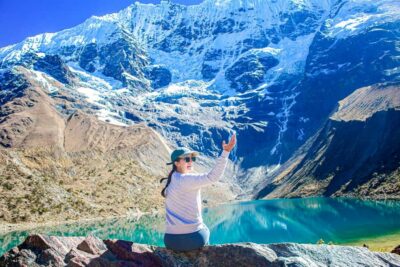
Humantay Lake Tour with Breakfast and Buffet Lunch
Read our review →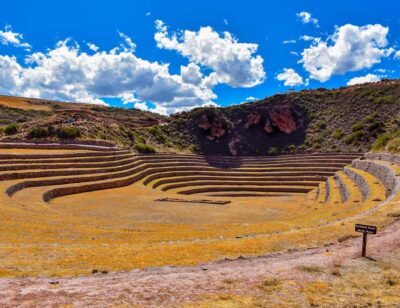
Moray, Maras Salt Mines & Chinchero Weavers Tour
Read our review →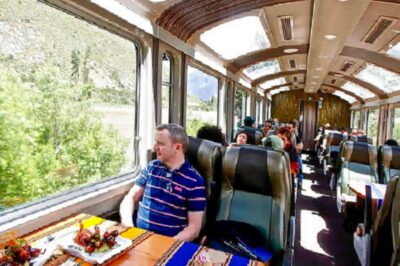
Half-Day City Tour with Sacsayhuaman and Q’enco
Read our review →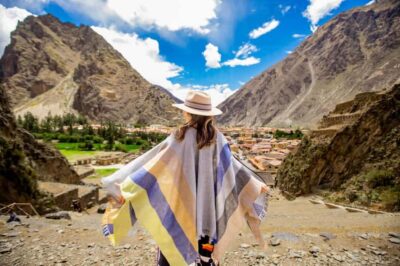
Sacred Valley, Pisac, Ollantaytambo, Salt Mines Moray
Read our review →