
Reviewed · SILLAR ROUTE & AREQUIPA COUNTRYSIDE
Arequipa: Half Day Sillar Route and Culebrillas Canyon + Yanahuara Viewpoint
Arequipa’s famous white buildings begin outside the city, where stonecutters shape pale volcanic rock into blocks, columns, and elaborate carvings. This half-day outing links that working tradition with Yanahuara’s volcano views and the narrow walls of Culebrillas Canyon.
I like the mix of hands-on craft and open-air scenery, and I like that the walk through Culebrillas is short enough to fit neatly into a busy Arequipa schedule. The main drawback is the guide commentary: one recent participant had trouble hearing it, and the quarry explanation can feel long if your interest in stonework is limited.
Key points to know before you book
- See the source of Arequipa’s white stone: Visit the Añashuayco Quarry and learn how sillar is extracted and carved.
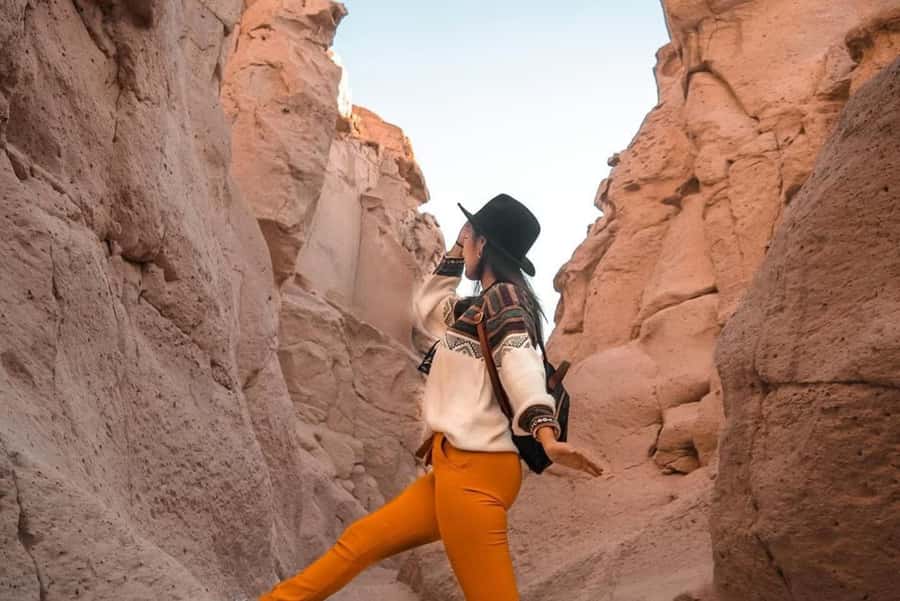
- Walk through Culebrillas Canyon: Allow about 20 minutes on foot through a narrow channel shaped by water erosion.
- Look for ancient petroglyphs: The canyon ends with carved rock art that makes the stop more than a simple scenic walk.
- Start in central Arequipa: Meet at the main door of the cathedral in the Plaza de Armas.
- Budget for two extra entrance fees: The quarry and Culebrillas each cost S/. 5, and neither fee is included.
- Expect a compact morning or afternoon: The tour lasts four hours and includes transport and a bilingual Spanish-English guide.
Why the Sillar Route matters in Arequipa
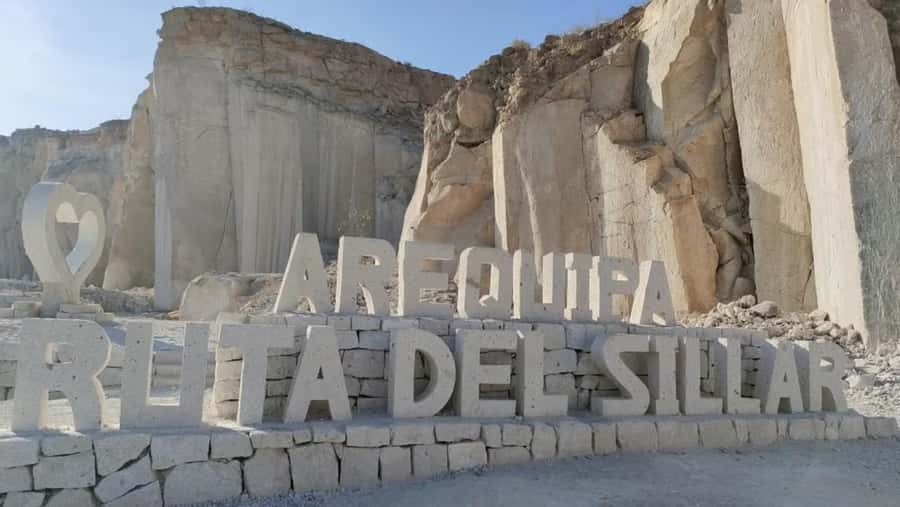
Arequipa is often called the White City because much of its central architecture uses sillar, a light-colored volcanic stone. On this tour, you do not just photograph the finished buildings. You go to the quarry area and see where the material comes from and how it is worked.
That connection gives the city’s architecture more meaning. After seeing the cathedral, arcades, and colonial buildings in the center, you can recognize sillar as a material made by hand rather than treating the white facades as simple decoration.
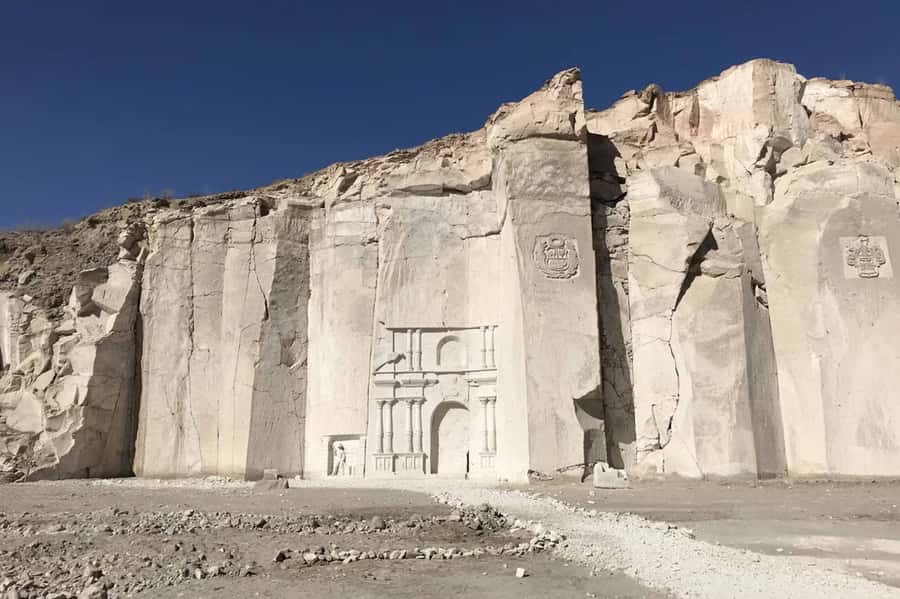
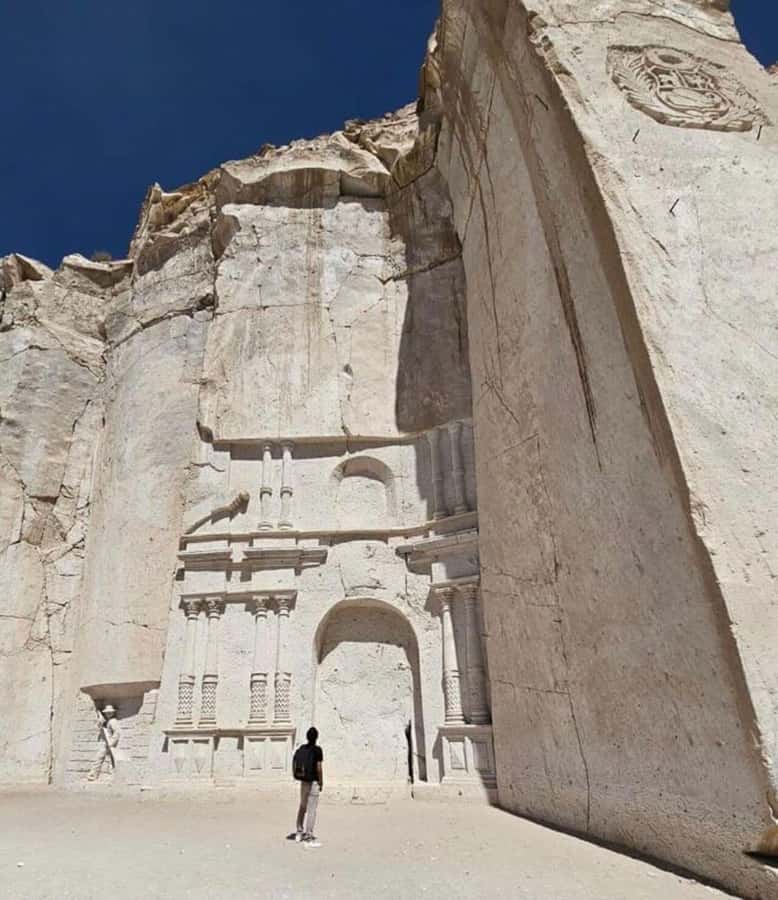
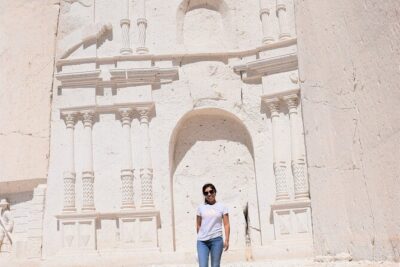
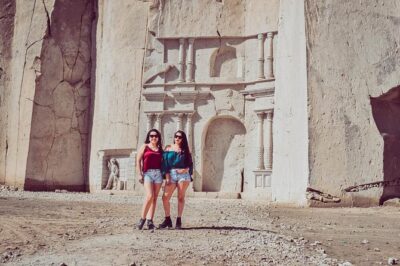
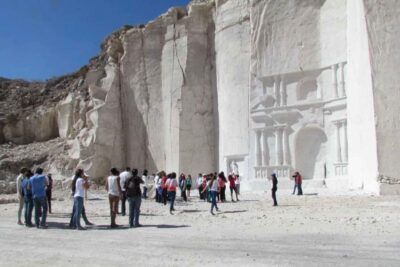
At Añashuayco, the guide explains the extraction process and the different forms of stonework. You’ll hear about carving, detailed cutting, and larger-scale sculpting carried out by local stonemasons. The stop is educational, but it is also visual: the pale quarry walls and worked blocks make it easy to understand why this stone shaped Arequipa’s identity.
I would pay attention to the tools, cuts, and partially finished pieces rather than expecting a polished museum display. This is a quarry visit, not a formal architectural exhibition. Some parts can feel slow, especially if the group spends a good deal of time listening before moving on.
The guide’s explanations are an important part of the stop, so stay near the group and ask to repeat anything you miss. One person had difficulty hearing the guide, which is a useful warning for anyone who is hard of hearing or who tends to hang back during group talks.
Other trips into the countryside from Arequipa:
- From Arequipa: Sillar Route Trek
★ 4.2 · 461 reviews - Sillar Route and Culebrillas Petroglyphs
★ 4.5 · 89 reviews - Sillar Route in Arequipa and viewpoint of the Volcanoes
★ 4.0 · 71 reviews
Yanahuara viewpoint and the first photo stop
The outing begins at the main door of Arequipa Cathedral in the Plaza de Armas. Once everyone is together, the vehicle heads to the Yanahuara viewpoint for photographs and a guided introduction.
Yanahuara is known for its stone arches and broad views toward the surrounding volcanoes. The stop gives you a quick look at Arequipa from above and provides a useful contrast with the quarry later in the tour. Here, you see the city as a finished place. At Añashuayco, you see one source of the stone used in its buildings.
Do not expect a long visit at the viewpoint. It is a photo stop with guide commentary, not a full neighborhood tour. If you want time to wander around Yanahuara on your own, this schedule may feel tight.
I like having this stop at the beginning because it helps you get oriented. You see the city, take photographs, and then leave the central area for the quarries. It also makes sense from a timing point of view: the tour deals with the city’s architecture before showing you the material behind it.
Keep your camera ready, but listen for the guide’s explanation too. The view is easy to appreciate on your own, while the connection between Yanahuara’s stonework and the later quarry visit is what gives the tour its shape.
Añashuayco Quarry and the craft of sillar
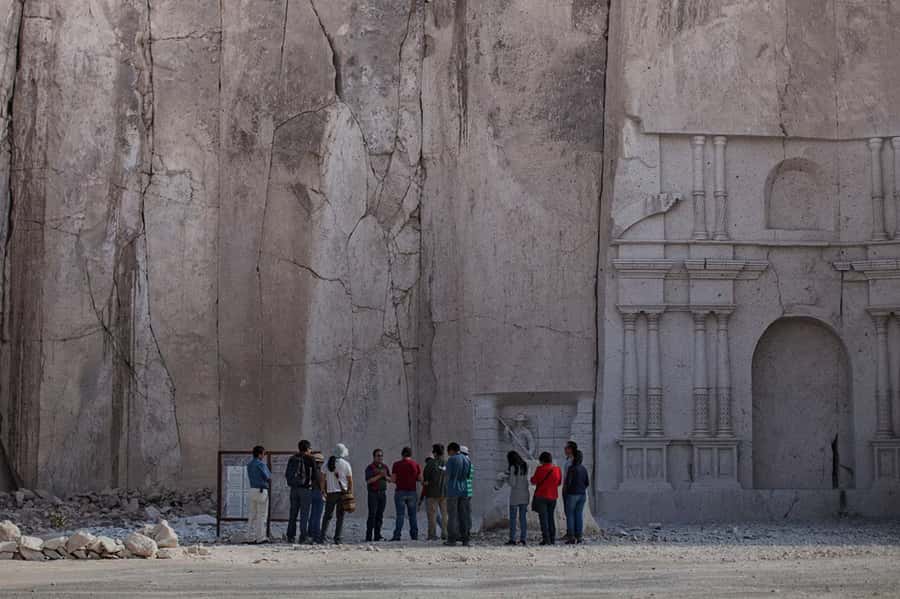
After Yanahuara, the vehicle leaves the city for the Añashuayco Quarry. This is the most explanatory portion of the tour and the place where you learn how sillar is removed, cut, shaped, and decorated.
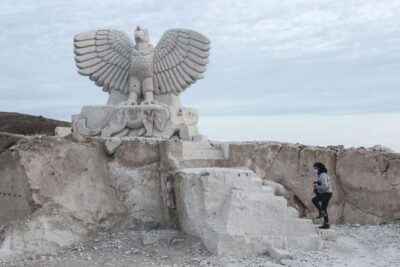
The guide discusses several levels of workmanship. Basic extraction produces usable blocks, while carving and more detailed cutting turn the stone into architectural pieces. The quarry also shows larger sculptural work, often described as mega carving. These terms may sound technical, but the point is simple: the stone can be used for everything from construction blocks to decorative forms.
This stop is valuable if you enjoy traditional building methods, local craft, or the practical side of architecture. I find that it gives the white center of Arequipa a human scale. Instead of thinking only about colonial facades, you begin to picture the labor behind each block.
The tradeoff is time. A recent participant felt the first portion stretched on, even though the guide allowed plenty of time for the activities. That means the tour is not rushed, but it also means you should not book it expecting a nonstop sequence of viewpoints.
If you have a strong interest in stone carving, the extra explanation will likely suit you. If you prefer nature and photography, the quarry talk may be the least exciting part. Either way, the stop is necessary context for the rest of the route.
The quarry requires a separate S/. 5 entry payment. Bring cash in local currency if possible, since the fee is not part of the advertised $25 tour price.
Culebrillas Canyon and its petroglyphs
The tour then continues to Quebrada de Culebrillas, a quarry area that is no longer in use. This changes the mood. Instead of focusing on active stone extraction and carving, you walk through a small canyon formed by water erosion.
The walk lasts about 20 minutes. That is short, but the narrow rock walls give the stop a clear sense of place. You are not taking on a long trek. You are making a compact walk through a natural channel before returning to the vehicle.
The canyon is also the most adventurous part of the outing. The route adds movement after the explanatory quarry visit, and the rock walls make the experience feel different from the open viewpoint and working quarry.
At the end, the guide points out petroglyphs carved into the rock. These are a major reason to take this route instead of stopping only at a quarry. You get a look at marks made long before the modern city, followed by an explanation from the guide and time to take photographs.
I would give the petroglyphs your full attention. They can be easy to miss if you focus only on the canyon walls or stay too far from the guide. One recent participant particularly enjoyed this part but found the commentary hard to hear, so move close when the group stops.
Culebrillas also has its own S/. 5 entry fee. Add that to the quarry charge when calculating the total cost. The two small fees add S/. 10 per person to the advertised tour price.
Same base, a completely different day:
- From Arequipa: Colca Canyon Full-Day Guided Tour with Meals
★ 4.5 · 982 reviews - Tour to the Salinas Lagoon and National Reserve in Arequipa
★ 4.5 · 548 reviews - Arequipa: Chili River White Water Rafting with Hotel Pickup
★ 4.8 · 329 reviews - From Arequipa: 2-Day Colca Canyon Trekking Tour
★ 4.8 · 243 reviews
What the $25 price really covers
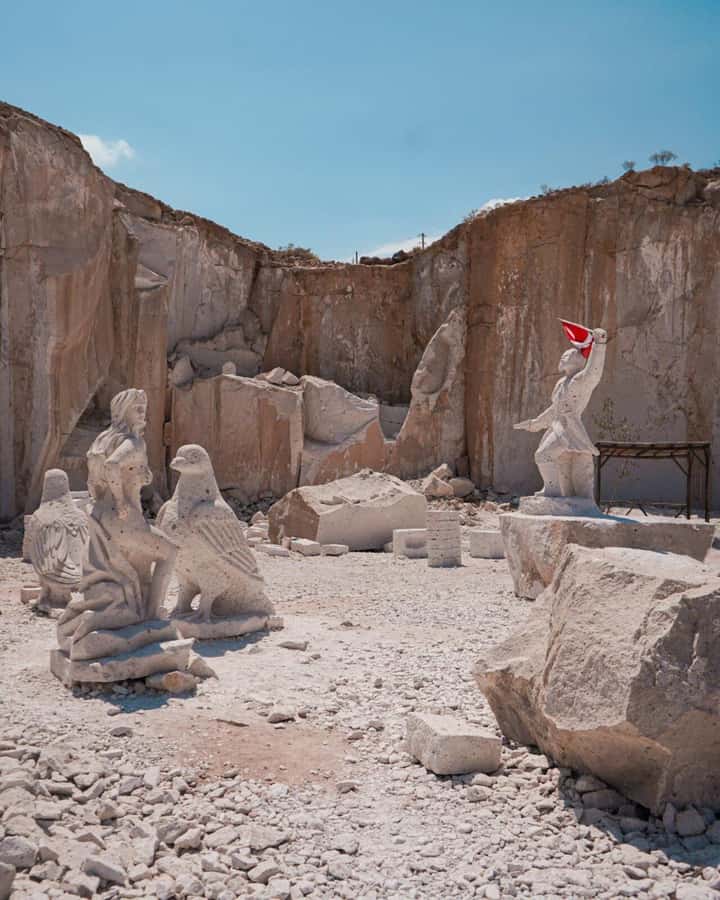
At $25 per person, the tour is priced as a straightforward half-day group outing. The fee includes tourist transportation and a bilingual Spanish-English guide. It does not include hotel pickup, food, drinks, or the two quarry admissions.
That makes the tour good value if you want the logistics handled for you. You meet in the central square, ride between the three main stops, and return to the same area after about four hours. You do not need to arrange separate transport to the quarry or work out how to connect Culebrillas with Yanahuara.
The price is less compelling if you want a private guide, a slow photography schedule, or a long visit at each location. No group size is provided, so you should expect a shared vehicle rather than a private, custom-paced experience.
I would compare the total cost, not just the headline price. Plan on $25 plus S/. 5 for Añashuayco and S/. 5 for Culebrillas, along with anything you choose to eat or drink before or after the tour.
The reserve-now-and-pay-later option can help if your schedule is still shifting. You can also cancel up to 24 hours before departure for a full refund, according to the booking terms. Starting times vary, so check the available departure when you book.
Practical advice for a smoother outing
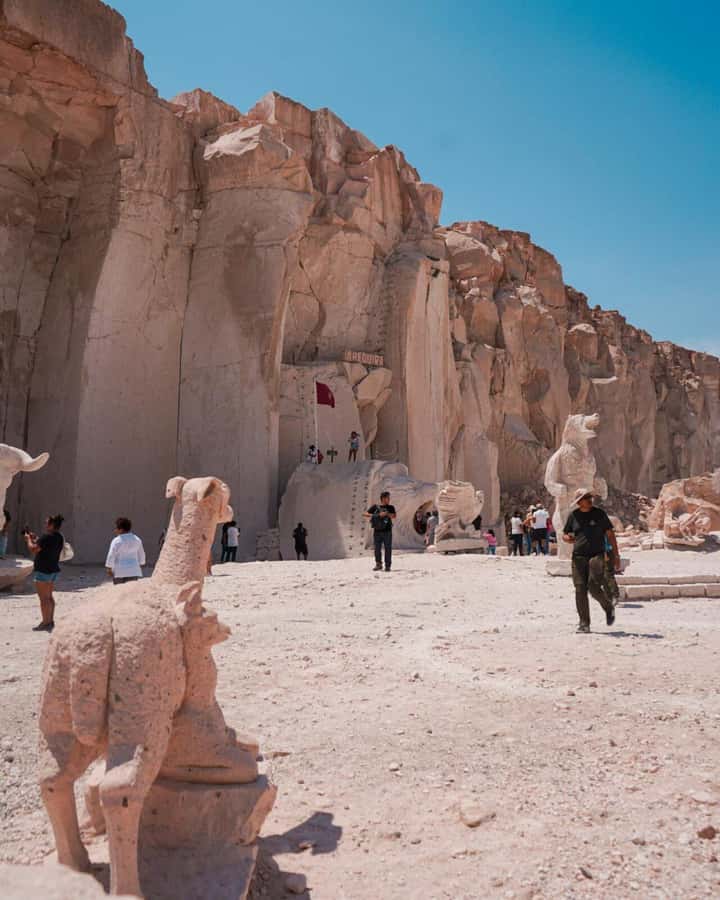
Meet at the main door of the cathedral in the Plaza de Armas. The meeting point is central and easy to identify, but make sure you are at the cathedral entrance rather than waiting somewhere else in the square.
Bring your passport or identification card. It is specifically required information for the activity, so do not leave it at your hotel.
Wear shoes suitable for a short walk through a canyon. The tour is not suitable for people with mobility impairments, and the Culebrillas portion involves walking through uneven natural surroundings. The published walking time is about 20 minutes, but your comfort will depend on your mobility and footing.
Bring water and any snack you may want. Food and drinks are not included, and the four-hour schedule may cover a meal period depending on the departure time.
Stay close enough to hear the guide. The commentary matters at both the quarry and the petroglyphs, and one person found the guide difficult to hear. If the vehicle or group is spread out, quietly ask the guide to repeat key points rather than trying to follow from a distance.
The tour is available in Spanish and English. Some material may be presented in its original language, so confirm your preferred language when reserving.
Who will enjoy this half-day route
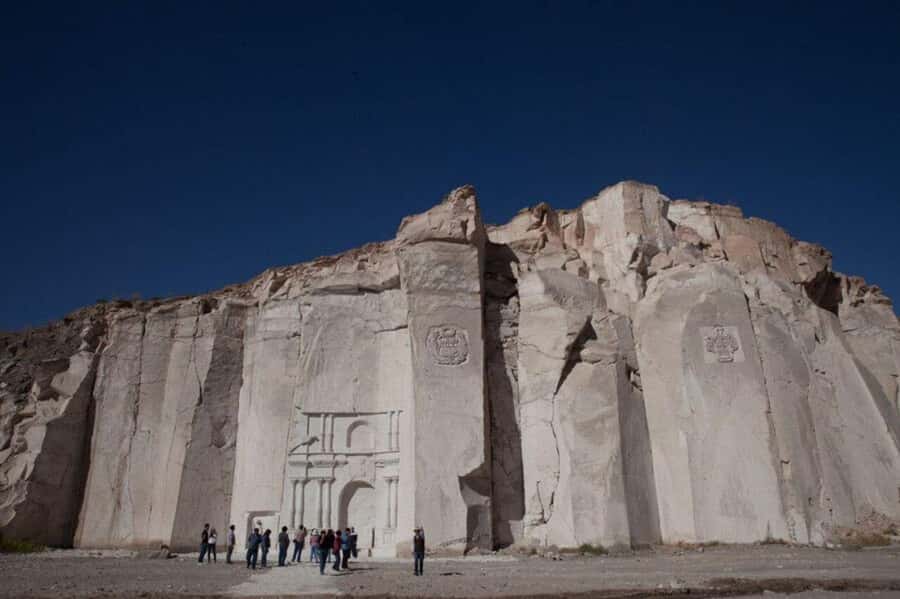
I would recommend this tour to you if you want to understand Arequipa through its building material. It works especially well for first-time visitors who have already seen, or plan to see, the central Plaza de Armas and want to know how the city’s pale architecture was made.
It also suits travelers who want several different settings in one outing: an urban viewpoint, a quarry, and a short canyon walk. The route has enough variety to keep a four-hour visit interesting without requiring a full-day commitment.
Families and mixed-interest groups may appreciate the short format. One person can focus on photographs, another on architecture, and another on the canyon and petroglyphs. The walking portion is limited, but the activity is not suitable for people with mobility impairments.
I would hesitate to recommend it if you want a quiet, self-guided visit or a long wilderness walk. The experience depends on group transportation and spoken explanations. If you cannot hear a guide clearly or prefer to move at your own pace, the structure may frustrate you.
It is also not the right choice if your priority is only the best city viewpoint. Yanahuara is brief, and the heart of the tour is the connection between sillar production and Culebrillas.
Should you book the Sillar Route and Culebrillas tour?
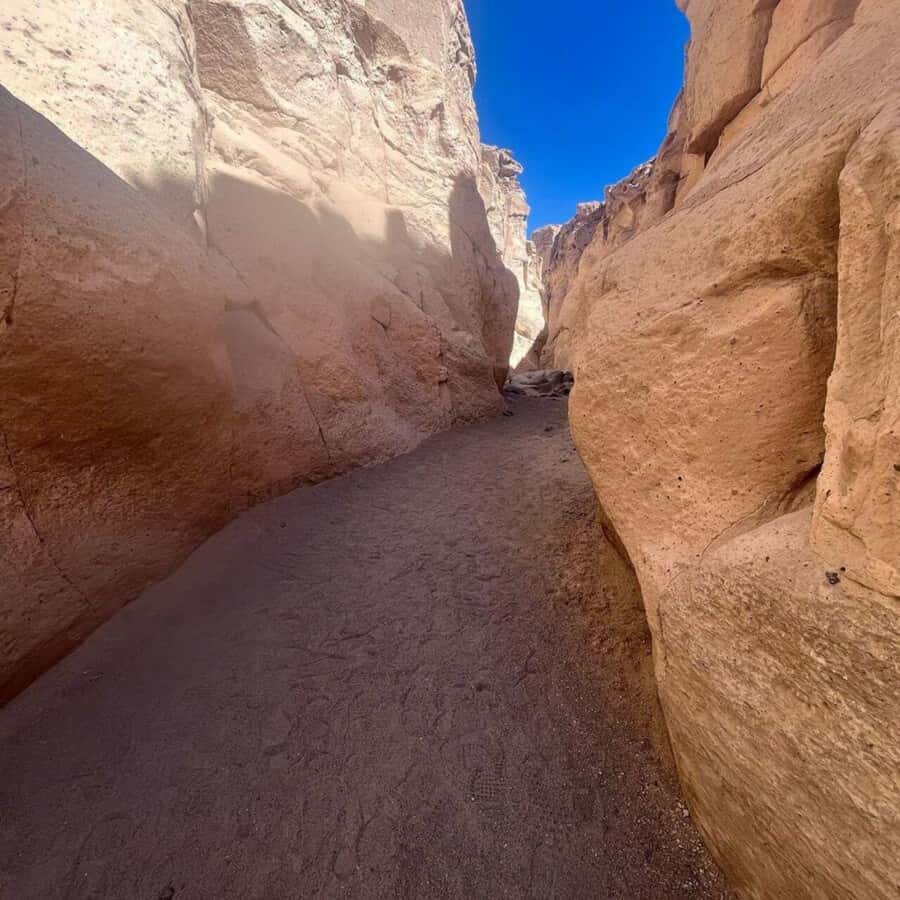
Book it if you want an efficient introduction to two sides of Arequipa: the hand-shaped volcanic stone used in the city and the eroded canyon where petroglyphs remain. The route offers real variety for four hours, and the included transportation makes the quarry areas simple to reach.
Go in with realistic expectations. The quarry explanation may feel long, the guide’s voice may be difficult to catch if you stand at the back, and the entrance fees cost extra. Stay near the guide, carry identification, budget S/. 10 for admissions, and wear comfortable shoes.
For most visitors who want history, craft, photographs, and a short walk without giving up an entire day, this is a sensible Arequipa add-on. If the petroglyphs and canyon appeal to you more than a detailed account of stone carving, keep that preference in mind when deciding.
FAQ
Where does the tour begin?
It begins at the main door of the cathedral in Arequipa’s Plaza de Armas.
How long does the tour last?
The tour lasts four hours and returns to the Plaza de Armas.
What languages are available?
A live guide is available in Spanish and English. Some content may be presented in its original language.
Are entrance fees included?
No. Entry to the sillar quarry costs S/. 5, and entry to Culebrillas costs S/. 5. Both are paid separately.
Is hotel pickup included?
No. Hotel pickup and transfer are not included. You must reach the meeting point at the cathedral.
What should I bring?
Bring your passport or identification card. Comfortable footwear is also useful for the walk through Culebrillas Canyon.
Just added around Arequipa
- Congata Rover,3 hours bike ride tour in arequipa★ 4.1 · 8 reviews
- Cooking Class Typical Food in Arequipa★ 3.9 · 3 reviews
- Colca Canyon: 2-Day Tour from Arequipa to Puno★ 4.7 · 45 reviews
- COLCA CANYON FULL DAY TOURS★ 4.0 · 5 reviews
- Arequipa: Rio Chili Rafting Tour with Snack★ 4.9 · 34 reviews
- Arequipa | Tour of the Sillar Route + Culebrillas Canyon★ 3.5 · 7 reviews
- Arequipa: Rafting on the Chili River | Full adrenaline |★ 5.0 · 10 reviews
- Arequipa|| The Sillar Route+Culebrillas Canyon★ 3.7 · 4 reviews
Sillar Route & Arequipa Countryside, compared.
Sillar Route in Arequipa and viewpoint of the Volcanoes
Read our review →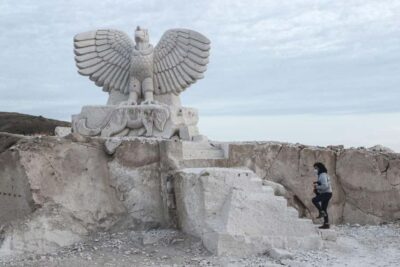
4 hours Tour: Route of Sillar with Trek in Culebrillas
Read our review →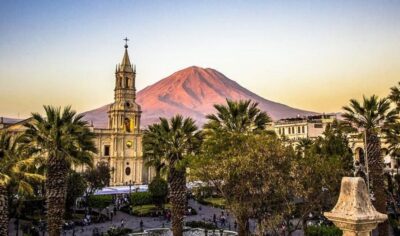
4-hour excursion: Sillar Route with Hiking in Culebrillas
Read our review →
Arequipa | Tour of the Sillar Route + Culebrillas Canyon
Read our review →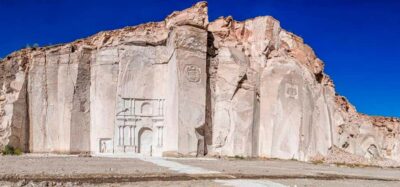
4-hour excursion: Ruta del Sillar with Hiking in Culebrillas
Read our review →Browse the lists this tour appears in