
Reviewed · MACHU PICCHU TOURS
2 Days Tour to Sacred Valley and Machupicchu
The best part of this two-day trip is the way it links the Sacred Valley’s farming centers and Inca towns with Machu Picchu, rather than treating the famous citadel as a stand-alone day trip. You move from Chinchero’s market and terraces to Moray’s giant agricultural bowls, then sleep in Aguas Calientes before seeing Machu Picchu early in the second half of the journey.
I like the strong mix of places: Moray and the Maras salt mines add unusual detail to the better-known stops, while Ollantaytambo gives you a living Inca town before the train. I also like the private format and the repeated praise for Carlos, Carlos Rios, Jacky, and the wider team for punctual transfers and quick help when plans needed adjusting.
The tradeoff is simple: this is a packed two days, not a slow Sacred Valley stay. Early pickup, several road stops, a train connection, and a fixed return train leave little room to linger, and the 6:30 am pickup time differs from the stated 7:00 am start, so confirm the exact schedule before you go.
Key points at a glance
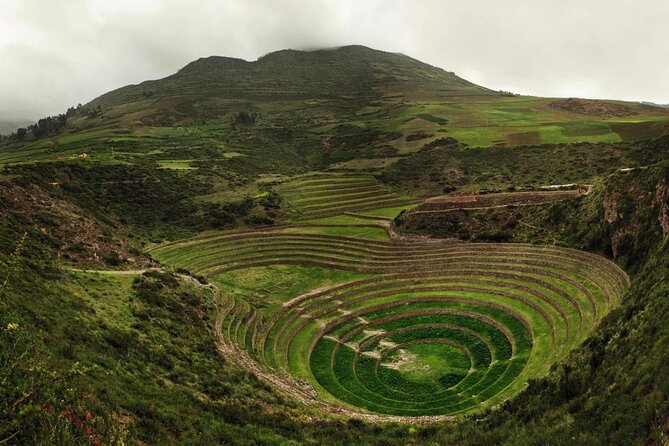
- Moray’s sunken terraces: See the huge circular agricultural terraces, built to create different growing conditions at different depths.
- Maras salt ponds with living local use: The salt works have served the area from pre-Inca and Inca times through the colonial period and remain important to local families.
- Ollantaytambo before the train: Explore one of the best-preserved Inca town settings before boarding for Aguas Calientes.
- A private Machu Picchu visit: A guide leads your group through the ruins for roughly two and a half hours, followed by some time to explore independently.
- A tightly managed two-day route: The plan covers many major sights while arranging the hotel, trains, buses, guides, and return transfer.
- Strong attention to service: Carlos and his team receive repeated praise for being reachable, polite, punctual, and helpful during transfers.
From Cusco to Chinchero before breakfast
This trip gets moving early. The detailed schedule calls for group pickup at 6:30 am, while the general start time is listed as 7:00 am from Av. El Sol 580 in Cusco. That small mismatch matters, especially if you are staying outside the central area, so ask the operator to confirm your pickup time and meeting point.
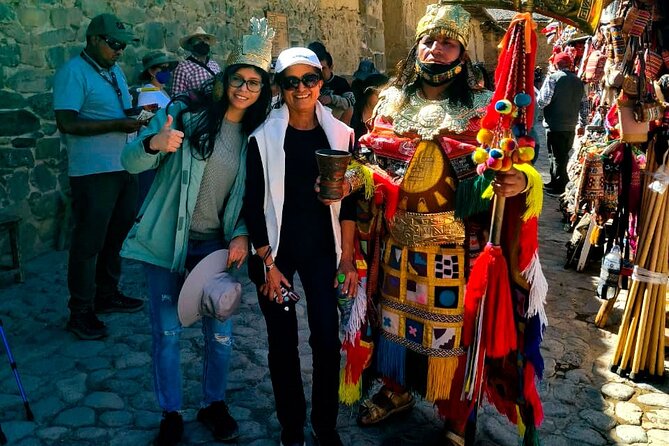
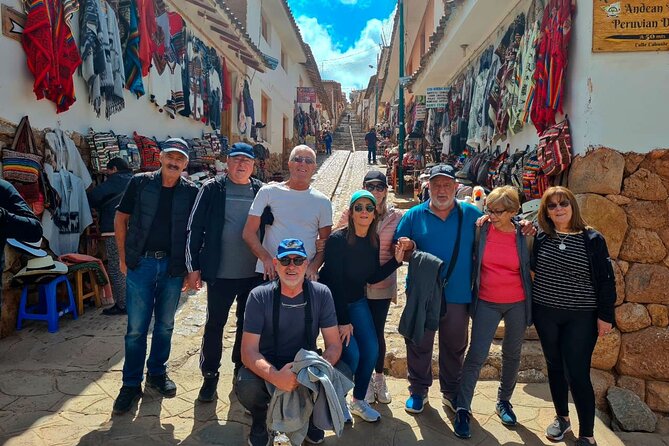
Chinchero makes a good first stop because it introduces the Sacred Valley through both daily life and Inca engineering. You have about 45 minutes to see the colonial church, traditional market, archaeological center, farming areas, and terraces. The market gives the morning a human setting, while the stonework and terraces show how the Incas organized food production on steep ground.
I would treat Chinchero as an orientation stop rather than a full visit. Forty-five minutes is enough to get a feel for the town and see the main features, but not enough for an unhurried market browse, a long church visit, and a detailed archaeological exploration. If you like textiles and traditional craft markets, you may wish this stop were longer.
The tour information says admission is included. Since the group continues on a fixed road schedule, keep your belongings close and be ready to return to the vehicle on time. The early start also gives you a practical advantage: you get a major site done before the day becomes more tiring.
Other ways up to Machu Picchu from Cusco:
- From Cusco: Full-Day Group Tour of Machu Picchu
★ 4.7 · 1,767 reviews - Machu Picchu Day Trip from Cusco
★ 4.5 · 1,644 reviews - Machu Picchu: Full-Day Tour from Cusco with Optional Lunch
★ 4.6 · 927 reviews
Moray and Maras, the day’s most unusual pair
Moray is one of the most memorable stops on the route. Instead of a conventional ruin, you see enormous terraces cut into a natural basin. Their circular form drops toward the center, producing different temperatures and growing conditions at various depths.
The usual explanation is that the Incas used these terraces to test crops in different microclimates. The agricultural idea is the important point here. This was not just decorative stonework. The terraces, fertile soil, irrigation system, and water storage at the base formed a serious attempt to manage food production, with the wider system associated with the cultivation of more than 250 types of vegetables.
You have about an hour and fifteen minutes for Moray and the Maras salt mines together. That combined timing means you should expect a focused visit, not a long walk around both sites. Moray rewards you most when you pause to look at the changing shape of the terraces from above and consider the work involved in moving soil and water into the basin.
The Maras salt mines provide a sharp contrast. Here, hundreds of small salt pools cover the mountainside, fed by a mineral-rich stream. The information provided for this tour describes the site as important in the pre-Inca, Inca, and colonial periods, with local residents still benefiting from the salt extracted there.
That continuing local use gives Maras more weight than a simple photo stop. You are looking at an old production system that still supports people today. The tour combines it with Moray because the two places show different sides of Andean ingenuity: one manages crops, the other manages salt.
The route can feel rushed at this point. Moray and Maras are separate experiences, and the schedule places both inside one stop. Wear shoes that are comfortable for uneven ground, keep water with you, and listen carefully for the departure time. The provided information does not specify the exact walking conditions or any special mobility arrangements, so anyone with limited mobility should ask for details before booking.
Urubamba lunch and Ollantaytambo’s stone walls
After Moray and Maras, the route continues to Urubamba for a buffet lunch. This is a useful pause in a busy day. You get a proper meal before the final archaeological visit and train journey, rather than having to depend entirely on snacks between stops.
The exact menu is not specified, though food quality receives repeated praise in the supplied comments about the company’s wider tours. Treat the meal as part of the planned schedule, but confirm what is included in your booking if dietary needs or special meals matter to you.
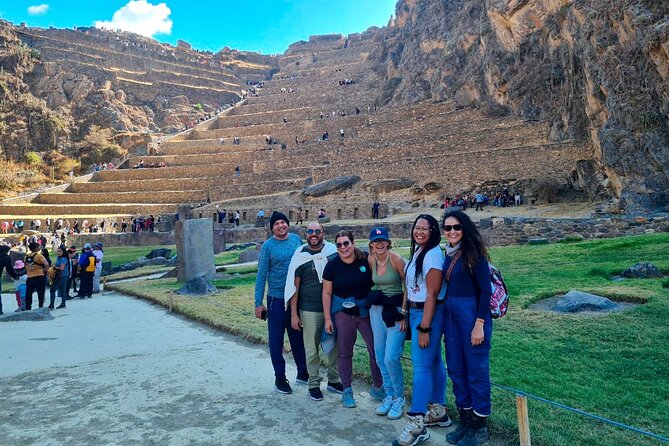
Ollantaytambo is the strongest bridge between the Sacred Valley and Machu Picchu. You explore the old Inca village and its large ruins with a guide for about an hour. The town is important because the streets and foundations still reflect Inca planning, while the monumental terraces and stone walls show the scale of the building work.
I like this stop because it is not simply another isolated ruin. You see an archaeological site beside a functioning town, then leave directly by train from the area. That makes Ollantaytambo useful in practical terms as well as historically interesting.
One hour goes quickly. Your guide can point out the main structures and explain the site, but you will not have time to examine every corner. The climb toward the upper terraces may also feel demanding after a full morning. If you want a quiet, detailed look at Ollantaytambo, a separate visit would suit you better. On this tour, the value comes from seeing the key sections and then continuing efficiently to the train.
The train to Aguas Calientes and the overnight pause
After Ollantaytambo, you board the train to Aguas Calientes, the town used as the base for Machu Picchu. The overnight stay is an important part of the plan. It avoids trying to see the citadel and return to Cusco on the same day, which would make an already busy route even harder.
The hotel is described as part of the arrangement, though the exact hotel name and room details are not provided. Ask for those details if the standard of accommodation matters to you. You should also confirm whether the package covers every stated meal and transfer, since the itinerary specifically says lunch on your second day is at your own expense.
Aguas Calientes gives you a reset between the Sacred Valley and Machu Picchu. Still, do not expect a leisurely evening if your group arrives late or if the next morning begins early. The real purpose of the overnight is position and convenience: you are already near the entrance when the main visit begins.
The private format is valuable here. Only your group participates, so the guide can keep track of your transfers and answer questions without a large mixed group slowing every decision. The strongest service comments focus on this kind of attention, especially Carlos and Carlos Rios helping with transfers, timing, and questions.
Other days through the Sacred Valley from Cusco:
- From Cusco: Moray, Maras Salt Mines & Chinchero Weavers Tour
★ 4.8 · 1,925 reviews - Cusco: Sacred Valley, Pisac, Ollantaytambo, Salt Mines Moray
★ 4.6 · 1,058 reviews - Cusco:Chinchero,Moray & Salt Mines drop-off in Ollantaytambo
★ 4.8 · 793 reviews - Sacred Valley: Chinchero, Moray, Ollantaytambo & Pisac+Lunch
★ 4.8 · 501 reviews
Machu Picchu with a two-and-a-half-hour private guide
On the second day, you take the bus from Aguas Calientes up to Machu Picchu. The guided visit is described as a private tour of about two and a half hours, although the stop itself is also summarized as two hours. Again, confirm the exact site time and circuit when your booking is finalized.
A private guide changes the feel of a Machu Picchu visit. Instead of simply walking from one famous viewpoint to the next, you can ask why the streets were laid out as they were, how the plazas fit into the ceremonial center, and what the carved stonework suggests about Inca construction. The guide leads you through the principal areas and main streets, then you have time to continue independently.
The schedule specifically allows you to explore plazas on your own and climb the carved stone stairs to a higher point when permitted by your route and ticket. Machu Picchu access is controlled, so your actual path depends on the assigned entrance circuit. The supplied information does not identify the circuit or any mountain ticket, so do not assume that a separate peak climb is included.
This is the emotional center of the trip, but it is also the part where time pressure matters most. You will want photographs, explanations, and a quiet moment to take in the ruins. A two-and-a-half-hour guided visit offers a solid introduction, yet it is not unlimited free time.
The guide quality matters greatly. Carlos and his team receive repeated praise for friendly attention, clear explanations, and help with practical questions. One account specifically praises Carlos Rios for staying aware of the group, answering questions, keeping things light, and making the day easier. That kind of support is useful at Machu Picchu, where gates, buses, circuits, and train departures all operate on fixed times.
The return train and a firm 14:55 departure
After Machu Picchu, you descend to Aguas Calientes for lunch on your own. The scheduled return train departs at 14:55 and takes you back toward Ollantaytambo, where private transportation continues to Cusco and your hotel.
This is where you need to watch the clock. The plan does not leave the afternoon open for an extra meal, a long market visit, or an unplanned delay. You should confirm where and when your guide expects you to meet after the ruins, then keep your ticket and personal items easy to reach.
The return arrangement is one of the trip’s practical strengths. Rather than leaving you to coordinate a train, vehicle, and Cusco transfer independently, the company handles the onward movement. The praise directed at the team repeatedly centers on timely transportation and quick solutions when unexpected situations arise.
Still, a late arrival in Cusco is possible simply because the day includes a major site, a descent to town, a meal, a fixed train, and a road transfer. I would avoid scheduling a flight or another important activity immediately after the tour unless you have a generous buffer.
Is $529 a fair price for two days?
At $529 per person, this is not a budget day trip. The value depends on what the final booking includes. The published plan includes admission tickets for the stated visits, guided touring, the train to and from Aguas Calientes, an overnight hotel, the Machu Picchu bus, the buffet lunch in Urubamba, and private transportation back to Cusco, but you should request a written inclusion list before paying.
The price becomes easier to justify if you want one company to coordinate a complicated chain of services. Sacred Valley roads, train departures, hotel arrangements, Machu Picchu entry, buses, and the return transfer can be awkward to assemble on your own. The private format also adds value if you want direct access to a guide and more personal help.
It is less compelling for someone who already has a hotel, Machu Picchu ticket, train tickets, and transport arranged. In that case, you may be paying for coordination you do not need. The trip also includes a buffet lunch but leaves the second-day lunch to you, so budget for that separately.
The company’s strongest praised qualities are not luxury extras. They are punctuality, courtesy, flexibility, and personal attention. That matters in Peru, where a missed transfer can affect the whole chain of a short Machu Picchu trip. Carlos, Carlos Rios, and Jacky are repeatedly singled out for attentive service, although your assigned staff may differ.
Who will get the most from this trip?
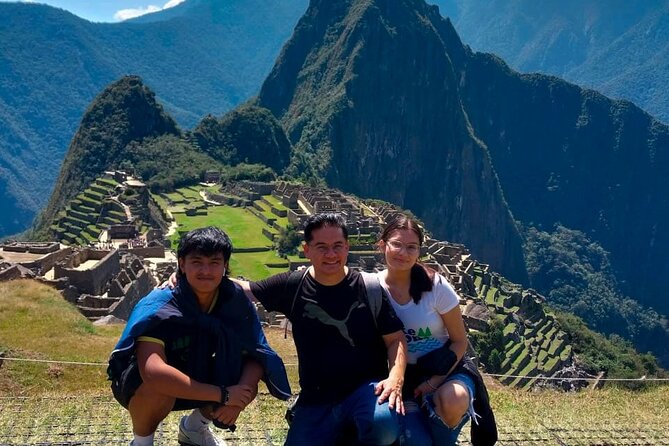
I would recommend this tour to a first-time Cusco visitor who wants the major Sacred Valley highlights and Machu Picchu in a compact package. It suits you especially well if you value help with transportation, prefer a private group, and do not want to build a complicated train and hotel plan from scratch.
It also works for solo visitors and small groups who want an organized route. The company receives praise for helping solo customers and for adjusting to needs and timing when possible. You should still understand that the route itself has fixed departures, so personal attention does not mean unlimited flexibility.
This is not the right choice for a slow, deeply detailed archaeological holiday. Chinchero is brief, Moray and Maras share one timed stop, Ollantaytambo gets about an hour, and Machu Picchu follows a set route and return train. If you want long market browsing, extended walks, or several nights in the valley, plan a longer stay.
The tour is also best for people who can manage a full day of early starts, road travel, walking, and stairs. The information says most people can participate, but it does not provide detailed accessibility guidance. Ask specific questions if stairs, uneven surfaces, or long transfers are concerns.
Should you book it?
Book this two-day trip if you want a well-supported first visit that covers Chinchero, Moray, Maras, Urubamba, Ollantaytambo, and Machu Picchu without handling every connection yourself. The private setup, overnight near the citadel, and strong praise for Carlos and the team make it a sensible choice for a short Cusco stay.
Before booking, confirm the pickup time, hotel name, train details, Machu Picchu circuit, exact inclusions, and the amount of free time at each site. If those details suit you, the $529 price can be fair for the amount of transport and coordination involved. If you prefer a slower pace or already have tickets and hotels arranged, a custom itinerary may serve you better.
FAQ
Where does the tour start?
The listed meeting point is Av. El Sol 580, Cusco 08002, Peru. The general start time is 7:00 am, while the detailed first-day schedule says group pickup begins at 6:30 am, so confirm the exact time before departure.
Where does the tour end?
The activity ends back at the meeting point in Cusco. The return plan includes private transportation from Ollantaytambo to Cusco and directly to your hotel.
How long is the tour?
The experience lasts approximately two days. It includes one overnight stay in Aguas Calientes between the Sacred Valley visits and Machu Picchu.
Is this a private tour?
Yes. Only your group participates in the activity.
Which places are visited on the first day?
The first day includes Chinchero, Moray, the Maras salt mines, Urubamba for buffet lunch, and Ollantaytambo. You then take the train to Aguas Calientes.
Is Machu Picchu admission included?
Admission tickets are listed as included for the tour stops. The Machu Picchu visit includes a guided tour, though the specific entrance circuit is not provided.
Is lunch included on both days?
A buffet lunch in Urubamba is scheduled on the first day. On the second day, lunch in Aguas Calientes is at your own expense.
What is the cancellation policy?
You can receive a full refund if you cancel at least three full days before the experience start time. Cancellations or changes made less than three full days before the start are not accepted for a refund.
More Sacred Valley tours in Cusco
- Sacred Valley: Maras & Moray by Quad Bike from Cusco
★ 4.6 · 418 reviews - Pisac Indian Market and Ollantaytambo Fortress with Lunch
★ 4.5 · 395 reviews - From Cusco: Quad bike tour Moray and Salt Mines
★ 4.7 · 314 reviews - Full-Day Excursion to Sacred Valley, Pisac and Ollantaytambo from Cusco
★ 4.5 · 174 reviews
More Machu Picchu tours in Cusco
- Cusco: 4-Day Inca Trail to Machu Picchu with Accommodation
★ 4.8 · 432 reviews - From Cusco: 2-Day Trip to the Sacred Valley and Machu Picchu
★ 4.6 · 265 reviews - Cusco: Machu Picchu 2-Day Inca Trail with Panoramic Train
★ 4.9 · 260 reviews - From Cusco: 2-Day Inca Trail to Machu Picchu
★ 4.2 · 244 reviews
Just added around Cusco
- Zipline over the Sacred Valley Trip★ 5.0 · 11 reviews
- Waqrapukara 1 day trekking + meals★ 3.9 · 3 reviews
- Visit Pisac from Cusco: Private Transport★ 4.6 · 9 reviews
- Valle Sur Cusco | half day★ 4.3 · 3 reviews
- Trek to Humantay Lake from Cusco★ 4.9 · 8 reviews
- Trek to Choquequirao 4 days★ 3.8 · 4 reviews
- rainbow mountain full day★ 5.0 · 44 reviews
- Machu picchu one day by train all included★ 4.5 · 53 reviews
Machu Picchu Tours, compared.
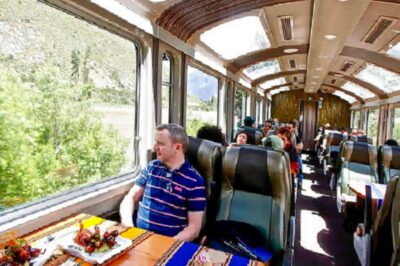
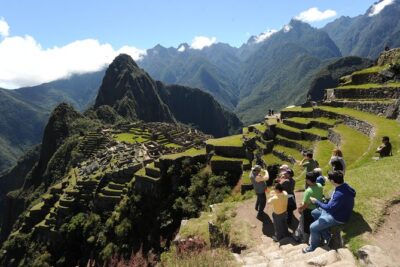
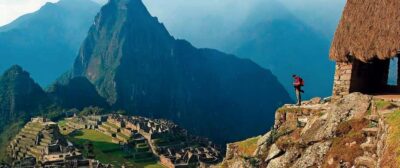
4-Day Inca Trail to Machu Picchu with Accommodation
Read our review →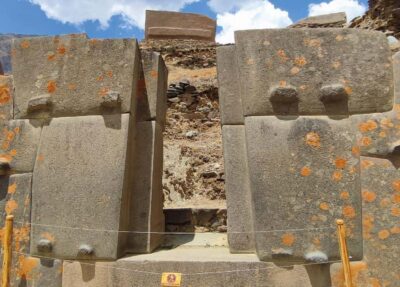
2-Day Trip to the Sacred Valley and Machu Picchu
Read our review →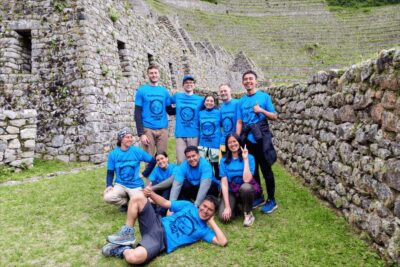
Machu Picchu 2-Day Inca Trail with Panoramic Train
Read our review →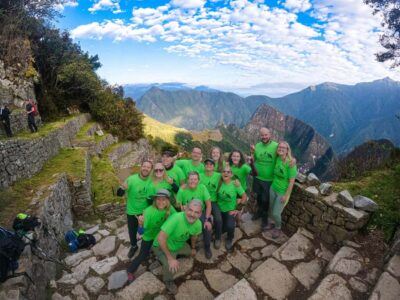
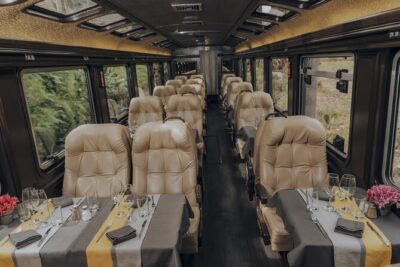
The First Class Machu Picchu Train by Inca Rail
Read our review →Browse the lists this tour appears in