
Reviewed · MACHU PICCHU TOURS
Salkantay Trek to Machu Picchu 5D/4N or 4D/3N by glamping
The real prize here is the change in scenery: icy peaks and high passes give way to warm jungle, coffee farms, hot springs and the old Inca trail. You finish with Machu Picchu, but the route itself is the main event. Humantay Lake and the 4,630-meter Salkantay Pass provide the big mountain moments, while the descent toward Santa Teresa feels like a completely different trip.
I like the small groups of up to 15 and the unusually strong food program, with a professional chef preparing fresh meals in the mountains. I also like the mix of glamping, glass-roof cabins and jungle domes. The main caution is the hard second day, plus the long walk beside the railway tracks on day four. The $35 advertised price also deserves a close check, since Machu Picchu entry, some transport, hot springs and the return trip are extra.
Key points to know before you book
- Humantay Lake reaches 4,200 meters: The climb is short but steep, and altitude can make it feel much tougher than the distance suggests.
- Salkantay Pass is the physical high point: At 4,630 meters, the Trail of the 7 Snakes demands steady pacing and warm clothing.
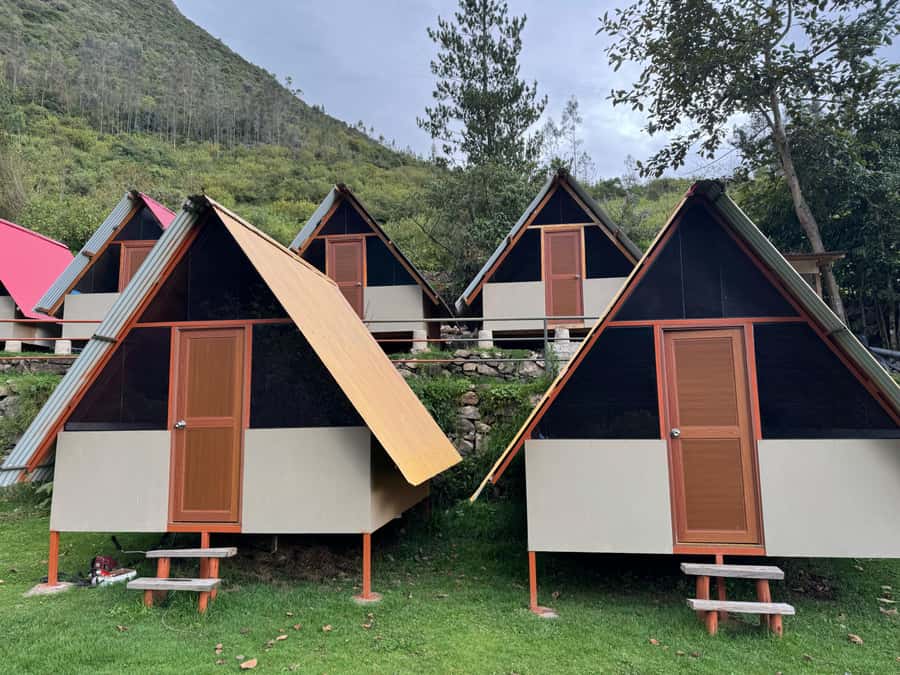
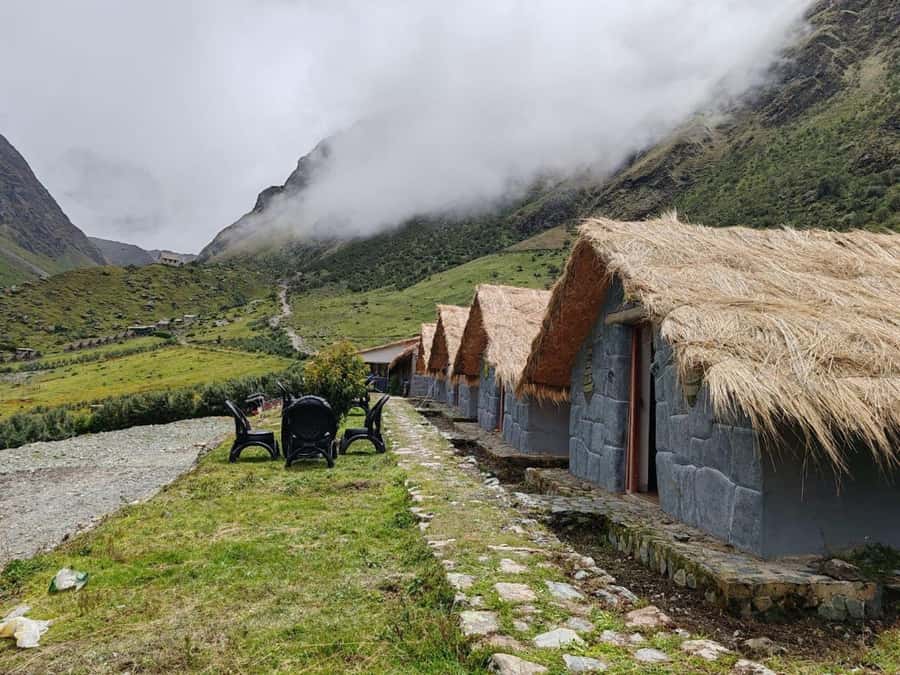
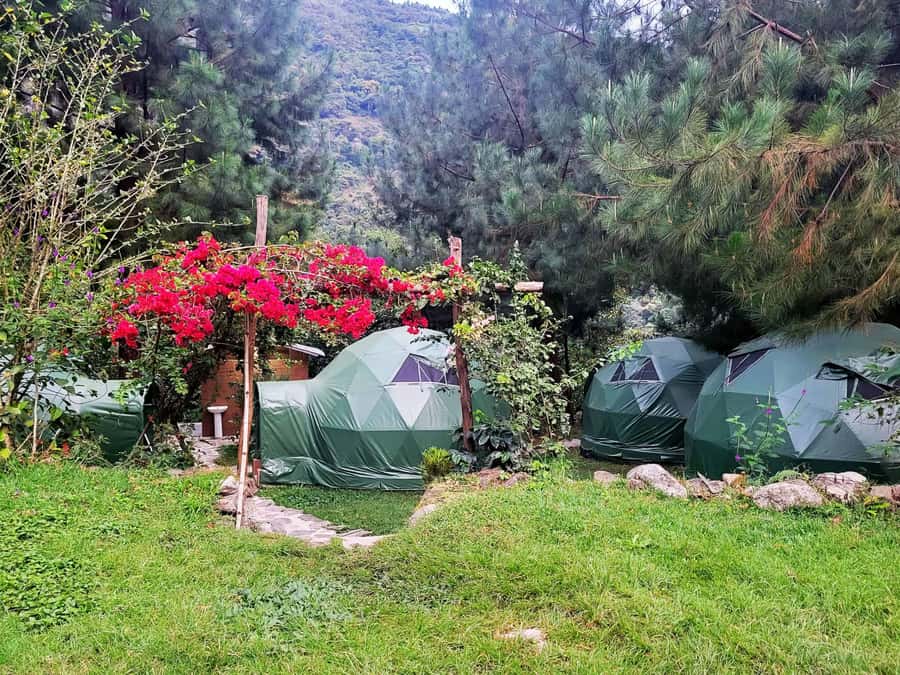
- Glamping softens a rugged trek: You sleep in a glass-roof cabin, sky huts, jungle domes and a three-star hotel rather than basic tents.
- The meals are a real strength: Fresh breakfasts, lunches and dinners are cooked along the route, with vegetarian and vegan meals available at no extra charge.
- Llactapata gives you an early Machu Picchu view: The two-hour climb to these ruins is followed by a descent toward Hidroeléctrica.
- The advertised price is not the final cost: Add the Machu Picchu ticket, optional hot springs, possible train or bus return, water and other small charges.
Why this route makes a strong Inca Trail alternative
The Salkantay Trek is a good fit if you want Machu Picchu but would rather trade the classic Inca Trail for bigger mountain scenery and fewer people. The route crosses several climate zones in just a few days. You begin among high Andean peaks, pass through valleys and waterfalls, then reach warmer country filled with coffee plants and tropical vegetation.
The route is also more rugged. That matters. You will not spend five gentle days strolling from one ruin to the next. The second day includes a high pass at 4,630 meters, and the first two days require real effort. At the same time, the glamping setup gives you a softer landing at night.
The group limit is 15 people, with an English or Spanish-speaking guide. Names connected with this operation include Ruben, Roger and Reynaldo, along with Tupac and Nidia. Guide assignments can vary, but the important point is that personal attention matters on a trek with such wide differences in fitness.
Bring patience if your group moves at different speeds. One person described waiting for slower members, which is a normal issue in a small but mixed group. The guide may need to balance the strongest hikers with those who need more time at altitude.
Other walks into the mountains in Cusco:
- From Cusco: 7 Lakes Ausangate Trek with Breakfast and Lunch
★ 4.8 · 360 reviews - Cusco: Rainbow Mountain Tour and Red Valley Hike (Optional)
★ 4.7 · 149 reviews - Cusco: Full-Day Rainbow Mountain & Red Valley Trekking Tour
★ 4.5 · 121 reviews
Day 1: 4 a.m. start, Humantay Lake and a glass-roof cabin
Your first morning begins early, with pickup from your hotel in Cusco’s historic center at about 4 a.m. You ride by private transport to Mollepata, where breakfast provides a useful pause before the walking begins.
The trek starts at Challacancha and continues toward Soraypampa. This first section gets you used to the route before the climb to Humantay Lake. After lunch and some rest at camp, you walk up to the lake at 4,200 meters.
Humantay Lake is the day’s visual payoff, but do not treat it as a casual photo stop. The altitude is serious, and the uphill path can feel demanding even for fit hikers. Move slowly, drink water and keep your warm layers handy. The entrance fee is not included and costs PEN 20.
Back at camp, you sleep in a cabin with a glass roof. That gives you a chance to watch the changing sky from bed, assuming the weather cooperates. Dinner is prepared by the mountain chef, and the evening is meant to be quiet and restful.
This is a smart first day in some ways. You get a major highlight early, then return to camp rather than pushing onward into the night. The catch is the very early departure and the altitude. If you have not spent time at elevation, this day may feel tougher than the schedule suggests.
Day 2: Salkantay Pass and the steep descent to Collpapampa
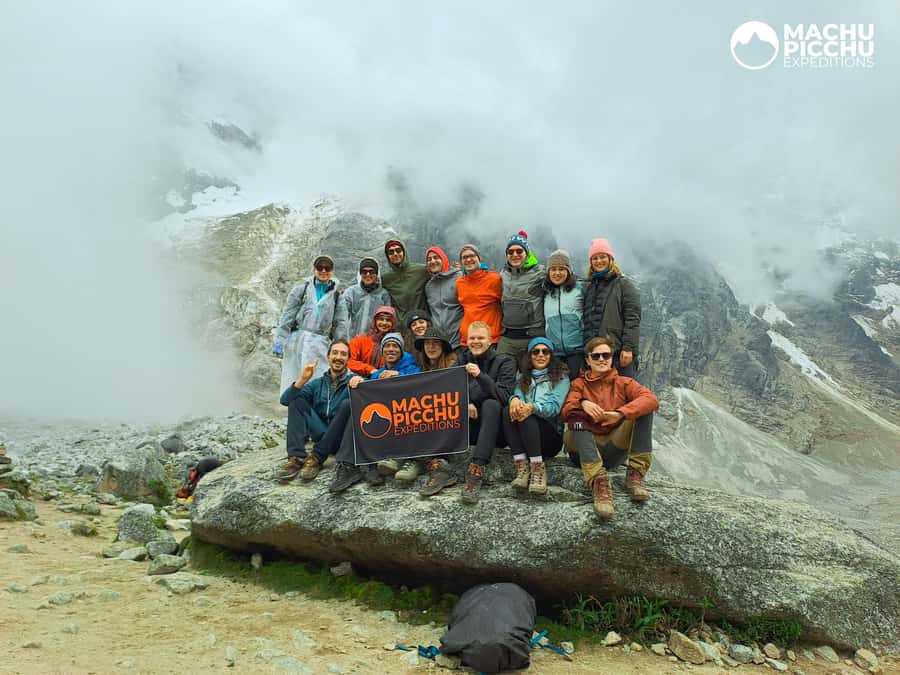
Coca tea arrives in the morning, followed by breakfast and the hardest walking day. The route climbs toward Salkantay Pass along the Trail of the 7 Snakes. The name tells you what to expect: repeated bends, a sustained uphill effort and little reason to hurry.
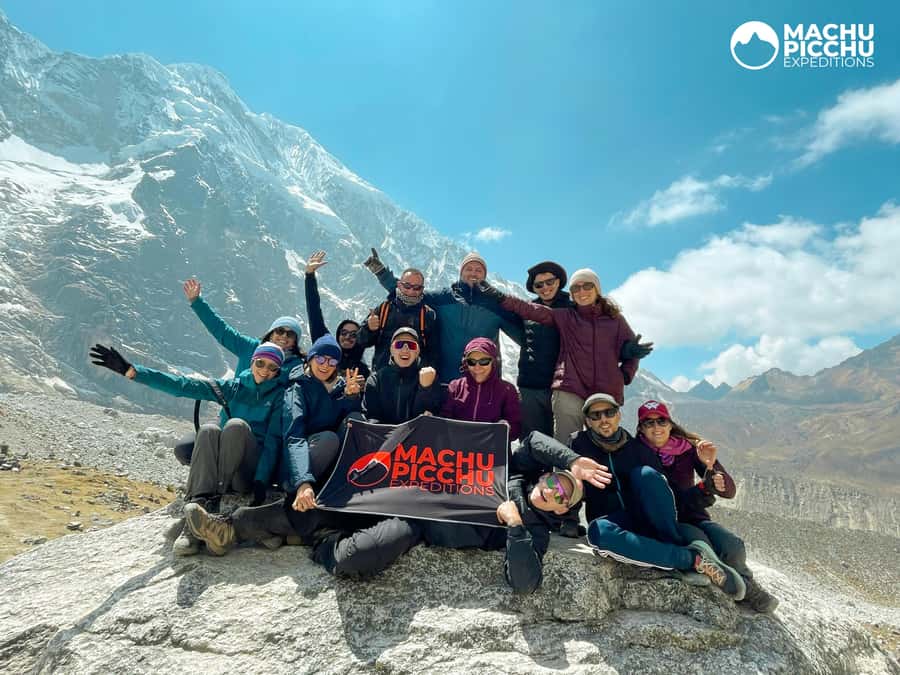
At the pass, you reach 4,630 meters, with views toward Salkantay Mountain at 6,271 meters. This is the high point of the trek, both in altitude and in physical challenge. You will want gloves, a hat, a long-sleeved shirt and a proper warm layer here, even if the lower valleys later feel hot.
After the pass, the route drops toward Collpapampa at 2,950 meters. The change in temperature and plant life is one of the best parts of the Salkantay route. You move from cold high country into a warmer valley, and the descent can feel like a release after the climb.
You spend the night in the sky huts. These are more comfortable than a basic tent, but you should still think of them as mountain accommodation, not a full-service hotel. Electricity is available at the camps for charging devices. Hot showers cost extra, listed at PEN 10 at the second and third camps, and Wi-Fi also costs extra.
The second day is where fitness matters most. The tour is not suitable for people with heart, respiratory or serious back problems, and it is not designed for wheelchair users or people with mobility impairments. The stated age guidance excludes children under 18 and people over 70.
Day 3: Coffee country, Cocalmayo and jungle domes
You wake around 6 a.m. for tea and breakfast before walking from Collpapampa toward La Playa through the Santa Teresa Valley. The route now feels warmer and more rural, with the high mountains giving way to coffee-growing country.
The coffee tour adds local interest to a day that could otherwise feel like a transition between the pass and Machu Picchu. It gives you a closer look at one of the products associated with this part of Peru rather than simply carrying you from one camp to the next.
After lunch, you can choose to visit Cocalmayo hot springs or remain at camp. The springs cost PEN 10 to enter, with an additional PEN 40 for transport. This is a worthwhile option after two demanding days, but remember to bring swimwear, a towel and sandals.
You can also book the optional zipline for $28. It is a paid extra, not part of the base fare. If you are tired, the hot springs or a quiet afternoon may offer more value than adding another activity. The choice is useful because not every person in a group will want the same kind of rest.
That evening, you sleep in a jungle dome at Lucmabamba. The camp’s setting lets you hear the surrounding nature at night, and the dome is a memorable change from the glass-roof cabin and sky huts. You also receive afternoon tea with popcorn, cookies, chocolate and coffee. Those small servings matter more than they sound after a full day on foot.
Other ways up to Machu Picchu from Cusco:
- From Cusco: Full-Day Group Tour of Machu Picchu
★ 4.7 · 1,767 reviews - Machu Picchu Day Trip from Cusco
★ 4.5 · 1,644 reviews - Machu Picchu: Full-Day Tour from Cusco with Optional Lunch
★ 4.6 · 927 reviews - Cusco: 4-Day Inca Trail to Machu Picchu with Accommodation
★ 4.8 · 432 reviews
Day 4: Llactapata, the railway walk and Aguas Calientes
After breakfast, you start toward Llactapata on a section of the original Inca trail. The climb takes about two hours and reaches 2,700 meters. Llactapata is important because it gives you views toward Machu Picchu before you reach the citadel itself.
The route then descends for about two hours toward Hidroeléctrica. You may catch more glimpses of Machu Picchu along the way, but this is still a demanding walking day. The path includes the well-known stretch beside the railway tracks, and this is the least appealing part of the itinerary for many people.
You should understand the logistics before setting out. After lunch in Hidroeléctrica, you continue on foot to Aguas Calientes. The information provided describes this walk as roughly two hours when discussing the return route, so expect a substantial final stretch rather than a quick transfer. One practical improvement would be having a train option for this section, but the stated program keeps you on foot.
In Aguas Calientes, you check into a three-star hotel and have dinner at about 7 p.m. Hotel quality can vary, and one stay was reported as noisy with no hot water. Pack earplugs if you sleep lightly, and do not assume the hotel will feel luxurious simply because it carries a three-star label.
The night is still valuable. After several nights outdoors, a bed, dinner and a base near Machu Picchu make the early visit easier. Just remember that you have not finished the trip yet. The next morning begins the main attraction.
Day 5: Machu Picchu with a 1.5-hour guided visit
The final day centers on Machu Picchu, one of the New Seven Wonders of the World. The guided visit lasts about 1.5 hours, followed by free time to explore within the rules of your ticket.
The guided entry is listed for Circuit 2B, with time slots such as 6, 7 or 8 a.m. The circuit and entry time are subject to availability, so check precisely what you are buying before you pay. The Machu Picchu entrance ticket is not included. Circuit 2B at 7 a.m. is listed at $45, subject to the official Peruvian government ticket system.
You may also have the option to hike Huayna Picchu at 2,720 meters or Machu Picchu Mountain at 3,000 meters. The Sun Gate, at 2,729 meters, and the Inca Bridge are additional choices listed for your free time. The information does not say that every option is included in your ticket, so confirm the permitted circuit and add-ons before booking.
The guided portion gives you historical context, but the free time is where you can set your own pace. After four days of walking, some people will want a quiet look over the ruins. Others will want one last uphill challenge. Plan your energy accordingly.
Food, camping and what the $35 price really means
The strongest part of the package is the food. A professional chef travels with cooking equipment and prepares five breakfasts, four lunches and four dinners. Fresh cooking three times a day is a major advantage on a route where convenience food would quickly become tiresome.
Three afternoon tea services include popcorn, cookies, chocolate and coffee. Vegetarian and vegan meals are available without an added charge if requested ahead of time. The food has received especially warm praise, including from people who found the vegetarian choices plentiful.
The sleeping arrangements are also better than standard trekking camps. You get three nights in glamping-style accommodation, including a cabin with a glass roof, sky huts and jungle domes, followed by one night in a three-star hotel.
Still, the base price needs careful checking. At $35 per person, the advertised amount is far below what most people would expect for transport, a chef, horses, four nights of accommodation and a Machu Picchu approach. The supplied costs clearly show that important items are extra:
- Machu Picchu entrance: listed at $45 for Circuit 2B at 7 a.m., subject to availability
- Humantay Lake: PEN 20
- Hot springs entry: PEN 10
- Transport to the hot springs: PEN 40
- Zipline: $28
- Bus from Hidroeléctrica to Cusco: $12
- Optional train and bus return: about $90
- Sleeping bag rental: $10
- Walking stick rental: $10
- Water, hot showers and Wi-Fi: extra
The return route also requires a walk from Aguas Calientes to Hidroeléctrica before the bus to Cusco. If you prefer the train, the optional route goes from Machu Picchu town to Ollantaytambo, followed by a bus to Cusco.
What to pack for five days in changing climates
Pack for cold high altitude, warm valleys and wet conditions. Your daypack should hold a reusable water bottle, sunscreen, biodegradable insect repellent, snacks if desired, a flashlight, power bank and charged phone.
You also need hiking shoes, hiking pants, gloves, a hat, sunglasses, warm clothes and a long-sleeved shirt. Bring swimwear, a towel and sandals for Cocalmayo. A sleeping bag is listed among the suggested items, though one can be rented for $10.
A duffle bag is provided for up to 6 kilos of personal belongings. Horses carry that bag during the trek, while you keep your daypack. Pack only what you truly need in the duffle, and keep medication, documents, electronics and valuables with you.
The operator provides first-aid equipment, walkie-talkies and an oxygen bottle for emergencies. Those are sensible safeguards at altitude, but they do not replace preparation. The tour is not suitable for pregnant people or those with serious heart, respiratory, mobility, back or epilepsy concerns.
Who should book this Salkantay trek?
I would recommend it to fit hikers who want a demanding route with more variety than a straightforward Machu Picchu approach. You should be comfortable walking uphill for several hours, handling high altitude and sleeping in simple mountain camps.
It is especially good for people who value fresh food, dramatic scenery and a small group more than polished hotel service. The route offers several distinct rewards: Humantay Lake, Salkantay Pass, coffee country, hot springs, Llactapata and Machu Picchu.
I would hesitate if you dislike early starts, shared group pacing, basic facilities or long walks beside railway tracks. I would also avoid booking until the price breakdown is clear. Ask exactly which Machu Picchu circuit, entrance time, return transport and accommodation are included.
For the right person, this is a memorable and active way to reach Machu Picchu. The mountain cooking, glamping camps and changing scenery give it real value, but the low advertised price should not be treated as the full trip cost.
FAQ
How long is the Salkantay Trek to Machu Picchu?
The described itinerary lasts five days and four nights. A 4-day, 3-night option is also advertised, but the supplied day-by-day program covers five days.
What time does pickup begin?
Pickup from hotels in Cusco’s historic center begins at about 4 a.m. on the first day.
Is Machu Picchu entrance included?
No. The entrance ticket is an extra cost. Circuit 2B at 7 a.m. is listed at $45, subject to availability through the official Peruvian government ticket system.
What language does the guide speak?
The tour provides an English or Spanish-speaking professional guide.
How large is the group?
The group is limited to 15 participants.
Are meals included?
Five breakfasts, four lunches, four dinners and three snacks are included. Afternoon tea is also provided three times, with popcorn, cookies, chocolate and coffee.
Are vegetarian and vegan meals available?
Yes. Vegetarian and vegan options are available on request without an additional charge.
How much luggage can the horses carry?
A duffle bag is provided for up to 6 kilos of personal belongings. Horses carry the duffle during the trek.
Are the hot springs included?
No. Entry to the hot springs costs PEN 10, and transport to the hot springs costs PEN 40.
Is the zipline included?
No. The optional zipline on day three costs $28.
Is the return trip from Machu Picchu to Cusco included?
The return trip from Hidroeléctrica by bus costs $12. An optional train and bus return is available for about $90. The route to Hidroeléctrica includes walking from Aguas Calientes.
What accommodation is provided?
You spend three nights in glamping-style camps, including a glass-roof cabin, sky huts and jungle domes, plus one night in a three-star hotel in Aguas Calientes.
More Machu Picchu tours in Cusco
- From Cusco: 2-Day Trip to the Sacred Valley and Machu Picchu
★ 4.6 · 265 reviews - The First Class Machu Picchu Train by Inca Rail
★ 4.0 · 182 reviews - From Cusco: 1-day Machu Picchu Tour by Train
★ 4.6 · 138 reviews - Private Tour to Sacred Valley and Machu Picchu from Cusco
★ 5.0 · 133 reviews
More treks in Cusco
- Cusco: Machu Picchu 2-Day Inca Trail with Panoramic Train
★ 4.9 · 260 reviews - From Cusco: 2-Day Inca Trail to Machu Picchu
★ 4.2 · 244 reviews - Machu Picchu: Inca Trail 2-Day Overnight Guided Tour
★ 4.9 · 203 reviews - Short Inca trail to MachuPicchu || 2days – 1nigth ||
★ 5.0 · 103 reviews
Just added around Cusco
- Super Sacred Valley with Transfer to Ollantaytambo★ 3.1 · 4 reviews
- From Cusco: South Valley Villages and Archaeology Tour★ 5.0 · 3 reviews
- SOUTH VALLEY CUSCO★ 4.1 · 56 reviews
- Sacred Valley Vip Cusco★ 4.7 · 3 reviews
- From Cusco: Sacred Valley of the Incas Full-Day Tour★ 4.5 · 29 reviews
- Sacred Valley & Machu Picchu by Train: 2-Day, 1-Night Tour★ 5.0 · 6 reviews
- rainbown mountain Vinicunca 1 day★ 3.8 · 3 reviews
- Cusco: Rainbow Mountain Horseback Riding Tour + lunch★ 4.1 · 10 reviews
Machu Picchu Tours, compared.
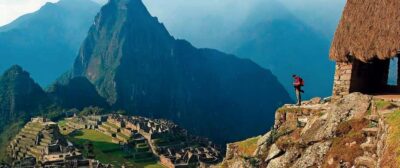
4-Day Inca Trail to Machu Picchu with Accommodation
Read our review →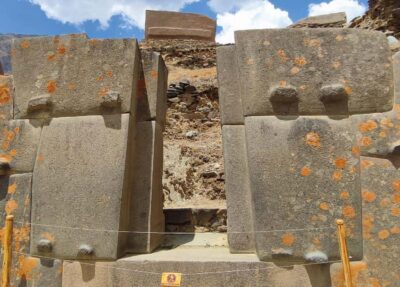
2-Day Trip to the Sacred Valley and Machu Picchu
Read our review →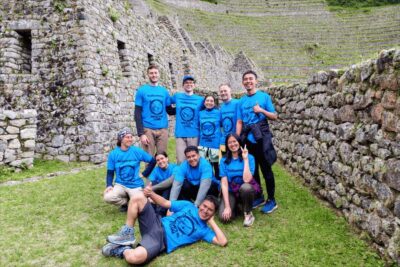
Machu Picchu 2-Day Inca Trail with Panoramic Train
Read our review →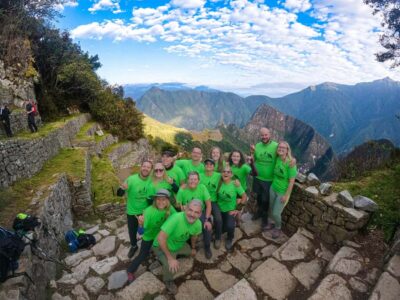
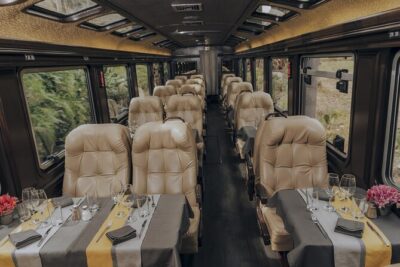
The First Class Machu Picchu Train by Inca Rail
Read our review →Browse the lists this tour appears in