
Reviewed · NAZCA LINES FLIGHTS
Nazca: Overflight of the Nazca Lines
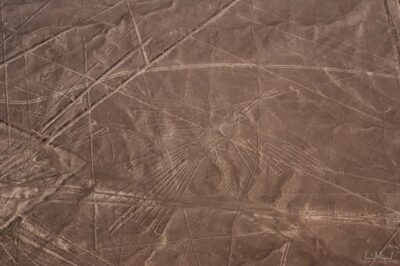
The Nazca Lines are best understood from above. On the desert floor, many figures are hard to spot, but from the small plane you can pick out a monkey, hummingbird, spider, condor, and astronaut among dozens of straight lines and geometric shapes. It is one of Peru’s strangest and most memorable sights.
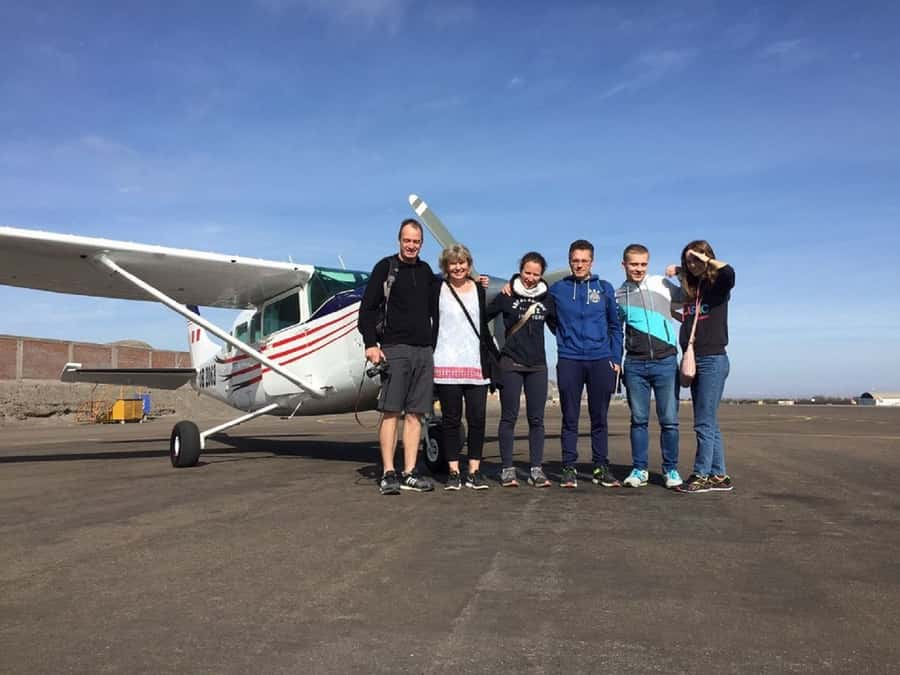
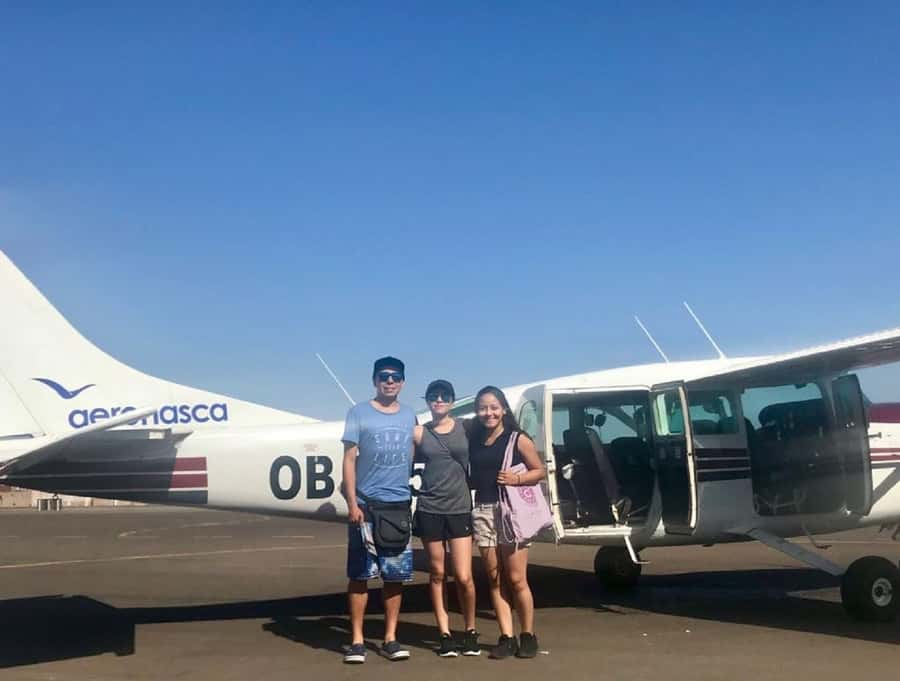
I like the small aircraft, limited to six passengers, and the included transfer from central Nazca. I also like the practical extras: a documentary, a flight certificate, and a map to help you follow the figures. The main drawback is motion sickness. The plane banks repeatedly so both sides can see, and even people who rarely feel sick may regret skipping medication.
Key points to know before you book
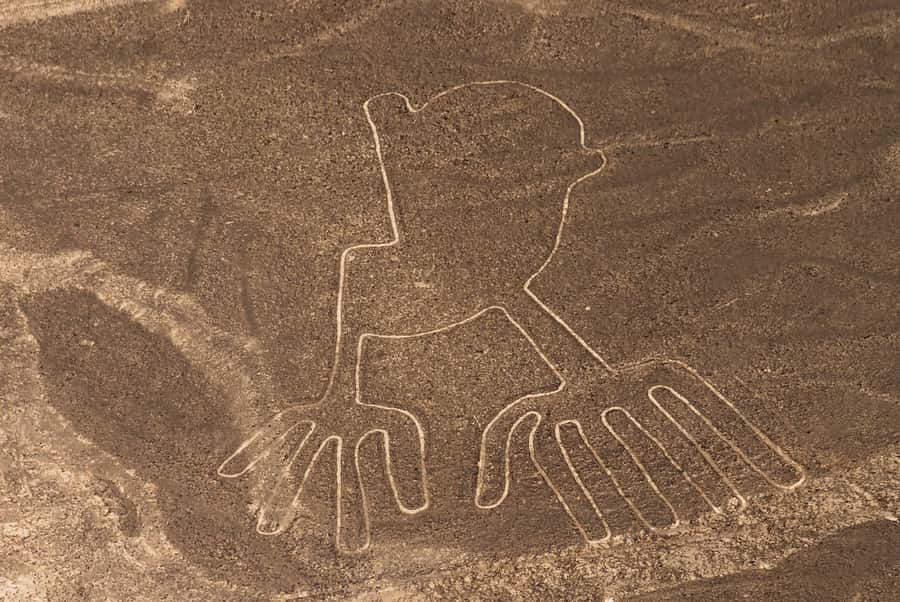
- You see 13 figures on the 35-minute flight, including the monkey, hummingbird, spider, whale, tree, and hand.
- The one-hour option adds Palpa’s geoglyphs, but it needs at least four passengers to operate.
- The aircraft carries two pilots and six passengers, giving each person a panoramic view.
- Plan on 40 to 45 minutes at the aerodrome before boarding for registration and safety procedures.
- The listed price is not the final cost, since a cash air tax of about $25 per person is paid before boarding.
- Take motion-sickness medicine seriously, especially if you plan to photograph the figures throughout the flight.
Why the Nazca Lines are worth seeing from the air
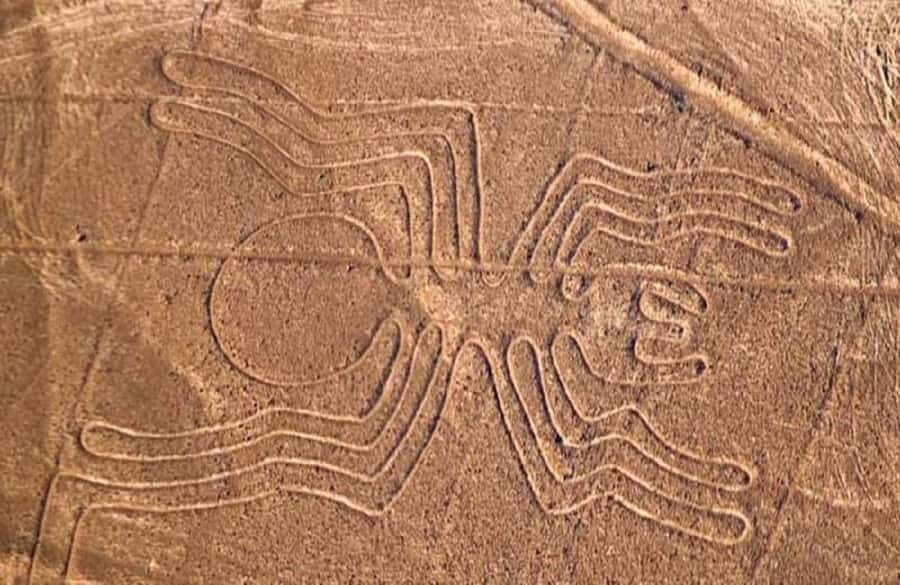
The Nazca Lines are huge drawings cut into the desert surface between Nazca and Palpa. Ancient builders removed the darker stones on top, exposing the lighter earth beneath. The result is a set of figures and lines that can be difficult to read from ground level but become clear from the sky.
The first written reference dates to 1547, but archaeologist Toribio Mejía Xesspe identified and studied the lines in 1927. Maria Reiche, a German archaeologist, spent much of her life studying and protecting them from 1946 onward. Her theory was that the lines formed a giant calendar linked to the sun and moon, though no single explanation has been proven.
That uncertainty is part of the appeal. You are not visiting a site with one tidy answer. You are looking at a massive work created by the Nazca culture between the first and seventh centuries AD, then trying to understand why people made it.
The Nazca people were skilled in polychrome ceramics, textiles, metalwork, and agriculture. Their aqueducts helped bring water to dry farmland, while Cahuachi served as an important ceremonial center in the Nazca River valley. The lines make more sense when you view them as part of a wider culture, not as a stand-alone mystery built for modern aircraft.
You may hear theories involving gods, astronomy, ritual paths, or visitors from space. The extraterrestrial idea is famous, but it is not established history. A good guide should explain the competing ideas without presenting speculation as fact.
Other flights over the desert from Nazca:
- From Nazca: 35-Minute Flight Over Nazca Lines
★ 4.6 · 583 reviews - Fly Over the Nazca Lines with the Experts
★ 4.5 · 48 reviews - From Nazca: Cahuachi Pyramids Tour and Textile Workshop
★ 4.8 · 21 reviews
From central Nazca to María Reiche Aerodrome
The experience begins with pickup from a hotel in central Nazca or the bus terminal. The drive to the aerodrome takes about 12 minutes, followed by a shorter return transfer of roughly 10 minutes after the flight.
That transfer is useful if you arrive in Nazca by bus and are continuing onward the same day. It also keeps you from having to arrange a separate taxi to the airport. The included service covers hotels in the center of town, not properties on the outskirts, so check your pickup point before booking.
At María Reiche Aerodrome, expect the airport process to take about 40 to 45 minutes. This includes the required procedures, safety briefing, and preparation for boarding. Flights operate between 9 a.m. and 4 p.m., with departure times affected by weather and the order in which passengers arrive.
That last detail matters. This is not a tightly timed museum visit. Your actual flight time may shift, and you should avoid planning an immediate connection unless you have plenty of room in your schedule. The operator contacts you after booking with more specific timing.
A short documentary about the lines is included. Watch it if you have not read much about the site, since it gives you names and context before the figures begin passing below you.
Choosing between 35 minutes and one hour
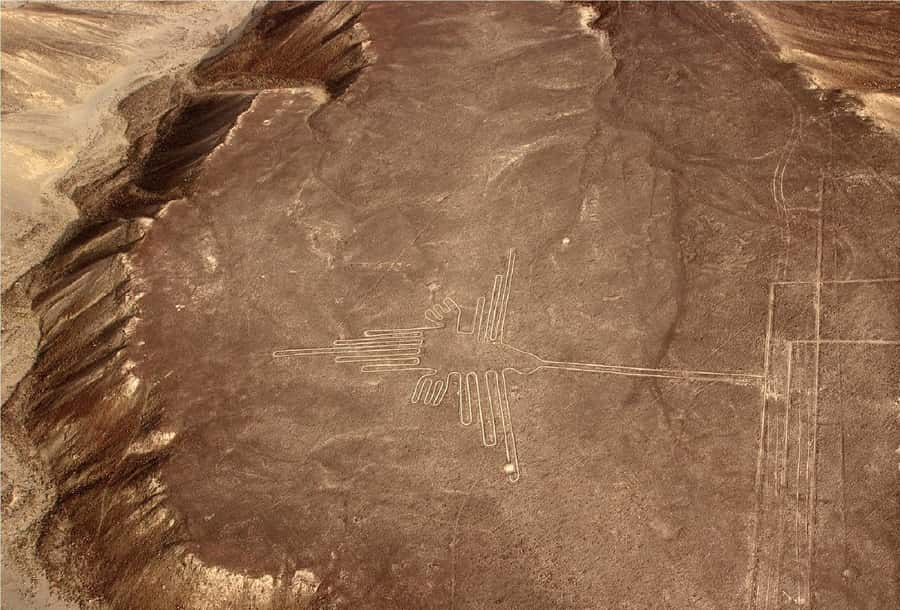
The standard flight lasts about 35 minutes and shows 13 main figures. These include:
- The whale
- The trapezoids
- The dog
- The astronaut
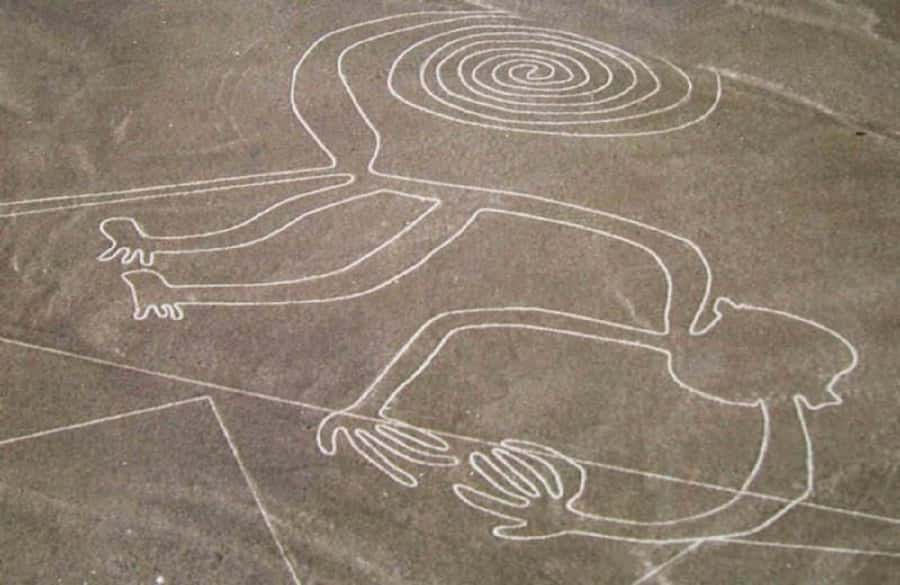
- The monkey
- The condor
- The compass
- The spider
- The hummingbird
- The parrot
- The tree
- The hand
- The albatross
This is the sensible choice for most people. You get the essential Nazca experience without adding much time in the air or paying for a longer flight. The plane is small, and the repeated turns can feel tiring, so an extra 25 minutes is not automatically better.
The one-hour flight includes the same 13 figures, then continues over the Palpa plains. You can see nine additional figures and groups of figures, including a heron, crane, pelican, seagull, parrot, snail, llamas, iguana, lizard, snakes, and various birds.
Choose the longer route if you are especially interested in newly discovered lines or want a wider look at the Nazca and Palpa plains. The catch is that at least four people must be available before the one-hour flight can start. The aircraft seats two pilots and six passengers, so the group remains small, but the longer departure depends on demand.
The 35-minute flight starting after 1 p.m. also requires at least two people. If you are traveling alone, confirm availability before assuming an afternoon departure will operate.
What it feels like inside the small plane
The aircraft has room for two pilots and six passengers. Every passenger receives a panoramic view, which is important here. You are not simply looking forward through a large tour-bus window. You need to look down and to the side to find each figure.
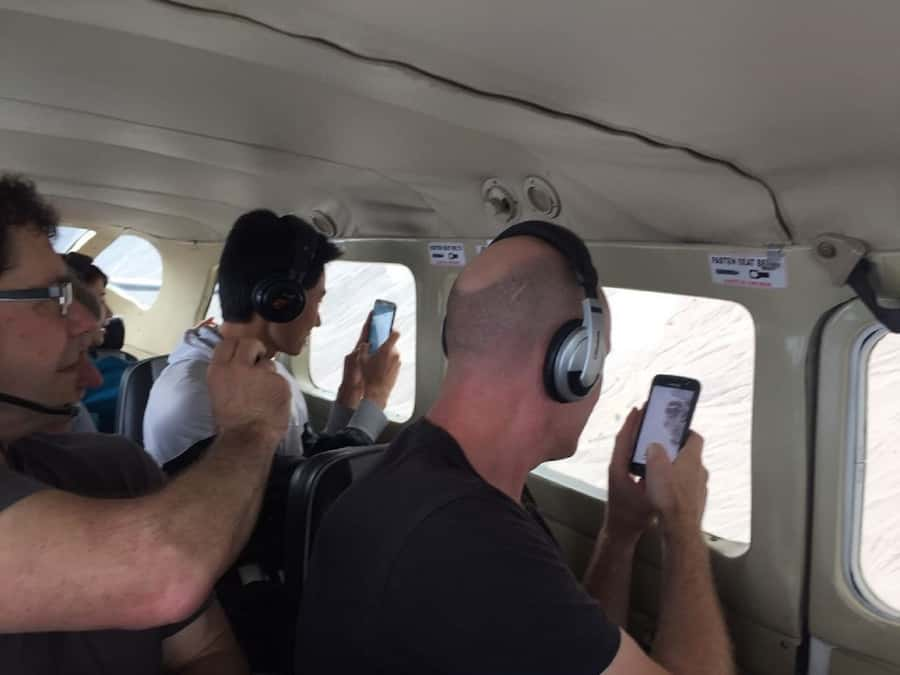
The plane makes turns over the geoglyphs so passengers on both sides can see. This is fair, but it also explains the motion sickness risk. You may spend much of the flight moving your head from one side to the other, listening for the next figure, and trying to frame a photograph.
I suggest taking sunscreen, a hat, water if permitted, and cash. Most important, consider motion-sickness medication before the flight. One passenger who normally does not get sick became uncomfortable during the final five minutes after spending the flight taking pictures and concentrating on the ground. That is a useful warning: the excitement can hide the problem until late in the flight.
You should also bring your passport. It is listed as required for the airport procedure. Keep your expectations realistic about photography. You can take pictures, but the plane moves, the figures are spread over a large area, and the clearest view may last only a short time. Watch first, photograph second.
Same base, a completely different day:
- From Nazca: Chauchilla Cemetery Tour and Artisans Workshop
★ 4.9 · 20 reviews - From Ica: Flight over the Nazca Lines
★ 3.0 · 15 reviews - From Nazca: Flight in a light aircraft over the Nazca Lines
★ 4.4 · 12 reviews - From Lima: Full day flight over in the Nazca Lines
★ 3.7 · 11 reviews
The figures you will try to spot
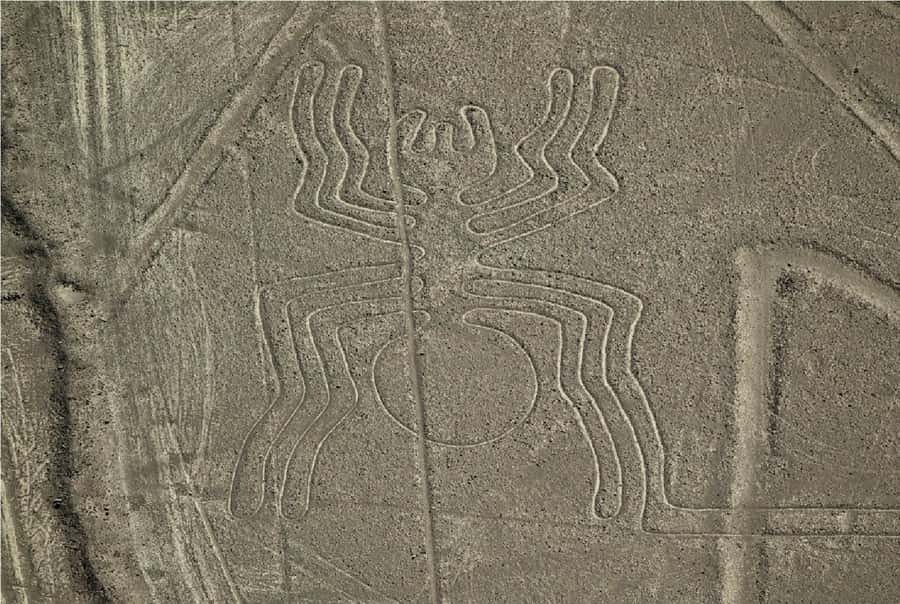
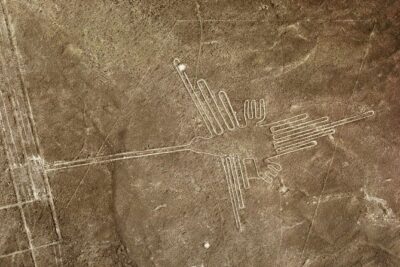
The monkey is among the most recognizable shapes, with its curled tail and simplified body. The hummingbird is another favorite, thanks to its long beak and extended wings. The spider, condor, tree, and hand are also easier to recognize once the guide points them out.
The astronaut is a particularly odd figure. It appears on a hillside and has a shape that invites modern interpretations. Your guide may explain the various theories, but you should treat the extraterrestrial connection as speculation rather than evidence.
The straight lines and trapezoids are less instantly charming than the animals, yet they are just as important. They show the scale and planning involved. Some lines run across the desert for long distances, and their geometric order gives the site a different feel from the individual drawings.
The 35-minute route is not a sightseeing flight over every known geoglyph. It is a selected circuit. If you want to see more figures and the Palpa plains, the one-hour option gives you a broader sample, provided enough people are booked.
Guide support and the value of the briefing
English and Spanish assistance is available throughout the experience. The guide’s role is especially useful before the flight, when the figures can seem like a confusing list of names. A quick explanation of the Nazca culture, Maria Reiche’s work, and the leading theories helps you know what to look for.
Do not count on receiving support in French, Italian, Japanese, German, or another language. English and Spanish are the stated languages. If you are not comfortable with either, study a simple map of the figures before you go. Knowing the basic shapes makes it easier to follow along from the air.
The included map is worth keeping. It gives you a record of the route and helps match what you saw with the names you heard. The flight certificate is a small souvenir, but it also marks the experience in a practical way.
The professional handling of the flight matters here. This is not just a scenic ride. The staff manage airport procedures, safety instructions, passenger seating, and a flight path that has to work for both sides of the aircraft. The experience can feel hurried at the aerodrome, especially when several steps happen close together, so listen carefully and keep your documents ready.
The real price and what you get for it
The advertised cost is $129 per person. Add the required air tax of about $25 per person, paid in cash before boarding, and the practical total is roughly $154. The tax is listed as S/. 77, though the dollar equivalent can change.
For that price, you receive round-trip shared transportation from central Nazca, airport assistance, the documentary, the flight, a certificate, a map, and English or Spanish support. You are also paying for access to an unusual site that cannot be understood properly from the road.
I consider the 35-minute option the better value for most visitors. It covers the best-known figures and keeps the airborne portion short enough to reduce fatigue. The one-hour option makes sense if the Palpa figures matter to you or if you are already making a special trip to Nazca and want the fullest available route.
The price becomes less attractive if you assume the $129 covers everything. Bring cash for the air tax, and note the weight surcharges. Passengers over 209 pounds, or 95 kilos, pay 50 percent more. Passengers over 253 pounds, or 115 kilos, require an additional seat. Tell the operator your weight when booking so there are no surprises at the aerodrome.
Timing, weather, and the onward journey
Flights take place from 9 a.m. to 4 p.m., but weather affects the schedule. The operator also works by order of arrival, so your confirmed timing can shift. Build in a generous buffer if you are catching a bus after the flight.
After landing, the transfer returns you to a hotel in central Nazca or to the bus station, depending on your plans. This makes the experience fit well into a stopover, but the airport procedure and possible waiting time mean you should not treat the listed 35 minutes as the total duration.
The complete outing includes the ride to the aerodrome, roughly 40 minutes of procedures, the flight, and the return transfer. Allow more than two hours in your day, and add extra time if weather or airport order causes delays.
Free cancellation is available up to 24 hours before the activity for a full refund. You can also reserve and pay later, which helps if your Peru route is still changing. Those policies are useful here because the flight depends on weather and group size.
Who should book this overflight?
I recommend it to you if you are fascinated by archaeology, ancient engineering, or places that still resist a simple explanation. It also suits a short Nazca stop, since the transfer from the center is quick and the route returns you to your hotel or bus station.
You should be comfortable with a small aircraft, repeated turns, and the possibility of motion sickness. If you dislike flying or want a slow, ground-level archaeological visit, this is not the right fit.
Families and older visitors should consider the aircraft movement and airport wait before booking. The data provided does not give age or accessibility rules, so ask the operator directly if you have mobility needs or a medical concern.
The best preparation is simple: read the names of the main figures, bring your passport and cash, wear sunscreen, take a hat, and consider motion-sickness medicine. You will get more from the flight if you can look for the shapes instead of spending the final minutes feeling ill.
Should you book the Nazca Lines overflight?
For most people passing through Nazca, yes. The figures are difficult to grasp from the ground, and the small plane gives you the one view that makes their scale and design clear. The 35-minute flight covers the essential circuit at a reasonable price, as long as you budget for the extra air tax.
Book the one-hour option only if the Palpa figures are a priority and at least four passengers are available. If you are sensitive to motion sickness, prepare carefully or choose the shorter flight. This is a strange, tightly managed, sometimes hectic experience, but the chance to see the monkey, hummingbird, spider, and giant lines from above is hard to replace.
FAQ
How long does the Nazca Lines overflight take?
The standard overflight takes about 35 minutes. A longer option takes about one hour and includes additional figures over the Palpa plains.
How many figures will I see on the 35-minute flight?
You will see 13 figures and formations, including the whale, trapezoids, dog, astronaut, monkey, condor, compass, spider, hummingbird, parrot, tree, hand, and albatross.
What does the one-hour flight include?
The one-hour flight includes the same 13 figures as the shorter route, then continues over the Palpa plains to see additional lines and figures such as a heron, crane, pelican, seagull, snail, llamas, iguana, lizard, snakes, and various birds.
How many people are in the aircraft?
The aircraft has eight seats in total: two for pilots and six for passengers.
Where does pickup take place?
Pickup is available from the bus terminal or hotels located in central Nazca. Transfers from hotels outside the downtown area are not included.
Is the air tax included in the price?
No. You must pay an air tax of about S/. 77, or approximately $25, in cash before boarding.
What languages are available?
Assistance is available in English and Spanish.
What should I bring?
Bring your passport, sunscreen, a hat, and cash. Motion-sickness medication is also worth considering because the aircraft turns repeatedly while showing the figures.
Can I cancel the booking?
You can cancel up to 24 hours in advance for a full refund. Reserve now and pay later is also available.
Just added around Nazca
- Nasca: Ocongalla Aqueduct Sandboarding in the Usaka desert★ 4.4 · 4 reviews
- Nazca: Light aircraft flight over the Nazca Lines★ 3.7 · 4 reviews
- Nazca : Mirador of Nazca Lines★ 4.9 · 5 reviews
- Nazca: Maria Reiche Museum and Nazca Lines Viewpoint Tour★ 4.5 · 6 reviews
- Nazca: Chauchilla Cemetery Archaeological Tour★ 5.0 · 3 reviews
- LIMA|| FullDay excursion to the Nazca Lines+Huacachina Oasis★ 3.2 · 7 reviews
- From Nazca: Small plane flight over the Nazca Lines★ 4.8 · 6 reviews
- From Nazca: Cahuachi Pyramids Private Tour★ 4.3 · 3 reviews
Nazca Lines Flights, compared.
Ballestas & Huacachina Day Trip w/ Nazca Lines Flight
Read our review →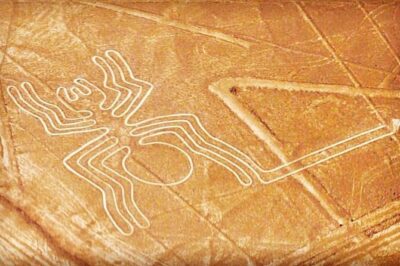
Private Tour to the Astonished Nazca Lines and Huacachina Oasis
Read our review →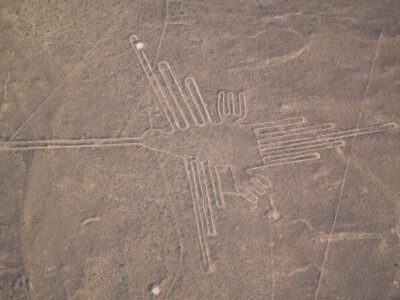
Nazca Lines & Ballestas Islands Private Tour Bus&Flight from Lima
Read our review →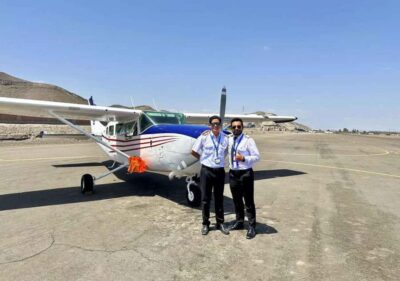
10-Day Taste Peru Experience: Lima, Nasca, Cusco & Machu Picchu
Read our review →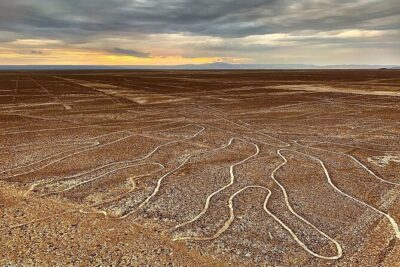
The Nazca Lines & Huacachina Oasis from Lima – Private Trip
Read our review →Browse the lists this tour appears in