
Reviewed · MACHU PICCHU TOURS
10-Day Taste Peru Experience: Lima, Nasca, Cusco & Machu Picchu
The best part of this 10-day Peru tour is its range. In one tightly packed trip, you see Pacific-coast Lima, fly above the Nazca Lines in a plane limited to 12 passengers, visit pisco country and Huacachina, then head into the Andes for Cusco, the Sacred Valley, and Machu Picchu.
I like the many included transfers and hotels, which remove much of the stress from a complicated route. I also like the strong cultural mix: colonial churches, ancient ceremonial sites, living textile traditions, local markets, salt ponds, Inca ruins, and Peruvian food. The main drawback is the pace. You cover a lot of ground, and the jump from sea level to Cusco at roughly 11,000 feet can make the first days there tiring.
Key points before you book
- A full Peru sampler: Lima, Paracas, Nazca, Ica, Huacachina, Cusco, the Sacred Valley, and Machu Picchu all fit into 10 days.
- The Nazca flight is intimate: The aircraft holds up to 12 passengers, giving you a view of the huge desert drawings from above.
- Pisco gets proper attention: You visit Tacama, open since 1540, and the handcrafted El Catador cellar, with tastings and lunch included.
- Cusco days are busy but rewarding: You visit major Inca and colonial sites, including Sacsayhuaman, Korikancha, and the Twelve Angle Stone.
- Altitude requires planning: Bring medicine or ask your doctor for advice if altitude sickness is a concern.
- The price includes plenty, but not everything: The $2,005 cost covers nine nights, most sightseeing, five lunches, and transfers, but not the Lima to Cusco flight or the $10 Pisco airport tax.
Why this itinerary works for a first Peru trip
This is not a slow, lingering holiday. It is a well-filled route for someone who wants the main sights without arranging a chain of hotels, airport pickups, bus rides, guides, and archaeological tickets alone.
You begin with the coast, move south through the desert, and then fly into the highlands. That order gives the trip a clear rhythm. Lima introduces Peru’s food and colonial past. Paracas and Ica show you the dry coastal country and the traditions behind pisco. Cusco and the Sacred Valley then bring the Inca story into focus before Machu Picchu provides the grand finale.
The tour costs $2,005 per person. That is a meaningful sum, but the value is stronger than the headline price first suggests. You receive nine nights of accommodation, nine breakfasts, five lunches, private transfers between airports, hotels, buses, and railway stations, guides, major excursions, and entrance fees for several key sites.
You still need to budget for the domestic flight from Lima to Cusco, food not listed as included, drinks, and the $10 Pisco airport tax. You also need to provide your international and domestic flight details when booking. The trip is best for you if you value convenience and a full schedule more than free time.
Other flights over the desert from Lima:
- Lima: Ballestas & Huacachina Day Trip w/ Nazca Lines Flight
★ 4.9 · 117 reviews - Private Tour to the Astonished Nazca Lines and Huacachina Oasis
★ 5.0 · 84 reviews - From Lima: Ballestas, Nazca Lines & Huacachina Oasis
★ 4.5 · 82 reviews
Lima: food, churches, and fountains
Your first day is simple. You arrive in Lima, meet the local representative at the airport, and transfer to your hotel. That smooth start matters after an international flight, especially in a large city where airport transport can otherwise be confusing.
The next day begins in Miraflores at Love Park, with a view toward the Pacific. You then visit Huaca Pucllana, a ceremonial center built by the Lima culture. It is a useful reminder that Peru’s ancient story did not begin with the Incas.
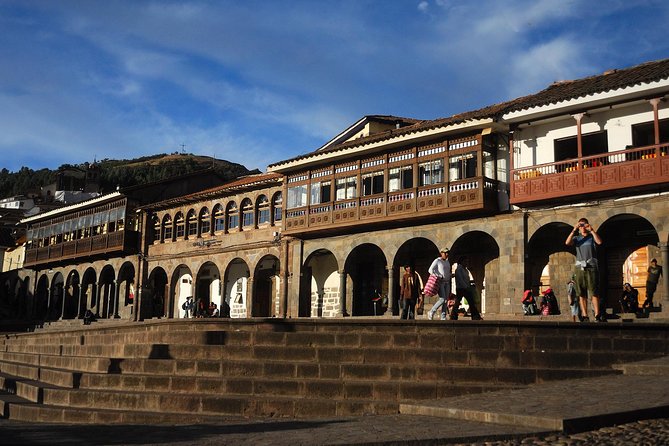
Lima’s Main Square brings a different period into view. The Government Palace, Town Hall, and Cathedral frame the colonial center, while Santo Domingo Convent adds a more intimate stop. The convent is linked to San Martin de Porras and Santa Rosa of Lima, whose remains rest there. You get architecture, religious history, and a sense of how Lima grew as a Spanish colonial capital.
The Larco Museum gives you a broader view of ancient Peru. Its collection includes gold, textiles, and pottery, including the famous erotic ceramics. The open storage area is especially useful because it lets you see the sheer range of objects held by the museum rather than only a few display pieces.
Food is not an afterthought here. Dinner at Pescados Capitales focuses on seafood and gives you a chance to sample Peru’s coastal cooking in a restaurant setting. Earlier, the pisco experience includes a traditional tavern in Pueblo Libre, where you taste a Chilcano and a butifarra sandwich.
The evening finishes at the Magic Water Circuit in the Reserve Park. Thirteen fountains combine water, colored lights, and moving displays. It is more theatrical than historic, but it gives the day a lively finish and breaks up the churches and museums.
One practical point: the Lima day is long. The stated visits add up to several hours, and the full day includes transport, meals, and stops. You will see a lot, but you should not expect a quiet museum afternoon.
Nazca from the air and a night in Paracas
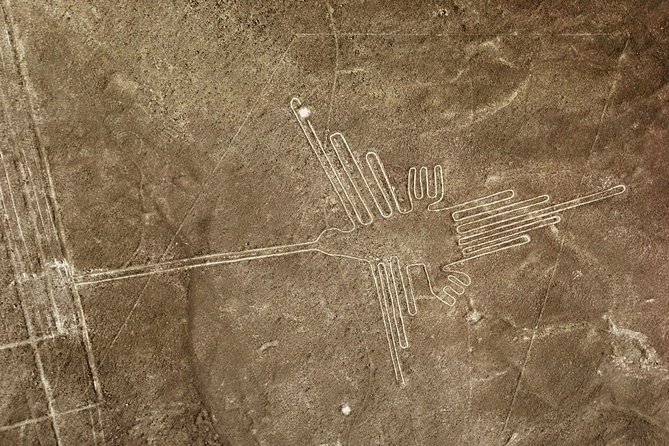
Day three takes you south to Paracas in the dedicated Paracas Premium Service. From the Pisco airport, you board a small aircraft for the Nazca Lines flight.
The famous designs include a monkey, hummingbird, condor, spider, and other large figures etched into the desert. From ground level, much of this scale disappears. The flight is the point: it gives you the one view that makes the size and shape of the drawings clear.
The plane holds up to 12 passengers. That is a useful detail if you dislike large aircraft or prefer a more personal setup, though a small plane can also feel more noticeable in the air. The flight is not recommended for children under eight.
After the flight, you return to Paracas and have the rest of the day free at the hotel and in the surrounding area. The day is listed at about seven hours, so you do get some breathing room after the overflight. The Nazca excursion itself has no admission charge listed, but remember the separate Pisco airport tax of $10 per person.
This part of the tour is also a good example of its fast-moving style. Paracas is used as a base for the flight, not as a long coastal stay. If you want extended time for the bay or nearby nature sites, you would need to add your own days.
Ica, Huacachina, and the story of pisco
The following day brings you into Ica, where vineyards and desert sit close together. Tacama winery has been producing grapes for pisco since 1540. Its colonial buildings, bell tower, vineyard, and wine cellar give you a clear setting for understanding how Peru’s signature spirit developed.
The visit continues at El Catador, a handcrafted pisco cellar. You see old clay vessels and an oak press, then taste pisco and wine. This is more than a quick drink stop. It connects the finished glass to the older tools and methods used to produce it.
Huacachina adds a dramatic change of scenery. The oasis is ringed by sand dunes and palms, a sharp contrast to the vineyard country. You have time for photographs and lunch featuring Ica cuisine before returning to Lima in the afternoon.
The schedule again favors an overview rather than a long stay. You visit two pisco sites, the oasis, and have lunch in roughly seven hours before the return journey. If you enjoy food and drink, this is one of the more distinctive parts of the route. If tastings are not your priority, the day may feel less essential than the Cusco portion.
Other ways up to Machu Picchu from Lima:
- From Cusco: Full-Day Group Tour of Machu Picchu
★ 4.7 · 1,767 reviews - Machu Picchu Day Trip from Cusco
★ 4.5 · 1,644 reviews - Machu Picchu: Full-Day Tour from Cusco with Optional Lunch
★ 4.6 · 927 reviews - Cusco: 4-Day Inca Trail to Machu Picchu with Accommodation
★ 4.8 · 432 reviews
Cusco at 11,000 feet
Day five takes you by air from Lima to Cusco. Your flight must arrive by noon, and the morning flight requirement is important. A late arrival would squeeze the afternoon program and may not work with the planned transfers.
Cusco sits at about 11,000 feet, so take the altitude seriously. The change from Lima’s sea-level setting can bring breathlessness, stomach trouble, headache, or fatigue during the first couple of days. Bring medication if your doctor recommends it, and ask for medical advice before leaving if you have had altitude problems before.
The first Cusco stop is San Cristobal Plaza, which gives you a broad view over the city. From there, the tour moves through San Pedro Market, where you see the produce and local goods that supply Cusco. It is a better introduction to daily life than simply moving from one monument to the next.
Korikancha, the Inca temple known as the Gold Enclosure, follows. The original temple was associated with gold-covered walls, while the Santo Domingo Church reflects the Spanish building placed on the site. Seeing both together helps explain the layers of Cusco rather than presenting Inca and colonial history as separate subjects.
You then walk through San Blas, the artisans’ neighborhood, toward Hatun Rumiyoc Street. Stops include the Inca Roca Palace, now the Archbishop’s Palace, and the Twelve Angle Stone. The route ends at the Main Square and Cusco Cathedral, whose colonial interior contains valuable religious art.
This is a five-hour city tour, but the altitude can make it feel longer. You should keep your first Cusco evening quiet and avoid treating the free time as an invitation to overfill your schedule.
Sacsayhuaman and Cusco’s high viewpoints
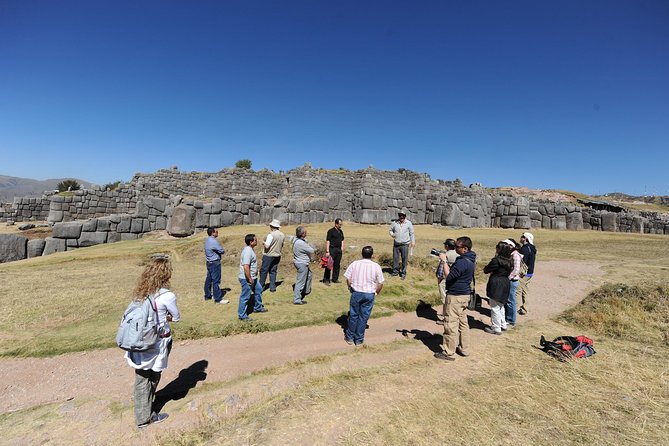
The next morning goes outside the city center to Sacsayhuaman. The huge stonework and high position make it one of the most memorable sites around Cusco. The scale of the blocks is the main story here, and the views help you understand why the site was so important.
The route continues to Qenqo, an Inca shrine with a sacrificial altar cut into a rock cave. At Puca Pucara and Tambomachay, you see more of the defensive and ceremonial network around Cusco. Tambomachay is associated with water and Andean religious ideas, while Puca Pucara is known as a fortified site.
The excursion lasts about four hours, leaving your afternoon free. That free time is useful because the tour has already given you two demanding days at altitude. You can rest, walk at your own pace, or return to parts of the city that caught your interest.
The guides are a major part of the experience. The arrangement provides a personal guide for each site, rather than asking one guide to give a single rushed speech across the entire trip. That makes a difference at places such as Sacsayhuaman, where the stones are impressive but their purpose and construction are not always obvious.
The Sacred Valley, Pisac, and living textile work
Day seven moves into the Sacred Valley, where the lower elevation can feel easier than Cusco. Your first stop is Awanacancha, where you see and feed llamas and alpacas. Local craftspeople demonstrate traditional weaving and dyeing, giving the textiles a human context before you encounter them in markets.
At Pisac, you visit the Inca site high above the colonial town. The position gives you broad views across the valley, while the town itself offers time for a walking tour and shopping at the handicraft market. You should treat shopping as optional rather than the main reason for the stop, but it is a practical chance to see regional textile work in one place.
Lunch is at the Inkariy Museum, followed by a guided visit through its rooms. The displays represent pre-Hispanic civilizations from across ancient Peru. This stop widens the story beyond the Incas, which is helpful because many short Peru trips focus so heavily on the final imperial period.
You spend the night in the Sacred Valley. That overnight is a sensible feature of the route. It avoids forcing you back to Cusco after a full day and puts you closer to the next morning’s sites.
Moray, Maras, and Ollantaytambo
Day eight visits some of the Sacred Valley’s most unusual sites. At the Living Culture Yucay Museum, you see displays and demonstrations linked to agriculture, adobe construction, traditional chicha, and local folklore. It gives the valley a present-day dimension instead of treating it as an open-air ruin park.
Moray is famous for its enormous circular terraces, arranged like an amphitheater. Their precise purpose remains a subject of discussion, but the site is associated with creating different microclimates for agricultural experiments. You do not need to accept every simplified explanation to appreciate the engineering and the visual effect.
Maras brings a completely different sight: thousands of salt ponds cut into the mountainside. The white pools against the green valley make this one of the best photography stops on the trip. The area also shows how older forms of production remain tied to local work.
After a buffet lunch, you visit Ollantaytambo. This living Inca town and archaeological site is known for massive stonework and the steep terraces above the settlement. It is one of the places where the relationship between an ancient site and a modern town is easiest to see.
The day lasts about five hours, but there are several separate stops and a fair amount of transport. Wear shoes suited to uneven ground, and keep some space in your day for walking rather than expecting every sight to be reached directly from the vehicle.
Machu Picchu and the final return to Cusco
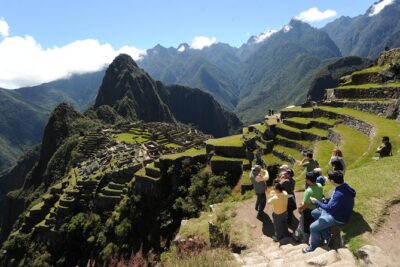
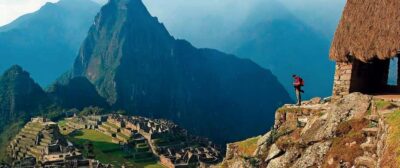
Day nine is the trip’s headline outing. You board the bus up the winding road to Machu Picchu, with the Urubamba River and canyon below. At the site, your guide leads you through terraces, ceremonial areas, stairways, and urban sections of the Inca citadel.
The experience depends heavily on the assigned visitor circuit. Machu Picchu now uses several routes to spread people through the site. Route 2 is the priority, but if it is unavailable, you will be offered Route 3B or Route 1B before the ticket is issued. That matters because each route gives a different view and set of areas.
Your entrance ticket cannot be refunded or changed once issued. Check the date and route details carefully before confirming. This is one place where flexibility is limited.
Lunch at a restaurant in the area is included, followed by the arranged return to Cusco and transfer to your hotel. The excursion itself is listed at about four hours, but the full day includes transport and scheduling around the mountain site. Do not plan an important independent activity for the evening.
Machu Picchu is physically manageable for most people who can participate in the tour, but you should expect steps, uneven surfaces, and a busy schedule. The tour’s maximum group size is 20, while the smaller Nazca aircraft is capped at 12 passengers.
What the $2,005 price really buys
The strongest value comes from coordination. You are not only paying for sightseeing. You are paying to have airport pickups, hotel transfers, guides, entrance arrangements, meals, and intercity connections handled across a complicated route.
Included items cover:
- Nine nights at selected hotels
- Nine breakfasts
- Five lunches
- Private transfers between airports, hotels, buses, and railway stations
- Lima city sightseeing, the Larco Museum, and the Magic Water Circuit
- The Nazca Lines flight
- Huacachina, Tacama, and El Catador
- Cusco and Sacsayhuaman tours
- Sacred Valley visits, including Pisac, Moray, Maras, and Ollantaytambo
- Machu Picchu admission and buffet lunch
The cost does not include the Lima to Cusco and Cusco to Lima flight tickets, food and drinks outside the listed meals, or the Pisco airport tax. Read the hotel category carefully when booking, since the accommodation is described as selected hotels rather than a fixed named property.
Communication, pace, and who should book
The tour provider uses WhatsApp for daily communication, which is useful when pickup times or the next day’s meeting details need confirming. The main weakness is that you need the full schedule early enough to plan your flights and personal time. Ask for those details before finalizing your domestic tickets.
I would choose this tour if you want one organized trip that covers the major Peruvian highlights and gives you a guide at nearly every important site. It suits first-time visitors who prefer not to manage complicated transport, especially the connections around the Sacred Valley and Machu Picchu.
I would hesitate if you want long free periods, independent restaurant choices, or several days to recover from altitude. The days in Lima and the Sacred Valley are packed, and the Cusco arrival is followed by sightseeing rather than a full rest day.
Free cancellation is available up to 24 hours before the experience begins. After that cutoff, changes and refunds are not accepted. Confirmation requires each participant’s passport name, number, expiry date, and country, along with your international and domestic flight information.
Should you book the Taste Peru Experience?
Book it if your goal is a well-organized first look at Peru rather than a slow, custom trip. The route reaches the country’s biggest sights, adds memorable stops such as Huacachina and the pisco cellars, and includes enough private transport to remove much of the daily hassle.
Before paying, confirm the domestic flight timing, ask for the hotel details, and make a plan for altitude. If you can handle the pace, this is a strong-value way to connect Lima’s food and colonial center with Nazca, Cusco, the Sacred Valley, and Machu Picchu in one 10-day journey.
FAQ
How long is the Taste Peru Experience?
The tour lasts approximately 10 days and includes nine nights of accommodation. The final day is reserved for the departure transfer.
What cities and regions does the tour visit?
The route includes Lima, Paracas, Ica, Nazca, Cusco, the Sacred Valley, and Machu Picchu.
Is the flight from Lima to Cusco included?
No. Flight tickets between Lima and Cusco are not included. Your flight from Lima to Cusco must be scheduled in the morning and arrive by noon.
Is the Nazca Lines flight included?
Yes. The Aerodiana Nazca Lines overflight from Pisco airport is included. The aircraft holds up to 12 passengers.
Is the Pisco airport tax included?
No. A Pisco airport tax of $10 per person is listed as an additional cost.
What meals are included?
Nine breakfasts and five lunches are included. Other food and drinks are not included unless specifically stated.
Is Machu Picchu admission included?
Yes. The Machu Picchu excursion and admission ticket are included, along with a buffet lunch. Route 2 is the priority route, but Route 3B or Route 1B may be offered if Route 2 is unavailable.
Can the Machu Picchu ticket be changed or refunded?
No. The ticket is not refundable, and its date cannot be changed or amended after issue. A new ticket is required if you need a different visit date.
Is the tour suitable for people concerned about altitude sickness?
Most people can participate, but Cusco is around 11,000 feet above sea level and altitude symptoms are possible. If you have concerns, bring medicine or ask your doctor for advice before departure.
Just added around Lima
- Lima : City Tour by Panoramic Bus – Walking & Catacombs★ 4.3 · 41 reviews
- Lima: A night on the Rooftops & Clubs of Barranco with Shots★ 5.0 · 11 reviews
- Miraflores: Amazing Peruvian Cooking Class Ceviche Seafood and Pisco Sour★ 4.9 · 57 reviews
- Lima Airport Transfers by SUV/Van★ 5.0 · 34 reviews
- The Nazca Lines & Huacachina Oasis from Lima – Private Trip★ 5.0 · 60 reviews
- Trending Flavors: Miraflores Walking Tour Including Food and Drinks Tasting★ 5.0 · 63 reviews
- Lima: Magic Water Circuit with Dinner★ 4.5 · 59 reviews
- Lima: Live Magic Water Show Experience★ 4.9 · 60 reviews
Machu Picchu Tours, compared.
4-Day Inca Trail to Machu Picchu with Accommodation
Read our review →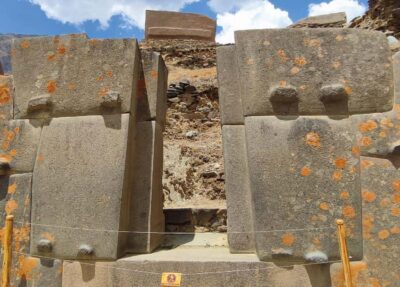
2-Day Trip to the Sacred Valley and Machu Picchu
Read our review →
Machu Picchu 2-Day Inca Trail with Panoramic Train
Read our review →
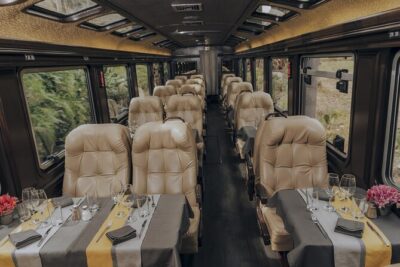
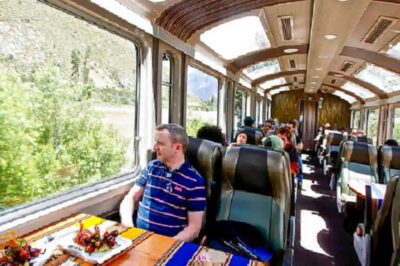
The First Class Machu Picchu Train by Inca Rail
Read our review →Browse the lists this tour appears in