
Reviewed · COOKING CLASSES
Lima: Market Tour, 35 Fruits Tasting & Cooking Class
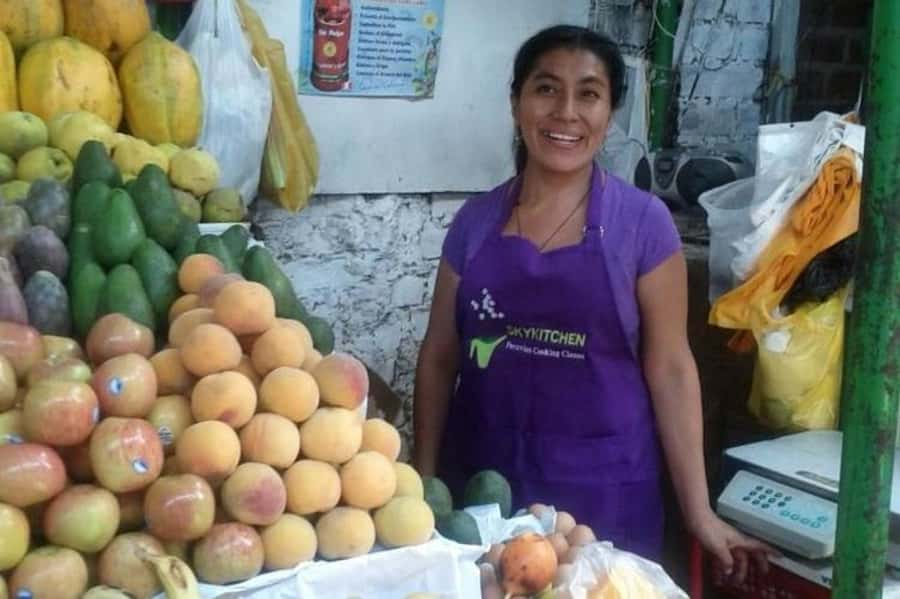
More than 35 exotic fruits and a four-course Peruvian meal make this far more than a standard cooking lesson. You begin at Surquillo Market Nro 1, learn how Peru’s produce reaches the kitchen, then cook and eat each course as it is finished.
I like the direct connection between market and stove, and I like that the class uses quality ingredients rather than treating the food as a staged demonstration. The fruit tasting is another strong point: it gives you a quick lesson in Peru’s unusual produce before you start chopping.
The main consideration is time. At 330 minutes, this is a substantial half-day activity, not a quick lunch stop. You also need to reach the correct Surquillo market, since several markets in the area use similar names.
Key points
- Taste more than 35 fruits before cooking, including unusual produce from Peru.
- Visit Surquillo Market Nro 1 for a close look at fruits, vegetables, fish, seafood, meats, herbs, quinoa, roots, seeds, and Andean plants.
- Cook a four-course Peruvian meal with an instructor rather than simply watching a chef work.
- Eat each course immediately after preparing it, while the next dish is being set up.
- Learn to make a pisco sour, with one included in the class.
- Choose English, Spanish, or German instruction, and request accommodation for common dietary restrictions in advance.
Starting with Peru’s produce at Surquillo Market
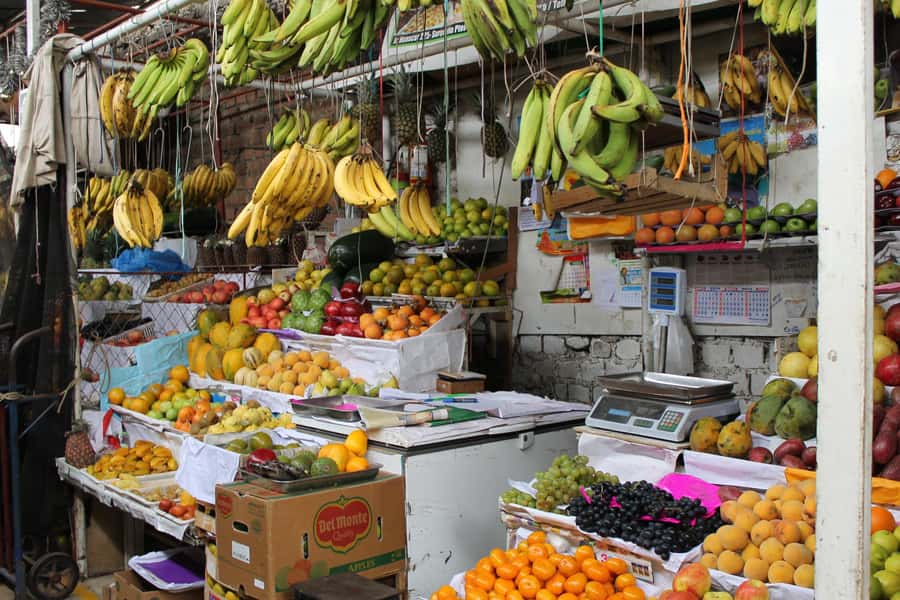
Your morning or afternoon begins at the main entrance of Mercado 1 de Surquillo, directly below the large sign marked Mercado 1. This detail matters. Surquillo has several numbered markets, so entering the wrong one can waste time before the class even begins.
The market sits on block 53 of Paseo de la República, beside Ricardo Palma Station. From the center of Miraflores, it is about a 10-minute walk from the Ovalo de Miraflores, or roughly a seven-minute taxi ride to the cooking school’s location. A ride-sharing app should find it under Mercado 1 de Surquillo. If you take a traditional taxi, use Estación Ricardo Palma as your reference point.
The market visit lasts about 50 minutes. That is enough time to get a useful introduction without turning the experience into a long shopping expedition. Your guide introduces you to local vendors and explains the ingredients you see across the stalls.
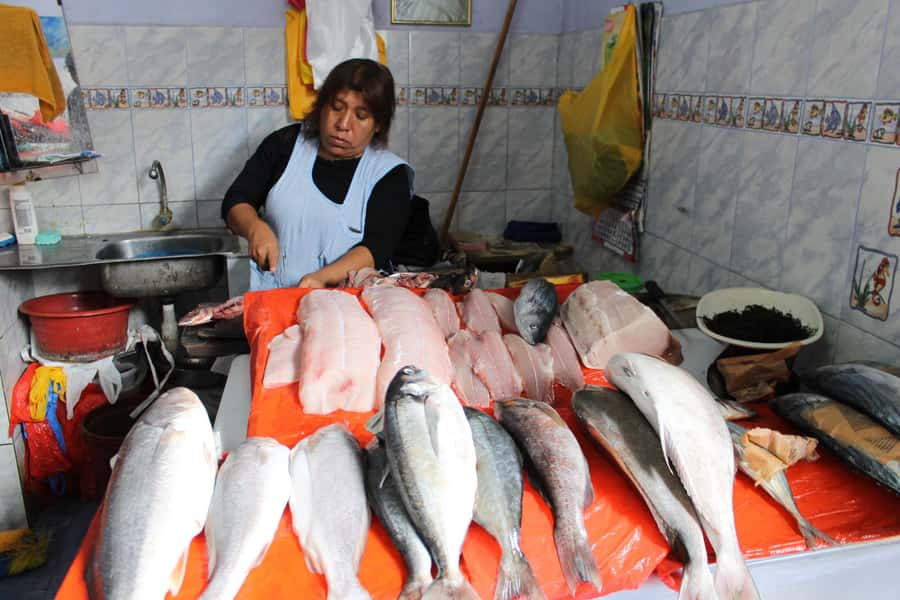
Expect more than the usual fruit-and-vegetable walk. The tour covers legumes, herbs, meats, fish, seafood, different types of quinoa, and less familiar plants, roots, and seeds from the Andes. This is useful context because Peruvian cooking depends on the relationship between ingredients, altitude, climate, and local food traditions.
You are not just seeing ingredients in isolation. You are learning what they look like before they are trimmed, cooked, blended, or added to a sauce. That can make the cooking class easier to follow later, especially when an ingredient is unfamiliar.
The market itself is a working food market, not a polished museum display. That is part of its value, but it also means you should expect normal market noise, close quarters, and a quick pace around some stalls. Wear comfortable shoes and keep your meeting instructions handy.
Other hands-on kitchens in Lima:
- Cook an Authentic Ceviche And Peruvian Pisco Sour!
★ 5.0 · 107 reviews - Market Tour, Tasting of 35 Fruits, and 4-Course Peruvian Cooking Class in Lima
★ 5.0 · 86 reviews - #1 Rated Cooking Classes with Local Market Tour & Pickup
★ 5.0 · 69 reviews
A 35-fruit lesson in Peru’s edible variety
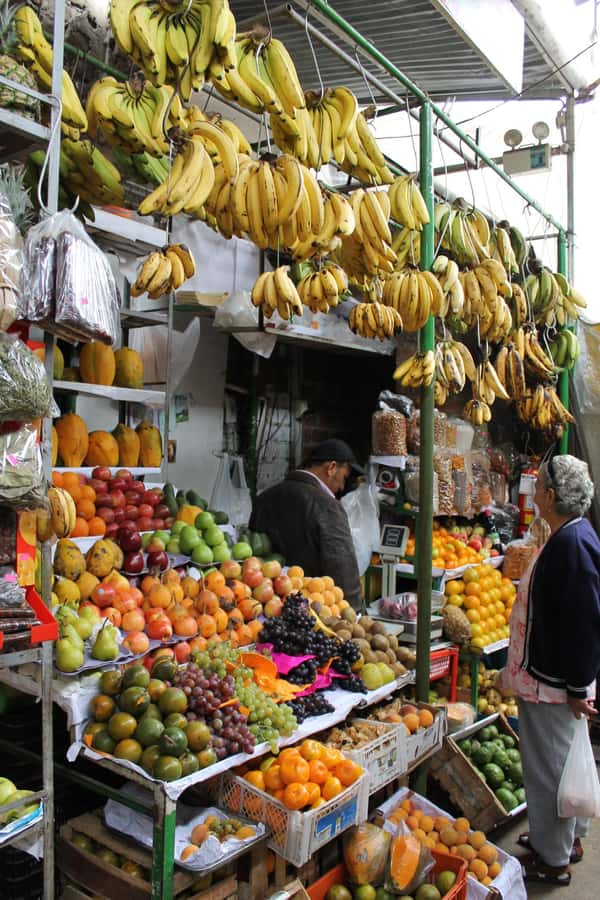
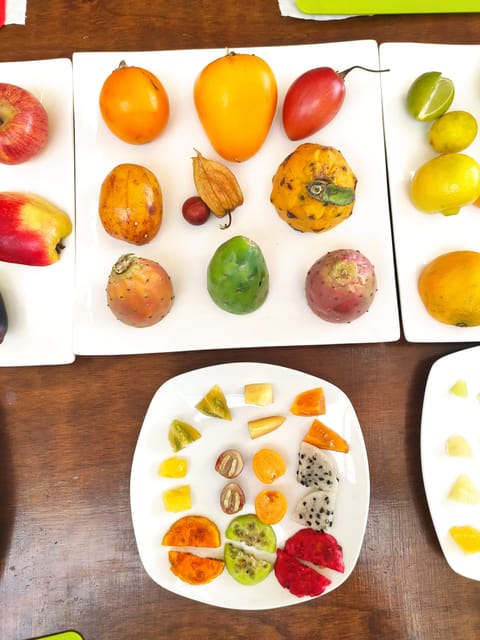
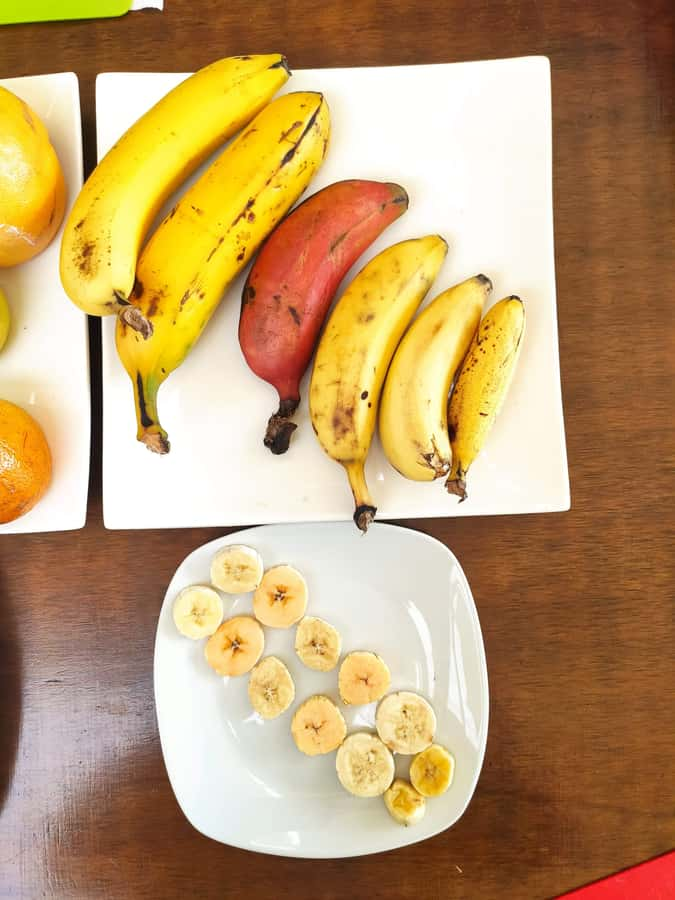
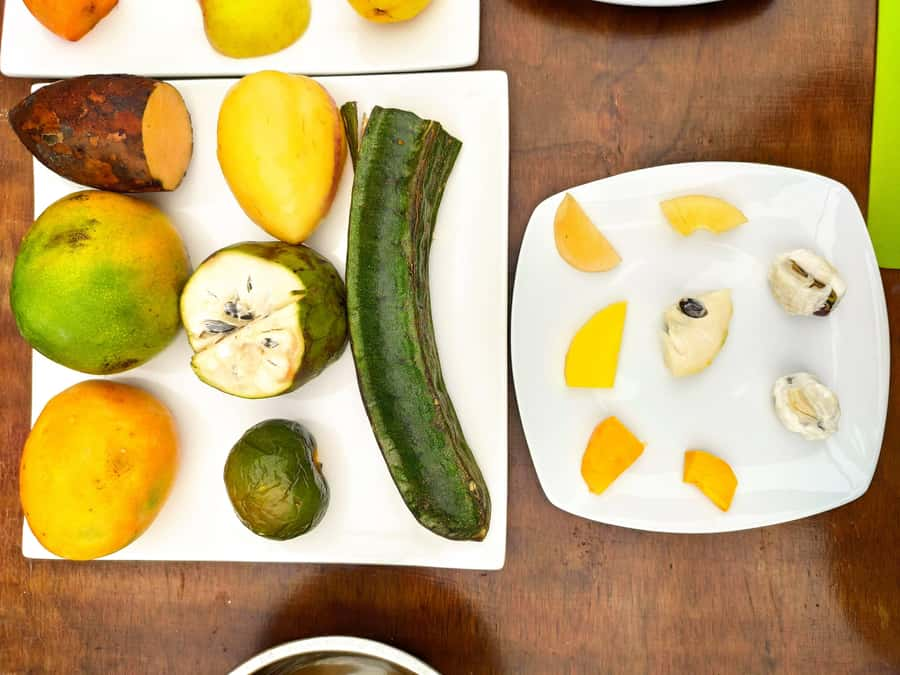
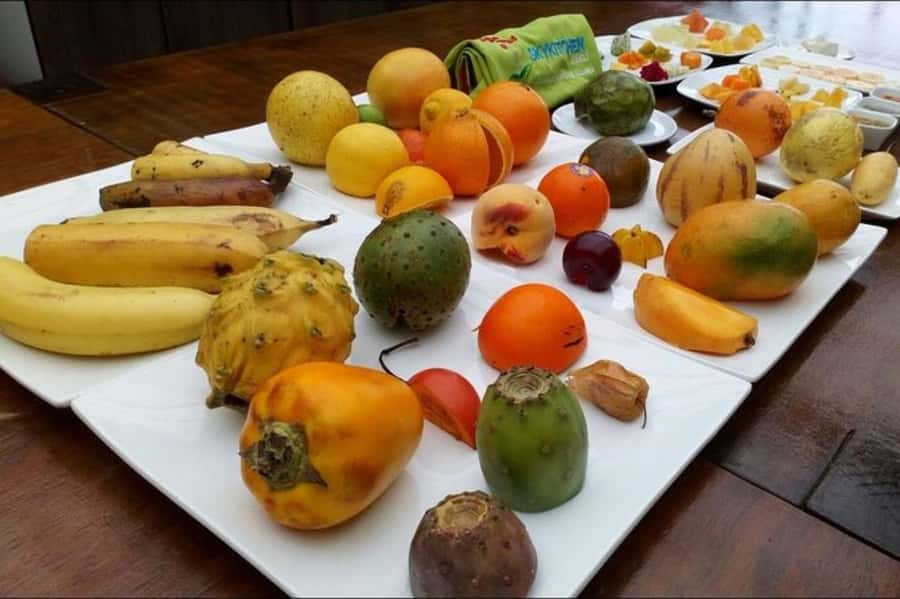
After the market, transportation to the cooking class is included. The next stage is a tasting of more than 35 exotic fruit samples, one of the most distinctive parts of the experience.
The fruit tasting gives the class a strong sense of place. Peru is known for an impressive range of produce, and a tasting lets you compare flavors directly rather than simply hearing a guide list names. You might find familiar fruit alongside varieties that are difficult to identify from a menu alone.
The tasting also prepares you for the cooking class. It gets your attention focused on flavor, texture, sweetness, acidity, and aroma before you begin preparing savory dishes. If you enjoy food markets but often feel unsure what to buy, this is a practical introduction.
The exact fruit selection is not listed, so you should not book expecting specific named varieties. The useful promise is the scale of the tasting: more than 35 samples, presented as part of the class rather than as a separate market purchase.
This portion is especially well suited to curious eaters and anyone who wants to understand Peru beyond ceviche and potatoes. It may be less appealing if you dislike sampling unfamiliar foods or prefer a cooking class that moves straight to the recipes.
Learning Peruvian cooking one course at a time
Before the hands-on cooking begins, you receive an introduction to Peruvian cuisine. You also prepare and enjoy a pisco sour, with one included in the price.
The class follows a practical rhythm. You work on one dish, finish it, and eat it while the instructor prepares the ingredients and instructions for the next course. That format has two advantages. Your food is fresh, and you get a natural pause between recipes instead of facing a crowded work surface filled with half-finished dishes.
You will chop, mix, and cook under the instructor’s direction. This is not simply a chef demonstration where you watch from the side. You take part in producing the meal, which gives you a better chance of remembering the methods when you return home.
The meal includes four courses, though the specific dishes are not stated in the available information. That means you should focus on the format and the Peruvian cooking instruction rather than booking because of one particular recipe.
The course-by-course approach also makes the five-and-a-half-hour schedule easier to understand. The time includes the market tour, transport, fruit tasting, introduction, drink, preparation, eating, and conversation with the instructor. It is designed as a full culinary activity, not a rushed lesson squeezed between sightseeing stops.
You receive unlimited water throughout the class, plus a homemade fruit drink served with the food. Beer and wine are available for purchase, but they are not included. Aprons and kitchen tools are provided during the class, though you can purchase them if you want to take them home.
What the meal format means for you
I like the fact that you eat each dish as soon as it is ready. A cooking lesson can become awkward when four courses sit on the table for an hour while everyone finishes the final recipe. Here, each course gets its own moment.
The arrangement also gives you time to talk with the instructor. While you eat, the instructor sets up the ingredients for the following dish. That creates room for questions about technique, ingredients, and the place of each dish in Peruvian cuisine.
A small-group format is promised, with a more personal working setup than a large class. The exact number of participants is not provided, so you should not assume a private lesson. Still, the structure suggests regular contact with the instructor rather than a distant presentation.
The included meal adds real value. You are not paying only for a market walk and a recipe sheet. You receive the ingredients, instruction, food, water, homemade fruit drink, fruit tasting, and pisco sour as part of one long activity.
The available price is $120 per person. That is not a budget lunch, but it becomes easier to justify if you want a complete food-focused half-day in Lima. You receive a guided market visit, transportation from the market to the class, more than 35 fruit samples, a four-course meal, and hands-on instruction.
If you only want to eat Peruvian food, a restaurant will cost less and take far less time. If you want to understand ingredients and prepare the meal yourself, this offers more substance than a simple tasting menu. The value is strongest for people who see cooking as part of the trip, not just a way to fill an afternoon.
Same base, a completely different day:
- Lima: Ultimate Peruvian Food Tour
★ 4.9 · 700 reviews - Full Day Paracas Ica and Huacachina from Lima All Included
★ 4.5 · 623 reviews - Lima’s Vibrant Heritage: Exploring the City’s Landmarks Half-day
★ 4.5 · 581 reviews - From Lima: Day trip to Paracas, Ica and Oasis Huacachina
★ 4.6 · 409 reviews
Dietary requests and practical limits
The provider can accommodate common vegetarian, vegan, lactose-free, and gluten-free requests when told ahead of time. Contact the provider before the activity rather than waiting until you arrive at the market.
The information does not specify how every recipe changes for each diet. If your restriction is serious or medically important, explain it clearly in advance and confirm the arrangements.
The class supplies the ingredients, apron, and kitchen tools needed during the cooking. You do not need to bring cooking equipment. You may buy the apron and tools if you want souvenirs for your own kitchen.
Because the activity lasts 330 minutes, plan your day around it. You may not want to schedule a museum, appointment, or long-distance transfer immediately afterward. The market meeting time varies, so check the available starting times before booking.
Cancellation is flexible up to 24 hours before the activity for a full refund. Booking confirmation can take up to 48 hours from the provider, so leave enough time if you are arranging this close to your arrival in Lima.
Who will enjoy this Lima cooking class most
This experience fits you best if you like to ask questions, taste unfamiliar food, and take an active role in preparing lunch. It is also a good choice for people who want a structured introduction to Peruvian ingredients without planning their own market visit.
Food-focused couples and small groups should find the format appealing. Families may enjoy the fruit tasting and hands-on work, though the long duration may test the patience of younger children. The available information does not give a minimum age, so check that point before booking for children.
The class suits first-time visitors to Peru because it connects several parts of the food culture in one activity. You see ingredients at the market, taste fruit, hear an introduction to Peruvian cuisine, prepare a meal, and eat the results.
It is also useful for repeat visitors who have already tried Peruvian dishes in restaurants and want to understand how they are made. The market section adds a local food-shopping element that a restaurant meal cannot provide.
You may want to choose another activity if your schedule is tight, you dislike group cooking, or you want a class built around one named dish. The four-course format is broad, but the individual recipes are not specified.
Final verdict on the $120 experience
I would book this if you want an active food experience rather than a quick meal. The best parts are the link between Surquillo Market and the kitchen, the unusually large fruit tasting, and the chance to eat each course while it is fresh.
The price makes sense when you count the five-and-a-half hours of instruction, ingredients, drinks, market visit, transport, and meal. It is less compelling for someone who only wants a cheap introduction to Peruvian food.
Before booking, confirm your starting time, tell the provider about dietary needs, and make sure your taxi or ride-share is going to Mercado 1, not another Surquillo market. If you can spare the time and enjoy hands-on cooking, this offers a generous and practical look at Lima’s food culture.
FAQ
How long does the Lima market and cooking class last?
The activity lasts 330 minutes, or five and a half hours.
Where does the market tour begin?
You meet at the main entrance of Mercado 1 de Surquillo, below the large sign saying Mercado 1.
How do I find Mercado 1 de Surquillo?
You can enter Mercado 1 de Surquillo in a ride-sharing app. For a traditional taxi, use Estación Ricardo Palma as a reference point. The market is beside the station.
Is transportation included?
Transportation from the market to the cooking class is included.
How many fruits will I taste?
The class includes samples of more than 35 different exotic fruits.
What food and drinks are included?
You prepare and eat a four-course Peruvian meal. Water, a homemade fruit drink, and one pisco sour are included. Beer and wine are available for purchase.
Can dietary restrictions be accommodated?
Common vegetarian, vegan, lactose-free, and gluten-free requests can be accommodated if you contact the provider in advance.
Which languages are available?
Instruction is available in English, Spanish, and German.
Just added around Lima
- Guided Tours in Colonial and Modern Lima★ 5.0 · 54 reviews
- Lima Peru Sea Lions, History and Palomino Callao Islands★ 5.0 · 56 reviews
- Full Day Pilgrims★ 5.0 · 28 reviews
- Sandboarding and Off Road in Lima (National Park Lomas de Ancón)★ 5.0 · 54 reviews
- In Lima: Sandboarding Off Road Half Day!!★ 5.0 · 36 reviews
- Tour Miraflores + Fotografía Profesional★ 5.0 · 47 reviews
- Full day PRIVATE to Paracas, Ica and Huacachina from Lima All Inclusive and Lunch★ 5.0 · 55 reviews
- Peruvian Experience: Interactive, Cultural & Gastronomic Guided Tour★ 5.0 · 42 reviews
Cooking Classes, compared.
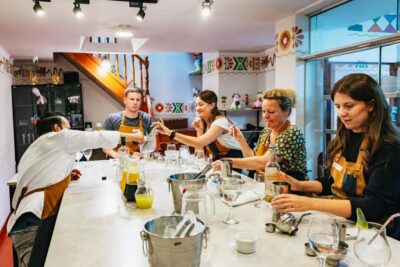
Peruvian Cooking Class, Cocktails & Local Market Tour
Read our review →
Cooking class and market tour with a local chef
Read our review →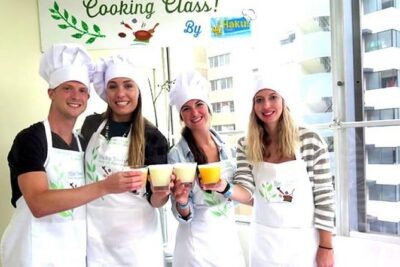
Cook an Authentic Ceviche And Peruvian Pisco Sour!
Read our review →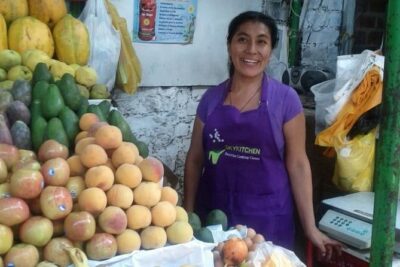
Market Tour, Tasting of 35 Fruits, and 4-Course Peruvian Cooking Class in Lima
Read our review →
Cusco by Night: Planetarium Cusco, Dinner, and Pisco Sour
Read our review →
#1 Rated Cooking Classes with Local Market Tour & Pickup
Read our review →
Historic Walking Tour with Pisco Sour and Music Show
Read our review →
Amazing Peruvian Cooking Class Ceviche Seafood and Pisco Sour
Read our review →Browse the lists this tour appears in