
Reviewed · MUSEUMS & INCA RUINS
Lima: Larco Museum Entry Ticket & Guided Tour with Pickup
The most striking part of this Lima outing is the way Larco Museum uses objects to explain ancient Andean ideas. Ceramics show offerings, sacrifice, music, warfare, death, and fertility in forms that are often beautiful, sometimes startling, and rarely dull. I especially like the 45,000-piece collection and the fact that the visit is organized by theme and chronology rather than left as a jumble of old objects.
I also like the practical setup: hotel pickup and return from Miraflores, Barranco, or San Isidro, plus a small group capped at 10 people. Pamela has earned praise for clear storytelling, broad knowledge, and patient answers. The main consideration is time. Three hours is enough for a guided introduction, but not enough to study every gallery at a leisurely pace.
Key points to know before booking
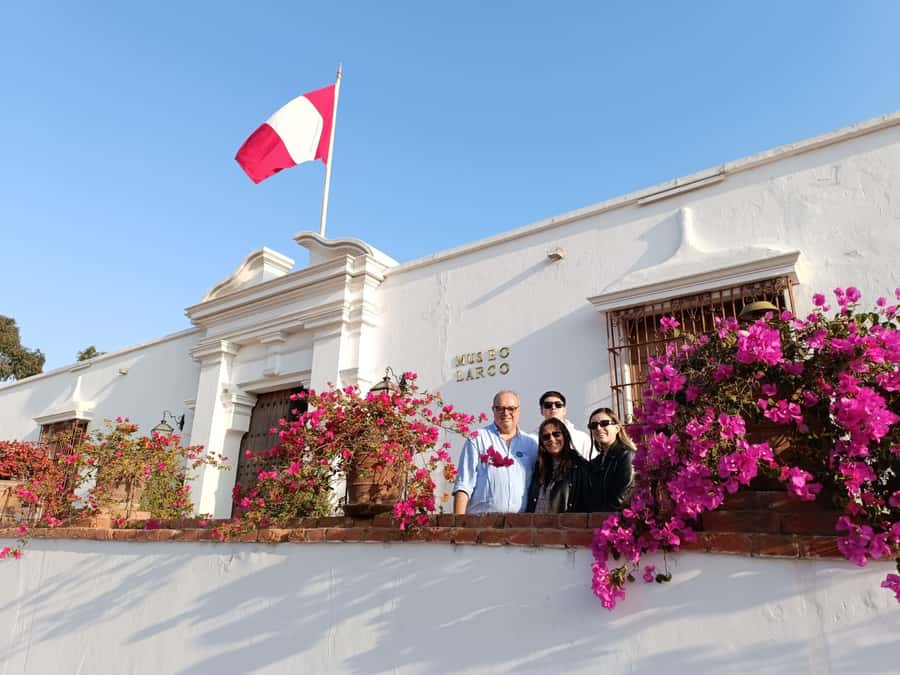
- Ancient Peru in one well-organized museum: The collection follows the development of several civilizations through the rise of the Inca Empire.
- A guide gives the objects a purpose: The tour connects ceramics to offerings, human sacrifice, music, war, death, and fertility.
- The fertility room is a strong final stop: It is an unusual and powerful part of the visit, and some travelers may find its imagery frank.
- Pickup saves time in Lima: Transport is included from hotels in Miraflores, Barranco, and San Isidro.
- Small groups make questions easier: The tour is limited to 10 participants and runs in English or Spanish.
- The price includes more than admission: At $54, you also get transport, a bilingual guide, a professional driver, and a bottle of water.
Why Larco Museum deserves a place in your Lima plans
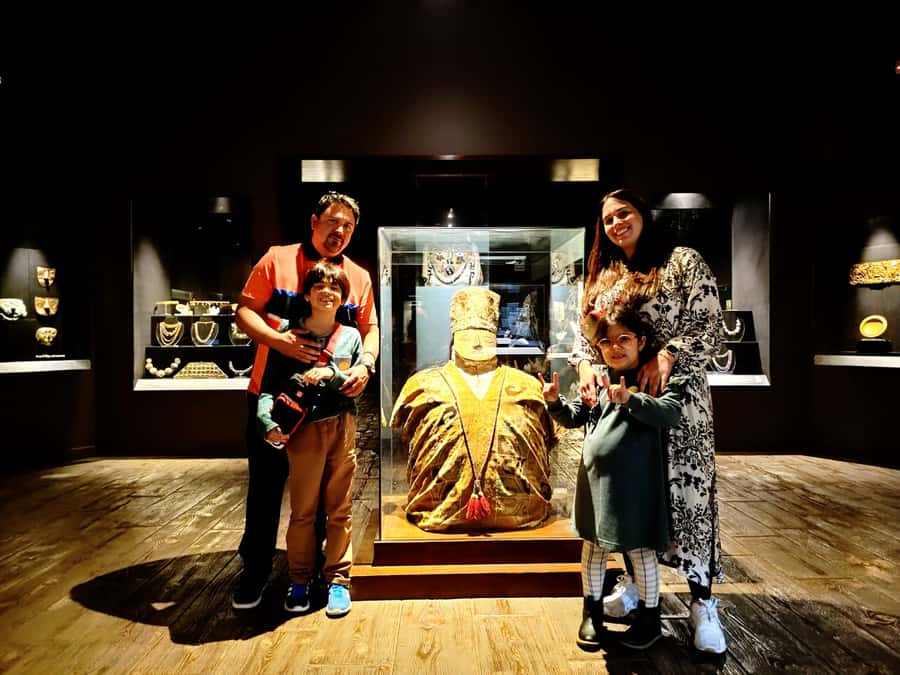
Lima has many museums, but Larco Museum is especially useful if you want a clear introduction to ancient Peru without spending several days sorting out different sites and cultures. Its collection includes more than 45,000 pieces, with ceramics arranged to show how ancient societies developed over time and eventually led to the rise of the Inca Empire.
That organization matters. You are not simply looking at attractive pottery behind glass. A guide can explain how an object fits into Andean beliefs and daily life. A ceramic vessel might reveal an offering, a ritual, a musical instrument, or an image connected to war and death.
I like museums that help you ask better questions. Here, you begin to see ceramics as records of ideas, not just household goods. The images can be direct and symbolic at the same time, so the guide’s explanation adds real value.
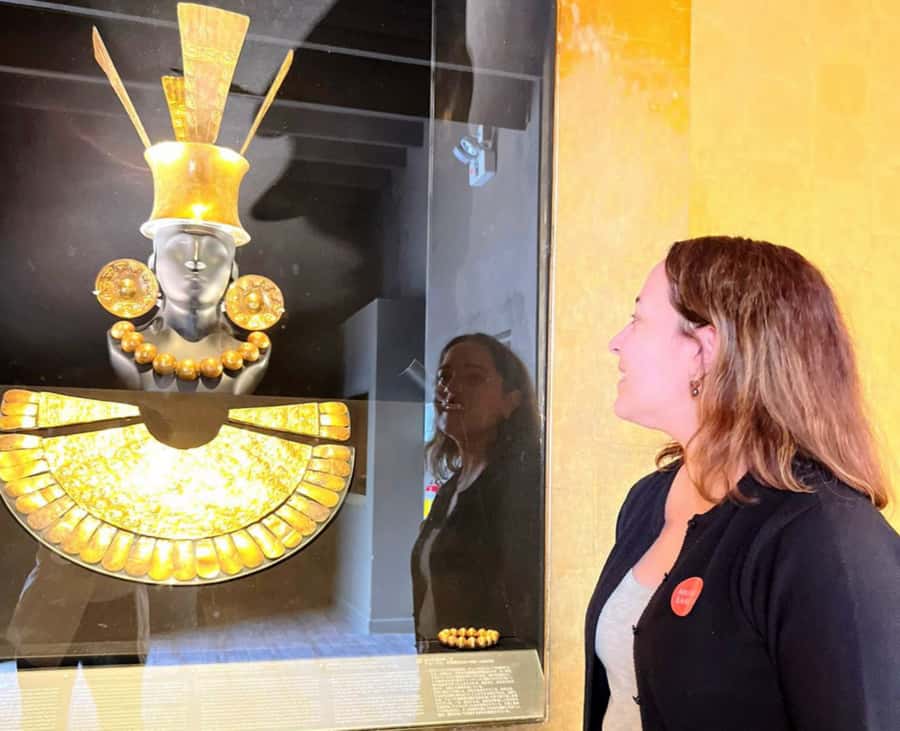
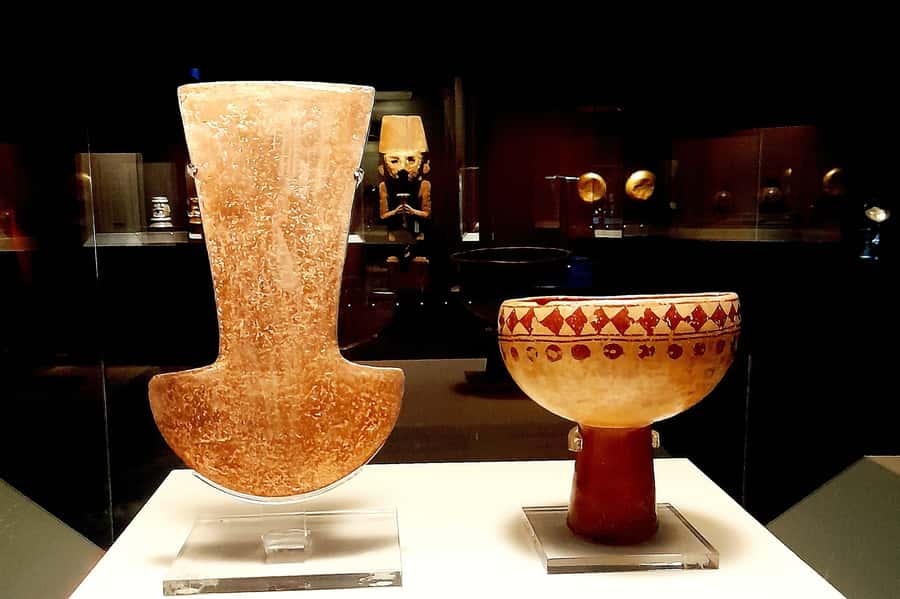
The museum also includes textiles, gold, and silver in carefully presented condition. The tour focuses heavily on ceramics and the major thematic rooms, but the wider collection gives you a sense of the technical skill and artistic range of ancient Peruvian cultures.
Other ruins and collections around Lima:
- Lima: The Charm of Barranco & Pre Inca Pyramid in Miraflores
★ 4.9 · 322 reviews - Lima: Pachacamac Ruins & Barranco Half-Day Guided Tour
★ 4.6 · 296 reviews - Pre Inca Temple of Pachacamac Half-Day Tour from Lima
★ 4.5 · 283 reviews
The 25-minute ride from Miraflores, Barranco, or San Isidro
Your day begins with pickup from your accommodation in one of three Lima districts: Miraflores, Barranco, or San Isidro. You are asked to wait in the hotel lobby 15 minutes before the scheduled time, and the driver and guide will ask reception for your last name.
The drive to the museum is listed at about 25 minutes. That is not a long ride, but hotel pickup removes one of Lima’s practical headaches: arranging a separate taxi or figuring out the route before your museum visit. A professional driver handles the transport while the guide accompanies the group.
Pickup and return are included only in the three named districts. If you are staying elsewhere in Lima, an additional fee may be arranged, but you should confirm that cost before booking. This is one of the most important details for comparing the tour with simply buying a museum ticket.
The vehicle is a van, and the group is limited to 10 people. That is a useful middle ground. You get shared transport rather than a private car, but the group should remain small enough for questions and conversation with the guide.
Entering a collection of more than 45,000 objects
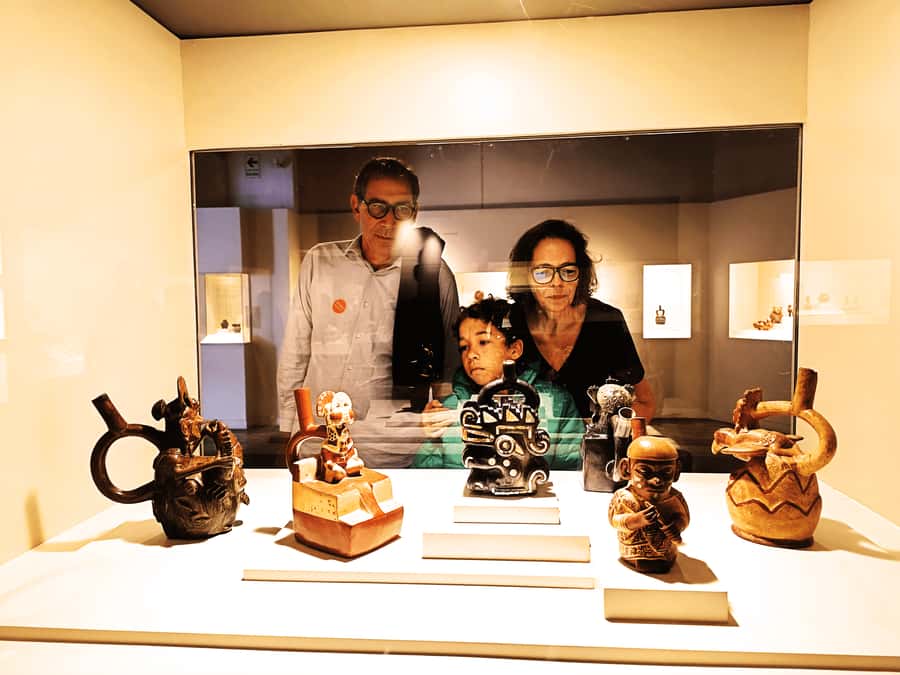
The museum visit lasts about two hours, followed by roughly 15 minutes for shopping. The core visit is guided, with some free time built in, so you can expect a fairly focused introduction rather than a full-day museum session.
Larco’s collection covers ancient Peru up to the rise of the Inca Empire. The displays are arranged chronologically and thematically, which helps you keep track of changing cultures and artistic traditions. If you are new to Peruvian archaeology, this structure gives you a useful framework before visiting other sites or museums.
The collection includes ceramics, textiles, gold, and silver. Ceramics receive particular attention because they carry so much of the museum’s visual information. Shapes, figures, and scenes can point to ceremony, social life, religious practice, and ideas about the body.
You will not have time to inspect all 45,000 pieces in three hours, and that is worth accepting before you arrive. Think of this tour as an informed introduction. It shows you the major themes and the most important rooms, then leaves you with enough direction to decide if you want to return independently.
Offerings and sacrifice in ancient Andean belief
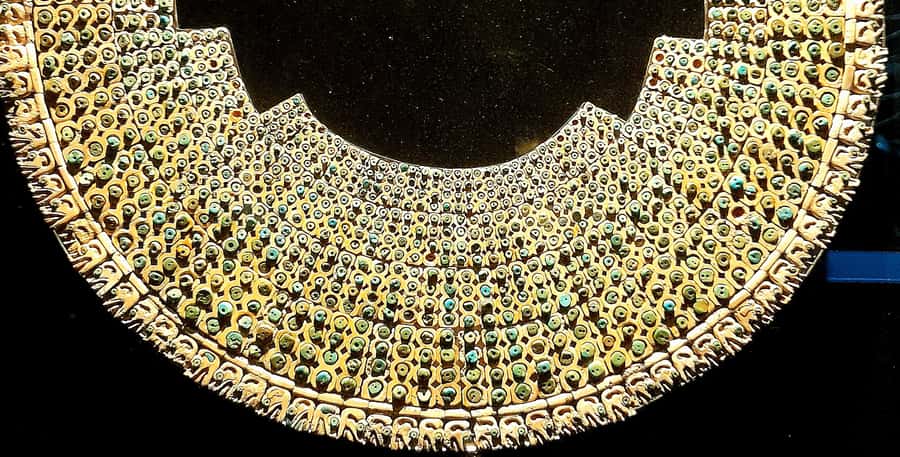
One of the first major themes is the use of offerings and the idea of human sacrifice before the Incas. This is not presented as a sensational side note. The ceramics help show how ritual fitted into the religious and social systems of ancient Peru.
This section may be the most useful part of the tour for understanding why the objects were made. You can look closely at the figures and scenes while the guide explains how offerings related to belief, power, and ceremony.
The subject matter can be difficult. Some images are visually appealing, but the stories behind them involve death and sacrifice. I would not frame this as a light museum stop for children who may be upset by those themes, although the supplied information does not set an age restriction.
A strong guide makes a difference here. Pamela has been praised for enthusiastic storytelling and for answering questions patiently. Her role is not just to identify objects, but to connect them to the Andean worldview that shaped their use.
Same base, a completely different day:
- Lima: Ultimate Peruvian Food Tour
★ 4.9 · 700 reviews - Full Day Paracas Ica and Huacachina from Lima All Included
★ 4.5 · 623 reviews - Lima’s Vibrant Heritage: Exploring the City’s Landmarks Half-day
★ 4.5 · 581 reviews - From Lima: Day trip to Paracas, Ica and Oasis Huacachina
★ 4.6 · 409 reviews
Music, war, and death through ceramic art
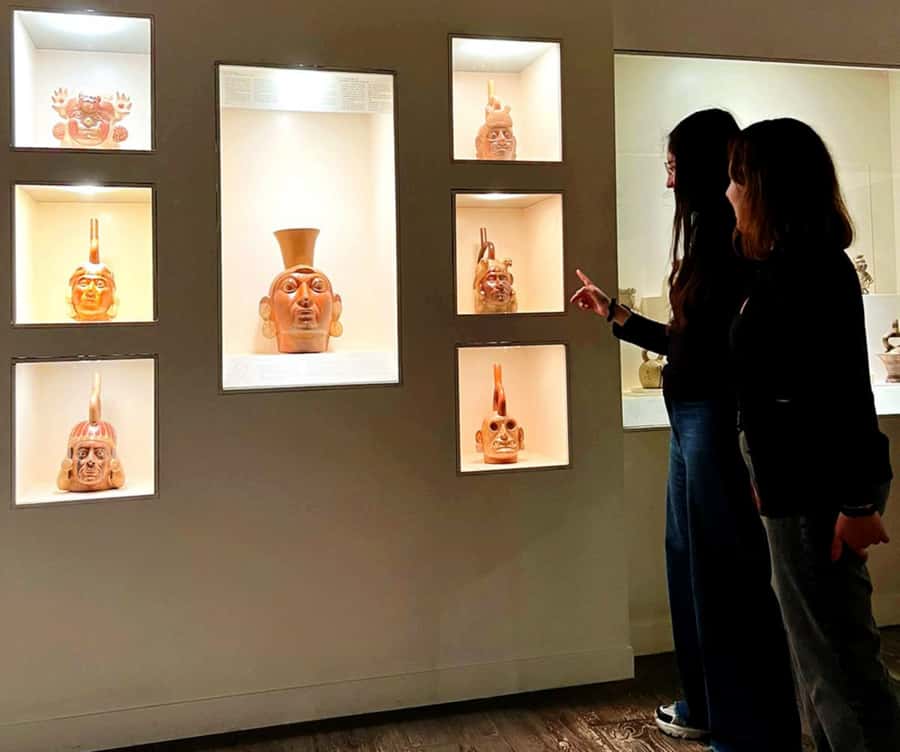
The museum’s thematic rooms also cover music, war, and death. These subjects give the collection a wider reach. You see how ancient Peruvians represented sound, conflict, status, and the end of life through clay.
The music material helps move the museum beyond the usual focus on temples and rulers. Musical objects and musical scenes can offer clues about ceremony and public life. You might find that these pieces make the past feel more human because they connect to familiar activities, even across a great distance in time.
The war displays add another layer. Art can show how conflict was understood, who held power, and how societies represented enemies or warriors. The guide’s interpretation is important because a scene may not be self-explanatory to a modern viewer.
The section on death brings the themes together. In the Andean worldview presented here, death was not treated as an isolated subject. It connected to ritual, offerings, ancestors, and the wider order of life. The tour is at its best when it links these topics instead of treating every gallery as a separate lesson.
The fertility room is a memorable final stop
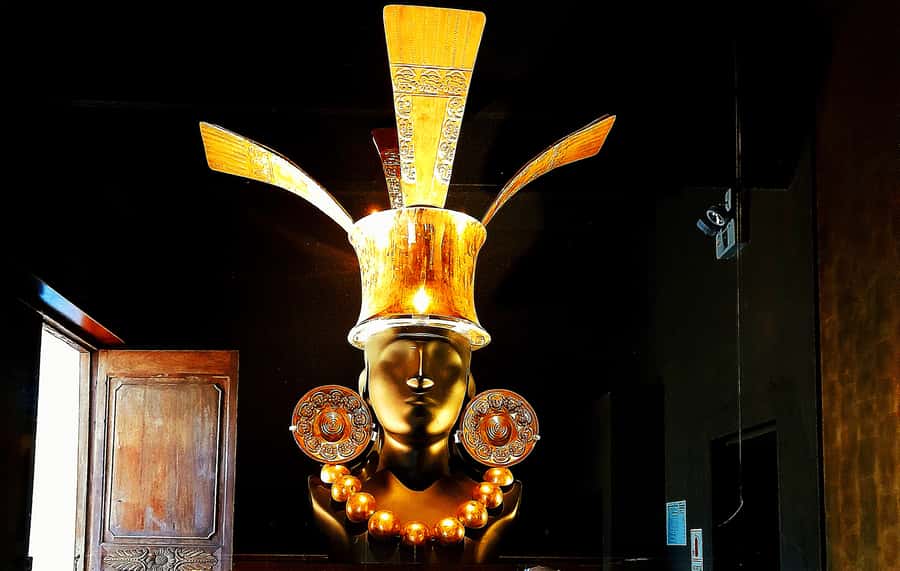
The visit ends with the fertility room, one of the museum’s most distinctive spaces. Its imagery is direct and can be surprising, but it is not included simply for shock value. It gives you a chance to consider how fertility, reproduction, the body, and the continuation of life were represented in ancient Peru.
For some people, this will be the museum’s most memorable room. For others, the frank imagery may feel uncomfortable. You should know that before booking, particularly if you prefer museums that avoid explicit subjects.
I like the placement of this room near the end because it ties together several earlier themes: life, death, ritual, and the human body. The guide can help you understand the objects within their cultural setting rather than leaving you with a modern reaction alone.
This is also a good example of why Larco is more than a quick photo stop. The museum asks you to think about how different cultures express major human concerns. The fertility display may not be for everyone, but it is a genuine part of the museum’s character.
What the guide adds to the two-hour visit
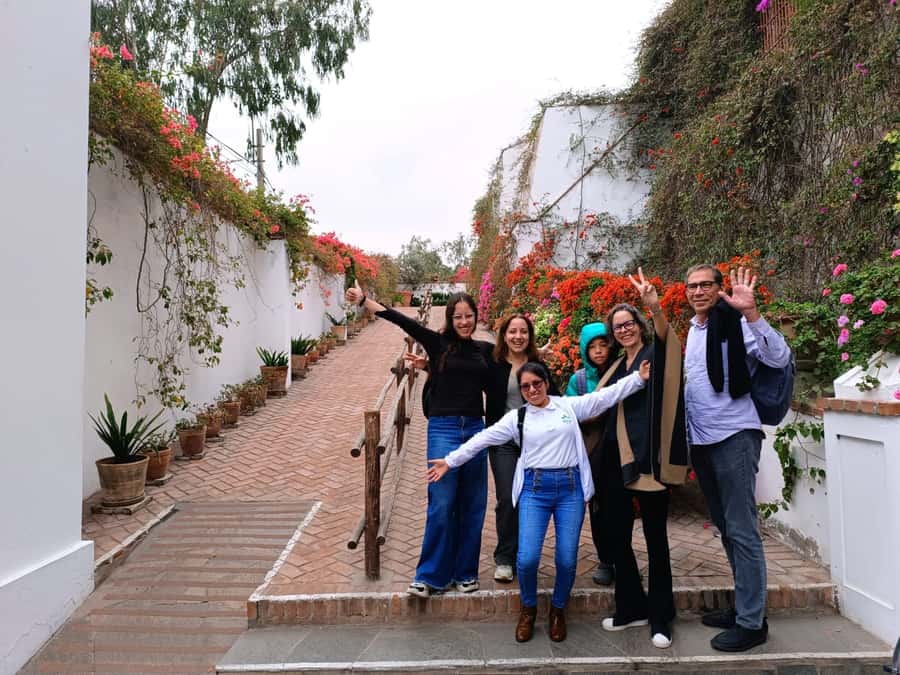
A museum this large can easily become tiring without a clear route. The bilingual guide, available in English or Spanish, keeps the visit moving and selects the main areas for the group.
The strongest praise in the available feedback centers on guides, especially Pamela. She is described as enthusiastic, patient, and skilled at storytelling. One particularly useful point is that the guide begins helping you understand the visit before reaching the museum, rather than waiting until everyone is standing in front of the first display.
That early context matters. You arrive with a basic idea of what you are about to see, so the objects do not feel disconnected. You can also ask questions as you go instead of trying to remember everything for the end.
The group size is limited to 10 people. A smaller group usually makes it easier to hear explanations and ask about a particular object. It is not a private tour, so the pace still follows the group, but it should feel more personal than a large coach excursion.
The guide and driver are separate roles, which is useful in Lima. One person can focus on interpretation while the other handles transport. The included bottle of water is a small convenience during a three-hour outing.
Is $54 a fair price?
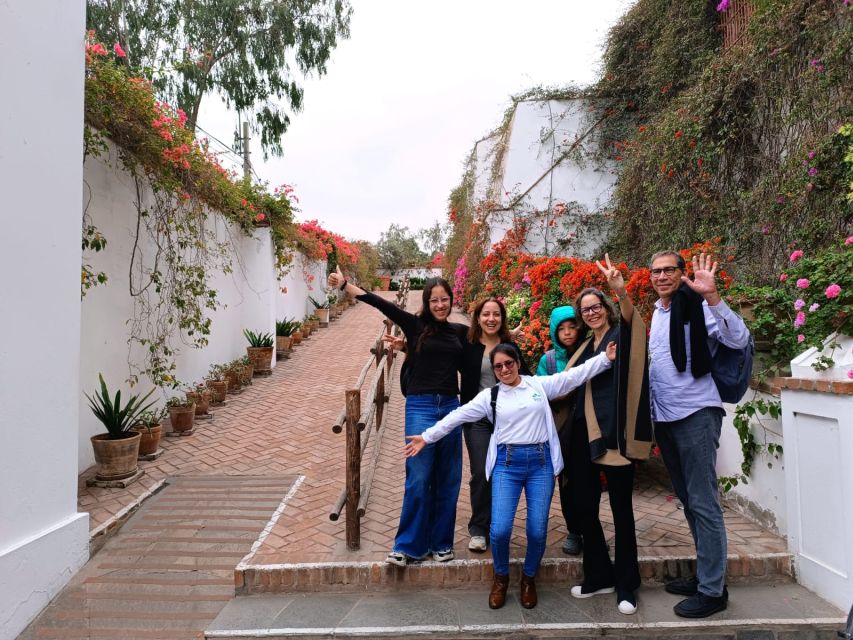
The cost is $54 per person. That is more than the price of admission alone, but the comparison is not quite ticket versus ticket. The price also includes hotel pickup and return in the three covered districts, a professional driver, a bilingual guide, a small group, and a bottle of water.
I see the value most clearly if you are staying in Miraflores, Barranco, or San Isidro and want a simple half-day plan. Transport in Lima can take time and attention, so having the ride organized is useful. You are paying for interpretation and convenience as much as for entry.
The value is less clear if you already have easy transport, prefer to explore museums alone, or want to spend several hours studying every case. The guided visit lasts around two hours, with about 15 minutes for shopping, so independent visitors may prefer a longer self-paced stay.
Meals are not included. The tour returns you to your hotel, or you can choose a restaurant or another location in Miraflores, Barranco, or San Isidro. That flexibility can help you pair the museum with lunch, but any meal is your own expense.
Returning to your hotel or choosing a restaurant stop
After the museum and shopping time, the van returns you to one of the three covered districts. You can go back to your hotel or request a restaurant or another location in Miraflores, Barranco, or San Isidro.
This is a practical finish because the museum visit lands neatly in a three-hour block. You can use the rest of the day for lunch, a walk, or another Lima activity without arranging another transfer.
Keep your chosen drop-off area in mind when planning. The included return applies to Miraflores, Barranco, and San Isidro, just as the included pickup does. If you are staying in another district, ask about the small additional fee for transport before making your plans.
Who will get the most from this tour?
I would recommend this outing to a first-time Lima visitor who wants ancient Peru explained in plain language. It also suits anyone who likes archaeology but prefers a guided route through a large collection instead of choosing objects at random.
The tour works well for couples, families with older children, and small groups who want shared transport. The fertility and sacrifice displays may call for some maturity, so consider your group before booking.
It is also a good choice if you have only a few days in Lima. The collection gives you a broad view of ancient Peruvian cultures, and the guide helps you understand themes that may appear again at archaeological sites elsewhere in the country.
You may prefer a ticket without a tour if you already know the subject, want to photograph or study objects at your own pace, or hope to spend most of the day in the museum. The three-hour format is focused and convenient, not leisurely.
Practical details before you reserve
The activity is wheelchair accessible, according to the supplied details. It operates in English or Spanish, and the group is limited to 10 people.
Free cancellation is available up to 24 hours before the scheduled activity for a full refund. You can also reserve now and pay later, which helps if your Lima plans are still changing.
Check your pickup district carefully. Included hotel service covers San Isidro, Miraflores, and Barranco. If you stay elsewhere, the operator can arrange pickup and return for a small extra fee.
Allow for the full three hours, including the two van rides. The listed driving time is about 25 minutes each way, with around two hours at the museum and 15 minutes for shopping.
Should you book the Larco Museum tour?
Book it if you want a well-organized introduction to ancient Peru, value hotel transport, and like having a guide explain difficult subjects such as sacrifice, death, and fertility. The collection is large, the themes are distinctive, and the small group keeps the visit manageable.
I would be especially comfortable recommending it to visitors staying in Miraflores, Barranco, or San Isidro, since the included pickup and return make the $54 price easier to justify. Pamela’s praised storytelling and patient answers are another reason to choose the guided option.
Skip it if you want a long, quiet museum session or already have a strong background in ancient Peruvian cultures. For everyone else, this is a practical three-hour way to see one of Lima’s major museums and leave with a clearer sense of how ancient Andean societies understood ritual, art, life, and death.
FAQ
Where does the tour pick me up?
Pickup is included from accommodations in Miraflores, Barranco, and San Isidro. Pickup from another district can be arranged for a small extra fee.
Where can I be dropped off after the museum visit?
Included drop-off is available in Miraflores, Barranco, and San Isidro. You can return to your hotel or choose a restaurant or another location in one of those districts.
How long does the activity last?
The full activity lasts three hours. The van ride takes about 25 minutes each way, and the museum visit lasts around two hours, followed by about 15 minutes of shopping.
What languages are available?
The live tour guide operates in English or Spanish.
What does the price include?
The $54 price includes museum admission, hotel pickup and drop-off in the covered districts, a bilingual guide, a professional driver, and a bottle of water.
Are meals included?
No. Meals are not included in the activity price.
How large is the group?
The tour is a small-group activity limited to 10 participants.
Is the museum tour wheelchair accessible?
Yes. The activity is listed as wheelchair accessible.
Can I cancel the booking?
You can cancel up to 24 hours in advance for a full refund. Reserve now and pay later is also available.
More museums and ruins in Lima
- Lima: Pachacamac Inca Archaeological Complex Tour
★ 4.8 · 164 reviews - Lima Bike Tour Miraflores – Barranco + Huaca Pucllana!
★ 4.5 · 137 reviews - Lima:Half-Day Pachacamac, Barranco & Chorrillos Private Tour
★ 4.8 · 76 reviews - Caral, Oldest Civilization of America: Private Day trip from Lima
★ 4.5 · 72 reviews
Just added around Lima
- LIMA WALKING TOUR CATACOMBS FROM MIRAFLORES, HISTORICAL CENTER, WINES+BUS★ 4.8 · 8 reviews
- Lima: Street Food Tasting Tour with Pisco Sour Class★ 5.0 · 3 reviews
- Lima: Lunuhuaná Extreme All In + Cerro Azul + Rafting + ATV + Canopy★ 4.4 · 3 reviews
- Lima Street Food: A gastronomic adventure through the city.★ 4.5 · 42 reviews
- Lima: Spiritual Healing with Xanga – The Smokeable Ayahuasca★ 5.0 · 8 reviews
- Lima: Surf Class with Equipment and Instructor★ 4.9 · 10 reviews
- Lima: Shanty Town Exploration★ 5.0 · 3 reviews
- Lima: Shore excursion from the Port of Callao for Cruises★ 4.3 · 10 reviews
Museums & Inca Ruins, compared.
Half-Day City Tour with Sacsayhuaman and Q’enco
Read our review →
City Tour Cusco Qoricancha Sacsayhuaman y Tambomachay
Read our review →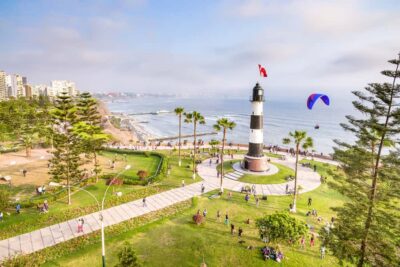
The Charm of Barranco & Pre Inca Pyramid in Miraflores
Read our review →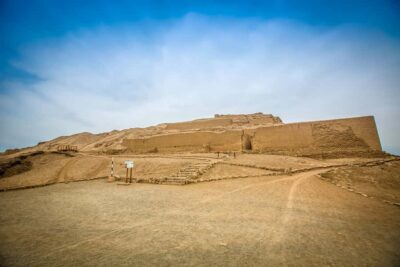
Pachacamac Ruins & Barranco Half-Day Guided Tour
Read our review →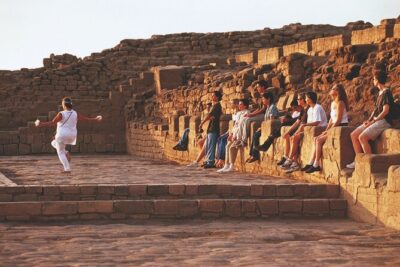
Pre Inca Temple of Pachacamac Half-Day Tour from Lima
Read our review →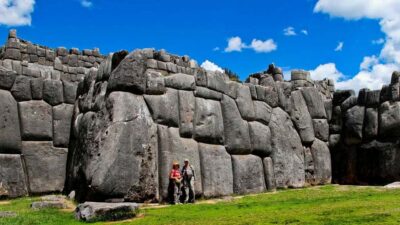
City Tour | Half-Day Tour to 4 Archaeological Sites
Read our review →
City Tour in Cusco & visit Museum South American Camelid Private.
Read our review →Browse the lists this tour appears in