
Reviewed · MUSEUMS & INCA RUINS
From Trujillo: Complete full day tour with museums
Trujillo’s best cultural sights fit into one long, well-planned day here, from Moche workshops and the Huacas of the Sun and Moon to the vast adobe citadels of Chan Chan and Huanchaco’s reed fishing boats. I like the way the tour links ancient Mochica life with crafts and fishing traditions that still matter today.
I also like that the $45 price includes transport, a guide, and entrance tickets, so you are not piecing together several local rides and admissions. The main consideration is the pace: this is a full day ending around 6:00 pm, and the published language is Spanish, though Alejandro has provided fluent English guiding and Mariza has worked as an English translator on another departure.
Key points to know before you book
- Moche countryside first: See local ceramics, leather work, wood and stone carving, basketry, and food traditions before reaching the main archaeological sites.
- The Huacas of the Sun and Moon: Visit a major Mochica ceremonial center dating from the first century B.C. through the ninth century.
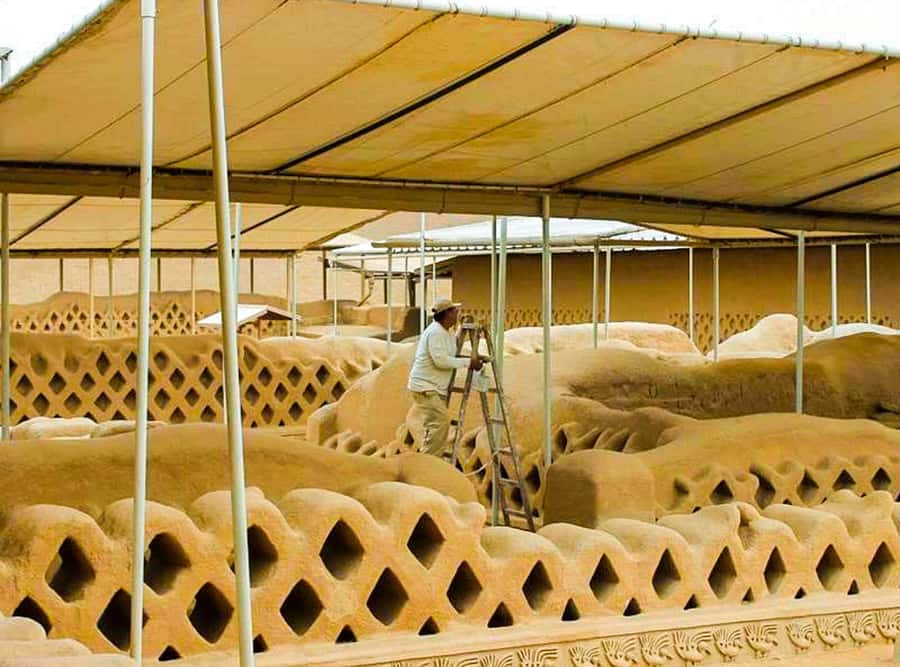
- Chan Chan’s nine citadels: Explore the former Chimu capital, with monumental adobe compounds and tightly controlled entrances.
- Huanchaco’s caballitos: See the traditional reed boats still used by local fishermen.
- A full-day cultural route: The tour begins at 9:30 am and finishes at about 6:00 pm, with lunch time built into the schedule.
- Spanish-led service: Tourist transport, a bilingual guide, and tickets are included, but confirm the guiding language you need before booking.
Why this route gives you a better feel for Trujillo
Many city tours give you one archaeological site and a quick photo stop. This one makes a stronger connection between the old cultures of the Trujillo area and the people who live there now.
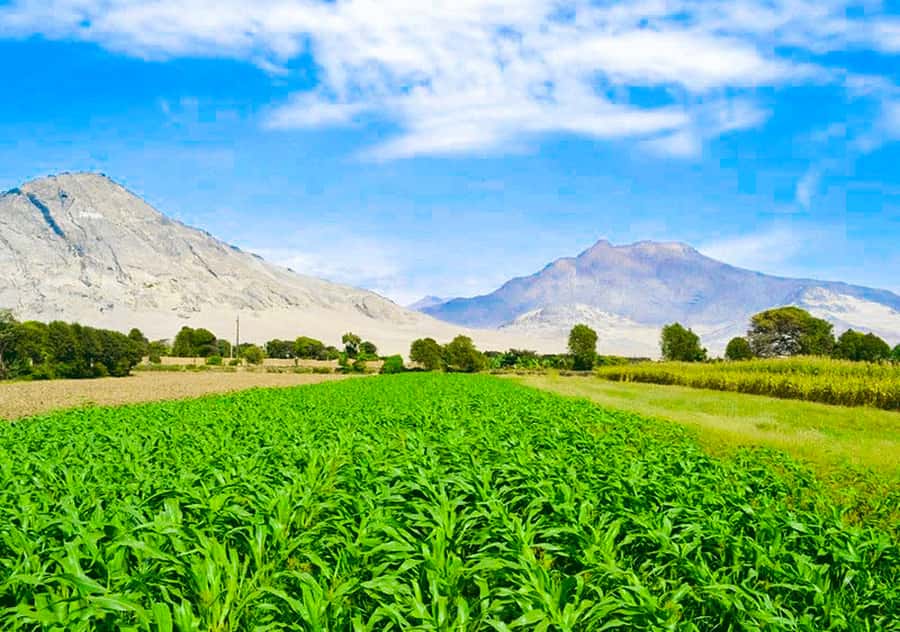
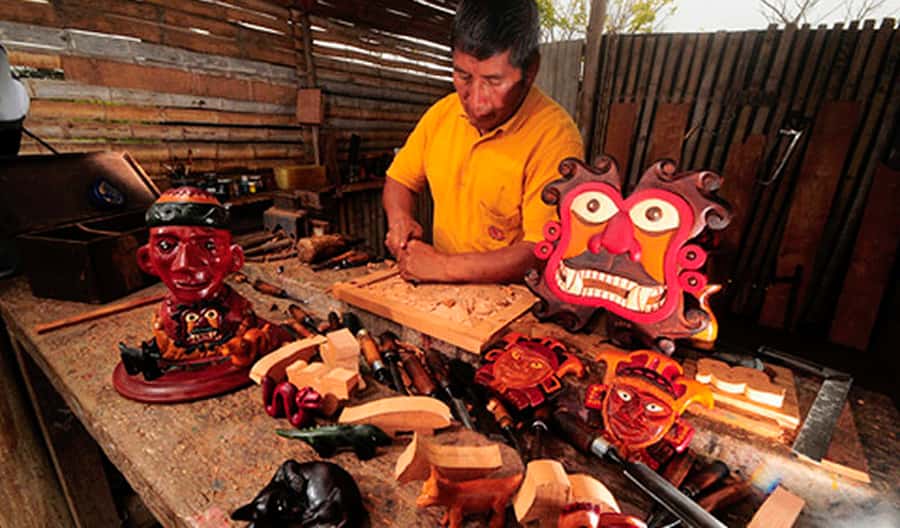
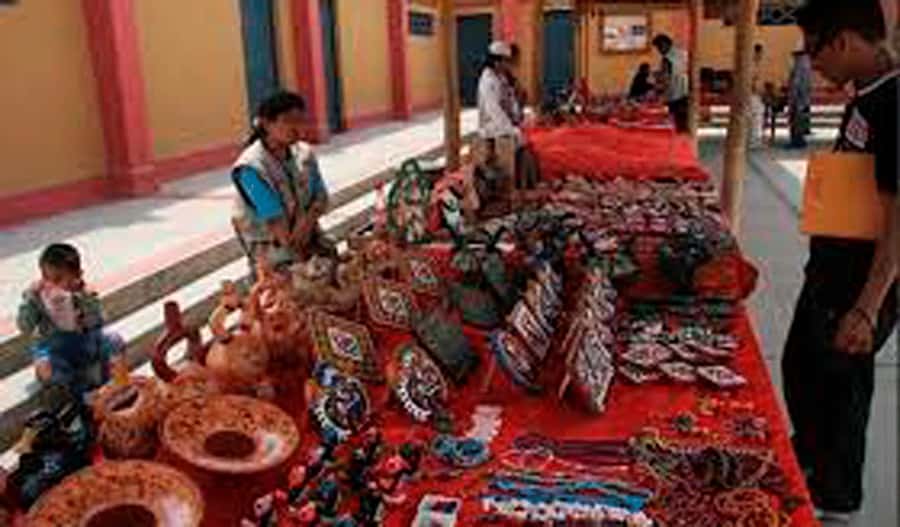
You begin in the Moche countryside, where the focus is not only on ruins. The tour introduces local making traditions, including pottery, leather work, wood and stone carving, and basketry. That matters because it gives you something human to look at before you spend hours studying walls and ceremonial platforms.
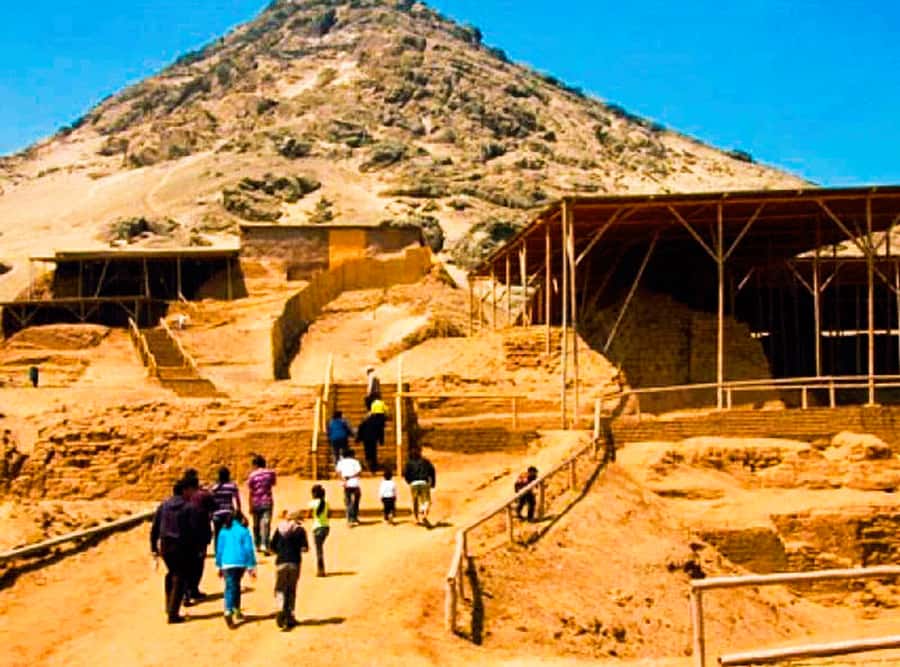
The route then moves through three very different settings. The Huacas of the Sun and Moon show the religious center of the Mochica world. Chan Chan presents a later, much larger adobe capital made up of nine citadels or palaces. Huanchaco brings the story back to the coast, where reed boats called caballitos remain tied to fishing culture.
I like this progression. You are not simply checking off famous places. You see craft, ceremony, urban power, and daily work in one day.
The tradeoff is that the schedule is long. The first stop begins at 9:30 am, and the tour ends at 6:00 pm. If you prefer slow visits with lots of free time, this may feel brisk. If you have only one day for Trujillo’s main cultural sights, the packed schedule is useful.
Other ruins and collections around Peru:
- Cusco: Half-Day City Tour with Sacsayhuaman and Q’enco
★ 4.6 · 1,129 reviews - City Tour Cusco Qoricancha Sacsayhuaman y Tambomachay
★ 4.7 · 617 reviews - Lima: The Charm of Barranco & Pre Inca Pyramid in Miraflores
★ 4.9 · 322 reviews
Moche countryside: crafts, food, and everyday traditions
The first part of the day takes you into the Moche countryside. Here you get a look at the way of life of the Mocheros, with attention to practical skills and local food.
The craft element is especially useful for setting up the rest of the day. Ceramics connect naturally with the artistic traditions associated with the Mochica culture. Leather work, carved wood, carved stone, and basketry show that local identity is not confined to archaeological displays.
The information provided for the stop does not promise a formal workshop or a hands-on class, so do not book this expecting to make a pot or weave a basket yourself. Think of it as a cultural introduction, with the guide explaining the work and the place it holds in local life.
The gastronomy component also adds value. Lunch time is scheduled later in the day, but the tour description does not say that a meal is included in the $45 price. You should plan for lunch as a separate expense unless the operator gives you different instructions.
This first stop may be the most personal part of the route. Ruins can show what a culture built. Crafts and food help you think about how people worked, ate, and passed skills from one generation to the next.
The Huacas of the Sun and Moon and the Mochica world
After the countryside, the group visits the Huacas of the Sun and Moon, described as a Mochica sanctuary and a collection of monuments that represented the capital of the Mochica culture from the first century B.C. to the ninth century.
The name can be confusing at first. These are not simply two ordinary hills. They are major ceremonial monuments connected with the Mochica center in the Trujillo area. The visit gives the guide a chance to explain how political and religious power worked in this society.
This is where a good guide matters. The site’s significance is not always obvious if you are only looking at adobe structures and layered walls. A strong explanation can help you understand why the monuments were built, how they fit into the capital, and how the Mochica period fits into the wider story of ancient Peru.
Alejandro is worth mentioning if English is important to you. One departure was led with fluent English storytelling by Alejandro, which made it easier to ask questions and follow the explanation of pre-Inca cultures. Another departure included Mariza as an English translator alongside a Spanish-speaking driver. Since the published activity details identify Spanish as the tour language, confirm who will guide your departure and in which language before you pay.
The Huacas visit is also a good reason to bring your passport or identity card. That document is listed as required, and you should keep it accessible rather than packed deep in your luggage.
Do not expect a quiet, leisurely morning here. The tour has several major stops ahead, so your time at the Huacas will be part of a wider schedule. For a first visit to Trujillo, that is a reasonable compromise. You get important context without spending the whole day at one archaeological complex.
Lunch break: a useful pause, not a guaranteed meal
The schedule includes time for lunch between the Huacas and Chan Chan. This break is important because the tour continues for several more hours, and the final stop is along the coast.
The available details do not state the restaurant, menu, price, or whether lunch is included. The listed inclusions are tourist transport, a bilingual guide, and tickets, so you should treat lunch as not included unless the provider confirms otherwise.
That uncertainty is minor, but it is worth sorting out before departure. A full day of archaeological sites and coastal touring is much easier when you know how much time and money to allow for the meal.
Other full-day trips around Peru:
- From Lima: Paracas and Huacachina Oasis Full Day Guided Tour
★ 4.7 · 1,780 reviews - From Cusco: Full-Day Group Tour of Machu Picchu
★ 4.7 · 1,767 reviews - From Arequipa: Colca Canyon Full-Day Guided Tour with Meals
★ 4.5 · 982 reviews - Machu Picchu: Full-Day Tour from Cusco with Optional Lunch
★ 4.6 · 927 reviews
Chan Chan: nine adobe citadels and a different kind of power
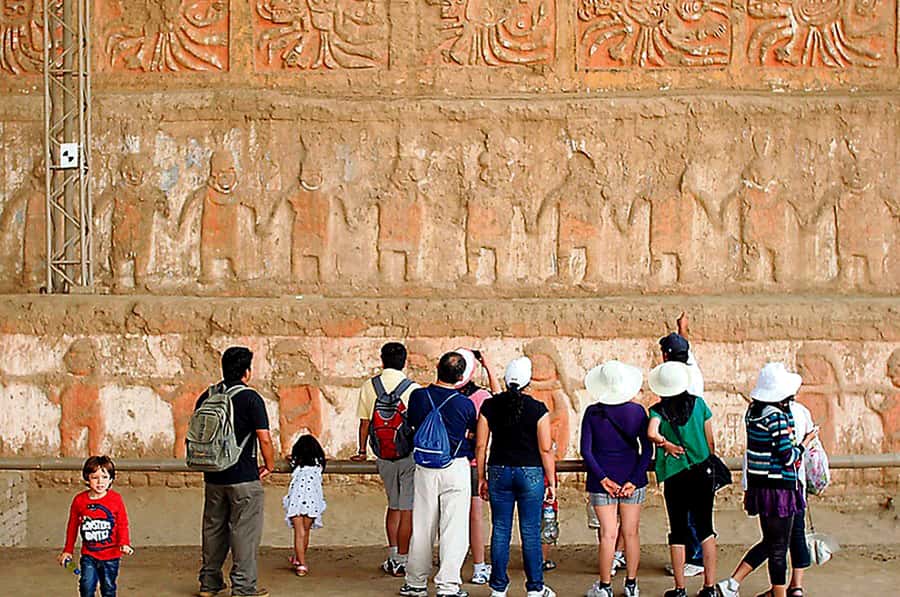
After lunch, the route continues to Chan Chan. The site is formed by nine citadels or palaces, each with similar formal features: a monumental scale, restricted access, and carefully developed architectural forms.
Chan Chan feels different from the Huacas of the Sun and Moon. The earlier stop centers on a Mochica sanctuary. Chan Chan presents an enormous urban and political setting built by the Chimu culture. The buildings, walls, and compounds show how power could be organized through space.
The limited access to each citadel is an especially useful detail. This was not an open village with every area available to everyone. Controlled entrances and large formal compounds point to rank, ceremony, administration, and authority.
You will want your guide to explain what you are seeing instead of simply pointing at decorative walls. The scale can be hard to understand on your own, and repeated adobe forms may begin to blur together without a clear story. Ask about the purpose of the citadel you enter and how it differed from the other palace compounds.
Chan Chan also demands patience. Adobe architecture is visually quieter than stone monuments, and the site’s impact grows as you understand its size and design. If you prefer dramatic mountain scenery, this may not be your favorite stop. If you like archaeology, city planning, and the remains of old capitals, it is one of the day’s strongest sections.
Because the route includes entrance tickets, you do not need to arrange separate admission for each listed archaeological stop. That saves time and removes one small task from a busy day.
Huanchaco and the reed caballitos
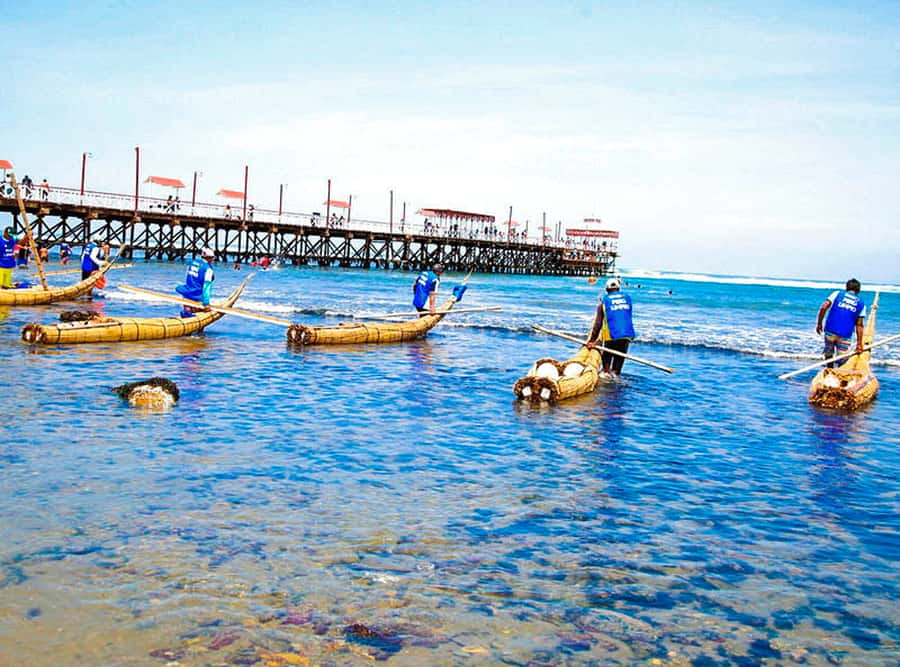
The final major stop is Huanchaco, a traditional fishing cove on the coast. Its importance comes from the continuing link between present-day fishing and older Mochica customs.
The small reed boats called caballitos are the memorable detail here. They remain a main working tool for local fishermen, rather than existing only as a symbol for visitors. That gives the stop a practical edge. You are seeing a working tradition, not just an object behind glass.
Huanchaco also changes the mood of the day. After the inland countryside and archaeological sites, the coast offers a different setting and a direct connection to fishing life. The tour description does not promise a boat ride or a fishing demonstration, so you should expect to see and learn about the boats rather than take one out yourself.
This stop is a good reason to keep your schedule flexible. The tour ends at about 6:00 pm, and the coastal visit comes late in the day. You may be ready for a rest by then, especially after Chan Chan. Still, Huanchaco gives the route a satisfying finish because it connects the ancient past with a tradition that continues now.
What the $45 price really covers
At $45 per person, this tour offers solid value if you want the main Trujillo-area cultural sights handled in one day. Transport, a bilingual guide, and entrance tickets are included. Those three items are useful because arranging separate rides to the countryside, Huacas, Chan Chan, and Huanchaco would take time and could cost more once admissions are added.
The price does not appear to include lunch. The tour includes a lunch break, but food is not listed among the included services. Keep that cost separate.
The value also depends on your language needs. The activity information lists Spanish, while the service is described as bilingual and past departures have included English support. Alejandro provided fluent English storytelling on one occasion, and Mariza served as an English translator on another. Ask for confirmation before booking if you need full English guidance rather than occasional translation.
You are also paying for convenience and coverage, not a private, slow-paced visit. The route reaches four distinct cultural settings in about eight and a half hours. That is efficient, but you should not expect unlimited time at every stop.
Timing, pickup, and practical preparation
The stated departure time is 9:30 am, with availability shown during booking. Pickup is included, and you should wait in your hotel lobby 10 minutes before the scheduled pickup time.
Bring a passport or identity card. Alcohol and drugs are not allowed, and pets are not permitted.
The tour is not considered suitable for people with recent surgeries, people over 70, or pregnant women. These limits are important because the day involves several archaeological and outdoor stops, although the supplied details do not give a precise walking distance or surface condition.
Free cancellation is available up to 24 hours before departure for a full refund. You can also reserve now and pay later, which helps if your Trujillo plans are still shifting.
The provider is Chullos Travel Peru. The tour has received a perfect rating from five submitted experiences, with particular praise for clear communication, storytelling, translation, and the chance to ask detailed questions. That small number is not enough to predict every departure, but it does point to the guide relationship as one of the tour’s strongest features.
Who should choose this Trujillo day tour?
I would choose this tour if you have one open day and want a broad introduction to the cultures around Trujillo. It suits you especially well if you want archaeological sites explained in context rather than visited on your own.
It is also a good match if you like variety. The day moves from crafts and food traditions to ceremonial monuments, adobe palaces, and coastal fishing boats. You get more than one kind of cultural experience.
You may want another arrangement if you need a confirmed English-only guide, a private schedule, or a slow visit with long breaks. The published language is Spanish, and the full route is tightly timed. Confirm the language and guide assignment before booking.
Should you book it?
Book this tour if you want the most important Trujillo-area cultural stops covered efficiently for $45, with transport and entrance tickets already arranged. The combination of the Moche countryside, Huacas of the Sun and Moon, Chan Chan, and Huanchaco gives you a clear sense of how ancient culture, city power, craft, and fishing connect.
Skip it if you dislike full days, need guaranteed English at every stop, or want a dedicated museum visit that is clearly named in the schedule. Otherwise, this is a practical first-day choice, especially when Alejandro or an English translator such as Mariza is assigned to your departure.
FAQ
How much does the tour cost?
The tour costs $45 per person.
How long does the tour last?
It is a full-day experience, beginning at about 9:30 am and ending around 6:00 pm.
What places does the tour visit?
The route includes the Moche countryside, the Huacas of the Sun and Moon, Chan Chan, and Huanchaco.
Is hotel pickup included?
Yes. Pickup is included, and you should wait in your hotel lobby 10 minutes before the scheduled pickup time.
What language is the tour conducted in?
The listed tour language is Spanish. A bilingual guide is included, and English support has been provided by guides such as Alejandro and translator Mariza on past departures. Confirm the language for your date before booking.
Are entrance tickets included?
Yes. Tickets are included in the tour price.
Is lunch included?
Lunch time is included in the schedule, but lunch is not listed among the included services. Confirm with the provider if you need exact meal details.
What should I bring?
Bring your passport or identity card.
Can I cancel the booking?
Yes. You can cancel up to 24 hours in advance for a full refund.
Who should not take this tour?
The activity is not suitable for people with recent surgeries, people over 70 years, or pregnant women. Alcohol, drugs, and pets are not allowed.
Just added around Peru
- Lima: Palomino Islands Speedboat Tour & Swim with Sea Lions★ 4.8 · 33 reviews
- Tambopata Rainforest Night Walk & River Exploration★ 4.4 · 6 reviews
- Tambopata: Multi-Day Amazon Rainforest Tour with Local Guide★ 4.8 · 11 reviews
- Super Sacred Valley with Transfer to Ollantaytambo★ 3.1 · 4 reviews
- From Cusco: South Valley Villages and Archaeology Tour★ 5.0 · 3 reviews
- Tambopata Macaw Clay Lick 3 days/2 nights★ 4.1 · 5 reviews
- Sun island and Copacabana | From Puno or La Paz / Day Trip★ 4.1 · 5 reviews
- SOUTH VALLEY CUSCO★ 4.1 · 56 reviews
Museums & Inca Ruins, compared.
Half-Day City Tour with Sacsayhuaman and Q’enco
Read our review →
City Tour Cusco Qoricancha Sacsayhuaman y Tambomachay
Read our review →
The Charm of Barranco & Pre Inca Pyramid in Miraflores
Read our review →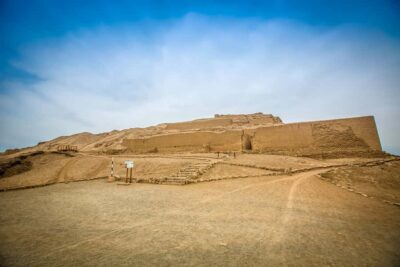
Pachacamac Ruins & Barranco Half-Day Guided Tour
Read our review →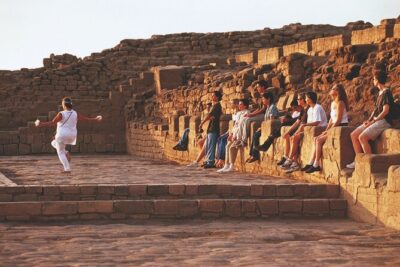
Pre Inca Temple of Pachacamac Half-Day Tour from Lima
Read our review →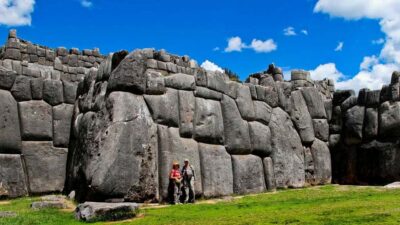
City Tour | Half-Day Tour to 4 Archaeological Sites
Read our review →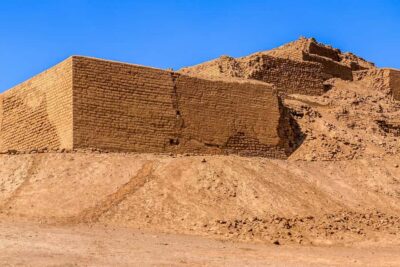
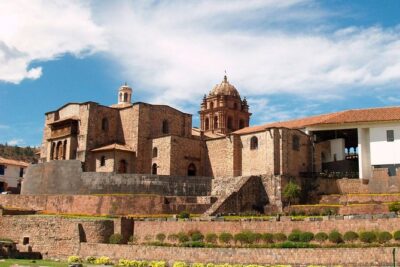
City Tour in Cusco & visit Museum South American Camelid Private.
Read our review →Browse the lists this tour appears in