
Reviewed · MUSEUMS & INCA RUINS
From Cusco: Inka Suspension Bridge Qeswachaca – Qeswachaka
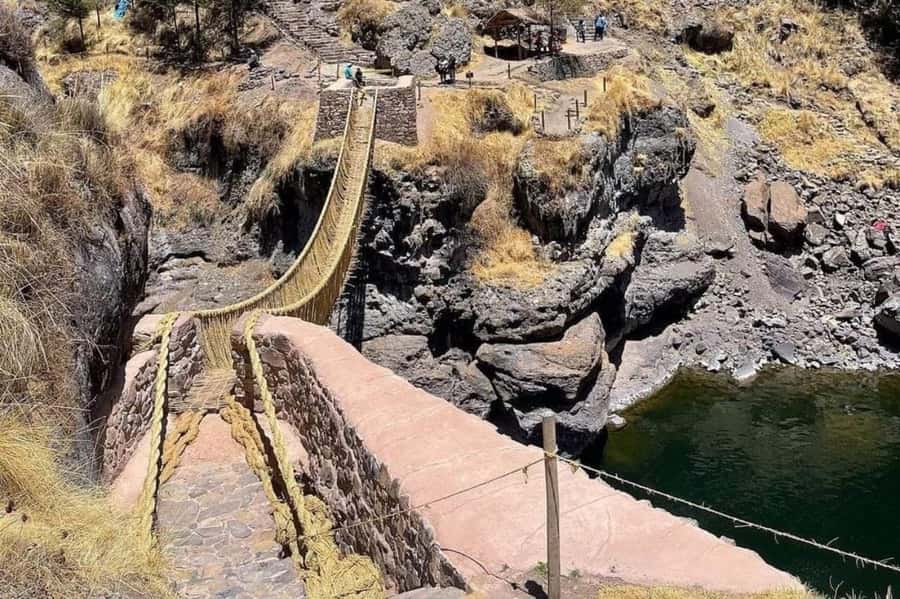
The Qeswachaka rope bridge is the reason to take this long day from Cusco. Made from ichu grass and rebuilt each year by four local communities, it sways above the Apurimac River in a way that feels both thrilling and wonderfully old-fashioned. I like the bridge itself, and I like the chance to see a quieter part of the Cusco Region, far from the usual Sacred Valley circuit.
I also like the lake stops and the comparison with Checacupe Bridge, which helps you see how different bridge-building traditions developed in the same broad region. The catch is the long bus day: expect roughly 12 hours, with much of it spent on the road and long gaps between meals and sightseeing.
Key points to know before you book
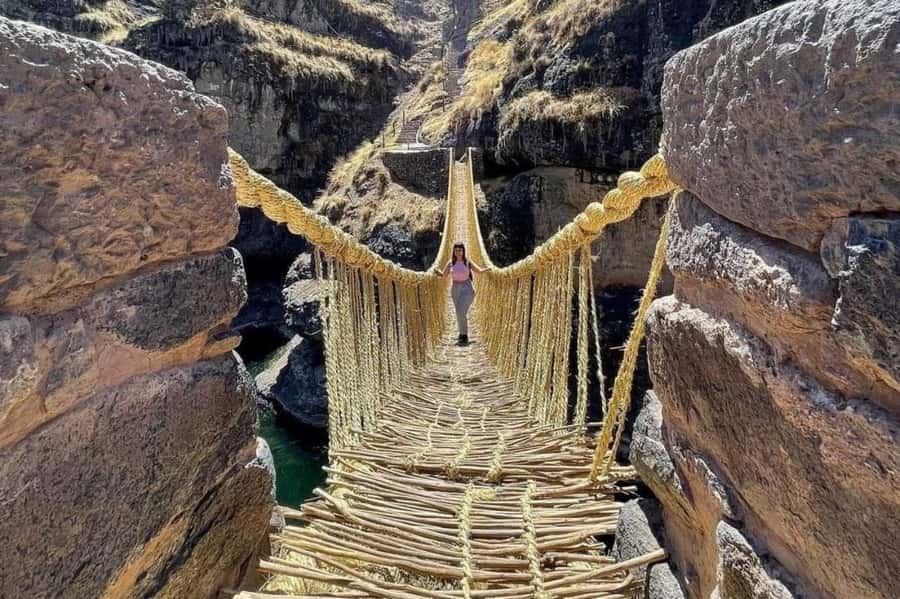
- The rope bridge is the main event: Qeswachaka is handwoven from ichu and maintained every year by four surrounding communities.
- Four Andean lakes may be included: Pomacanchi, Acopia, Asnaqocha, and Pampamarca, or Tungasuca, depending on the route and timing.
- The day starts very early: Hotel pickup is scheduled between 4:30 AM and 5:10 AM, with return near Plaza de Armas at about 5:00 PM.
- The bridge crossing requires a short walk: The approach is not suitable for wheelchair users, and the bridge itself is high and wobbly.
- Meals are included, but the timing can be awkward: Breakfast and lunch are provided, yet there may be many hours between them.
- Extra charges apply: The bridge ticket is S/20, and the Pabellones Volcano stop costs S/2.
Why Qeswachaka is worth the long ride
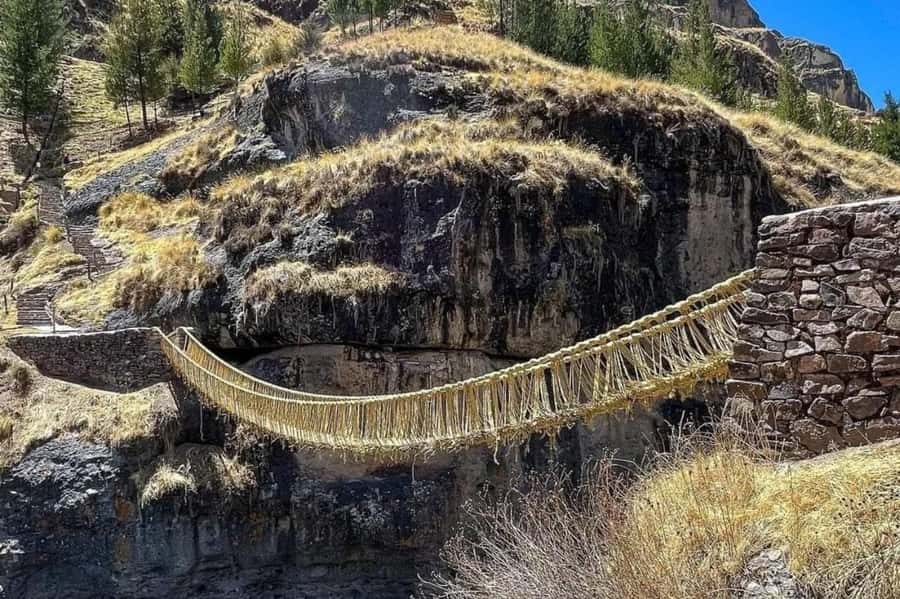
Many day trips from Cusco focus on famous ruins, but Qeswachaka offers something different: a living Andean craft that is still maintained as part of community life. The bridge is not just an old relic with a sign beside it. Local residents rebuild and care for it each year using plant fiber.
That yearly work gives the visit its meaning. You see a practical tradition that has survived because people still value it, not because it has been preserved only for display. The bridge is also a striking sight. It hangs over the Apurimac River, and the surrounding open country makes the crossing feel more dramatic than its simple grass construction might suggest.
The route also gives you a look at highland Peru beyond Cusco’s immediate surroundings. The lakes provide calm photo stops, while the river gorge and bridge bring the day’s biggest visual moment. You will not spend the whole day sightseeing, though. The distances are substantial, and the road journey is part of the experience.
At $47 per person, the price is fair if you want the bridge and appreciate having transport, a bilingual guide, breakfast, lunch, first aid supplies, and oxygen arranged for you. It is less attractive if you expect a tightly packed sightseeing program with frequent stops. You are paying partly for access to a remote site and partly for the long round-trip transport.
Other ruins and collections around Peru:
- Cusco: Half-Day City Tour with Sacsayhuaman and Q’enco
★ 4.6 · 1,129 reviews - City Tour Cusco Qoricancha Sacsayhuaman y Tambomachay
★ 4.7 · 617 reviews - Lima: The Charm of Barranco & Pre Inca Pyramid in Miraflores
★ 4.9 · 322 reviews
Leaving Cusco before sunrise
Pickup takes place from your hotel between 4:30 AM and 5:10 AM. You should wait in the hotel lobby 10 minutes before your assigned time, but keep your phone nearby because one pickup arrived about an hour earlier than expected on one departure.
The operator did return for that passenger at the scheduled time, but the episode gives you a useful warning: be ready early. At this hour, the streets of Cusco are quiet, and you will want to have water, warm clothing, and anything you need for a full day already packed.
The first major stretch of driving takes about two hours. That is a lot of road time before the main attraction, so this tour suits you best if you can tolerate early starts and long rides without needing constant activity.
A bilingual English and Spanish guide is included. English service may vary by guide. One guide named Roland was praised for explaining the bridge, the Inca construction method, the Andes, climate, lakes, plants, and animals, and for answering questions carefully. Another English-language departure had a guide who spoke only Spanish, despite the booking being made in English. If detailed English explanation matters to you, confirm the language before departure.
Pomacanchi and the highland lake route
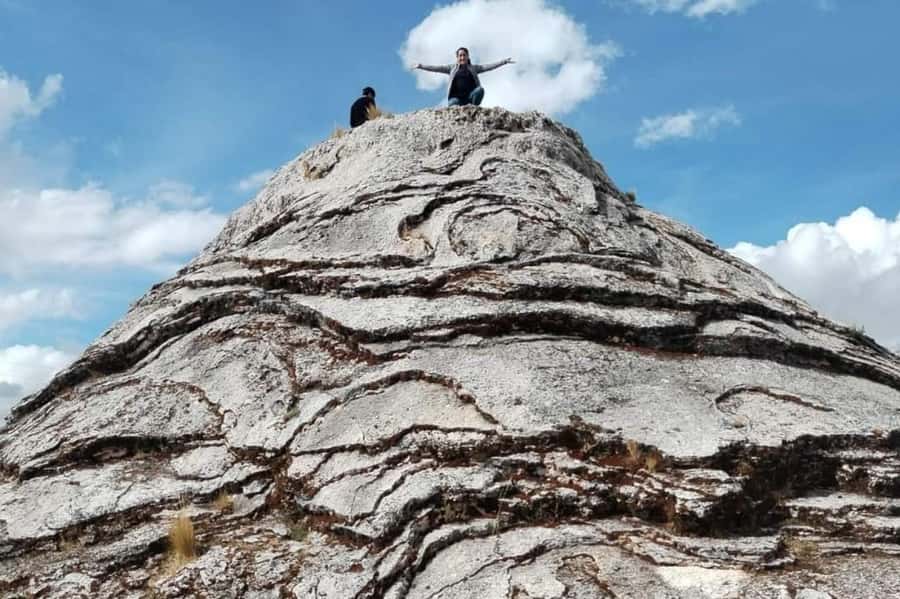
Pomacanchi is usually the first named lake stop, with about 25 minutes for photographs. The water and open mountain setting offer a peaceful break after the early drive. This is a short stop, so think of it as a chance to stretch, take pictures, and enjoy the view rather than a full nature visit.
The route description also includes Acopia, Asnaqocha, and Pampamarca, or Tungasuca Lake. The exact pattern can vary, and the formal stop information identifies Pomacanchi most clearly. You should not assume you will have a long walk or extended time at every lake.
These stops are valuable because they give context to the region. Qeswachaka is not an isolated bridge dropped into a single attraction site. It belongs to a wider highland setting of water, farms, communities, and long roads. Still, the lakes are supporting acts. If you are booking mainly for the scenery, you may find the stop times brief.
The lake portion is also where the day can feel slow. The views are pleasant, but the vehicle may spend a long time connecting one stop to the next. Bring a snack even though breakfast and lunch are included, since the distance between meals can be considerable.
Pabellones Volcano: a brief stop with modest rewards
Near Yanaoca, the route stops at the small Pabellones Volcano. The admission fee is S/2, separate from the tour price. This is a minor feature, not a major volcanic excursion.
I would treat the volcano as an optional curiosity rather than a reason to choose the tour. One account found the stop of little interest, and the extra charge may not feel worthwhile if you are already watching your budget. It can break up the drive and add another highland sight, but it does not match the importance of Qeswachaka.
This is a good place to keep your expectations in check. The tour includes several names that sound like major attractions, but the bridge is the one with real weight and emotional impact. The volcano and some lake stops fill out the day rather than carrying it.
Same base, a completely different day:
- Cusco: Humantay Lake Tour with Breakfast and Buffet Lunch
★ 4.9 · 2,976 reviews - From Cusco: Sacred Valley & Maras Salt Mines Tour with Lunch
★ 4.8 · 2,227 reviews - From Cusco: Moray, Maras Salt Mines & Chinchero Weavers Tour
★ 4.8 · 1,925 reviews - From Lima: Paracas and Huacachina Oasis Full Day Guided Tour
★ 4.7 · 1,780 reviews
Crossing the Qeswachaka bridge over the Apurimac
The approach to the bridge includes a short walk. Once there, your guide should explain how the bridge is made from ichu, a local plant fiber, and how the surrounding four communities renew and maintain it each year.
The bridge itself is high and wobbly. You cross on foot, and the movement is part of the fun, though it can unsettle anyone uneasy with heights. One visitor described the crossing as well worth the nerves. That sounds right: this is not a passive photo stop. You get to test the bridge with your own feet and feel it move as you walk.
The setting above the Apurimac River adds to the effect. From the bridge, you get a clear view of the water and the surrounding countryside. The contrast is memorable: a simple woven structure, built with hand skills passed through generations, stretched across a powerful natural obstacle.
Your guide’s explanation matters here. A good guide can turn the bridge from a quick thrill into a lesson about Inca engineering, community labor, local materials, and the practical needs of the region. Roland, in particular, gave detailed explanations about the bridge’s technique and purpose. English quality is not guaranteed on every departure, so ask about this in advance if you want a full interpretation.
The bridge entry ticket is not included. Set aside S/20 per person. The walk and crossing also mean you should wear stable shoes. The experience is not suitable for wheelchair users, and the route should not be treated as an accessible attraction.
Checacupe Bridge gives you a useful comparison
On the return journey, the group stops at Checacupe to see its Colonial Inca Bridge. This is one of the best additions to the day because it gives you a direct comparison instead of leaving Qeswachaka as an isolated curiosity.
Qeswachaka is a suspended rope bridge made from plant fiber and renewed by local communities. Checacupe lets you look at a different bridge tradition and notice the contrast in materials, structure, and appearance. The visit is less about one more famous sight and more about understanding how transport routes changed over time.
That comparison helps you appreciate Qeswachaka’s unusual character. After seeing a more conventional bridge, the handwoven crossing over the river seems even more remarkable. The stop also provides a final sightseeing break before the long drive back to Cusco.
Meals, bus time, and the practical rhythm of the day
Breakfast and lunch are included, and the food is described as varied and plentiful. That is a real benefit on a 12-hour outing, especially with such an early pickup.
The timing deserves careful attention. One departure had breakfast and lunch about nine hours apart, with long stretches of driving between stops. The advertised schedule places breakfast early and lunch much later, so do not rely on the included meals alone. Carry a snack and water.
Bathroom breaks were not always clearly announced, and one experience involved no proper break for much of the day. You should use facilities whenever the group stops and ask the guide directly about the next opportunity. This is simple advice, but it matters on a remote route with long road sections.
Some departures may also include an optional boat ride near the bridge. An additional fee was charged for that activity, and the ride was described as a pleasant change of viewpoint rather than an essential part of the visit. You can consider it if you want another angle on the bridge, but do not feel that it is required to have a worthwhile day.
The return is scheduled for around 5:00 PM, ending about a block from Plaza Kusipata, near the Plaza de Armas. That central finish is convenient for dinner or an easy walk back to your accommodation.
How the $47 price holds up
The $47 price includes hotel pickup, transport, a bilingual guide, breakfast, lunch, a first aid kit, and oxygen. For a remote destination requiring a full day on the road, that package has sensible value.
You should add the S/20 bridge admission and S/2 volcano ticket. Personal spending is not included, and an optional boat trip may cost extra if offered. The final cost is still reasonable for you if Qeswachaka is a priority and you would otherwise need to arrange transport to a distant rural area.
The value drops if you want a polished, tightly timed day. Much of your time will be spent in the vehicle, and the stops beyond the bridge may feel light. At this price, you are buying convenience and access, not a nonstop program.
Free cancellation is available up to 24 hours before the start for a full refund, and you can reserve while delaying payment. Those terms are useful if your Cusco plans are still moving around, though the early pickup and full-day length remain fixed practical concerns.
Who should book this Qeswachaka day trip?
I would choose this tour if you want a distinctive Andean experience and are willing to trade comfort and time for it. The bridge is unusual, hands-on, and connected to local community work. You also get lakes, a river setting, a volcano stop, and a second bridge for comparison.
It suits you if you enjoy:
- Traditional construction and living local customs
- Remote countryside reached by a long road journey
- Scenic photo stops rather than major archaeological sites
- A little height and movement on the bridge
- Organized transport and meals from Cusco
I would hesitate if you dislike long bus rides, need regular bathroom stops, or expect every stop to be a major attraction. I would also confirm the English guide before paying if you cannot follow Spanish. The day can be excellent with a strong guide, but language problems make the long road time harder to justify.
Should you book it?
Book this trip for Qeswachaka itself, not for the small volcano or the promise of a packed sightseeing schedule. The bridge is the clear payoff: handwoven, maintained each year, suspended above the Apurimac River, and open for you to cross.
If that sounds worth a very early start and many hours in a vehicle, the tour offers a practical way to reach a remote site at a fair price. If you want a shorter or more relaxed day, choose another Cusco excursion. The bridge deserves the effort, but the road to it demands patience.
FAQ
How long is the Qeswachaka tour from Cusco?
The tour lasts about 12 hours. Pickup is scheduled between 4:30 AM and 5:10 AM, and the return is expected around 5:00 PM near Plaza Kusipata.
Where does the tour begin?
Pickup is provided in Cusco hotels. You should wait in your hotel lobby 10 minutes before the scheduled pickup time.
Where does the tour finish?
The tour finishes at Plaza Kusipata, about one block from Cusco’s Plaza de Armas.
What is Qeswachaka made from?
The bridge is handwoven from ichu, a plant fiber. It is renewed and maintained every year by residents of four surrounding communities.
How much is the Qeswachaka entrance fee?
The suspension bridge ticket costs S/20 per person and is not included in the tour price.
Is the Pabellones Volcano ticket included?
No. The small volcano stop costs S/2 per person.
Are meals included?
Yes. Breakfast and lunch are included. The timing can leave a long gap between meals, so carrying a snack is sensible.
Is an English-speaking guide provided?
The tour is offered with English and Spanish guides. English service can vary by departure, so confirm the language if you need detailed explanations in English.
Is the tour suitable for wheelchair users?
No. The experience is listed as unsuitable for wheelchair users, and the bridge visit includes a walk to the crossing.
Can I cancel for a full refund?
Yes. You can cancel up to 24 hours in advance for a full refund. You can also reserve now and pay later.
Just added around Peru
- Machu Picchu: Chinchero, Maras, Moray & Machu Picchu 2 days★ 4.8 · 5 reviews
- From Cusco: Manu National Park Tour & Accommodation 3 Days★ 4.4 · 12 reviews
- From Cusco: Machu Picchu Tour with Hiking Ticket★ 5.0 · 6 reviews
- From Cusco: Moray, Maras, and Salt Mines Half-Day Tour★ 4.7 · 7 reviews
- From Cusco: Machu Picchu Private Day Trip on Panoramic Train★ 5.0 · 6 reviews
- From Cusco: Lake Titicaca, Uros and Amantani by sleeper bus★ 3.7 · 24 reviews
- From Cusco: Hike to Humantay Lake one day With Meals★ 4.5 · 6 reviews
- From Cusco: Humantay Lake with Breakfast and Lunch Buffet★ 3.6 · 3 reviews
Museums & Inca Ruins, compared.
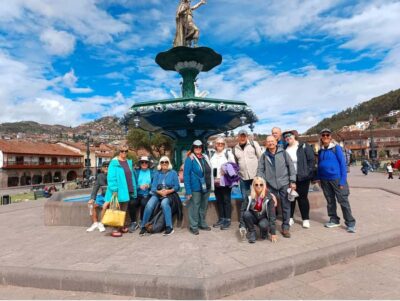
Half-Day City Tour with Sacsayhuaman and Q’enco
Read our review →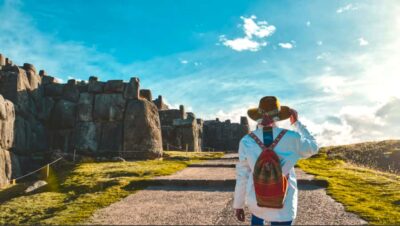
City Tour Cusco Qoricancha Sacsayhuaman y Tambomachay
Read our review →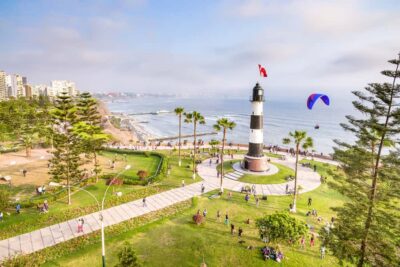
The Charm of Barranco & Pre Inca Pyramid in Miraflores
Read our review →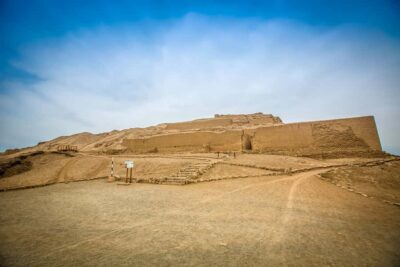
Pachacamac Ruins & Barranco Half-Day Guided Tour
Read our review →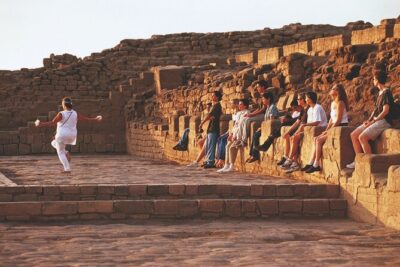
Pre Inca Temple of Pachacamac Half-Day Tour from Lima
Read our review →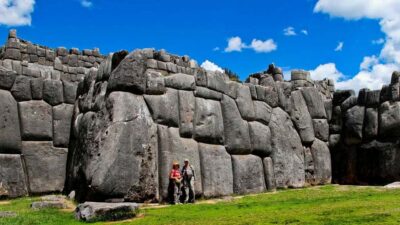
City Tour | Half-Day Tour to 4 Archaeological Sites
Read our review →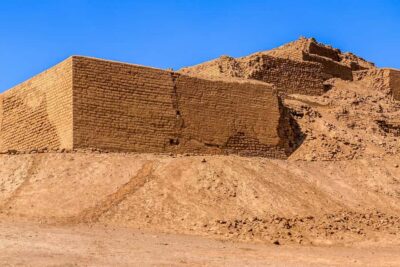
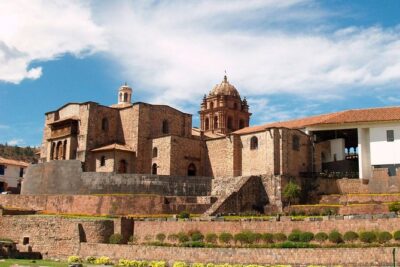
City Tour in Cusco & visit Museum South American Camelid Private.
Read our review →Browse the lists this tour appears in