
Reviewed · HIKING & TREKKING
Arequipa | Ascent to Chachani Volcano 2 days / 1 night
Chachani is not a gentle sightseeing stop. It is a real high-altitude climb, beginning with a 4×4 ride from Arequipa and ending with a pre-dawn push toward the summit. Along the way, you’ll see the pale volcanic stone that gives Arequipa its nickname, The White City, and look across a grand sweep of Peruvian volcanoes.
I like two things here: the small group of up to 10 keeps the outing personal, and the guides focus on helping you reach the mountain rather than dressing it up as a polished tourist show. The $144 price also covers transport, guiding, a tent night, lunch, and breakfast. The main catch is the altitude and the rough schedule. You sleep at 5,200 meters, wake at 2 a.m., and climb in the dark.
Key points to know before booking
- 5,200-meter camp: You sleep in a tent at serious altitude before the summit attempt.
- 2 a.m. start: Breakfast comes before a long, intense climb in the dark.
- Volcanic Arequipa connection: The white stone used in local churches comes from the region’s volcanic geology.
- Small-group support: The group is limited to 10 people, with English and Spanish guiding.
- Simple mountain comforts: Lunch, breakfast, tea, tents, and transport are included, but snacks and trekking equipment are not.
- Strong guide support: The most praised feature is attentive help during the ascent, with no-frills mountain focus.
Why Chachani feels different from an Arequipa day trip
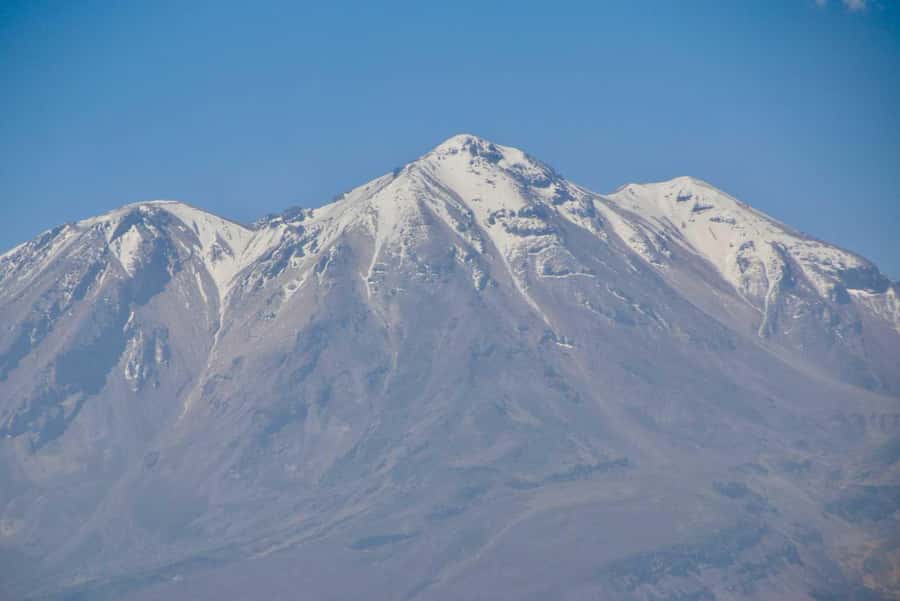
Arequipa is famous for its white volcanic buildings, but Chachani lets you see the source of that identity in a much wilder setting. The same volcanic world that supplied pale stone for churches and courtyards rises above the city as a chain of high peaks.
You are not simply driving up to a viewpoint. The 4×4 takes you to the back of the volcano, then you continue on foot. That distinction matters. The walking section is described as a mountain ascent, not a casual stroll, and the altitude makes every effort count.
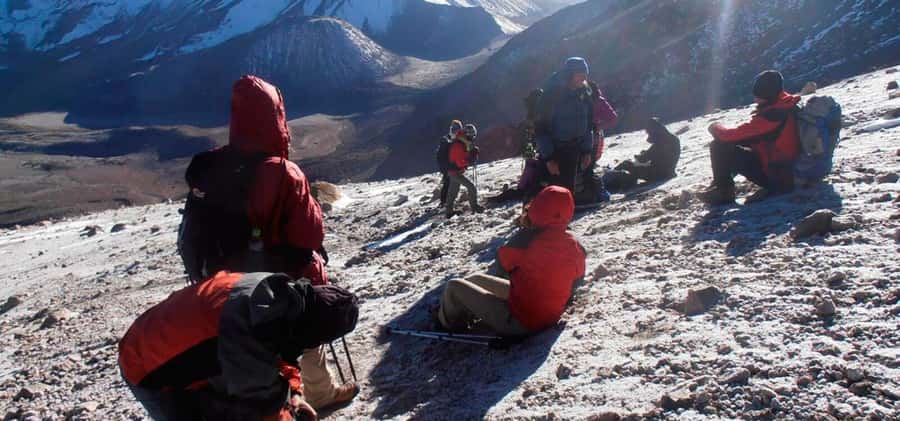
The first two hours are gradual and low in intensity. This gives you time to adjust to the change from Arequipa to the high camp, though it does not make the altitude harmless. Once you reach 5,200 meters, you set up camp, eat, and wait for night.
I like this format because it separates the trip into two different challenges. Day one gets you to the mountain and lets you settle into camp. Day two tests your endurance. You do not have to carry the whole experience in one long push from the city.
The tradeoff is comfort. A tent at 5,200 meters is basic, and the schedule leaves little room for a leisurely evening. You will have tea at night, then sleep early before the 2 a.m. wake-up. If you need a soft bed and a relaxed pace, this is not the right Arequipa excursion.
Other walks into the mountains in Arequipa:
- From Arequipa: Sillar Route Trek
★ 4.2 · 461 reviews - From Arequipa: 2-Day Colca Canyon Trekking Tour
★ 4.8 · 243 reviews - 2 Day 1 Night Trek / Colca Canyon
★ 4.5 · 92 reviews
Leaving Arequipa by 4×4 at 7:30 a.m.
Pickup is available from hotels in Arequipa, with the listed meeting options around the Historical Centre and Plaza de Armas. You should wait in your hotel lobby from 10 minutes before the scheduled time. The drive begins at 7:30 a.m. in a 4×4 vehicle, which is the sensible choice for rough mountain access.
The trip to Pampa Cañahuas takes you toward the back of Chachani, with arrival expected around 10 a.m. The vehicle saves your legs for the climb, but it also signals what kind of outing this is. You are heading into high mountain country, not taking a smooth city transfer to a developed attraction.
At the starting point, the guide gives basic instructions and helps the group prepare. This is when you should check clothing, footwear, water, snacks, and personal medication. The supplied information does not include trekking poles, boots, or backpacks, so you need to arrange those yourself or confirm equipment availability before departure.
A briefing takes place the day before at 6 p.m. Do not treat this as a minor detail. It is your chance to hear the plan, ask about equipment, and make sure you understand the early start and camp routine. If you are booking close to departure, keep that meeting in your schedule.
The two-hour walk to camp at 5,200 meters
The first hike lasts about two hours and follows gradual ascents. It is classed as low intensity, but the altitude changes the meaning of easy. At this height, a modest uphill section can feel slow and demanding.
You will walk rather than scramble through a technical climbing route, and the activity description compares the experience to hiking up a mountain. Still, you need steady footing, warm clothing, and enough energy for the following morning. The first day is not the summit attempt, but it is part of the physical test.
The camp sits at 5,200 meters above sea level. That is the key number to remember when deciding if this experience suits you. A high camp gives you a shorter route on summit morning, yet it also means you spend the night at an altitude that can affect sleep, appetite, and energy.
After arriving, the group sets up tents and eats lunch. The meal is soup and pasta or canned food, so expect practical fuel rather than a restaurant meal. Tea is served at night. Snacks are not included, and you should carry your own supply for the long climb.
One useful lesson comes from the supplied feedback: check how much water is available for cooking and drinking. One participant found the supply short and wished the guides had brought more. That is a good reason to confirm the water plan at the briefing and pack personal snacks. Do not assume that every need will be covered by the included meals.
A short night at a very high camp
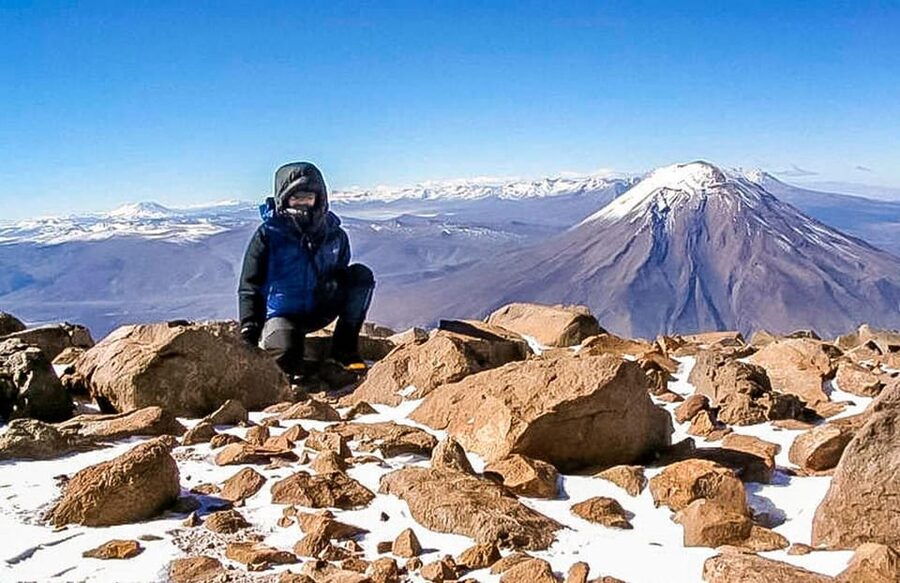
The camp routine is simple. Eat lunch, rest, take in the setting, have tea at night, and sleep before the early alarm. The itinerary also allows time for a break, guided time, free time, and a sunset, but the exact amount of relaxed time will depend on the group and conditions.
The simplicity has value. You are not spending money on a lodge with extras you will not use. The focus stays on the summit attempt. At the same time, tents at 5,200 meters offer little room for error in your packing. A jacket and a change of clothes are specifically required, and you should keep warm layers easy to reach.
Bring personal medication and your passport. Pack clothing that can handle a cold night and an early morning climb. Since boots, poles, and backpacks are excluded, ask NalasTrips what can be rented or borrowed. One account specifically noted that needed gear was available, but you should settle that before leaving Arequipa rather than waiting at the trailhead.
The night is not designed for comfort or long socializing. It is a staging point. If you sleep poorly, do not be surprised. You are high, cold, and waking at 2 a.m. That does not make the trip badly organized. It is simply the price of getting onto the summit route before sunrise.
Same base, a completely different day:
- From Arequipa: Colca Canyon Full-Day Guided Tour with Meals
★ 4.5 · 982 reviews - Tour to the Salinas Lagoon and National Reserve in Arequipa
★ 4.5 · 548 reviews - Arequipa: Chili River White Water Rafting with Hotel Pickup
★ 4.8 · 329 reviews - Colca Canyon Plus
★ 5.0 · 198 reviews
The 2 a.m. climb toward Chachani’s summit
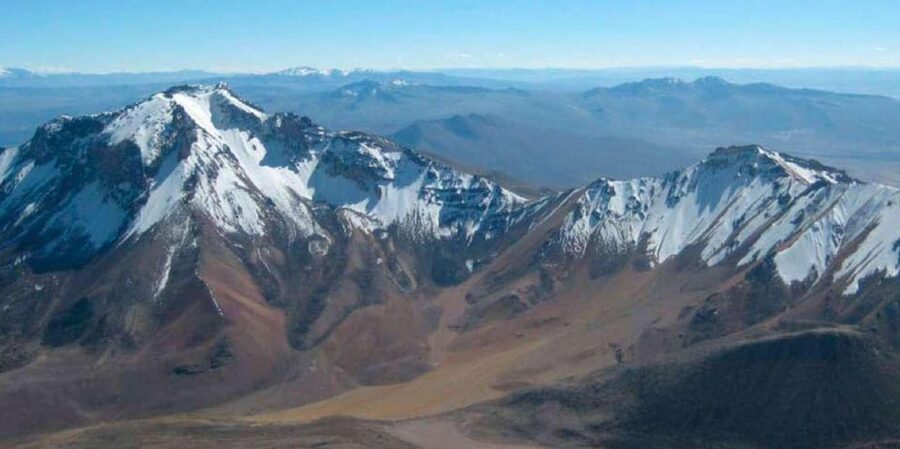
Day two begins at 2 a.m. You get dressed, check your kit, eat breakfast, and start the main climb. The early hour is practical: good weather and sunrise views are the goal, and the summit is expected around 5 a.m. if conditions cooperate.
This is the hardest part of the experience. You climb in darkness, after a night at high altitude, and the route is described as an intense hike. The guides’ role matters here. The strongest praise is for close attention to each person and for support aimed at the actual ascent rather than a staged group performance.
That support is especially useful in a group of up to 10. You are not alone on the mountain, but you also are not one face in a massive procession. The guide can keep an eye on the pace and help the group make decisions as conditions change.
Weather is the big unknown. The summit arrival is conditional on good weather, so you should see the mountain as an attempt rather than a guaranteed photo stop. You may reach the top around 5 a.m., but mountain plans can change. The experience still has value if the ascent becomes the main achievement, though anyone booking only for a summit photograph should understand the risk.
The activity does not describe technical climbing equipment or ropes. It presents the route as a strenuous hike up a volcano. That makes it more accessible than a technical mountaineering trip, but it does not make it easy. The high altitude and overnight camp are the serious parts.
Summit views over southern Peru
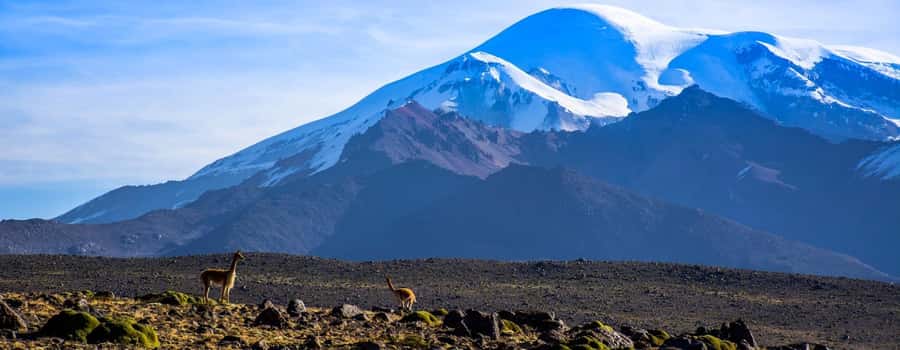
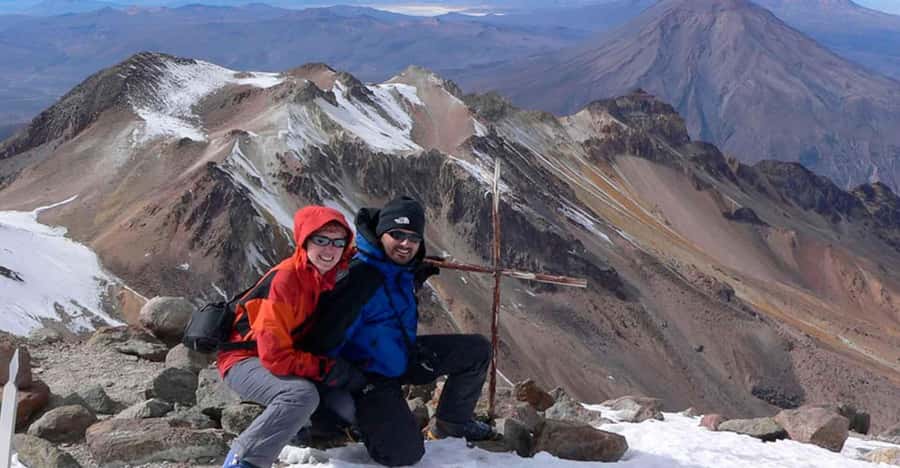
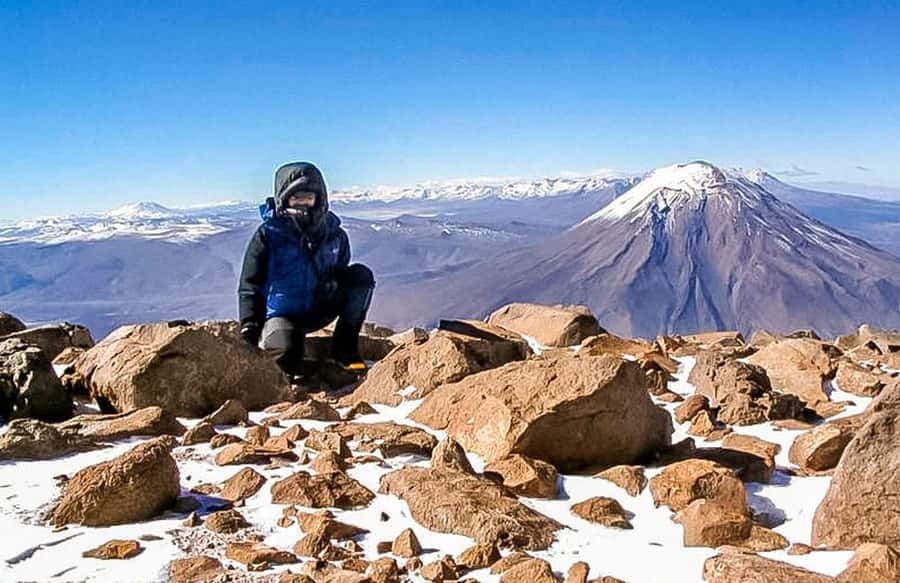
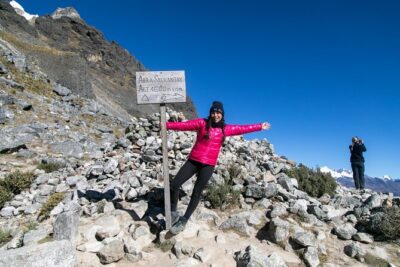
At the summit, you have free time to recover and take in the surrounding volcanoes. The named views include Coropuna, the snow-covered peaks of Ampato, Hualca Hualca, active Sabancaya, Misti, and Ubinas.
That list gives the summit its real reward. You are not climbing only for the high point of Chachani. You are looking across one of Peru’s great volcanic regions, with snow peaks and active volcanic terrain in view when weather allows.
Misti is especially meaningful from Arequipa because it is the volcano most closely tied to the city’s identity. Seeing it from Chachani turns the familiar Arequipa skyline into part of a much larger setting. Sabancaya adds another reminder that this is an active volcanic zone, not just a collection of scenic peaks.
You will need to use the summit stop wisely. It is a place to rest, take photographs, and regain strength, but cold and fatigue are still factors. Keep your warm clothing available and do not linger longer than the guide advises.
Descending to the 4×4 and returning to Arequipa
After the summit stop, you descend to base camp. The route includes several rest stops, which are welcome after the early climb. Downhill walking is usually less demanding on breathing, but tired legs can make footing harder, especially when you are carrying your gear.
At the starting point, the 4×4 waits to take you back to Arequipa. Drop-off is listed at the Plaza de Armas or in the Historical Centre. That return transfer is a real part of the price value. After a summit attempt, arranging your own transport from a remote trailhead would be a nuisance.
The whole program is only two days, yet it packs in a full mountain night, a high camp, a pre-dawn ascent, and a long return. You should avoid scheduling another demanding activity immediately afterward. The tour ends back in the city, but you may still want a shower, food, and rest.
Is $144 a fair price?
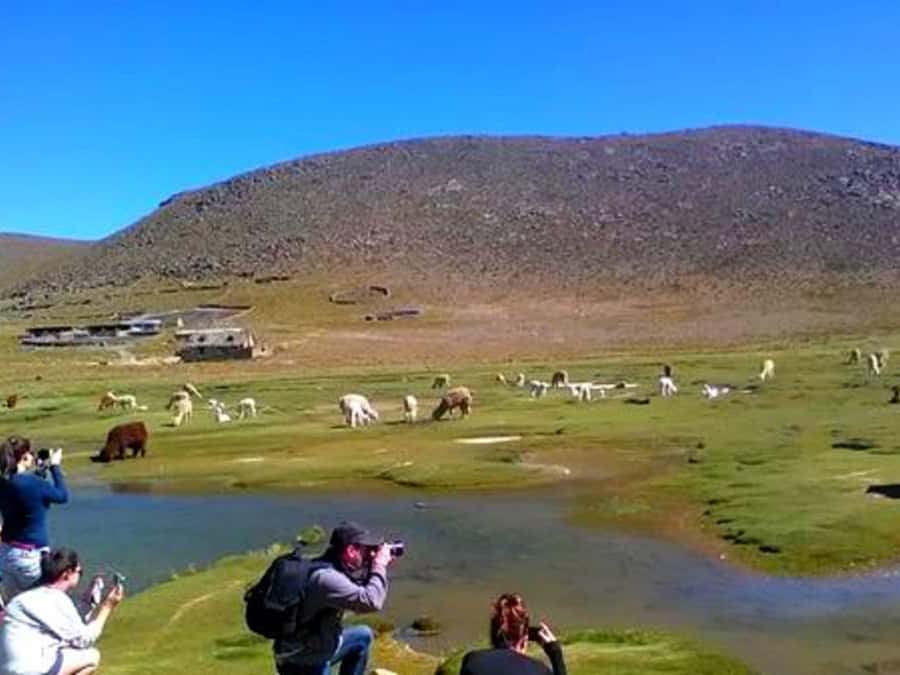
At $144 per person, the value is good if you need the included logistics. The price covers hotel pickup, 4×4 transport, an English- or Spanish-speaking guide, one night in a tent, first-day lunch, and second-day breakfast.
The price does not cover trekking shoes, poles, backpacks, or snacks. That lowers the all-in cost only if you already have suitable equipment. If you need to rent several items, add those costs before comparing this with another Chachani climb.
The small group also helps justify the price. A limit of 10 gives the guide a better chance to monitor people during a demanding ascent. The supplied feedback gives this personal attention the highest marks, with specific praise for support during the summit attempt and for a no-frills approach.
There is no comfort premium here. You are paying for access, transport, a mountain guide, camp basics, and food, not for a lodge or elaborate meals. That is exactly why the trip makes sense for an active person who wants the mountain itself.
Who should book the Chachani ascent?
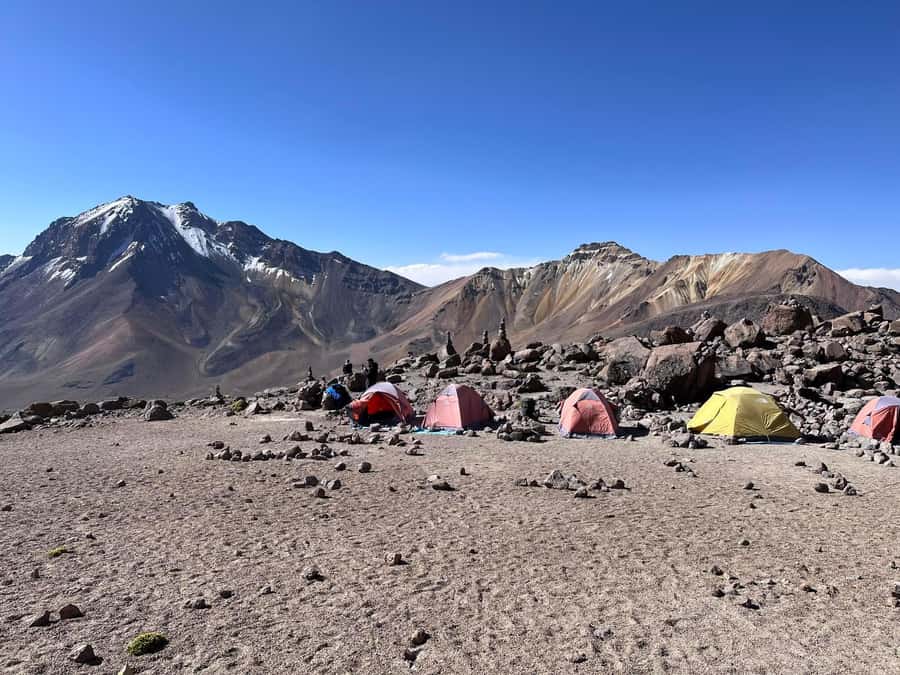
This suits you if you want a genuine high-altitude challenge near Arequipa, prefer a small group, and are comfortable with tents and early starts. It is a strong choice for someone who values guide support and big volcano views more than polished extras.
It is not suitable for pregnant women, people with back or heart problems, wheelchair users, or anyone over 60, according to the stated restrictions. You should also think carefully if you have little experience with strenuous hiking or do not handle high altitude well.
The information does not describe a required technical climbing background, but the summit day is intense. A good attitude alone will not replace warm clothing, suitable footwear, food for the trail, and a sensible approach to altitude.
Should you book it?
Book this Chachani trip if you want a compact, serious mountain experience with transport and guiding handled for you. The attentive small-group format, volcano views, and included camp logistics give the $144 price solid value.
Skip it if you want a comfortable overnight excursion, a guaranteed summit, or a late start. The 2 a.m. wake-up, 5,200-meter camp, basic food, and missing gear inclusions are not minor details. For the right person, those are the parts that make the experience feel real.
FAQ
Where does pickup take place?
Pickup is included from hotels in Arequipa. The listed meeting options are the Historical Centre of Arequipa and Plaza de Armas. You should wait in your hotel lobby from 10 minutes before the scheduled pickup.
What time does the tour begin?
Pickup begins at 7:30 a.m. on the first day. The main summit climb begins at 2 a.m. on the second day after breakfast and preparation.
Where do you sleep?
You spend one night in tents at the base camp, located at 5,200 meters above sea level.
Are meals included?
Lunch is included on the first day, and breakfast is included on the second day. Dinner is not listed as included. Snacks are also not included.
Is trekking equipment provided?
Trekking equipment such as poles, shoes, and backpacks is not included. You should arrange those items before the ascent. A personal account indicates that gear may be available, so confirm the details with the provider during the briefing.
What languages are available, and how large is the group?
The live guide is available in English or Spanish. The group is limited to 10 participants.
More two-day trips from Arequipa
- Colca Canyon: 2-Day Tour from Arequipa to Puno
★ 4.7 · 45 reviews - From Arequipa: 2-Day Colca Canyon Tour with Transfer to Puno
★ 4.2 · 17 reviews - Arequipa: Colca Canyon Trekking 2 days and 1 night + food
★ 4.8 · 3 reviews - From Puno: Uros, Amantaní & Taquile Islands 2-Day Tour
★ 4.5 · 452 reviews
Just added around Arequipa
- From Arequipa: 2-Day Colca Canyon Tour with Transfer to Puno★ 4.2 · 17 reviews
- From Arequipa: Road to Pillones Waterfall★ 4.5 · 5 reviews
- From Arequipa: Sillar Route Excursion | Half Day |★ 4.0 · 5 reviews
- From Arequipa: Climbing in the Chilina Valley★ 5.0 · 4 reviews
- Excursion Salinas Lagoon and National★ 5.0 · 3 reviews
- Excursion: Lagoon and National Reserve of Salinas and Aguada Blanca in Arequipa.★ 4.5 · 30 reviews
- Congata Rover,3 hours bike ride tour in arequipa★ 4.1 · 8 reviews
- Cooking Class Typical Food in Arequipa★ 3.9 · 3 reviews
Hiking & Trekking, compared.
7 Lakes Ausangate Trek with Breakfast and Lunch
Read our review →
Rainbow Mountain Tour and Red Valley Hike (Optional)
Read our review →
Full-Day Rainbow Mountain & Red Valley Trekking Tour
Read our review →
Browse the lists this tour appears in