
Reviewed · MUSEUMS & INCA RUINS
In Cusco: Saqsaywaman, Qenqo, Pukapukara, Tambomachay.
Cusco’s best quick introduction to the Inca world is not a single ruin. It is this chain of temples, fortifications, waterworks, and hilltop sites around the city. Sacsayhuaman’s enormous fitted stones are the headline act, but Qoricancha gives you the city’s spiritual center, while Qenqo and Tambomachay show how the Incas worked with living rock and water.
I like two things here: the low $15 tour price includes transport and a guide, and the route covers five important sites in roughly five hours. You also get free time with llamas and alpacas and a chance to look at local goods. The main caution is pacing. Shopping can take longer than expected, and some groups may receive much more Spanish than English.
Key points to know before you book
- Qoricancha is included only in selected departures: Choose the 9 a.m. or 1 p.m. group if you want the Temple of the Sun.
- Sacsayhuaman is the visual highlight: Huge carved stones and the setting of Cusco’s Inti Raymi festival make this the tour’s big moment.
- The four outer sites require a Cusco Tourist Ticket: This costs S/ 70 per person and is separate from the tour price.
- The schedule is built around five hours: Morning groups finish around 1:30 to 2 p.m.; afternoon groups finish around 6 to 6:30 p.m.
- Shopping is part of the route: You’ll have time for Peruvian goods and llamas, but this can reduce time at the ruins if the group runs late.
- English service can vary: The tour is offered in English and Spanish, but ask how translation will be handled before you pay.
Why this Cusco city tour works as a first outing
Cusco can feel like a puzzle at first. The streets follow old Inca walls, Spanish churches sit over Inca foundations, and major ruins lie on hills just outside the center. This tour gives you a useful map of that world in one half-day.
The route begins at Qoricancha, when that option is selected, then heads by vehicle to Sacsayhuaman, Qenqo, Puka Pukara, and Tambomachay. You are not simply looking at one famous ruin and going home. You get a sequence of places with different purposes: worship, defense, ceremony, observation, and water.
At $15 per person, the value is strong if you want transport and basic guiding without arranging separate taxis. The price does not include entry tickets, so the final cost is higher. Still, you are paying a modest amount for round-trip tourist transport, a live guide, and access to a well-planned group route.
I would use this as an early Cusco activity, especially if you want the main Inca sites explained before visiting other places in the region. The stops are short enough to fit into a busy schedule, though that also means you should not expect a slow archaeological study.
Other ruins and collections around Cusco:
- Cusco: Half-Day City Tour with Sacsayhuaman and Q’enco
★ 4.6 · 1,129 reviews - City Tour Cusco Qoricancha Sacsayhuaman y Tambomachay
★ 4.7 · 617 reviews - Cusco: City Tour | Half-Day Tour to 4 Archaeological Sites
★ 4.6 · 206 reviews
Qoricancha: the Inca center beneath the colonial surface
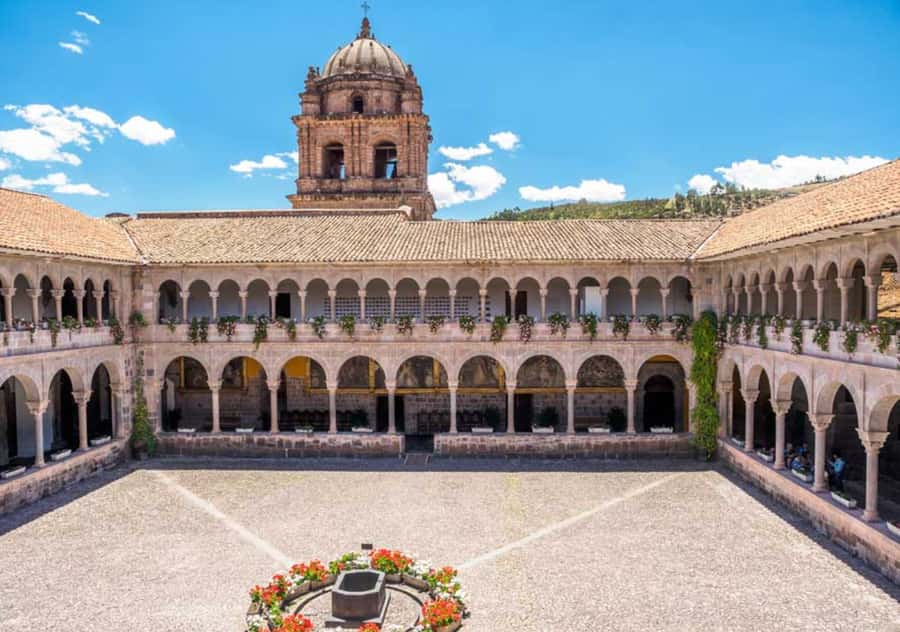
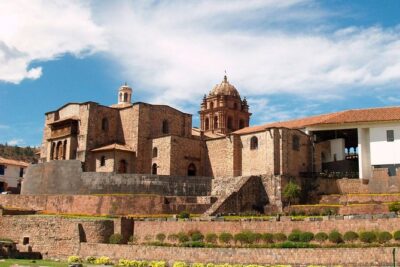
The first stop, when included, is Qoricancha, also spelled Coricancha. The name refers to the Golden Wall or Temple of the Sun. This was the main place of worship for Inti, the Sun God, and it occupied a central role in the Inca capital.
You receive about 40 minutes here for a guided visit and some free time. That is enough to understand why the temple matters, but not enough for every corner or a long museum-style visit. Pay attention to the contrast between the heavy Inca construction and the later colonial building above it.
Qoricancha costs S/ 20 per person, separate from the $15 tour. The operator can help you buy tickets if you do not already have them, but you should bring cash. This is an important detail because the tour price alone does not cover your main entrance fees.
The Qoricancha visit is not offered in the 9:50 a.m. and 1:50 p.m. groups, which are also described as the 10 a.m. and 2 p.m. departures. If the temple is a priority, book the 9 a.m. morning group or the 1 p.m. afternoon group. Read the departure time carefully, since the difference changes the tour from five hours to about four.
Sacsayhuaman and the stones that explain Inca skill
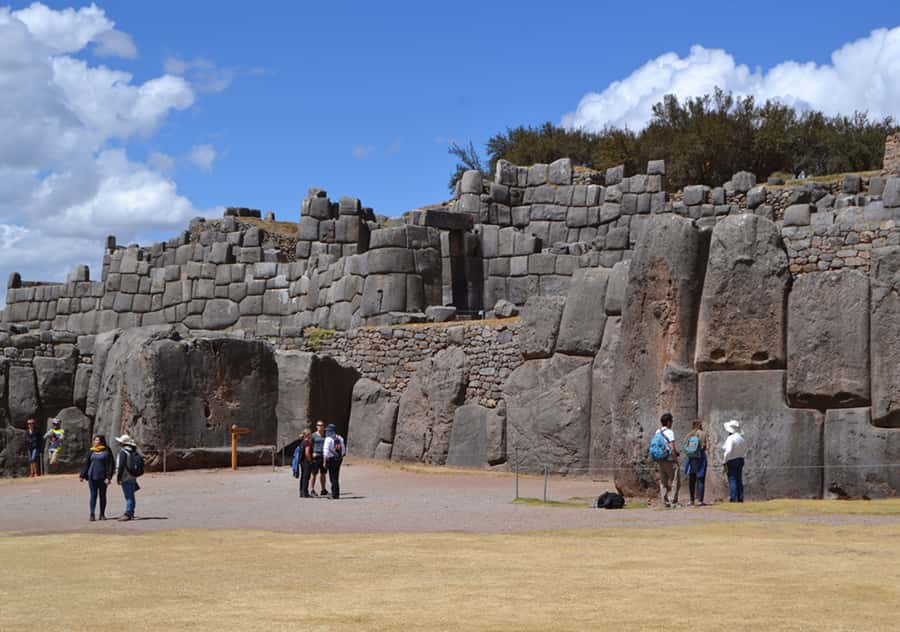
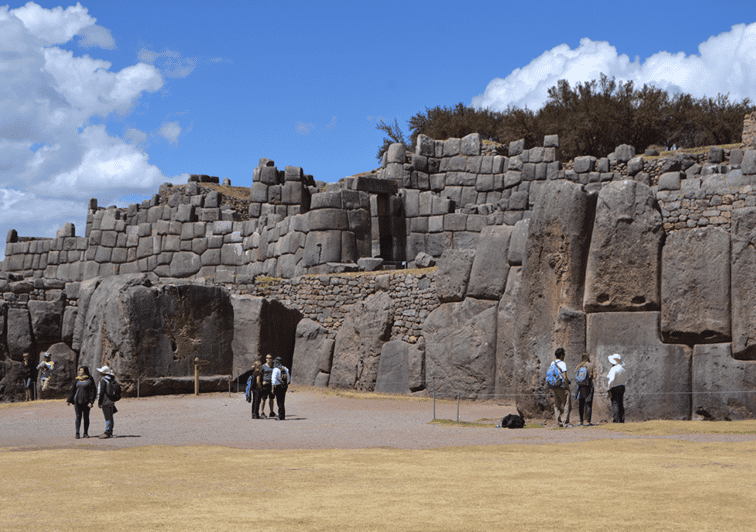
After about 25 minutes by bus or coach, you reach Sacsayhuaman. This is the place that makes most people stop talking for a moment. Massive stones were cut and fitted so closely that the joints can look almost impossible, especially beside the smaller stones used in later construction.
You get roughly 40 minutes for photos, a guided explanation, walking, and free time. That gives you a real look at the walls, but the site is broad and the time can pass quickly. Keep your group in sight and return promptly when asked.
Sacsayhuaman is also the setting for Inti Raymi, the Festival of the Sun, held around the winter solstice. That connection gives the site more than military interest. It remains tied to one of Peru’s best-known cultural celebrations.
Bring water, sun protection, and comfortable shoes. The instructions specifically recommend sunglasses, a sun hat, sunscreen, and personal medication. Cusco’s strong sun can catch you off guard, even during a short visit.
Qenqo: carved stone and a more intimate stop
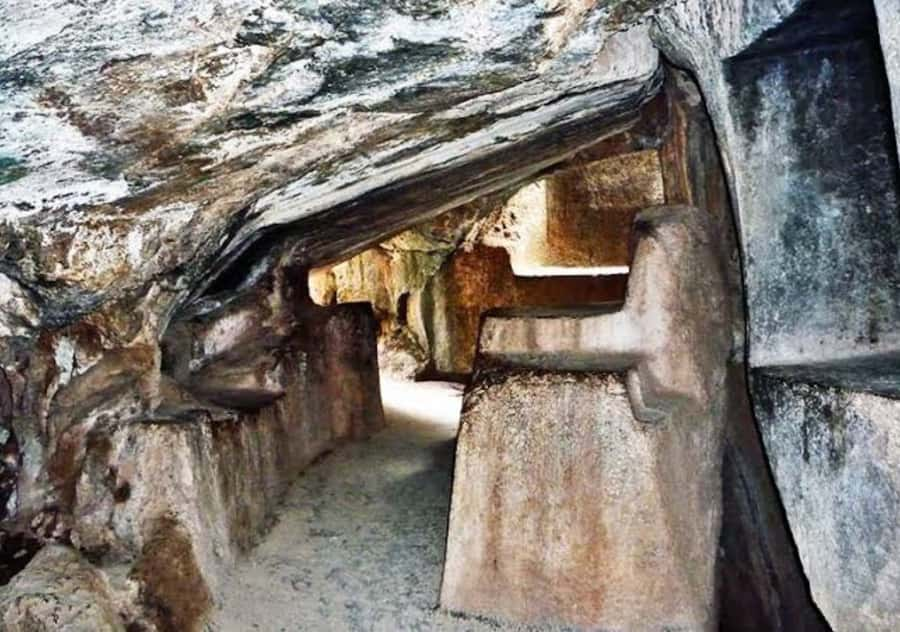
The coach ride to Qenqo takes about five minutes. This is a much shorter transfer than the first one, and the site feels different from Sacsayhuaman. Instead of huge defensive walls, you focus on carved rock, ceremonial spaces, and the way the Incas shaped natural stone.
The visit lasts about 40 minutes, including a guided tour, photos, walking, and free time. I like this stop because it helps you see that Inca architecture was not only about stacking giant blocks. It also involved cutting, carving, and assigning meaning to existing rock formations.
Qenqo is easy to rush through if you are mainly waiting for the next large ruin. Resist that urge. Listen for the explanation of how the site was used, then take a moment to look at the marks and channels in the stone.
The short transfer and compact visit make Qenqo a good fit for a half-day tour. If you want long quiet periods at archaeological sites, though, this format may feel hurried.
Same base, a completely different day:
- Cusco: Humantay Lake Tour with Breakfast and Buffet Lunch
★ 4.9 · 2,976 reviews - From Cusco: Moray, Maras Salt Mines & Chinchero Weavers Tour
★ 4.8 · 1,925 reviews - From Cusco: Full-Day Group Tour of Machu Picchu
★ 4.7 · 1,767 reviews - Machu Picchu Day Trip from Cusco
★ 4.5 · 1,644 reviews
Puka Pukara, a hilltop stop with a practical purpose
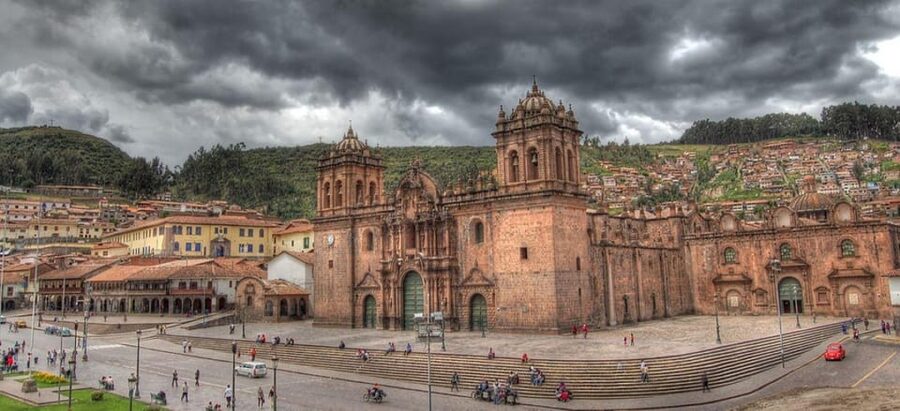
The coach takes about 15 minutes from Qenqo to Puka Pukara. The name is often translated as Red Fortress, and the site is associated with a strategic position along the approach to Cusco. From here, you can see why the Incas placed structures on elevated ground.
The scheduled stop is about 35 minutes. You have time for a guided visit, photographs, walking, and a little free exploration. Puka Pukara does not have the same massive visual impact as Sacsayhuaman, but it helps complete the picture of how the Inca capital was watched and connected.
I find this stop useful because it adds practical context. The route is not only a parade of temples. Some sites helped control movement, observe routes, or support people traveling toward the capital.
The coach ride from Puka Pukara to Tambomachay takes only about two minutes. That makes the two stops feel almost like one section of the tour, so be ready to get off and move again quickly.
Tambomachay and the famous Inca water channels
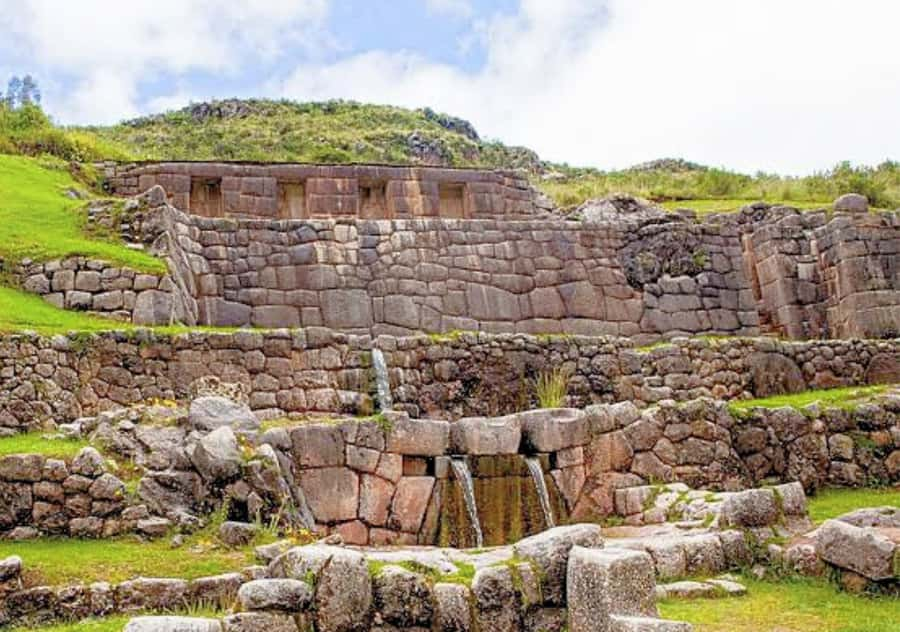
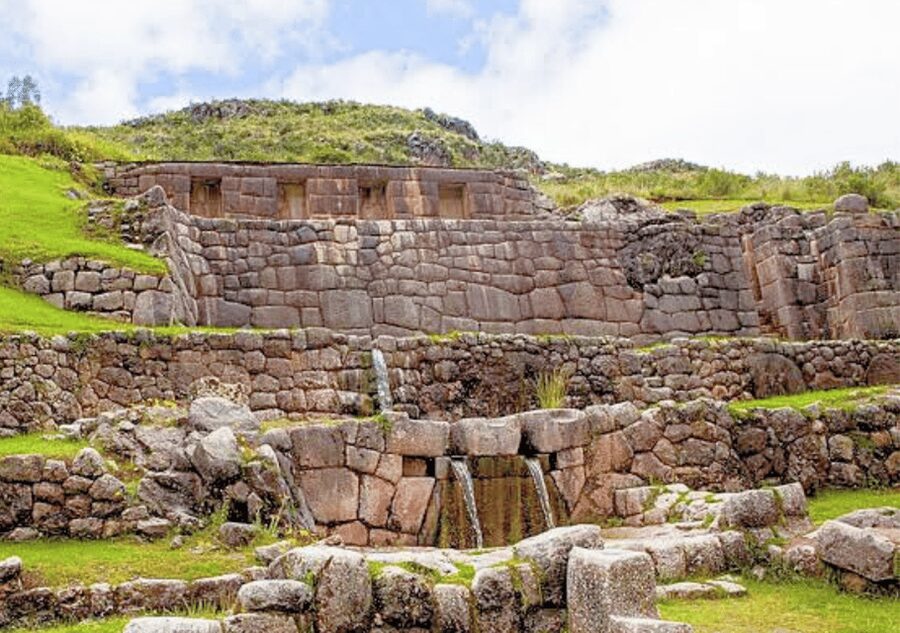
Tambomachay is the final archaeological site. It is known for its water channels, fountains, and association with ritual bathing. The tour allows about 40 minutes for a guided visit, photos, walking, and free time.
This is a quieter kind of stop than Sacsayhuaman. The appeal is in the precision of the water system and the care given to the stonework. It is a good place to listen closely to the guide, since the site’s importance is easier to miss if you judge it only by size.
Tambomachay also gives the tour a fitting final chapter. You have seen a major temple, a huge fortified complex, carved ceremonial stone, a lookout site, and now a water-centered place. Together, they show several parts of life in and around Cusco’s Inca capital.
After Tambomachay, the return trip takes about 35 minutes and ends at Plaza Regocijo. That is convenient for continuing on foot through central Cusco, though it is not the same as returning to your hotel.
The llama stop and the part that can affect your timing
Before returning to the city, the group visits a special place with Peruvian llamas and alpacas. You can take photos and browse local products. For many people, this is a pleasant break after several ruins, especially if you want a simple souvenir.
I would treat this as an extra, not the main reason to book. The archaeological sites are the real value. Shopping time can become long, and that matters because the visits to important sites already run on a tight schedule. Keep an eye on the clock and ask the guide how much time remains before the group must leave.
This is also the one part most likely to feel less authentic if you are hoping for archaeology from start to finish. It is practical tourism, not a historic site. Some people will enjoy the llamas and local goods. Others would prefer those minutes at Sacsayhuaman or Qenqo.
Morning or afternoon: choosing the better departure
The morning group with Qoricancha leaves at 9 a.m. and finishes around 1:30 to 2 p.m. The morning group without Qoricancha leaves at 10 a.m. and finishes at roughly the same time.
The afternoon group with Qoricancha leaves at 1 p.m. and finishes around 6 to 6:30 p.m. The afternoon group without Qoricancha leaves at 2 p.m. and also ends around 6 to 6:30 p.m.
Choose the morning departure if you want the rest of the day free or prefer to eat lunch after returning to Cusco. Breakfast is not included, so eat before leaving. The afternoon group requires you to arrange lunch first and brings you back around dinner time.
The morning and afternoon routes cover the same general sites. Your choice comes down to meals, light, and what you plan to do before or after. If Qoricancha matters, select the group that includes it rather than assuming every departure does.
Tickets, meeting point, and what the $15 really covers
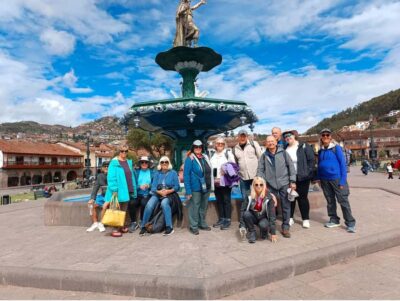
The meeting point is Machu Picchu Jungle Trek, Office 104, at Asociación de Artesanos Souvenir, San Andres 218. The office is listed as open from 8 a.m. to 9:30 p.m. On Sundays, pickup is at Plaza de Armas, beside the Inca fountain in the main square.
The tour includes round-trip tourist transport, permanent assistance, and a professional guide in English or Spanish. It includes guided visits to Qoricancha when selected and to the four outer archaeological sites.
You must pay separately for Qoricancha, S/ 20, and the Cusco Tourist Ticket, S/ 70 for most visitors or S/ 40 for Peruvian nationals. Bring cash. The operator says staff can help you buy tickets if you have not purchased them already.
At this price, the tour is good value for a visitor who wants the basic framework without managing five separate visits. The main tradeoff is control. A private tour would give you more freedom over time and shopping, but this group format costs much less.
Language, pacing, and the guide experience
The service is offered in English and Spanish, but you should not assume equal translation at every stop. One reported experience had explanations that were mostly in Spanish, while another had a guide who made a clear effort to translate for a small English and French-speaking group.
That tells me the language experience can depend on the group mix and the guide assigned that day. If your Spanish is limited, confirm the English arrangement at the meeting point and stay close during each explanation.
The schedule also rewards punctuality. The guide has to move a group through five sites, vehicle transfers, and the llama and shopping stop. A little delay at one place can put pressure on the next. Direct feedback from one outing described too much time for shopping and too little time at important sites, while another described the tour as well timed and good value.
I would not book this expecting a slow, private conversation at every ruin. I would book it for efficient coverage, then use your free time in Cusco to return to the site that interests you most.
Who should book this tour?
This is a good fit for first-time visitors who want to see Cusco’s main nearby Inca sites in one half-day. It also suits people watching their budget, since transport and guiding are included for $15.
Families and mixed-age groups may appreciate the short coach transfers and varied stops, though the walking portions and sun require sensible preparation. Bring water, a hat, sunscreen, sunglasses, and any medication you need.
History fans who want detailed, site-by-site interpretation may want a private guide or extra reading. The group schedule gives you useful context, but explanations can vary by language balance and available time.
The tour is less suitable if you dislike shopping stops, need a completely flexible timetable, or want to spend a long period at one ruin. The no-large-bags rule also means you should leave luggage elsewhere. Pets, bikes, smoking, alcohol, sharp objects, and baby carriages are not allowed.
Should you book the Cusco Inca sites tour?
Book it if you want a low-cost, practical introduction to Qoricancha, Sacsayhuaman, Qenqo, Puka Pukara, and Tambomachay. The route covers the city’s most important nearby sites, and Sacsayhuaman alone makes the outing worthwhile for many people.
Choose the correct departure if Qoricancha is important, bring cash for both entrance fees, and eat before the tour. Ask about English translation and keep shopping time under control if you want the archaeological visits to receive their full share of attention.
I would recommend this for value and coverage, with one clear warning: it is a group tour, not a leisurely private visit. Go in ready for a firm schedule, and you will get a useful, memorable look at the Inca center of Cusco.
FAQ
How long does the tour last?
The tour with Qoricancha lasts about five hours, or 330 minutes. The version without Qoricancha lasts about four hours.
What time does the morning tour start?
The morning tour with Qoricancha starts at 9 a.m. The morning tour without Qoricancha starts at 10 a.m.
What time does the afternoon tour start?
The afternoon tour with Qoricancha starts at 1 p.m. The afternoon tour without Qoricancha starts at 2 p.m.
Is Qoricancha included in every departure?
No. Qoricancha is not visited in the 9:50 a.m. and 1:50 p.m. groups, also described as the 10 a.m. and 2 p.m. departures.
Which archaeological sites are included?
The route includes Sacsayhuaman, Qenqo, Puka Pukara, and Tambomachay. Qoricancha is included only in the selected morning and afternoon groups.
How much does Qoricancha cost?
The entrance ticket to Qoricancha costs S/ 20 per person and is not included in the tour price.
How much does the Cusco Tourist Ticket cost?
The Cusco Tourist Ticket costs S/ 70 per person, or S/ 40 per Peruvian national. It is separate from the tour price.
Where is the meeting point?
The standard meeting point is Machu Picchu Jungle Trek, Office 104, at Asociación de Artesanos Souvenir, San Andres 218. On Sundays, pickup is at Plaza de Armas beside the Inca fountain.
Is food included?
No. Breakfast is not included for the morning group, and lunch is not included for either group. The morning tour returns around lunchtime, while the afternoon tour returns around dinner time.
What languages are available?
The tour is offered with a live guide in English or Spanish. The amount of English explanation can vary according to the group and guide, so confirm the language arrangement before departure.
Just added around Cusco
- Zipline over the Sacred Valley Trip★ 5.0 · 11 reviews
- Waqrapukara 1 day trekking + meals★ 3.9 · 3 reviews
- Visit Pisac from Cusco: Private Transport★ 4.6 · 9 reviews
- Valle Sur Cusco | half day★ 4.3 · 3 reviews
- Trek to Humantay Lake from Cusco★ 4.9 · 8 reviews
- Trek to Choquequirao 4 days★ 3.8 · 4 reviews
- rainbow mountain full day★ 5.0 · 44 reviews
- Machu picchu one day by train all included★ 4.5 · 53 reviews
Museums & Inca Ruins, compared.
Half-Day City Tour with Sacsayhuaman and Q’enco
Read our review →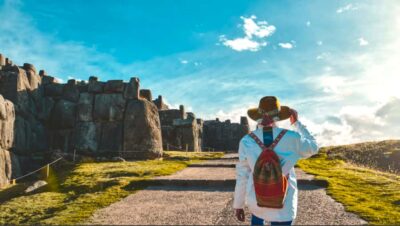
City Tour Cusco Qoricancha Sacsayhuaman y Tambomachay
Read our review →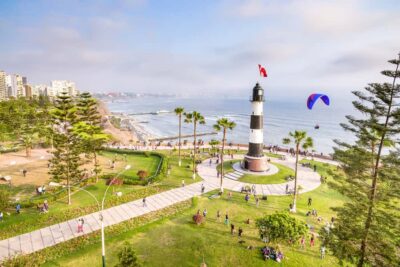
The Charm of Barranco & Pre Inca Pyramid in Miraflores
Read our review →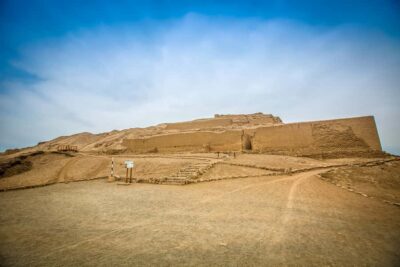
Pachacamac Ruins & Barranco Half-Day Guided Tour
Read our review →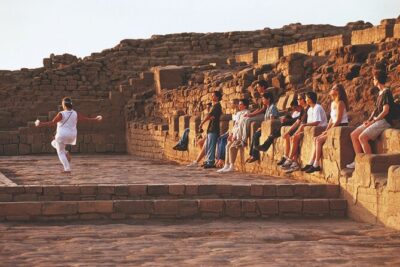
Pre Inca Temple of Pachacamac Half-Day Tour from Lima
Read our review →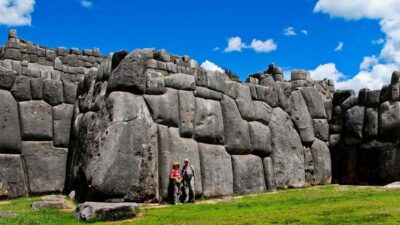
City Tour | Half-Day Tour to 4 Archaeological Sites
Read our review →
City Tour in Cusco & visit Museum South American Camelid Private.
Read our review →Browse the lists this tour appears in