
Reviewed · SILLAR ROUTE & AREQUIPA COUNTRYSIDE
Excursion + Sillar and Culebrillas Route in Arequipa
Arequipa’s most famous building stone gets its own half-day outing here. You’ll see sillar, the pale volcanic stone used across the city, in a working quarry, then walk into a narrow canyon to find Wari petroglyphs more than a thousand years old. I like the mix of living craft and old archaeology, and I like that the trip reaches places beyond central Arequipa without taking a full day.
The main drawback is transport comfort and group timing. One recent booking included delays while the vehicle waited for other participants, and the bus did not have air conditioning. The guide was described as very kind, and the activity was also praised for being well organized, but you should allow some flexibility rather than planning a tight afternoon connection.
Key points to know before you book
- Añashuayco is a working quarry: You see the tall ignimbrite walls created as quarrymen remove blocks of sillar.
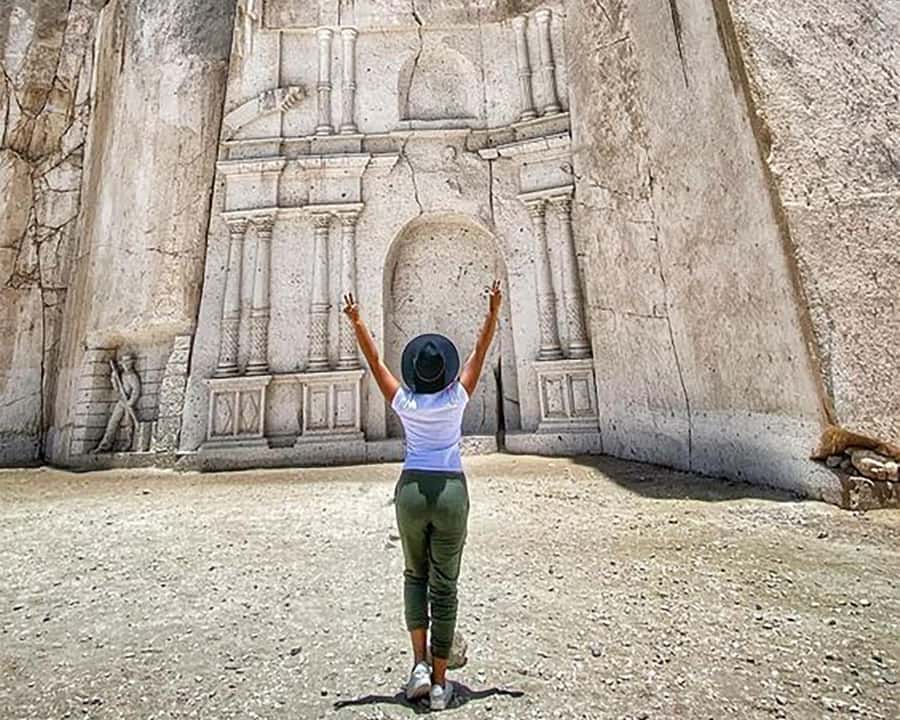
- The Church of the Society of Jesus appears in stone: A large carving gives you a striking preview of Arequipa’s famous baroque church.
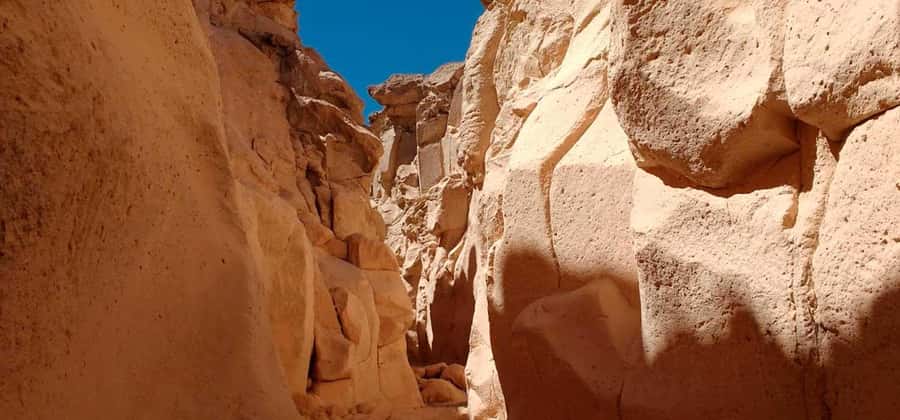
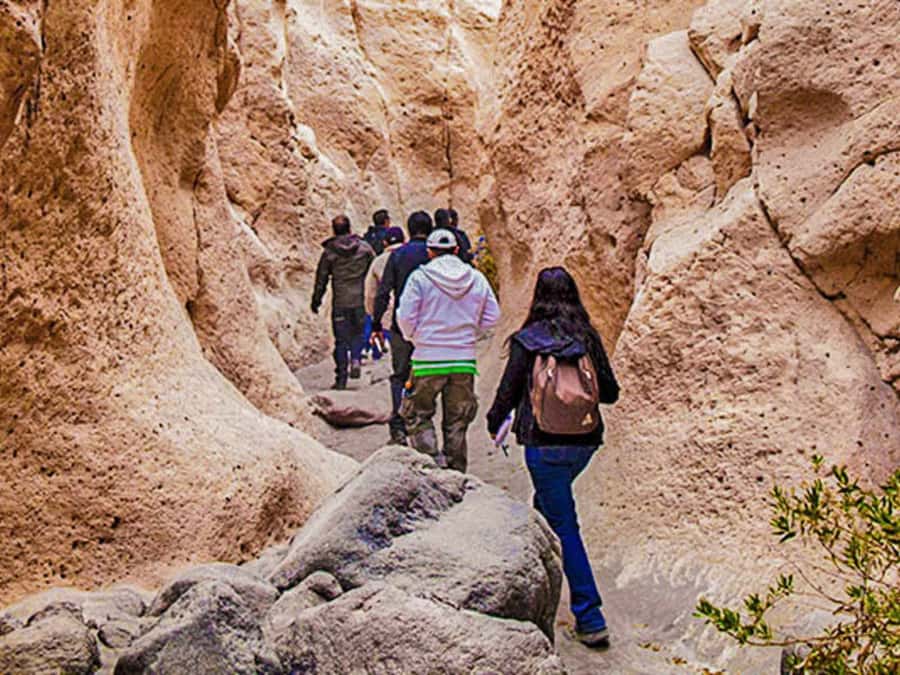
- Culebrillas includes a short canyon walk: Expect about 20 minutes inside walls that rise from 15 to 20 meters.
- Wari petroglyphs add an older layer: The rock drawings are said to be more than 1,000 years old.
- The tour costs $14 plus 10 soles: Transport and a professional guide are included, while entrance fees are extra.
- There are two departure shifts: The morning option returns around 1:30 p.m., and a 2:00 p.m. shift is also available.
Why Arequipa’s white stone matters
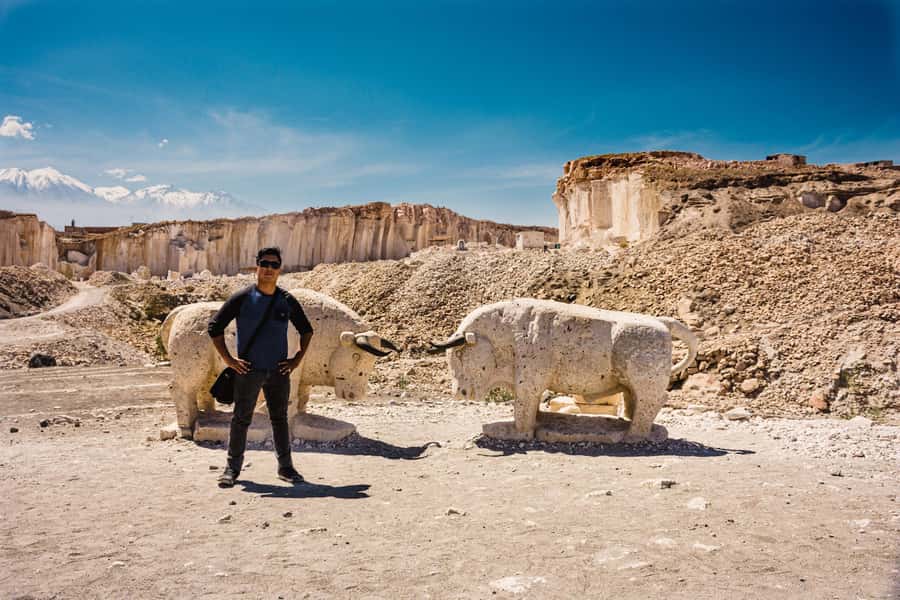
Arequipa is closely tied to sillar, a light-colored volcanic stone formed from ignimbrite. The stone gives much of the city its pale appearance and has long been cut into blocks for churches, houses, and other buildings.
This excursion helps you see the material at its source rather than only admiring finished facades around the Plaza de Armas. That difference matters. In the city, sillar can look smooth, polished, and almost delicate. At Añashuayco, you see the rough walls, the cut faces, and the physical work needed to turn volcanic rock into a building block.
The route is also about current work, not only the past. Quarrymen still operate in Añashuayco, and the tour explains how sillar is produced and used. That connection between local construction and tourism gives the outing more substance than a simple photo stop.
Other trips into the countryside from Cusco:
- From Arequipa: Sillar Route Trek
★ 4.2 · 461 reviews - Sillar Route and Culebrillas Petroglyphs
★ 4.5 · 89 reviews - Sillar Route in Arequipa and viewpoint of the Volcanoes
★ 4.0 · 71 reviews
The first viewpoint and the road out of Arequipa
The trip begins at 9:15 a.m. and heads toward the Sillar Route. Before reaching the quarry, the vehicle makes a brief stop at a strategic viewpoint with views toward the volcanoes and the Chilina Valley.
Depending on the season, the order may change and another traditional viewpoint may be used first. This is a short stop, not a long sightseeing session, but it gives you useful orientation. You can see the volcanic setting that helps explain both Arequipa’s appearance and the origin of its building stone.
Do not expect a full volcano excursion. The viewpoint is an early pause on the way to the main quarry stops. Still, it breaks up the drive and gives you a wider sense of the area before the tour turns to stone cutting.
Inside the Añashuayco Quarry
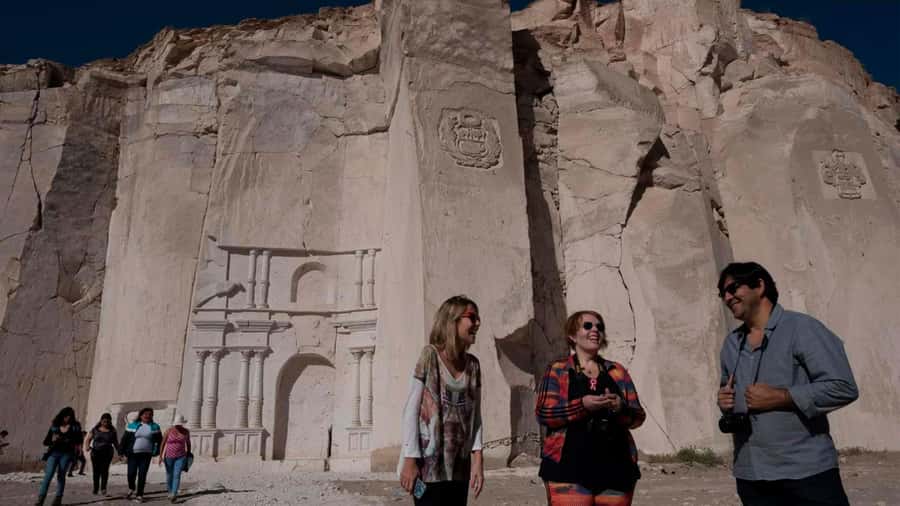
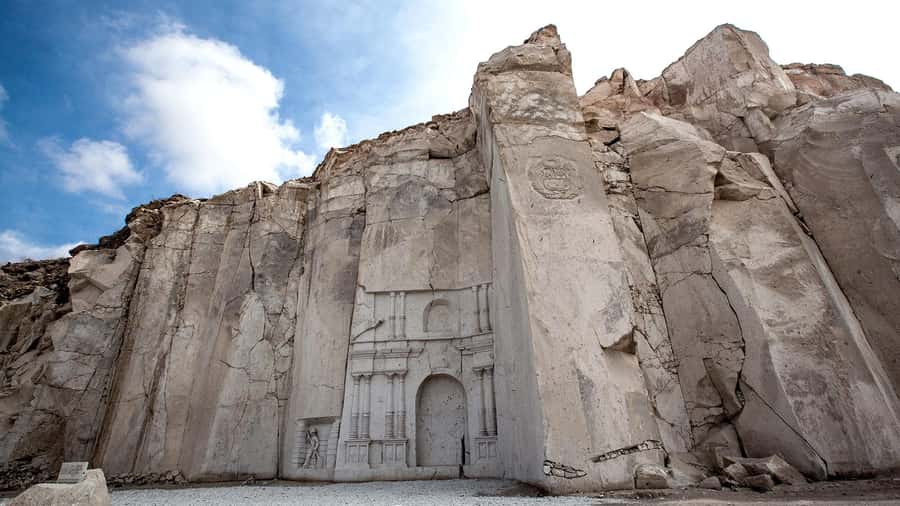
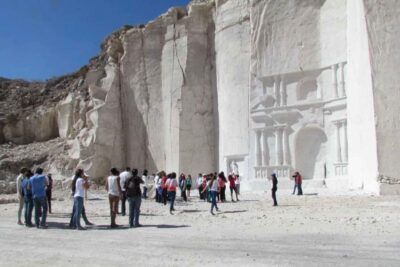
The drive to Añashuayco takes about 45 minutes. The quarry is still active, and the tall ignimbrite walls show the scale of the extraction. The canyon-like setting was formed as workers removed stone blocks, leaving cliffs several meters high.
This is the strongest part of the tour for anyone interested in local building traditions. Your guide explains the history of sillar, how it is produced, and how people have used it over time. You are not simply shown a pale rock and sent back to the bus. The stop gives you the basic story behind the material that defines so much of Arequipa’s architecture.
The quarrymen begin their work early, so the amount of activity you see can vary with the timing of your visit. The site remains an operating work area, not a polished museum. That makes it more authentic, but it also means you should listen closely to your guide and follow instructions around the stone-cutting areas.
Cutting sillar and the giant church carving
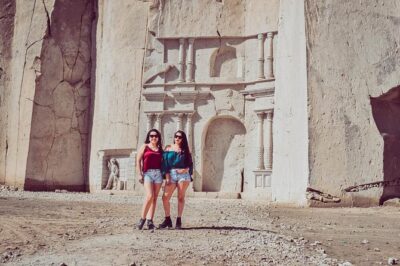
One of the quarry’s most memorable features is a large carving of the Church of the Society of Jesus. The carving was made by local stonemasons and gives you a clear link between the raw material in the quarry and the ornate religious buildings found in Arequipa.
It is a smart addition to the route because it helps you picture how a block of volcanic stone can become architecture. You see the quarry wall, learn about the work, and then encounter a carved representation of one of the city’s notable churches.
You may also visit a quarryman who explains his daily work. The activity includes the chance to try cutting one of the stone blocks yourself. This is a small hands-on moment, but it can make the craft easier to understand. Stone masonry is often admired only after the building is finished. Here, you get a brief look at the labor behind it.
Keep your expectations reasonable. The activity does not turn you into a stonemason in one morning, and the precise amount of hands-on time can depend on the day’s operation. The value is in seeing the technique up close and meeting the work through a person who does it.
Same base, a completely different day:
- Cusco: Humantay Lake Tour with Breakfast and Buffet Lunch
★ 4.9 · 2,976 reviews - From Cusco: Moray, Maras Salt Mines & Chinchero Weavers Tour
★ 4.8 · 1,925 reviews - From Cusco: Full-Day Group Tour of Machu Picchu
★ 4.7 · 1,767 reviews - Machu Picchu Day Trip from Cusco
★ 4.5 · 1,644 reviews
Culebrillas Canyon and its Wari rock drawings
After Añashuayco, the vehicle travels about 30 minutes to Quebrada de Culebrillas. The name refers to a small canyon shaped by flowing water. Its walls rise around 15 to 20 meters, becoming taller as you walk farther inside.
The walk takes about 20 minutes. That makes it manageable for many visitors who want a short outing on foot, though you should still expect uneven ground associated with a natural canyon. The setting changes the pace of the excursion. After the open quarry and its broad stone walls, Culebrillas feels narrower and more enclosed.
At the end of the walk, you see petroglyphs linked to the Wari culture. They are described as more than a thousand years old. This is where the tour gains a second time period. Añashuayco shows a present-day craft and a long building tradition, while the canyon points to an older culture that left marks on the rock.
The petroglyphs are not presented as a separate museum display. Their value comes from their position inside the canyon, where the walk leads you to them. Pay attention to the guide’s explanation so you understand what you are looking at and why the drawings matter.
Apachetas and the final stop
Before returning to Arequipa, the route pauses at the Apachetas. These are stones placed one on top of another. They are described as symbols of gratitude toward nature and as signs associated with good luck.
The stacked stones add a spiritual note to the outing. They are simple to look at, but their meaning gives the final stop more weight than a quick roadside photo. The description of a mystical feeling may appeal to you if you enjoy Andean customs and symbolic places.
At the same time, this is a short cultural encounter rather than a formal ceremony or extended cultural program. You will have time to observe the formations and hear their meaning, but the tour remains a compact route with several stops.
The four-hour schedule and transport
The morning schedule begins at 9:15 a.m. The return journey starts around 12:30 p.m., and the vehicle reaches central Arequipa at about 1:30 p.m., with drop-off near the Plaza de Armas. A 2:00 p.m. shift is also offered.
That timing makes the morning departure useful if you want to keep your afternoon free. The later departure may suit you better if your morning is occupied, but the exact return time for that shift is not stated, so check availability when booking.
Transport is included, as is a professional guide. Spanish and English guiding are available. The route involves driving between Arequipa, Añashuayco, and Culebrillas, so the quality of the vehicle matters more than it would on a walking tour.
A practical warning comes from one booking: the vehicle had no air conditioning, and the group lost time waiting for other members. That may not happen on every departure, but it is worth keeping in mind. Avoid scheduling a flight, bus, or fixed appointment immediately after the excursion.
Is $14 good value?
At $14 per person, this is a low-cost way to reach two sites outside central Arequipa. The price includes tourist transport and a professional guide, which are the two items that make the route possible without arranging your own vehicle.
You also need to budget 10 soles for entrance tickets to the places visited. Since that charge is separate, include it when comparing the total cost with other day outings.
I see the best value here in the range of experiences packed into four hours. You visit a working quarry, see a large stone carving, learn about sillar production, walk through a water-cut canyon, view Wari petroglyphs, and stop at Apachetas. None of these stops is very long, but together they make a focused introduction to the area around Arequipa.
The trade-off is comfort and depth. This is not a private tour with unlimited time at each site. Group delays are possible, and the quarry and canyon visits are brief. If you want a personal pace or detailed archaeological discussion, you may prefer a longer or private outing. If your budget is tight and you want several distinct sights in one morning, the price is appealing.
Who will enjoy this route most
I would choose this excursion if you want to understand Arequipa through its stone. It suits first-time visitors who have seen the city’s pale buildings and now want to know where the material came from.
It also works well for people interested in traditional labor, Andean customs, and smaller archaeological sites. The quarry provides a direct connection to current work, while the Culebrillas petroglyphs add an older cultural layer.
Families and casual sightseers may appreciate the short 20-minute canyon walk and the hands-on stone-cutting opportunity. Still, the route is not only a scenic bus ride. You will be visiting a working quarry and walking inside a canyon, so comfortable clothing and shoes are sensible.
You may want to skip it if your schedule cannot absorb delays, if vehicle air conditioning is essential, or if you prefer major monuments over working sites and rock markings. The route rewards curiosity more than luxury.
Booking details that affect your choice
You can cancel up to 24 hours before departure for a full refund, and the reserve-now, pay-later option lets you hold a place without paying immediately. These terms are useful if your Arequipa plans are still shifting.
The tour has a 4.1 rating from four recorded reviews, so treat that number as a small sample rather than a final verdict. The strongest positive points are the organization and the guide’s kind manner. The main concerns are possible waiting for other group members and a vehicle without air conditioning.
No individual guide names are provided, so you cannot request a particular guide in advance based on the available details. What you can choose is the language, Spanish or English, and one of the available departure shifts.
Should you book the Sillar and Culebrillas Route?
Book it if you want a cheap, efficient way to connect Arequipa’s architecture with the volcanic stone beneath it. Añashuayco Quarry is the central reason to go, especially if you like seeing a living craft rather than only finished monuments. Culebrillas then adds a short walk, Wari petroglyphs, and a quieter cultural stop.
Skip it if you need guaranteed punctuality, air-conditioned transport, or a slow private visit. For most budget-conscious visitors with half a day to spare, the combination of quarry work, canyon scenery, ancient rock art, and Apachetas offers solid value for $14 plus the 10-sol entrance fee.
FAQ
Where does the excursion take place?
It takes place in the Arequipa Region of Peru, visiting the Sillar Route, the Añashuayco quarries, and Quebrada de Culebrillas.
How long does the tour last?
The activity lasts about four hours. The morning schedule begins at 9:15 a.m. and returns to central Arequipa around 1:30 p.m.
Is there an afternoon departure?
Yes. A 2:00 p.m. shift is also available. Check the available starting times when booking.
What is included in the price?
Tourist transport and a professional guide are included.
How much does the excursion cost?
The listed price is $14 per person.
Are entrance fees included?
No. Entrance tickets cost 10 soles and are paid separately.
What languages are available?
The live guide is available in Spanish and English.
What can you see at Añashuayco?
You can see an active quarry, tall ignimbrite walls formed by stone extraction, an enormous carving of the Church of the Society of Jesus, and quarrymen working with sillar.
How long is the walk in Culebrillas Canyon?
The walk inside the canyon takes about 20 minutes.
What can you see at Culebrillas?
You can see canyon walls rising about 15 to 20 meters, Wari petroglyphs said to be more than a thousand years old, and Apachetas made from stacked stones.
Where does the tour return you?
The vehicle returns to Arequipa and drops you near the Plaza de Armas.
Can you cancel for a refund?
Yes. You can cancel up to 24 hours in advance for a full refund.
Just added around Cusco
- from cusco machupicchu 2 days★ 4.3 · 3 reviews
- From Cusco: Full-Day Round-Trip Train Tour to Machu Picchu★ 3.8 · 5 reviews
- Excursion to the Planetarium of Cusco | New experience★ 3.3 · 3 reviews
- Excursion: Rainbow Mountain and Ausangate 7 Lagoons 2 days★ 3.3 · 3 reviews
- Four Lagoons and Q`eswachaka bridge tour full day★ 4.3 · 7 reviews
- From Cusco: Vinicunca Mountain of Colors Excursion + Ticket★ 5.0 · 3 reviews
- Excursion 7 lagoons-Cusco| Full day★ 4.6 · 13 reviews
- Excursion: Explore in one day the 7 lakes of Ausangate from Cusco★ 4.7 · 10 reviews
Sillar Route & Arequipa Countryside, compared.
Sillar Route in Arequipa and viewpoint of the Volcanoes
Read our review →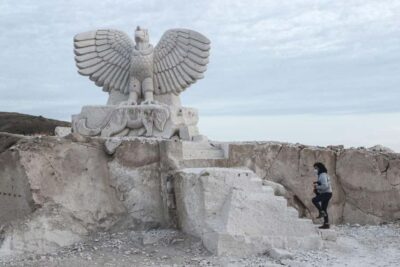
4 hours Tour: Route of Sillar with Trek in Culebrillas
Read our review →
4-hour excursion: Sillar Route with Hiking in Culebrillas
Read our review →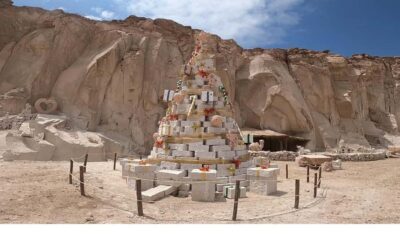
Arequipa | Tour of the Sillar Route + Culebrillas Canyon
Read our review →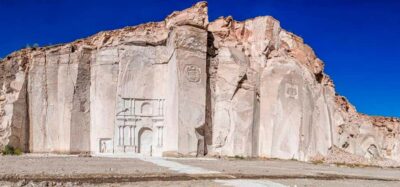
4-hour excursion: Ruta del Sillar with Hiking in Culebrillas
Read our review →Browse the lists this tour appears in