
Reviewed · MACHU PICCHU TOURS
4 days/3 nights: Inka Jungle Trek to Machu Picchu
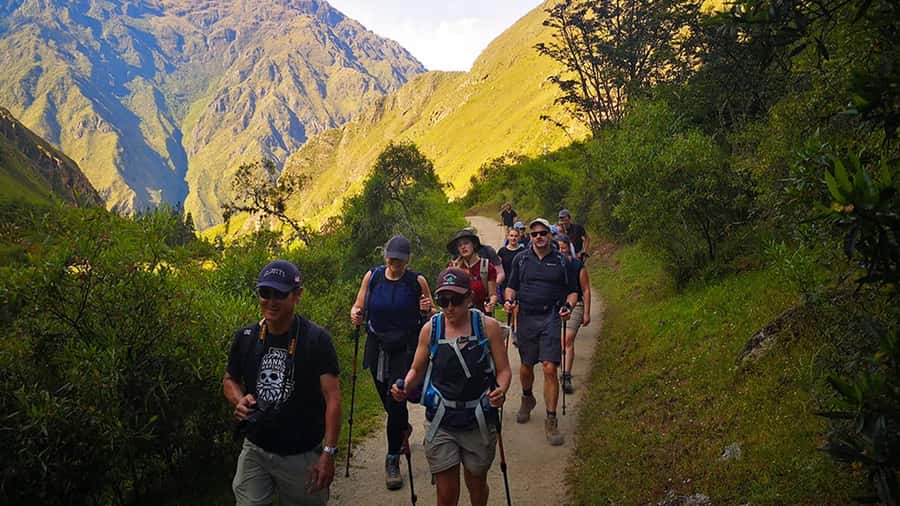
The Inka Jungle Trek reaches Machu Picchu by taking the long way around, with a bike descent from Abra Málaga, jungle paths beside the Urubamba River, hot springs, and a final walk along the railway to Aguas Calientes. It feels more active and varied than a direct train visit.
I like the mix of activities, especially the first day’s cycling and the chance to see village life on family-run stops along the route. I also like the small group size, capped at 15, and the personal attention many people receive from guide Gustavo Candia. The trade-off is real physical effort, plus some uneven service: the rafting can be canceled in high water without a refund, and you need to confirm how much luggage you should carry.
Key points to know before you book
- Bike the road from Abra Málaga: Expect 3 to 4 hours of downhill cycling through changing mountain and jungle scenery.
- Walk an old Inca route on day two: The 7 to 8 hour trek includes steep ups and downs, plants used by local people, and river crossings.
- Sleep in simple local accommodations: Hostels and family-run hotels keep the cost down, but standards may vary.
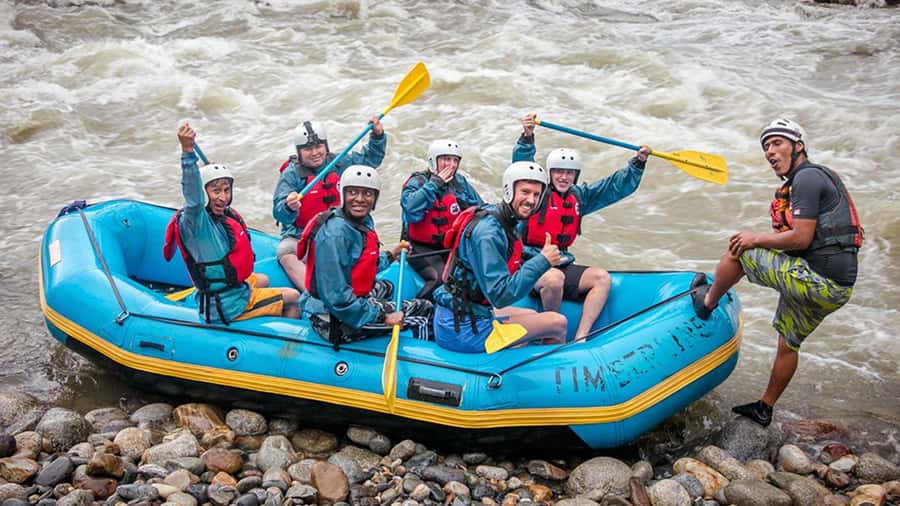
- Rafting is weather dependent: The Urubamba River can reach class III and IV rapids, but the activity may be canceled from January 1 through March 31 if the river is too high.
- Reach Aguas Calientes on foot: The third day ends with about three hours beside the railway tracks after lunch at Hidroeléctrica.
- Machu Picchu entry is included: The package includes admission, a guided visit, and a train from Aguas Calientes to Ollantaytambo, followed by a bus to Cusco.
Why this route feels different from a standard Machu Picchu visit
A direct train trip gets you to Machu Picchu efficiently. This route makes the approach part of the experience. You move from high mountain air to warmer jungle country, then follow the Urubamba River toward the ruins. The change in climate and scenery is the point.
You also spend time in places that most quick visits skip. Santa María, Santa Teresa, and Hidroeléctrica are working communities rather than polished sightseeing stops. You eat meals arranged along the route, sleep in local hostels, and cross the river in a traditional-looking oroya, a suspended platform used to reach the Cocalmayo hot springs.
At $420 per person, the price covers a lot: transport from Cusco to the starting point, a guide, three nights of lodging, nine included meals, biking equipment, Machu Picchu admission, the return train, and transport from Ollantaytambo to Cusco. It is good value if you want several active days rather than only a ruin visit.
The price makes less sense if you plan to skip the optional activities or want polished hotels. You still pay extra for the Santa Teresa hot springs, the Machu Picchu shuttle buses, Wayna Picchu, breakfast on day one, and lunch in Aguas Calientes. Ask what ticket category and guide service are included at Machu Picchu before you commit.
Other ways up to Machu Picchu from Peru:
- Machu Picchu: Group Guided Tour
★ 4.7 · 102 reviews - Machu Picchu: Tour Guide Service & Entrance Ticket Circuit-2
★ 4.6 · 90 reviews - Cusco: One Day Tour to Machu Picchu with Train Transfers
★ 4.8 · 28 reviews
Day one: cycling from Abra Málaga to Santa María
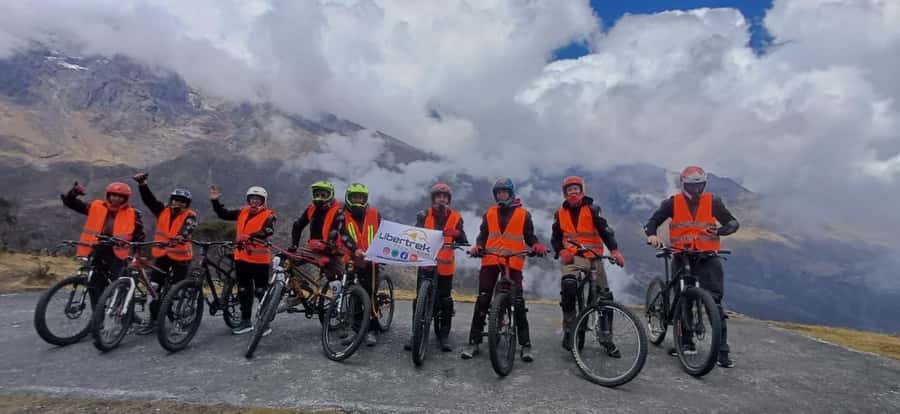
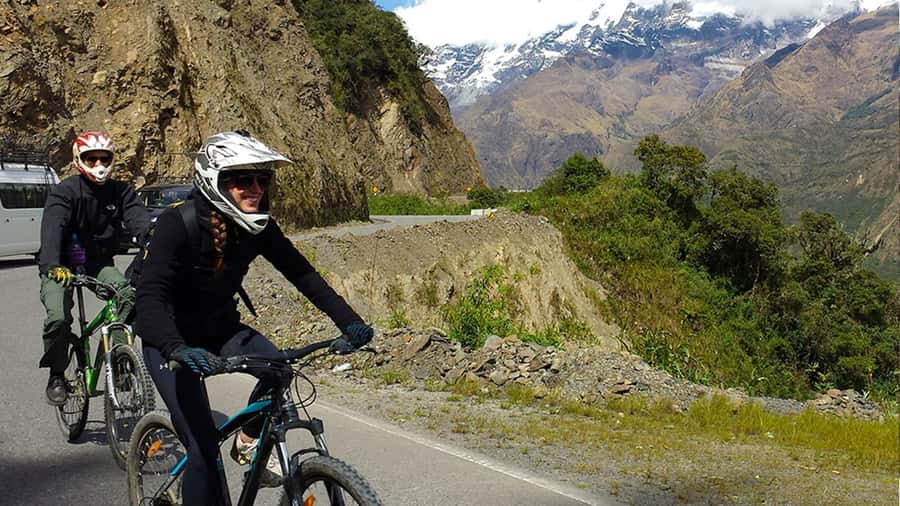
Pickup is scheduled for 6:30 in the morning. The private vehicle takes about four hours through the mountains to Abra Málaga, then continues to San Luis, where the cycling begins.
The bike ride lasts roughly three to four hours. It is primarily a descent, which makes the day less punishing than a long uphill ride, but you still need comfort on a bicycle and attention on mountain roads. Bring gloves if you use them, wear secure shoes, and do not treat the downhill as a race. The scenery changes quickly as you lose height, from high mountain country toward warmer jungle vegetation.
This is one of the strongest parts of the trip because it gives you a sense of moving through Peru under your own power. You are not simply driven from one climate zone to another. You notice the change.
The archaeological center of Huamanmarca adds a cultural stop to what could otherwise be only an outdoor-sports day. The visit helps connect the road and trails with the people who built and used them.
A rafting option is scheduled for 3 p.m. on the Urubamba River. The rapids can range from class III to IV, so this is not a gentle float. The activity is subject to weather and river conditions from January through March. If the river is too high and rafting is canceled, there is no refund. That policy matters, especially if rafting is one of the main reasons you choose this tour.
You spend the night at a hostel in Santa María. Expect practical accommodation, not resort comfort. Three dinners, three lunches, and three breakfasts are included across the four days, but breakfast on the first morning and lunch in Aguas Calientes are not included.
Day two: the hardest walking beside the Urubamba
After breakfast, the route follows the Urubamba River for approximately seven to eight hours. This is the most demanding walking day, with repeated climbs and descents rather than one steady uphill push.
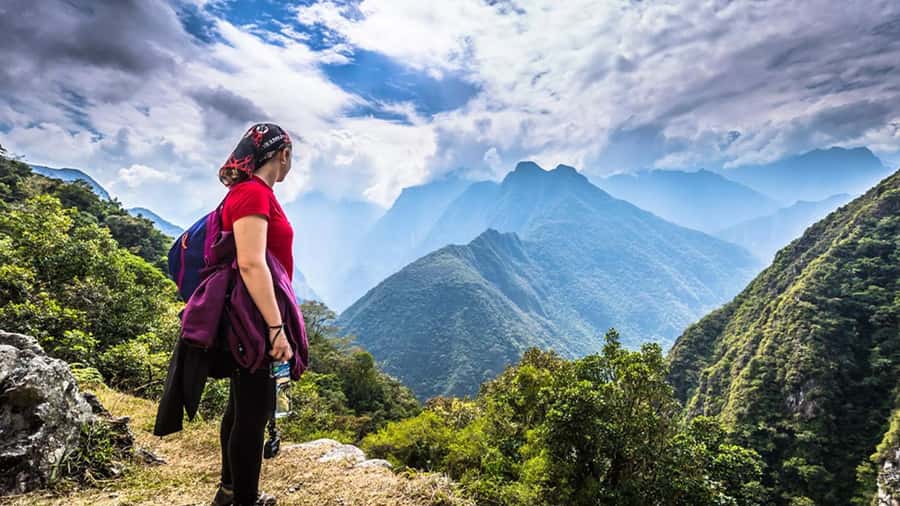
Part of the route follows an old Inca road that remains well preserved. You may see fruit trees, medicinal plants, and birds such as parrots. The value here is the combination of walking and observation. A guide can point out plants used by local people and explain how the route fits into the wider region.
Still, do not underestimate the day. A seven to eight hour walk with frequent changes in grade calls for reasonable fitness. The tropical heat can make the effort feel greater than the distance suggests. Use sunscreen, carry insect repellent, drink regularly, and bring personal medication in your day pack.
The river crossing by oroya is one of the route’s unusual details. You cross the Urubamba to reach the Cocalmayo hot springs near Santa Teresa. Admission to the springs is not included, so carry cash for the entrance fee. After a long day on foot, the chance to soak in warm water is more than a sightseeing extra. It is a welcome way to ease tired legs.
The overnight stay is in Santa Teresa. The lodging is described as hostel accommodation, and standards can vary. One particularly negative experience reported a poor room on the final night, so I would set expectations at basic and functional rather than comfortable and consistent.
Day three: zip lining, Machu Picchu views, and the railway walk
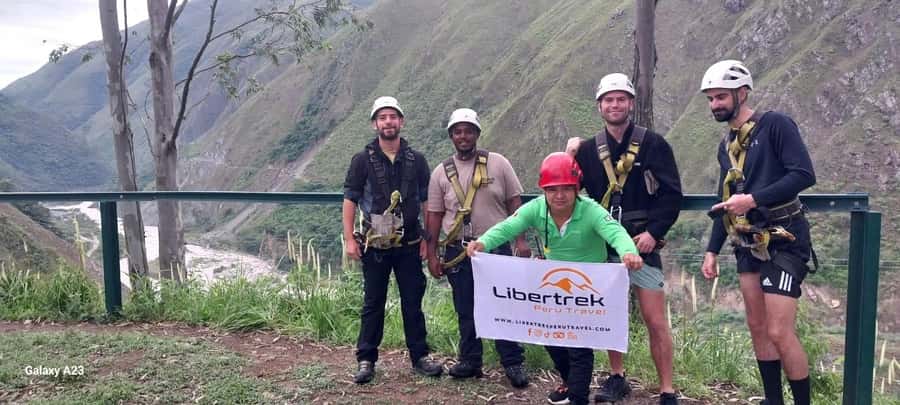
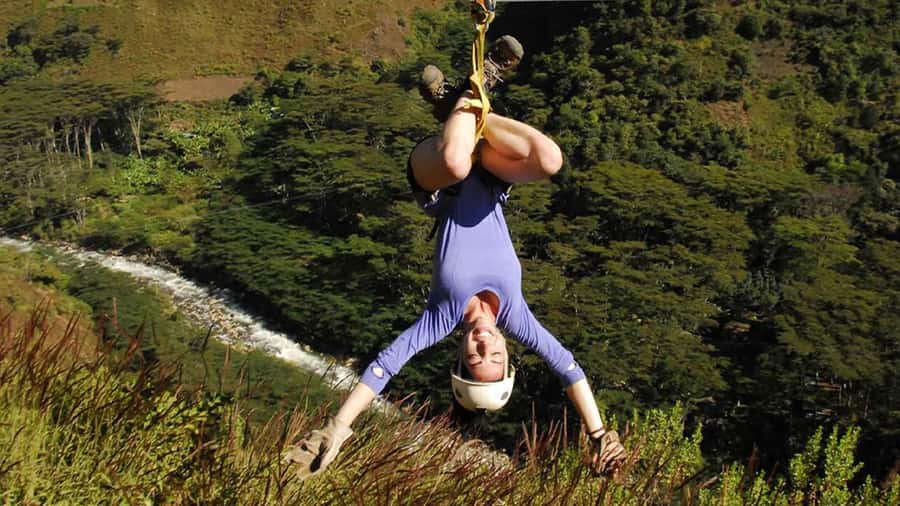
The morning offers a zip line at Cola de Mono. The supplied details describe it as optional in the daily schedule, while it also appears among the included activities, so confirm the exact arrangement before departure. If you choose it, the activity adds another burst of speed after two days of cycling and hiking.
After breakfast, you walk toward Hidroeléctrica through a narrow canyon. The climate is described as pleasant, and the route eventually gives you a view of Machu Picchu Mountain. That first sight can be powerful because you have approached from below and through the forest rather than arriving by train.
Lunch takes place at Hidroeléctrica. Afterward, you walk beside the railway tracks for about three hours to Aguas Calientes. This section is less about ancient ruins and more about the slow approach. The tracks provide a clear route, but three hours of walking after the previous day’s long hike is still a serious commitment.
Pack carefully for this day. One person reported being asked to carry a heavy backpack for about 11 kilometers because the need for a smaller bag had not been explained clearly. I would ask the operator in advance whether larger luggage is transported, how much you must carry, and what size day pack is expected. This is one of the most useful questions you can ask before setting out.
You spend the night in a hotel in Aguas Calientes. The standard can vary, so do not assume that the final night will match a mid-range city hotel. The benefit is location: you are already below Machu Picchu and ready for an early start.
Other multi-day treks out of Peru:
- Cusco: 4-Day Inca Trail to Machu Picchu with Accommodation
★ 4.8 · 432 reviews - From Cusco: 7 Lakes Ausangate Trek with Breakfast and Lunch
★ 4.8 · 360 reviews - Cusco: Machu Picchu 2-Day Inca Trail with Panoramic Train
★ 4.9 · 260 reviews - From Cusco: 2-Day Inca Trail to Machu Picchu
★ 4.2 · 244 reviews
Day four: entering Machu Picchu on foot
After breakfast, the plan is to walk from Aguas Calientes to Machu Picchu. This gives you a chance to enter early and aim for sunrise. The climb adds effort, though, and bus tickets are not included. Round-trip bus tickets cost $24 according to the supplied pricing, so decide ahead of time if you want to save energy for the ruins.
The entry ticket to Machu Picchu is included. Inside, the guided visit covers major places such as Inti Watana, the Temple of the Condor, and the Sacred Rock. These are not just names to tick off. Their meaning and setting make much more sense when a guide explains how they fit into the ceremonial and architectural design of the site.
Pay close attention to your ticket category. One difficult account described a mismatch between group ticket categories and a lack of the promised guide for part of the visit. I would confirm the entry group, the guide’s meeting point, and how long the guided portion lasts before the trip begins. This is especially important because Machu Picchu access is controlled and cannot be improvised easily.
After the visit, you return to Aguas Calientes and board the tourist train to Ollantaytambo. A tourist bus then takes you to your hotel in Cusco. The return transport is included, and private transport from your hotel to the Cusco airport is also listed as included, which adds useful value if your departure follows closely after the trek.
The guide can shape the whole experience
Many of the strongest comments about this trip focus on Gustavo Candia. He is praised for his English, his explanations of the route and local history, his attention to safety, and his care with group members. Several people describe him as the person who made the trip memorable.
That does not remove the need to communicate clearly. A serious knee injury was reported during the walk, with concern about how far ahead the guide had gone and how hard it was to get help without a phone signal. You should tell the guide at once about pain, fatigue, or a medical concern. Before walking, ask what happens if someone cannot continue and how the group handles a slower pace.
The group limit of 15 is useful. A smaller group gives you more opportunity to ask questions and talk with the guide, especially on the long second day. It also makes the bike and rafting logistics less cumbersome than they would be with a large coach group.
English and Spanish guiding is available. If your Spanish is limited, confirm that the guide assigned to your departure can provide the level of English you need for safety instructions and Machu Picchu explanations.
What to pack, and what not to forget
The supplied packing list is practical: passport, hiking shoes, comfortable clothing, hiking pants, sunglasses, a hat, sunscreen, insect repellent, swimwear, a towel, camera, cash, and personal medication.
I would add one important rule: keep your daily needs in a light backpack. The route includes cycling, long walks, a hot-spring visit, and the railway section. A large suitcase will be a burden, and unclear luggage arrangements caused a serious problem for at least one person.
Cash matters because hot-spring admission, meals outside the included plan, Machu Picchu buses, and personal purchases are not all covered. Your passport is also essential for entry and travel.
The route can be hot and humid in the lower country, while Abra Málaga begins at a much higher, cooler point. Dress in layers that can be removed as you descend. Comfortable shoes are listed, but proper hiking shoes are the safer choice for the long walking sections.
Who should choose this $420 experience?
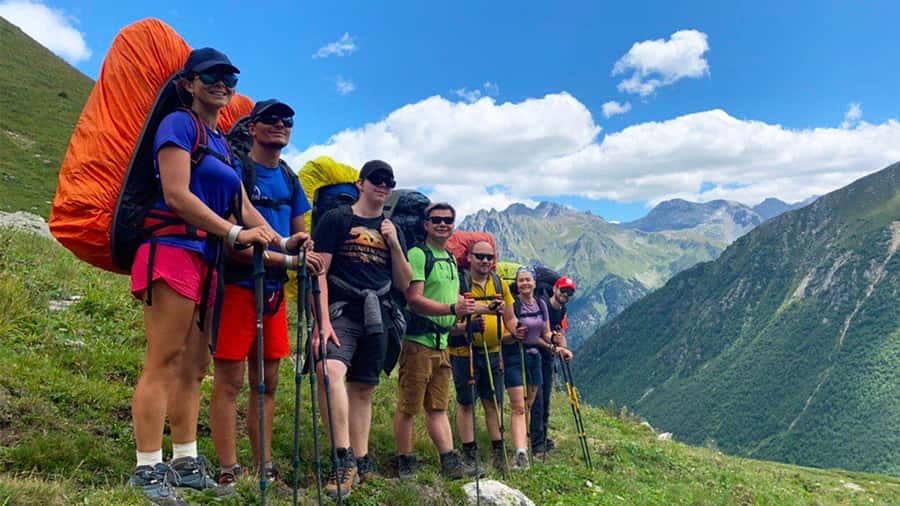
I would recommend it to you if you want Machu Picchu to be part of a four-day outdoor trip rather than a single destination visit. It suits people who enjoy varied movement: cycling one day, long-distance hiking the next, a possible zip line or rafting session, and a final walk beside the railway.
It also suits you if local accommodation and simple meals feel like part of the experience. You will spend time in smaller communities and see more of the route to Machu Picchu than a direct train visitor.
I would think twice if you have knee problems, dislike heat, or want a predictable hotel standard. The second day is long, the third day still requires several hours of walking, and the fourth day can begin with another climb if you skip the bus. The route is active, not a soft adventure package.
The cancellation policy allows a full refund up to 24 hours before departure, and reserve-now-pay-later booking is available. Those terms offer flexibility, but they do not change the physical demands or the weather rules for rafting.
Should you book the Inka Jungle Trek?
Book this tour if the journey matters as much as the ruins. At $420, the combination of transport, guide, meals, lodging, activities, Machu Picchu admission, and return travel is strong value for an active four-day trip. Gustavo Candia appears to be a major asset when assigned to your group.
Before paying, get four points confirmed in writing: the luggage plan, the guide arrangement at Machu Picchu, the exact ticket category, and whether the zip line is included or optional. Also accept the rafting rule: high water can cancel it with no refund.
If you want a calm, polished, highly predictable visit, take the train directly to Aguas Calientes instead. If you want bicycles, jungle paths, hot springs, river crossings, and a slow approach to Machu Picchu, this route gives you far more than a simple entrance ticket.
FAQ
How long is the Inka Jungle Trek to Machu Picchu?
The experience lasts four days and includes three nights of accommodation.
What languages are available for the guided tour?
Guiding is available in English and Spanish.
How large is the tour group?
The group is limited to 15 participants.
Is rafting included?
Rafting is listed among the included activities, but it depends on river and weather conditions from January 1 through March 31. If high water prevents the activity, it will not take place and there is no refund.
Is the entrance to Machu Picchu included?
Yes. The package includes entrance to Machu Picchu and a guided visit covering major sites such as Inti Watana, the Temple of the Condor, and the Sacred Rock.
Are the Machu Picchu shuttle buses included?
No. Bus tickets up and down to Machu Picchu are optional and listed at $24.
Is Wayna Picchu included?
No. Entry to Wayna Picchu is optional and listed at $65.
What meals are included?
The package includes three breakfasts, three lunches, and three dinners during the Inka Jungle route. Breakfast on the first day and lunch in Aguas Calientes are not included.
More Machu Picchu tours in Peru
- From Cusco: Full-Day Group Tour of Machu Picchu
★ 4.7 · 1,767 reviews - Machu Picchu Day Trip from Cusco
★ 4.5 · 1,644 reviews - Machu Picchu: Full-Day Tour from Cusco with Optional Lunch
★ 4.6 · 927 reviews - From Cusco: 2-Day Trip to the Sacred Valley and Machu Picchu
★ 4.6 · 265 reviews
More jungle tours in Peru
- Tambopata Peruvian Amazon Jungle for Three Days/Two Nights
★ 4.5 · 329 reviews - Puerto Maldonado: 4-Day Tambopata Rainforest Tour
★ 4.6 · 213 reviews - Puerto Maldonado: Sandoval Lake 4-Day, 3-Night Guided Tour
★ 4.5 · 90 reviews - 4 Day Tour to the Manu National Park
★ 5.0 · 81 reviews
Just added around Peru
- From Huaraz: Full-Day Trek to Parón Lagoon★ 3.3 · 3 reviews
- 2-Day Colca Canyon Tour to Puno with accommodation★ 3.9 · 3 reviews
- Ancash: Trekking to Paron Lagoon with Entrance | Full day|★ 4.1 · 9 reviews
- Ancash: Trekking to Paron Lagoon with Entrance | Full day|★ 3.2 · 3 reviews
- Andes: Colca Canyon Day-Trip★ 4.3 · 50 reviews
- 7 Colors Mountain Tour + Red Valley★ 4.0 · 3 reviews
- Amazonian Adventure 3 Days: Exploring the Jungle from Cusco★ 4.0 · 8 reviews
- Amazonas Manu Cultural Zone 4 Days / 3 Nights★ 4.2 · 8 reviews
Machu Picchu Tours, compared.
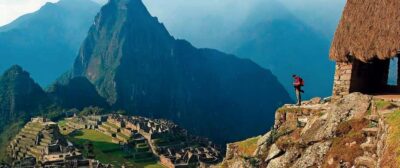
4-Day Inca Trail to Machu Picchu with Accommodation
Read our review →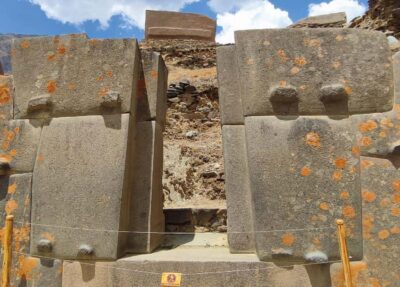
2-Day Trip to the Sacred Valley and Machu Picchu
Read our review →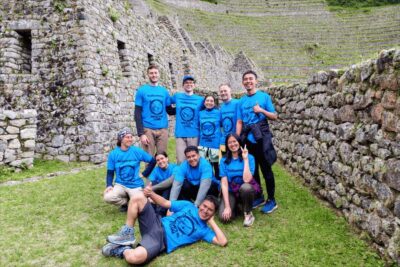
Machu Picchu 2-Day Inca Trail with Panoramic Train
Read our review →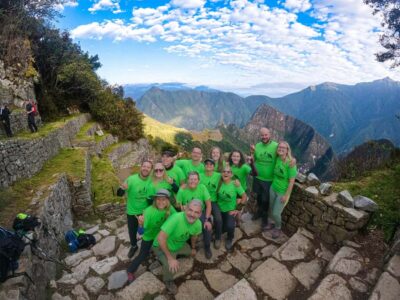
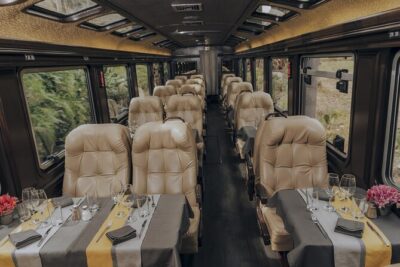
The First Class Machu Picchu Train by Inca Rail
Read our review →Browse the lists this tour appears in