
Reviewed · MUSEUMS & INCA RUINS
“Waqra Pucara, The Majestic Fortress Revealing Secrets of the Andes”.
Waqra Pukara is an ancient ceremonial fortress perched high among the Andes, where stone terraces and horn-shaped rock walls make the final approach feel far removed from Cusco. The setting is the main event, with wide mountain views and a striking archaeological site at the top.
I like the early route past Pomacanchi Lagoon, one of the larger lakes in the region, and the fact that breakfast and lunch are included. I also like the simple, old-fashioned nature of the outing: a long road, a mountain path, and time to wander the ruins. The weak point is reliability. Pickup problems, rough transport, and uneven guiding have affected some departures, so this is not the tour I would choose if your schedule has no room for trouble.
Key points to know before you book
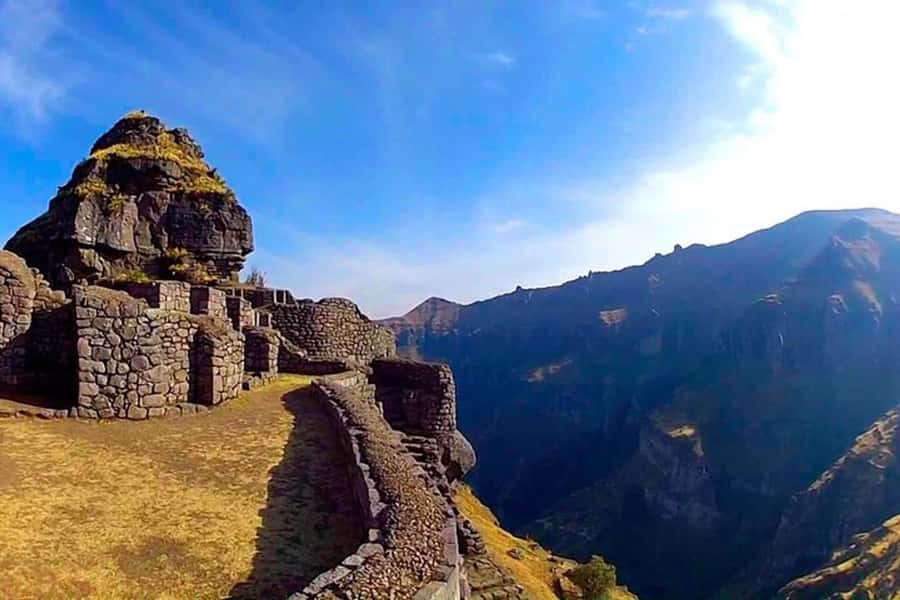
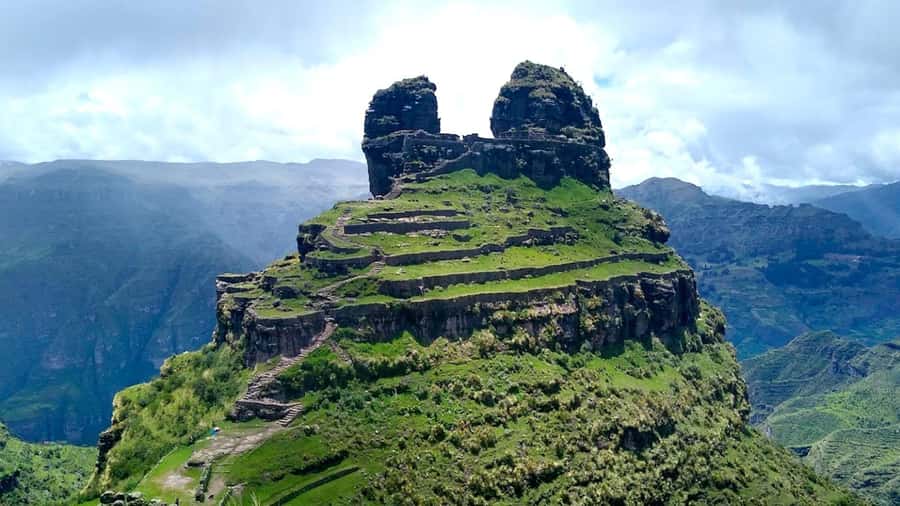
- Waqra Pukara means a mountain fortress with a memorable shape: The stone formation resembles a pair of horns and sits above the surrounding valleys.
- The day begins at 4:30 am: Pickup is available in central Cusco, with the tour ending around 5:00 pm at Plaza Regocijo.
- The hike may not match the advertised timing: The plan allows about three hours, but one completed outing took closer to one hour.
- Transport is a serious part of the day: The route can be rough, with strong jolts and long driving sections.
- Breakfast and lunch are included: You still need to bring snacks, water, and money for the S/15 entrance fee.
- Altitude matters more than fitness alone: This outing is not suitable if you are dealing with altitude sickness.
Why Waqra Pukara feels different from Cusco’s better-known ruins
Many archaeological trips near Cusco lead to famous stone walls crowded with tour groups. Waqra Pukara offers a different kind of visit. The fortress sits at the top of the mountains, reached by a hike rather than a short walk from a parking area.
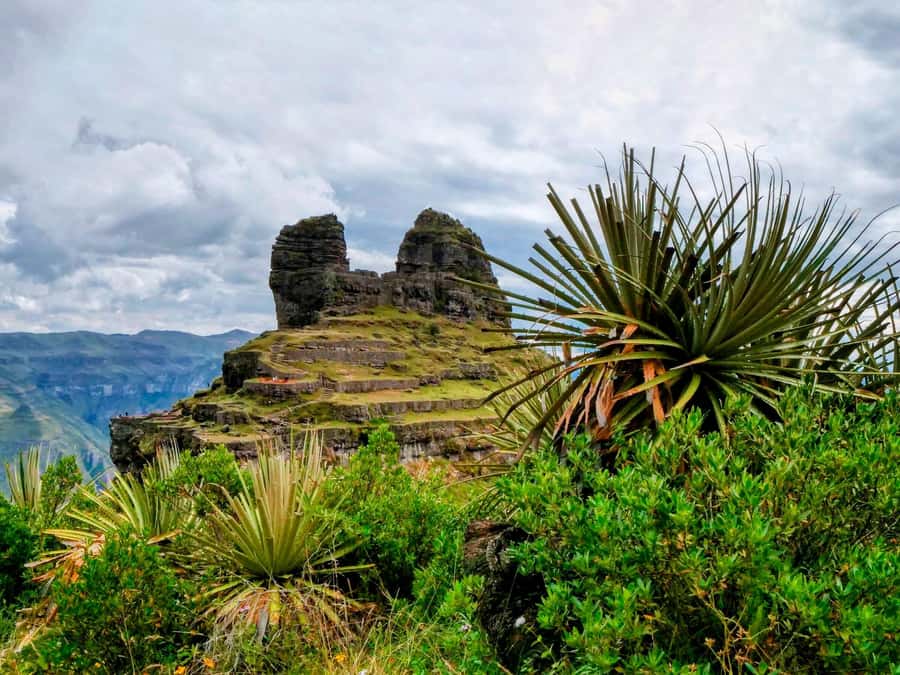
The most memorable feature is its form. The rock and stone structures create a horn-like silhouette, which explains the name Waqra Pukara, often translated as horn fortress. The site combines natural rock formations, terraces, and ceremonial construction. You do not simply arrive at a ruin and walk around a courtyard. You approach it across open mountain country, with the fortress gradually coming into view.
That approach gives the place much of its power. The site feels tied to the mountains around it, rather than placed apart from them. I would not expect the same scale or polish as Machu Picchu. The appeal here is the setting, the unusual shape, and the feeling of reaching an ancient center in a remote highland position.
Your bilingual guide is meant to explain the archaeological center once you arrive. The visit includes a guided walk, followed by free time for photos and independent exploring. The actual amount of explanation may vary, so I would read this as a scenic hiking trip with archaeological interpretation, not as a long specialist lecture.
Other ruins and collections around Cusco:
- Cusco: Half-Day City Tour with Sacsayhuaman and Q’enco
★ 4.6 · 1,129 reviews - City Tour Cusco Qoricancha Sacsayhuaman y Tambomachay
★ 4.7 · 617 reviews - Cusco: City Tour | Half-Day Tour to 4 Archaeological Sites
★ 4.6 · 206 reviews
The 4:30 am departure and the road toward Acomayo
The day starts early. Pickup is scheduled from your hotel in central Cusco, and you should wait in the lobby from 10 minutes before the stated time. The listed central pickup points include Centro Histórico and Plaza Kusipata, while the return is planned for Plaza Regocijo.
That early start is not a small detail. You are looking at roughly 14 hours from departure to return, including road time, breakfast, hiking, the site visit, and lunch. I would keep the previous evening quiet and avoid treating this as a casual add-on after a late night in Cusco.
The first major stop is in the Acomayo area, near Pitumarca, where breakfast is served. This gives you a chance to eat before the trail, though the food has not been consistently praised. It is included, which helps the $50 price, but I would still pack a snack in case you need something more substantial.
The drive is part of the experience, but it is also the main comfort risk. One account describes a rough ride of about four hours, with strong shaking and the vehicle touching down on uneven sections. That does not mean every departure will be equally uncomfortable, yet you should expect highland roads rather than smooth highway travel.
If you get motion sickness, sit where the ride feels least jarring and bring whatever personal remedy you normally use. The tour provides a first aid kit, but that is not a substitute for your own medication or snacks.
Pomacanchi Lagoon and the changing Andean views
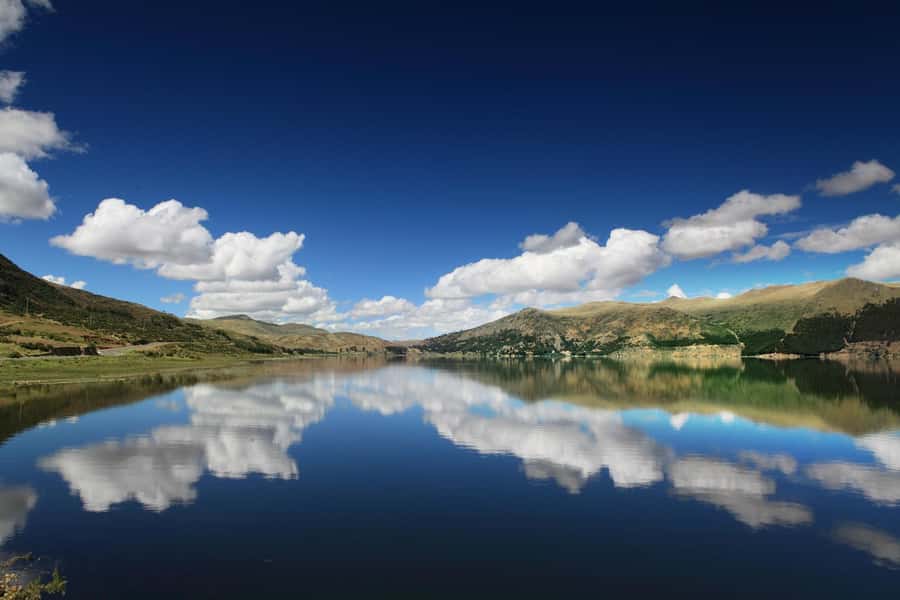
The route borders Pomacanchi Lagoon, one of the larger lakes in the region. The water is surrounded by meadows and cultivated fields, giving you a useful look at the settled side of the Cusco highlands before the day becomes more remote.
This section is valuable because it gives the trip some local texture. You are not being driven straight from Cusco to an isolated ruin with no sense of the area. The fields, lake, and mountain views show how communities use these high valleys.
The stop is mainly viewed from the road, rather than presented as a separate sightseeing visit. Do not expect a long lakeside walk or a formal boat excursion. Its role is to add scenery to the journey and break up the long drive.
I like this kind of route when I know what to expect. You are seeing a slice of the region, not collecting a string of polished attractions. The tradeoff is time. The same long road that brings you to the lake and the fortress also leaves less flexibility if traffic, road conditions, or vehicle trouble cause delays.
The hike to the horn-shaped fortress
From the trailhead, the planned hike takes about three hours. It leads through mountain terrain, with views of rock formations, local plants, animals, and broad Andean scenery. The path is the reason to bring sturdy footwear and take the outing seriously.
The timing appears to vary. One account describes a walk closer to one hour, rather than three. That difference may relate to the route used, the pace of the group, or where the vehicle stops, but you should not build your expectations around a fixed three-hour walk.
The trail still requires effort because of altitude and uneven ground. Even a shorter route can feel demanding above Cusco. The tour specifically excludes people with altitude sickness, and that warning deserves attention. If you are still struggling with altitude in Cusco, a full-day trip with an early departure and mountain hike is a poor test of your limits.
The walk is also where you get the best views. You will see mountain ridges and rock shapes rather than a tightly managed archaeological path. A walking stick is available as an optional inclusion, which can help on uneven sections. I would use it if your knees or balance need support.
Wear layers. The day begins in the cold before sunrise, then may feel warmer during the hike, and can become cool again while you rest at the site. A small day bag should include water, sunscreen, a hat, snacks, and personal medicine. Snacks are not included, and the trip is too long to rely only on the two scheduled meals.
Same base, a completely different day:
- Cusco: Humantay Lake Tour with Breakfast and Buffet Lunch
★ 4.9 · 2,976 reviews - From Cusco: Moray, Maras Salt Mines & Chinchero Weavers Tour
★ 4.8 · 1,925 reviews - From Cusco: Full-Day Group Tour of Machu Picchu
★ 4.7 · 1,767 reviews - Machu Picchu Day Trip from Cusco
★ 4.5 · 1,644 reviews
Arriving at Waqra Pukara around midday
The planned arrival is around noon. After a short rest, the guide leads the visit through the archaeological center. This is the moment when the long road and uphill walk pay off.
The fortress includes terraces and ceremonial structures set among natural stone. From its high position, you can look across the surrounding mountains and valleys. The stonework is not only something to inspect at close range. Its placement on the mountain top is part of what you are seeing.
You get free time after the guided portion. Use it to take photographs, study the rock formations, and look back along the route you walked. The site is especially rewarding for someone who likes ruins with a strong natural setting and unusual shapes.
The guided portion may be shorter than you hope. One outing placed a heavy focus on photographs and offered less explanation than expected. I would ask your guide questions while you are there instead of waiting for a long formal talk. The bilingual service is listed in Spanish and English, but the depth of interpretation can vary from group to group.
The entrance fee is not included. Set aside S/15 per person. A practical tip: bring small cash in soles so the payment does not become a delay at the site. The fee is modest compared with the total cost of the day, but it should be part of your real budget.
Lunch in Pitumarca and the long ride home
After the fortress visit, the group returns to Pitumarca for lunch. This meal is included, which makes the tour easier to budget, but the food quality has been described as basic rather than memorable.
That is fine if you see lunch as fuel. I would not choose this trip for its meals. Bring snacks to fill the gaps, especially if you eat lightly at breakfast or need food during the hike.
The return drive brings you back to Cusco, with an expected finish near Plaza Regocijo at about 5:00 pm. In practice, road and vehicle problems can change that schedule. A separate departure had to deal with a bus that could not climb properly, leading to a long walk and a wait for another vehicle. That was connected with a weather-related change of plan, but it shows why you should avoid booking an evening flight, train, or paid activity immediately after this tour.
Bad weather can also change the destination. One departure was redirected from Waqra Pukara to the Q’eswachaka Rope Bridge and a small volcanic site. The substitute outing was considered a good experience, but it was not the fortress day originally planned. If Waqra Pukara is your main reason for booking, weather flexibility is part of the deal.
Is $50 a fair price for this full-day outing?
At $50 per person, the package includes round-trip transport, central hotel pickup, a bilingual Spanish and English guide, breakfast, lunch, a first aid kit, and an optional walking stick. Add the S/15 entrance fee, snacks, and personal extras.
That is a reasonable price if the transport runs well and you value convenience. Organizing a remote mountain trip on your own would require arranging transport, finding the trailhead, handling meals, and locating the archaeological entrance. The guide also gives the day some structure.
The value drops if you want a comfortable vehicle, a polished food experience, or detailed archaeological teaching. The long road takes up a large part of the day, and transport comfort has not been consistent. You are paying for access to a dramatic place, not luxury.
The included meals are useful, but I would not count them as a major reason to book. The strongest value is the combination of transport and access to a remote fortress that is not an easy independent day trip from Cusco.
Who should choose this Waqra Pukara trip?
I would recommend it to you if you enjoy mountain scenery, unusual ruins, long day trips, and a little uncertainty. You should be comfortable with early starts, rough roads, altitude, and a hike whose length may vary.
It suits an active person who wants something less standard than the busiest archaeological circuits around Cusco. The horn-like formation, high position, terraces, and open views give the day a clear identity.
I would be cautious if you have altitude sickness, poor tolerance for winding roads, or only a short stay in Cusco. I would also avoid it if missing one day would seriously disrupt your plans. The pickup record includes two serious failures, including departures where the group was not collected, so communication and timing are important concerns.
The cancellation policy allows a full refund when you cancel at least 24 hours ahead. You can also reserve and pay later, which helps if you are watching the weather. Still, flexibility does not solve the practical issue of losing a day if transport or pickup goes wrong.
Should you book Waqra Pukara?
Book this tour if the fortress itself interests you enough to accept a hard, long day. The scenery and unusual archaeological setting are the clear rewards, and the price covers most of the basics.
I would book with a backup plan. Confirm your pickup details and phone number, keep the morning free, bring food and cash, and do not schedule an important connection that evening. If you need dependable pickup, smooth transport, and detailed guiding, choose another operator or ask careful questions before paying.
For the right person, Waqra Pukara can be a memorable mountain outing. It is not an effortless ruin visit, and its practical weaknesses are real. The best reason to go is simple: you want to reach a striking fortress in a dramatic Andean setting, and you are willing to work for it.
FAQ
Where is Waqra Pukara located?
Waqra Pukara is in the Cusco Region of Peru, reached through the Acomayo and Pitumarca area.
How early does the tour leave Cusco?
Pickup begins at about 4:30 am. You should wait in your hotel lobby from 10 minutes before the scheduled pickup time.
Where can I meet the tour?
The listed pickup options are Centro Histórico and Plaza Kusipata. The tour ends at Plaza Regocijo in central Cusco.
How long does the full activity last?
The activity is planned as a full day of about 14 hours, ending at approximately 5:00 pm.
How long is the hike to Waqra Pukara?
The planned hiking time is about three hours. The actual walk can be shorter, with one outing taking about one hour.
Is the entrance fee included?
No. The Waqra Pukara entrance fee is S/15 per person.
Are meals included?
Yes. Breakfast and lunch are included. Snacks are not included, so you should bring your own.
What languages does the guide speak?
The live guide service is provided in Spanish and English.
Is the tour suitable for someone with altitude sickness?
No. The activity is specifically listed as unsuitable for people with altitude sickness.
Just added around Cusco
- 1.5h Cusco Chocolate Workshop – Truffles & Hot Chocolate★ 4.3 · 8 reviews
- Cusco: Chocolate Workshop with the Best Local Organic Cacao★ 4.5 · 23 reviews
- Cusco: Bean to bar chocolate workshop★ 5.0 · 3 reviews
- Cusco: Pub Crawl with Skip-the-Line Access and Drinks★ 4.6 · 57 reviews
- Horseback Tour in cusco to Temple of the Moon & Hidden temples★ 5.0 · 54 reviews
- 4-Day Inca Jungle Adventure, Mountain Biking, Rafting and Zipline★ 5.0 · 60 reviews
- Essential Machu Picchu Full Day Tour★ 5.0 · 60 reviews
- Sacred Valley of the Incas – Pisaq, Ollantaytambo and Chinchero★ 5.0 · 62 reviews
Museums & Inca Ruins, compared.
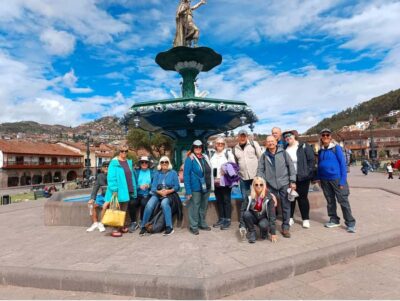
Half-Day City Tour with Sacsayhuaman and Q’enco
Read our review →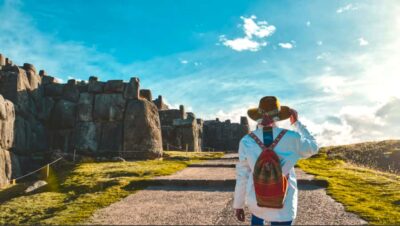
City Tour Cusco Qoricancha Sacsayhuaman y Tambomachay
Read our review →
The Charm of Barranco & Pre Inca Pyramid in Miraflores
Read our review →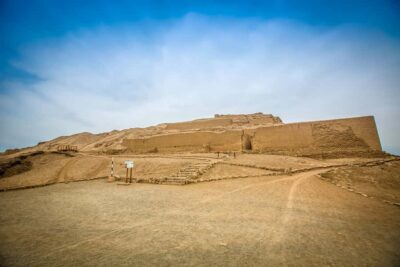
Pachacamac Ruins & Barranco Half-Day Guided Tour
Read our review →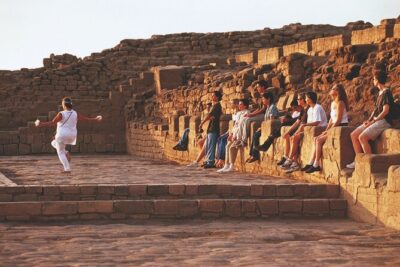
Pre Inca Temple of Pachacamac Half-Day Tour from Lima
Read our review →
City Tour | Half-Day Tour to 4 Archaeological Sites
Read our review →
City Tour in Cusco & visit Museum South American Camelid Private.
Read our review →Browse the lists this tour appears in