
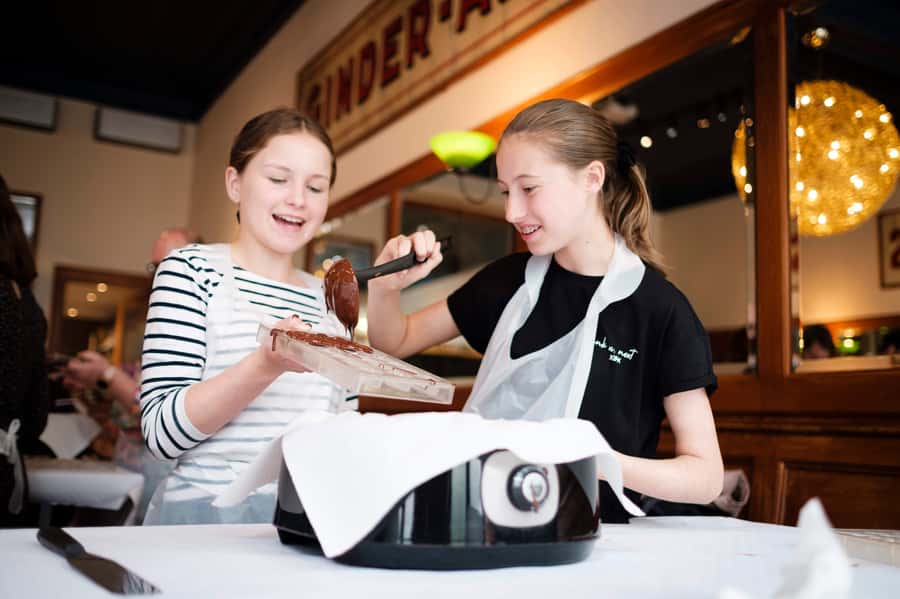
Reviewed · CHOCOLATE WORKSHOPS
Cusco: Chocolate Workshop with the Best Local Organic Cacao
Cusco’s best souvenir may be something you can eat. In this hands-on chocolate workshop, you work with organic Chuncho cacao from the Cusco jungle, learn Belgian-style praline techniques, and make about 21 pralines plus 10 mendiants. The setting adds a bonus: Limbus Restobar has a wide view across the city.
I like two things here. First, you do the work yourself, from choosing fillings to shaping and decorating the chocolates. Second, the class connects the sweets to Peruvian cacao culture, rather than treating chocolate as just another cooking activity. The hot chocolate tasting is a welcome extra.
The main consideration is the class’s meeting place and format. You must make your own way to Limbus Restobar, and the experience does not allow spectators or children under 12. One booking was also cancelled shortly after purchase, so it is sensible to confirm the session before building your day around it.
Key points to know before booking
- Chuncho cacao from Cusco: Learn about a prized organic cacao grown in the jungle of the Cusco region.
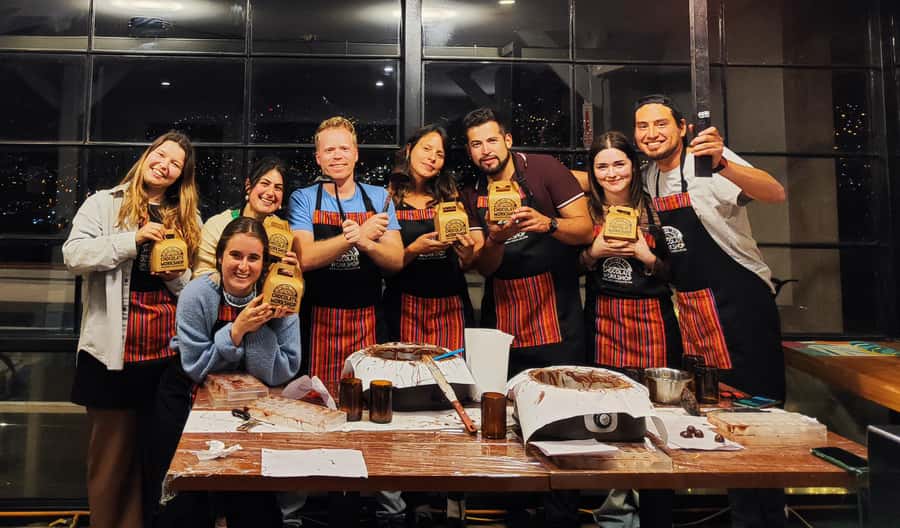
- A real make-and-take class: Prepare pralines and mendiants from scratch, then bring your chocolates home.
- About 300 grams of chocolate: The expected output is roughly 21 pralines and 10 mendiants per person.
- Views from Limbus Restobar: The workshop takes place at a restobar with a panoramic view over Cusco.
- Friendly multilingual instruction: Sessions are offered in English, Spanish, and French, with David, Marco, Alex, and other team members leading classes.
- Adults and older children only: The activity is not suitable for children under 12 or people with diabetes, and spectators are not permitted.
Why Chuncho cacao gives this class a Cusco identity
Many chocolate classes could take place in any city. This one has a clear local anchor: Chuncho cacao, an organic cacao associated with the jungle area of the Cusco region.
The class explains why Peruvian chocolate is distinctive and why Chuncho cacao is considered one of the world’s best organic varieties. You should not expect a farm visit or a full bean-to-bar production tour. Instead, the workshop gives you a practical introduction to the ingredient before you turn it into sweets.
That difference matters. You are not simply melting generic chocolate and sprinkling toppings over it. The class links the finished pralines to a product from the wider Cusco region, giving your souvenir a stronger local connection.
I also like that the activity includes cultural context before the practical work begins. You get an introduction to the history and culture of chocolate, then move into the kitchen-style part of the session. The result is a good balance for anyone who wants more than a recipe but less than a full academic lecture.
Other cacao workshops around Cusco:
- Chocolate Workshop in Cusco with Premium Organic Cacao
★ 5.0 · 75 reviews - 1.5h Cusco Chocolate Workshop – Truffles & Hot Chocolate
★ 4.3 · 8 reviews - Cusco: Bean to bar chocolate workshop
★ 5.0 · 3 reviews
Meeting at Limbus Restobar in central Cusco
The workshop takes place at Limbus Restobar, a popular venue with a panoramic view of Cusco. To find the class, go to the reception and say you are there for the chocolate workshop, or el taller de chocolate. The receptionist directs you to the activity.
This arrangement is useful, but it requires attention. There is no hotel pickup, so you need to reach the meeting point independently. Give yourself time to locate the restobar and check in without rushing. The supplied information identifies the venue, but it does not provide a separate pickup service or a detailed transport plan.
The setting is part of the appeal. You get a city view while working with chocolate, and several class comments specifically praise the panorama. If you are scheduling the activity, it makes sense to place it at a time when you can enjoy the view rather than treating the workshop as a quick stop between attractions.
The venue also gives the experience a social feel. You are working at a restobar rather than in a private home or a cacao plantation. That means the atmosphere may suit people who enjoy meeting others and learning in a lively setting. It may be less appealing if you want a quiet, private lesson.
The first part of the 150-minute workshop
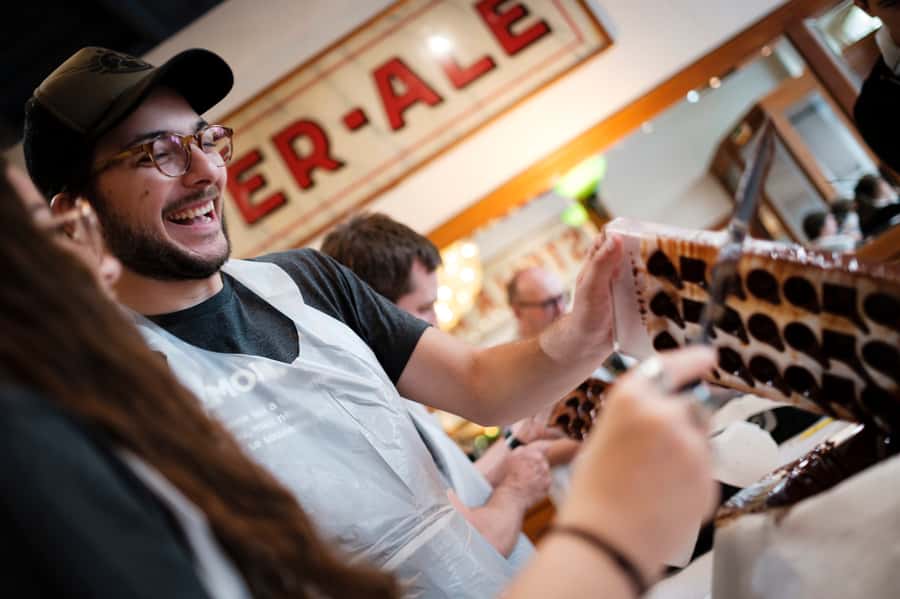
The full session lasts two and a half hours, or 150 minutes. The opening portion focuses on chocolate’s story and on the qualities of Peruvian cacao.
This introduction helps you understand what is in front of you before you begin shaping it. You learn about cacao from the Cusco region, the special place of Chuncho cacao, and the broader connection between chocolate and Peruvian culture.
The teaching style appears informal and upbeat. David is praised for his humor and friendly energy, while Marco and Alex are also named as instructors in different sessions. The exact guide may vary, but instruction is offered in English, Spanish, and French.
You will also hear about tempering, the process that helps chocolate set with a smoother finish and a better snap. This is one of the more useful parts of the class because it explains why professional chocolate looks and feels different from a simple melted bar.
There is one limit worth noting. The class does not appear to include a full demonstration of roasting and opening cacao beans. If you want to see every stage from raw bean to finished bar, this is not that kind of tour. It is focused on making pralines and mendiants with prepared chocolate.
Making pralines with your own fillings
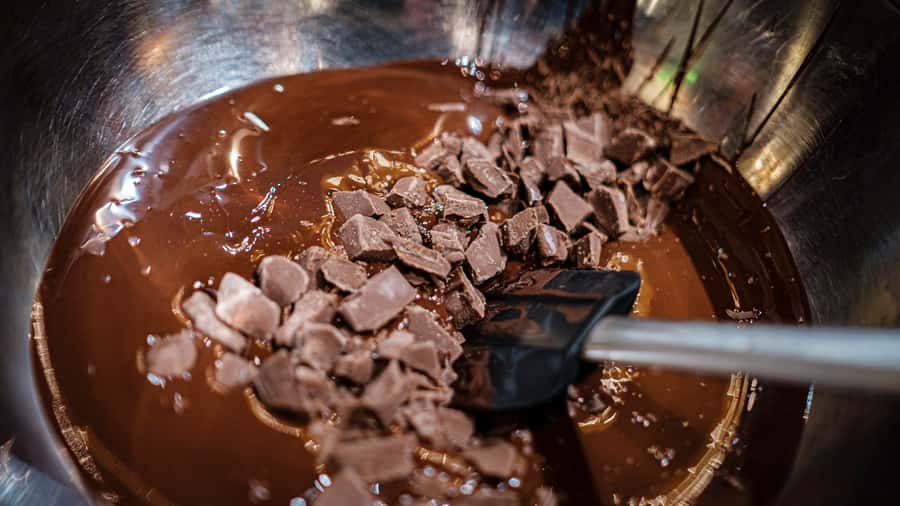
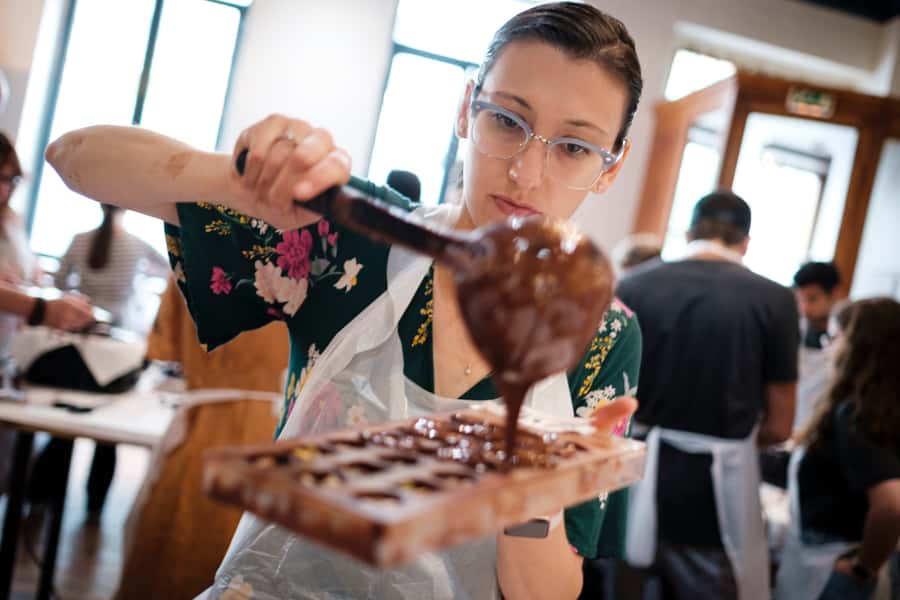
The main practical work is making Belgian-style pralines. You receive chocolate and the tools and ingredients needed for the class, with help available from start to finish.
The word praline can mean different things in different countries. Here, it refers to small filled chocolate bonbons in the Belgian tradition. You work with fillings and toppings rather than simply pouring chocolate into a single mold.
A key part of the activity is choosing what goes inside. Options include ganache made during the workshop, homemade local jam, and a selection of local and organic nuts. That choice gives you room to make a mixed box rather than producing identical pieces.
Making your own ganache adds another useful layer. You can see how a filling affects the final texture and flavor, and you get a chance to adjust your creations to your own taste within the ingredients provided.
The class is described as hands-on and interactive, so expect to handle chocolate rather than watch a long demonstration from the side. The instructors assist throughout, which is helpful if your first pieces look less polished than the examples. Chocolate has a habit of exposing small mistakes, but that is part of the fun.
Same base, a completely different day:
- Cusco: Humantay Lake Tour with Breakfast and Buffet Lunch
★ 4.9 · 2,976 reviews - From Cusco: Moray, Maras Salt Mines & Chinchero Weavers Tour
★ 4.8 · 1,925 reviews - From Cusco: Full-Day Group Tour of Machu Picchu
★ 4.7 · 1,767 reviews - Machu Picchu Day Trip from Cusco
★ 4.5 · 1,644 reviews
Decorating mendiants with local toppings
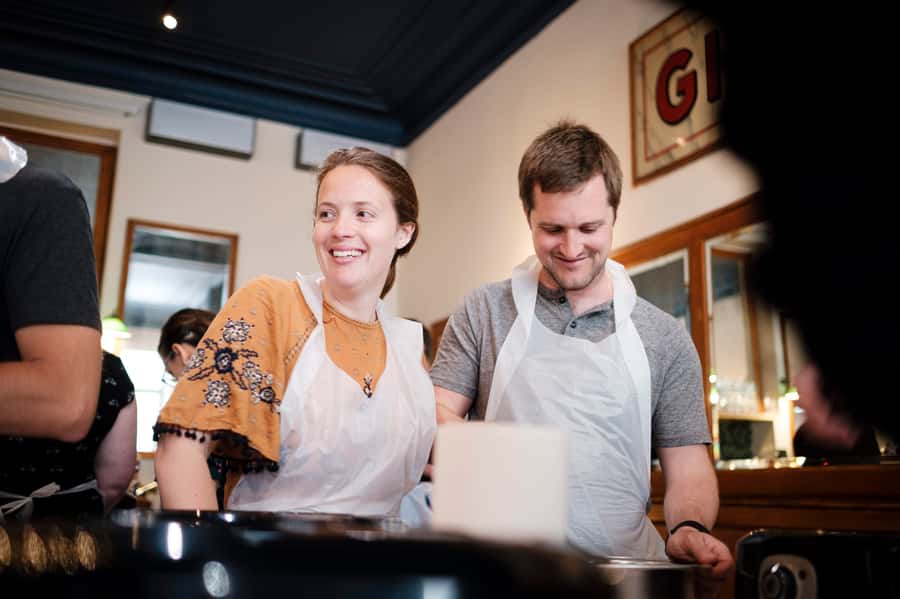
Along with pralines, you make mendiants. These are flatter chocolate pieces decorated with toppings, which makes them easier to personalize and visually different from the filled bonbons.
The toppings include local and organic nuts, and you can use the available ingredients to create different combinations. This part should suit people who enjoy design and presentation. You are making edible souvenirs, but you are also deciding how they look.
The promised quantity is generous: around 21 pralines and 10 mendiants per person. The inclusion is listed as 300 grams of chocolate per person, so you should leave with a substantial box rather than a few samples.
Exact counts can vary slightly with the size and shape of your pieces. Still, the stated amount makes the $47 price easier to assess. You are paying for instruction, ingredients, equipment, a hot chocolate tasting, and a take-home collection of sweets, not just for a drink and a small tasting plate.
Hot chocolate made during the class
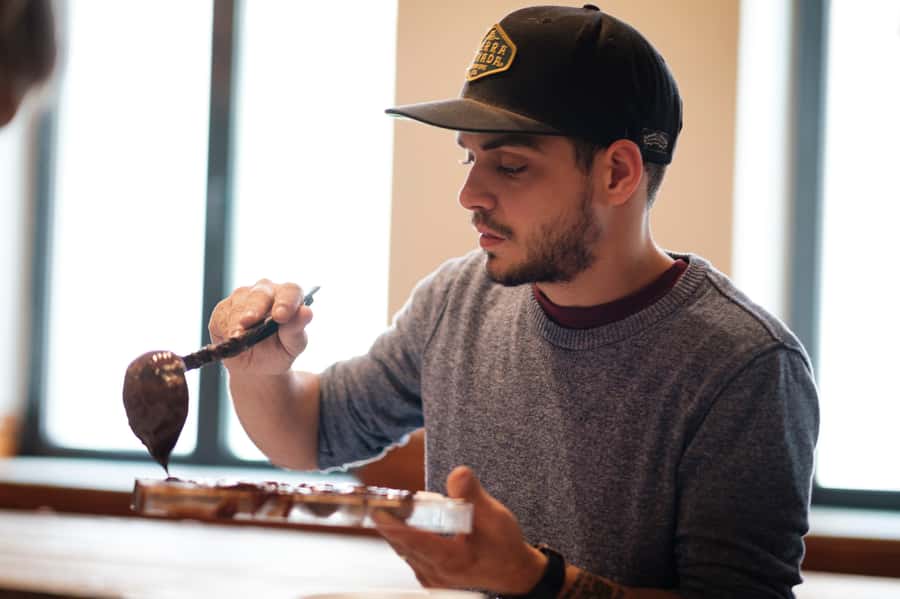
The workshop also teaches you how to make hot chocolate. This is not merely a cup handed to you at the start. It is part of the chocolate lesson and gives you another way to taste the cacao.
The hot chocolate has been a strong point of the session, with particularly positive comments about its flavor. It also breaks up the practical work nicely. After handling chocolate and fillings, you get to taste a warm preparation made from the same general subject matter.
The hot chocolate portion may be especially welcome in Cusco’s cooler climate. It is a simple addition, but it helps the class feel like a complete food experience rather than a single technique lesson.
Keep in mind that the activity is not suitable for people with diabetes. That restriction is listed clearly, and the large amount of chocolate makes it more than a minor tasting.
Packing your handmade chocolates for the journey home
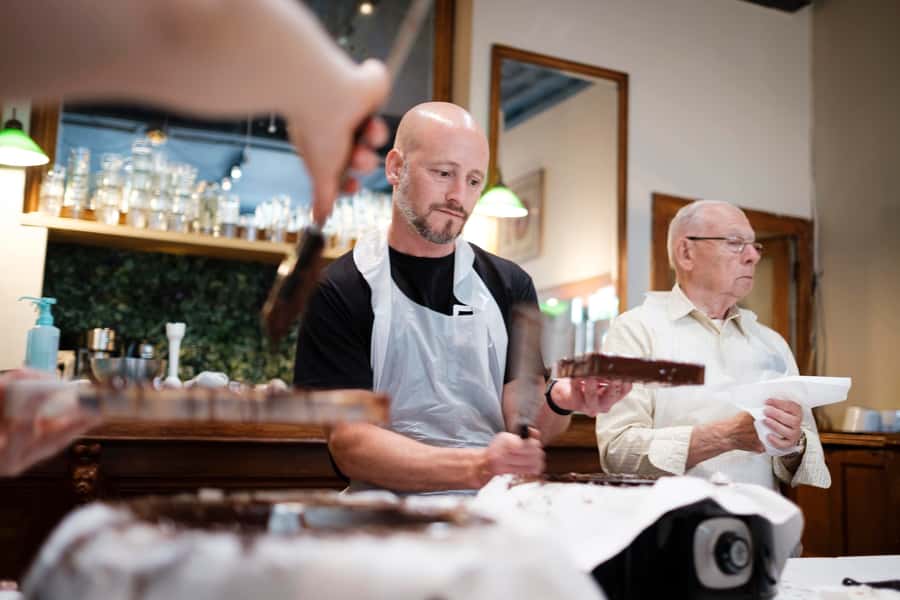
At the end, the team provides a personalized box for your creations. You can take home roughly 21 pralines and 10 mendiants, depending on your final production.
This is where the class earns its value as a vacation activity. You do not just leave with a recipe or a short-lived memory. You have a box of sweets made by you, which you can share with family and friends after returning home.
The box should also be treated as food rather than a durable souvenir. The supplied information does not give storage instructions, shelf life, or advice about carrying chocolate on flights. If you plan to travel with it, ask the instructor how best to protect the pieces from heat and rough handling.
The personal element is stronger than buying a standard chocolate bar in a shop. Your box reflects the fillings and toppings you chose, even if the pieces are not perfectly uniform. That is the charm of the activity.
What the guides add to the experience
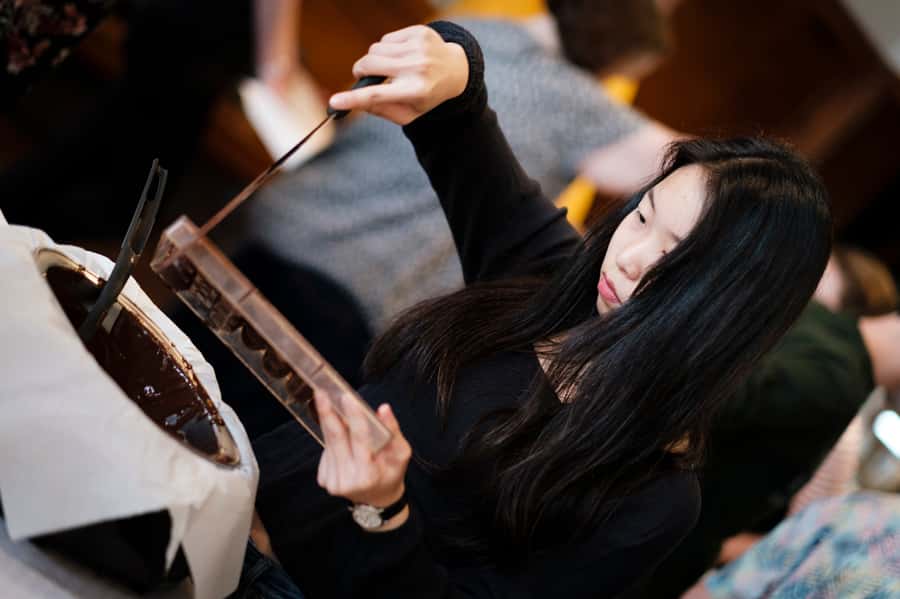
The instructors are a major part of the workshop’s appeal. David is repeatedly described as funny, warm, and energetic, and he has been credited with explaining cacao, chocolate history, and tempering in an approachable way.
Marco and Alex are also named in different class accounts, along with Ken and Angel. Since several instructors are associated with the experience, you should not assume that one particular person will lead every session. The teaching languages are English, Spanish, and French.
The tone appears social rather than formal. You can expect jokes, conversation, and encouragement while you work. That suits people who want an easygoing group activity. It may not suit someone looking for a highly technical pastry-school lesson with exact professional production standards.
The language choice is another practical benefit. If you speak English, Spanish, or French, you can select an available session that matches your needs. Check the start time and language when booking, since the schedule can vary.
Is $47 good value in Cusco?
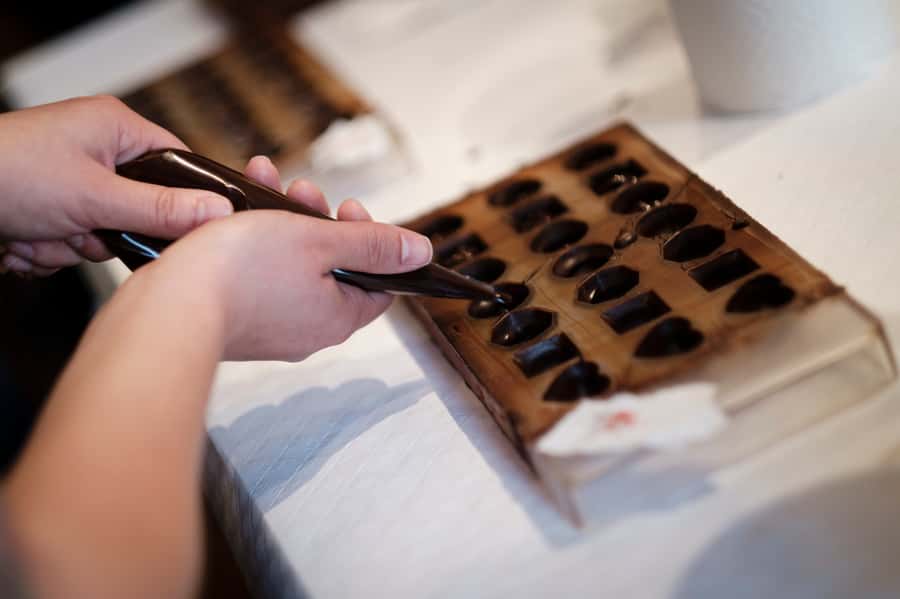
At $47 per person, this is not the cheapest food activity in Cusco. Its value depends on what you want from the two and a half hours.
The price includes 300 grams of chocolate, all ingredients, utensils, instruction, hot chocolate, filtered water, and a take-home box. You also receive a guided introduction to Peruvian cacao and practical help while making the sweets. If you would otherwise buy several quality chocolate gifts, the contents of the box add meaningful value.
I would think of it as a cooking lesson plus a souvenir, not as a chocolate tasting alone. The hands-on portion is important. If you only want to sample Peruvian chocolate, a shop or short tasting may cost less and take less time.
The panoramic view from Limbus Restobar also adds to the setting, though it should not be the main reason you book. The strongest value comes from making the pralines yourself and learning how Chuncho cacao fits into the region’s food culture.
Who should book this chocolate workshop?
I would recommend it to couples, friends, solo visitors who enjoy social classes, and families with children aged 12 or older. It is a good choice when you want a slower activity between Cusco’s major sights, especially if you like food, creative work, or locally made gifts.
It also suits people who want a souvenir that is more personal than a packaged product. You choose fillings, shape the sweets, decorate the mendiants, and leave with a box of your own work.
I would hesitate if you have limited time, dislike group activities, or want a full cacao farm visit. The workshop takes 150 minutes, has no hotel pickup, and does not cover every stage of cacao production. It is also not suitable for children under 12, people with diabetes, or spectators who are not taking part.
Free cancellation is available up to 24 hours before the activity for a full refund, and you can reserve now and pay later. Because one booking was cancelled only a few hours after purchase and the refund had not yet arrived at the time of that report, I would avoid scheduling this as the only important activity on a tight itinerary.
Should you book it?
Book this workshop if you want to make your own edible souvenir and learn why Cusco’s Chuncho cacao matters. The strong points are clear: an engaging instructor team, a scenic setting, plenty of finished chocolate, tasty hot chocolate, and real participation from start to finish.
Skip it if you want to watch cacao being harvested, roasted, and opened, or if you prefer a private and quiet lesson. For most chocolate lovers spending a few days in Cusco, $47 is a fair price for a two-and-a-half-hour activity that combines local food, city views, and a box you can share when you get home.
FAQ
How long does the chocolate workshop last?
The workshop lasts 150 minutes, or two and a half hours.
Where does the activity meet?
The workshop meets at Limbus Restobar in Cusco. At reception, say you are there for the chocolate workshop, or el taller de chocolate, and the receptionist will direct you.
Is hotel pickup included?
No. You must make your own way to Limbus Restobar.
What languages are available?
Instruction is available in English, Spanish, and French.
How much chocolate can I take home?
The activity includes 300 grams of chocolate per person. You can expect to make around 21 pralines and 10 mendiants, then pack them in a personal take-home box.
What will I make during the class?
You will make Belgian-style pralines and mendiants from scratch. Fillings and toppings include ganache, homemade local jam, and a selection of local and organic nuts.
Are children allowed to join?
Children under 12 are not allowed to participate. Unaccompanied minors are also not allowed, and spectators cannot attend without taking part.
Can people with diabetes join the workshop?
No. The activity is listed as unsuitable for people with diabetes.
Can I cancel my booking?
You can cancel up to 24 hours in advance for a full refund. The activity also offers a reserve-now-and-pay-later option.
Just added around Cusco
- “Waqra Pucara, The Majestic Fortress Revealing Secrets of the Andes”.★ 3.5 · 8 reviews
- 1.5h Cusco Chocolate Workshop – Truffles & Hot Chocolate★ 4.3 · 8 reviews
- Cusco: Bean to bar chocolate workshop★ 5.0 · 3 reviews
- Cusco: Pub Crawl with Skip-the-Line Access and Drinks★ 4.6 · 57 reviews
- Horseback Tour in cusco to Temple of the Moon & Hidden temples★ 5.0 · 54 reviews
- Essential Machu Picchu Full Day Tour★ 5.0 · 60 reviews
- Sacred Valley of the Incas – Pisaq, Ollantaytambo and Chinchero★ 5.0 · 62 reviews
- Sacred Valley of the Incas Tour with Moray & the Salt Mines★ 5.0 · 61 reviews
Chocolate Workshops, compared.
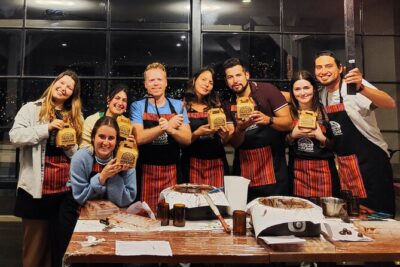
Chocolate Workshop in Cusco with Premium Organic Cacao
Read our review →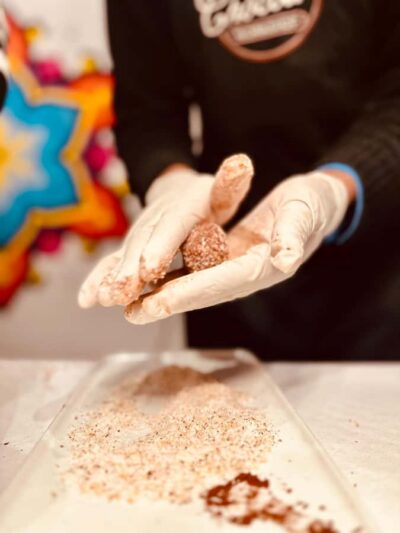
1.5h Cusco Chocolate Workshop – Truffles & Hot Chocolate
Read our review →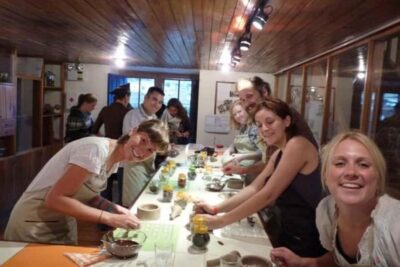
Browse the lists this tour appears in