
Reviewed · MUSEUMS & INCA RUINS
Lima: Pachacamac Inca Archaeological Complex Tour
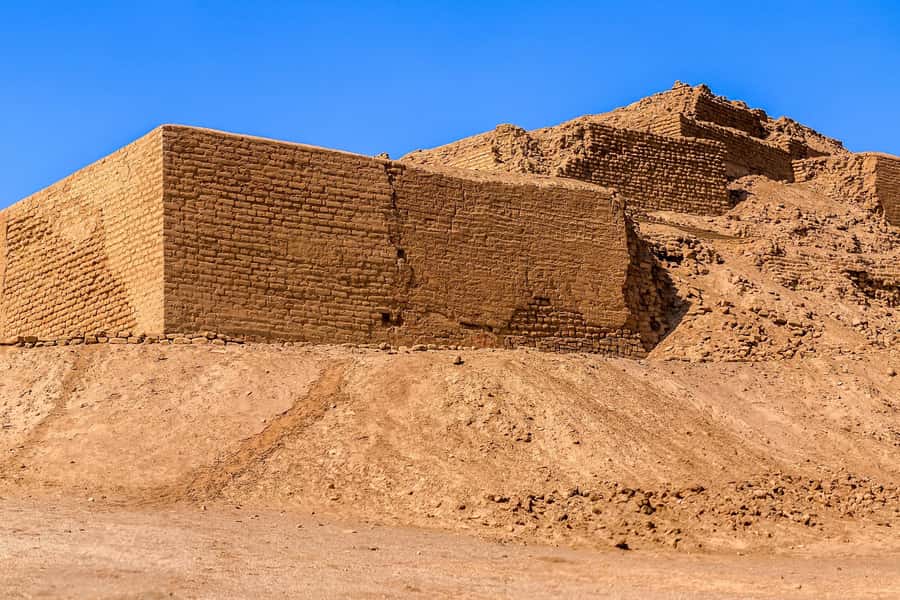
Pachacamac is the sort of ancient site that changes your sense of Lima. Just outside the city, this huge sacred complex stretches across desert land and is described as three times larger than Machu Picchu. The Temple of the Sun gives you a fine Pacific view, while the museum helps explain why this place mattered to several cultures long before the Inca Empire.
I especially like two things here: the museum comes first, so the ruins make more sense, and the private format lets your guide adjust the pace and answer your questions. Guides such as Jordan, Edwin, Diana, Maria, and Aura have received especially warm praise for clear explanations and an easy manner. The main drawback is the heat and walking on open ground, plus Lima traffic can stretch the four-hour plan.
Key points to know before you book
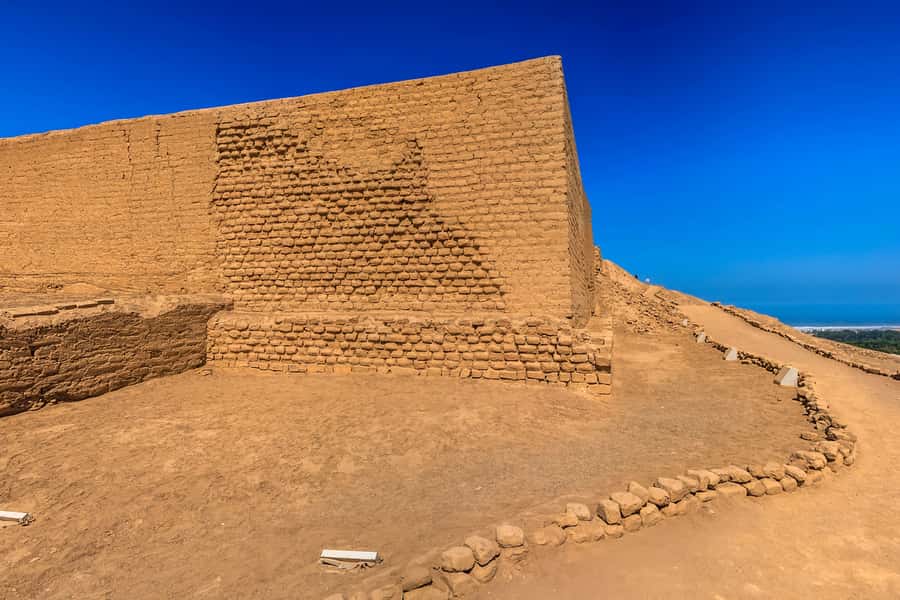
- Pachacamac covers an enormous area: You see only selected sections during this half-day visit, but the scale is clear.
- The museum is a real part of the tour: Allow about 30 minutes for displays and background before heading outside.
- The Temple of the Sun brings the best view: The Pacific appears beyond the desert ruins.
- Private transport saves effort: Pickup and return are offered from hotels in Miraflores, Barranco, and San Isidro.
- Your guide shapes the experience: Jordan, Edwin, Diana, Maria, Aura, and other guides have led highly praised visits, though a specific guide cannot be promised.
- Bring protection from the sun: Comfortable shoes, sunglasses, a hat, and sunscreen matter here.
Why Pachacamac is worth leaving Lima for
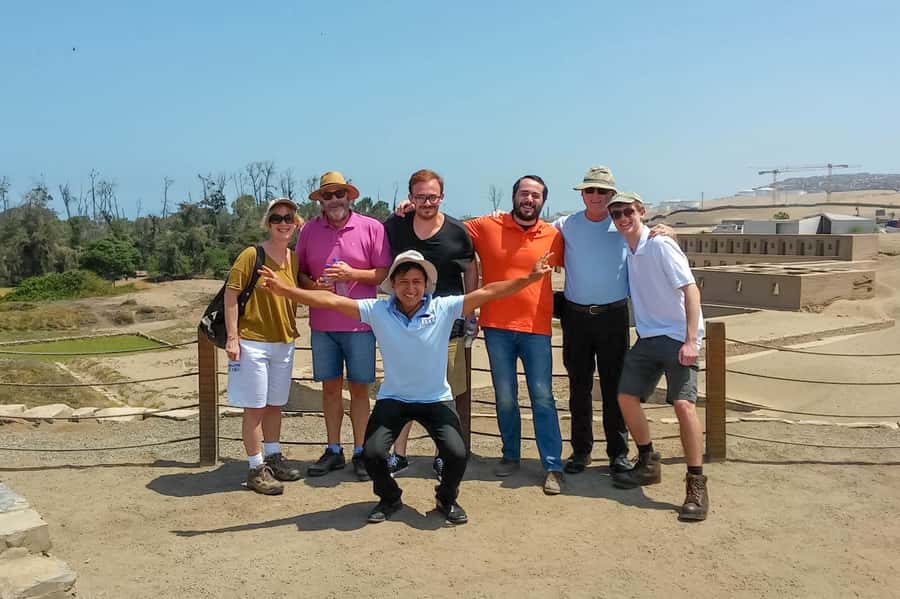
Pachacamac is not a single ruined building. It is a broad archaeological complex connected with several cultures from Lima’s past, including the Lima, Wari, and Inca periods. That makes it a useful first stop if you want to understand Peru as more than an Inca story.
The site takes its name from Pacha Kamaq, the Inca Earth Maker god. The Inca arrived late in the long story of Pachacamac, which is one of the most useful lessons of the visit. Your guide can place the Inca period within a much older sequence of settlement, worship, building, and change.
I like that this tour does not rush straight to a famous temple for a quick photograph. The museum gives you objects and explanations first. Then, when you walk outside, the walls, roads, pyramids, and sacred spaces have a clearer purpose.
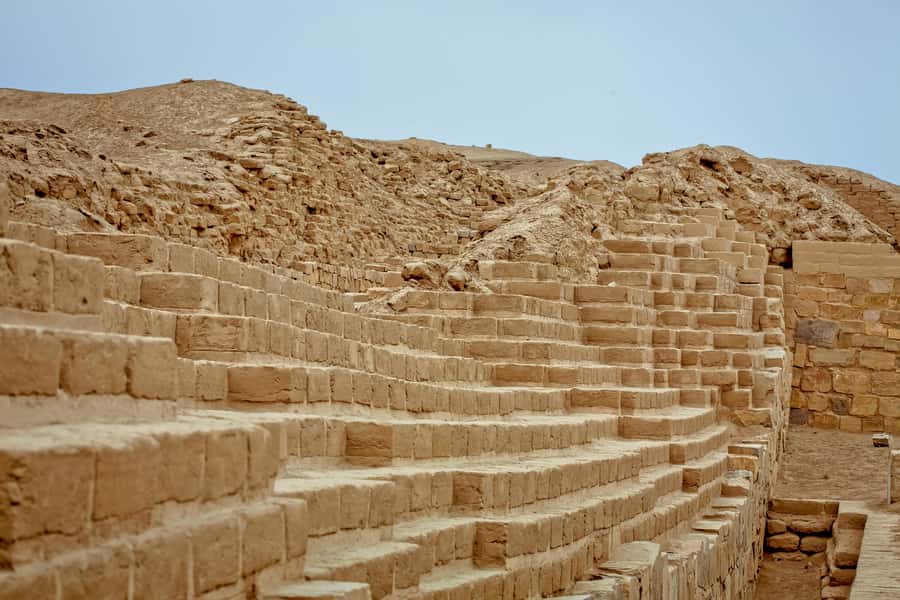
The scale also helps. Pachacamac is said to be three times larger than Machu Picchu, though the two sites offer very different experiences. Machu Picchu is dramatic mountain scenery and concentrated stone architecture. Pachacamac is a wide desert complex, with earthen structures, long sightlines, and a powerful sense of open space.
Other ruins and collections around Lima:
- Lima: The Charm of Barranco & Pre Inca Pyramid in Miraflores
★ 4.9 · 322 reviews - Lima: Pachacamac Ruins & Barranco Half-Day Guided Tour
★ 4.6 · 296 reviews - Pre Inca Temple of Pachacamac Half-Day Tour from Lima
★ 4.5 · 283 reviews
The ride from Miraflores, Barranco, or San Isidro
Pickup is included from hotels in three Lima districts: Miraflores, Barranco, and San Isidro. The drive is often described as about 30 minutes southeast of Lima, while the scheduled transport legs allow roughly 45 minutes each way. Plan on the longer figure, since city traffic can affect the timing.
That transport is one of the tour’s strongest practical features. Pachacamac is too spread out to treat as a quick walk from one entrance to one monument. A vehicle takes you to the archaeological area and saves your legs between sections.
The ride also gives your guide a chance to talk about Lima and Peru beyond the site. Several guides have used the drive to explain local culture, modern Lima, and the country’s long development. That extra conversation can be valuable if Pachacamac is your first introduction to Peru.
Traffic is the one part you cannot control. A four-hour plan is realistic, but a return can run late if Lima’s roads slow down. Keep this in mind if you have a flight, a fixed lunch booking, or another timed activity immediately afterward.
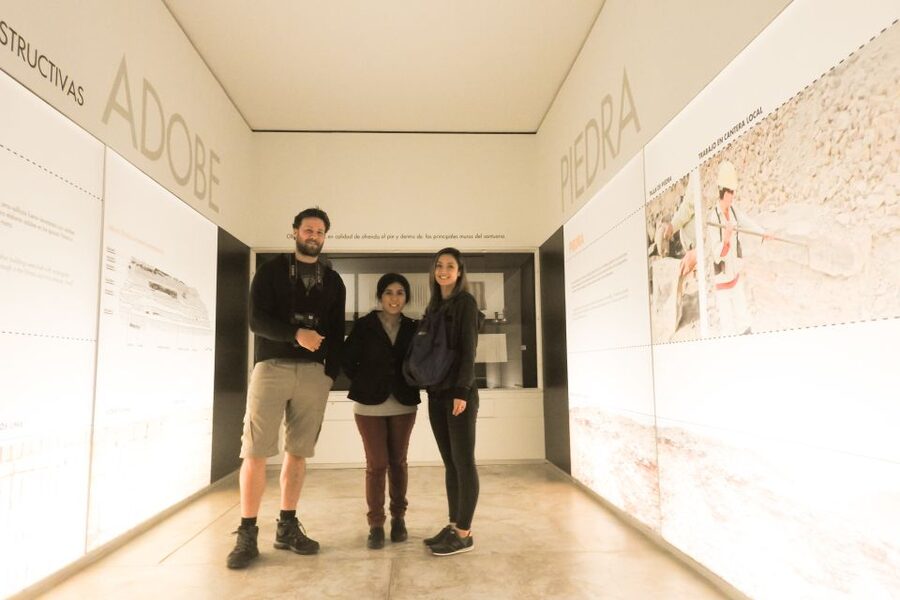
Starting inside the Pachacamac Site Museum
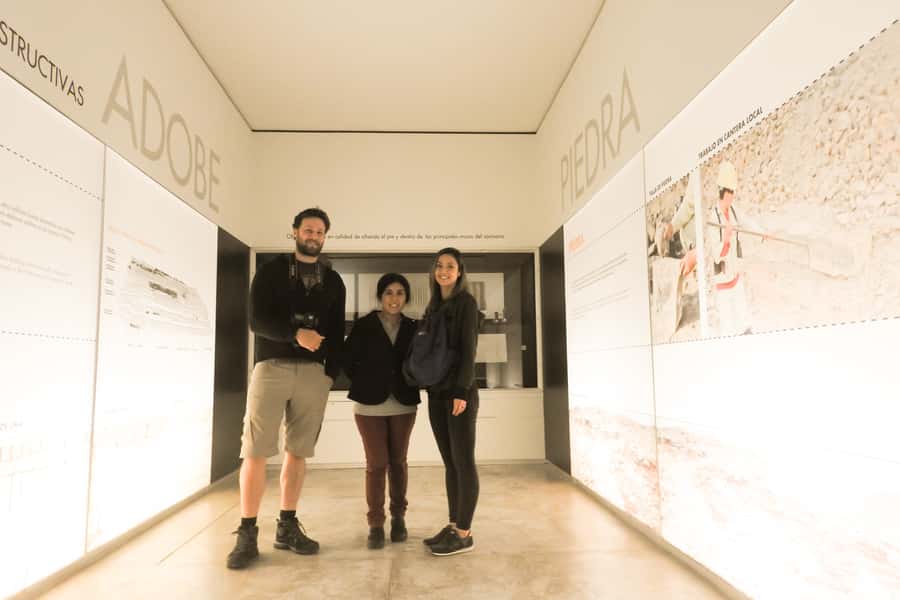
The museum visit lasts about 30 minutes and is the right opening move. Artifacts from the site are displayed there, along with information about the cultures that used Pachacamac. The museum is not large, but it gives you a helpful framework before the outdoor walk.
This is where a good guide makes a major difference. Jordan, Edwin, Diana, Maria, Aura, and other guides have been praised for explaining clearly, answering questions, and connecting objects in the museum with what you see outside. The best guides do not simply recite dates. They explain how the site developed and why its buildings mattered.
The museum also corrects a common mistake: treating every pre-Columbian ruin in Peru as Inca. Pachacamac’s story reaches back before the Inca period, and the site reflects several stages of Peruvian culture. If you have only limited time in Lima, this museum makes the visit more useful than looking at weathered walls without context.
Expect roughly half an hour indoors, followed by the outdoor section. The museum provides some shelter from the sun, but most of the tour takes place outside, so dress for bright conditions from the start.
Walking the huge archaeological complex
The main guided visit lasts about 75 minutes. You stroll through the sacred area and see several parts of the complex, including the North South road and other archaeological remains. The vehicle may take you partway into the site, which matters because the grounds are extensive.
This is a walk, not a quick bus window view. You should be ready for gentle uphill and downhill sections, open paths, and sun exposure. A previous visit was described as involving around 30 minutes of gentle walking on slopes, although the formal schedule allows more time for the full guided portion.
Wear shoes that can handle uneven ground. Sandals or thin city footwear may be less comfortable, especially if you want to pay attention to the guide rather than your feet. Sunglasses, a hat, and sunscreen are not optional extras here. They are sensible equipment for a desert archaeological site.
The site is still an active archaeological area, so what you see can change over time. Some structures are better understood from a distance than approached closely, and access is not identical across every section. That unfinished quality is part of the appeal, but you should not expect a fully reconstructed ancient city.
One useful feature is the private group format. Instead of following a large crowd, you can ask about a particular wall, road, ceremony, or cultural period. Several guides have been praised for making the tour feel like a conversation rather than a lecture.
Same base, a completely different day:
- Lima: Ultimate Peruvian Food Tour
★ 4.9 · 700 reviews - Full Day Paracas Ica and Huacachina from Lima All Included
★ 4.5 · 623 reviews - Lima’s Vibrant Heritage: Exploring the City’s Landmarks Half-day
★ 4.5 · 581 reviews - From Lima: Day trip to Paracas, Ica and Oasis Huacachina
★ 4.6 · 409 reviews
The Temple of the Sun and Pacific views
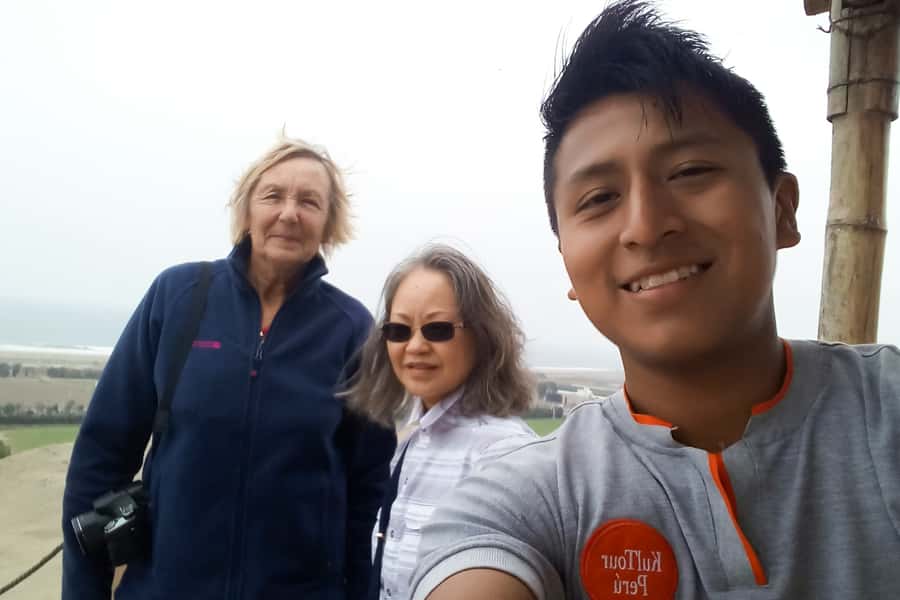
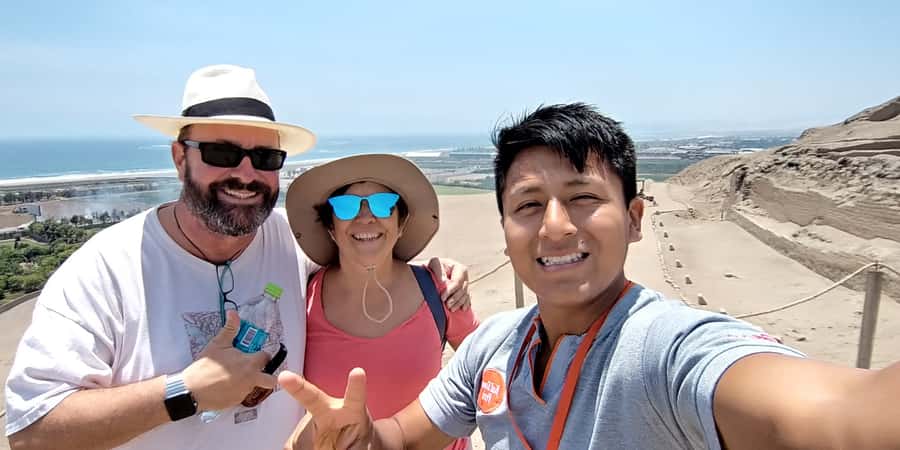
The Temple of the Sun is the scenic high point of the visit. From the pyramid, you get views toward the Pacific Ocean and across the dry surroundings of Pachacamac. The contrast between desert ground, ancient earthworks, and ocean horizon makes this more than a standard ruins stop.
The visit to this part of the complex includes a short photo stop of about 10 minutes. Use that time for photographs, but do not treat it as only a picture break. The position of the temple helps you understand the site’s setting and its relationship to the coast.
Access may involve walking uphill, and certain areas have restrictions. The activity is described as wheelchair accessible in general, but it also notes limits in some sections and lists the experience as unsuitable for wheelchair users and people with mobility problems. If you need step-free access, ask the operator for a precise description before booking.
Pregnant people and those with back problems are also listed among those for whom the activity is not suitable. That advice likely relates to the ride, walking, uneven ground, and slopes. Take it seriously rather than assuming a short duration means an easy outing.
The small alfajor finish
After the site visit, you return to the vehicle and receive traditional regional alfajores, a type of cookie. This is a small touch, but it gives the outing a pleasant local finish without pretending to be a full food tour.
Food and drinks are not included beyond this stated cookie stop. Bring water and any snacks you need, especially if you are sensitive to heat or have an early lunch schedule. The tour lasts four hours, and the bulk of that time is transport, museum viewing, and walking rather than a meal break.
The return ride takes about 45 minutes in the planned schedule. You are dropped back in Miraflores, Barranco, or San Isidro, depending on the included pickup arrangement. Confirm that your hotel falls within those districts before booking.
Guide quality matters more than the sales pitch
The strongest part of this experience is the human explanation. The archaeological remains are impressive, but earthen walls and broad paths do not always tell their own story. A guide gives you the cultural links, religious meaning, and timeline that turn a large site into a readable one.
Jordan appears repeatedly in the tour’s feedback and is praised for mixing serious historical explanation with humor and stories about modern Peru. Edwin is also frequently described as professional, personable, and clear in English and French. Diana, Maria, Aura, and other guides have earned similar praise for museum explanations and patient answers.
That does not mean you should book based on one particular name. Guide assignments can change. It does mean the provider has a strong record of pairing the site with guides who can speak to international visitors and handle questions in Spanish, English, French, Portuguese, or Quechua.
You should also tell your guide what interests you. If you care about archaeology, ask about excavation and preservation. If you are new to Peru, ask for the broad cultural timeline. If you want photographs, say so early so the pace works for you.
Is $79 a fair price?
At $79 per person, the tour is not the cheapest way to see Pachacamac, but the price covers several useful pieces: hotel pickup and drop-off, private transport, entrance fees for the museum, a guide, and parking.
The value is strongest if you are staying in Miraflores, Barranco, or San Isidro and want a simple half-day plan. You avoid arranging transport to a large site outside central Lima, working out how to move between its sections, and paying entrance costs separately. You also get an English-speaking guide or another listed language if available.
The price is less compelling if you prefer to travel independently, spend several hours examining ruins at your own pace, or already have transport arranged. The scheduled visit gives you a well-organized introduction, not unlimited time for archaeological study.
For most first-time visitors with only a few days in Lima, I think the cost is reasonable. You get a museum, a major pre-Columbian site, a guide, and ocean views in one morning or afternoon. The private format adds value, especially for couples, families, or small groups who want to ask questions freely.
Who should book this four-hour visit?
I would recommend it to you if you want to add serious archaeology to a Lima stay without giving up a full day. It suits first-time visitors, people preparing for the Inca Trail, and anyone who wants context before visiting other sites in Peru.
It is also a good choice for visitors who dislike figuring out local transport. Pickup, parking, and the vehicle between site sections remove much of the practical work. The tour is private, so it can feel more personal than a large scheduled group.
You may want another plan if your priority is a relaxed food outing, a long museum day, or a completely flat and shaded walk. Pachacamac is exposed, the complex is large, and some areas require walking on slopes.
Bring water, sturdy comfortable shoes, sunscreen, sunglasses, and a hat. Leave alcohol and drugs at home, and do not bring pets. These are simple rules, but following them makes the visit easier for everyone.
FAQ
How long does the Pachacamac tour last?
The activity lasts four hours. The planned transport legs take about 45 minutes each, with about 30 minutes at the site museum, 75 minutes walking through Pachacamac, and a short photo stop at the Temple of the Sun.
Where does hotel pickup take place?
Pickup is included from hotels in Miraflores, Barranco, and San Isidro. Return drop-off is offered in those same three districts.
What is included in the price?
The $79 price includes hotel pickup and drop-off, the guide, museum entrance fees, parking, and transport. Traditional alfajores are provided after the site visit.
Are food and drinks included?
Food and drinks are not included. The tour does provide traditional alfajores, but you should bring water and any other refreshments you need.
Which languages are available?
The listed guide languages are Spanish, English, French, Portuguese, and Quechua. Ask about your preferred language when booking.
Is the tour wheelchair accessible?
The activity is advertised as wheelchair accessible, but restrictions apply in certain areas. It is also listed as unsuitable for wheelchair users and people with mobility impairments, so ask for a detailed accessibility check before booking.
Can I cancel the booking?
You can cancel up to 24 hours in advance for a full refund. The reserve-now, pay-later option lets you hold a place without paying on the day of booking.
Should you book Pachacamac?
Book it if you want a well-guided introduction to Peru’s pre-Inca and Inca past, with transport handled from your Lima hotel. The museum, broad archaeological grounds, Temple of the Sun, and Pacific views make a strong half-day combination.
The best reason to go is not the size claim alone. It is the chance to see how several cultures shaped one sacred place, then have a guide such as Jordan, Edwin, Diana, Maria, or Aura explain what you are seeing. Just plan for sun, walking, and possible traffic delays. If those conditions suit you, Pachacamac is one of Lima’s most worthwhile short outings.
Just added around Lima
- Lima : City Tour by Panoramic Bus – Walking & Catacombs★ 4.3 · 41 reviews
- Lima: A night on the Rooftops & Clubs of Barranco with Shots★ 5.0 · 11 reviews
- Miraflores: Amazing Peruvian Cooking Class Ceviche Seafood and Pisco Sour★ 4.9 · 57 reviews
- Lima Airport Transfers by SUV/Van★ 5.0 · 34 reviews
- The Nazca Lines & Huacachina Oasis from Lima – Private Trip★ 5.0 · 60 reviews
- Trending Flavors: Miraflores Walking Tour Including Food and Drinks Tasting★ 5.0 · 63 reviews
- Lima: Magic Water Circuit with Dinner★ 4.5 · 59 reviews
- Lima: Live Magic Water Show Experience★ 4.9 · 60 reviews
Museums & Inca Ruins, compared.
Half-Day City Tour with Sacsayhuaman and Q’enco
Read our review →
City Tour Cusco Qoricancha Sacsayhuaman y Tambomachay
Read our review →
The Charm of Barranco & Pre Inca Pyramid in Miraflores
Read our review →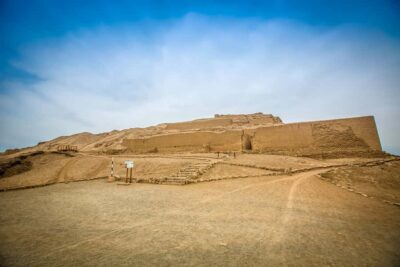
Pachacamac Ruins & Barranco Half-Day Guided Tour
Read our review →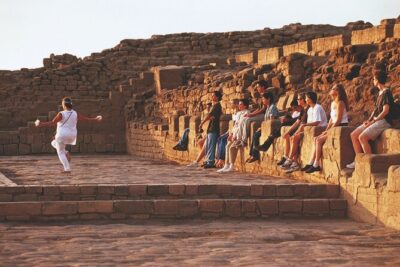
Pre Inca Temple of Pachacamac Half-Day Tour from Lima
Read our review →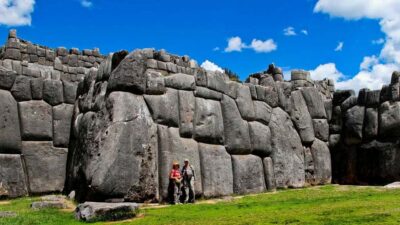
City Tour | Half-Day Tour to 4 Archaeological Sites
Read our review →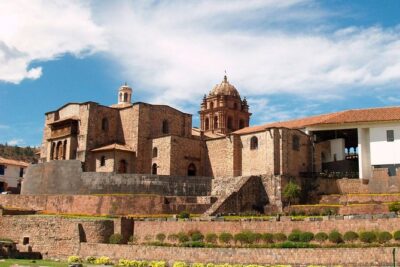
City Tour in Cusco & visit Museum South American Camelid Private.
Read our review →
Lima Bike Tour Miraflores – Barranco + Huaca Pucllana!
Read our review →Browse the lists this tour appears in