
Reviewed · MACHU PICCHU TOURS
4-Day Salkantay Trek to Machu Picchu
The best part of this four-day Salkantay route is the sharp change of scenery. You begin among snow-covered Andean peaks, pass turquoise Humantay Lake and the high Salkantay Pass, then drop into warmer valleys filled with waterfalls, tropical plants, and fruit trees before reaching Machu Picchu.
I like the small-group format, with an average group of four and a maximum of 16. I also like the practical support: mules carry camping gear and up to seven kilos of your belongings, while a local bilingual guide sets the pace and explains the mountains, plants, Inca culture, and history.
The catch is simple: this is a serious hike, not a gentle walk with a famous ruin at the end. You face early starts, long days, steep climbs, high altitude, cold nights, and large temperature changes. The non-refundable booking policy also means you should be sure of your dates before paying.
Key points to know before booking
- 4,650-meter high point: The Salkantay Pass is the toughest section and the highest point of the route.
- Humantay Lake on day one: You reach the lake after already hiking to a campsite at 3,920 meters.
- Two kinds of lodging: Three nights are spent in camping accommodation, followed by one night in a 3-star hotel in Aguas Calientes.
- Mules carry up to seven kilos: Your sleeping bag, mattress, and personal items can go with the support team.
- Machu Picchu starts early: You take one of the first buses at about 5:30 a.m. for a guided visit.
- The price covers the big pieces: At $810 per person, transport, meals, camping, hotel, guide service, and the return trip are included, but some permits and optional activities cost extra.
Why this Salkantay trek is different from a standard Machu Picchu trip
Many Machu Picchu trips focus on the archaeological site itself. This one makes the route part of the main event. You spend four days moving through several parts of the Andes, from cold, high mountain country to the warmer upper jungle near Aguas Calientes.
That variety gives the trip its character. On day one, you look toward snow-capped summits. By day three, you cross the Santa Teresa River, pass waterfalls, and see tropical plants. The change is not just pretty. It also affects how your body feels, since temperatures rise as the trail drops from roughly 4,000 meters toward 2,000 meters.
I would choose this route if you want a physical challenge with a strong sense of place. You are not simply transferred to a train station and delivered to Machu Picchu. You earn the final arrival through several days of walking.
The group size helps. The stated average is four people, with a maximum of 16. A smaller group can make it easier for the guide to adjust the pace and stop when someone needs a break. It also gives you more chance to talk with the guide and ask about local geography, plants, and Peruvian culture.
Guides may vary, but the guide team has included people such as Percy, Junior, Francisco, Chino, and Cesar. Percy has been praised for his humor, care, and ability to explain both the trek and Machu Picchu. Junior has been noted for setting a supportive pace and adjusting plans for the group. Francisco has been especially valued for explaining local geography, plants, Inca culture, and history in clear English. Those names are useful examples of the sort of guide you may have, not a promise about your departure.
Other walks into the mountains in Cusco:
- From Cusco: 7 Lakes Ausangate Trek with Breakfast and Lunch
★ 4.8 · 360 reviews - Cusco: Rainbow Mountain Tour and Red Valley Hike (Optional)
★ 4.7 · 149 reviews - Cusco: Full-Day Rainbow Mountain & Red Valley Trekking Tour
★ 4.5 · 121 reviews
Day one: Humantay Lake and a cold night at 3,920 meters
Your day begins very early, with pickup in Cusco at about 5:30 a.m. The tourist-class bus takes you to Mollepata at 2,900 meters, where you can stretch your legs and buy snacks. After that, a car continues to Challacancha, the starting point for the main hike.
The first walk lasts about three hours and leads to Soraypampa at 3,920 meters. Lunch comes with broad views of the snow-capped mountains, a welcome pause before the afternoon climb to Humantay Lake.
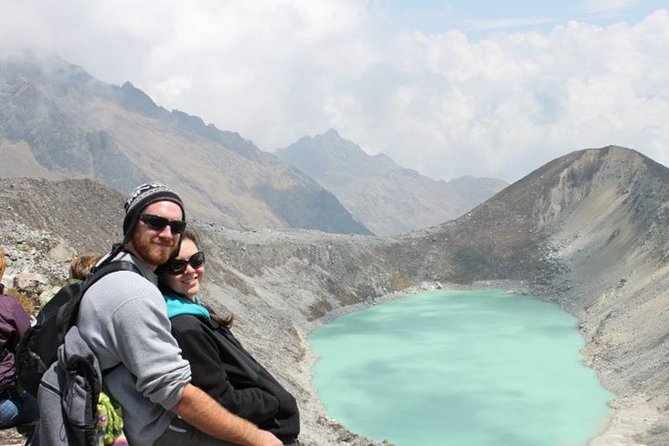
The lake excursion takes about 1.5 hours each way. The route is short on paper but demanding because of the altitude and uphill grade. Go slowly. Save your energy rather than trying to match the pace of the strongest person in the group.
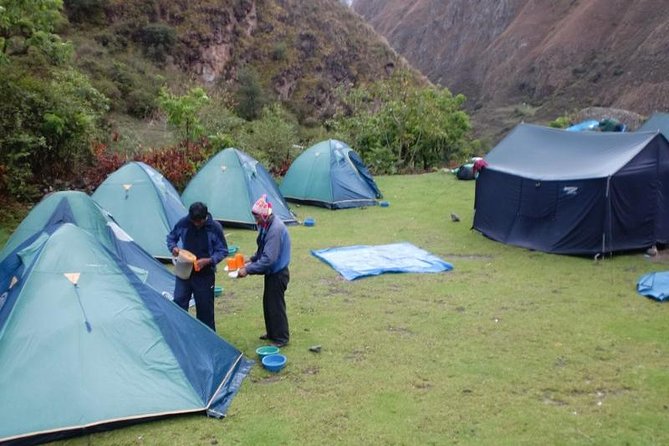
Humantay Lake is the visual reward of the first day, but the logistics matter just as much. You still need to return to camp afterward, eat dinner, and prepare for the coldest night of the trip. Soraypampa is the highest campsite, at 3,920 meters, and the information for this trip specifically warns that it is also the coldest.
You receive a tent for two people, a basic sleeping pad, and a foam sleeping mat. Sleeping bags are not included, though rental is listed at $15. Bring warm layers and keep them dry. The night is not the time to discover that your only fleece is buried in a duffel.
Day one covers about 14 kilometers and roughly six hours of walking, not counting every pause. Breakfast is not included on this morning, so plan for food before pickup or confirm the practical details during the pre-departure briefing. Lunch and dinner are included.
Day two: the 4,650-meter Salkantay Pass
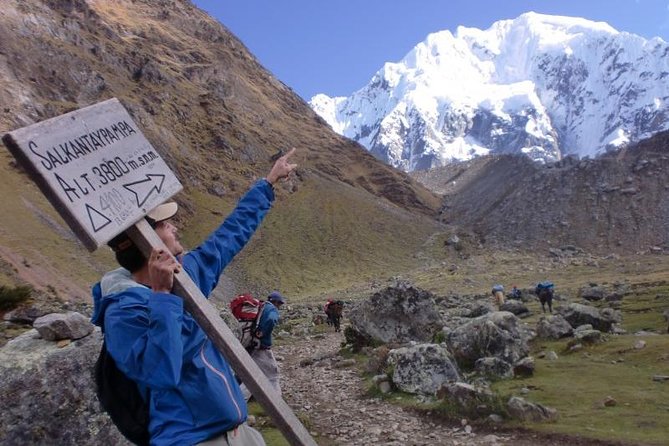
Day two is the physical centerpiece. Breakfast is scheduled around 6 a.m., followed by a four-hour climb to the highest pass of the route at 4,650 meters.
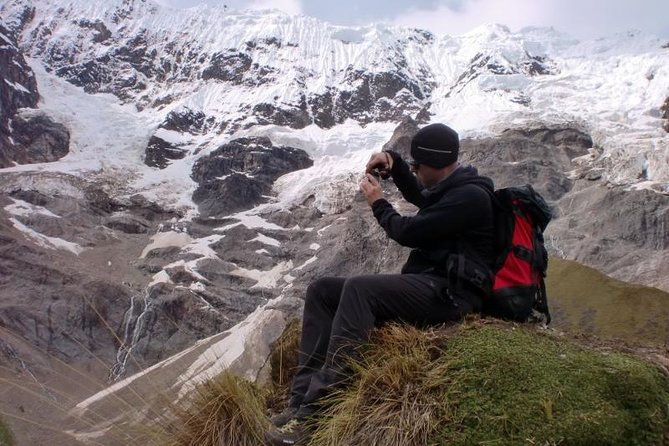
The pass lies between Salkantay Mountain and Humantay Mountain. From the top, you can expect dramatic views of both snow-capped peaks, and snow is possible in this high section. This is the point where altitude matters most. Even a fit person can feel slow, breathless, or tired at 4,650 meters.
A horse can be rented for the climb to the pass for about 100 to 120 soles. That option is useful if altitude or fatigue becomes a problem. It is better to use support early than to push too hard and spoil the rest of the trek.
After the pass, the route drops for about two hours to Huayracpampa, where lunch is served. The downhill section may sound easier, but steep descents can be hard on knees and legs after the morning climb. Trekking poles would be sensible, though they are not listed among the included equipment.
The day continues with another three-hour walk to the campsite at Challhuay or Colcapampa, near the start of the high jungle region. At about 2,900 meters, the air should feel warmer than it did at Soraypampa, but you still face a long day.
The listed distance is about 22 kilometers. That is a lot of ground, especially after reaching the highest point of the trek. You need solid walking shoes, a steady pace, and enough water. Bottled water is not included, so carry money and refill according to the guide’s instructions.
Day three: from mountain trail to Aguas Calientes
Day three changes the mood of the trip. After breakfast at about 6:30 a.m., you walk through the upper jungle, crossing the Santa Teresa River and smaller brooks. The route brings waterfalls, tropical fruits, and unfamiliar plants after the cold, open terrain of the high pass.
Lunch is at La Playa, around 2,200 meters. From there, a car takes you to Santa Teresa at about 1,700 meters, where the warmer climate becomes noticeable. Another car continues to Hydroelectric Station, a ride of about 40 minutes.
The final three-hour walk follows the route toward Aguas Calientes. This is a different kind of trail day from the pass. There is no single dramatic high point, but the changing vegetation and warmer air make it an important part of the journey.
You can pay extra for a train from Hydroelectric Station to Aguas Calientes. The listed price is $30 per person. Taking the train reduces the walking time, but walking is part of what makes this route feel like a trek rather than a series of transfers. Your decision depends on your legs after three days and on how much walking you want before Machu Picchu.
That night is in a 3-star hotel in Aguas Calientes, a welcome change from tents. You have access to cafes, internet cafes, shops, and places to relax. Dinner is included, but the next day’s lunch and dinner are not, so keep some money for food.
Other ways up to Machu Picchu from Cusco:
- From Cusco: Full-Day Group Tour of Machu Picchu
★ 4.7 · 1,767 reviews - Machu Picchu Day Trip from Cusco
★ 4.5 · 1,644 reviews - Machu Picchu: Full-Day Tour from Cusco with Optional Lunch
★ 4.6 · 927 reviews - Cusco: 4-Day Inca Trail to Machu Picchu with Accommodation
★ 4.8 · 432 reviews
Day four: first buses and a guided Machu Picchu visit
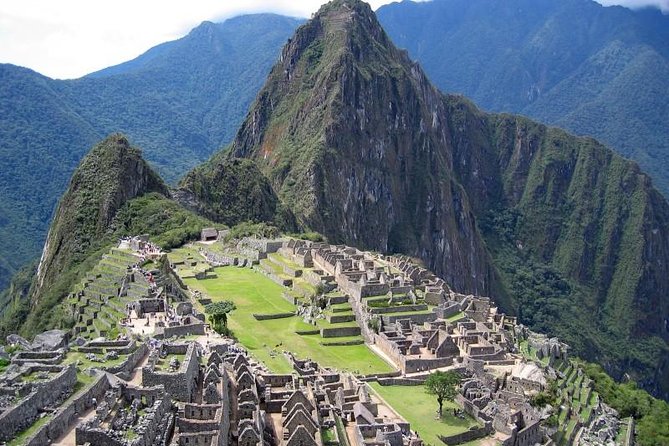
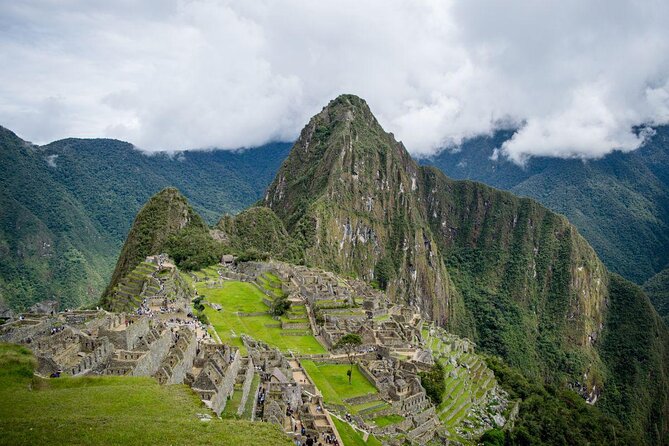
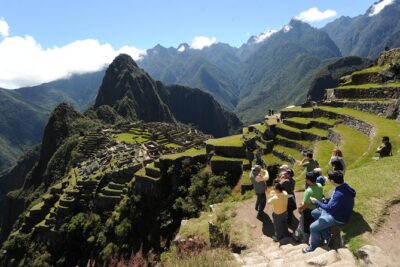
The final morning starts early. The plan is to take one of the first buses at about 5:30 a.m. from Aguas Calientes to Machu Picchu, giving you a chance to see the citadel in early light as the mist lifts.
Your guide provides about a two-hour walking tour. This is where a strong guide matters. A well-informed guide can add meaning to the stonework, the setting, and the Inca story instead of leaving you to wander past one viewpoint after another.
After the guided visit, you can explore independently. Huayna Picchu is available as an optional climb, but it must be booked ahead, costs 200 soles, and has a daily limit of 400 people. Machu Picchu Mountain is another optional hike at the same listed price. You should arrange these add-ons before departure rather than expect to decide at the entrance.
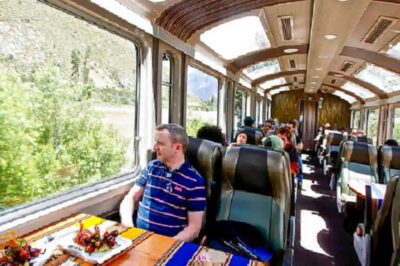
You return to Aguas Calientes by bus, with buses running about every 15 minutes from the entrance, or you can walk down for about an hour. The return journey includes a tourist train to Ollantaytambo, followed by a bus to Cusco. Drop-off is late in the day at Plaza San Francisco, and you make your own way to your accommodation.
The timing makes day four long. Do not plan an important evening activity in Cusco unless you are comfortable with a late return and possible delays.
What the $810 price really covers
At $810 per person, this is not a budget day trip. But the cost includes much more than the guided walk to Machu Picchu.
You receive Cusco accommodation pickup, the van to Mollepata and Challacancha, car transfers on day three, the tourist bus to Machu Picchu, the train to Ollantaytambo, and the bus back to Cusco. Camping, a 3-star hotel night, meals, a bilingual guide, first aid supplies, emergency oxygen, and support animals are also included.
Three breakfasts, three lunches, three dinners, and two snacks are included. Menus are described as typical, and vegetarian meals are available if you request them when booking. Several guide and cook teams have been praised for serving good Peruvian food, including dishes made by cooks such as Geraldo and Bennie.
The mule support is a real value. The team carries cooking and camping equipment plus seven kilos per trekker. That allowance includes three kilos for a sleeping bag and mattress and four kilos for personal items. Pack carefully, since the rest of your belongings may need to stay behind in Cusco or be carried by you.
You still need to budget for the Salkantay trekking permit at 133 soles and the Machu Picchu fee at 48 soles, as listed. Water, day one breakfast, day four lunch and dinner, tips, sleeping bag rental, and optional mountain hikes cost extra. The price of the trek is easier to judge once you add those items to your personal budget.
Tips are optional. Suggested amounts are 40 to 60 soles per trekker for the guide, 30 to 40 soles for an assistant guide, 60 to 80 soles for each horseman from the group, and 150 to 200 soles for the cook from the whole group.
Fitness, altitude, and what to pack
You should have a strong level of fitness before booking. The hardest combination is not just the distance. It is the early starts, the 4,650-meter pass, the steep climbs, long descents, and rapid temperature changes.
The tour is open to children from age seven, but the physical demands deserve more attention than the age limit. A child or adult who is not used to long mountain walks may find the schedule too demanding.
You should prepare for cold conditions at the first campsite and warmer weather near Santa Teresa. Bring layered clothing, rain protection, sturdy walking shoes, sun protection, a headlamp, personal medicines, and a refillable water bottle. These items are practical suggestions based on the altitude and camping setup, not listed equipment supplied by the operator.
Use the pre-departure briefing well. Ask about the day’s walking pace, water access, baggage limits, horse availability, and the exact arrangements for any optional tickets. The tour includes emergency oxygen and a first aid kit, but those are safety tools, not substitutes for acclimatization or sensible pacing.
Food, guide service, and the small-group advantage
Food is one of the strongest parts of the setup. Meals use typical local menus, and cooks have been praised for preparing satisfying Peruvian dishes during the camping portion. Tell the operator about a vegetarian diet at booking time.
The guide can make or break a demanding trek. The strongest guide experiences described for this route involve humor, patience, encouragement, and clear explanations. Guides such as Junior, Percy, Francisco, Cesar, and Chino have been singled out for helping people through steep sections, answering questions, and adjusting the pace.
That does not mean every departure will have the same person. It does mean you should expect professional bilingual guide service rather than a silent escort. The small group gives the guide room to respond to different walking speeds, which is especially helpful on day two.
Transport days are less guided. Bus and train transfers are on your own, even though the tickets and main transport are included. Keep your tickets and listen carefully to instructions so you know where to go at each transfer.
Who should book this route?
I would choose this trek if you want mountain scenery, local food, camping, and a physical route to Machu Picchu. It suits people who prefer several days of walking to a quick rail-and-ruins visit.
It is also a good fit if you value support without giving up the feel of an outdoor trip. You carry only part of your gear, sleep in tents for three nights, and still finish with a hotel night and organized transport.
I would not choose it if you want a relaxed holiday, dislike cold nights, or need a flexible cancellation policy. The experience is non-refundable and cannot be changed after booking, so check your schedule, passport details, health, and required documents first.
You must provide your full name as shown on your passport, date of birth, nationality, passport number, and passport expiration date. The stated vaccination and testing rules may also apply according to age and current requirements, so confirm them before departure.
Should you book the 4-Day Salkantay Trek?
Book it if the journey matters as much as Machu Picchu. The route gives you Humantay Lake, a 4,650-meter mountain pass, warmer jungle valleys, local meals, camping, and a well-organized final visit to the ruins.
Skip it if your main goal is comfort or if you are not ready for long days at altitude. For a fit walker who wants a small group, strong guide support, and most major transport bundled into one price, $810 offers solid value, provided you budget for the extra fees and prepare properly.
FAQ
How long is the Salkantay trek?
The experience lasts approximately four days. The hiking distances are listed as about 14 kilometers on day one, 22 kilometers on day two, and 24 kilometers on day three.
What time does the tour start?
Pickup begins at about 5:30 a.m. in Cusco on the first day. The Machu Picchu visit also starts with an early bus at about 5:30 a.m. on day four.
How high does the trek go?
The highest point is the Salkantay Pass at 4,650 meters. The first campsite at Soraypampa is at about 3,920 meters.
Is camping included?
Yes. Three nights of camping accommodation are included, with a tent for two people, a basic sleeping pad, and a foam sleeping mat.
Is a hotel night included?
Yes. One night in a 3-star hotel in Aguas Calientes is included on day three.
Are meals included?
The package includes three breakfasts, three lunches, three dinners, and two snacks. Day one breakfast and day four lunch and dinner are not included.
Can I request vegetarian meals?
Yes. A vegetarian option is available, but you need to request it when booking.
How much luggage can the mules carry for me?
The support team carries up to seven kilos per trekker. This includes three kilos for a sleeping bag and mattress and four kilos of personal items.
Is the train from Hydroelectric Station included?
No. The train from Hydroelectric Station to Aguas Calientes is optional and listed at $30 per person.
Can I hike Huayna Picchu?
Yes, but the ticket is optional, must be booked in advance, costs 200 soles, and is limited to 400 people per day.
More Machu Picchu tours in Cusco
- From Cusco: 2-Day Trip to the Sacred Valley and Machu Picchu
★ 4.6 · 265 reviews - The First Class Machu Picchu Train by Inca Rail
★ 4.0 · 182 reviews - From Cusco: 1-day Machu Picchu Tour by Train
★ 4.6 · 138 reviews - Private Tour to Sacred Valley and Machu Picchu from Cusco
★ 5.0 · 133 reviews
More treks in Cusco
- Cusco: Machu Picchu 2-Day Inca Trail with Panoramic Train
★ 4.9 · 260 reviews - From Cusco: 2-Day Inca Trail to Machu Picchu
★ 4.2 · 244 reviews - Machu Picchu: Inca Trail 2-Day Overnight Guided Tour
★ 4.9 · 203 reviews - Short Inca trail to MachuPicchu || 2days – 1nigth ||
★ 5.0 · 103 reviews
Just added around Cusco
- Ausangate and Rainbow Mountain Trek – 3 Days / 2 Nights★ 5.0 · 35 reviews
- Belmond Hiram Bingham Train to Machupicchu – Full Day★ 4.5 · 33 reviews
- From Cusco City Tour Four Ruins Half Day Tour★ 5.0 · 31 reviews
- 7-Day: Inca Trail Trek to Machu Picchu Group Tour★ 5.0 · 40 reviews
- 7-Day Tour from Cusco with Machu Picchu and Rainbow Mountain★ 5.0 · 56 reviews
- ATV Tour to Moray, Maras and Salt Flat in the Sacred Valley from Cusco★ 5.0 · 40 reviews
- 6-Day Machu Picchu Express Group Tour★ 5.0 · 48 reviews
- 6-Day Tour of Cusco Magico-Machu Picchu-Rainbow Mountain★ 5.0 · 30 reviews
Machu Picchu Tours, compared.
4-Day Inca Trail to Machu Picchu with Accommodation
Read our review →
2-Day Trip to the Sacred Valley and Machu Picchu
Read our review →
Machu Picchu 2-Day Inca Trail with Panoramic Train
Read our review →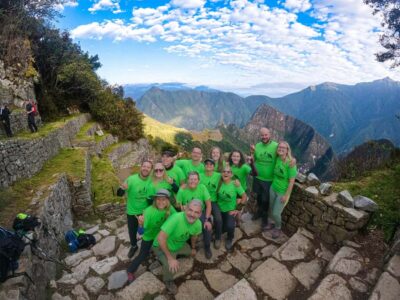
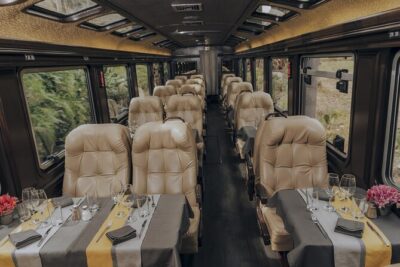
The First Class Machu Picchu Train by Inca Rail
Read our review →Browse the lists this tour appears in