
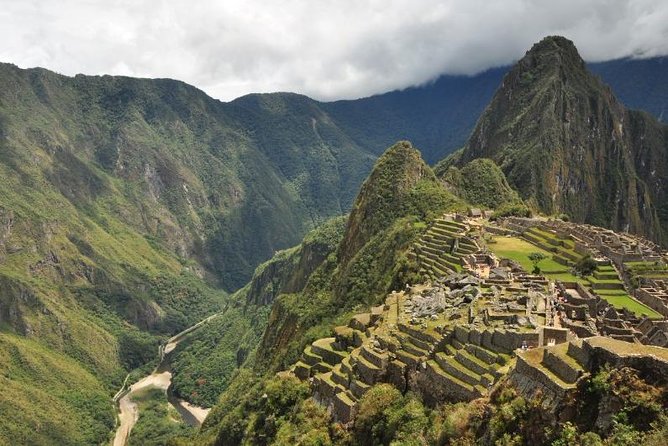
Reviewed · MACHU PICCHU TOURS
Salkantay 5-Day Trek To Machu Picchu
The Salkantay route gives you a powerful way to reach Machu Picchu without following the classic Inca Trail. You’ll trade stone steps for a tougher mix of mountain paths, high passes, waterfalls, jungle vegetation, and quiet rural villages. The biggest test comes at 15,200 feet, where Salkantay and Humantay peaks frame the trail.
I like two things right away: the route changes dramatically each day, and the practical support is strong for a wilderness trek. Mules carry camping gear and up to 7 kilos of your belongings, while a cook prepares hot meals and vegetarian dishes. The main concern is simple: this is a demanding hike, not a sightseeing trip with a little walking added.
- Laguna de Humantay adds a beautiful high-altitude side trip on the first day.
- Salkantay Pass reaches 4,650 meters, the trek’s hardest and highest point.
- Three nights are spent camping, followed by one night in a three-star hotel in Aguas Calientes.
- A small group of up to 16 travels with a bilingual guide, cook, horseman, and mules.
- The route drops from cold mountains to warm jungle, with large temperature changes in only a few days.
- Machu Picchu entry, guided touring, buses, train, meals, and camping gear support are included in the $797 price.
Why the Salkantay Route Feels Like a Real Journey
The appeal here is variety. You start in the high Andes, where the air is thin and the camps are cold. Then you descend through valleys filled with tropical plants and waterfalls before reaching Aguas Calientes and Machu Picchu.
That change is not just pretty. It gives the trip a clear rhythm. Day one tests your altitude tolerance. Day two tests your legs. Day three brings a warmer climate and easier breathing. Day four is a long but gentler walk toward Machu Picchu. By the final morning, the ancient citadel feels like the reward for several days of effort rather than a quick stop reached by train.
The group size helps. The maximum is 16 people, with an average group listed as four. That can make a big difference on a mountain route. You get more room to ask questions, stop for a breath, and stay connected with the guide.
The guide leads the walking sections and the Machu Picchu tour. Bus and train transfers are not guided, so you should be ready to follow the instructions and manage those portions independently.
Day One: Soraypampa and Laguna de Humantay
Pickup begins between 5:00 and 6:00 in the morning from your Cusco accommodation. A tourist-class bus takes you to Mollepata at about 2,900 meters, where you can stretch, buy snacks, and make your final purchases before the trail.
You then continue by car to Challacancha. This is where the walking begins, with roughly three hours to Soraypampa at 3,920 meters. Lunch comes with wide views of snow-covered Andean peaks, but do not mistake the first day for a gentle warm-up.
After lunch, you walk to Laguna de Humantay. The climb takes about 1.5 hours each way, making this an out-and-back side trip rather than a quick photo stop. The lake and surrounding peaks are the day’s visual high point, but the altitude can make the climb feel slow.
Your first camp sits at 3,920 meters, the highest and coldest camp of the trip. That matters. You should expect a sharp drop in temperature after sunset, limited electricity, and a night when rest may be harder than usual. A warm sleeping bag is not included, so you need to bring or rent one in Cusco.
The first day includes lunch, dinner, and a snack, but not breakfast. Have breakfast before pickup or buy something during the morning stop in Mollepata.
Other walks into the mountains in Cusco:
- From Cusco: 7 Lakes Ausangate Trek with Breakfast and Lunch
★ 4.8 · 360 reviews - Cusco: Rainbow Mountain Tour and Red Valley Hike (Optional)
★ 4.7 · 149 reviews - Cusco: Full-Day Rainbow Mountain & Red Valley Trekking Tour
★ 4.5 · 121 reviews
Day Two: The 4,650-Meter Salkantay Pass
Day two is the toughest section for many people. Breakfast is around 6:00 am, followed by about four hours of uphill walking to the highest point of the trek, the Salkantay Pass at 4,650 meters.
The pass sits between Salkantay Mountain, at 6,267 meters, and Humantay Mountain, at 5,900 meters. Views of both snow-covered peaks make this a major reward, and snow is possible at the pass. It is also the point where altitude becomes a serious concern.
An optional horse rental is available for about 100 to 120 soles to help you reach the high pass. This is a useful option if your legs, lungs, or pace are struggling. It does not make the day easy, since you still have a long descent and another stretch ahead, but it can help you handle the steepest climb.
After about two hours downhill, lunch is served at Huayracpampa. The day continues with roughly three more hours toward Challhuay or Colcapampa, near the start of the high jungle at about 2,900 meters.
The total is listed at 22 kilometers and nine to ten hours. That is a full mountain day. You should train for long walking days before arriving, especially if you are not used to uneven ground or sustained uphill walking.
Day Three: From High Mountains to Santa Teresa
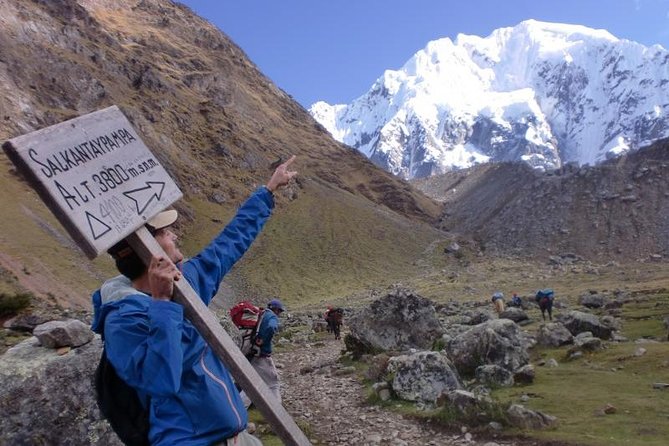
Day three begins around 6:30 am and brings one of the route’s most noticeable changes. The trail passes through the upper jungle, crosses the Santa Teresa River and smaller streams, and offers views of waterfalls, tropical fruit, and changing plant life.
The walking distance is about 15 kilometers over roughly 5.5 hours. Lunch is at La Playa, at about 2,200 meters. From there, a car takes you to Santa Teresa at 1,700 meters.
This lower elevation usually feels kinder to your breathing, and the warmer climate gives the trip a welcome change after two cold days. Your camp is in Santa Teresa, and the schedule allows time to rest.
You can visit the Santa Teresa hot springs for an extra 20 soles. After three difficult days, warm water can be a sensible treat rather than a needless add-on. Bring a bathing suit if you plan to go.
The road transfer from La Playa is also important for understanding what you are paying for. This is not five uninterrupted days of walking. The tour uses vehicles where they make practical sense, while keeping the main mountain sections on foot.
Day Four: Walking Beside the Rail Line to Aguas Calientes
After breakfast at about 8:00 am, you leave Santa Teresa for the hydroelectric station. The walk takes roughly three hours and covers a more relaxed path at around 1,700 to 1,880 meters.
Lunch is served as a box meal at the hydroelectric station. From there, you walk another three hours, with a slight uphill grade, to Aguas Calientes at 2,010 meters. The total walking distance is about 18 kilometers, or six hours.
This is the least alpine day, but it still demands steady effort. You have already spent three days on the trail, so even a relatively gentle path can feel long. The reward is a proper night in a three-star hotel, a shower, and dinner at a local traditional restaurant.
You can pay extra for a bus from Santa Teresa to the hydroelectric station, or take a train from the hydroelectric station to Aguas Calientes for $28. These options are worth considering if you are tired, dealing with sore feet, or simply want to save energy for Machu Picchu.
The included hotel night is one of the tour’s better practical features. Camping every night would make the trip cheaper to operate, but a bed before the Machu Picchu morning gives you a chance to reset.
Other ways up to Machu Picchu from Cusco:
- From Cusco: Full-Day Group Tour of Machu Picchu
★ 4.7 · 1,767 reviews - Machu Picchu Day Trip from Cusco
★ 4.5 · 1,644 reviews - Machu Picchu: Full-Day Tour from Cusco with Optional Lunch
★ 4.6 · 927 reviews - Cusco: 4-Day Inca Trail to Machu Picchu with Accommodation
★ 4.8 · 432 reviews
Day Five: Early Buses and a Guided Machu Picchu Visit
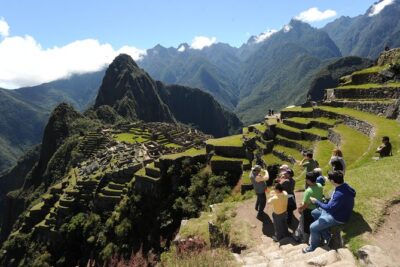
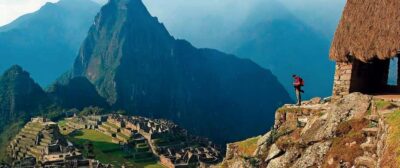
The final morning starts early. You take one of the first buses at 5:30 am from Aguas Calientes to Machu Picchu. The ride takes about 25 minutes, and the early timing is designed to catch the site as morning mist lifts.
Your guide leads a walking tour of about two hours. Afterward, you can explore the archaeological site on your own, within the access rules and time assigned to your entry.
Huayna Picchu and Machu Picchu Mountain are optional hikes. They cost extra and must be booked in advance, with Huayna Picchu requiring at least two weeks and Machu Picchu Mountain at least one week. Do not assume you can add either climb at the last minute.
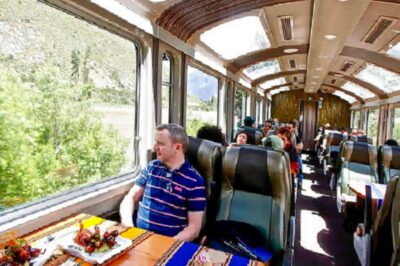
After Machu Picchu, you take a bus back to Aguas Calientes, then a tourist train to Ollantaytambo and a bus to Cusco. The drop-off is late in the day at Plaza San Francisco, and you make your own way to your Cusco accommodation.
The return is long, so do not schedule an important evening flight or a tight connection. Airport pickup and drop-off are not included.
What the $797 Price Really Covers
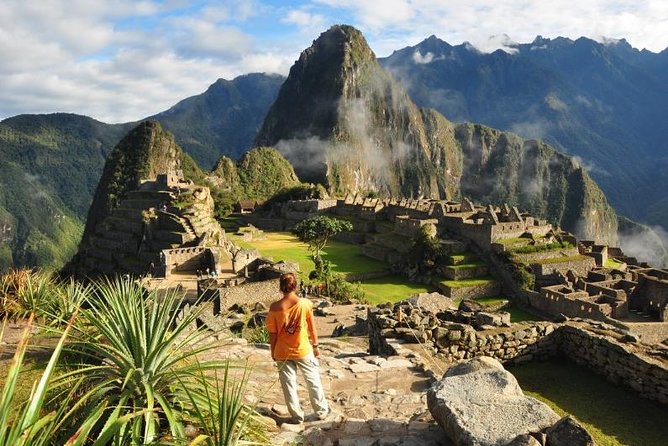
At $797 per person, the tour is not a budget walk, but the price covers many costly pieces of a Machu Picchu trip. You receive pickup from your Cusco accommodation, transport to the trailhead, a bilingual guide, three nights of camping, one hotel night, meals, snacks, Machu Picchu entrance, the guided site visit, buses, the train to Ollantaytambo, and the bus back to Cusco.
You also receive a basic sleeping pad and a two-person tent. A horseman and mules carry cooking and camping equipment, plus 7 kilos for each trekker. That allowance includes 3 kilos for a sleeping bag and mattress and 4 kilos for personal belongings.
The value is strongest if you want one organized package. Arranging the transport, permits, meals, staff, camps, and Machu Picchu tickets separately would take more planning and could create expensive mistakes.
Still, budget for extras. You pay for a sleeping bag, bottled water, day one breakfast, day five lunch, optional hot springs, optional transport on days three and four, extra mountain tickets, and tips. Water and sports drinks can cost two or three times more along the trail, so carry cash and refill when practical.
The tour suggests guide tips of 40 to 60 soles per trekker, assistant guide tips of 30 to 40 soles, 60 to 80 soles for each horseman from the full group, and 150 to 200 soles for the cook from the full group. Tipping is optional.
Food, Camping, and What You Carry
The food plan is more generous than the price might suggest. Breakfasts can include porridge, quinoa, oats, eggs, pancakes, bread, bananas, and hot drinks. Lunch and dinner may include soup, quinoa, rice, chicken, beef, pasta, potatoes, vegetables, and simple desserts.
Vegetarian meals are available, but you need to request them at least two days before departure. The menu includes vegetarian options at every meal.
Three snacks are included, usually with hot drinks and items such as popcorn, cookies, or crackers. You still need extra snacks if you prefer to eat often during long walking days.
The mules carry the shared camp equipment and your allowed gear, but you should pack carefully. Bring hiking boots, warm socks, thermal layers, rain pants, a poncho, gloves, sun protection, sunglasses, a flashlight, a water bottle, waterproof bags, hand sanitizer, personal medicine, and a small first-aid kit.
Electricity is limited to nonexistent on parts of the trek. Protect your camera and phone, and bring spare batteries or another charging solution.
Altitude, Weather, and Fitness
You move from about 4,000 meters down toward 2,000 meters in only a few days. That means major temperature changes, from cold high camps to warm Santa Teresa.
A moderate fitness level is the minimum sensible standard, but I would prepare for more than moderate if you want to enjoy the route. The hardest combination is not one steep hill. It is the sequence of early starts, high altitude, uneven ground, long distances, and limited rest.
The minimum age is seven, but age alone tells you little about readiness. A young person must be comfortable with long hiking days and cold camping. The tour is best for people who already walk regularly and can manage nine to ten hours on a mountain day.
Departures are offered on Monday, Wednesday, Thursday, and Saturday. Groups of four or more can depart daily. There are no departures in January or February because of unfavorable weather conditions.
Practical Details Before You Reserve
You must attend a pre-departure briefing at the Cusco office one day before departure. For the Salkantay trek, the meeting is scheduled for 7:00 pm, and the office is at Calle Matara 242, second floor.
Bring your passport to check in before the briefing. Your full name, birth date, nationality, passport number, and passport expiration date must match the booking details exactly. Your passport must be valid for at least six months after the travel date.
If you renew your passport after booking, carry the old passport used for the reservation or a photocopy. Incorrect information can cause you to lose entrance tickets and permits and require you to pay again.
Single people share a tent and hotel room with another person. Couples have their own tent and private room. There is no airport transfer, and no Cusco hotel is included.
The experience is nonrefundable and cannot be changed after booking. That makes travel insurance and careful date planning sensible, particularly because mountain weather and personal health can disrupt a demanding trip.
Who Should Book This Salkantay Trek?
I would choose this trip if you want a physical challenge with strong logistical support. You get the high mountain scenery, local villages, jungle paths, and Machu Picchu in one organized journey.
It suits you best if you enjoy walking for several hours, can handle basic camping, and do not mind early mornings. It also works well if you want help with transport and food but still like having a few independent moments, especially during the bus and train transfers.
I would look elsewhere if you want a soft adventure, private rooms every night, flexible cancellation, or a short route with minimal altitude change. The Salkantay Pass is serious, and the first camp is cold. Optional horses and vehicle transfers can help, but they do not change the character of the trip.
The strongest parts are the changing scenery, the well-supported camping setup, the small group size, and the final guided visit to Machu Picchu. The main weakness is the physical demand combined with a nonrefundable booking.
At $797, this is a fair package for a five-day route that includes the major transport, meals, staff, camping, hotel, and Machu Picchu entry. Book it if you want to earn your arrival at Machu Picchu one hard, memorable day at a time.
FAQ
How difficult is the Salkantay 5-day trek?
It is a demanding hike requiring a moderate physical fitness level. Day two can last nine to ten hours and reaches 4,650 meters. The route also includes major temperature and altitude changes.
Is camping included?
Yes. Three nights of camping are included, with a basic sleeping pad and a two-person tent. A sleeping bag is not included and must be brought or rented in Cusco.
What meals are included?
The package includes four breakfasts, four lunches, four dinners, and three snacks. Day one breakfast and day five lunch are not included. Vegetarian meals are available with advance notice.
Is transport to Machu Picchu included?
Yes. The package includes the bus from Aguas Calientes to Machu Picchu, the return bus, the train from Aguas Calientes to Ollantaytambo, and the bus from Ollantaytambo to Cusco. Transfers are not guided.
Can I use a horse or vehicle if I need help?
An optional horse rental is available for the climb to the high pass for about 100 to 120 soles. You can also pay for a bus from Santa Teresa to the hydroelectric station or a train from the hydroelectric station to Aguas Calientes.
When is the pre-departure briefing?
The mandatory briefing takes place in Cusco one day before departure. For the Salkantay trek, it is scheduled for 7:00 pm at the operator’s office on Calle Matara 242, second floor.
More Machu Picchu tours in Cusco
- From Cusco: 2-Day Trip to the Sacred Valley and Machu Picchu
★ 4.6 · 265 reviews - The First Class Machu Picchu Train by Inca Rail
★ 4.0 · 182 reviews - From Cusco: 1-day Machu Picchu Tour by Train
★ 4.6 · 138 reviews - Private Tour to Sacred Valley and Machu Picchu from Cusco
★ 5.0 · 133 reviews
More treks in Cusco
- Cusco: Machu Picchu 2-Day Inca Trail with Panoramic Train
★ 4.9 · 260 reviews - From Cusco: 2-Day Inca Trail to Machu Picchu
★ 4.2 · 244 reviews - Machu Picchu: Inca Trail 2-Day Overnight Guided Tour
★ 4.9 · 203 reviews - Short Inca trail to MachuPicchu || 2days – 1nigth ||
★ 5.0 · 103 reviews
Just added around Cusco
- Zipline over the Sacred Valley Trip★ 5.0 · 11 reviews
- Waqrapukara 1 day trekking + meals★ 3.9 · 3 reviews
- Visit Pisac from Cusco: Private Transport★ 4.6 · 9 reviews
- Valle Sur Cusco | half day★ 4.3 · 3 reviews
- Trek to Humantay Lake from Cusco★ 4.9 · 8 reviews
- Trek to Choquequirao 4 days★ 3.8 · 4 reviews
- rainbow mountain full day★ 5.0 · 44 reviews
- Machu picchu one day by train all included★ 4.5 · 53 reviews
Machu Picchu Tours, compared.
4-Day Inca Trail to Machu Picchu with Accommodation
Read our review →
2-Day Trip to the Sacred Valley and Machu Picchu
Read our review →
Machu Picchu 2-Day Inca Trail with Panoramic Train
Read our review →
The First Class Machu Picchu Train by Inca Rail
Read our review →Browse the lists this tour appears in