
Reviewed · MACHU PICCHU TOURS
Inca Trail Machu Picchu 4 Days
The best part of this 4-day Inca Trail is the way Machu Picchu arrives at the end of a real journey. You walk from Km 82 through high mountain passes, stone tunnels, Inca sites, and changing forests, then reach the Sun Gate for your first view of the citadel.
I like the small group limit of 10, which should make it easier to keep together and ask questions. I also like the full camp setup, with cooks, tents, dining gear, meals, snacks, first aid, and porters handling much of the heavy equipment. The main catch is the physical demand: the second day lasts about eight to nine hours and reaches 4,200 meters.
I also appreciate the human side of the operation. Guide Franklin is praised for clear explanations and for balancing group pace with time to explore, while the cooking team has produced hearty meals and even a cake at camp. Still, you need proper gear, mountain fitness, and a willingness to sleep in basic camp conditions.
Key points to know before you book
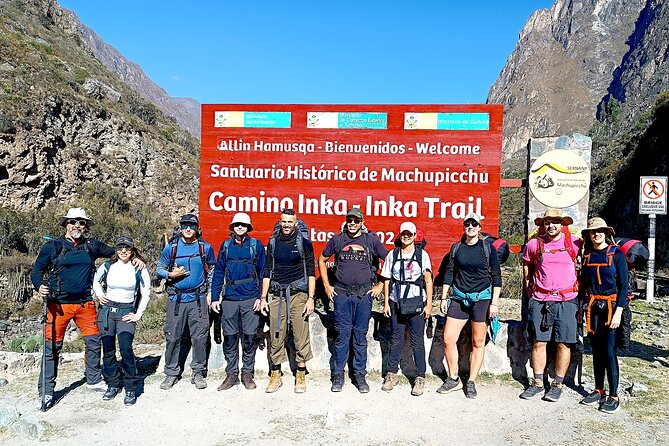
- The classic route begins at Km 82: You cross the Urubamba River and follow the historic trail toward Machu Picchu.
- Day 2 is the hard test: The route climbs to Warmihuañusca, or Dead Woman’s Pass, at about 4,200 meters.
- Day 3 brings the best ruins: Phuyupatamarca, Inca tunnels, mountain views, and Wiñayhuayna fill the most varied day.
- Meals are a real strength: The package includes three breakfasts, lunches, dinners, and snacks, with a cook and kitchen team.
- You reach Machu Picchu early: The plan is to arrive at the citadel around 8:00 am after seeing it from Inti Punku.
- The $905 price covers a lot: Permits, transport, camping, food, guide service, porters, and the return train are included, but not every personal expense.
Why this Inca Trail feels different from a regular Machu Picchu visit
A train ride to Aguas Calientes gives you the famous ruins with far less effort. This route asks you to earn them. Over four days, the destination becomes part of a larger story: river valley, steep mountain pass, old stonework, cloud forest, and finally the first view from the Sun Gate.
That sense of arrival is the tour’s main value. Machu Picchu is not just a stop for a couple of hours. You approach it on foot, with the trail passing through smaller archaeological sites that many short visits never reach.
The route is also carefully supported. You are not expected to carry tents, cooking equipment, dining furniture, or portable bathroom supplies. Porters carry the shared camp kit, while a cook prepares the meals. You still need to carry your personal day bag and water, but the support team makes the trip far more manageable than a fully self-supported trek.
The group is capped at 10 people. That matters on a narrow trail, especially when the route splits into fast walkers and slower climbers. A small group gives the guide a better chance to check on everyone without turning the day into a marching exercise.
Other multi-day treks out of Peru:
- Cusco: 4-Day Inca Trail to Machu Picchu with Accommodation
★ 4.8 · 432 reviews - From Cusco: 7 Lakes Ausangate Trek with Breakfast and Lunch
★ 4.8 · 360 reviews - Cusco: Machu Picchu 2-Day Inca Trail with Panoramic Train
★ 4.9 · 260 reviews
Day 1: From Cusco to Km 82 and Ayapata
The first pickup is early, at about 5:30 am in Cusco. The drive heads toward the Sacred Valley, with a stop in Ollantaytambo before the trail begins. Breakfast there is optional and is not included, so plan ahead for this first meal.
At Km 82, the group meets, presents documents, and passes the required control and registration point. After crossing the Urubamba River at roughly 2,200 meters, you begin walking on the famous Inca Trail.
The first day is the gentlest of the four, though gentle does not mean effortless. The trail is described as easy to follow, and the route includes a lunch stop at Miskay, a small riverside area. Here, the guide explains Llactapata and its place in the wider network of Inca sites.
You then continue through Wayllabamba at about 3,100 meters before climbing onward to Ayapata, your first campsite. The walking time is around seven hours, so the early start is useful. You will have time to settle into camp, eat dinner, and rest before the serious climb on Day 2.
This first day is valuable because it lets you adjust to the group, the walking rhythm, and the altitude. Do not waste it by racing. Save your legs for the pass ahead.
Day 2: Llulluchapampa and the climb to Dead Woman’s Pass
Day 2 is the physical heart of the tour. The day takes about eight to nine hours, and the weather is described as cold. You begin by walking roughly 3 kilometers to Llulluchapampa, at about 3,850 meters.
The scenery changes as you climb. You pass through rainforest, hear running water, and gradually move into a higher, more open mountain setting. From Llulluchapampa, the trail continues uphill for two to three hours toward Warmihuañusca, better known as Dead Woman’s Pass.
At about 4,200 meters, this is the highest point of the trek and the hardest climb. The figures in the tour material contain a faulty feet conversion, but the metric height is clear: this is high enough for altitude and cold to affect your pace. A short stop at the summit gives you time to breathe and take in the mountain views.
The descent is steep and long. You head toward the Pacaymayu River, then continue toward the Runkurakay pass before reaching Chaquicocha camp at roughly 3,650 meters.
This is where good group management matters. The walking plan allows people to go at their own pace, with short stops along the way. Guide Franklin is praised for keeping a group together while still giving people room to look around. That approach suits this day, since pushing too hard can turn a difficult climb into a miserable one.
Bring warm layers, rain protection, and suitable hiking shoes. The tour provides camping gear, but the sleeping bag is not included. You will need to rent or bring one, and this is not the night to discover that your bedding is too thin.
Day 3: Phuyupatamarca, tunnels, and Wiñayhuayna
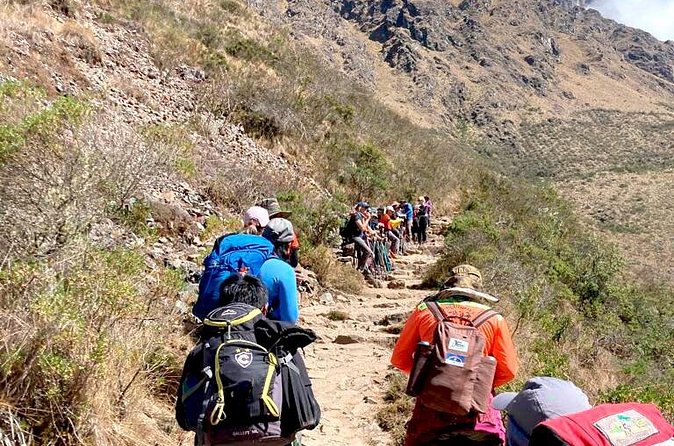
Day 3 is shorter, at about six hours, and it is often the most rewarding day for people who enjoy ruins as much as mountain walking. The route moves through a different ecosystem, with more rainforest and a series of old Inca structures tucked into the high trail.
From Chaquicocha, you pass two small lakes near a second pass at about 3,950 meters. The route then makes a gentle ascent through a small Inca tunnel, with views toward the Urubamba River and the Sacred Valley.
Phuyupatamarca sits at about 3,600 meters. Its name is commonly translated as the city above the clouds, and the site includes a long chain of Inca baths. These waterworks give you a practical look at Inca engineering rather than just a photo stop.
Another tunnel leads you onward before the trail reaches Wiñayhuayna, at about 2,650 meters. The name means forever young. This is one of the most memorable archaeological points on the route, with terraces and stonework set into the steep valley.
The descent also gives you your first views of Machu Picchu mountain. It is a fitting end to the day because you can see the goal ahead without yet reaching it.
This day is a good reason to choose the full trail over a shorter route. You are not simply walking through pretty country. You are linking several sites that show how the Inca used slopes, water, stone, and narrow passes.
Other ways up to Machu Picchu from Peru:
- From Cusco: Full-Day Group Tour of Machu Picchu
★ 4.7 · 1,767 reviews - Machu Picchu Day Trip from Cusco
★ 4.5 · 1,644 reviews - Machu Picchu: Full-Day Tour from Cusco with Optional Lunch
★ 4.6 · 927 reviews - From Cusco: 2-Day Trip to the Sacred Valley and Machu Picchu
★ 4.6 · 265 reviews
Day 4: Inti Punku and the first view of Machu Picchu
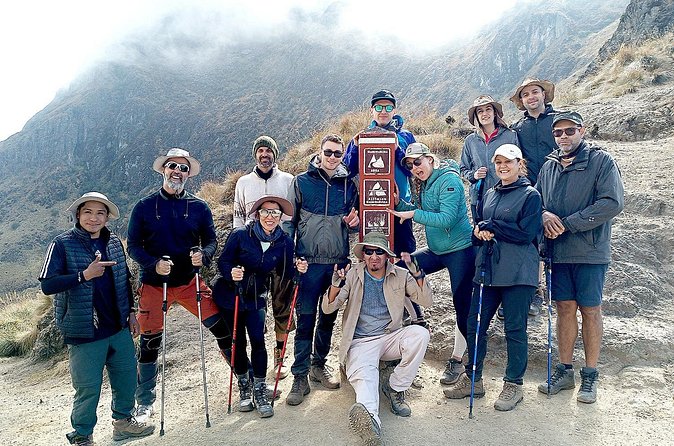
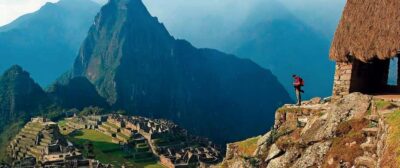
After breakfast, you hike toward Inti Punku, the Sun Gate. The final uphill section takes close to an hour, and the reward is the first view of Machu Picchu from above.
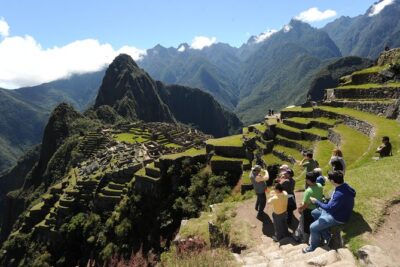
The schedule aims to reach the citadel at around 8:00 am. The exact experience of sunrise depends on conditions and timing, but the early arrival is a major benefit. You see Machu Picchu after approaching on foot, rather than arriving by bus with no sense of the route behind you.
A guided visit of about two hours follows. This is where the guide’s explanations matter most. The stonework, terraces, temples, and ceremonial areas can blur together without context, so a good guide helps you understand how the site functioned and why it was built in such a difficult place.
After the guided portion, you have free time to look around independently. The program lists the Inca Bridge and Huayna Picchu as possible options. Treat Huayna Picchu as something to confirm in advance, since the supplied details do not state that its separate access is included.
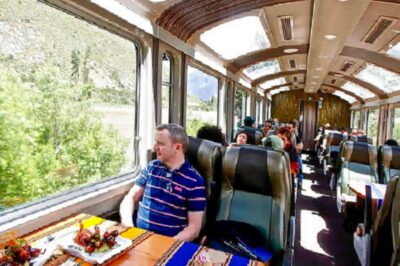
Later, you descend to Aguas Calientes for lunch at your own expense. The return train to Ollantaytambo is included, subject to availability, followed by transport onward to Cusco. Keep an eye on the schedule. One account describes some rushing around transport times, so do not wander too far from the meeting instructions after leaving the site.
Camping, food, and the people behind the trek
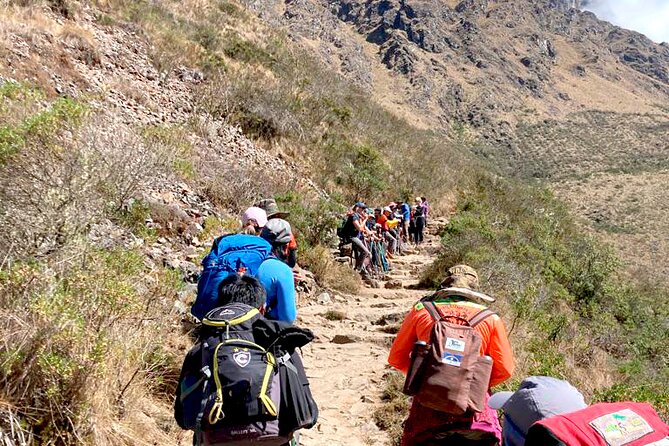
The camp setup includes tents, sleeping mats, a dining tent, tables, chairs, bathroom equipment, and kitchen gear. It is functional rather than luxurious. You are still camping at high altitude, and the sleeping bag is your responsibility.
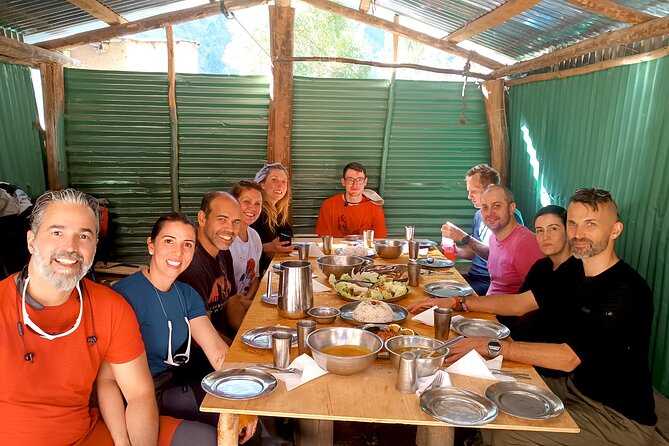
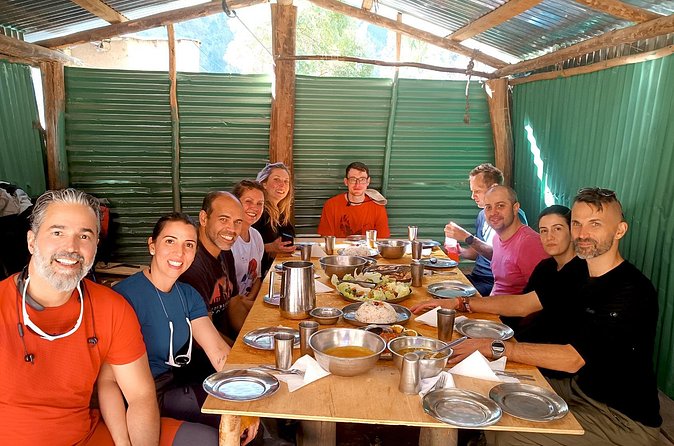
The food package covers three breakfasts, three lunches, three dinners, and three snacks. A cook prepares the meals, and the food has been one of the most praised parts of the experience. The cooking team has served multi-course dinners, regular tea time, and even baked a cake during the trek.
That level of meal service matters after a long climb. You will use up plenty of energy, particularly on the second day, and a hot dinner gives the camp routine some comfort. Tea time also creates a useful pause between arriving at camp and sitting down to eat.
Porters are another key part of the operation. They carry the tents, cooking supplies, dining equipment, and other shared gear. The price includes food carriers and camping support, but an extra carrier is not included. If you want someone to carry more of your personal luggage, ask about that before departure.
The guide service is available in Spanish or Portuguese on request. Franklin is specifically associated with attentive pacing, clear explanations, and good group care. Since the supplied information does not promise a particular guide for every departure, confirm the language and guide assignment before paying.
What the $905 price really covers
At $905 per person, this is not a cheap hike, but the package includes the expensive pieces that make the classic Inca Trail possible. You get the Inca Trail and Machu Picchu entrance permits, transport from Cusco to Km 82, the return train from Machu Picchu Pueblo to Ollantaytambo, and onward transport toward Cusco.
You also get a professional guide, camp equipment, cooks, food, porters for shared supplies, the bus between Machu Picchu Pueblo and the archaeological site, oxygen, and first-aid support.
The value improves when you compare it with organizing each part separately. The permits and transport require coordination, while the camping logistics would be difficult to arrange on your own. The main extras are the first breakfast, the final lunch, a sleeping bag, and any additional porter service.
The price is easiest to justify if you want the full historic trail, camp meals, and a supported group trek. It is less compelling if your only goal is to see Machu Picchu with minimal walking. In that case, a train-based visit would demand less time and effort.
The experience is commonly booked about 60 days ahead. That is worth noting because the Inca Trail has limited access, and last-minute planning may not work even if the tour itself is available for booking.
Who should choose this four-day route
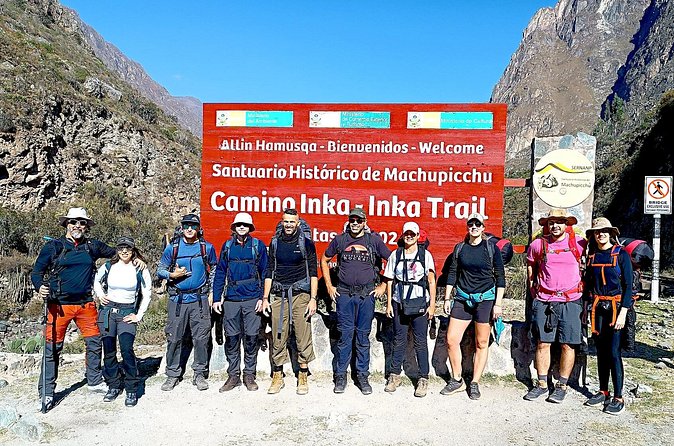
You should choose this tour if you want a physical challenge tied to archaeology and mountain scenery. You need strong fitness, comfort with long walking days, and enough patience for early starts, cold weather, steep climbs, and basic camping.
It suits people who value a small group and a guided route. It also works well for families with older children or teenagers who are already used to demanding hikes, though the supplied conditions only state that participants should have a strong fitness level.
You should think twice if you dislike camping, cannot manage long ascents, or want a relaxed Machu Picchu visit. Day 2 is not a minor obstacle. The high pass and long descent can be punishing, even with a supportive guide and porters.
Pack light but prepare well. You need proper hiking footwear, warm layers, rain protection, personal medicines, and a sleeping bag. Since the first breakfast and last lunch are not included, set aside money and time for both.
Should you book the Dreamy Tours Inca Trail?
I would choose this tour for the complete route, the small group size, and the strong camp support. The food, porters, guide care, and archaeological stops add real value to the $905 price.
Book it if reaching Machu Picchu on foot matters to you more than comfort or speed. Skip it if you want a simple sightseeing day, since the four-day route asks for stamina and a fair amount of grit.
One final caution: the cancellation policy is strict. The experience is non-refundable and cannot be changed after booking. Confirm your dates, language needs, sleeping bag plan, train arrangements, and any Huayna Picchu hopes before you commit.
FAQ
How long is the Inca Trail Machu Picchu tour?
The tour lasts four days and includes three nights of camping.
Where does the hike begin?
The hike begins at Km 82 after transport from Cusco and the required document check and registration.
How difficult is the route?
The tour requires a strong level of physical fitness. Day 2 takes about eight to nine hours and reaches Warmihuañusca, or Dead Woman’s Pass, at about 4,200 meters.
Is food included?
Yes. The package includes three breakfasts, three lunches, three dinners, and three snacks. Breakfast on the first morning and lunch at Machu Picchu or Aguas Calientes are not included.
Is camping equipment provided?
Yes. Tents, mats, bathroom equipment, a dining area, tables, chairs, and kitchen equipment are included. A sleeping bag is not included.
How many people can join the tour?
The maximum group size is 10 people.
Is the return train included?
Yes. The return train from Machu Picchu Pueblo to Ollantaytambo is included, depending on availability. Transport from Ollantaytambo onward to Cusco is also included.
More four-day trips from Peru
- Puerto Maldonado: 4-Day Tambopata Rainforest Tour
★ 4.6 · 213 reviews - Puerto Maldonado: Sandoval Lake 4-Day, 3-Night Guided Tour
★ 4.5 · 90 reviews - Choquequirao Trek 4 days and 3 nights
★ 5.0 · 81 reviews - 4 Day Tour to the Manu National Park
★ 5.0 · 81 reviews
Just added around Peru
- Walking tour through the Historic Center of Arequipa★ 4.0 · 3 reviews
- Zipline over the Sacred Valley Trip★ 5.0 · 11 reviews
- Vinicunca Mountain Tour – Full Day Tour to Rainbow Mountain★ 3.4 · 4 reviews
- Waqrapukara 1 day trekking + meals★ 3.9 · 3 reviews
- Visit to the Cochahuasi Animal Sanctuary with rescued animal★ 4.1 · 4 reviews
- Visit Pisac from Cusco: Private Transport★ 4.6 · 9 reviews
- Uros Floating Islands Tour in Puno★ 3.7 · 9 reviews
- VISIT THE NATIONAL RESERVE OF PARACAS BY ATV★ 4.8 · 23 reviews
Machu Picchu Tours, compared.
4-Day Inca Trail to Machu Picchu with Accommodation
Read our review →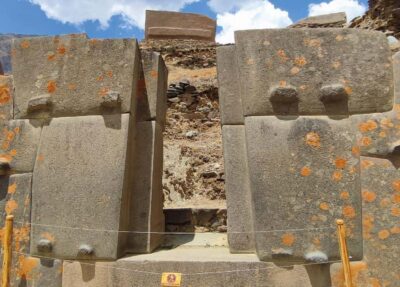
2-Day Trip to the Sacred Valley and Machu Picchu
Read our review →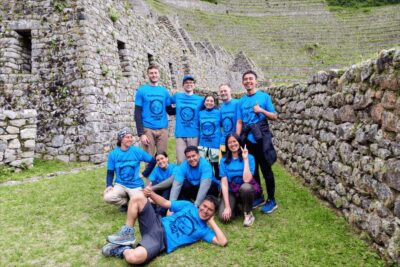
Machu Picchu 2-Day Inca Trail with Panoramic Train
Read our review →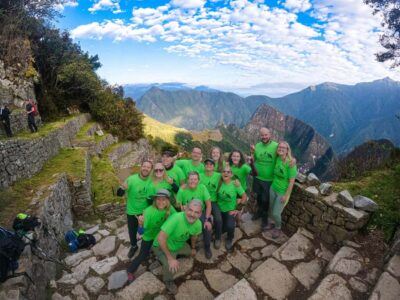
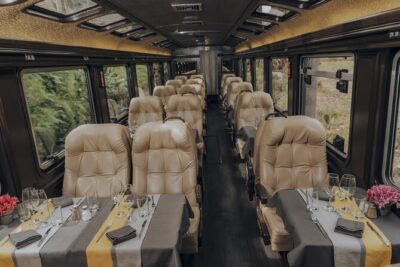
The First Class Machu Picchu Train by Inca Rail
Read our review →Browse the lists this tour appears in