
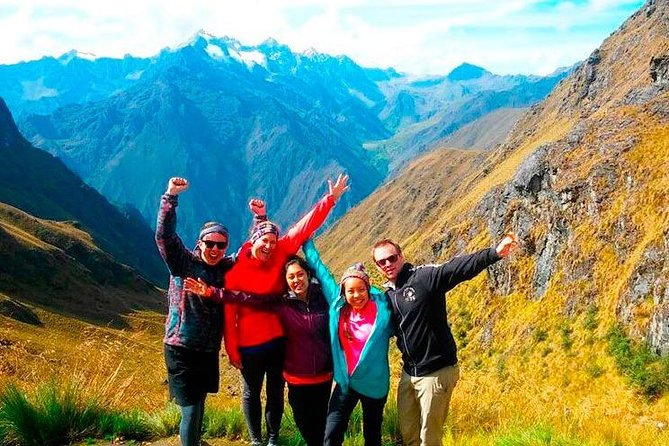
Reviewed · MACHU PICCHU TOURS
Inca Trail 4 Day Adventure to Machu Picchu with Panoramic Train
The best part of this four-day Inca Trail is the way Machu Picchu arrives at the end of a real journey, not as a quick visit by bus. You climb from Km 82 through Inca ruins, high mountain passes, cloud forest, and the Sun Gate, then enter the citadel on foot.
I like the strong practical support: porters carry the camping and kitchen equipment, while a professional cook prepares three meals a day. I also like the local focus, including school-supply support for children in remote Peruvian communities. The main drawback is the physical demand, especially the 4,200-meter Dead Woman Pass and the long second day.
Key points to know before booking
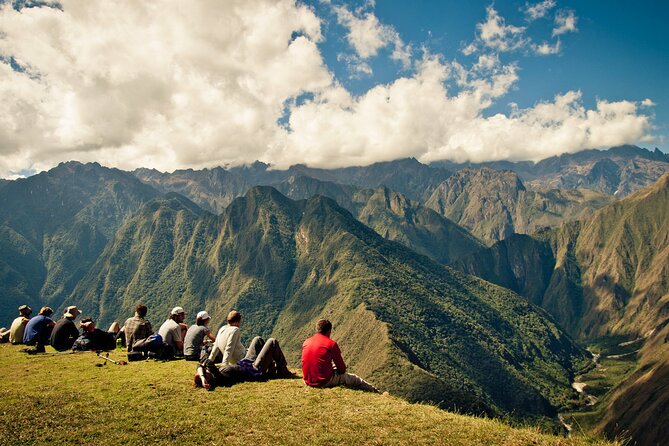
- Dead Woman Pass reaches 4,200 meters: Day 2 is the hardest stretch, with about eight hours of walking.
- Machu Picchu is entered through the Sun Gate: You get your first major view of the citadel before the guided visit.
- Porters carry the camp gear: You still need to manage your personal belongings and daily hiking needs.
- Meals suit several diets: Vegetarian, vegan, and pescetarian options are available if arranged.
- The $950 price covers a great deal: Permits, entrances, camping, staff, meals, trains, and transport are included, though several useful extras cost more.
- Guide quality matters: Guides named Paulo and Raul have been praised for clear explanations, patient pacing, and attention to families.
Four days on the Classic Inca Trail
This is not a soft walk with a scenic finish. The Classic Inca Trail asks you to climb, descend, sleep in tents, and repeat the process for four days. The reward is a route lined with Inca construction and changing mountain scenery, followed by arrival at Machu Picchu from above.
The group size can reach 16 people, which is small enough for a shared experience without becoming a large procession. You receive a briefing with your guide the day before departure, and a bilingual certified guide leads the trek. Depending on your departure, you might be guided by someone such as Paulo or Raul, both of whom have been praised for their explanations of Quechua culture and Inca history.
The operator also presents itself as a locally based company with a social purpose. Its community work includes providing books, notebooks, pencils, and other school supplies to children in remote areas. That will not change the physical effort of the trek, but it may matter to you if you prefer your money to support a Peruvian company with direct community ties.
Other ways up to Machu Picchu from Cusco:
- From Cusco: Full-Day Group Tour of Machu Picchu
★ 4.7 · 1,767 reviews - Machu Picchu Day Trip from Cusco
★ 4.5 · 1,644 reviews - Machu Picchu: Full-Day Tour from Cusco with Optional Lunch
★ 4.6 · 927 reviews
Day 1: From Cusco to Patallacta and the first camp
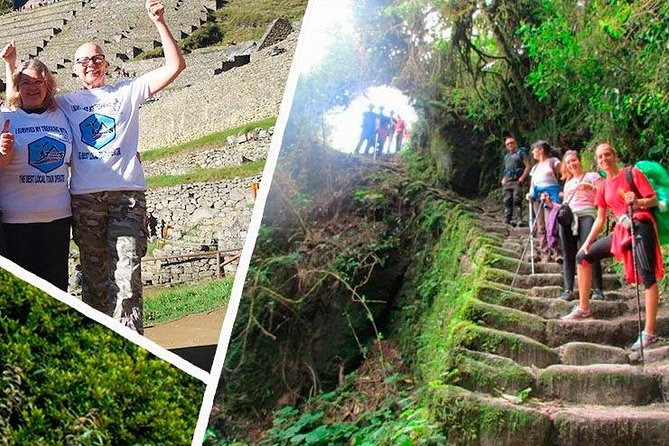
Your day begins early, with pickup at about 5:00 am from accommodation in Cusco, Urubamba, or Ollantaytambo. The drive heads toward Piskacucho, also called Km 82, where the Inca Trail begins.
Before reaching the trailhead, the group stops briefly in Ollantaytambo. This is useful for last-minute purchases and breakfast. The first breakfast is not included, so budget for it separately. The stop is practical, but do not count on it as a leisurely morning. You are starting early because the hiking day is long.
At Km 82, you begin with roughly six to seven hours of walking. The route first leads to Patallacta, one of the largest archaeological sites along the trail. Your guide explains the ruins, giving you a reason to slow down and look closely rather than treating the site as a simple photo stop.
After around two hours, you continue toward lunch. Meals are served buffet style, and the cook prepares food during the trek. Three lunches, three dinners, and three breakfasts are included across the camping portion, with meal preferences such as vegetarian, vegan, and pescetarian diets available.
The afternoon continues for another two and a half to three hours before you reach the first campsite. Porters carry the camping and kitchen equipment, and two trekkers share each four-season tent. Mattresses, tables, chairs, and a kitchen tent are provided.
The first day is a good test of your preparation. You will not be carrying the full camp, but you do need a daypack with water, rain protection, warm clothing, sun protection, and personal items. The operator provides boiled drinking water, while bottled mineral water can be purchased at some campsites.
Day 2: The long climb to Dead Woman Pass
Day 2 is the toughest part of the trek. Expect about eight hours of walking as you climb toward Warmiwañusca, better known as Dead Woman Pass, at 4,200 meters, or 13,780 feet.
The day starts early with coca tea and breakfast. The early departure is sensible because mountain shade makes the climb more comfortable. You move through several ecological zones and changing microclimates, so layers are more useful than one bulky jacket.
The pass is the physical high point of the route. Reaching it is satisfying, but the work does not stop there. After a short rest, you descend toward the Pacaymayu Valley. Descending steep stone paths can be hard on knees, especially after the climb, so walking poles are worth considering. A professional pair can be rented from the operator for $20.
Altitude is the serious issue here. The tour asks for a moderate fitness level, but that phrase should not be read as a promise of an easy walk. You need to be comfortable with several hours of uphill and downhill hiking at high elevation. A current passport is required for the trek and site entrances.
This is also where a patient guide makes a difference. Paulo has been praised for setting a pace that worked for families and children rather than racing ahead. That kind of pacing is more valuable than a fast time. Raul has also been praised for adjusting to different ages and abilities while explaining the route and Inca beliefs.
Day 3: Phuyupatamarca, cloud forest, and Wiñay Wayna
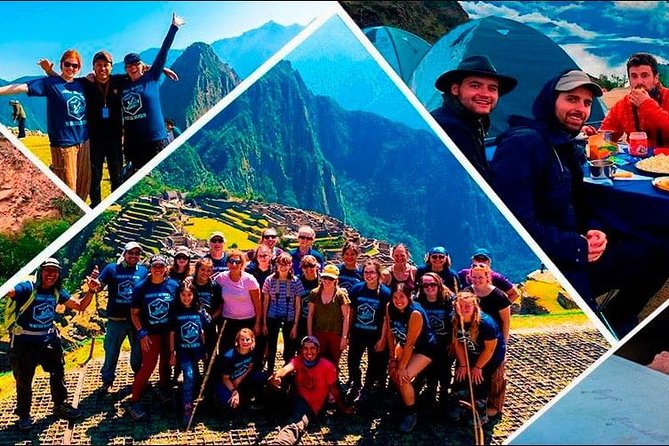
After the hardest day, Day 3 is often described as the most beautiful. You still walk for around six hours, but the route offers more variety and several excellent archaeological and natural sections.
The morning begins with breakfast and about two hours along a relatively level section known as the Inca Flat. From here, the route gives views toward the snowy Salkantay and the Vilcabamba mountain range. The level walking is welcome after the previous day, though the trail still includes stone steps and uneven surfaces.
You then reach Phuyupatamarca, or Town in the Clouds, at about 3,650 meters, or 11,975 feet. The site is one of the high points of the trek and a good place to appreciate how the Incas built along steep mountain routes.
After Phuyupatamarca, the route drops into cloud forest. You may see small streams, waterfalls, palms, orchids, bromeliads, parrots, and parakeets. The change from high, open mountain terrain to humid forest is one of the route’s strongest features.
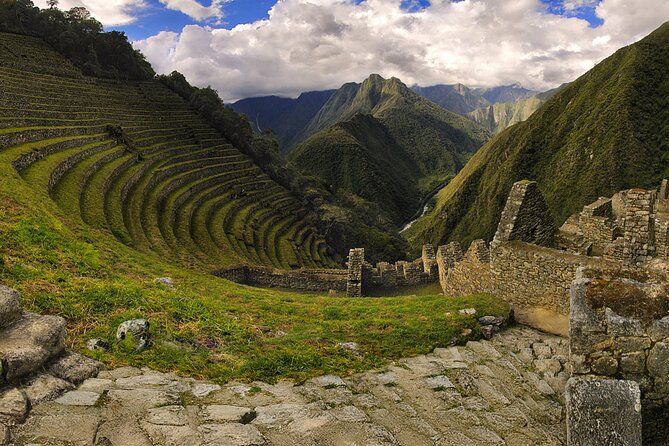
After lunch, you continue toward Wiñay Wayna, one of the most memorable ruins on the trail. The guide’s interpretation matters here. The stones, terraces, stairs, and water channels are impressive on their own, but explanations about how the sites fit into the wider route help you see more than a wall and a view.
Day 3 is also when the trip begins to feel close to its goal. You have crossed the hardest pass, but you are not yet at Machu Picchu. That gradual approach is part of what gives the Classic Inca Trail its sense of place.
Other multi-day treks out of Cusco:
- Cusco: 4-Day Inca Trail to Machu Picchu with Accommodation
★ 4.8 · 432 reviews - From Cusco: 7 Lakes Ausangate Trek with Breakfast and Lunch
★ 4.8 · 360 reviews - Cusco: Machu Picchu 2-Day Inca Trail with Panoramic Train
★ 4.9 · 260 reviews - From Cusco: 2-Day Inca Trail to Machu Picchu
★ 4.2 · 244 reviews
Day 4: Entering Machu Picchu through the Sun Gate
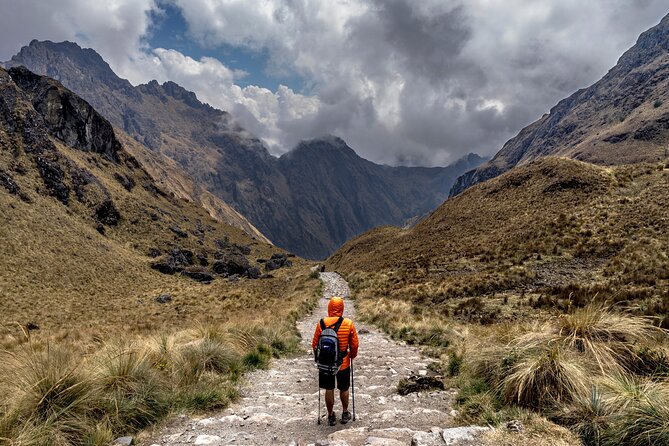
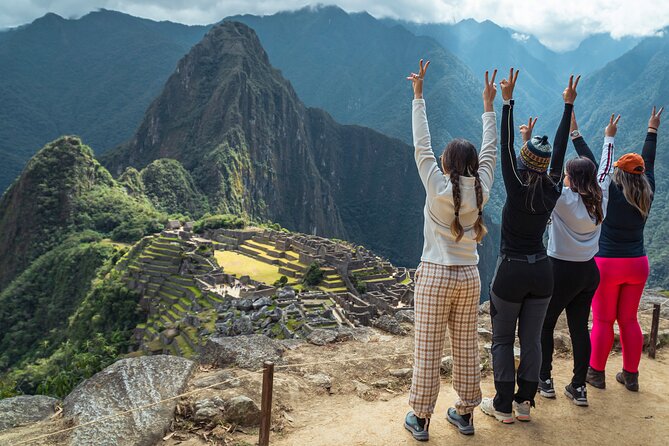
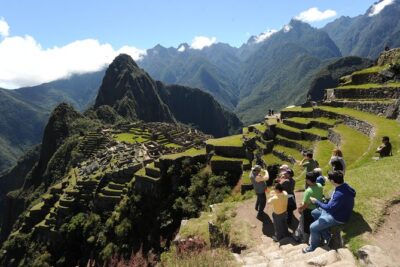
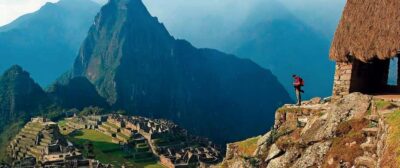
The final day begins early. You say goodbye to the porters and cook before walking toward Machu Picchu. The route first reaches Inti Punku, the Sun Gate, where you get a panoramic view of the citadel.
This approach is a major reason to choose the four-day trail. Instead of arriving at the entrance by bus and seeing Machu Picchu immediately at ground level, you first look down toward the ruins after several days on foot. Weather can affect the view, so keep your expectations flexible, but the arrival remains a strong finish to the trek.
After reaching the site, you register and take a guided tour of about two hours. The guide covers major places such as the Temple of the Sun, the water temple, and the Temple of the Moon. You then have time to explore independently and take photographs.
Huayna Picchu can be added after the Machu Picchu visit for an extra cost. It is optional, and the supplied information does not include its entrance fee, so check availability and pricing before you commit. Adding another climb after four days of trekking may not suit everyone.
The bus from Machu Picchu down to Aguas Calientes is also not included. It costs $12. You can plan for that expense alongside your final transport and meals, since the last lunch and dinner are not included either.
What the $950 price really covers
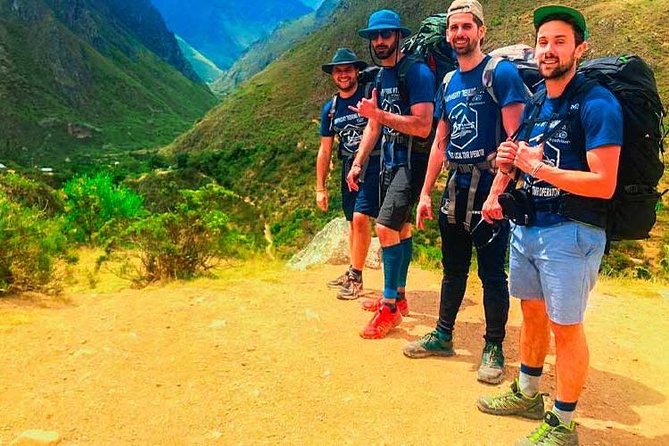
At $950, this is not a bargain-basement trek, but the price includes the parts that make a four-day Inca Trail trip possible. Permits and entrances are included, along with a bilingual certified guide, private transport to the trailhead, porters, a cook, camping equipment, mattresses, tents, and meals during the trek.
The return arrangements are also covered. You receive a tourist train from Aguas Calientes to Ollantaytambo, followed by private transport to Cusco. A survivor T-shirt is provided for each group member, though that is a small extra beside the practical value of the permits and staff.
The included equipment reduces the amount you need to organize yourself. You still need to pay extra for a sleeping bag, listed at $20 to rent, and walking sticks, listed at $20 per pair. Mineral water, the first breakfast, the last lunch and dinner, the Machu Picchu to Aguas Calientes bus, and tips are also outside the price.
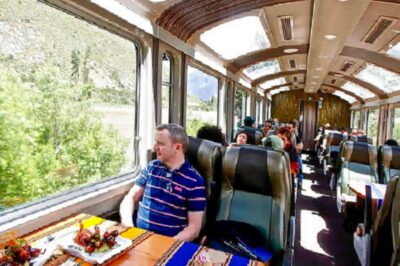
The train deserves a close look. The package includes a tourist train, while an upgrade to the luxury Vistadome train is available for an additional fee. The title refers to a panoramic train, but the inclusions describe the standard service as a tourist train. Confirm the exact rail category before booking if the train experience is important to you.
Food, tents, porters, and daily comfort
The support system is one of the strongest reasons to choose an organized trek. Porters carry the camping and kitchen equipment, leaving you to carry your own personal gear. A professional cook prepares three meals per day in buffet style, and snacks are provided for each day of hiking.
That does not turn the trail into a comfortable hotel stay. You sleep in shared tents, with two people per tent, and camp facilities are basic. The four-season tents are described as roomy enough for two people, but one past booking raised concern about tent dimensions for a person around two meters tall. If you are very tall, confirm the tent size directly before paying.
The medical setup includes a first-aid kit and an oxygen balloon. This is useful support, but it is not a replacement for preparation or medical advice. High altitude can affect people differently, and the demanding second day deserves serious attention.
Tips are not obligatory, but they are welcomed. Because the group relies on a guide, cook, and porters for several days, you may want to carry cash for gratuities if the service meets your expectations.
Who should choose this trek?
I would choose this trip if your priority is the full Classic Inca Trail route, with archaeological sites and a walking arrival at Machu Picchu. It suits people who want a structured trek and prefer to have permits, staff, meals, tents, and transport arranged in one package.
Families can do it if everyone is prepared for the effort. A guide who sets a steady pace can make the difference, and the experience includes examples of guides adapting their rhythm for children. Still, the eight-hour second day and high pass mean that family members should be ready for a genuine mountain trek.
This is less suitable if you want private rooms, short walking days, or flexible cancellation. The booking is non-refundable and cannot be changed for any reason. Confirmation is subject to availability, although the stated booking information says confirmation is normally received within 72 hours.
The trip can include up to 16 people. That size gives you a social group and spreads the cost of the support team, but it is not the same as a private departure. Ask about group size and guide arrangements if you want a quieter or more personal experience.
Should you book the Inca Trail with a panoramic train return?
Book it if you want the classic route, can manage long days at altitude, and value local guides, porters, a cook, and an organized return to Cusco. The arrival through the Sun Gate, the ruins at Patallacta and Wiñay Wayna, and the changing terrain give this trek more substance than a one-day Machu Picchu visit.
Think twice if you are not ready for Dead Woman Pass, shared camping, extra costs, or a strict non-refundable booking. Before paying, confirm the train category, tent dimensions if you are tall, the cost and availability of Huayna Picchu, and the exact plan for meals and the final bus.
For a prepared hiker, the $950 package offers solid value. You are paying not just for entry to Machu Picchu, but for four days of route access, staff, food, camping support, and a meaningful approach to one of Peru’s great archaeological sites.
FAQ
How long is the Inca Trail experience?
The trek lasts approximately four days and includes three nights of camping before the Machu Picchu visit and return journey.
Where does the hike begin?
The trail begins at Piskacucho, also called Km 82, after pickup and transport from Cusco, Urubamba, or Ollantaytambo.
What is the hardest day?
Day 2 is the longest and hardest, with about eight hours of hiking and a climb to Dead Woman Pass at 4,200 meters above sea level.
Is Machu Picchu admission included?
Yes. Entrance tickets to Machu Picchu are included, as are the required Inca Trail entrances and permits.
Is the train back to Cusco included?
A tourist train from Aguas Calientes to Ollantaytambo is included, along with private transportation from Ollantaytambo to Cusco. A Vistadome upgrade costs extra.
Are meals included?
Three breakfasts, three lunches, and three dinners during the trek are included. The first breakfast, final lunch, and final dinner are not included.
Can I visit Huayna Picchu?
Yes, Huayna Picchu is an optional addition after the Machu Picchu tour. It has an extra cost and is not included in the package.
What should I bring or rent separately?
Sleeping bags and walking sticks are not included, but each can be rented from the operator for $20. You should also budget for bottled water, the $12 bus from Machu Picchu to Aguas Calientes, personal purchases, and optional tips.
More Machu Picchu tours in Cusco
- From Cusco: 2-Day Trip to the Sacred Valley and Machu Picchu
★ 4.6 · 265 reviews - Machu Picchu: Inca Trail 2-Day Overnight Guided Tour
★ 4.9 · 203 reviews - Private Tour to Sacred Valley and Machu Picchu from Cusco
★ 5.0 · 133 reviews - Machupicchu 1 day tour
★ 5.0 · 128 reviews
More train journeys around Cusco
- The First Class Machu Picchu Train by Inca Rail
★ 4.0 · 182 reviews - From Cusco: 1-day Machu Picchu Tour by Train
★ 4.6 · 138 reviews - 2-Day Machu Picchu Tour by train from Cusco ( All included )
★ 5.0 · 85 reviews - From Cusco: Sacred Valley & Machu Picchu 2-Day Tour by Train
★ 4.9 · 79 reviews
Just added around Cusco
- Zipline over the Sacred Valley Trip★ 5.0 · 11 reviews
- Waqrapukara 1 day trekking + meals★ 3.9 · 3 reviews
- Visit Pisac from Cusco: Private Transport★ 4.6 · 9 reviews
- Valle Sur Cusco | half day★ 4.3 · 3 reviews
- Trek to Humantay Lake from Cusco★ 4.9 · 8 reviews
- Trek to Choquequirao 4 days★ 3.8 · 4 reviews
- rainbow mountain full day★ 5.0 · 44 reviews
- Machu picchu one day by train all included★ 4.5 · 53 reviews
Machu Picchu Tours, compared.
4-Day Inca Trail to Machu Picchu with Accommodation
Read our review →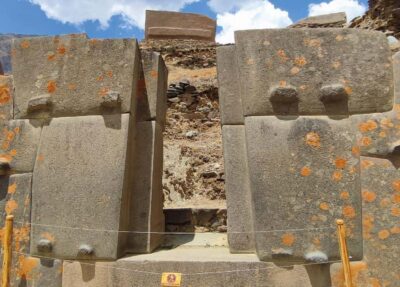
2-Day Trip to the Sacred Valley and Machu Picchu
Read our review →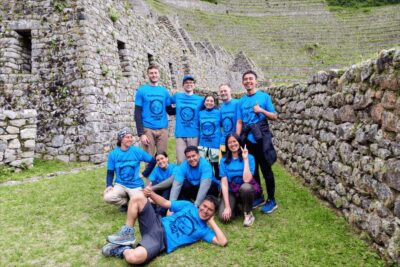
Machu Picchu 2-Day Inca Trail with Panoramic Train
Read our review →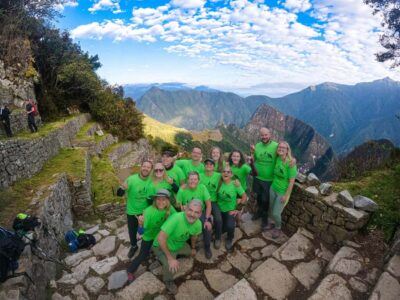
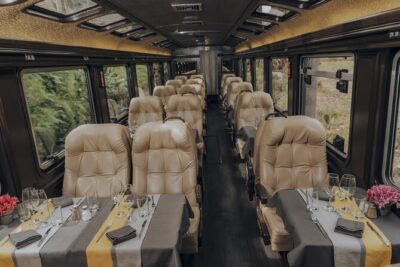
The First Class Machu Picchu Train by Inca Rail
Read our review →Browse the lists this tour appears in