
Reviewed · TOURS IN LIMA
Half-Day Local Communities and Social Tour in Lima
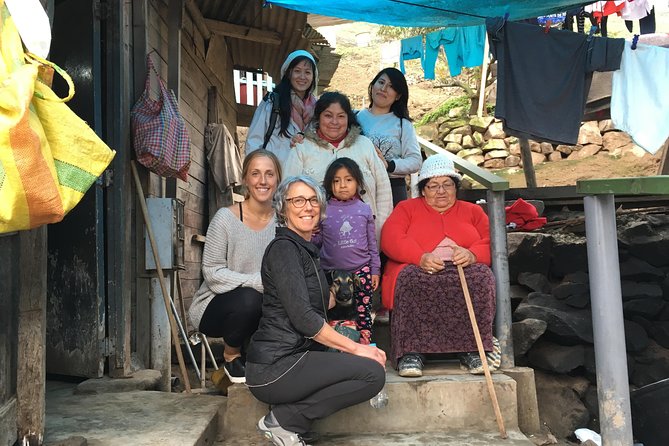
Lima’s Cementerio de Nueva Esperanza is the striking centerpiece here: a huge hillside cemetery among homes and dusty lanes, with colorful graves, crosses, flowers, and Andean burial customs. From there, you enter San Juan de Miraflores to meet people building businesses and community programs far from Lima’s polished tourist districts.
I like the small private format, which leaves room for questions and direct conversations. I also like the home-cooked lunch and the fact that part of the price supports a local project for children. Guides such as Alfredo have been praised for clear translations and a warm, steady manner.
The main drawback is the traffic and the subject matter. Transfers can take much longer than planned, and this is not a light sightseeing trip. You will see poverty, unfinished homes, limited water access, and difficult daily conditions, so come ready to listen rather than simply take pictures.
Key points to know before you book
- Nueva Esperanza cemetery: Explore one of the world’s largest cemeteries, spread across Lima’s dry hills and settlements.
- Real local contact: Meet a craft worker, a home cook, community leaders, and a local guide from San Juan de Miraflores.
- Lunch in a family home: Eat a homemade Peruvian meal, with dietary restrictions shared at booking.
- Social contribution included: Your tour fee helps support a local project connected with children in the area.
- Private transportation: Hotel pickup and drop-off are included, but Lima traffic can make the day run long.
- Moderate walking: Expect uneven ground and hillside walking, so wear sneakers or sturdy comfortable shoes.
A different side of Lima, beginning in a hillside cemetery
Many Lima excursions stay around Miraflores, Barranco, and the historic center. This one heads toward the city’s southern settlements, where the urban view changes quickly. After roughly 50 minutes in the vehicle, you reach Cementerio de Nueva Esperanza, described as the second-largest cemetery in the world.
The cemetery spreads across the hills beside human settlements. It is not a formal park with tidy rows and clipped lawns. It is colorful, crowded, dusty, and closely tied to the surrounding community. Graves and crosses appear against the dry hills, creating strong views for photography.
You get about 30 minutes here, with admission included. That is enough to take in the setting and hear about Andean burial traditions, though you should not expect a long cemetery walk or a detailed museum-style visit. The stop works best as an introduction to the cultural ideas that shape this part of Lima.
One detail explained on the tour is the way Catholic symbols can mix with older spiritual practices. Crosses may be decorated with objects or herbs associated with witchcraft. The Day of the Dead, on November 1, is also described as a family occasion, when people visit loved ones with food and drink. These customs make the cemetery more than a place of burial. It is also a place where families maintain an ongoing relationship with the dead.
Bring a camera if you enjoy visual details, but use good judgment. This is an active cemetery and a lived-in area, not a stage set made for visitors. Ask before photographing people, graves, or private homes.
Other half-day trips around Lima:
- Lima’s Vibrant Heritage: Exploring the City’s Landmarks Half-day
★ 4.5 · 581 reviews - Lima: Pachacamac Ruins & Barranco Half-Day Guided Tour
★ 4.6 · 296 reviews - Pre Inca Temple of Pachacamac Half-Day Tour from Lima
★ 4.5 · 283 reviews
San Juan de Miraflores and the work of building a neighborhood
After the cemetery, the tour moves into a settlement in San Juan de Miraflores. The exact order can vary, but the main visit lasts about three hours. Your bilingual guide is joined by a local guide who knows the neighborhood and helps introduce you to residents.
The first stop may be a small artisan workshop in a local woman’s home. She explains her business and shows the handmade items she produces. One account describes jewelry made with purple seeds from the Amazon. You can ask questions about her work and may have the chance to buy a craft item directly.
This is an important part of the tour because it gives you a practical look at household enterprise. The workshop is not a large store or a polished gallery. It is a small business built around the resources and space available to one family. Your purchase, if you choose to make one, is a direct exchange rather than a stop at a tourist market.
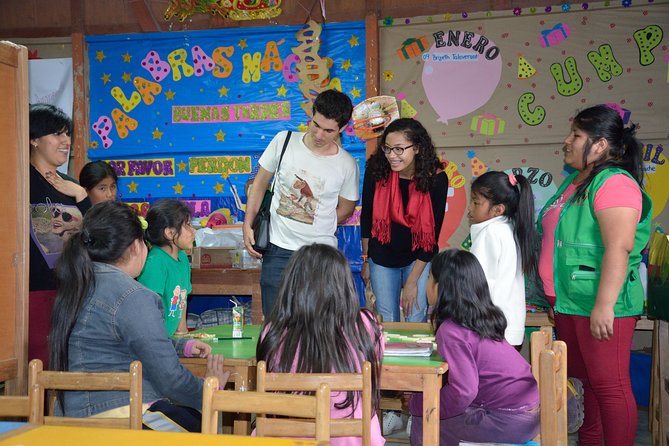
You then meet local families and community leaders. The guide explains the challenges of daily life, along with the efforts residents have made to create services and support networks. This can include a visit to a children’s project or after-school meeting place. Activities with participating children may be taking place on some days, but they are not guaranteed.
That uncertainty matters. If you are booking mainly to meet children or watch a program in action, keep your expectations flexible. One family visit had no children present at the time, but the setting still helped explain how the project works and why funding matters.
A homemade lunch with a local family
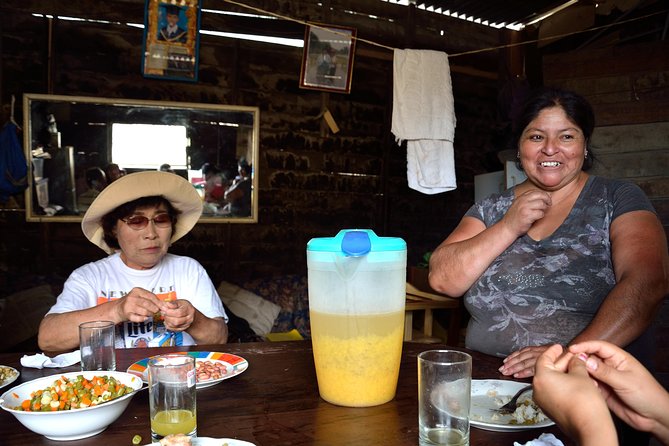
Lunch is one of the most memorable parts of the experience because it takes place in the home of a local cook. The meal is described as homemade Peruvian food, including chicken and rice in one account, along with a sweet corn drink.
You are not eating at a restaurant designed for tour groups. The setting is simple, and the cook’s own story is part of the visit. The people you meet may explain how they support neighbors, children, or older residents who have trouble affording food. Those conversations give the meal a human scale that you will not get from a standard city food tour.
At the same time, you should understand the setting before booking. Homes in the settlement may be built from boards, rock, or other basic materials. Some have dirt floors, gaps in the walls, and no running water. The surrounding hills are dry, and water access can be a serious challenge.
This is not a poverty display, and the best way to approach it is with respect. Listen to the people you meet, ask useful questions, and avoid treating homes or hardship as photo props. The social contribution included in the price is meant to support the project visited, which gives the encounter a purpose beyond sightseeing.
Tell the operator about food restrictions when you book. Lunch is included, but the supplied information does not promise a particular alternative menu.
What the social project adds
The fee includes a contribution to the social project visited during the tour. The project is connected with local children, especially those in the 6 to 12 age range, and the tour may help fund activities or support networks in the area.
The descriptions connect this work with community groups and nonprofit efforts that help children and families. Specific activities can change, and the children may not be present during your visit. Still, the contribution gives the tour a clearer purpose than simply entering a neighborhood for an hour and leaving.
I value that structure. A responsible community visit should bring some benefit to the people who host it. Here, the tour combines a paid local guide, a home meal, small business contact, and a stated contribution to a social project. You should still treat the experience as an introduction, not as a complete portrait of life in Lima’s settlements.
The tour also gives you a chance to speak with people directly. Alfredo, named in several accounts, is described as a patient bilingual guide who translates conversations without losing their flow. A second local guide adds a perspective rooted in the neighborhood itself. In a private group, you can stop and ask questions rather than follow a fixed crowd.
Same base, a completely different day:
- Lima: Ultimate Peruvian Food Tour
★ 4.9 · 700 reviews - Full Day Paracas Ica and Huacachina from Lima All Included
★ 4.5 · 623 reviews - From Lima: Day trip to Paracas, Ica and Oasis Huacachina
★ 4.6 · 409 reviews - Private transfers from Lima Airport or to Lima Airport
★ 4.0 · 359 reviews
Timing, traffic, and physical demands
The advertised length is about five to six hours. That sounds generous for a half-day, but Lima traffic can alter the schedule. The drive to the first stop takes about 50 minutes in normal conditions, and the trip to and from the settlements can stretch when roads are crowded.
Tell the operator if you need to be back at a set time. I would not schedule a tight airport connection, restaurant reservation, or bus departure after this tour. Private transportation and hotel pickup are included, but private transport does not make Lima traffic disappear.
Walking is limited in distance but not always easy underfoot. You may walk on uneven terrain and climb hillside paths. Wear sneakers or other comfortable closed shoes. Sandals are specifically discouraged.
The tour calls for a moderate level of fitness and is not recommended for people with serious back or neck problems. Strong sun is common even under cloud cover, especially from December through April. Bring water, sunscreen, and a hat.
The experience is private, so only your group participates. That makes a real difference here. You can ask about religion, water access, local business, community leadership, or children’s programs without holding up a large group. It also makes the tour more suitable for families who want to discuss what they are seeing as they go.
Is $182 a fair price?
At $182 per person, this is not a cheap half-day outing. You are paying for private transportation, hotel pickup and drop-off, a bilingual guide, a local guide, lunch, and a contribution to the social project.
The value depends on what you want from Lima. If your main goal is famous buildings, markets, or restaurant stops, you can find less expensive options. If you want a guided introduction to communities you would be unlikely to visit on your own, the price is easier to justify.
The transport is a meaningful part of the cost. Lima is spread out, and reaching the cemetery and settlement takes time. You are not just paying for entry tickets. You are paying for local introductions, translation, planning, and a private vehicle in a city where navigating unfamiliar areas alone can be difficult.
The lunch and community contribution add value, but they do not turn the tour into a luxury experience. Expect modest homes, simple food, dusty roads, and serious conversations. That is precisely what makes the outing useful for some people and uncomfortable for others.
The fact that this experience is often booked well ahead, around 48 days in advance on average, suggests you should reserve early if it fits your schedule. Free cancellation is available up to 24 hours before the start time. Poor weather, political conditions, or other unexpected events can also lead to a change or cancellation, with an alternative date or full refund offered.
Who will appreciate this tour most?
I would recommend it to you if you want to understand Lima beyond its wealthy coastal districts. It suits curious adults, socially aware families, photographers interested in place and color, and anyone who values direct conversation over a checklist of famous sights.
It can work with older children and teenagers if you prepare them beforehand. A family account described the cemetery and community visit as a powerful lesson in how people live with fewer resources. That kind of discussion can be meaningful, but you should make sure children understand that residents are people first, not objects for a school lesson or a dramatic photo.
The tour may not suit you if you dislike uneven ground, long vehicle rides, or emotionally serious subjects. It is also a poor match if you want a polished culinary experience or a predictable program with guaranteed activities involving children.
Approach it with humility. Ask permission before taking photographs. Listen when people describe their lives. Buy crafts only if you want them, not because you feel pressured. The tour is strongest when the interaction feels like a respectful exchange.
Should you book the Lima communities tour?
Book this tour if you want a thoughtful look at Lima’s southern settlements and you are willing to leave the polished tourist circuit. The cemetery, the artisan workshop, and the home lunch each reveal a different part of local life. The social contribution gives the visit a practical benefit, while the private format lets you ask questions at your own pace.
Skip it if you have only a few hours in Lima and need a tightly timed activity, or if you prefer light sightseeing. Traffic can slow the day, the terrain is uneven, and the living conditions you see may be difficult.
For the right person, this is one of the more useful ways to spend a half-day in Lima. It does not pretend that every part of the city is comfortable or prosperous. Instead, it gives you context, conversation, and a better sense of how residents create businesses and community support in hard conditions.
FAQ
How long does the tour last?
The tour lasts approximately five to six hours, including transportation between the hotel, cemetery, community, and hotel.
What is included in the price?
The price includes lunch, a local guide, private transportation, hotel pickup and drop-off, and a contribution to the social project visited during the tour.
Is this a private tour?
Yes. Only your group participates in the activity.
How much walking is involved?
A small amount of walking on uneven terrain is involved. The tour recommends comfortable shoes or sneakers and says not to wear sandals.
Is the tour suitable for people with medical conditions?
The tour is not recommended for participants with serious back or neck problems. A moderate level of physical fitness is advised.
Will children be present at the community project?
Activities with participating children may be taking place on some days, but children are not guaranteed to be present during your visit.
Can I request a special meal?
You should advise the operator of specific food restrictions when booking. Lunch is included, but the available alternatives are not specified.
What happens if the tour is canceled?
The tour may be canceled or changed because of extremely poor weather, political conditions, or other unexpected events. In that case, you can choose an alternative date or receive a full refund. You may also cancel up to 24 hours before the start time for a full refund.
Just added around Lima
- Guided Tours in Colonial and Modern Lima★ 5.0 · 54 reviews
- Lima Peru Sea Lions, History and Palomino Callao Islands★ 5.0 · 56 reviews
- Full Day Pilgrims★ 5.0 · 28 reviews
- Sandboarding and Off Road in Lima (National Park Lomas de Ancón)★ 5.0 · 54 reviews
- In Lima: Sandboarding Off Road Half Day!!★ 5.0 · 36 reviews
- Tour Miraflores + Fotografía Profesional★ 5.0 · 47 reviews
- Full day PRIVATE to Paracas, Ica and Huacachina from Lima All Inclusive and Lunch★ 5.0 · 55 reviews
- Peruvian Experience: Interactive, Cultural & Gastronomic Guided Tour★ 5.0 · 42 reviews
Tours in Lima, compared.

Full Day Paracas Ica and Huacachina from Lima All Included
Read our review →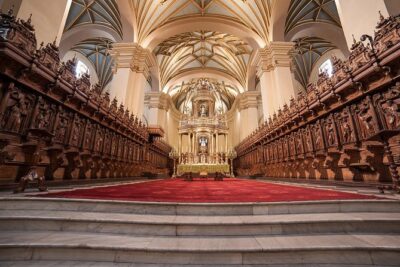
Lima’s Vibrant Heritage: Exploring the City’s Landmarks Half-day
Read our review →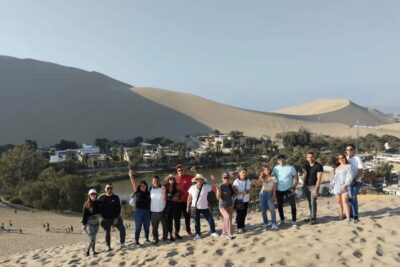

Paracas and the Huacachina Oasis Guided Day Tour
Read our review →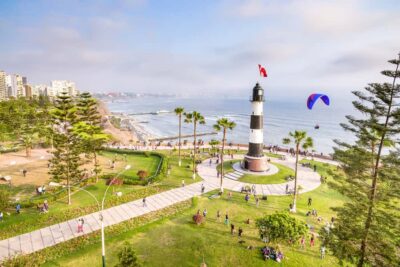
The Charm of Barranco & Pre Inca Pyramid in Miraflores
Read our review →
Full Day to Paracas and Huacachina Desert Oasis
Read our review →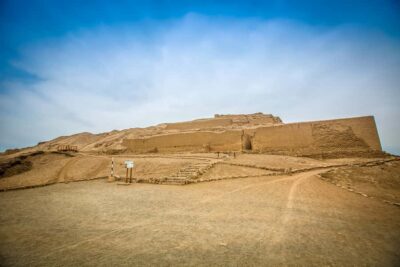
Pachacamac Ruins & Barranco Half-Day Guided Tour
Read our review →Browse the lists this tour appears in