
Reviewed · CORDILLERA BLANCA TREKS
From Lima: Cordillera de la viuda | Mountain Exploration
The best part of this outing is the sharp change from Lima’s coastal bustle to the high country around the Cordillera de la Viuda. In one long day, you move from ancient rock drawings and a roadside viewpoint to cold Andean lagoons, trout ponds, colonial-era squares, and a small religious sanctuary. I especially like the Checta Petroglyphs, where hunters, animals, cosmic shapes, and abstract figures invite more questions than easy answers. I also like the visit to the Huaros community, since trout farming gives you a look at local work rather than just another scenic stop.
The main caution is the road time. You leave at 5 a.m., spend many hours in a vehicle, and return around 9 p.m. A February 2026 booking described poor transport, rough roads, and severe traffic, while other recent bookings praised the care of guides such as Wilma, Alejandro, Gabo, and Edgar. Confirm the meeting details the night before, pack for a hard day, and do not choose this trip if you want a relaxed, short outing.
Key points to know before you go
- Ancient Checta carvings: See stylized figures of animals, hunters, humans, cosmic elements, and abstract forms cut into stone.
- Four Andean water stops: Laguna de Chuchun, Laguna Ocho, Laguna Leoncocha, and views toward the snow-capped Cordillera de la Viuda form the scenic core of the morning.
- Local Huaros trout farming: Learn how the community raises trout, adding a practical local story to the mountain scenery.
- Canta in one afternoon: Visit the Plaza de Armas, colonial fountain, Republican-era portals, church, and local market.
- A very long day: Departure is at 5 a.m., with arrival back in Lima expected around 9 p.m.
- Low headline price, extra costs: The $39 fee includes transport and a guide, but food, lagoon entry, and an optional boat ride cost extra.
From Lima to the Checta Petroglyphs
This is not a quick escape from Lima. It is a full mountain circuit, and the early start matters. You meet at La Rambla shopping mall, with the exact GPS location sent to you, then leave at 5 a.m. The morning drive is part of the outing, not dead time, as the road opens into the mountains and the city falls away.
Your first meaningful stop is the Checta Petroglyphs. The drawings include animal shapes, people hunting, symbols linked to the sky or cosmos, and forms that are hard to classify. That uncertainty is part of the appeal. You are not looking at a tidy story with every figure explained. You are looking at marks that have drawn different interpretations over time.
I would pay close attention to the guide here. A good explanation can turn a brief stop at exposed rock into a window on ancient belief and daily life. Since the tour is conducted in Spanish, you will get the most from the visit if you understand Spanish well enough to follow historical and archaeological commentary.
The stop is also a reminder to keep your expectations realistic. This is an outdoor visit, not a polished museum. The value comes from seeing the carvings in their original setting and trying to read the stones for yourself.
Other high-mountain lagoons out of Lima:
- From Huaraz: Tour to the Pastoruri Glacier and Puya Raimondi
★ 4.3 · 68 reviews - 69 Lake – Cordillera Blanca
★ 5.0 · 62 reviews - Parón Lake – Cordillera Blanca
★ 4.5 · 35 reviews
Cochapampa and the first mountain views
The next stop is the Cochapampa viewpoint. It is a short scenic pause on the road, useful for stretching your legs and taking in the high-country setting before the lagoons.
The tour description gives no exact walking distance or length of time at the viewpoint, so expect a simple roadside observation stop rather than a hike. That can be good news on a 16-hour day. You get a visual break without adding a demanding trek to an already packed schedule.
Bring your camera, but also bring a warm layer. The weather in Lima at departure tells you little about conditions higher in the mountains. Sunglasses and sunscreen are specifically recommended, and you should take both seriously. Bright high-altitude light can be tiring, especially after hours on the road.
Four lagoons and the Cordillera de la Viuda
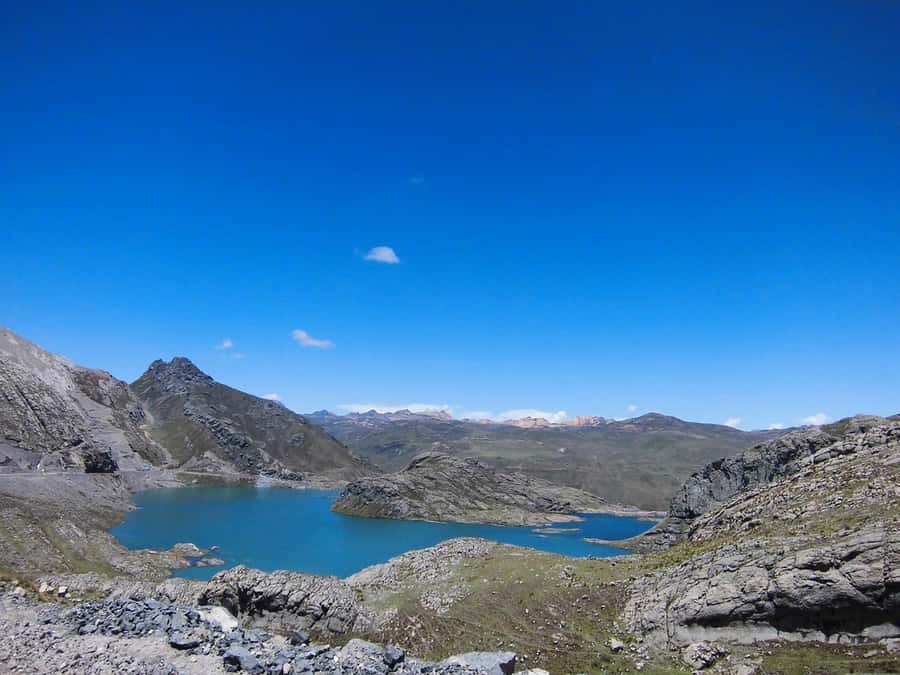
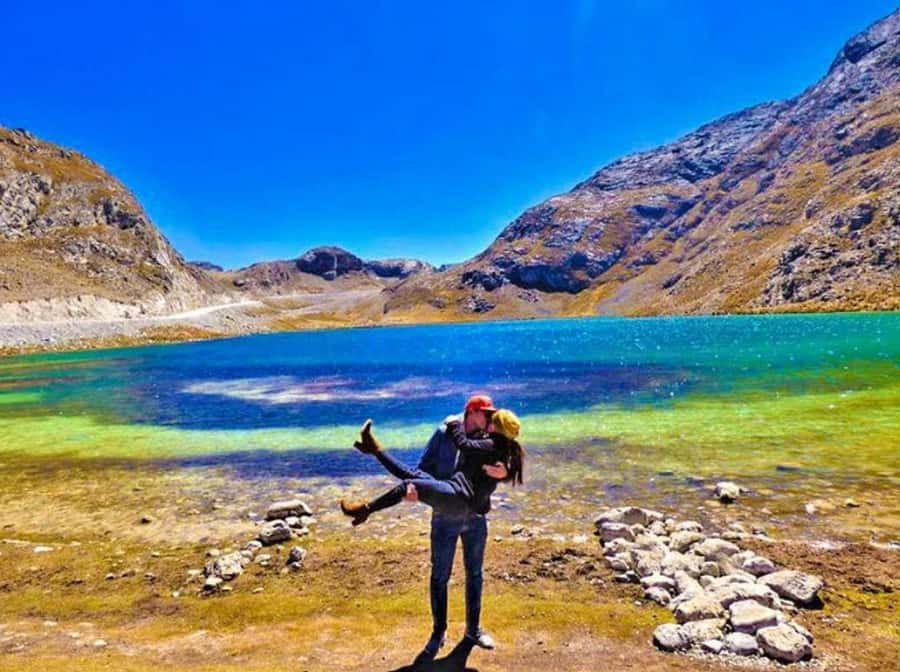
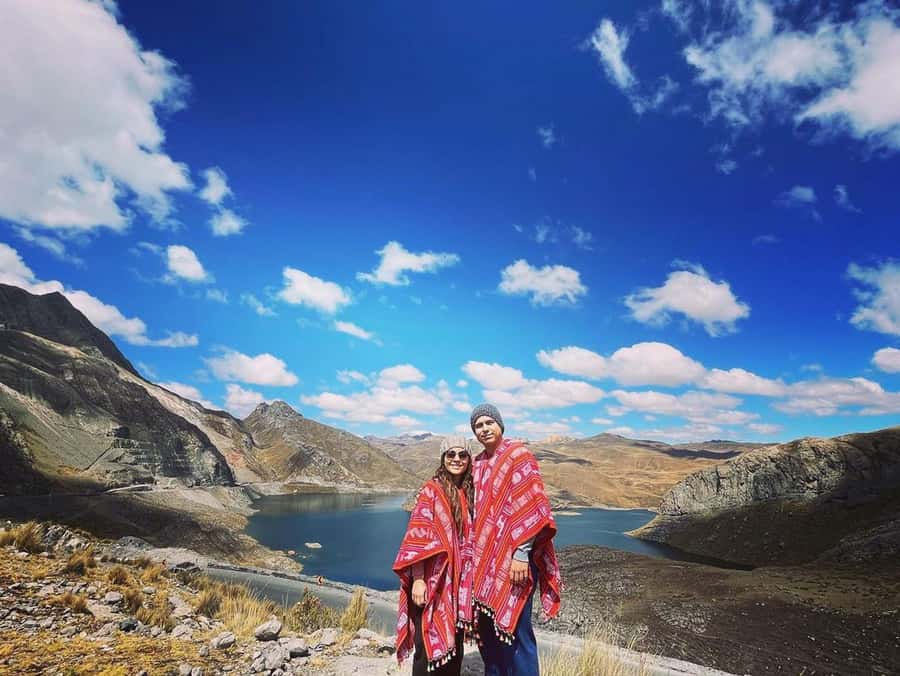
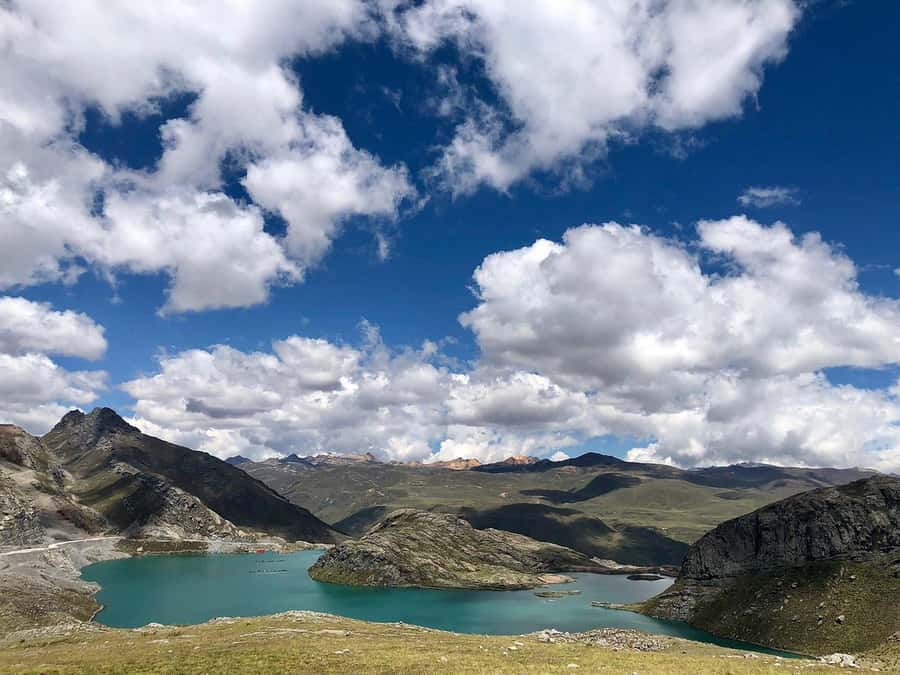
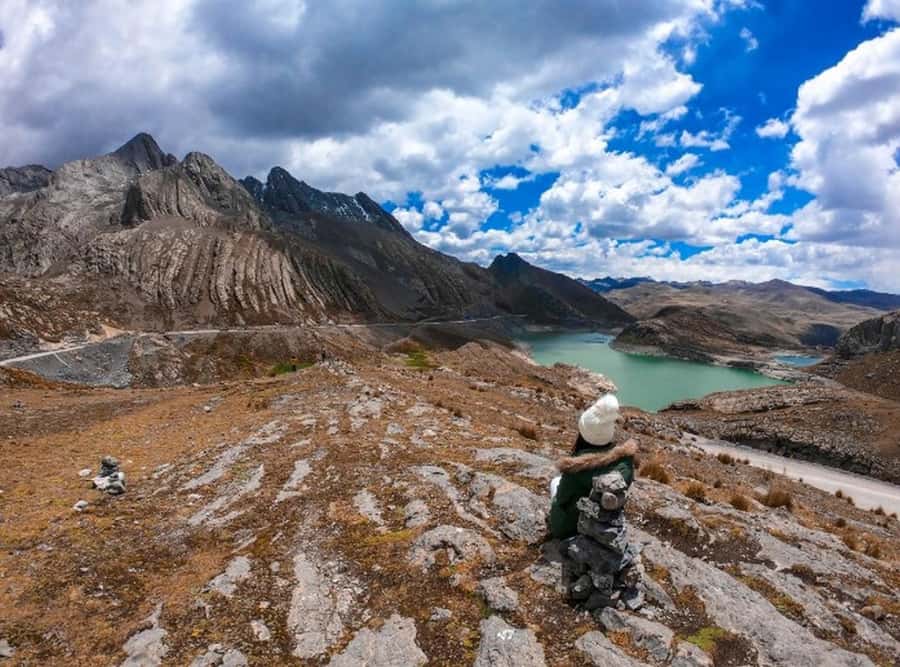
The scenic center of the trip is the group of Andean lagoons: Laguna de Chuchun, Laguna Ocho, and Laguna Leoncocha, along with views of the snow-capped Cordillera de la Viuda. These are the stops that make the long drive worthwhile for people who want open mountain scenery.
The appeal is variety. You are not limited to one viewpoint or one photo stop. The lagoons give you changing surfaces, mountain reflections, and a quiet contrast to Lima. The snow-capped range supplies the grand backdrop, while the water creates a calmer foreground.
Access is not fully described, so you should not assume a paved promenade or easy facilities at every lagoon. Take sturdy footwear, even though it is not listed among the required items. You may also find that the altitude and cold make a short walk feel more demanding than expected.
Oxygen is carried for the group, and coca leaves are included. These provisions show that the operator takes the mountain setting seriously, but they do not remove the need to pace yourself. Eat breakfast before departure or bring food, since meals are not included. The tour lasts 16 hours, and there is no sensible reason to start the day hungry.
A boat ride is available for S/7, subject to variation. That is a small additional cost, but you should ask the guide where it operates and how much time it takes. On a schedule this long, even a short optional activity can affect the pace of the afternoon.
Huaros and the practical side of mountain life
After the lagoons, you visit the fish farm of the Huaros community. The focus is trout farming, and that makes this stop different from the usual scenic circuit. Instead of only looking at mountains, you learn about a local source of food and income.
I like this part because it connects the setting to everyday work. Mountain communities are not simply backdrops for photographs. A trout farm shows how people use cold, clean water and local conditions in a productive way. The visit is also described as sustainable, so listen for the details your guide gives about how the operation works.
Lunch follows, but food is not included in the $39 price. Confirm the lunch arrangement before leaving Lima, and carry snacks and water regardless. The schedule is long enough that waiting for a meal can become uncomfortable, especially after an early departure and several outdoor stops.
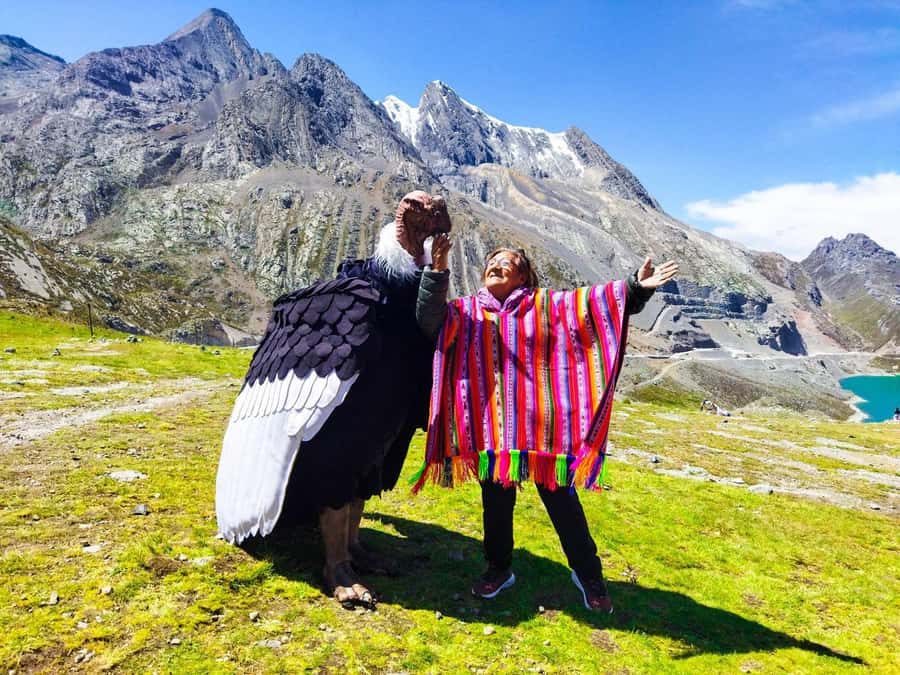
The operator includes a payment to Pachamama, or Mother Earth, along with coca leaves. These details point to an Andean respect for the land and help distinguish the outing from a purely sightseeing-focused bus ride. The exact form of the offering is not specified, so treat it as a cultural element included by the tour rather than something you should expect to lead yourself.
Same base, a completely different day:
- Lima: Ultimate Peruvian Food Tour
★ 4.9 · 700 reviews - Full Day Paracas Ica and Huacachina from Lima All Included
★ 4.5 · 623 reviews - Lima’s Vibrant Heritage: Exploring the City’s Landmarks Half-day
★ 4.5 · 581 reviews - From Lima: Day trip to Paracas, Ica and Oasis Huacachina
★ 4.6 · 409 reviews
Canta, the Heroic Villa
The afternoon moves to Canta, also known as the Heroica Villa. The town is linked with battles for Peruvian independence and the war with Chile, and the tour gives you time to see its central landmarks rather than simply drive through.
The Plaza de Armas is the heart of the visit. You see its historic colonial fountain, Republican-era portals, and church. The church is noted for its patron figures, including Mariscal Chaperito, described as the most important patron of Canta.
This is a good counterweight to the morning’s open mountain views. Canta gives you streets, buildings, religious art, and civic space. I would use the city tour to slow down and notice small details in the square instead of treating it as a quick photo stop.
The local market is another practical highlight. Suggested purchases include flat bread, rolls, rosquitas, humitas, tamales from Canta, honey, manjar blanco, cow butter, cheeses, and beef. These foods make better souvenirs than generic gifts because they show what the region produces and eats.
Bring cash if you want to shop, since the supplied information does not state which payment methods market sellers accept. Also remember that your bags may be full by the end of the day. Pack lightly at the start, especially if you plan to buy bread, sweets, or dairy products.
Santa Rosa de Quives and a quieter finish
The final cultural stop is Santa Rosa de Quives. You visit the sanctuary associated with the local patron saint, including the chapel and a wishing well.
This is a spiritual stop rather than a major architectural complex. Its value comes from the atmosphere and the connection to Santa Rosa. If you enjoy religious places, it offers a quiet close to a day filled with roads, viewpoints, water, and markets. If you are mainly interested in hiking or photography, it may feel less essential than the lagoons.
The tour does not provide a detailed duration for the sanctuary visit. Keep your expectations flexible. The day has several stops, and traffic can affect how much time remains in the afternoon.
You should arrive back at the original meeting points in Lima around 9 p.m. That late return is important when planning your next day. Do not schedule an early airport transfer, a long evening meal, or another major activity immediately afterward.
What the $39 price really covers
At $39 per person, this is an inexpensive way to cover a large amount of ground outside Lima. The price includes transport, an official tourist guide, group oxygen, the Pachamama payment, coca leaves, a first-aid kit, and photography during the tour.
That is useful value if you want a structured day and do not want to arrange mountain transport yourself. The guide also handles a broad mix of sites, from petroglyphs to community farming and local religious history.
The low price does not cover everything. You pay separately for food, lagoon admission, and the optional boat ride. Lagoon entry is listed at S/3, while the boat is S/7, though both amounts can change. Add those costs before deciding that the headline price is your complete budget.
Transport quality deserves special attention. A February 2026 booking described the vehicle as poor and complained about five hours on rough roads and serious traffic. That is a serious concern on a 16-hour outing. Other bookings gave high marks to the personal service of Alejandro and Gabo, and to Wilma and Edgar, with Edgar described as a kind and attentive driver.
The mixed picture suggests that the guide service can be a strong point, while vehicle comfort and road conditions may vary. Ask for the exact vehicle type, departure confirmation, and current meeting instructions before you pay or the day before departure.
Spanish guiding and booking details
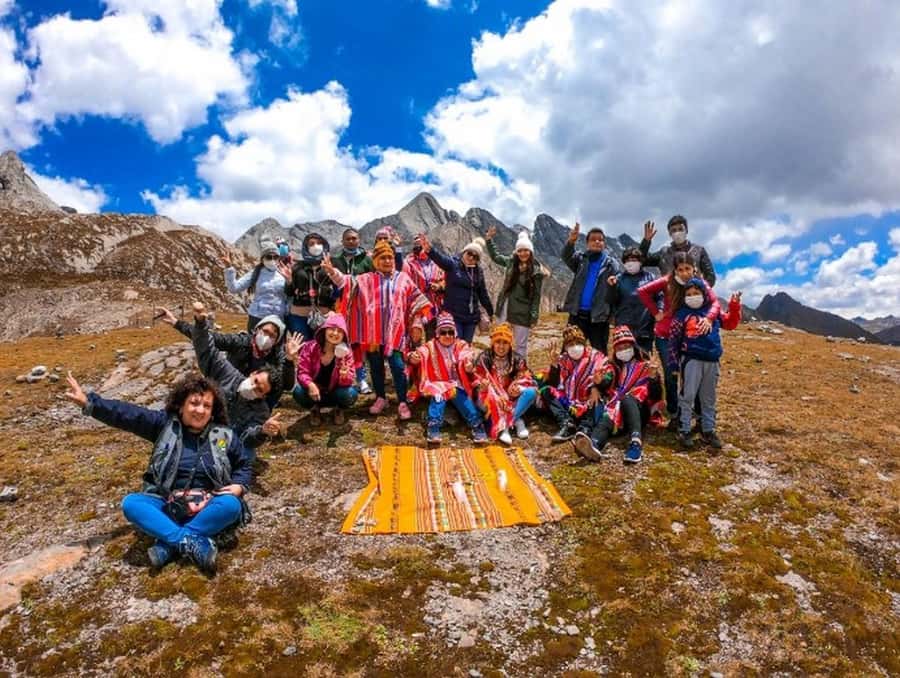
The official tour language is Spanish. Guides may include Wilma, Alejandro, or Gabo, with Edgar associated with driving on one reported outing. Staff assignments can change, so treat those names as useful points to confirm rather than a guarantee that a particular person will lead your date.
The tour includes photography, which is a nice extra on a day with so many scenic stops. Confirm how and when the photographs will be delivered. One booking specifically noted that photos were still pending, so do not assume you will receive them immediately.
Free cancellation is available up to 24 hours before departure for a full refund. You can also reserve and pay later, which helps if your Lima plans are still moving. If online reservation is no longer available, contact the operator directly to ask about a last-minute place.
The meeting point is La Rambla shopping mall, but the exact GPS location is sent separately. Do not rely on guessing which entrance or side of the mall to use. Check your messages before bed and again in the morning.
What to pack for the 5 a.m. start
The listed items are sunglasses, swimwear, sunscreen, and insect repellent. Swimwear may be useful if you plan to take part in an activity around the water, but no swimming stop is specifically promised, so pack it only if you have room.
I would also bring:
- A warm jacket and extra layer
- Comfortable walking shoes
- Water and filling snacks
- Cash for food, market purchases, S/3 lagoon entry, and the S/7 boat ride
- A phone charger or power bank
- A small bag for bread, sweets, and other market purchases
The first-aid kit and group oxygen are supplied. They are helpful safeguards, not substitutes for listening to your body. If you feel unwell, tell the guide promptly.
Who should book this mountain day?
I would choose this outing if you want a broad taste of the Lima mountains and prefer many different stops over one long hike. It suits visitors who enjoy archaeology, high-altitude scenery, local food, community-based activities, town history, and religious sites in one packed day.
It also works well for people who value an affordable organized trip. Transport, a guide, safety items, and several site visits are included for $39, which is hard to match if you arrange each part alone.
I would hesitate if you dislike long road journeys, rough transport, early starts, or late returns. The February 2026 complaint about poor roads and traffic should not be brushed aside. A scenic destination cannot make five uncomfortable hours feel short.
Should you book the Cordillera de la Viuda tour?
Book it if the lagoons, mountain views, Checta carvings, and Huaros trout farm sound more appealing than a slow city day. The mix is unusual, and the chance to see Canta and Santa Rosa de Quives in the same outing adds cultural variety.
Skip it if you need guaranteed comfort, a small-group pace, or a clearly defined hiking program. Before booking, confirm the meeting GPS, transport condition, lunch plan, current entry fees, and Spanish guide assignment. With those points clear, this is a strong-value but demanding day beyond Lima.
FAQ
How long is the Cordillera de la Viuda tour?
The tour lasts 16 hours. Departure is scheduled for 5 a.m., with arrival back in Lima at about 9 p.m.
Where does the tour meet in Lima?
The meeting point is La Rambla shopping mall. The exact GPS location is sent to you separately.
What language is the tour conducted in?
The live tour guide speaks Spanish.
What places are visited during the tour?
The stops include Checta Petroglyphs, the Cochapampa viewpoint, Laguna de Chuchun, Laguna Ocho, Laguna Leoncocha, views of the Cordillera de la Viuda, the Huaros trout farm, Canta, and Santa Rosa de Quives.
Is food included?
No. Food is not included, so bring snacks and confirm the lunch arrangements before departure.
Are lagoon tickets included?
No. Lagoon entry is listed at S/3, although the price may change.
Is a boat ride available?
Yes. A boat ride is listed at S/7, subject to variation. It is an optional extra and is not included in the tour price.
What should I bring?
Bring sunglasses, swimwear, sunscreen, and insect repellent. Warm clothing, comfortable shoes, water, snacks, and cash are also practical choices for this long mountain day.
Can I cancel the booking?
Yes. You can cancel up to 24 hours in advance for a full refund. Reserve-now, pay-later booking is also available.
Just added around Lima
- From Lima: Full Day Tour (Paracas + Huacachina)★ 4.5 · 6 reviews
- From Lima: Excursion to the Temple of Pachacamac★ 5.0 · 4 reviews
- FROM LIMA: FULL DAY PARACAS, ICA, AND HUACACHINA★ 5.0 · 4 reviews
- From Lima: City Tour with Catacombs & Pachacamac Inka Ruins★ 4.9 · 11 reviews
- From Lima: Ballestas Islands, Huacachina and Wine Route Trip★ 3.9 · 5 reviews
- From Lima: City tour Prehispanic + Colonial & Modern Lima★ 5.0 · 3 reviews
- From Lima: Discover the Ancient Sites Caral & Bandurria★ 5.0 · 4 reviews
- From Lima : 360° Panoramic Bus★ 4.0 · 3 reviews
Cordillera Blanca Treks, compared.
Ancash: Trekking to Paron Lagoon with Entrance | Full day|
Read our review →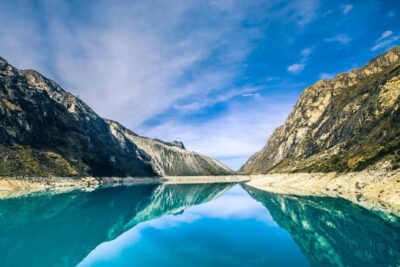
Browse the lists this tour appears in