
Reviewed · HOT SPRINGS & THERMAL BATHS
From Cusco: 7 lakes with hot springs in Ausangate and meals
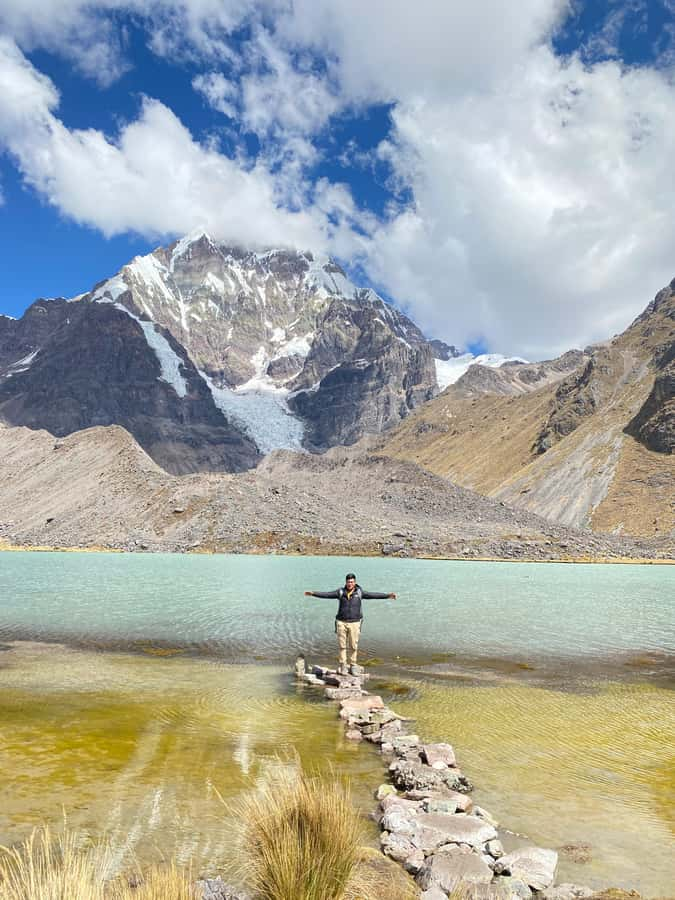
The best part of this long day is the contrast: turquoise and green lakes beneath Ausangate followed by a hot soak in Pacchanta. You also get breakfast and lunch in a local family home, which gives the trip more human warmth than a simple viewpoint stop.
I like the friendly local welcome and the chance to see Andean food on the table, not just in a tourist restaurant. I also like that guides such as Tony and Felipe have made the hike more enjoyable with humor, energy, and photo stops. The catch is the 4,000-meter altitude, plus a basic meal and a hot-springs visit that may not always happen as planned.
Key points to know before booking
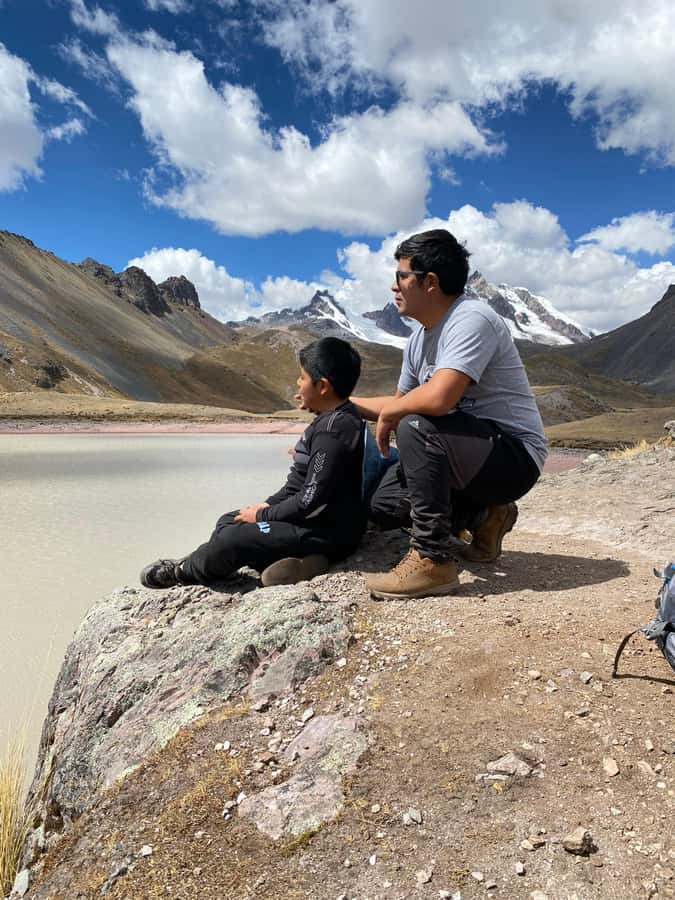
- The first 1.5 hours are the hardest: You climb toward the first lake at very high altitude, so even a steady trail can feel demanding.
- Ausangate supplies the drama: Snow-covered Ausangate rises above green and turquoise lakes in the Vilcanota range.
- Breakfast and lunch are local: A family in Pacchanta serves Andean ingredients, though the food may be plain.
- The hot springs cost extra: Allow PEN 5 for entry, in addition to the PEN 20 lake-area entrance fee.
- It is a full 15-hour day: You leave Cusco early and return near Plaza del Regocijo.
- A trekking pole and emergency oxygen are included: These are useful safeguards at high altitude, but they do not replace acclimatization.
Why the seven lakes are worth the long ride
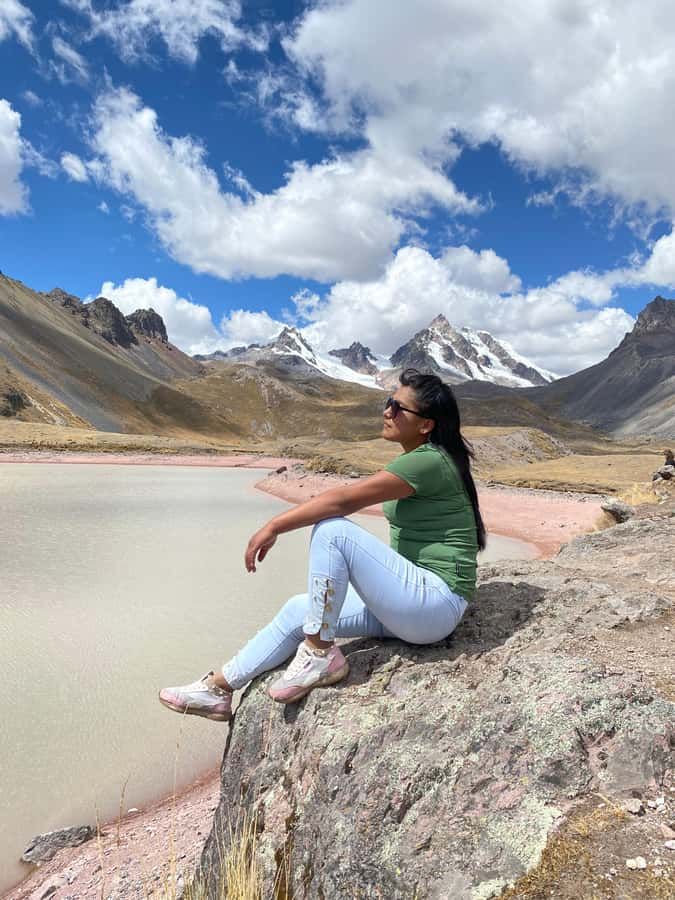
The seven-lakes route is one of those Cusco-area outings where the road time is part of the story. You leave the city before the day has properly begun, then spend about three hours heading south through villages and open Andean country toward Pacchanta.
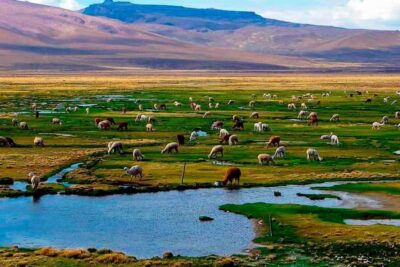
The reward is not one single postcard view. It is the changing color of the water, the snow and rock around each basin, and the feeling of being high in the Vilcanota mountain range. Comercocha and Alqacocha are among the named lakes on the route, with green and turquoise water below the glacier. Patacocha, Otorongococha, and Azulcocha appear on the return walk.
The tour is described as visiting seven lakes, although only several are named in the schedule. That is not a problem on the ground, but it is worth knowing if you expect a clearly marked, individually explained stop at seven separate viewpoints. Much of the pleasure comes from the sequence of lakes and the changing views rather than from a long stay at each one.
The color is the main event. On a bright day, the water can look almost unreal against the dark mountain slopes. Weather and light will affect what you see, so it is wise to think of the lakes as natural places, not fixed-color displays.
Other hot springs around Cusco:
- From Arequipa: Salinas Lagoon Full-Day Trip with Hot Springs
★ 4.0 · 62 reviews - Trekking, Waterfalls and Thermal Baths
★ 4.5 · 47 reviews - From Arequipa: Colca Valley & Thermal Baths Small-Group Trip
★ 4.1 · 43 reviews
The three-hour road to Pacchanta
The ride from Cusco takes roughly three hours each way. That makes this a serious day trip, not a relaxed half-day outing. Your hotel or Airbnb pickup is included, and the day ends near Plaza del Regocijo rather than necessarily at your original door.
Along the way, you pass through Ccatcca. This village is a useful reminder that the region is lived in, not simply arranged for sightseeing. Women may still wear the traditional clothing of the area, and narrow streets preserve part of the old settlement pattern.
The route then follows the interoceanic highway toward Brazil. You are not taking this road for a quick scenic transfer alone. It connects remote Andean communities and gives you a look at the scale of the region before you reach the trailhead.
The transport matters because the lakes are far from Cusco and high above the city. Still, anyone prone to motion sickness or fatigue should prepare for a long bus ride followed by a hike. Bring water, a warm layer, and something small to eat in case the included meals do not suit you.
Breakfast with a Pacchanta family
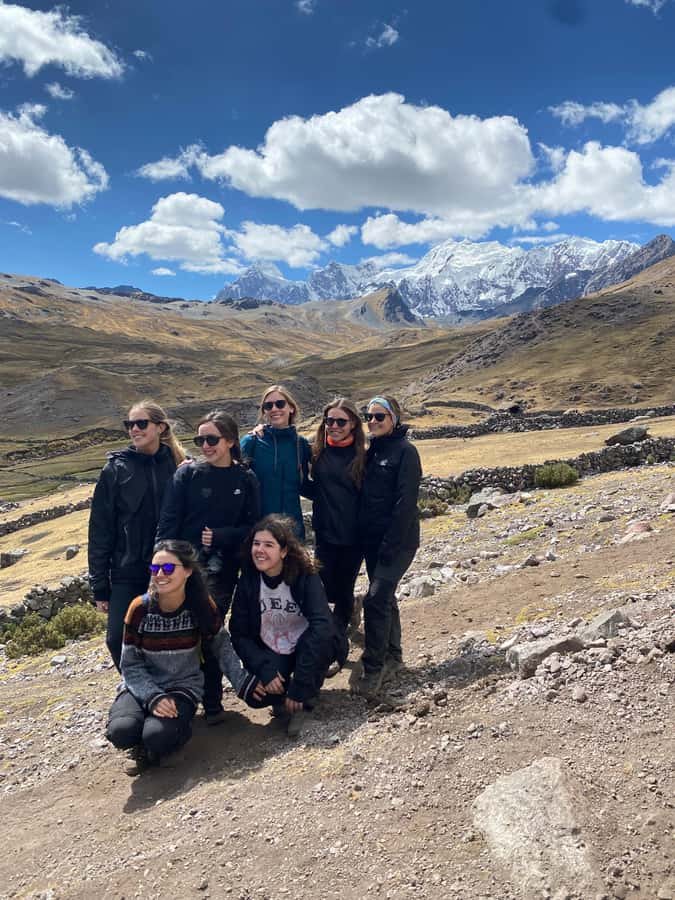
Pacchanta sits above 4,000 meters, so the first stop is practical as well as cultural. A local family welcomes you into their home for breakfast made with Andean ingredients.
I like this part because it puts food and place together. You are eating in the community that supports the excursion, rather than grabbing a generic breakfast from a city hotel. The meal is described as nutritious and based on local products, giving you fuel before the most demanding part of the day.
Keep your expectations modest. The meals are included, but one account found the food bland and very simple, with plain rice and pasta lacking sauce. Another described the food as adequate rather than memorable. If you are selective about food, bring a snack. That small precaution can make the hike easier without taking anything away from the family meal.
The welcome is also one of the better human details of the outing. You get a short introduction to Pacchanta and its people before setting off. The tour does not turn the visit into a long community program, but it offers more contact than a standard coach trip that stops only for photographs.
The first climb is the real test
The first hike takes about 1.5 hours to reach the first lake. This is the most strenuous part of the walk, not because the route is described as technical, but because you are already above 4,000 meters.
At that height, your usual walking pace may not work. Go slowly, use the included trekking pole, and take the chance to pause when needed. The guide carries first-aid equipment and an oxygen bottle for emergencies, which is reassuring, but the best plan is still to respect the altitude from the start.
You should be reasonably comfortable with a long walk before booking. The route has been described as steady and generally easy in terms of terrain, yet the altitude can make it tough if you are not in good shape or have not adjusted to high elevation.
Horse riding may be available along the route, according to one account, but it is not listed as an included feature. Treat that as a possible local option, not something to count on or something covered by the $38 price.
Comfortable shoes are essential. Warm clothes matter just as much. The morning can be cold, and the temperature at this height can change quickly. Sunscreen is also important because strong high-altitude sun can catch you even when the air feels chilly.
Same base, a completely different day:
- Cusco: Humantay Lake Tour with Breakfast and Buffet Lunch
★ 4.9 · 2,976 reviews - From Cusco: Moray, Maras Salt Mines & Chinchero Weavers Tour
★ 4.8 · 1,925 reviews - From Cusco: Full-Day Group Tour of Machu Picchu
★ 4.7 · 1,767 reviews - Machu Picchu Day Trip from Cusco
★ 4.5 · 1,644 reviews
Comercocha, Alqacocha, and the Ausangate view
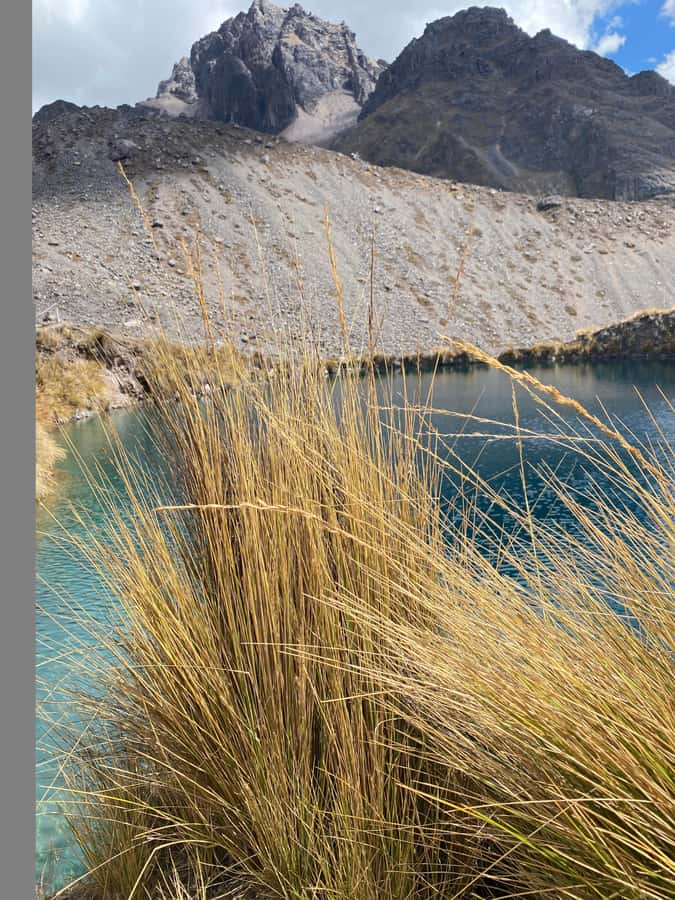
Once you reach the first lake, the day becomes less about effort and more about looking. Ausangate, one of the region’s great snow-covered glaciers, feeds the lakes and gives the route its grand scale.
Comercocha and Alqacocha are green and turquoise pools below the glacier. Their appeal comes from the combination of water color, high rock, and ice. You do not need an elaborate presentation to understand why the place matters. The view does the work.
The guide can add value here by helping with pacing, pointing out views, and taking photographs. Tony was singled out for his upbeat personality and willingness to stop for pictures. Felipe was also praised for being enthusiastic and fun. Guide assignments can change, so do not book on the assumption that either person will lead your group, but these examples show how much the day can depend on the guide’s energy.
This is also where your camera earns its place. Bring it, but do not spend the entire stop looking at the screen. The colors and scale are better absorbed with your own eyes, especially when the light shifts across the water.
The return route and the other lagoons
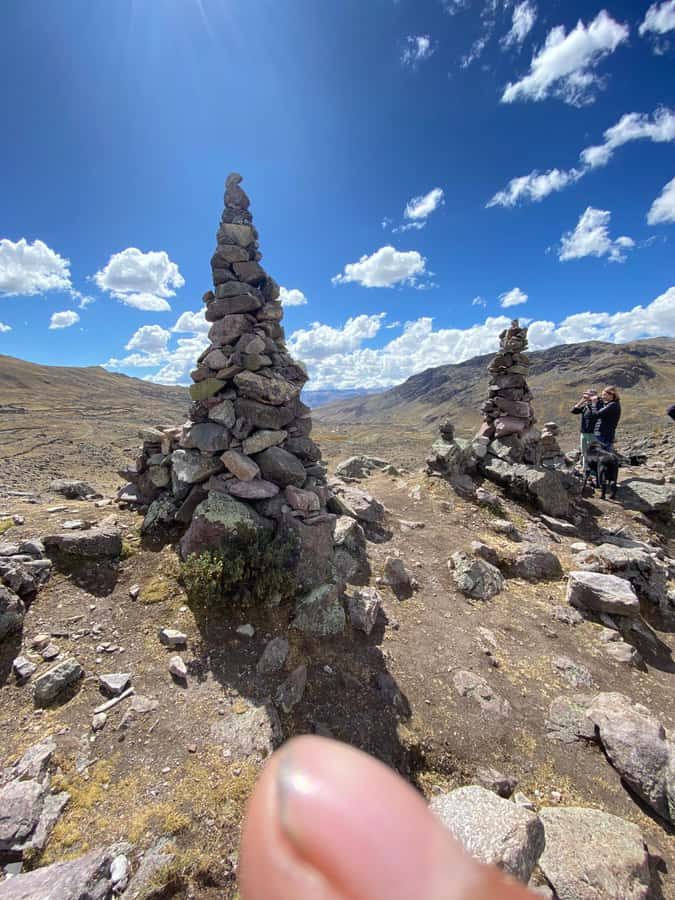
After the first lake, the route continues past more water before returning to Pacchanta. The stated time from arriving at the first lagoon to reaching the restaurant is about 2.5 hours.
Patacocha, Otorongococha, and Azulcocha are among the lakes seen on the way back. The return is not simply a repeat of the morning. You get different angles on the mountains and a chance to compare the lakes’ colors and shapes.
The walking is described as long but fairly easy in terms of trail difficulty. The important qualification is the altitude. A trail that would feel gentle near sea level can become tiring above 4,000 meters, especially after the early start and the first climb.
Your guide’s pace can make a real difference. A good guide will allow photo stops without turning the group’s schedule upside down. The supplied trekking pole is useful on uneven sections and gives you something to lean on when your legs feel heavy.
Do not expect a private, silent mountain walk. This is an organized day trip with transport, a guide, and several planned stops. Its value is convenience and access, not solitude.
A local buffet lunch, with simple expectations
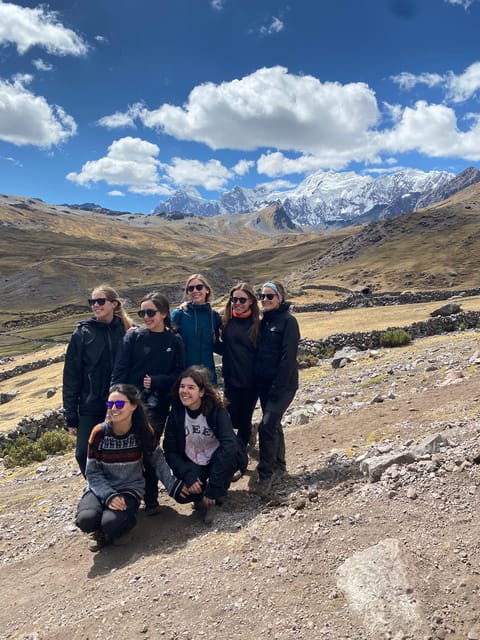
Back in Pacchanta, you return to the host family’s home for a buffet lunch. The meal uses natural products grown in the area, which fits the setting and gives the food a local connection.
The practical value is clear: after several hours at altitude, a warm meal is welcome. You do not need to search for a restaurant, order in another language, or spend more money on lunch.
The quality may be uneven. Some people have found breakfast and lunch underwhelming, with plain dishes and little seasoning. Others have considered the food enough for the day. I would treat it as filling fuel and a cultural touch, not a culinary highlight.
If food is central to your trip, this outing may disappoint. If you see the meal as part of a community visit and bring a snack for backup, it is easier to appreciate what the tour is trying to offer.
Pacchanta hot springs after the hike
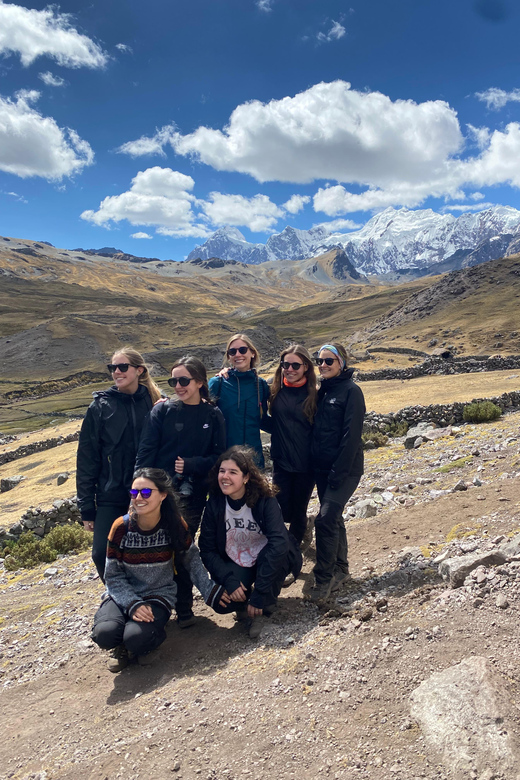
After lunch, you have about 40 minutes for the hot springs. The visit is optional, and you need to pay the separate PEN 5 entrance fee. Bring a swimsuit if you want to enter.
This is a smart ending after a cold, high walk. Soaking in warm water at this altitude can feel especially good when your legs are tired. The springs are not a luxury spa experience. Think of them as a simple local bathing stop that adds comfort to a demanding day.
Timing is the weak point. One account reported that the hot springs were not visited at all, while another found them pleasant but noted that stepping back into the cold air afterward was rough. Keep a towel and dry warm clothing close by if possible, and do not assume the visit will feel leisurely.
Because the stop is optional and limited to about 40 minutes, you may need to choose between a full soak and a quick change before the return journey. If the springs are a major reason for booking, confirm the day’s plan with the guide when you meet.
Is $38 good value?
At $38 per person, this is an inexpensive way to reach a remote high-altitude area from Cusco. The price includes hotel pickup, round-trip transport, breakfast, buffet lunch, an English or Spanish-speaking guide, a trekking pole, first-aid equipment, and emergency oxygen.
You still pay PEN 20 for the main entrance and PEN 5 for the hot springs if you use them. Those extra charges are small, but add them to your budget before you leave. You should also allow for water, snacks, and any optional horse ride.
The value is strongest if you want an all-in-one day and do not want to arrange transport to Pacchanta yourself. Three hours each way would be a difficult connection to organize independently, especially when you also need to find the trail and coordinate meals.
The tradeoff is a basic service level. The food may be plain, the road day is long, and the hot-springs stop may not be perfectly consistent. At this price, I would book it for access to the lakes and the local setting, not for polished dining or a carefully paced luxury excursion.
Who should book this day trip?
This experience suits you if you want striking mountain scenery, enjoy walking, and are prepared for a very early start. It is also a good fit if you value meeting local people and eating in a family home rather than spending the whole day at formal tourist stops.
You should be comfortable with a long day and high altitude. The trip is not suitable for children under two, pregnant women, or people with pre-existing medical conditions. If you have concerns about altitude or your health, get professional advice before booking.
The tour is available in English and Spanish. One account found that the guide assigned on the day did not speak English well, so language ability may vary. If clear English explanations are essential, confirm that point before payment.
Cancellation is flexible, with a full refund available when you cancel at least 24 hours ahead. You can also reserve and pay later, which helps if your Cusco schedule depends on weather or how well you adjust to the altitude.
Should you book the seven lakes tour?
I would book this if the main goal is to see Ausangate’s colored lakes at a low price, with transport and meals handled for you. The mountain views, local welcome, and hot springs give the day more variety than a simple photo stop.
I would hesitate if you want refined food, a short outing, guaranteed time in the springs, or a quiet private walk. The day is long, the altitude is serious, and the service can be basic.
Bring warm layers, sturdy shoes, sunscreen, water, a swimsuit, and a snack. Pace yourself from the first step. If you do that, this is a strong-value way to reach one of the Cusco Region’s most memorable high-mountain settings.
FAQ
How long does the seven-lakes tour last?
The experience lasts about 15 hours, including transportation between Cusco and Pacchanta.
Where does pickup take place?
Pickup is included from your hotel or Airbnb in Cusco. You should wait at the hotel reception.
Where does the tour finish?
The return transfer finishes at Plaza del Regocijo, near Cusco’s city center.
How long is the journey from Cusco to Pacchanta?
The drive to Pacchanta takes about three hours. The return journey also takes roughly three hours.
How high is Pacchanta?
Pacchanta is located more than 4,000 meters above sea level.
How long is the hike to the first lake?
The first hike takes approximately 1.5 hours and is the most strenuous part of the seven-lakes route.
How long is the walk between the first lake and the restaurant?
The route from arrival at the first lagoon until returning to the restaurant takes about 2.5 hours.
Are meals included?
Yes. Breakfast and a buffet lunch are included. They are made with Andean or locally grown ingredients.
Are the entrance fees included?
No. The main entrance costs PEN 20, and the hot-springs entrance costs PEN 5. The hot-springs visit is optional.
What languages are available?
The tour is offered with a live guide in English or Spanish. The guide assigned to you may vary.
What should you bring?
Bring comfortable shoes, warm clothing, a camera, sunscreen, and water. Bring a swimsuit if you plan to use the hot springs. A snack is also sensible if you prefer more substantial or strongly seasoned food.
Just added around Cusco
- Zipline over the Sacred Valley Trip★ 5.0 · 11 reviews
- Waqrapukara 1 day trekking + meals★ 3.9 · 3 reviews
- Visit Pisac from Cusco: Private Transport★ 4.6 · 9 reviews
- Valle Sur Cusco | half day★ 4.3 · 3 reviews
- Trek to Humantay Lake from Cusco★ 4.9 · 8 reviews
- Trek to Choquequirao 4 days★ 3.8 · 4 reviews
- rainbow mountain full day★ 5.0 · 44 reviews
- Machu picchu one day by train all included★ 4.5 · 53 reviews
Hot Springs & Thermal Baths, compared.
Browse the lists this tour appears in