
Reviewed · TOURS IN LIMA
La casa de Aliaga, an alive colonial jewel at Lima center.
Casa de Aliaga is not simply an old building to photograph from the street. It is a working family home with more than four centuries of continuous history, and its owner is the 16th direct descendant of the Spanish conqueror who founded the family line in Peru. I like the sense of continuity here, and I like that the house still carries its original social role rather than serving only as a museum display.
The tour is short, focused, and full of useful context about Lima’s colonial beginnings. The main drawback is that you see only a small section of the mansion, and the scheduling system has had occasional problems, so I would allow extra patience around the meeting time.
Key details before you book
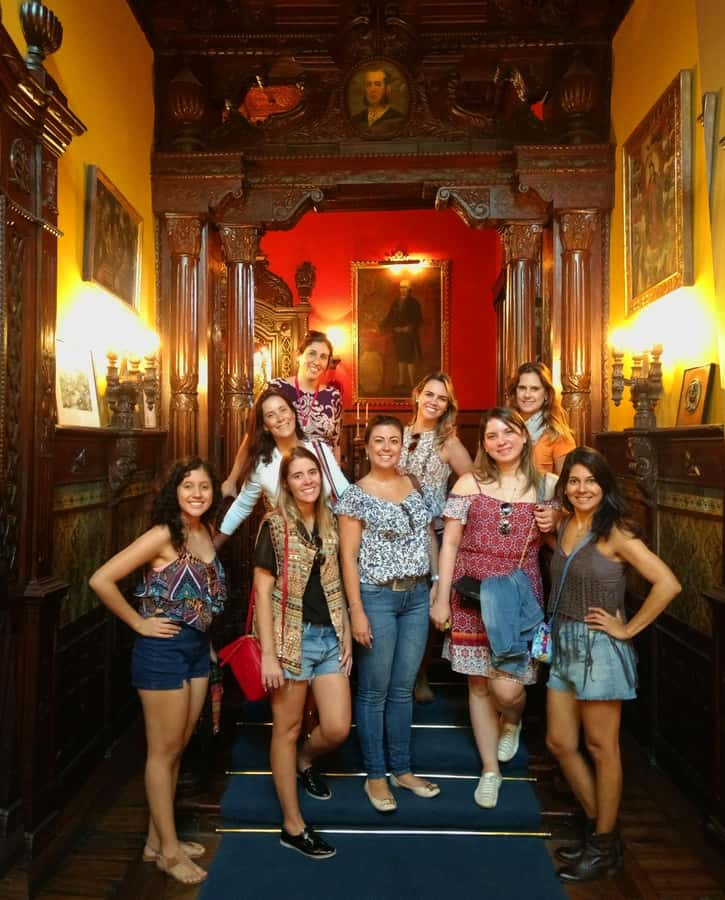
- The mansion is beside Government Palace: You meet at Casa de Aliaga in Lima’s historic center, right next to Peru’s seat of government.
- The family still lives there: The current owner is the 16th direct descendant of the original Spanish founder and retains a noble title of count.
- The visit lasts 40 minutes: This is a compact historical stop, not a long museum visit.
- The entrance fee is separate: The guided booking costs $40 per person, with an additional charge of S/. 35, about $9, at the house.
- Only authorized guides can lead the visit: Tours are offered in Spanish and English, with guides assigned through a small approved list.
- Nicholas received special praise: One recent visit highlighted Nicholas as a friendly and well-informed guide.
Arriving beside Lima’s Government Palace
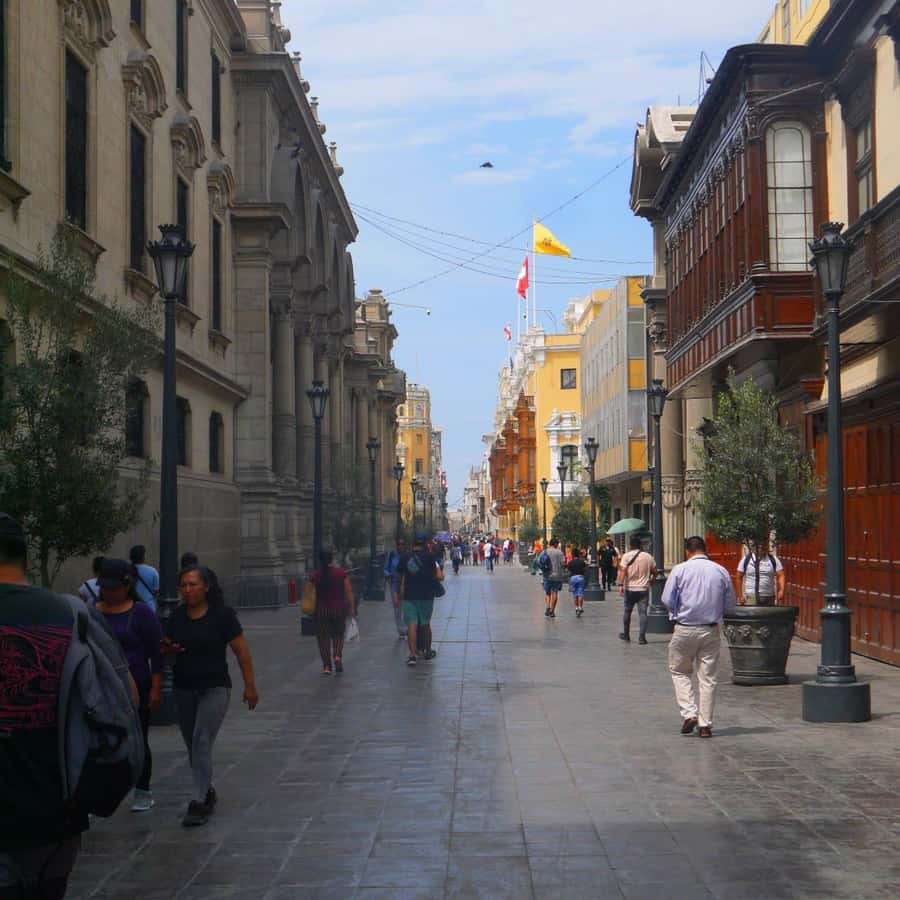
Casa de Aliaga sits in the pedestrian area of Lima’s historic center, directly beside the Government Palace. That location tells you something before the tour even starts. This was not a family home built on the distant edge of town. It occupied an important position from the foundation of Lima onward, close to the center of political and social power.
You should meet at the house itself, not at a separate office or transport pickup point. The entrance is on the right side of Government Palace, making it relatively easy to find once you are in the central pedestrian circuit.
I like this arrangement because the house fits naturally into a walking visit through central Lima. You can pair it with the surrounding colonial streets and major civic buildings without spending time getting across the city. At the same time, the central location means you should pay attention to the exact meeting point. A guide may be coordinating several scheduled visits, and the experience depends on the authorized guide being there at the agreed time.
The provider offers free cancellation up to 24 hours before the start, and you can reserve now while paying later. Those terms are useful if your Lima plans are still shifting, especially since the house operates through a limited group of approved guides.
Other days travellers book out of Lima:
- Lima: Ultimate Peruvian Food Tour
★ 4.9 · 700 reviews - Full Day Paracas Ica and Huacachina from Lima All Included
★ 4.5 · 623 reviews - Lima’s Vibrant Heritage: Exploring the City’s Landmarks Half-day
★ 4.5 · 581 reviews
Entering a mansion that is still a home
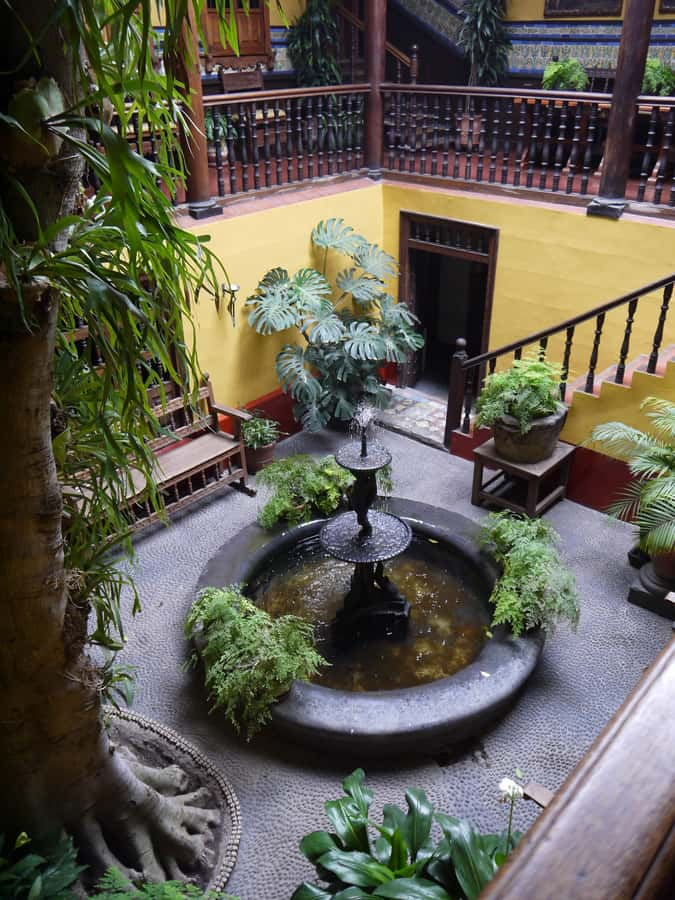
The most interesting feature of Casa de Aliaga is its status as a living residence. It is presented as Peru’s oldest mansion and one of the oldest in the Americas, with the same family connection carried through 16 direct generations.
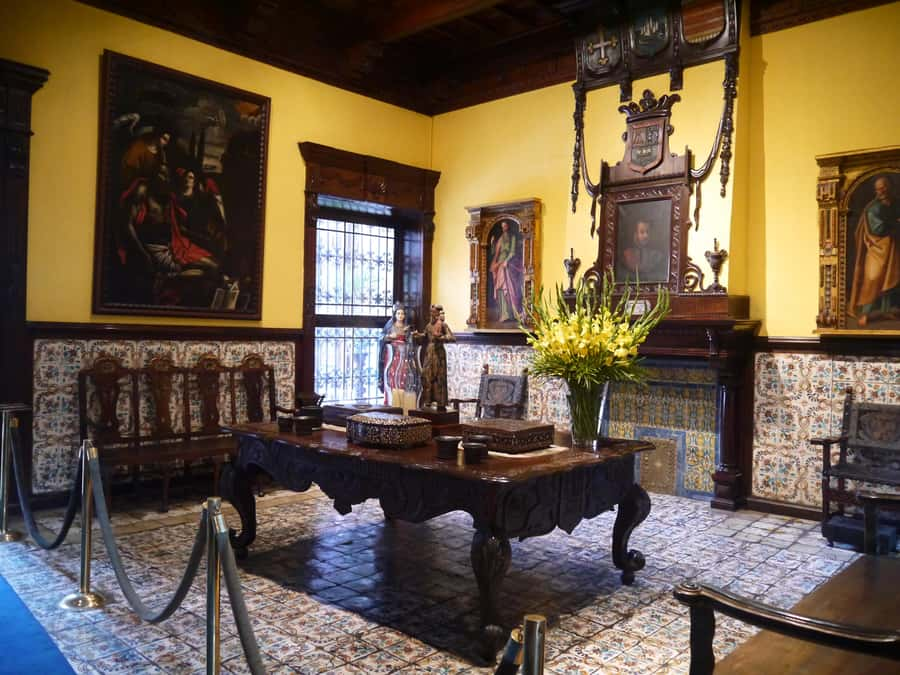
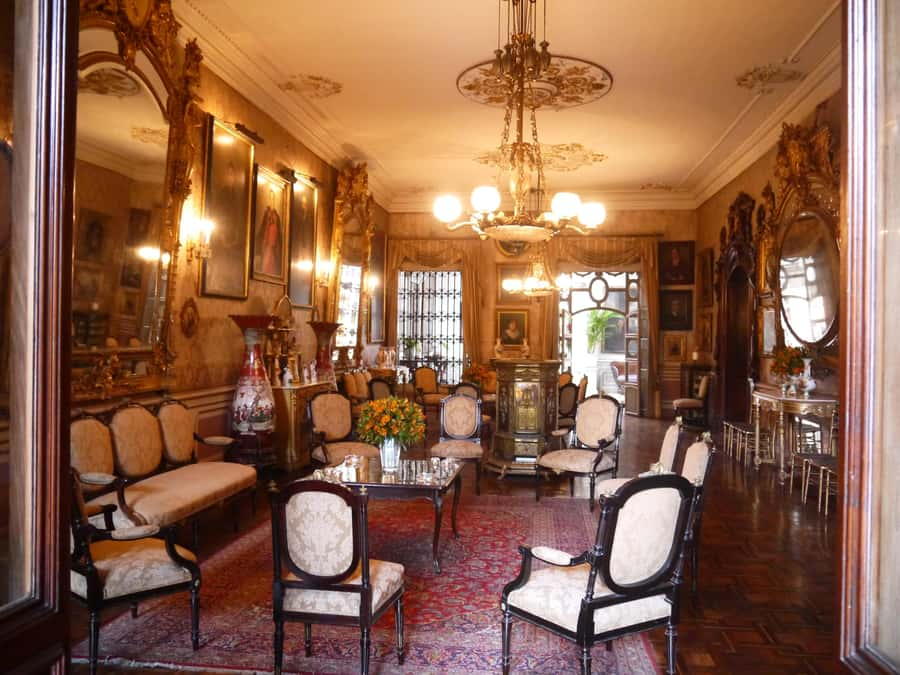
That changes the mood of the visit. You are not walking through a building emptied of its original purpose. You are seeing a carefully maintained private house with historic rooms, artworks, wall finishes, and objects tied to a family that has remained connected to Lima since the colonial period.
The phrase living colonial jewel is appropriate here, but you should understand the limits. This is not a full-scale public museum with every room open and every object labeled. Only a small portion of the house can be visited. That smaller route keeps the tour manageable, but it also means you should not book expecting a complete architectural survey.
The house’s materials are part of the story. Its walls, paintings, and preserved details help explain how elite colonial homes were built and maintained. Your guide’s job is to connect those physical details with the family’s role in Peru’s social development.
What the 40-minute guided visit covers
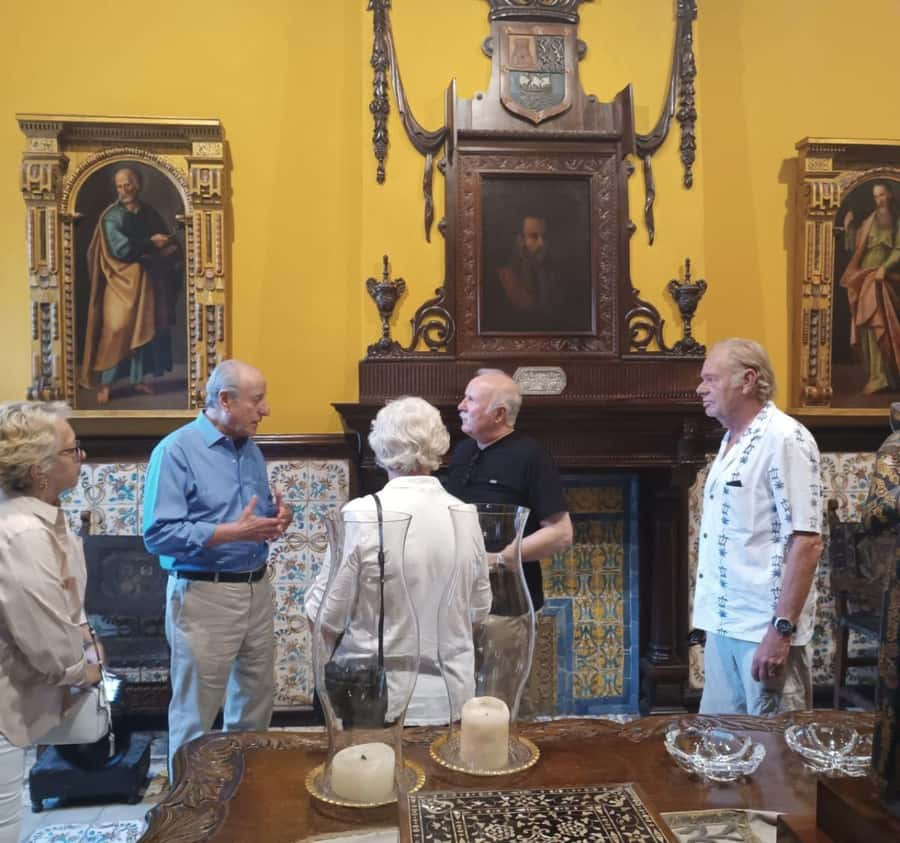
The complete experience takes about 40 minutes, beginning and ending at Casa de Aliaga. That makes it easy to fit into a morning or afternoon of sightseeing, though the short length also requires a focused guide.
You can expect the visit to follow three broad themes:
- The house’s age and continuity: You learn how the mansion connects to the founding of Lima and why its uninterrupted family occupation matters.
- Architecture and decoration: The guide explains the construction materials, interior style, paintings, walls, and maintenance that give the property its character.
- The Aliaga family’s role: The visit places the home within the social structures that shaped colonial and later Peruvian life.
I appreciate that the tour is not limited to dates and owners. A house like this is useful because it shows how history looked at home. Government buildings and churches tell you about public institutions. Casa de Aliaga adds the private side: how a powerful family lived, preserved status, and remained tied to the same address across many generations.
You will likely get the most from the tour if you listen for the links between the rooms and the wider city. The house is not important only because it is old. Its location, ownership, decoration, and continued use help explain how Lima’s early ruling families operated.
Architecture, art, and the value of limited access
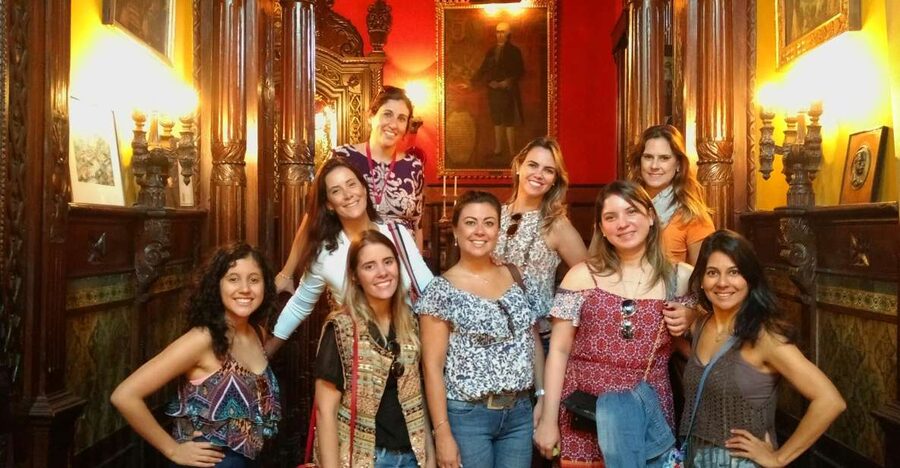
Casa de Aliaga is maintained as a functioning residence, and that gives the interiors a different feel from a standard historic attraction. The paintings, walls, construction materials, and general condition are central parts of the visit.
The careful upkeep is one of the reasons the house carries such cultural weight. If an old property is badly altered or left unused, it can preserve a date but lose much of its atmosphere. Here, the house’s continued occupation has helped retain a sense of place, even though access is restricted.
The limited route is both a strength and a weakness. On the positive side, you get a concentrated look at some of the most important spaces without a long, tiring walk. The small section also helps protect a private family residence from the pressures of large visitor numbers.
On the other hand, you may leave wanting to see more. If you are especially interested in colonial architecture, you should treat this as a short introduction rather than a complete study of the house. The $40 tour price is therefore easier to justify if you value the family story and private-home setting, not just the number of rooms you enter.
Same base, a completely different day:
- From Lima: Day trip to Paracas, Ica and Oasis Huacachina
★ 4.6 · 409 reviews - Private transfers from Lima Airport or to Lima Airport
★ 4.0 · 359 reviews - Lima: Paracas and the Huacachina Oasis Guided Day Tour
★ 4.5 · 354 reviews - Lima: The Charm of Barranco & Pre Inca Pyramid in Miraflores
★ 4.9 · 322 reviews
The family story behind the rooms
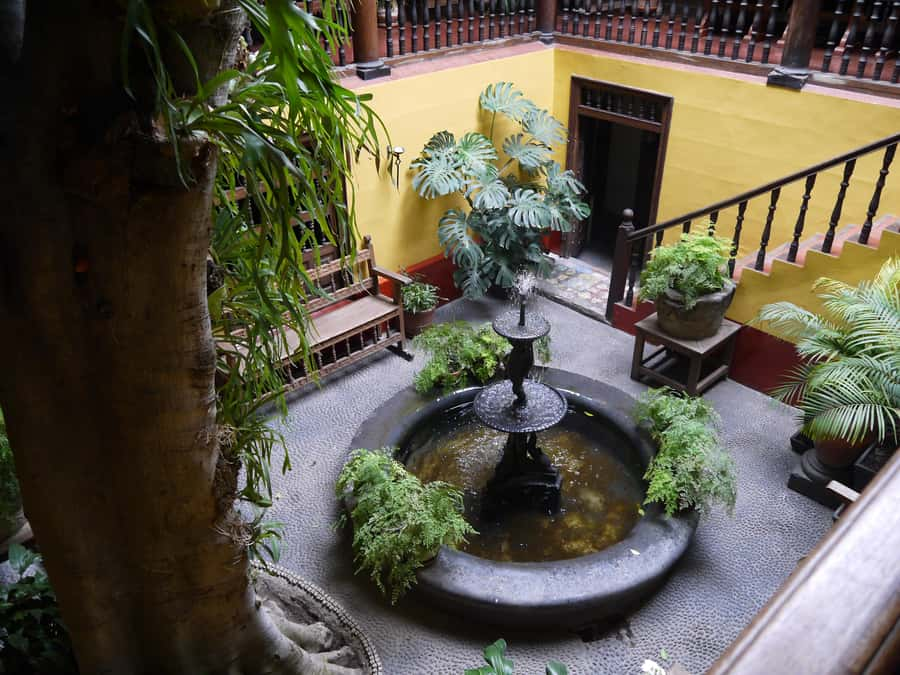
The Aliaga family connection gives the tour its strongest human element. The current owner is described as the 16th direct descendant of the Spanish conqueror linked to the house, and the family retains a noble title of count.
That detail is not a minor footnote. It explains why this property is different from a colonial building that changed owners many times or was later converted into a public institution. You are looking at a long chain of inheritance, social position, and family memory.
The story also needs a balanced reading. A mansion connected to Spanish conquest and colonial nobility represents Peru’s elite history, not the full experience of the country’s population. The tour is valuable partly because it shows how power and privilege were preserved, but you should place it alongside other Lima sights that explain Indigenous, African, working-class, and republican experiences.
Within its own scope, Casa de Aliaga offers something few historic sites can provide: a direct line between the city’s earliest colonial period and the present day. You are not just seeing an old façade. You are seeing how one family’s position remained attached to a particular home over centuries.
Guides matter more than usual here
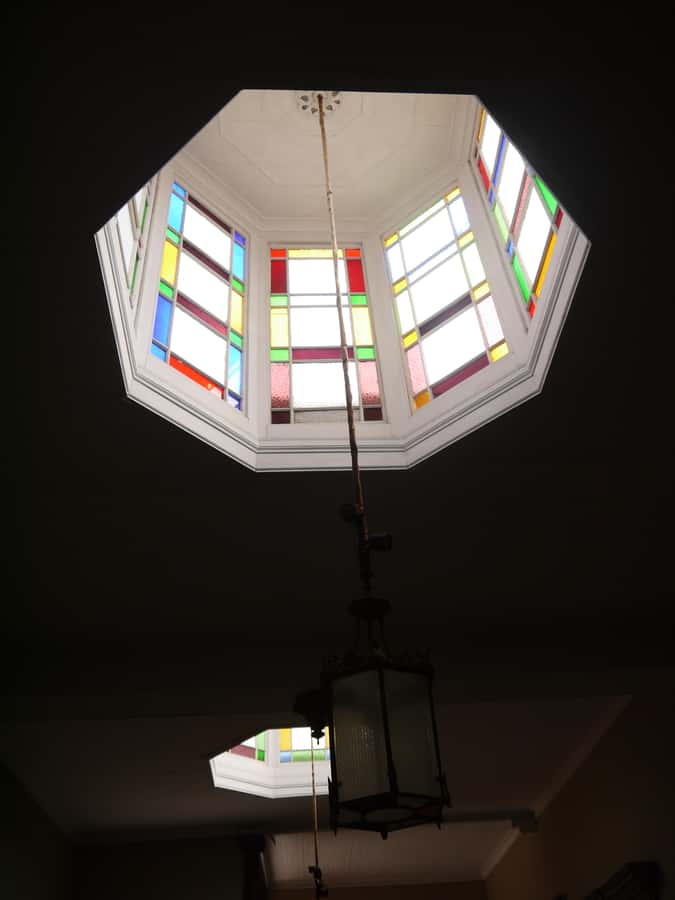
Because Casa de Aliaga can be visited only through a small list of authorized guides, the quality of the explanation matters a great deal. This is not a self-guided room-by-room museum. You rely on the guide to make the paintings, architecture, family title, and social history meaningful within a short time.
Nicholas is one guide associated with a particularly positive experience. He was described as friendly and well informed, which is exactly what this tour needs. A good guide can turn a quick walk through a few rooms into a clear story about Lima and the Aliaga family.
The authorized-guide system also creates a practical weakness. A scheduling problem once left visitors waiting for a full hour before a replacement guide arrived, with no clear explanation from the provider. Another booking had a guide replaced after the original guide failed to appear, although an effort was made to make up for the problem.
I would not ignore this issue. The house itself is the main attraction, but the experience depends on reliable coordination. Keep your booking details handy, arrive at the correct door, and avoid placing another time-sensitive activity immediately afterward. The provider is Expertizia Travel, and the tour is offered in both Spanish and English.
Is $40 plus S/. 35 a fair price?
The advertised tour cost is $40 per person, and the entrance fee at the house is separate, at S/. 35, or about $9. That puts the total near $49 per person, depending on the exchange rate.
That is not a bargain for a 40-minute visit. You are paying a premium for access to a private historic residence, an authorized guide, and a story that cannot be reproduced by simply walking past the building. If your main goal is to see as many attractions as possible for the least money, this will feel expensive.
I find the value stronger for travelers who care about unusual historical settings. Casa de Aliaga offers a kind of access that a standard plaza or church cannot provide. The house is still linked to the family that occupied it, and the visit connects architecture with personal inheritance and Lima’s colonial power structure.
The short duration helps if you have a tight schedule. You can fit it into a day focused on the historic center without giving up several hours. But the price means you should book it for the particular story, not because it is a large attraction with many rooms.
Who will enjoy Casa de Aliaga most?
I would recommend this tour to you if you enjoy:
- Historic homes with a strong personal connection
- Colonial architecture and decorative arts
- Lima’s early political and social history
- Small guided visits rather than large museum circuits
- Unusual attractions close to major city sights
- Short activities that fit between other plans
It is a good match for a first visit to Lima if you want more than the standard central plaza photographs. The house gives you a different view of the historic center, one rooted in domestic life and inheritance.
You may want to skip it if you prefer large museums, long tours, or broad coverage of Peruvian history. The route is short, only part of the mansion is open, and the focus is strongly tied to one colonial family.
The tour is listed as wheelchair accessible, which may make it suitable for visitors who need an accessible activity. Since the details of the route are not specified, I would confirm the practical access arrangements when booking.
Practical advice for a smoother visit
Plan this as a fixed appointment in the center of Lima. Since the experience depends on an authorized guide, I would arrive at the Casa de Aliaga entrance a little early and keep the provider’s contact information available.
Do not assume the $40 includes the entrance charge. Budget separately for S/. 35, or roughly $9, paid at the house. The reserve-now, pay-later option can help if you are still arranging your Lima schedule.
Spanish and English tours are available. If you have a preference, select the language carefully at booking rather than assuming the guide will switch languages on arrival.
The house is wheelchair accessible according to the activity information, but the tour takes place inside a historic mansion. If you use a wheelchair, ask about the exact accessible route in advance so you know what portions of the property you will see.
Alcohol and drugs are not permitted. The tour lasts 40 minutes, but I would not schedule a transfer or another appointment with no gap at all, given the past guide-coordination problems.
My verdict on Casa de Aliaga
Casa de Aliaga is one of Lima’s more distinctive historic stops because it remains a family residence, not merely a preserved shell. I especially value the 16-generation connection, the central location beside Government Palace, and the chance to see how architecture, art, and social status fit together inside one old home.
The experience is not flawless. The additional entrance fee makes the total cost high for 40 minutes, only a limited section is open, and guide scheduling has caused serious delays on some occasions. Those points matter, especially if your Lima itinerary is tight.
I would book it if you want a compact, unusual look at colonial Lima and you are willing to pay for access to a private historic house. I would pass if you need a low-cost attraction, a large museum, or a perfectly predictable schedule. For the right visitor, this is less about the number of rooms and more about standing inside a home that has carried one family’s story from the founding of Lima to the present.
FAQ
Where does the Casa de Aliaga tour meet?
The meeting point is at the entrance of Casa de Aliaga in Lima’s historic center, right next to Peru’s Government Palace and on the right side of the palace.
How long does the tour last?
The guided visit lasts 40 minutes.
Is the entrance fee included in the $40 price?
No. The entrance fee is separate and costs S/. 35, or about US $9.
Which languages are available?
The tour is available in Spanish and English.
Can I cancel the booking for a refund?
Yes. You can cancel up to 24 hours before the activity for a full refund.
Is Casa de Aliaga wheelchair accessible?
The activity is listed as wheelchair accessible. Since the exact accessible route is not specified, confirm the details when booking if you need particular access arrangements.
Just added around Lima
- Guided Tours in Colonial and Modern Lima★ 5.0 · 54 reviews
- Lima Peru Sea Lions, History and Palomino Callao Islands★ 5.0 · 56 reviews
- Full Day Pilgrims★ 5.0 · 28 reviews
- Sandboarding and Off Road in Lima (National Park Lomas de Ancón)★ 5.0 · 54 reviews
- In Lima: Sandboarding Off Road Half Day!!★ 5.0 · 36 reviews
- Tour Miraflores + Fotografía Profesional★ 5.0 · 47 reviews
- Full day PRIVATE to Paracas, Ica and Huacachina from Lima All Inclusive and Lunch★ 5.0 · 55 reviews
- Peruvian Experience: Interactive, Cultural & Gastronomic Guided Tour★ 5.0 · 42 reviews
Tours in Lima, compared.


Full Day Paracas Ica and Huacachina from Lima All Included
Read our review →
Lima’s Vibrant Heritage: Exploring the City’s Landmarks Half-day
Read our review →

Paracas and the Huacachina Oasis Guided Day Tour
Read our review →
The Charm of Barranco & Pre Inca Pyramid in Miraflores
Read our review →
Full Day to Paracas and Huacachina Desert Oasis
Read our review →
Pachacamac Ruins & Barranco Half-Day Guided Tour
Read our review →Browse the lists this tour appears in