
Reviewed · AMAZON JUNGLE TOURS
From Cusco: Manu National Park Tour & Accommodation 3 Days
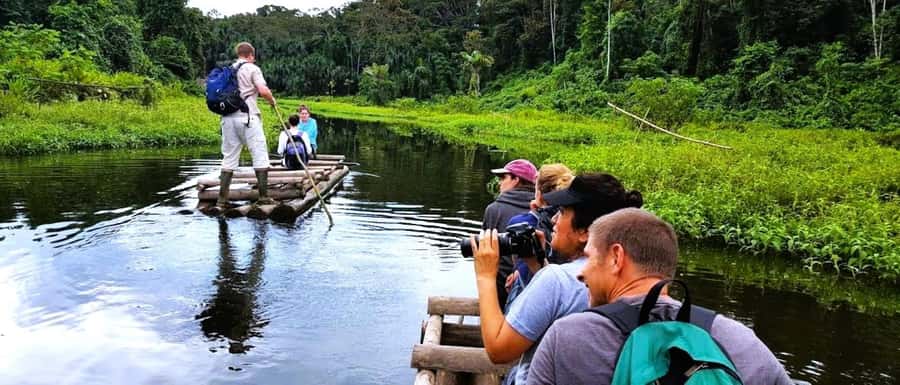
Manu National Park gives you a rare two-for-one journey: a road trip from the high Andes through cloud forest, followed by boat rides and jungle walks in the Amazon basin. The highlight for me is Machuhuasi Oxbow Lake, where quiet channels offer good chances to see aquatic birds, monkeys, and caimans.
I like the variety: one morning brings pre-Incan burial sites and colonial Paucartambo, while the next brings motorboats, giant kapok trees, and night walks for frogs and spiders. I also like the small-group format, with no more than 15 people, and the warm, attentive guiding praised by several participants, including guide Silver and his staff. The main caution is the basic accommodation and plain food, so this suits you better if wildlife and scenery matter more than comfort.
Key points to know before booking
- A full day on the Manu Road: Leave Cusco at 6:00 AM and pass from Andean scenery into cloud forest and tropical lowlands.
- Machuhuasi Oxbow Lake: Explore narrow channels by boat while looking for birds, monkeys, and caimans.
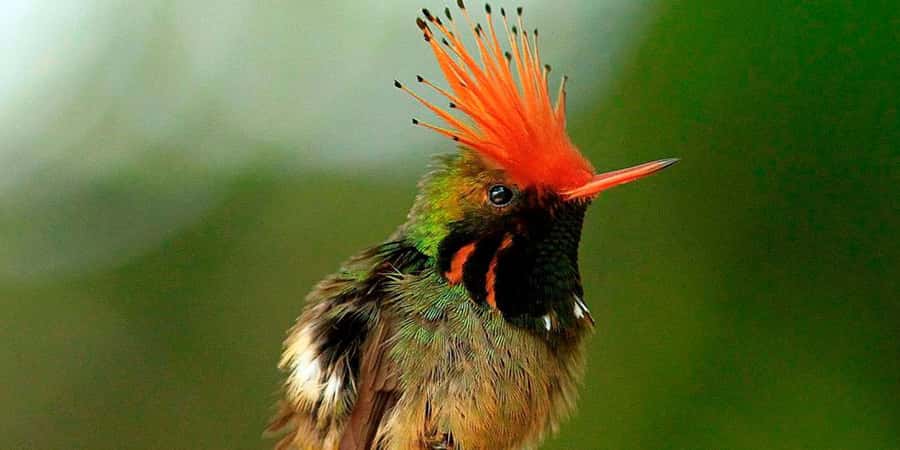
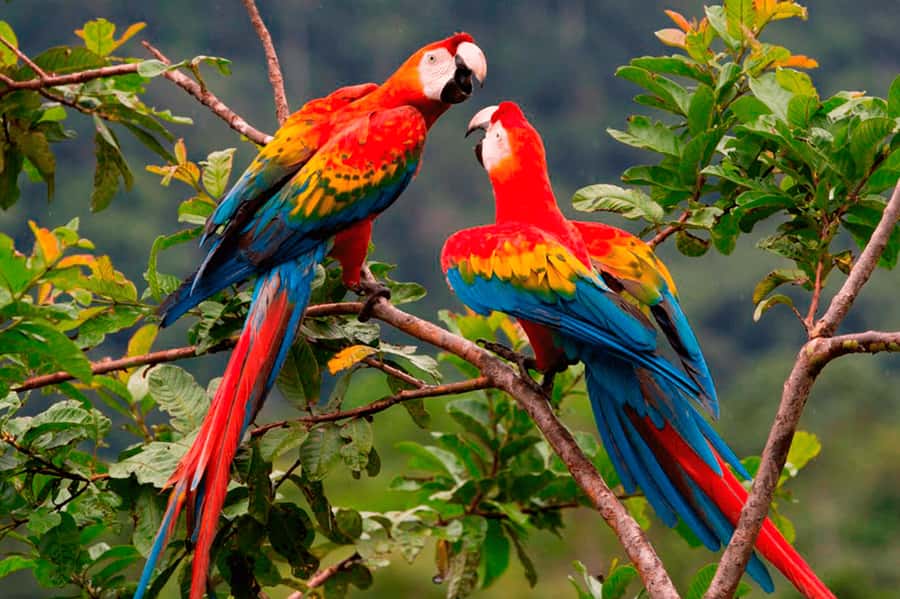
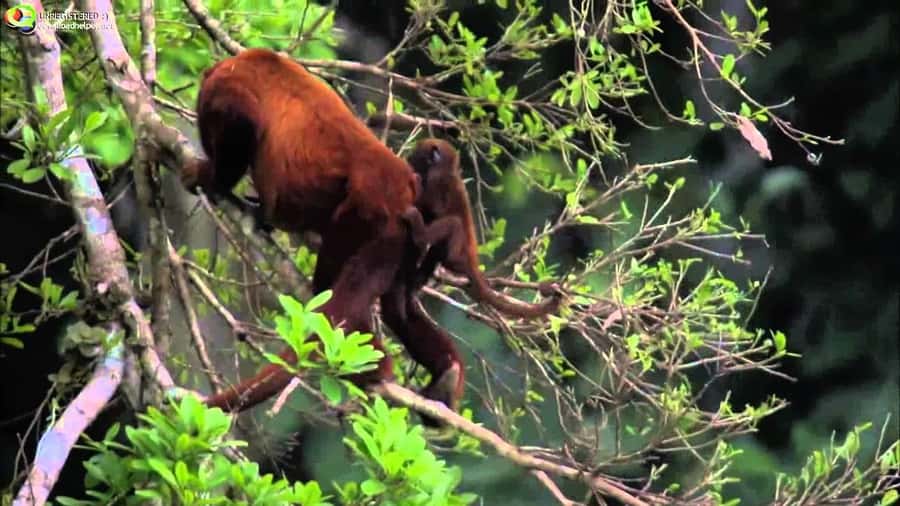
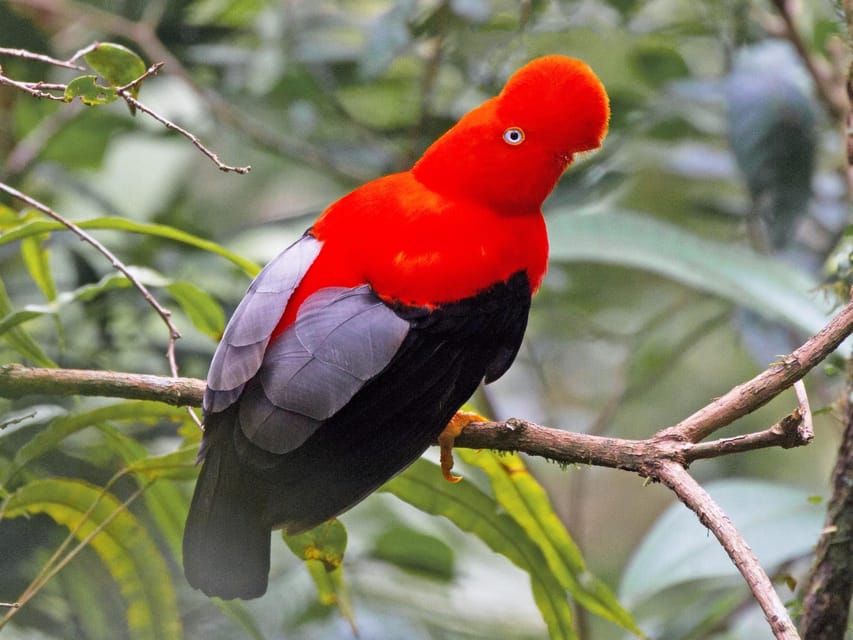
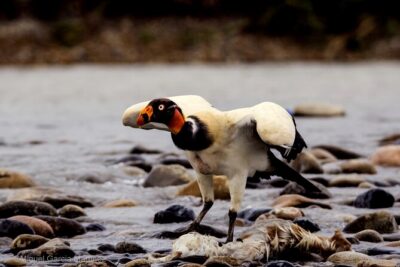
- Wildlife comes in small moments: Expect searches for cock-of-the-rock, quetzals, toucans, macaws, reptiles, amphibians, and monkeys.
- Two types of jungle walk: Day walks focus on forest life, while the night walk targets spiders, scorpions, reptiles, and frogs.
- Simple lodging: The Basical Hostel provides a practical base, but do not expect a polished rainforest lodge.
- Good value for active nature fans: Transport, guiding, boat trips, accommodation, meals, and several activities are combined in a compact three-day program, though the long road journey leaves limited time in the park.
Why this three-day Manu trip is different
Many Amazon trips begin after a flight or a long transfer into the lowlands. This one starts in Cusco and lets you watch the scenery change hour by hour. You leave the city before breakfast, cross the Andean route toward Manu, and gradually move through farmland, mountain valleys, cloud forest, and warmer jungle country.
That changing elevation is part of the appeal. You are not simply transported to a lodge and shown one patch of forest. The road itself becomes part of the experience, with stops at small towns, viewpoints, waterfalls, and forest edges. The tradeoff is time. Three days is enough for a useful taste of Manu, but not enough for an unhurried expedition into every part of the park.
The group limit of 15 is helpful here. A smaller party makes it easier to hear the guide on forest walks and keeps boat boarding less chaotic. Some departures may be much smaller. One group had only four people, along with a guide, driver, and cook. That kind of setup can make animal searches feel more personal.
Guiding is central to the trip. English and Spanish are available, and the guide explains what you are seeing rather than simply pointing at it. Silver and his staff received especially warm praise for their care and organization. Still, wildlife is never guaranteed. A good guide can improve your chances, but the forest decides what appears.
Other trips into the rainforest from Cusco:
- 4 Day Tour to the Manu National Park
★ 5.0 · 81 reviews - Manu National Park Tour 4days/3night
★ 5.0 · 69 reviews - 4-Day Inca Jungle Adventure, Mountain Biking, Rafting and Zipline
★ 5.0 · 60 reviews
Day 1: From Cusco to the cloud forest
The first day begins early, with pickup from your Cusco hotel or the airport at about 6:00 AM. That is a useful option if your schedule brings you into Cusco just before the trip, but it also means you should be ready for a long day. Have breakfast available for the road or be prepared to eat at the first scheduled stop.
The route briefly pauses in Oropesa, known locally for its bread. This is a small but pleasant introduction to the region. It gives you a glimpse of everyday life outside Cusco’s tourist center and breaks up the drive before the first major historical stop.
At Ninamarca, you take a guided look at pre-Incan burial structures. This is not a long archaeological visit, but it adds context to the journey. Manu is not only a wildlife destination. The road passes through places shaped by Andean communities and older cultures, and Ninamarca helps you see that the trip connects several worlds.
Breakfast and a walk follow in Paucartambo. The program includes the local market, the main square, and the colonial bridge. Paucartambo is a good place to watch ordinary town life before heading farther from settled areas. The market visit is also practical: it offers a chance to stretch your legs and get a sense of the food and goods used in the region.
After Paucartambo, the road enters cloud forest country. The guide gives information at the Manu Park border, using maps and illustrations at the ranger station. This is a useful orientation point because it explains where you are going and how the protected area is organized.
The next stops focus on waterfalls and cascades. These are scenic pauses rather than major hikes, but they help break up the driving. Keep your camera ready, though weather and visibility can change quickly in mountain forest.
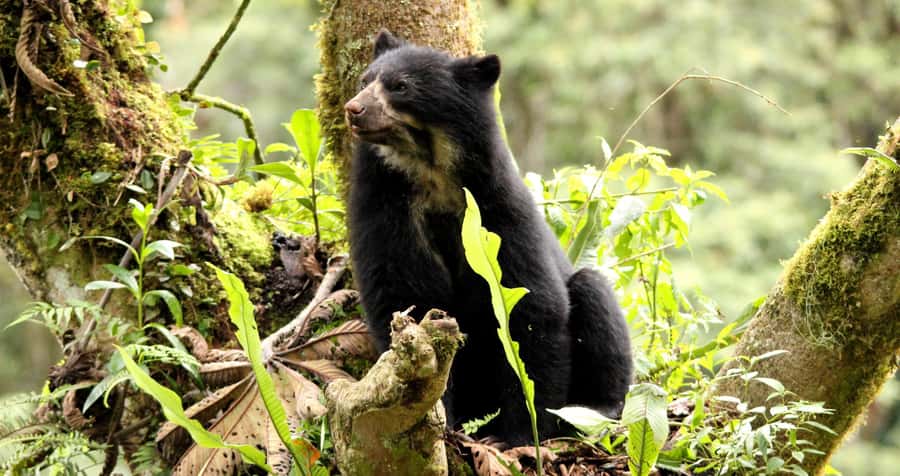
The cloud forest is the first serious wildlife-searching section. You may look for monkeys, the red-and-black cock-of-the-rock, quetzals, and mountain toucans. Birds can be difficult to spot, so patience matters. You may hear movement before you see anything, and the guide’s ability to identify calls and movement is particularly useful here.
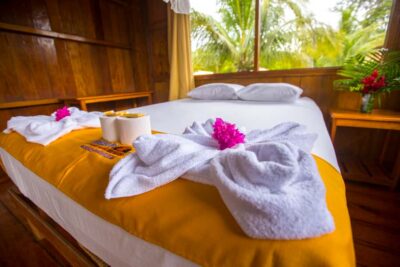
There is also a short stop at the local market in Pilcopata before arrival at the Basical Hostel in the middle of the afternoon. The name basic is important. This is a functional place to sleep and eat, not a luxury rainforest retreat. If you are happy with simple accommodation and want to spend your budget on access to Manu rather than hotel finishes, it makes sense. If you need polished rooms, strong Wi-Fi, or resort-style service, adjust your expectations.
The afternoon continues with a visit to a canyon and caves, where you may see bats, spiders, and scorpions. This is a very different sort of wildlife encounter from a daytime bird search. Bring a flashlight if the operator does not supply one, though the provided information does not confirm equipment arrangements.
A palm forest trail follows, with a search for macaws and monkeys. Palm areas can be productive because birds and other animals use them for food and shelter. The day ends with a night walk for reptiles, spiders, and amphibians.
That evening walk is one of the better reasons to choose this program over a simple daytime forest visit. Many creatures are hard to find in daylight, and the forest feels completely different after dark. It is also tiring after a long drive, so you should be comfortable walking when you are already ready for bed.
Day 2: Boats, forest channels, and Machuhuasi
Day two starts early, with breakfast at about 5:30 AM. The early start is not a punishment. Morning is a useful time for animal watching, and it allows the group to reach Atalaya Port before the day becomes too hot.
The drive to Atalaya takes about an hour. The route includes viewpoints, giving you a chance to see more of the surrounding country before boarding a motorboat. Atalaya is where the trip changes character. After the road-heavy first day, the river becomes your main route.
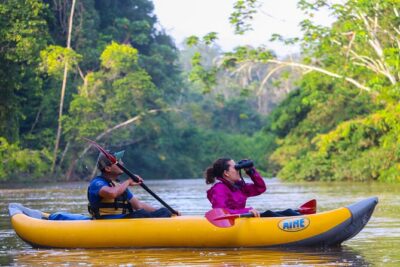
The boat travels upstream and downstream along the Alto Madre de Dios River. This is one of the strongest parts of the experience because the river gives you a wide view of the forest edge. Instead of seeing only what is beside a narrow trail, you can scan banks, trees, sandbars, and open stretches of water.
Boat trips also make the jungle feel more connected. Rivers are working routes as well as wildlife areas, and moving by boat gives you a better sense of how remote communities and forest sites relate to one another. Keep your belongings secure and be ready for spray, since exact boat conditions are not specified.
A guided walk along the riverine forest follows. The stated targets include monkeys, caimans, and birds. This is a good example of how the trip works: you are not promised a fixed animal show. You walk, listen, scan the branches and water, and rely on the guide to help locate movement.
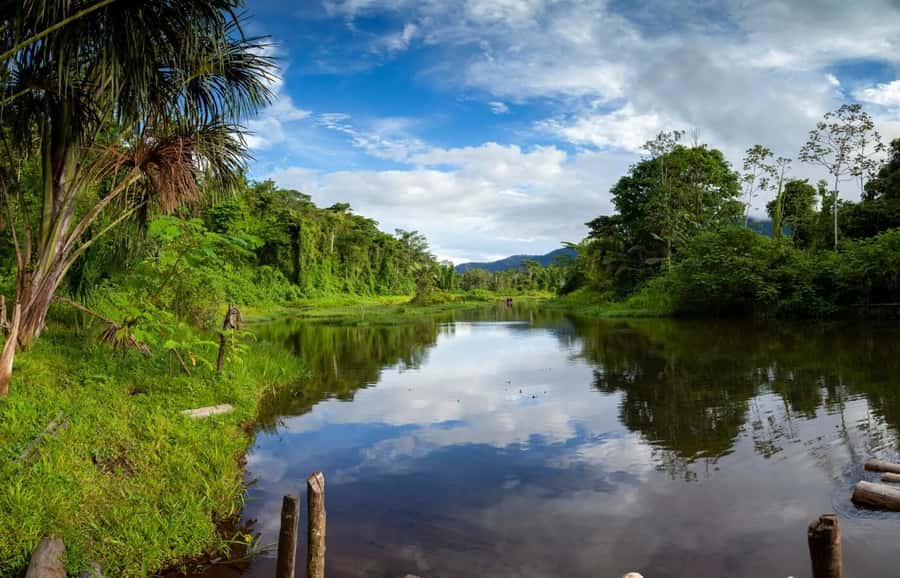
The central outing is Machuhuasi Lagoon, also called an oxbow lake. Oxbow lakes form when a bend in a river becomes separated from the main channel. Their calmer water and different plant life can attract species that are harder to see on the main river.
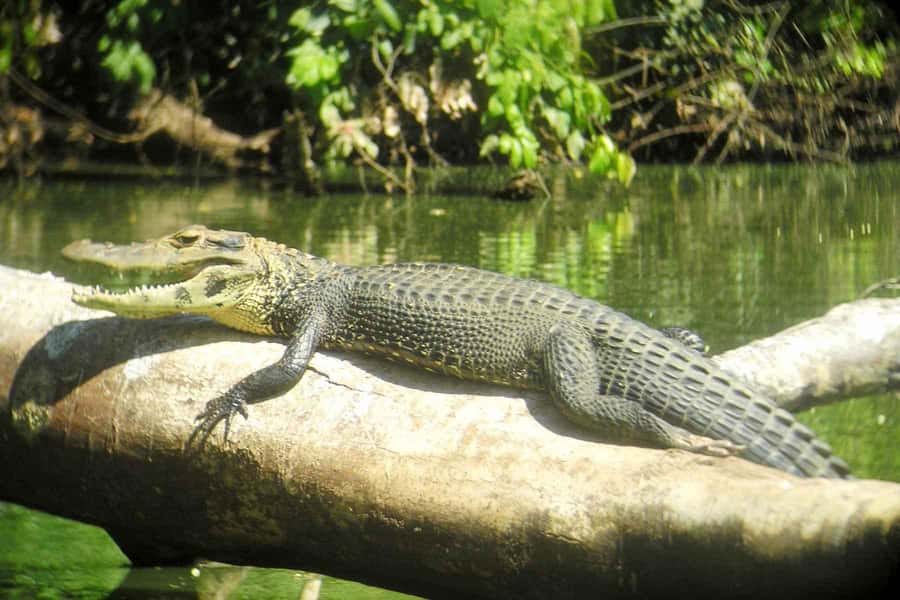
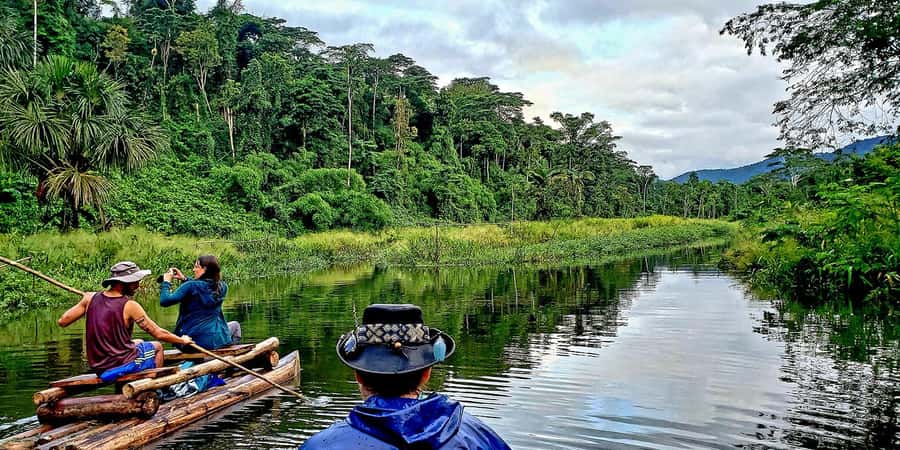
You explore the lagoon’s channels by boat while looking for aquatic birds, monkeys, and caimans. This is likely to be the most memorable wildlife section for many people because the water lets you enter narrow, quiet parts of the forest. It is also a place where patience pays off. A caiman may sit almost motionless, while a bird can disappear into vegetation in a second.
A walk to a giant kapok tree adds another useful perspective. Large trees help you appreciate the age and scale of the forest, even when animal sightings are brief. The program also includes further forest exploration around the tree, so this is more than a quick photo stop.
The boat returns to Atalaya before the group goes back to the Basical Hostel. An optional visit to a wildlife rescue center may be available. Since it is described as optional, confirm the details with the operator if this is important to you. The day ends with dinner at the hostel.
One past group also took part in a zip line arranged by local staff. Because this is not listed as a standard part of the schedule, do not book the tour on the assumption that zip lining is included. Treat it as an extra possibility that may depend on the departure and local arrangements.
Day 3: Medicinal plants and the road back to Cusco
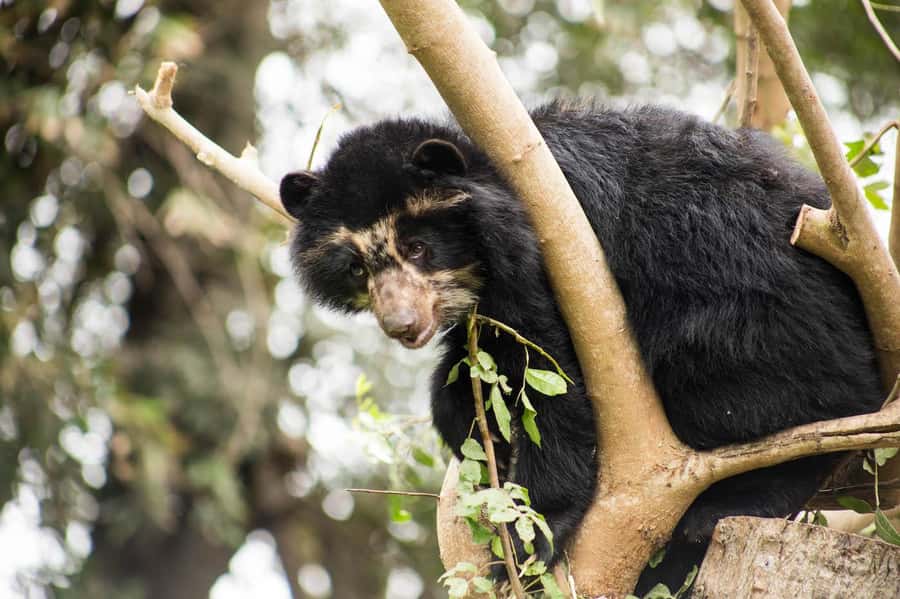
The final morning begins in the hostel garden. A guide introduces medicinal plants and useful local species, including coca leaf, cacao, bamboo water, and annatto.
This is a worthwhile closing activity because it shifts your attention from spotting animals to understanding how people use the forest. Cacao and annatto connect the garden to food and color, while coca has a long place in Andean culture. Bamboo water is a particularly interesting example of how plants can provide practical resources.
After breakfast, you begin the long return drive to Cusco. The route passes back through the cloud forest, with more waterfalls and chances to look for wildlife. Do not expect a full new excursion on the return journey. The value here is the chance to recognize scenery you passed quickly on the way down and to stop when conditions allow.
A short coffee stop in Paucartambo breaks up the drive. Arrival in Cusco is expected at about 4:00 PM, with drop-off at your city hotel. That timing is useful if you have an evening plan, but I would avoid booking anything important too close to the stated arrival time. Mountain roads, weather, and wildlife stops can all affect the schedule.
Other reserves and parks within reach of Cusco:
- From Cusco: 4-Day Manu National Park Guided Tour
★ 4.6 · 48 reviews
What the accommodation and meals are really like
The Basical Hostel is best viewed as a base, not an attraction. You spend two nights there, with dinner and breakfast provided as part of the program details. The location allows quick access to the nearby trails and river route, which matters more here than decorative rooms.
Food is the clearest weak point. One participant found the meals below expectations, so I would keep your standards practical. This is not the tour to choose if food is a major part of your holiday. Bring small personal snacks if you rely on frequent food breaks, but do not assume the operator provides anything beyond the stated meals.
The simple setup can still be good value. A three-day trip from Cusco includes road transport, a driver, a guide, boat travel, hostel accommodation, meals, forest walks, and wildlife searches. The exact price is not provided here, so I cannot call it cheap or expensive in absolute terms. Compare what is included rather than judging only by the headline rate.
Who should book this Manu experience
I would choose this tour if you want a first taste of the Amazon without arranging several separate transfers. It suits you if you enjoy walking, early starts, long road journeys, and wildlife watching that requires patience.
It is also a good fit for solo visitors who want the structure of a small group. A solo woman expressed concern before going into the jungle but found the organized group reassuring. The group size, guide support, and planned transport reduce the uncertainty of arranging the route alone.
You may want a longer Manu program if your main goal is extensive wildlife viewing. Three days includes a lot, but the first and third days are heavily occupied by driving. A four-day version could give you more time in the forest, depending on its exact plan.
I would not pick this trip for a relaxed lodge holiday. The early breakfast, long road transfers, night walk, basic hostel, and simple meals require flexibility. You will get more from it if you see comfort as secondary to access and variety.
Practical tips for making the most of it
- Pack for several climates. The route goes from Cusco’s cooler highlands through cloud forest to the warmer jungle. The provided details do not specify a packing list, so layered clothing is the sensible choice.
- Carry a small day bag. You will move between road stops, boats, trails, and the hostel. Keep valuables and essentials easy to reach.
- Expect wet conditions. Water, forest humidity, and boat travel are part of the setting. Protect phones and cameras.
- Bring patience for animal searches. The guide can help you locate birds and mammals, but sightings are not scheduled performances.
- Use WhatsApp. The operator asks for a phone number with country code and an active WhatsApp account, which is important for pickup and last-minute contact.
- Confirm late bookings first. If you are booking close to departure, check availability by email before paying or finalizing plans.
The activity offers free cancellation up to 24 hours before the start, and you can reserve now and pay later. Those terms give you some flexibility, but they do not replace confirming last-minute availability.
Should you book this three-day Manu trip?
Book it if you want an active, compact route from Cusco into Manu, with a strong mix of cloud forest, river travel, oxbow-lake exploration, and night wildlife searches. The guides and staff are a major part of the value, and the small-group format keeps the trip personal without requiring you to plan every transfer yourself.
Think twice if you need comfortable lodging, dependable gourmet meals, or a slow schedule. The food may disappoint, the driving is substantial, and three days gives you a sample of Manu rather than a complete visit.
For the right person, this is a practical way to reach a remarkable part of Peru. You trade comfort and extra time for variety, access, and the chance to move from Andean towns to Amazon waterways in one tightly packed journey.
FAQ
How long is the Manu National Park tour from Cusco?
The tour lasts three days. Day one runs from Cusco to the Basical Hostel, day two covers Atalaya, the Alto Madre de Dios River, and Machuhuasi Oxbow Lake, and day three returns to Cusco.
What time does pickup start in Cusco?
Pickup from your Cusco hotel or the airport is scheduled for about 6:00 AM on the first day.
What languages are available for the guided tour?
The live guide service is available in English and Spanish.
How many people are in the group?
The activity is listed as a small-group tour with a maximum of 15 participants.
Where do you stay during the tour?
You stay at the Basical Hostel for two nights. The accommodation is described as basic.
What animals might you see?
The wildlife searches may include monkeys, cock-of-the-rock, quetzals, mountain toucans, macaws, birds, caimans, reptiles, spiders, scorpions, and amphibians. Sightings depend on conditions and animal movement.
Is cancellation available?
Yes. You can cancel up to 24 hours in advance for a full refund. The tour also offers a reserve-now, pay-later option.
More three-day trips from Cusco
- Salkantay Trek Challenge – 3 Days / 2 Nights
★ 5.0 · 101 reviews - Tambopata Peruvian Amazon Jungle for Three Days/Two Nights
★ 4.5 · 329 reviews - 3-Day All Inclusive Guided Jungle Tour from Iquitos at Maniti Eco-Lodge
★ 4.5 · 74 reviews - Eco Jungle 3 Days – 2 Nights
★ 4.0 · 62 reviews
Just added around Cusco
- From Cusco: Machu Picchu Tour with Hiking Ticket★ 5.0 · 6 reviews
- From Cusco: Machu Picchu Private Day Trip on Panoramic Train★ 5.0 · 6 reviews
- From Cusco: Lake Titicaca, Uros and Amantani by sleeper bus★ 3.7 · 24 reviews
- From Cusco: Humantay Lake with Breakfast and Lunch Buffet★ 3.6 · 3 reviews
- From Cusco: Humantay Lake Day Trip with Breakfast and Lunch★ 4.7 · 4 reviews
- From Cusco: Hike to Humantay Lake one day With Meals★ 4.5 · 6 reviews
- From Cusco: Full-Day Private Sacred Valley Tour★ 5.0 · 3 reviews
- From Cusco: Half-Day Zip Line Adventure★ 4.8 · 3 reviews
Amazon Jungle Tours, compared.
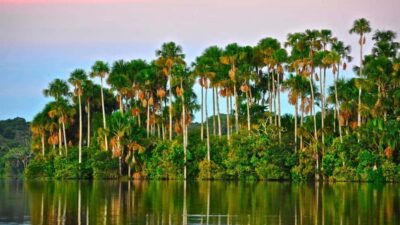
Tambopata Peruvian Amazon Jungle for Three Days/Two Nights
Read our review →
3-Day All Inclusive Guided Jungle Tour from Iquitos at Maniti Eco-Lodge
Read our review →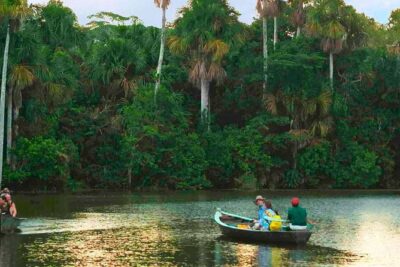
4 Day Tambopata Amazon Wildlife & Canopy Experience
Read our review →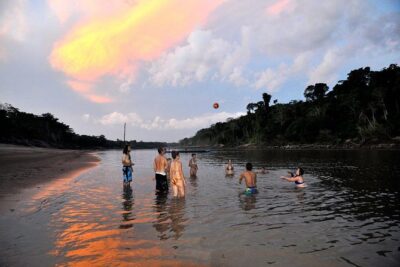
Browse the lists this tour appears in