
Reviewed · INCA TRAIL & SALKANTAY TREKS
From Cusco: 7 Lakes Ausangate Trek with Breakfast and Lunch
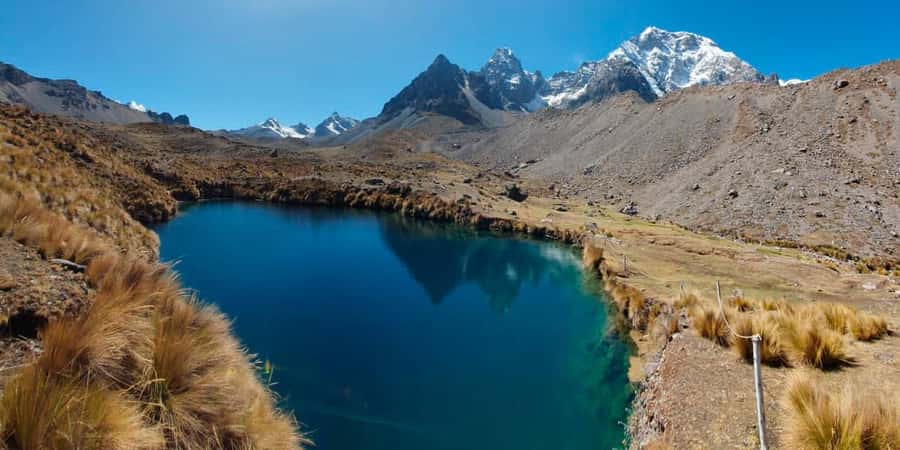
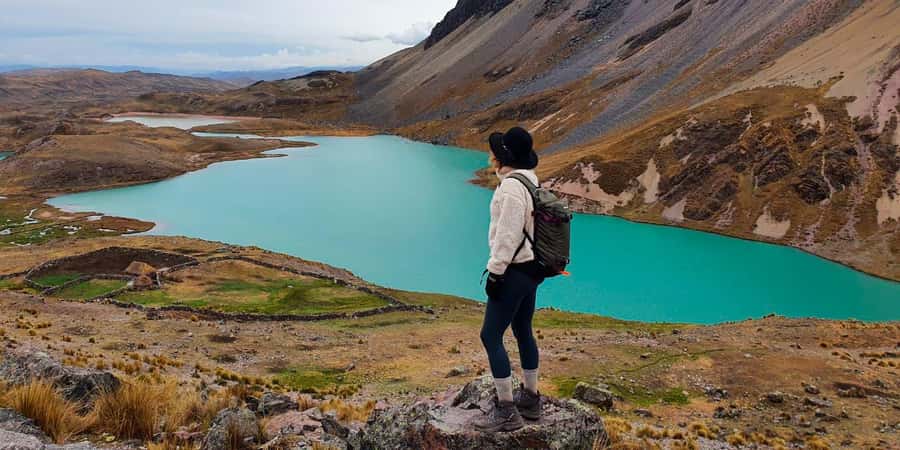
Ausangate’s seven lakes give you a big Andean day without committing to a multiday trek. You’ll walk beneath the 6,384-meter Apu Ausangate, pass grazing llamas and alpacas, and see one striking lake after another in a remote, high setting.
I like the small-group feel and attentive guides, especially names such as Kevin, Eduardo, Carlos, and Inti, who have helped people manage the pace and altitude. I also like the finish: a filling local lunch followed by Pacchanta’s hot springs. The catch is serious altitude, a rough road, and a hike that can feel rushed or punishing if you are not acclimatized.
Key points at a glance
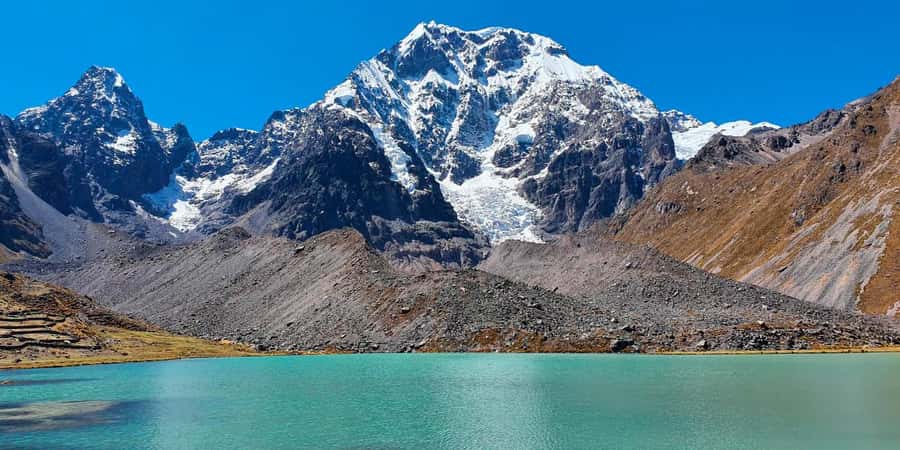
- Ausangate at 6,384 meters: The snow-capped mountain gives the day its powerful sense of scale.
- About 13 kilometers on foot: Expect roughly 4.5 hours of walking over steep, changing ground.
- High point above 4,600 meters: Cold, wind, thin air, and strong sunlight are part of the experience.
- Breakfast, lunch, and transport included: The $29 price covers useful basics, though you still pay 30 soles for entry and hot springs.
- Horses can help: Local horse rental may cost about 120 to 130 soles, and the tour company does not arrange or manage it.
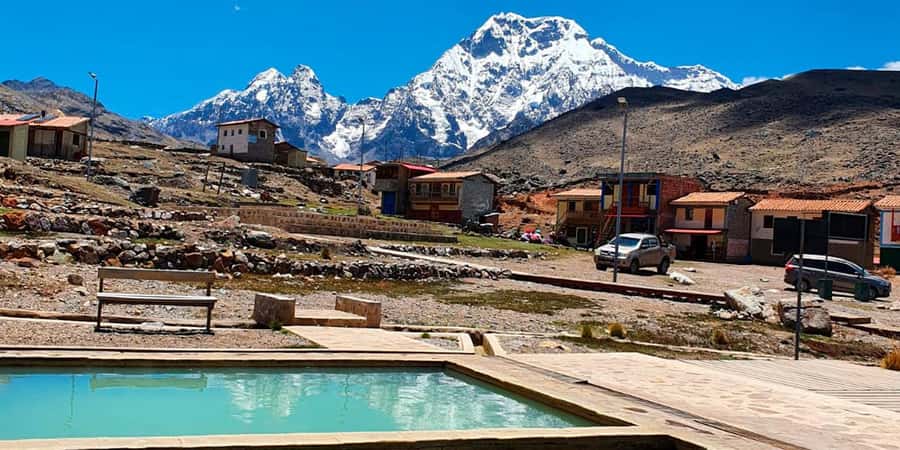
- Pacchanta hot springs: A welcome soak after the hike, with highland views around you.
Why Ausangate makes this day special
Ausangate is one of the great mountain settings near Cusco. The peak rises to 6,384 meters, and the route takes you into a stark world of snow, rock, grass, and bright glacial lakes. You are not visiting a single viewpoint, taking a few photos, and heading back. The appeal is the changing scenery as you move through the high Andes.
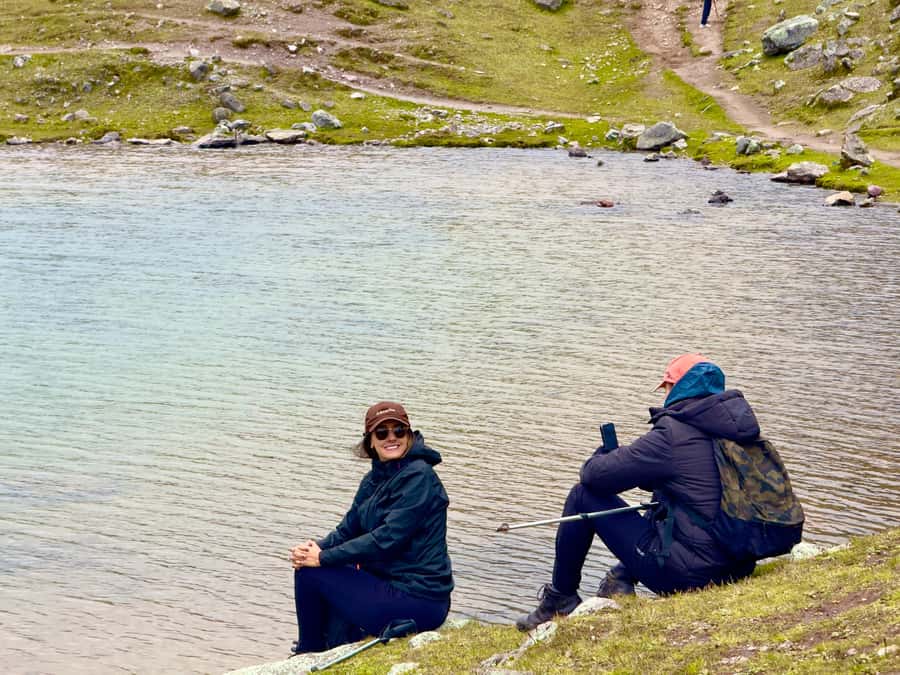
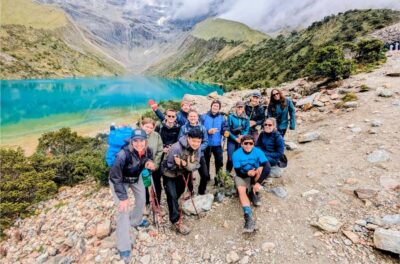
The seven lakes are the main event. Their colors and shapes vary with the weather, sunlight, and surrounding rock. On a clear day, you may see crisp reflections and snow-covered ridges. Under cloud, the route feels more severe and remote. Rain does not erase the beauty, but it can make the cold and walking much harder.
This is also a quieter alternative to the better-known Humantay Lake outing. It is not guaranteed to be empty, especially in high season, but several departures have had long stretches with very few other groups. If you value silence and open mountain views more than a quick, easy sightseeing stop, this route is a strong choice.
Other walks into the mountains in Cusco:
- Cusco: Rainbow Mountain Tour and Red Valley Hike (Optional)
★ 4.7 · 149 reviews - Cusco: Full-Day Rainbow Mountain & Red Valley Trekking Tour
★ 4.5 · 121 reviews - Salkantay Trek Challenge – 3 Days / 2 Nights
★ 5.0 · 101 reviews
The 4 a.m. start and the long ride from Cusco
Pickup usually begins between 4 and 4:30 a.m. from hotels around Cusco’s historic center. Allow extra time, since collecting the full group can take 30 to 45 minutes. If you are picked up first, you may wait in the van while the driver gathers everyone else.
The ride to Pacchanta takes about three to three and a half hours. The road is rough in places, and the early start is not optional if you want to complete the route and return to Cusco around 6 or 7 p.m. You spend a large part of the day in transit, so this is best treated as a full mountain expedition rather than a short excursion.
You stop in Pacchanta for breakfast, usually after the drive. This is a useful pause for coffee or food, a bathroom break, and last-minute purchases such as water and snacks. Bring cash in Peruvian soles, since extra costs and local purchases are paid that way.
The morning can be cold, with stated temperatures around 5 to 9°C. Wear a warm sweater, jacket, hat, and gloves from the start. You may warm up while walking, but the wind at high altitude can change that quickly.
Pacchanta and the first view of Apu Ausangate
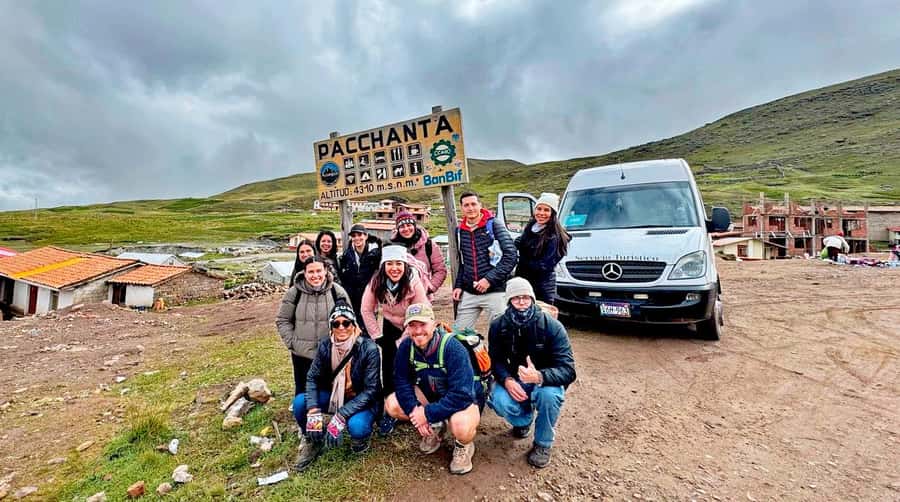
Pacchanta is the base for the hike and the place where you return for lunch and hot springs. Before setting off, you organize your day pack and meet your guide. The first clear view of Ausangate gives you an immediate sense of what lies ahead: a huge, snow-capped Andean peak rising above the high plains.
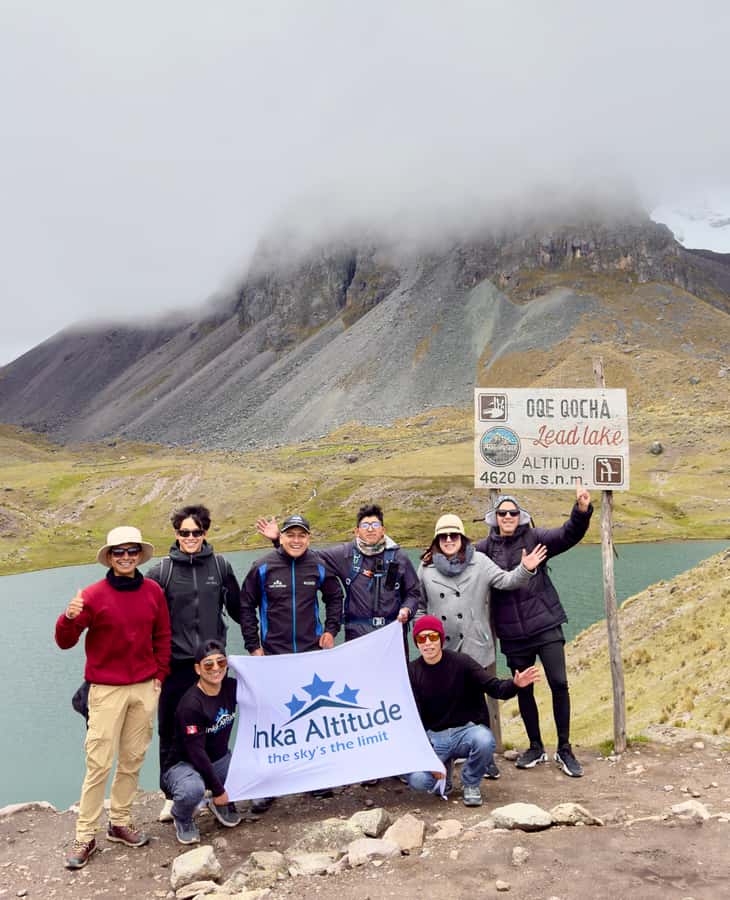
The guide leads at a practical pace, but the group will naturally spread out. People react differently to the altitude, and the guide may move between the front, middle, and back to check on everyone. Guides such as Eduardo, Carlos, Kevin, and Inti have been singled out for checking breathing, waiting for slower walkers, helping with photos, and sharing information about local culture.
That support matters here. At this elevation, even a modest slope can leave you breathing hard. You should not mistake a moderate distance for an easy walk. The route covers about 13 kilometers, with the highest point variously described as 4,620 meters and over 4,800 meters above sea level. Either figure means very thin air.
Walking the seven lakes route
The hike takes about 4.5 hours in total, with roughly three hours on the outward section and two hours on the return according to the day’s schedule. The ground changes as you go, including steep sections and exposed highland terrain. Hiking shoes with firm soles are important, and sunglasses are required throughout the walk.
The views are the reward for the effort. You see broad Andean scenery, distant snowy ridges, open slopes, and groups of llamas and alpacas along the way. The lakes provide repeated photo stops, but the route is more than a series of picture breaks. The changing altitude and weather give the day a sense of movement and challenge.
Guides may allow different people to walk at different speeds, but this is still a group departure. One person moving slowly affects the schedule, and one person racing ahead may find the guide is not beside them at every moment. If you want more time to sit quietly beside each lake, walk near the front when appropriate and tell the guide early that scenery matters as much to you as reaching the next point.
Several people have found the route harder than expected because of cold, wind, and breathing difficulty. One person with asthma and a heart condition used a horse for the route and still found the day demanding. The excursion is not suitable for people with heart, respiratory, mobility, or serious back problems, and it is not designed for wheelchair users.
Other multi-day treks out of Cusco:
- Cusco: 4-Day Inca Trail to Machu Picchu with Accommodation
★ 4.8 · 432 reviews - Cusco: Machu Picchu 2-Day Inca Trail with Panoramic Train
★ 4.9 · 260 reviews - From Cusco: 2-Day Inca Trail to Machu Picchu
★ 4.2 · 244 reviews - Machu Picchu: Inca Trail 2-Day Overnight Guided Tour
★ 4.9 · 203 reviews
Horses, altitude, and knowing your limits
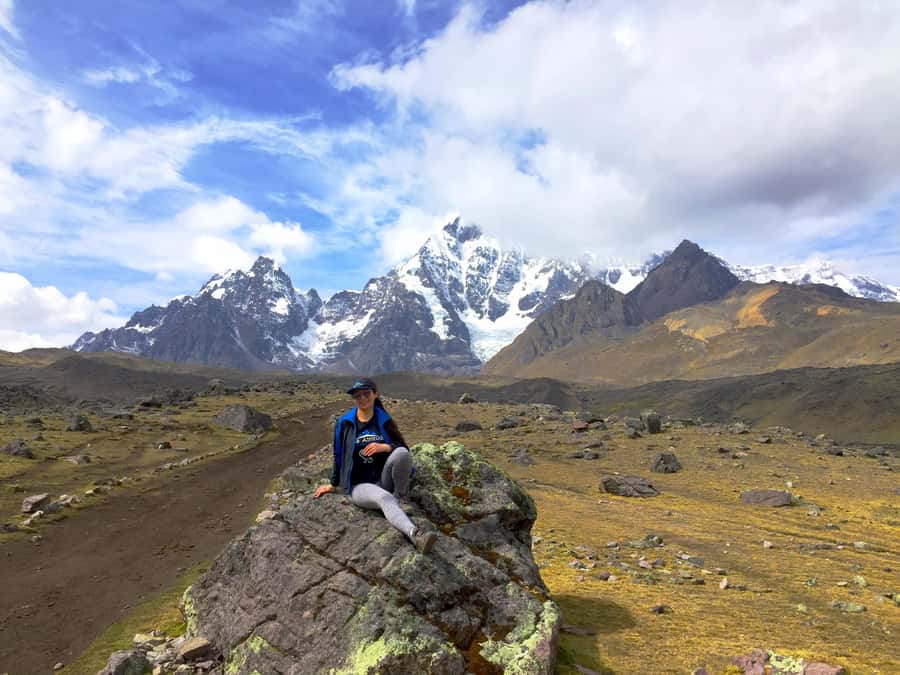
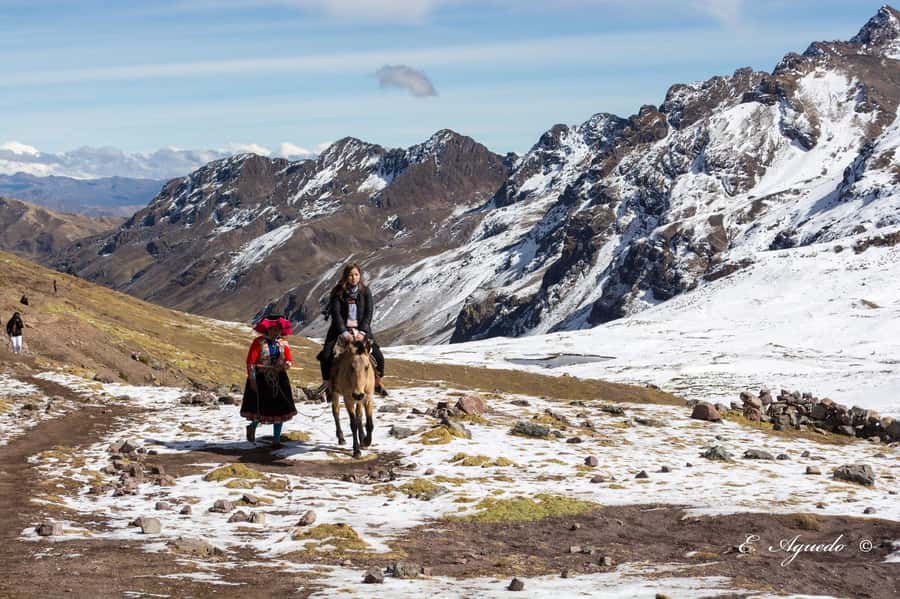
Horse rental is available locally if you struggle with the altitude or walking. The extra cost has been about 120 to 130 soles, paid directly in cash. The local tour provider does not arrange or manage the rental, so ask your guide or the local horse handlers about the process when you arrive.
A horse can make a major difference, but it does not turn this into an easy outing. You are still traveling through cold, high terrain, and you may need to walk at certain points. One useful approach is to decide before the hike how much help you might need rather than waiting until you are exhausted.
The guide carries a first aid kit and oxygen bottle, but these are safety measures, not a substitute for acclimatization. Bring personal medication if you use it, and ask a medical professional about altitude medicine before your trip. The rough road can also contribute to altitude sickness before the walk even begins.
Do not bring luggage or a large bag. A heavy pack makes the first climb much harder, and one person specifically found that extra weight became a problem. Take only water, snacks, rain gear, sunscreen if you use it, a camera, and essential personal items in a light day pack.
Lunch in Pacchanta and the hot springs
After returning to Pacchanta, you have lunch before entering the hot springs. The food is described as simple, plentiful, and sufficient by some people, while one person found it cold and low quality. Set your expectations correctly: this is practical mountain food, not a restaurant meal chosen for culinary flair.
Breakfast and lunch add real value to a $29 day tour. They save you from arranging food in a remote place and give you fuel after a difficult hike. Still, bring a few snacks because the walking is long and meal timing may not match your appetite.
The Pacchanta hot springs are the gentle ending this day needs. After hours of cold air and steep ground, warm water gives your legs a chance to recover while you look out at the surrounding highlands. The swim is scheduled for about 30 minutes, so it is a brief soak rather than an extended spa visit.
Entry to the site and the hot springs costs 30 soles and is not included in the advertised price. Keep that cash separate, along with money for water, souvenirs, horse rental, or tips. The hot springs are close to the return point, making them a simple addition rather than another long transfer.
What the $29 price really includes
At $29 per person, this is strong value if you want transport, a guide, breakfast, lunch, and a demanding day in the Ausangate region. The long van ride alone would be awkward to arrange independently, and the guide adds practical support in a place where altitude and weather can turn serious.
The price is not the entire budget. Add 30 soles for entrance and hot springs. Water, snacks, souvenirs, and horse rental cost extra, and you need Peruvian soles for these payments. A private group is available if you want a more controlled pace or a more personal experience, though the supplied price is for the standard arrangement.
The value depends on what you want from the day. If your priority is dramatic scenery and a low-cost route into the high Andes, it is excellent. If you want a relaxed schedule, a soft ride, or long quiet stops at every lake, the fixed group format may frustrate you.
Guides who make the difference
The best part of this experience is often the guide’s attention during a physically demanding day. Kevin has helped with photos, culture, and history. Eduardo has been praised for checking on people throughout the trek. Carlos has been patient with slower walkers, while Inti has taken special care of people feeling unwell.
That does not mean every group moves at exactly the same pace. You should still speak up if you are struggling, feeling dizzy, or falling behind. Guides may be assisting different parts of the group, so do not assume that someone will notice every problem immediately.
English and Spanish guiding are available. A guide can also help you understand the setting beyond the photographs, including the importance of Ausangate as an Apu, or sacred mountain, and the relationship between the highland communities, animals, and Pachamama.
Weather, clothing, and useful preparation
The weather can shift quickly. A clear morning may turn cloudy or rainy, and the tour provider cannot control those conditions. Check the forecast and choose your departure day carefully, but accept that mountain weather is never fully predictable.
Pack:
- Water and snacks
- Warm sweater, jacket, hat, and gloves
- Rain gear
- Hiking shoes
- Sunglasses
- Comfortable clothing
- A light day pack
Sunglasses are not just for photographs. Strong light at high altitude can be uncomfortable, and they are required throughout the hike. Layering works best because you may feel warm while climbing and cold when stopped beside a lake.
Acclimatization is the most important preparation. The tour information specifically warns about elevations above 4,800 meters, while the stated high point is also given as 4,620 meters. You should take both warnings seriously. If you have respiratory or heart problems, this is not an appropriate outing.
Who should book the Ausangate lakes day
I would choose this trip if you are fit enough for a long mountain walk, already comfortable at altitude, and excited by remote scenery. It suits people who want more than a single famous viewpoint and do not mind giving up a full day to reach a dramatic corner of the Cusco Region.
Families with older children may manage it. Children aged 11 and 12 have completed the route, but your decision should depend on fitness, previous altitude experience, and how well they handle early starts and cold weather. The hike is not a casual family stroll.
I would think twice if you are newly arrived in Cusco, prone to altitude sickness, carrying extra gear, or hoping for an easy photo trip. You can rent a horse locally, but that still involves extra money, logistics, and a demanding setting.
The free cancellation window is up to 24 hours before departure, and reserve-now-pay-later booking is available. Those options help if your plans are still moving, but they do not change the physical demands of the route.
Should you book it?
Book this day if you want Ausangate’s snowy peaks, seven alpine lakes, open Andean scenery, and a hot-spring finish at a low price. The strongest reasons to go are the scenery, the attentive guides, and the chance to experience a quieter route than Humantay.
Skip it if high altitude is a concern or if you want a slow, polished sightseeing day. The road is rough, the start is very early, the hike is tiring, and the weather can be cold and wet. For prepared hikers who accept those limits, the Ausangate lakes offer one of the most memorable full-day outings from Cusco.
FAQ
How long is the Ausangate seven lakes tour?
It lasts one full day. Pickup begins around 4 to 4:30 a.m., and the return to Cusco is expected between 6 and 7 p.m.
How far is the hike?
The route covers approximately 13 kilometers, or about 8 miles, with around 4.5 hours of hiking.
How high does the hike go?
The highest point is listed as 4,620 meters above sea level, and the safety information warns that the route goes above 4,800 meters. You should prepare for very high altitude.
Is breakfast included?
Yes. Breakfast is served in Pacchanta after the drive, before the hike begins.
Is lunch included?
Yes. Lunch is served in Pacchanta after you return from the lakes.
Are the hot springs included in the price?
No. Entrance fees and the hot springs cost 30 soles and are paid separately.
Can I rent a horse?
Yes, local horse rental may be available for an extra fee of about 120 to 130 soles. The tour provider does not arrange or manage the rental.
What languages do the guides speak?
Live guiding is available in English and Spanish.
What should I bring?
Bring water, snacks, rain gear, hiking shoes, sunglasses, comfortable clothes, and extra warm layers including a sweater, jacket, hat, and gloves. Do not bring luggage or large bags.
More hiking tours in Cusco
- From Cusco: Rainbow Mountain Trek
★ 4.5 · 98 reviews - Private Palccoyo Rainbow Hike Without the Crowds
★ 5.0 · 86 reviews - Choquequirao Trek 4 days and 3 nights
★ 5.0 · 81 reviews - Machu Picchu: 5-Day Salkantay Trek with Panoramic Train
★ 5.0 · 79 reviews
Just added around Cusco
- “Waqra Pucara, The Majestic Fortress Revealing Secrets of the Andes”.★ 3.5 · 8 reviews
- 1.5h Cusco Chocolate Workshop – Truffles & Hot Chocolate★ 4.3 · 8 reviews
- Cusco: Chocolate Workshop with the Best Local Organic Cacao★ 4.5 · 23 reviews
- Cusco: Bean to bar chocolate workshop★ 5.0 · 3 reviews
- Cusco: Pub Crawl with Skip-the-Line Access and Drinks★ 4.6 · 57 reviews
- Horseback Tour in cusco to Temple of the Moon & Hidden temples★ 5.0 · 54 reviews
- From Cusco: 2-Night Lake Titicaca Excursion★ 3.7 · 62 reviews
- From Cusco: Rainbow Mountain in ATV Quad Bikes + meals★ 4.5 · 60 reviews
Inca Trail & Salkantay Treks, compared.
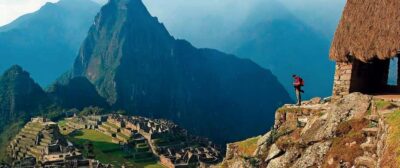
4-Day Inca Trail to Machu Picchu with Accommodation
Read our review →
Machu Picchu 2-Day Inca Trail with Panoramic Train
Read our review →
Short Inca trail to MachuPicchu || 2days – 1nigth ||
Read our review →
Small Group 5 Days Salkantay and Machu Picchu by Llactapata Tour
Read our review →
Browse the lists this tour appears in