
Reviewed · MACHU PICCHU TOURS
4 Days Inca Jungle Adventure to Machu Picchu
The best part of this four-day route is the change in scenery. You begin high in the Andes at Abra Malaga, then roll downhill by bike into warmer valleys, walk through coffee and cacao country, soak at Cocalmayo, and finish at Machu Picchu. It feels less like a straight march to the ruins and more like a string of outdoor days linked together.
I like the mix of activity and local stops, especially the family-run rest point at Pispitayoq and the first jungle hostel, where you may find homegrown food and coffee. I also like the small group limit of 10, which gives guides such as Andy or Carlitos room to keep an eye on the group. The main caution is simple: Day 2 is tough, and the basic hostel rooms may not suit anyone expecting polished hotel comfort.
Key details at a glance
- A 4,350-meter starting point: Begin at Abra Malaga, then cycle downhill toward Huamanmarca through changing Andean scenery.
- A busy outdoor itinerary: Biking, hiking, optional rafting, optional zip-lining, hot springs, and the Machu Picchu visit all fit into four days.
- A real walking route: Day 2 follows an ancient Inca path through cloud forest, plantations, villages, and a river crossing.
- Three simple hostel nights: Rooms include private bathrooms and hot showers in Aguas Calientes, while earlier stays are more basic.
- Good value at $439: The price covers transport, meals, guide services, activities listed as optional, Machu Picchu entry, bike equipment, and lodging.
- A choice at the end: Return by the cheaper car route via the Hydroelectric Station, or pay more for the faster train option.
From Abra Malaga to the warm valley
Your first morning begins with a 7:00 am hotel pickup in Cusco. If your hotel sits outside the historic center, you’ll wait by the fountain in the main square instead. That small detail matters in Cusco, where a clear pickup point can save a sleepy morning of phone calls and guesswork.
The drive stops in Ollantaytambo for breakfast and shopping before continuing uphill to Abra Malaga. Breakfast is not included on Day 1, so bring money or a snack for this stop. At roughly 4,350 meters, the pass is high enough that altitude can affect you before the biking even begins. This trip is not suitable for people with altitude sickness, and you should take that warning seriously.
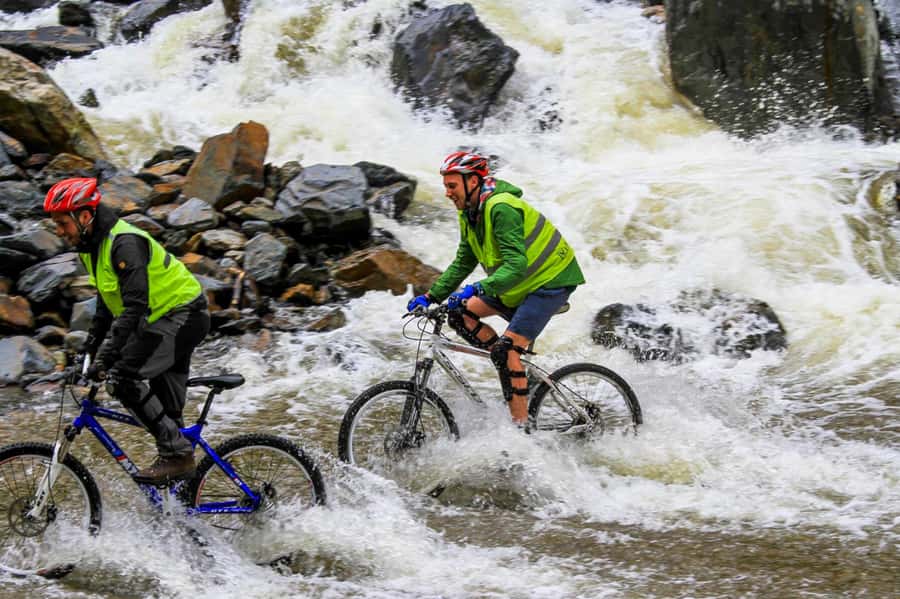
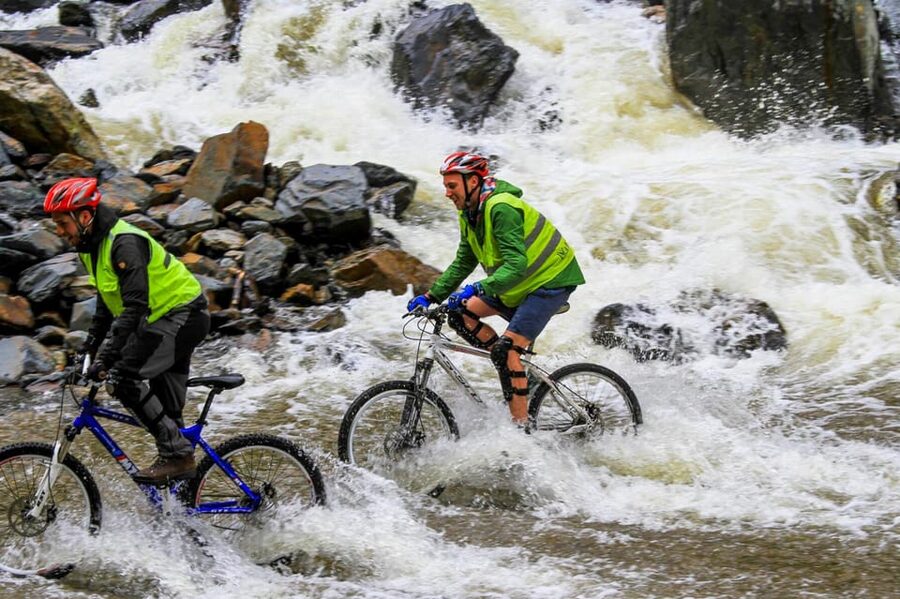
The bike ride runs downhill from Abra Malaga to Huamanmarca. You receive a mountain bike and protective equipment including a helmet and knee pads. The route’s appeal comes from the steady change in climate and scenery as you lose altitude, not from technical mountain biking alone.
You do not need to be a serious cyclist, but basic biking ability helps. The route can feel demanding if you are uncomfortable handling a bike on a long downhill stretch. Keep your hands relaxed, follow the guide’s instructions, and do not treat the descent as a race.
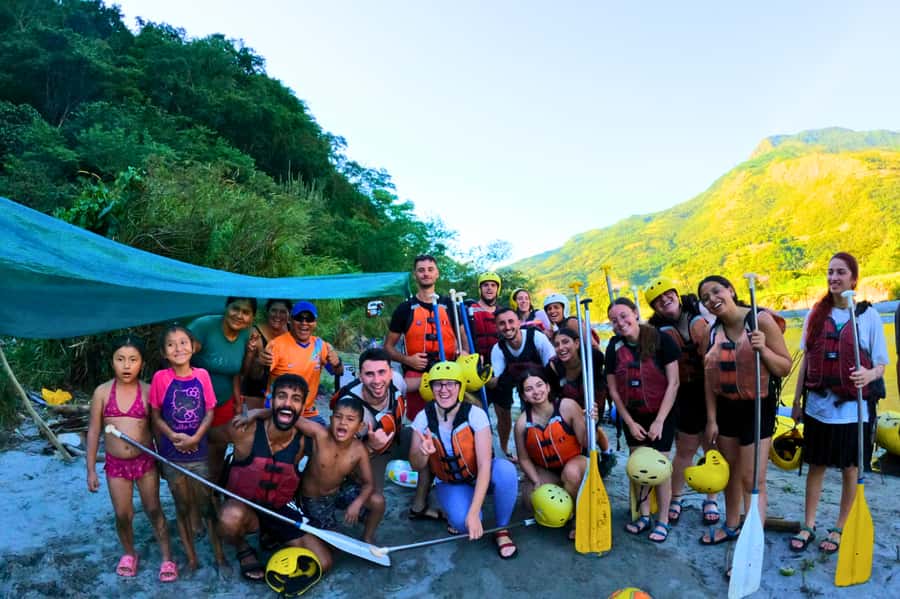
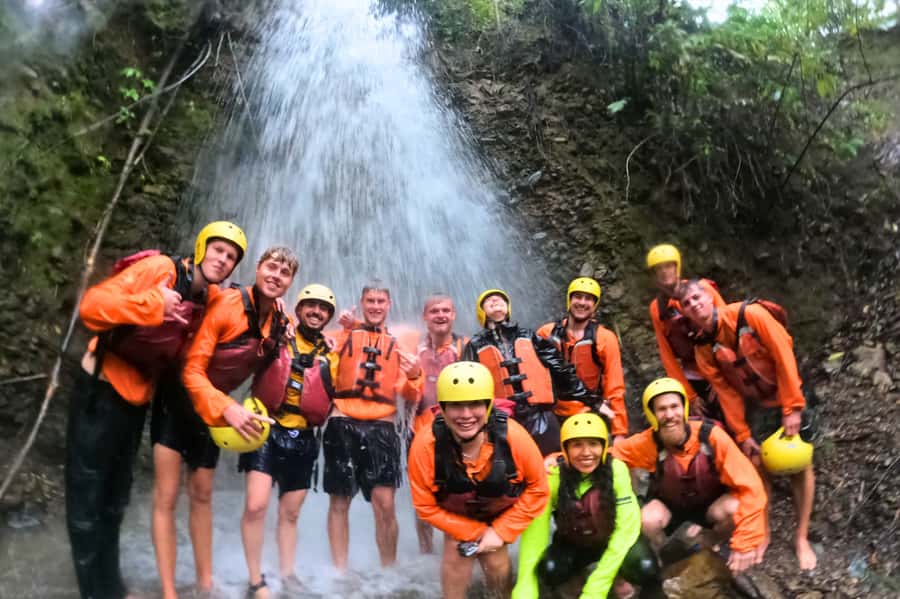
From Huamanmarca, private transport continues to Santa Maria. You can add rafting on the Vilcanota River, making the first day a lively one before settling into the hostel. Lunch and dinner are included, along with the first overnight stay. Expect a friendly, functional place rather than a luxury lodge.
Other trips into the rainforest from Peru:
- Tambopata Peruvian Amazon Jungle for Three Days/Two Nights
★ 4.5 · 329 reviews - Puerto Maldonado: 4-Day Tambopata Rainforest Tour
★ 4.6 · 213 reviews - Puerto Maldonado: Sandoval Lake 4-Day, 3-Night Guided Tour
★ 4.5 · 90 reviews
Day 2 follows an old Inca path
Day 2 begins at 6:30 am after breakfast, so this is not a slow holiday morning. The hike leads through cloud forest and agricultural areas where coca, coffee, cacao, and native fruit grow. These plantations give the walk a useful local focus. You are not simply walking through trees. You are seeing how people use this warm, wet valley.
A rest stop at the Pispitayoq family house adds a personal touch. The tour also passes through Qellomayu village, where you stop for lunch before continuing for about three more hours. This is the longest-feeling day for many people because the walking comes after an early start and keeps going through the afternoon.
The path includes an old Inca route, which gives the hike its strongest sense of place. It is a chance to see how the route connects villages and farms rather than experiencing the Inca past only through monumental ruins. Your bilingual guide can explain the local setting and the history along the way.
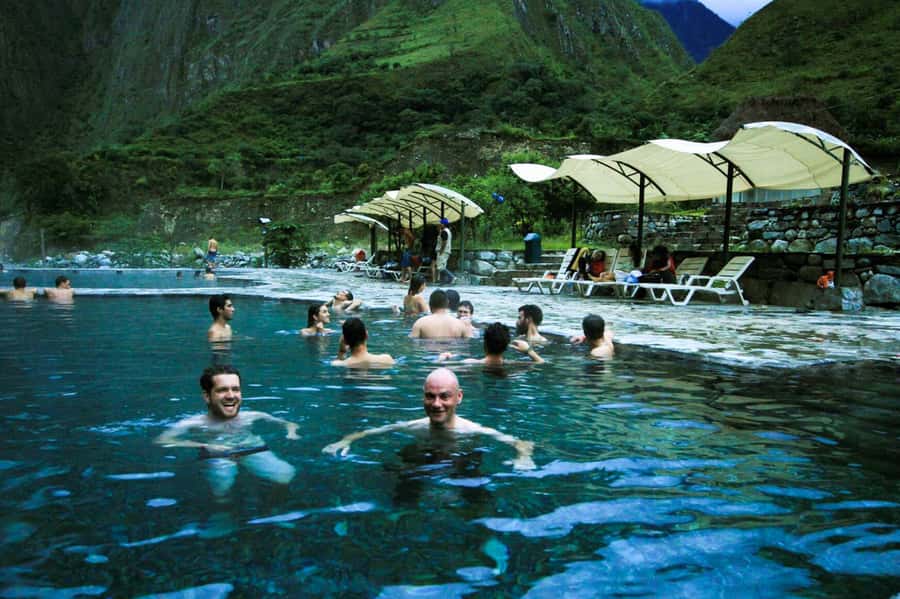
The route eventually reaches the Vilcanota River. You cross by a monkey bridge, then head to Cocalmayo hot springs. The entrance fee is not included and costs $3. Bring a little cash. The hot springs are well timed here, giving your legs a chance to recover after the day’s climb and walking.
After soaking, you continue to Santa Teresa for the night. Dinner and accommodation are included. This is the day when good footwear, water, sun protection, and a small pack matter most. One useful tip is to pack as lightly as possible. You will move between hostels, transport, trails, and Aguas Calientes, and a bulky bag quickly becomes a nuisance.
Zip-lines, rail tracks, and Aguas Calientes
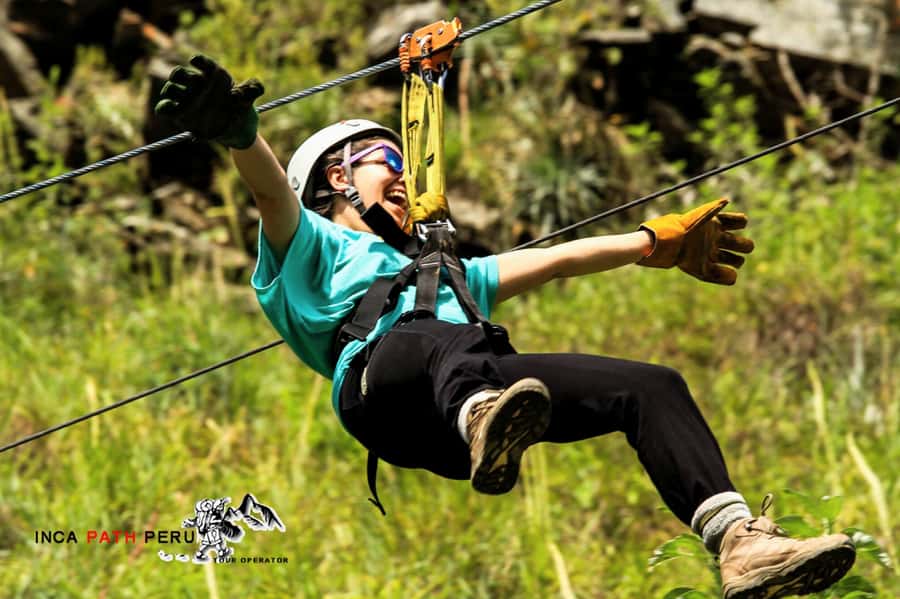
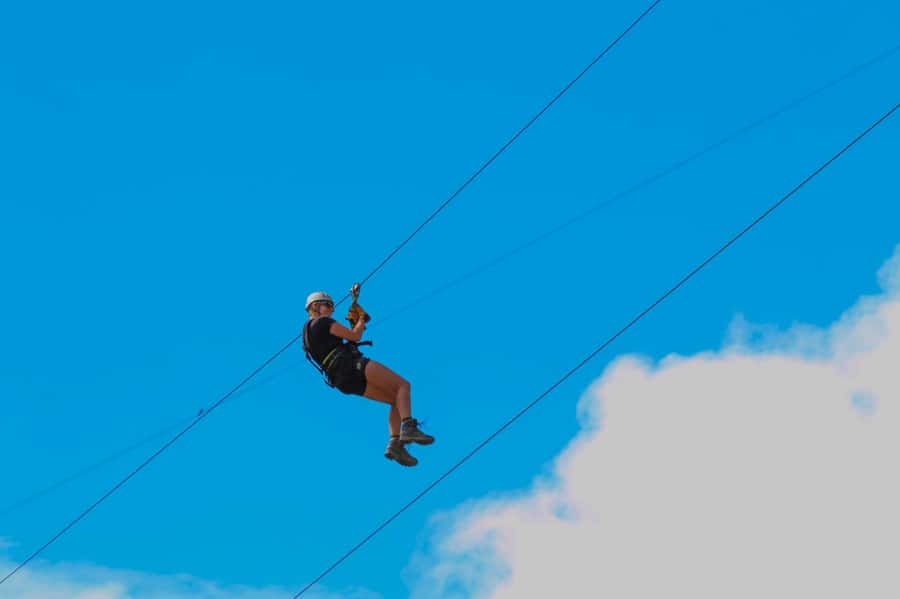
After breakfast at 7:00 am on Day 3, you can choose an optional zip-line before the walking resumes. This adds another burst of adrenaline, but it also makes an already active itinerary busier. If you are tired from Day 2, skipping it may be the sensible choice.
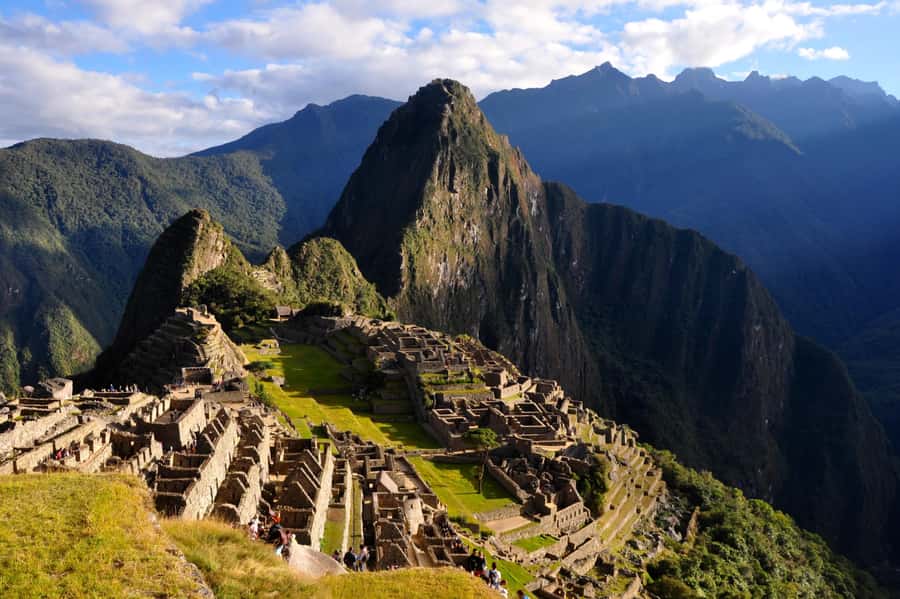
The walking route heads toward the Hydroelectric Central Station, where you stop for lunch. From there, you follow the railroad toward Aguas Calientes. This section is less remote than the cloud forest hike, but it has its own reward: views toward Machu Picchu Mountain and the growing sense that the main event is close.
You arrive around 5:00 pm and check into a hostel with a private bathroom and hot showers. That sounds basic, but after two active days it is an important comfort. The evening is free for rest and preparation for the early start at Machu Picchu.
Three breakfasts, three lunches, and three dinners are included across the trip. You still need money for snacks, the first morning’s breakfast, and lunch at Machu Picchu. Restaurant choices are available there, but the meal itself is not part of the package.
Sunrise at Machu Picchu
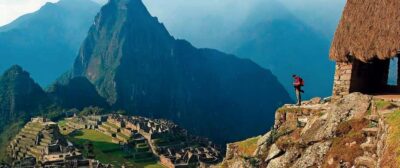
Day 4 starts around 4:00 am. You meet your guide and either hike up to Machu Picchu or take the bus for an extra charge. The bus costs $15 one way, or $30 for a round trip. The early departure is tiring, but it puts you at the site for the morning visit.
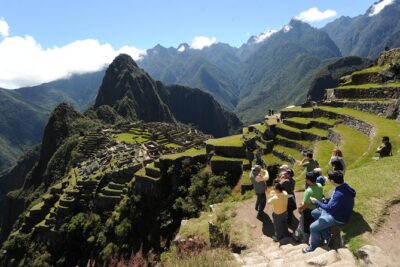
Your guide leads a two-hour tour of Machu Picchu. This is where the quality of the guide matters most. Past departures have included guides named Andy and Carlitos. Carlitos was praised for his enthusiasm for Inca history and religion, while Andy was noted for keeping the group moving through the harder parts of the trek. Guides can change, but the format gives you both structured explanation and time to explore alone afterward.
Once the guided portion ends, you can continue independently. Huayna Picchu and Machu Picchu Mountain are possible add-ons, but each requires an extra fee and early booking. Do not assume you can decide at the gate. The number of spaces and the entry arrangements need to be handled ahead of time.
One practical point deserves attention: the exact Machu Picchu entry time may not be known until the day before. That can make planning less certain, particularly if you have a tight schedule after the visit. Build in flexibility rather than booking an immediate connection.
You return to Aguas Calientes around midday. From there, the trip offers two broad ways back to Cusco. The cheaper option involves walking back to the Hydroelectric Station and taking a car, a journey of about seven hours. The more convenient option uses the train to Ollantaytambo, followed by a car to Cusco, taking about five hours and costing more.
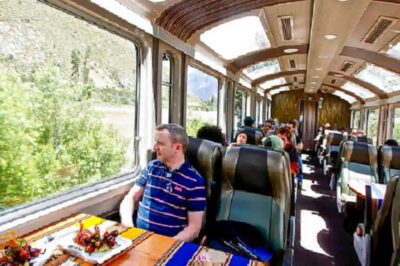
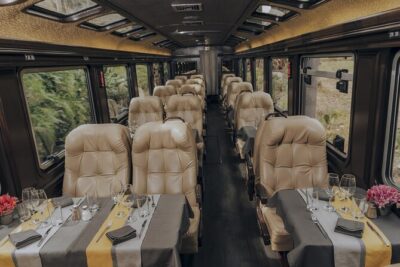
The train adds a final scenic ride and avoids the long walk back to the station. If your legs are tired, or if you value time more than money, it is likely the better choice. If keeping the total cost down matters most, the car route is the practical pick.
Other ways up to Machu Picchu from Peru:
- From Cusco: Full-Day Group Tour of Machu Picchu
★ 4.7 · 1,767 reviews - Machu Picchu Day Trip from Cusco
★ 4.5 · 1,644 reviews - Machu Picchu: Full-Day Tour from Cusco with Optional Lunch
★ 4.6 · 927 reviews - Cusco: 4-Day Inca Trail to Machu Picchu with Accommodation
★ 4.8 · 432 reviews
What $439 really covers
At $439 per person, the trip packs a lot into four days. The price includes hotel pickup and drop-off in Cusco, private transport to Abra Malaga and Santa Maria, a bilingual English and Spanish guide, three hostel nights, nine included meals, mountain bike equipment, Machu Picchu entry, and return transport by car or train as an available option.
Rafting and zip-lining are listed as optional activities, so confirm how those choices are handled when booking. The Cocalmayo entrance fee, Machu Picchu bus, Day 1 breakfast, lunch at Machu Picchu, and snacks are extra.
The value is strongest if you want an active route with many moving parts arranged for you. Buying transport, lodging, meals, a bike, guide services, and Machu Picchu entry separately would take more planning. The tradeoff is that the accommodation remains basic and the days are tightly scheduled.
The group limit is 10 participants, which is a useful middle ground. You get more company and lower cost than with a private trip, but the group should remain small enough for the guide to give practical help on the trail. The 4.5 rating from seven published bookings suggests a strong overall response, though the sample is small.
How hard is the four-day route?
This is an active trip, not a sightseeing tour with a few gentle walks. Day 1 combines high-altitude travel, biking, transport, and optional rafting. Day 2 is the main hiking challenge, with an early departure, plantation paths, an ancient Inca trail, a river crossing, and several more hours of walking after lunch.
Day 3 is easier in structure but still includes the optional zip-line and the walk from the Hydroelectric Station to Aguas Calientes. Day 4 requires a 4:00 am start and several hours of sightseeing, followed by a long return to Cusco.
You should be comfortable walking for extended periods and managing early mornings. Bring your passport, which is required, and keep your bag small. Pack sturdy walking shoes, light clothing for warm valleys, a warmer layer for the high pass, rain protection, sun protection, a refillable water bottle, and cash for the hot springs and other extras. The supplied requirements specifically call for your passport, but the wider route makes practical trail gear important.
Do not feed animals along the way. That rule is simple and worth following.
The food and accommodation tradeoff
The meals and lodging help keep the cost manageable, but you should set your expectations correctly. Earlier nights are in hostels, including a first stay in the jungle area that has been noted for homegrown and homemade food and coffee. That sort of stop can be more memorable than a standard hotel because it connects the route to local life.
At the same time, hostel accommodation is not the same as a full-service hotel. The rooms are basic, though the Aguas Calientes stay includes a private bathroom and hot showers. If you need polished rooms, quiet evenings, or room service, this is the wrong kind of trip.
The included meals also make budgeting easier. You will still want snacks for the trail, especially on the long second day. Lunch at Machu Picchu is separate, giving you the freedom to choose a restaurant and decide how much time to spend eating.
Who will enjoy this route most?
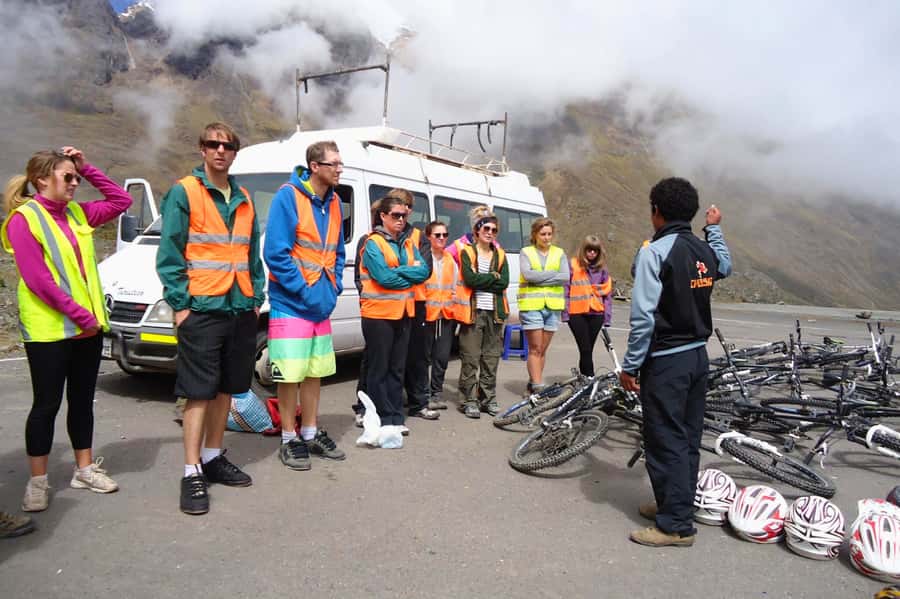
I would choose this trip if you want Machu Picchu paired with real outdoor activity. It suits you if biking, hiking, warm springs, river activities, and simple local lodging sound as appealing as the ruins themselves.
It is also a good fit if you want a small group and an English or Spanish guide without paying for a fully private itinerary. The guide can help with trail pacing, transport changes, and the historical part of Machu Picchu.
I would look elsewhere if you want a relaxed four-day schedule, dislike basic hostels, have altitude problems, or need firm control over exact Machu Picchu entry times. The trip gives you variety, but it does not give you much spare time.
Free cancellation is available up to 24 hours before departure, and you can reserve now and pay later. Those terms help if your Cusco plans are still moving, but they do not change the physical demands of the route.
Should you book the Inca Jungle Adventure?
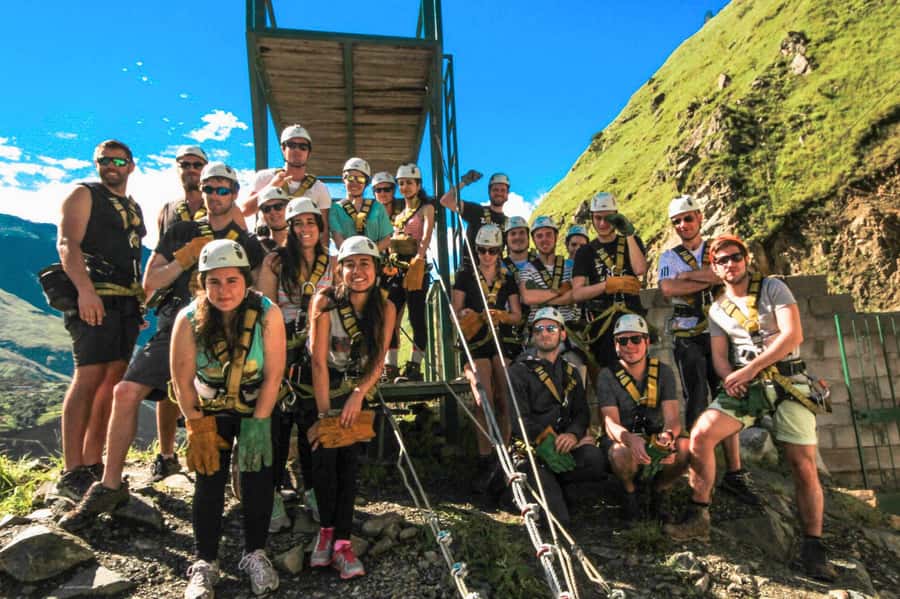
Book it if you want a more active and varied way to reach Machu Picchu. The strongest features are the downhill ride from Abra Malaga, the cloud forest hike through coffee and cacao country, the Cocalmayo soak, and the chance to add rafting and zip-lining. The guides, including past leaders such as Andy and Carlitos, are an important part of the experience.
Skip it if you want a quiet luxury break or a short, easy approach to Machu Picchu. For $439, the package offers solid value, but you pay for that value with early mornings, simple accommodation, long days, and several optional expenses. Pack light, prepare for Day 2, and keep your return plans flexible. If that sounds manageable, this route gives you far more than a quick visit to the ruins.
FAQ
How long is the Inca Jungle Adventure?
The experience lasts four days and ends with your return to your hotel in Cusco.
What time is pickup on the first day?
Pickup begins at 7:00 am from hotels in Cusco. If you are staying outside the historic center, wait by the fountain in the main square.
What languages does the guide speak?
The tour is offered with a bilingual guide speaking English and Spanish.
How many people are in the group?
The group is limited to 10 participants.
Is rafting included?
River rafting is listed as an optional activity. Confirm the exact arrangement when booking.
Is zip-lining included?
Zip-lining is also optional and takes place on Day 3 before the walk toward the Hydroelectric Central Station.
How much does Cocalmayo hot springs cost?
The entrance fee is $3 per person and is not included in the tour price.
Can I take a bus to Machu Picchu?
Yes. The bus costs $15 one way, or $30 for a round trip. You can also hike to the site.
What is included in the return to Cusco?
You can return by car via the Hydroelectric Station, which takes about seven hours and costs less, or by train to Ollantaytambo followed by a car, which takes about five hours and is more convenient but more expensive.
More four-day trips from Peru
- 4 Day Tour to the Manu National Park
★ 5.0 · 81 reviews - Choquequirao Trek 4 days and 3 nights
★ 5.0 · 81 reviews - Cusco Sacred Valley and Machupicchu 4 Days
★ 5.0 · 80 reviews - Ancascocha Trek To Machu Picchu 4 Days And 3 Nights
★ 5.0 · 77 reviews
Just added around Peru
- From Huaraz: Full-Day Trek to Parón Lagoon★ 3.3 · 3 reviews
- 2-Day Colca Canyon Tour to Puno with accommodation★ 3.9 · 3 reviews
- Ancash: Trekking to Paron Lagoon with Entrance | Full day|★ 3.2 · 3 reviews
- Andes: Colca Canyon Day-Trip★ 4.3 · 50 reviews
- Ancash: Trekking to Paron Lagoon with Entrance | Full day|★ 4.1 · 9 reviews
- 7 Colors Mountain Tour + Red Valley★ 4.0 · 3 reviews
- Amazonian Adventure 3 Days: Exploring the Jungle from Cusco★ 4.0 · 8 reviews
- Amazonas Manu Cultural Zone 4 Days / 3 Nights★ 4.2 · 8 reviews
Machu Picchu Tours, compared.
4-Day Inca Trail to Machu Picchu with Accommodation
Read our review →
2-Day Trip to the Sacred Valley and Machu Picchu
Read our review →
Machu Picchu 2-Day Inca Trail with Panoramic Train
Read our review →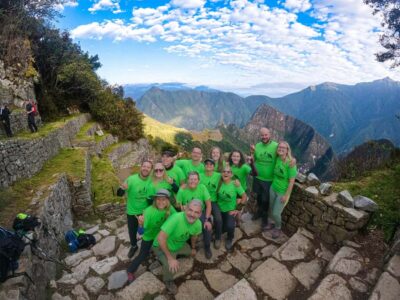
The First Class Machu Picchu Train by Inca Rail
Read our review →Browse the lists this tour appears in