
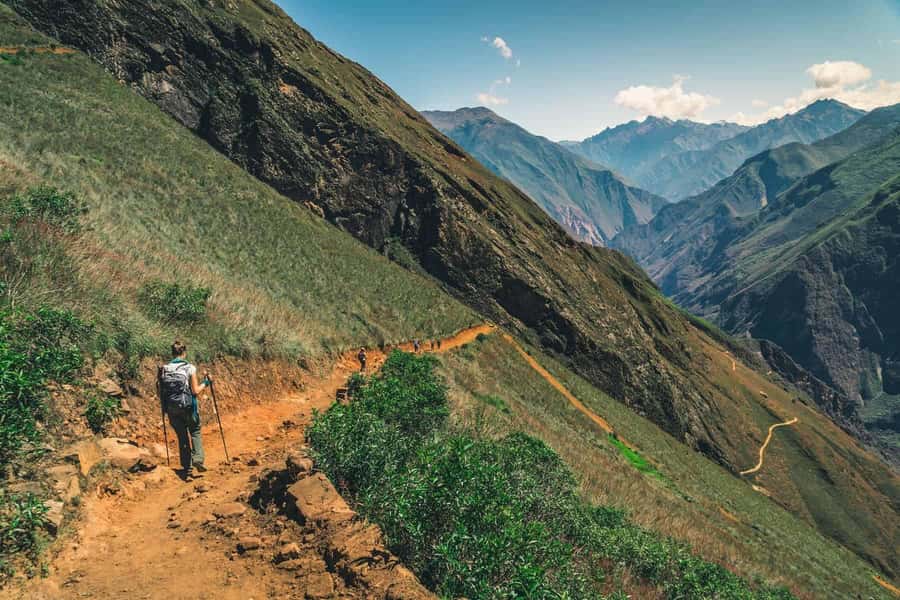
Reviewed · INCA TRAIL & SALKANTAY TREKS
Trek to Choquequirao 4 days
Choquequirao is often called Machu Picchu’s sister city, but reaching it is a much tougher bargain. This four-day route drops from the Capuliyoc Viewpoint into the Apurímac Canyon, climbs to the ruins, and then makes you climb back out. You get a true mountain trek, not a quick ruin visit.
I like the small group limit of 15, which should make the long walking days easier to manage. I also like the practical support: cooked meals, a guide, muleteers, horses for extra luggage, and a 5-kilogram duffel allowance. The big catch is the physical demand. Long descents and steep climbs arrive on every day, and the final four-hour uphill walk begins before sunrise.
Key points
- Choquequirao by foot: Reach the archaeological site through the Apurímac Canyon rather than by a short transfer.
- Four demanding days: Expect major climbs, including the return to Capuliyoc on the final morning.
- Small groups: The tour accepts no more than 15 participants.
- Camping support: Three nights of rural accommodation, cooked meals, muleteers, and a mule for extra luggage are included.
- Extra costs: The entrance ticket, first breakfast, last dinner, drinking water, showers, poles, and optional horseback riding cost extra.
- Strong guide and food ratings: The available feedback praises the guide, meals, scenery, group atmosphere, and the challenge of the route.
Why Choquequirao Takes Four Hard Days
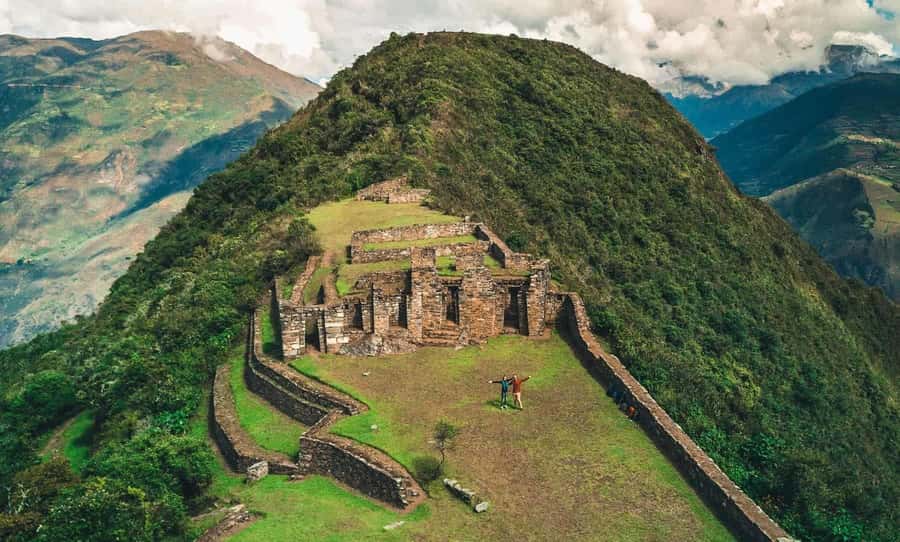
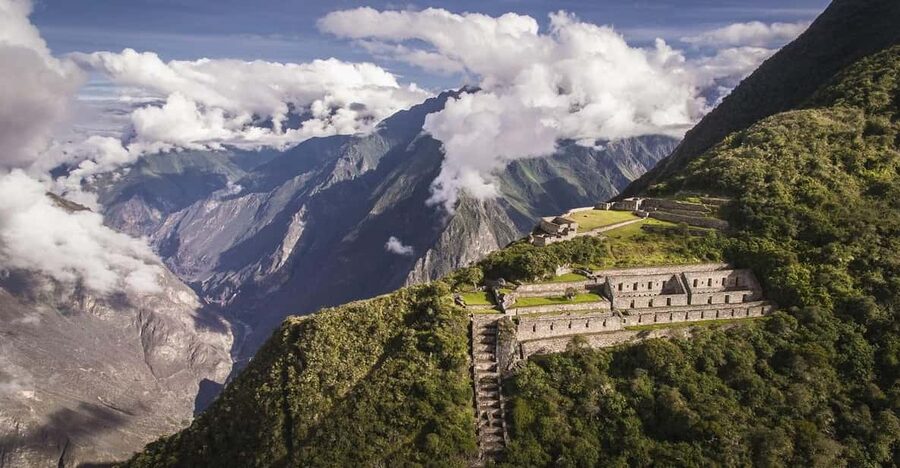
Choquequirao rewards effort with a sense of remoteness that is difficult to find around Cusco. The site is full of history and mystery, but the approach matters just as much as the ruins. You walk into a vast canyon, sleep in simple rural camps, and watch the route change from high viewpoints to hot river country and back again.
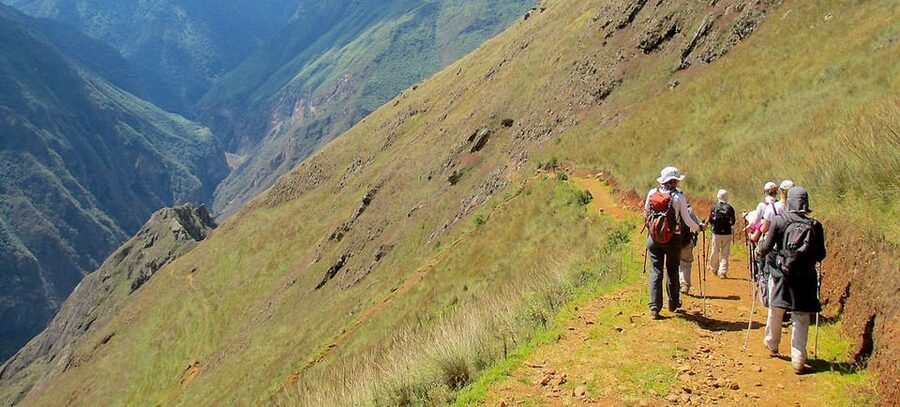
This is not a gentle sightseeing walk. The trek begins with a long descent, drops toward the Apurímac River, climbs to the archaeological complex, and later retraces much of the vertical work. You should be comfortable walking for several hours at a time and handling steep uphill sections.
The price is $366 per person. That is a useful value when you count transportation from Cusco to Cachora and back, meals, three nights of rural accommodation, a guide, mule support, and a 5-kilogram duffel bag. It is less of a bargain if you need a horse, hot showers, bottled or carried water, trekking poles, or other extras.
Other walks into the mountains in Cusco:
- From Cusco: 7 Lakes Ausangate Trek with Breakfast and Lunch
★ 4.8 · 360 reviews - Cusco: Rainbow Mountain Tour and Red Valley Hike (Optional)
★ 4.7 · 149 reviews - Cusco: Full-Day Rainbow Mountain & Red Valley Trekking Tour
★ 4.5 · 121 reviews
Day 1: From Cusco to Capuliyoc and Santa Rosa
The day begins at 5 am at the meeting point in Cusco. A vehicle takes you toward Curahuasi, about three hours away, where you stop briefly for breakfast. That first breakfast is not included, so plan for the expense and do not arrive without something to eat.
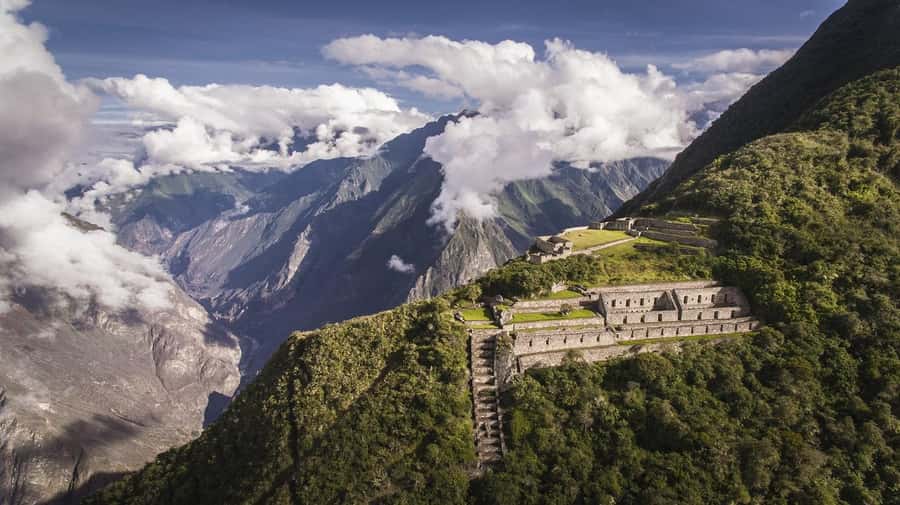
After another hour by car, you reach the Capuliyoc Viewpoint. This is where the walking begins. The viewpoint gives you an early look at the surrounding mountains and the Apurímac Canyon, but the main point is practical: from here, the trail heads down.
The first major walking section takes about three hours to Chiquisca, where lunch is prepared. This descent can be harder than it sounds. Downhill walking puts pressure on your knees, and the altitude change gives the day a warm, exposed feel as you lose elevation.
After lunch, you continue down to Playa Rosalinas. The name can make this sound like a beach stop, but treat it as a resting point by the river route rather than a swimming break. You then begin climbing for about two hours to Santa Rosa.
At Santa Rosa, the camp is set up for you. Dinner follows, then your first night outdoors. The day combines roughly four hours of road travel with about five hours of walking, so the early start is no small detail. I would keep your daypack light, save your legs on the descent, and carry only what you need until your larger bag is handled by the mule team.
Day 2: The Climb to Choquequirao
A hot coca tea wake-up comes around 6 am, followed by breakfast. From Santa Rosa, you walk uphill for about two hours to Maranpata. This is a steady test early in the morning, but it also gets you closer to the reason for the trek.
At Maranpata, the cooks, muleteers, and horses remain behind to prepare lunch and carry it toward Choquequirao. You continue to the archaeological site with the guide. The plan is to arrive at about 9:30 am, giving you time to explore before returning to Maranpata for dinner and the night.
This arrangement is one of the tour’s practical strengths. You are not expected to haul every meal and piece of camping equipment into the ruins. The group can focus on the site while the support team handles food and camp needs.
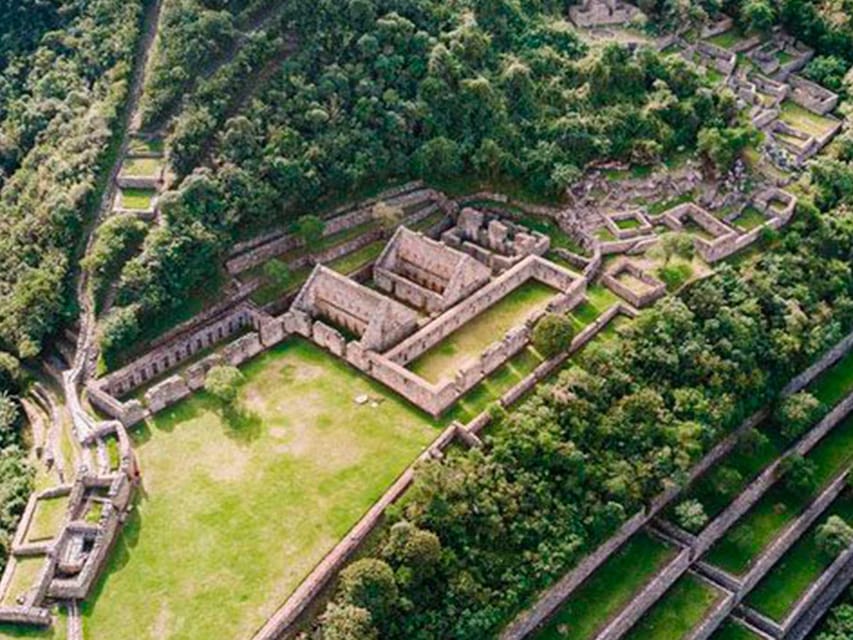
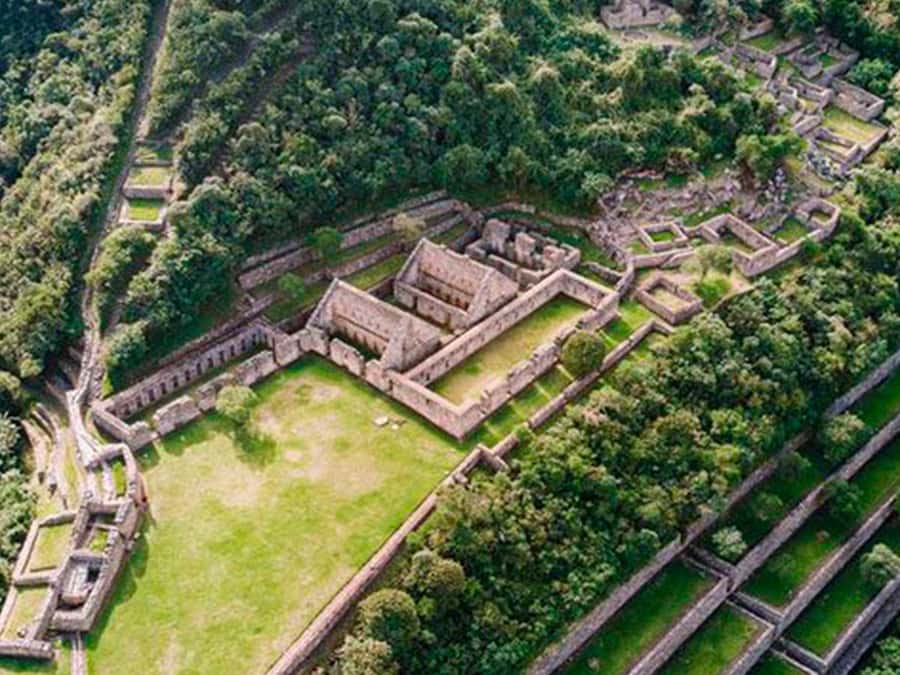
Choquequirao itself is the central reward. Your guide explains the complex, its history, and its unanswered questions, then you have free time to explore independently. That balance is useful. A guided explanation helps you understand what you are seeing, while unstructured time lets you slow down and take in the setting without staying glued to the group.
Do not treat this as a quick photo stop. The ruins are reached after a hard climb, and the site deserves time. You may still feel the previous day in your legs, especially after the long descent from Capuliyoc. Wear shoes with good grip, protect yourself from the sun, and keep your pace controlled.
The return to Maranpata takes place in the afternoon. You eat dinner there and sleep at camp. Because the route returns to the same general area rather than continuing to another distant camp, this day is more focused on Choquequirao itself.
Day 3: Down to the Apurímac River and Chiquisca
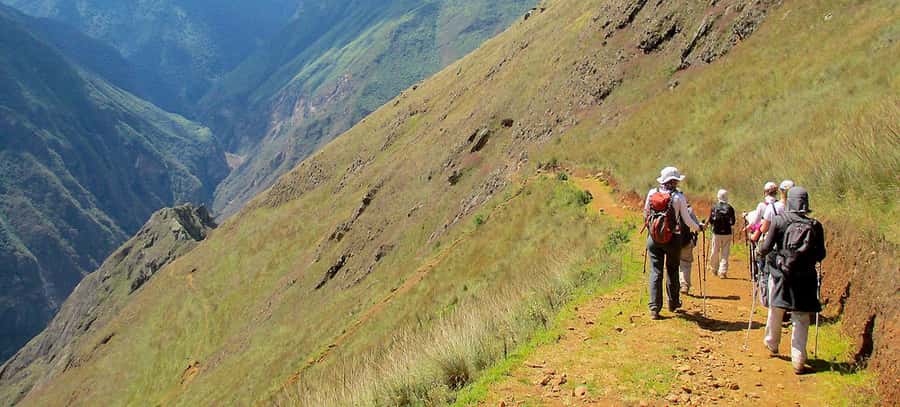
Breakfast is planned for about 8 am, giving you a later start than the first two days. You then descend for around three hours toward the Apurímac River canyon.
This is another major downhill section. The river stop offers a chance to rest and eat lunch prepared by the cooks. The canyon setting is one of the trip’s defining features, and the route lets you experience the scale of the terrain from the bottom rather than only from a viewpoint above.
After lunch, the trail climbs for about two hours to Chiquisca, your third camp. That down-and-up pattern is the story of this trek. You lose elevation, reach the river, and then pay for the view with another climb.
At Chiquisca, you can interact with local residents and taste a typical sugar-cane drink. This is a modest but worthwhile part of the schedule because it connects the trek to the communities along the route. It also gives you something different from the archaeological focus of the previous day.
Dinner and the night are spent at camp. The rural accommodation is basic by design. Three nights in rural lodging are included, but you should not expect hotel comforts. Hot showers and towels cost an additional 40 soles per person, and Wi-Fi costs 20 soles. Those services may matter after several hard walking days, so carry some extra local currency.
Other multi-day treks out of Cusco:
- Cusco: 4-Day Inca Trail to Machu Picchu with Accommodation
★ 4.8 · 432 reviews - Cusco: Machu Picchu 2-Day Inca Trail with Panoramic Train
★ 4.9 · 260 reviews - From Cusco: 2-Day Inca Trail to Machu Picchu
★ 4.2 · 244 reviews - Machu Picchu: Inca Trail 2-Day Overnight Guided Tour
★ 4.9 · 203 reviews
Day 4: The Four-Hour Climb Back to Capuliyoc
The final day starts around 5 am after breakfast. The early departure is meant to avoid the strongest sun, which is especially important because the route climbs uphill for about four hours back to the Capuliyoc Viewpoint.
This is the trek’s final test. Your legs have already handled several steep sections, and the uphill return comes after three nights on the trail. The pace matters more than speed. Keep your breathing steady, use poles if you have them, and take the climb in manageable sections.
At Capuliyoc, you wait for lunch while enjoying views of the surrounding mountains and the Apurímac Canyon. Lunch is included, but the final dinner in Cusco is not. After eating, you take the vehicle back to Cusco and should arrive around 4:30 pm.
That arrival time makes the tour a full four days rather than a short add-on to a Cusco visit. Do not schedule an important evening activity too tightly. Road conditions, group pace, and the long final walk can affect the return.
Meals, Mules, and What You Carry
Meals are included on the walking days, and the cooks prepare breakfast, lunch, and dinner at camp or along the route. The food receives strong praise in the available feedback, which matters here because a good meal is more than a pleasant extra after a long climb. It helps you keep going.
Your first breakfast and last dinner are excluded. Rehydration water is also not included, and the tour specifically excludes water for your canteens. You need to budget for drinking water and bring a way to carry enough for the day.
A mule and muleteer are included for extra luggage, along with one Dafort bag with a 5-kilogram limit. That is enough for a change of clothes, toiletries, and other small necessities, but not for a large suitcase. Keep your daypack focused on personal essentials, water, sun protection, rain protection, and anything you may need during the walking hours.
Trekking poles are listed as an extra at 30 soles per pair. They are also mentioned among the items not included, so confirm the arrangement when booking. Horseback riding costs 200 soles. It is not part of the base price, but it may be useful if you decide the climbs are too much.
How the $366 Price Works for You
At $366, this tour covers the expensive logistical pieces of a remote trek. Transport takes you from Cusco to the trail area and back. You receive a guide, three nights of rural accommodation, cooked meals, mule support, and a duffel allowance.
The entrance ticket is separate: 60 soles for adults and 30 soles for students. You also need to add the first breakfast, last dinner, drinking water, and any shower, Wi-Fi, pole, or horse costs. The final cost can therefore be noticeably higher than the advertised price if you want several comforts.
Still, the base price has real value for anyone who wants a supported Choquequirao trek without arranging transport, camps, cooks, and pack animals independently. The strongest value comes when you use the included support but pack simply and skip optional services.
What the Guide and Group Size Add
The tour provides a live guide in English or Spanish, with a maximum group size of 15. That is a sensible size for a demanding route. A guide can help keep the group together, explain Choquequirao, and coordinate with the cooks and muleteers.
The available feedback gives special credit to the guide, the food, the route, and the friendly group atmosphere. One person described the trek as very tiring but praised the guide and trail. That is the right expectation: the support can make the experience smoother, but it cannot remove the steep climbs.
No guide name is provided, so you cannot choose a particular guide in advance. If you need detailed explanations in a specific language, confirm that your preferred language is available for your departure.
Who Should Book This Trek
I would choose this trek if you want a serious walking challenge, archaeological history, canyon scenery, and a small-group format. It suits people who would rather earn a remote site on foot than take the easiest route to a famous ruin.
You should think twice if you dislike camping, long descents, repeated uphill sections, or early starts. The tour does not present itself as an easy cultural outing. The phrase hardest treks in Cusco is not decoration. The itinerary includes about four hours uphill on the final day alone.
A reasonable preparation plan is to walk regularly before arriving in Peru, especially on hills or stairs. Practice carrying a daypack, and do not wait until the first day to test your shoes. Your pack should stay light, since the mule service is intended for extra luggage.
Booking Details and Flexibility
You can cancel up to 24 hours in advance for a full refund, and you can reserve now and pay later. Starting times depend on availability, but the itinerary itself begins very early, with a 5 am pickup on the first day and a 5 am walking start on the last day.
The small-group limit is 15 people. The experience is operated by Exploor Trip E.R.L. Spanish and English are the listed guide languages.
Should You Book the Choquequirao Trek?
Book it if you want the challenge as much as the destination. The route gives you four days of canyon walking, rural camp life, support from cooks and muleteers, and a proper visit to Choquequirao. The food and guide support are major positives, and $366 is a fair base price for the logistics included.
Skip it if you want a relaxed ruin visit or reliable hotel comfort. The extra costs add up, the days begin early, and the final climb is demanding. For fit hikers who want a harder alternative to the usual Cusco circuit, this is a strong choice. For everyone else, the route may feel like too much work before the rewards arrive.
FAQ
How long is the Choquequirao tour?
The tour lasts four days and includes three nights in rural accommodation.
How much does the tour cost?
The listed price is $366 per person.
What language is the guide available in?
The live guide is available in Spanish or English.
How large is the group?
The tour is limited to 15 participants.
Is transportation from Cusco included?
Yes. Transportation from Cusco to Cachora and back to Cusco is included.
Is the Choquequirao entrance ticket included?
No. The entrance ticket costs 60 soles for adults and 30 soles for students.
Are meals included?
Meals are included during the trek, but the first breakfast and last dinner are not included.
Is extra luggage support provided?
Yes. A mule and muleteer are provided for extra luggage, along with one Dafort bag with a 5-kilogram limit.
Can I cancel the booking?
Yes. You can cancel up to 24 hours in advance for a full refund.
More four-day trips from Cusco
- 4 Day Tour to the Manu National Park
★ 5.0 · 81 reviews - Cusco Sacred Valley and Machupicchu 4 Days
★ 5.0 · 80 reviews - Ancascocha Trek To Machu Picchu 4 Days And 3 Nights
★ 5.0 · 77 reviews - 4 Day Inca Trail Trek to Machu Picchu Multi day tour
★ 5.0 · 70 reviews
More hiking tours in Cusco
- Salkantay Trek Challenge – 3 Days / 2 Nights
★ 5.0 · 101 reviews - From Cusco: Rainbow Mountain Trek
★ 4.5 · 98 reviews - Private Palccoyo Rainbow Hike Without the Crowds
★ 5.0 · 86 reviews - Choquequirao Trek 4 days and 3 nights
★ 5.0 · 81 reviews
Just added around Cusco
- Zipline over the Sacred Valley Trip★ 5.0 · 11 reviews
- Waqrapukara 1 day trekking + meals★ 3.9 · 3 reviews
- Visit Pisac from Cusco: Private Transport★ 4.6 · 9 reviews
- Valle Sur Cusco | half day★ 4.3 · 3 reviews
- Trek to Humantay Lake from Cusco★ 4.9 · 8 reviews
- rainbow mountain full day★ 5.0 · 44 reviews
- Machu picchu one day by train all included★ 4.5 · 53 reviews
- Exclusive Huayna Picchu Tour in 1 Day from Cusco★ 5.0 · 31 reviews
Inca Trail & Salkantay Treks, compared.
4-Day Inca Trail to Machu Picchu with Accommodation
Read our review →
7 Lakes Ausangate Trek with Breakfast and Lunch
Read our review →
Machu Picchu 2-Day Inca Trail with Panoramic Train
Read our review →
Short Inca trail to MachuPicchu || 2days – 1nigth ||
Read our review →
Small Group 5 Days Salkantay and Machu Picchu by Llactapata Tour
Read our review →
Browse the lists this tour appears in