
Reviewed · MACHU PICCHU TOURS
Cusco: 4-Day Inca Trail to Machu Picchu with Accommodation
The best thing about this four-day route is its variety. You begin with a fast downhill bike ride from Abra Málaga, walk old Inca paths through coffee and coca country, sleep in a forest eco-house, and finish at Machu Picchu. It is not the classic high-altitude Inca Trail, but an active approach through the Inca Jungle.
I like the small groups, limited to nine people, and the way the trip mixes hard walking with easier transport and optional thrills. I also like the local touches: roasting coffee with a family, learning about Andean culture from guides such as Francis, Gerson, Luis, and Amaru, and soaking in Cocalmayo’s thermal baths.
The main drawback is that the accommodation is practical rather than polished, especially near Aguas Calientes. You should also budget for hot-spring entry, the optional Machu Picchu bus, drinks, and extra activities such as rafting or ziplining.
Key points to know before booking
- A 50-kilometer downhill bike ride begins at Abra Málaga, crossing Puna and cloud-forest scenery over about three hours.
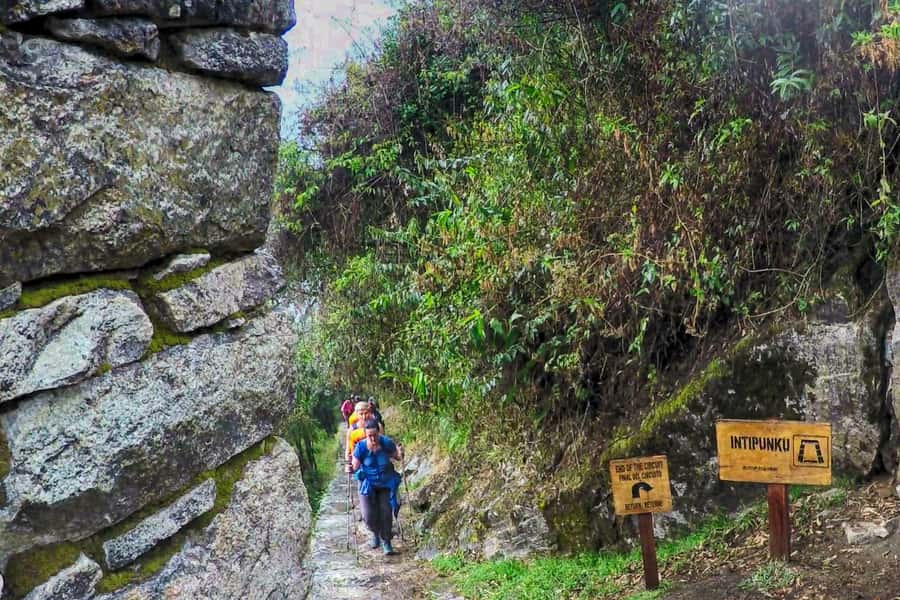
- The route uses parts of the Qhapaq Ñan, the old Inca road network, on the second day.
- Coffee roasting is hands-on, not just a quick demonstration at breakfast.
- Cocalmayo thermal baths are optional, but they offer a welcome break after the longest walking day.
- Machu Picchu entry, the guided visit, meals, and return transport are included in the $470 price.
- The trip suits active people who want variety, not anyone seeking a quiet sightseeing holiday or a fully comfortable trek.
A different way to reach Machu Picchu
At $470 per person, this is an unusually activity-packed route to Machu Picchu. You get three nights of accommodation, nine meals, a bilingual guide, bike equipment, Machu Picchu entry, the return train to Ollantaytambo, and the bus back to Cusco.
The value comes from combining transport, outdoor activities, and the archaeological visit in one booking. You do not need to arrange separate transport from Cusco to the Sacred Valley, lodging in Santa Teresa, or the train from Aguas Calientes. That makes the trip useful if you want a straightforward plan but still prefer an active route.
The name can cause confusion. This is commonly described as an Inca Trail experience, but it is not the famous four-day Classic Inca Trail through the high Andes. It is an Inca Jungle route, with biking, road transport, plantation paths, and a walk beside the railway to Aguas Calientes. You still encounter Inca roads and ruins, but the character is more varied and adventurous than a traditional stone-paved trek.
The group limit of nine matters. A guide can check on tired walkers, manage different walking speeds, and help with practical details such as tickets and transport. Guides named in the feedback include Francis, Gerson, Luis, Amaru, Richard, Franchesco, Guillermo, Armando, and others. The exact guide depends on your departure, but the guide is a major part of the experience.
Other ways up to Machu Picchu from Cusco:
- From Cusco: Full-Day Group Tour of Machu Picchu
★ 4.7 · 1,767 reviews - Machu Picchu Day Trip from Cusco
★ 4.5 · 1,644 reviews - Machu Picchu: Full-Day Tour from Cusco with Optional Lunch
★ 4.6 · 927 reviews
Day 1: Abra Málaga to the forest near Santa María
The day begins early, with pickup at 6:00 AM from Cusco’s Plaza Mayor. Bring your passport or a copy, and be ready for a long transfer through Chinchero, Urubamba, and Ollantaytambo. This is not a lazy start, but the changing views across the Sacred Valley help make the drive part of the trip.
At Abra Málaga, the high pass gives you views toward Huacay Willca. You receive a Kona bicycle, helmet, gloves, goggles, elbow pads, knee pads, and a rain jacket before setting off. The route drops for about 50 kilometers over roughly three hours, passing from high Puna terrain toward the warmer cloud forest.
The ride is the first big test of the tour. It is mostly downhill, which makes the distance manageable, but you still need comfort on a bicycle and enough focus for a long mountain descent. The road, weather, and riding conditions can affect how easy it feels. If you are nervous, tell the guide early and follow the safety instructions closely.
This section is also a fine introduction to the region’s climate zones. You start in cold, open mountain country and gradually reach thicker, warmer vegetation. The ride ends near the Huaman Marq’a ruins, adding an archaeological stop to what could otherwise be only a transport activity.
A short van ride and walk then take you toward Santa María and Pispitayoc. Your first night is in an eco-house in the forest, with dinner included. This is one of the most appealing parts of the trip because it feels more personal than a standard hotel stop. The setting is simple, and some rooms may be basic, but the forest location and family-run atmosphere give the night a local feel.
Pack a small overnight bag if possible. You can make the days easier by carrying only what you need, although bag transport may be available at an extra charge according to the trip details and individual experiences.
Day 2: Coffee, old Inca paths, and Cocalmayo
Day two begins with breakfast and a coffee lesson. You learn how local coffee is roasted and take part in the process, rather than simply drinking a cup prepared by somebody else. This is a small activity, but it gives the morning a strong sense of place and helps connect the walk with the farms around you.
The route follows part of the Qhapaq Ñan, the extensive Inca road system. You pass plantations of coffee, coca, and fruit trees, with opportunities to see birds and learn about local plants. The guide’s cultural explanations are especially useful here. Guides such as Luis, Armando, Amaru, and Gerson have been praised for explaining Andean customs, Inca culture, and the local environment in an easygoing way.
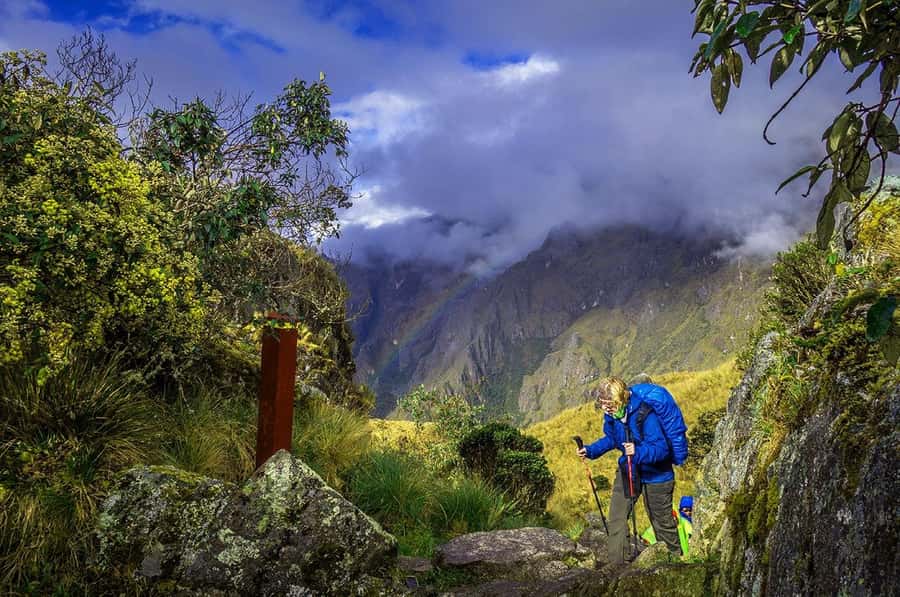
The path rises toward the Huancarcasa viewpoint at about 1,750 meters. You stop there for a break and broad views across the surrounding valleys. The climb is not technical, but it can feel demanding after the first day’s travel and biking. The best approach is to walk steadily, drink regularly, and accept the group’s slower rhythm.
From the viewpoint, the trail descends to Qellomayo at about 1,200 meters for lunch. Meals are included throughout the tour, with three breakfasts, three lunches, and three dinners. Food is one of the practical strengths here, though your first breakfast and final lunch in Aguas Calientes are not included. Vegetarian meals have been handled well on the trip, but you should communicate dietary needs during booking or the pre-tour briefing.
After lunch, you walk for about two more hours toward the Cocalmayo thermal baths. Entry is not included, so carry soles if you want to use them. The pools are a well-timed pause after the longest walking day, allowing you to loosen tired legs before reaching Santa Teresa.
You then continue to Santa Teresa at about 1,515 meters for dinner and the night. Optional activities such as rafting or ziplining may be offered during this part of the route. They cost extra, and you should ask the guide for the current price before joining. One reported extra charge was a small car fee connected with a zipline activity, so do not assume every part of an optional excursion is covered by the tour price.
Day 3: Santa Teresa, Hidroeléctrica, and the railway walk
After breakfast in Santa Teresa, the third day starts with about three hours of walking through coffee and coca plantations. The route leads to Hidroeléctrica at around 1,900 meters. This section continues the gradual change from jungle paths to the transport corridor used to reach Machu Picchu.
Lunch and a break at Hidroeléctrica divide the day. Then you follow the railway for another three hours to Aguas Calientes, also called Machu Picchu Pueblo. The walk is mostly straightforward, but six hours of walking makes this a serious day. Good shoes matter, and you should keep your daypack light.
Walking beside the tracks gives you a different view of the valley. You are not climbing through remote high mountain terrain, but you are moving along the narrow route that connects the outside world with Machu Picchu. It also builds anticipation. After two days of activities and jungle paths, Aguas Calientes feels like a clear sign that the main archaeological visit is close.
Your afternoon in town is free. You can rest, walk around, buy snacks, or prepare for the early start. Use this time sensibly. It is tempting to stay out late, but the next morning begins around 4:00 AM.
Dinner is included, and the guide explains the climb and the timing for Machu Picchu. The third night is in a hostel in Aguas Calientes. Expect basic accommodation rather than a luxury hotel. It should cover the essential need for sleep and a shower, but anyone wanting polished rooms or a quiet retreat should adjust expectations.
Other multi-day treks out of Cusco:
- From Cusco: 7 Lakes Ausangate Trek with Breakfast and Lunch
★ 4.8 · 360 reviews - Cusco: Machu Picchu 2-Day Inca Trail with Panoramic Train
★ 4.9 · 260 reviews - From Cusco: 2-Day Inca Trail to Machu Picchu
★ 4.2 · 244 reviews - Machu Picchu: Inca Trail 2-Day Overnight Guided Tour
★ 4.9 · 203 reviews
Day 4: The climb to Machu Picchu
The final morning starts at about 4:00 AM. You walk uphill from Aguas Calientes to Machu Picchu, gaining roughly 450 meters in elevation and taking around 1.5 hours. The climb is optional in spirit because a bus is available for an extra charge, but the bus is not included in the package.
The walking route is a fitting end to an active trip, but it is also the point when tired legs may complain. If you have already spent three days hiking, the bus can be a sensible choice rather than a failure. You still receive the same visit inside the citadel.
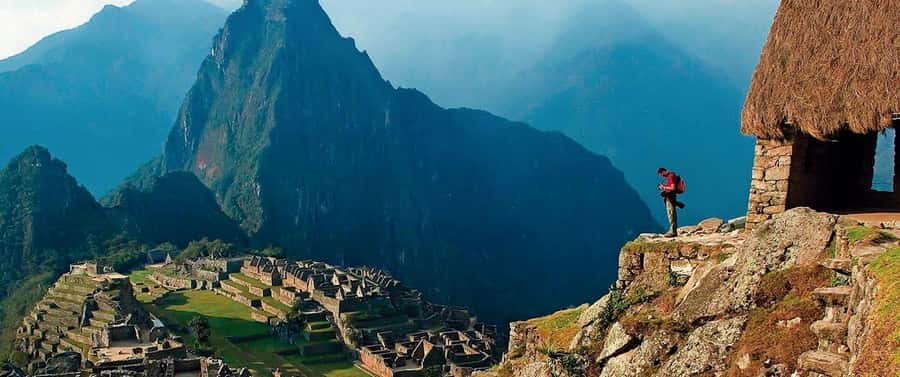
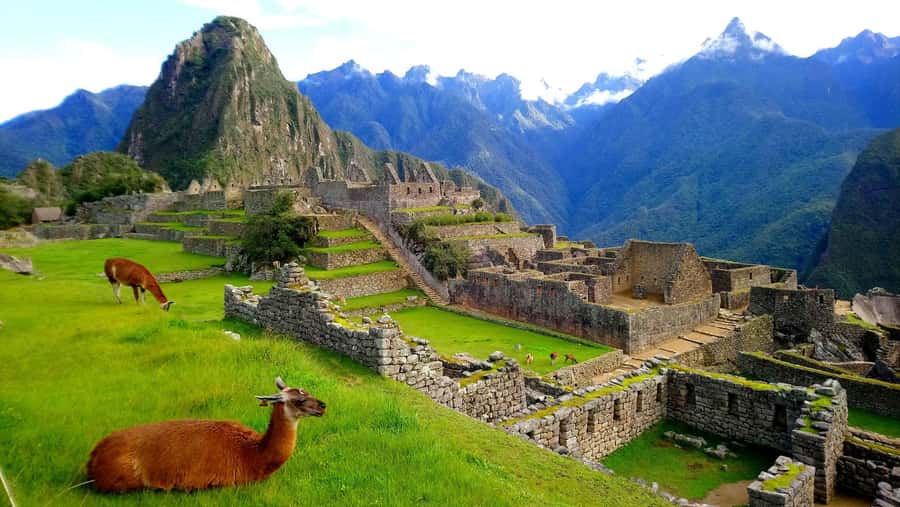
Once inside, the guide leads a two-hour tour of the most important parts of Machu Picchu. This is where having a guide pays off. The ruins are visually powerful, but the meaning of terraces, buildings, stonework, and ceremonial areas is easier to understand when someone explains what you are seeing.
Entry to Machu Picchu is included. The precise circuit and timing depend on the ticket allocation and current access rules, so pay close attention to the guide. One group was helped with the logistics of securing Circuit 2, which shows why an experienced guide can be useful when schedules and entry routes are complicated.
After the guided visit, you have free time for personal exploration within the limits of your ticket. Bring your passport or accepted identification, as it is required for the activity. Later, you return to Aguas Calientes to collect your belongings, board the train to Ollantaytambo, and take the included bus back to Cusco.
That return journey makes the package feel complete. You do not have to negotiate a separate train, find a taxi at Ollantaytambo, or arrange a final transfer into Cusco.
What the $470 price really covers
The strongest value is the amount of major cost already bundled into the fee:
- Transport from central Cusco to Abra Málaga and Santa María
- Bike and protective equipment
- Three nights of accommodation
- Three breakfasts, three lunches, and three dinners
- Professional bilingual guide
- Machu Picchu entrance
- Return train from Aguas Calientes to Ollantaytambo
- Return bus from Ollantaytambo to Cusco
You still need money for water, snacks, the first breakfast, the final lunch, Cocalmayo entry, and optional activities. Some stops can charge high prices for bottled water, so carry enough soles and refill when you can.
The price is particularly good for someone who would otherwise book Machu Picchu tickets, lodging, train travel, and a guided trek separately. The compromise is comfort. Accommodation ranges from an eco-house in the forest to simple hostels, and the itinerary has early starts and long active days.
Who will enjoy this route most
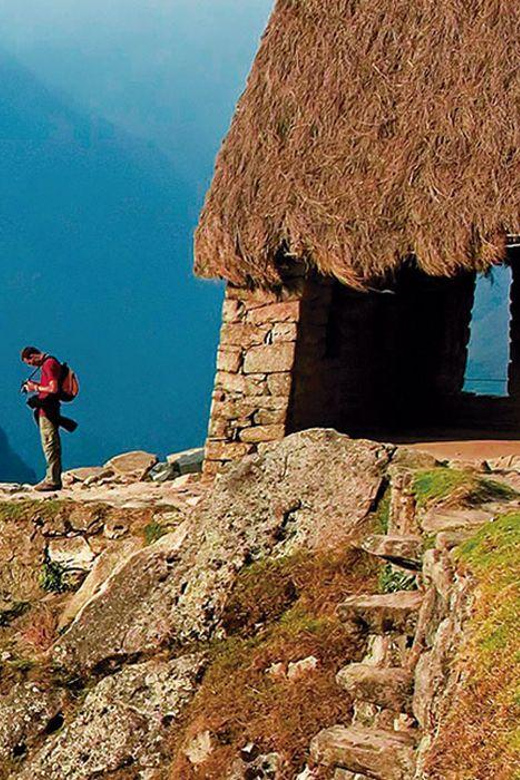
I would choose this trip if you want Machu Picchu wrapped in several days of outdoor activity. It suits people who like cycling, walking, local food, plantation visits, and a bit of controlled adrenaline. Solo visitors can also fit in well because the small group format encourages people to spend time together.
You do not need to be an elite hiker, but you should be comfortable with a three-hour bike ride, several hours of walking, uneven paths, and an early morning climb. The route includes rest breaks and some transport, making it less relentless than a full multi-day mountain trek.
It is not suitable for pregnant women, wheelchair users, or people with back problems. The non-refundable cancellation policy also means you should confirm your dates, fitness, and travel plans before paying.
Should you book this four-day Inca Jungle trip?
Book it if you want a strong mix of biking, hiking, coffee, hot springs, jungle scenery, cultural lessons, and Machu Picchu without arranging every part yourself. The guides are central to the experience, and names such as Francis, Gerson, Luis, Amaru, and Richard appear repeatedly in the trip’s strongest feedback for their energy, care, and cultural explanations.
Think twice if you want the classic Inca Trail, hotel comfort, or a relaxed schedule. This is an early-rising, active trip with basic lodging and several extra costs outside the advertised price.
For $470, the package offers a lot: a memorable approach to Machu Picchu, useful transport, meals, entry tickets, and a guide who keeps the moving parts together. Bring patience, good shoes, a light bag, and enough cash for extras, and this is a very practical way to reach one of Peru’s great sights.
FAQ
Is this the classic four-day Inca Trail?
No. This is an Inca Jungle route that combines mountain biking, jungle hiking, parts of the Qhapaq Ñan, a railway walk, and Machu Picchu. It is not the Classic Inca Trail route.
What time is pickup in Cusco?
Pickup is at 6:00 AM from the Plaza Mayor of Cusco. The guide calls the guest’s name and wears the agency’s jacket.
How large is the group?
The group is limited to nine participants.
What languages does the guide speak?
The professional guide speaks English and Spanish.
Is biking included?
Yes. A Kona bicycle and protective equipment, including a helmet, gloves, goggles, elbow pads, knee pads, and a rain jacket, are included.
How long is the first bike ride?
The downhill ride covers about 50 kilometers and takes roughly three hours.
Are the Cocalmayo thermal baths included?
No. The baths are optional, and the entrance ticket must be paid separately.
Is the bus up to Machu Picchu included?
No. The climb from Aguas Calientes takes about 1.5 hours. The bus up and down is optional and costs extra.
What meals are included?
Three breakfasts, three lunches, and three dinners are included. Your first breakfast and final lunch in Aguas Calientes are not included.
What identification should I bring?
Bring your passport or ID card. A copy is accepted according to the activity information.
More four-day trips from Cusco
- 4 Day Tour to the Manu National Park
★ 5.0 · 81 reviews - Choquequirao Trek 4 days and 3 nights
★ 5.0 · 81 reviews - Cusco Sacred Valley and Machupicchu 4 Days
★ 5.0 · 80 reviews - Ancascocha Trek To Machu Picchu 4 Days And 3 Nights
★ 5.0 · 77 reviews
More Machu Picchu tours in Cusco
- From Cusco: 2-Day Trip to the Sacred Valley and Machu Picchu
★ 4.6 · 265 reviews - The First Class Machu Picchu Train by Inca Rail
★ 4.0 · 182 reviews - From Cusco: 1-day Machu Picchu Tour by Train
★ 4.6 · 138 reviews - Private Tour to Sacred Valley and Machu Picchu from Cusco
★ 5.0 · 133 reviews
Just added around Cusco
- “Waqra Pucara, The Majestic Fortress Revealing Secrets of the Andes”.★ 3.5 · 8 reviews
- 1.5h Cusco Chocolate Workshop – Truffles & Hot Chocolate★ 4.3 · 8 reviews
- Cusco: Chocolate Workshop with the Best Local Organic Cacao★ 4.5 · 23 reviews
- Cusco: Bean to bar chocolate workshop★ 5.0 · 3 reviews
- Cusco: Pub Crawl with Skip-the-Line Access and Drinks★ 4.6 · 57 reviews
- Horseback Tour in cusco to Temple of the Moon & Hidden temples★ 5.0 · 54 reviews
- Sacred Valley Experience and Machu Picchu Sunrise 2-day Journey★ 5.0 · 60 reviews
- 4-Day Inca Jungle Adventure, Mountain Biking, Rafting and Zipline★ 5.0 · 60 reviews
Machu Picchu Tours, compared.
2-Day Trip to the Sacred Valley and Machu Picchu
Read our review →
Machu Picchu 2-Day Inca Trail with Panoramic Train
Read our review →
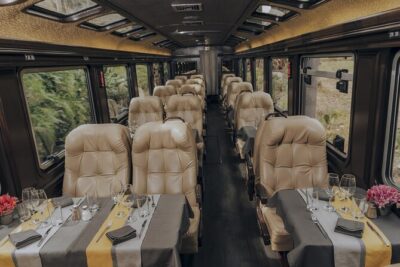
The First Class Machu Picchu Train by Inca Rail
Read our review →Browse the lists this tour appears in