
Reviewed · TOURS IN LIMA
8-Day Enigmas of Peru
The real appeal here is how much of Peru you see in eight days: colonial Lima, desert geoglyphs, sea lions and penguins, Inca ruins, and Machu Picchu. I like the smart route, which breaks up the long trip from Lima to Cusco with Paracas and the Nazca Lines, and I like the mix of guided visits and open time.
The biggest strengths are careful coordination and comfortable hotels. Drivers meet you at airports and stations, while small local tours keep the experience from feeling like a large coach trip. The tradeoff is a busy schedule, with buses, flights, trains, vans, early starts, and plenty of stairs packed into one week.
Key points at a glance
- Nazca from a 12-seat aircraft: The famous monkey, hummingbird, spider, condor, and other figures appear from above, but the flight may be rough.
- Paracas adds a welcome change of pace: A fast boat reaches the Ballestas Islands, where you can see seals, penguins, caves, and seabirds.
- Cusco sits high: Much of the Andean portion reaches more than 12,000 feet, so altitude planning matters.
- Machu Picchu tickets follow fixed circuits: Route 2 receives priority when available, with other designated routes used if necessary.
- The tour is mostly arranged for you: Hotels, ground transport, train tickets, admissions, breakfasts, and two lunches are included.
- The advertised price is not the final trip cost: You still pay for Lima to Cusco and Cusco to Lima flights, airport charges, food not listed, and the Nazca airport tax.
Why this eight-day route works
Peru is not a compact sightseeing destination. Lima sits on the coast, the Nazca Lines are far south in the desert, and Cusco lies high in the Andes. Machu Picchu then requires another train and bus connection. Planning all of that yourself can turn a dream trip into a pile of transfer times and ticket rules.
This itinerary puts the country’s major sights into a logical order. You begin at sea level in Lima, move through Paracas and Nazca, return to Lima, then fly to Cusco for the Andean sites. The final stretch runs through the Sacred Valley to Machu Picchu, which is a better approach than treating the famous citadel as a quick day trip from Cusco.
You should expect a trip with very little wasted time, but not a nonstop sprint. The schedule includes free afternoons in Paracas and Cusco, plus time to explore after several guided visits. That balance matters, especially once you reach Cusco and your body is adjusting to the altitude.
The maximum group size is nine people. Ground transfers and sightseeing are handled through a mixture of private coordination and small group outings, giving you structure without the feel of a large bus tour.
Other days travellers book out of Lima:
- Lima: Ultimate Peruvian Food Tour
★ 4.9 · 700 reviews - Full Day Paracas Ica and Huacachina from Lima All Included
★ 4.5 · 623 reviews - Lima’s Vibrant Heritage: Exploring the City’s Landmarks Half-day
★ 4.5 · 581 reviews
Lima opens with colonial power and ancient Peru
Your first day begins with airport pickup at Jorge Chávez International Airport and a hotel transfer. The Lima visit focuses on the historic center, a UNESCO World Heritage Site, then continues to the Larco Museum.
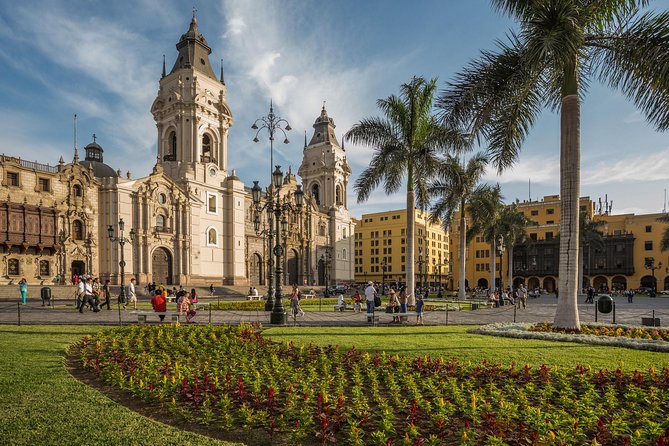
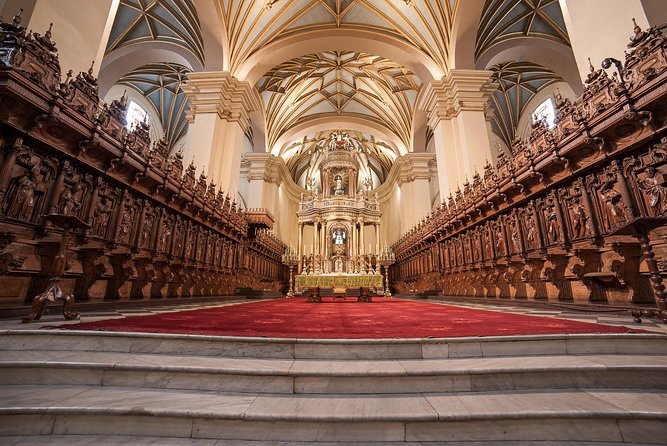
At the Convent of Santo Domingo, you see colonial religious art and remains connected with San Martín de Porres, San Juan Masías, and Santa Rosa de Lima. The visit also includes the oldest university in the Americas, according to the supplied tour description. From there, the route moves through Plaza Mayor, with views of the Government Palace, Municipality, and Cathedral.
The Larco Museum shifts the focus far back before the Spanish conquest. Its collection includes gold, textiles, and ceramics, including the famous erotic pottery collection. A particularly useful touch is the visit to the museum warehouse, where you see ancient ceramics arranged in a large working collection rather than only polished display cases.
This is a strong first day because it gives you both Lima stories: the Spanish colonial city and the civilizations that came before it. The five-hour schedule is full, but it does not try to cover every corner of the capital.
The Nazca Lines are thrilling, with one important warning
Day two starts with a bus toward Paracas and a transfer to Pisco Airport. From there, you board a Cessna Grand Caravan operated by Aerodiana, with room for up to 12 passengers.
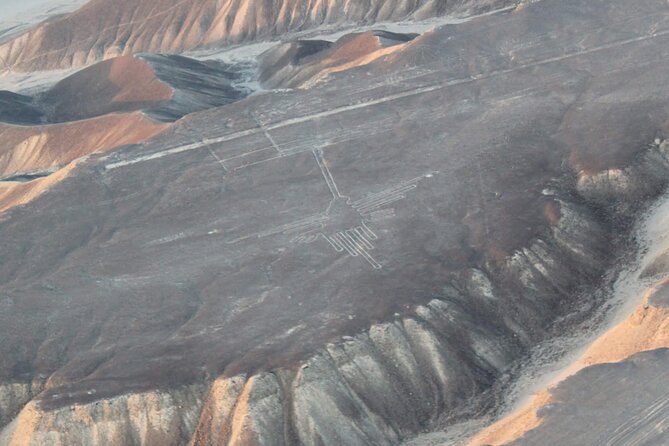
The aircraft crosses the Ica desert before reaching the Nazca plain. From the air, you look for the monkey, hummingbird, spider, lizard, astronaut, dog, condor, and long straight lines cut into the desert floor. The figures are large, but the viewing angle is brief. You need to stay alert and listen carefully to the flight crew’s directions.
The mystery is part of the pleasure. The flight gives you the designs, while the guide offers theories about their purpose and builders. You can decide what you think, since nobody has a final answer.
Now for the practical warning: small aircraft and sharp banking turns can make this a rough ride. The plane is designed to give both sides a view, so you may experience repeated turns over the figures. If you are prone to motion sickness, ask your doctor about suitable medicine before departure and bring whatever you need.
After the flight, you transfer to your Paracas hotel. The afternoon is free, and a dune buggy ride through the nearby desert is suggested as an optional extra. It is not part of the included program, so plan to pay separately if you choose it.
Ballestas Islands bring wildlife into the desert route
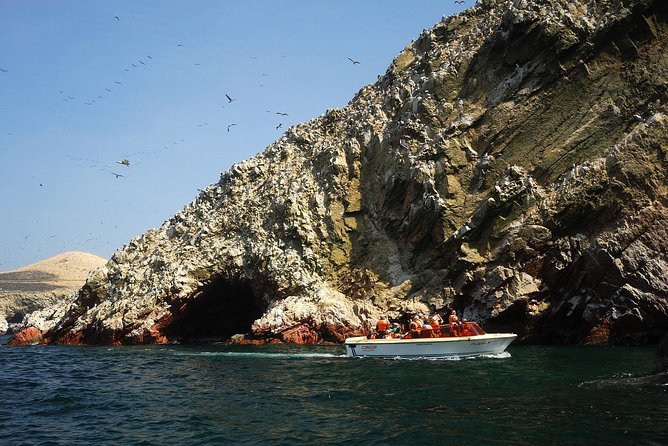
The next morning starts early with a motorboat ride to the Ballestas Islands, part of the Paracas National Reserve. Morning conditions are favored because the sea is often calmer, although water conditions can change.
On the way, you see El Candelabro, a large desert drawing cut into the coastal slope. Its alignment with the Nazca region adds another layer to the area’s mysteries, though the exact meaning remains uncertain.
The islands themselves are the natural counterpoint to the previous day’s desert flight. You pass sea caves and rocky outcrops used by seals, penguins, and marine birds. The seals may swim close to the boat, which makes this more than a distant wildlife viewing stop.
You then return to the hotel for free time before the bus back to Lima. This is a long transport day, but the coastal break is well placed. The two nights around Paracas prevent the Nazca excursion from becoming a punishing out-and-back from Lima.
If you have room in your schedule, an extra night in Paracas would make sense. It would give you more time beside the Pacific and reduce the feeling of simply passing through. On the standard eight-day plan, though, the free hotel time still gives you a chance to rest.
Same base, a completely different day:
- From Lima: Day trip to Paracas, Ica and Oasis Huacachina
★ 4.6 · 409 reviews - Private transfers from Lima Airport or to Lima Airport
★ 4.0 · 359 reviews - Lima: Paracas and the Huacachina Oasis Guided Day Tour
★ 4.5 · 354 reviews - Lima: The Charm of Barranco & Pre Inca Pyramid in Miraflores
★ 4.9 · 322 reviews
Cusco combines markets, temples, and colonial art
Day four requires a morning flight from Lima to Cusco, which you arrange separately. The tour requires an arrival by noon, so do not book a late morning flight that risks landing too late. Airport pickup and transfer to your hotel are included once you arrive.
The afternoon walking tour begins at San Cristóbal Square, where you get a broad view over Cusco. At San Pedro Market, you see the produce, ingredients, and everyday goods that supply the city. This is one of the more useful stops because it connects monumental Cusco with ordinary daily life.
Qorikancha follows. This Inca temple once had walls covered in gold, though the surviving structure also shows the layers of Spanish construction that followed the conquest. In San Blas, the route passes through the traditional artisans’ neighborhood and continues along Hatun Rumiyoc.
The Twelve Angled Stone is the famous stop here. Its precisely fitted masonry shows the skill of Inca builders, especially when you compare it with the rougher colonial work around it. The day ends at Cusco Cathedral in Plaza de Armas, where you see colonial art and decoration.
This three-hour visit is a good introduction rather than an exhaustive study. The walking is manageable for most people, but the altitude can make even modest climbs feel harder than expected.
Sacsayhuaman and the four nearby Inca sites
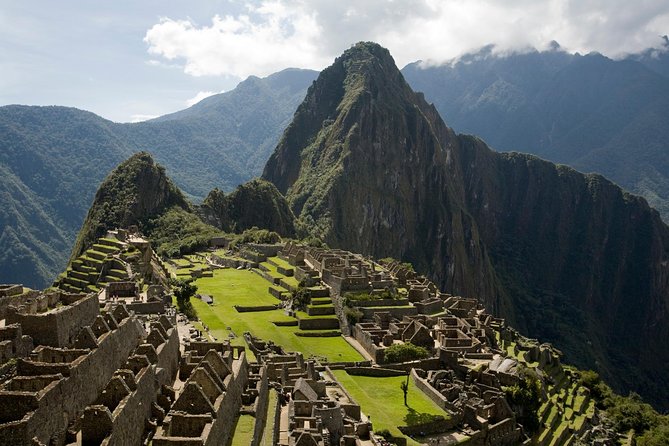
The morning visit on day five heads outside central Cusco to Sacsayhuaman. Huge stone blocks form the most impressive part of the site, and the setting helps you understand why this place carried such importance to the Inca capital.
Q’enqo comes next, with its carved rock and interior altar associated with ritual sacrifice. At Puca Pucará, you visit a lookout point, then continue to Tambomachay, known for its water features and connection with Andean ideas about the natural world.
The sightseeing lasts about four hours, leaving the afternoon free. That open time is valuable. You may want to explore another Cusco street, visit a museum, rest at the hotel, or use the included admission passport for additional sites not covered in the scheduled visit.
Cusco is also where the physical demands become clear. There are stairs and uneven surfaces throughout the Andean portion, including at ruins and historic streets. A torn knee meniscus or back problem would make this harder, so consider your mobility honestly before booking.
Altitude deserves equal attention. A good part of the trip sits above 12,000 feet, more than twice the elevation of Denver. You should ask your doctor about altitude medication before leaving, especially if you live near sea level or have had altitude problems before.
The Sacred Valley leads naturally to the train
Day six leaves Cusco for the Sacred Valley. At Chinchero, you visit a weaving center and see traditional methods for dyeing and spinning alpaca wool. The stop is most useful when you treat it as a look at living craft rather than simply a shopping pause.
The village also has an Inca plaza and colonial church. That pairing appears often in the Andes, where Spanish buildings were placed over or beside older sacred and civic spaces.
Moray is the day’s most unusual ruin. Its concentric agricultural terraces formed a series of microclimates, often described as an Inca agricultural laboratory. The circular design is striking from above and gives you a clear sense of how closely farming and engineering were linked.
Lunch is included on this day. Afterward, you visit Ollantaytambo, described as the last living village of the Incas. The Temple of the Ten Windows, the Bath of the Princess, and the Sun Temple are the major stops. High views over Ollantaytambo provide the day’s classic photographs.
You sleep in the Sacred Valley area rather than returning to Cusco. That is a smart arrangement because Ollantaytambo is the departure point for the next day’s train. It cuts down on backtracking and makes the Machu Picchu morning less complicated.
Machu Picchu is the payoff, not a quick photo stop
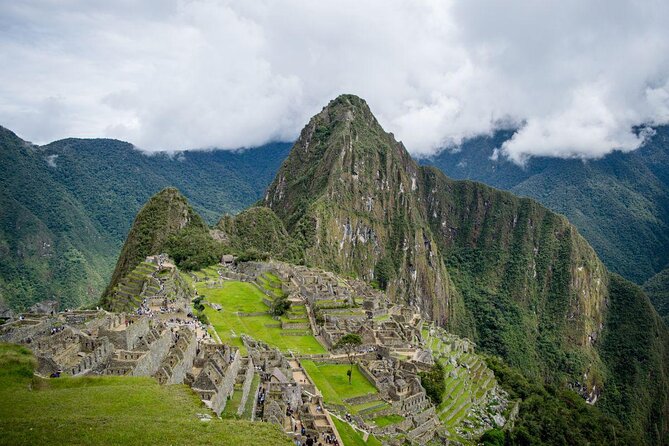
On day seven, you board the train at Ollantaytambo. After arriving at Machu Picchu station, staff assist you with the bus up the winding road to the citadel. The route follows the Urubamba River through a steep canyon, and the change from dry highland scenery to the mountain setting around Machu Picchu is part of the experience.
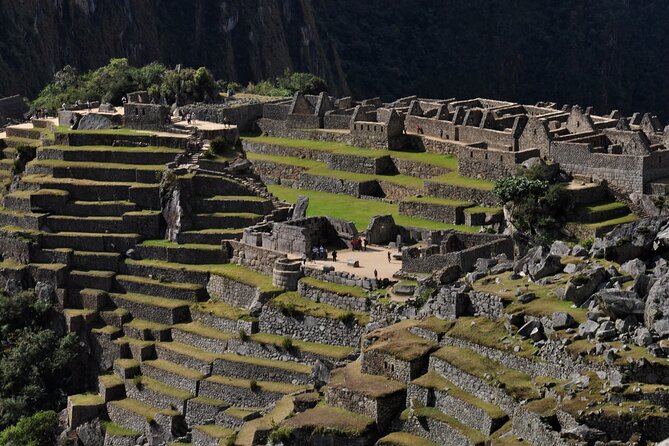
Inside the site, you see terraces, stairways, ceremonial areas, and urban sections. The guide helps explain how these pieces fit together, but you should also allow yourself time to look carefully. The scale and setting can be hard to grasp from photographs.
Machu Picchu now uses set visitor circuits. Route 2 receives priority when available. If it is not available, the provider will present route 3B or route 1B before the ticket is issued so you can confirm the alternative.
This rule matters because the Machu Picchu ticket cannot be refunded, changed, or amended. If your plans shift after the ticket is issued, you need to buy a new entrance ticket. Do not treat the date as flexible.
Lunch is included, followed by the train back and a transfer to your Cusco hotel. The full day runs about six hours, not counting every waiting period, so expect a long but focused final sightseeing day.
What the $1,541 price really covers
At $1,541 per person, the price is strong for a trip that includes seven nights of lodging, hotel and airport transfers, guided visits, admission tickets, breakfasts, two lunches, and the round-trip railway ticket to Machu Picchu.
The value comes mainly from coordination. You do not have to arrange the Nazca flight, Paracas boat, Sacred Valley transport, Machu Picchu bus connections, train, or daily pickups one by one. The hotels used on one reported booking included Sol de Oro in Lima, Novotel Cusco, La Hacienda Bahia Paracas, and La Casona de Yucay, with comfortable rooms and strong service.
But the price is not all-in. You still pay for the Lima to Cusco and Cusco to Lima flights, the $14 Nazca airport tax, a €14 airport or departure tax listed in the trip details, and meals and drinks not specifically included. Optional activities, such as a Paracas dune buggy ride, also cost extra.
Budget for those additions before deciding. The tour is a good value if you want the logistics handled, but it is not the cheapest way to string these destinations together.
How the arrangements affect your experience
Communication is handled through WhatsApp, including updates about transfers and flight issues. That can be especially useful in Peru, where internal flight schedules and airport operations may change.
The tour provider handles the ground movements with clean, spacious vans, according to the supplied trip experience. Drivers are assigned for transfers, while guides lead the site visits. The result is a private-feeling trip between destinations with small group sightseeing at individual attractions.
You should provide passport name, number, expiry date, country, and your international and domestic flight details when booking. Those details are needed for the train and site arrangements.
Cancellation is free up to 24 hours before the start time, but the Machu Picchu admission ticket has its own strict rule. Once issued, it cannot be refunded or changed. That distinction is important.
Should you book the 8-Day Enigmas of Peru?
Book it if you want the major Peru highlights in one carefully arranged trip and you value reliable transfers more than independent flexibility. It suits a solo visitor, a couple, or a small private group that wants free time but does not want to manage every bus, train, hotel, and admission ticket.
You should be comfortable with early starts, long transfers, high altitude, stairs, and a small-plane flight over Nazca. If you want a slow coastal holiday or several unplanned days in Cusco, this schedule will feel too tight.
For most people seeking a first Peru trip, the route is unusually well balanced. Lima, Nazca, Paracas, Cusco, the Sacred Valley, and Machu Picchu each bring something different, while the arrangement removes much of the hard work. Add a spare night in Paracas if possible, book the Cusco flight for an early arrival, and take altitude and motion sickness seriously.
FAQ
What is included in the 8-day Peru tour?
The package includes airport-to-hotel transfers, shared transport to the train station, tour admission tickets, the round-trip railway ticket to Machu Picchu based on the selected hotel category, seven nights of accommodation, seven breakfasts, and two lunches.
Are the Lima to Cusco flights included?
No. You must arrange and pay for the Lima to Cusco and Cusco to Lima flights separately. The Cusco-bound flight should arrive by noon, so you need to book a morning departure from Lima.
How many people are in the tour?
The tour has a maximum of nine participants. The Nazca aircraft holds up to 12 passengers, so that flight may include people from outside your tour group.
Is the Nazca Lines flight suitable for children?
The flight is not recommended for children under eight years old. The small aircraft can also make sharp banking turns, which may be difficult for anyone prone to motion sickness.
Which Machu Picchu circuit will I receive?
Route 2 is given priority when available. If it is unavailable, route 3B or route 1B will be offered for your confirmation before the ticket is issued.
Can the Machu Picchu ticket be changed or refunded?
No. The Machu Picchu admission ticket is not refundable, and its date cannot be changed or amended. If you need a different visit date, you must purchase a new ticket.
Just added around Lima
- Lima´s Vibrant Heritage & Larco Museum of Cultures Half Day Tour★ 5.0 · 48 reviews
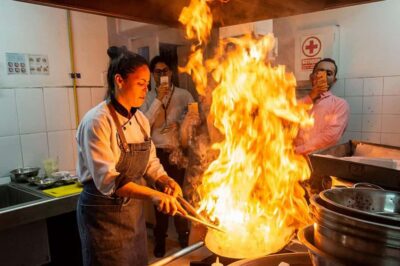
- Private Cooking + Market with Maido’s Former Creative Chef (+trasportation)★ 5.0 · 49 reviews
- 5 iconic restaurants of Lima a 3-hour guided food tour in Barranco★ 4.5 · 48 reviews
- Full day Tour Paracas Ica & Huacachina from Lima.★ 5.0 · 29 reviews
- City Tour Lima City of Kings★ 5.0 · 35 reviews
- Discovering Caral, The Oldest Civilization In America★ 4.5 · 35 reviews
- Cook with Maido’s creative chef and chef de cuisine★ 5.0 · 53 reviews
- Caral The First Civilization in America – Full Day From Lima★ 5.0 · 59 reviews
Tours in Lima, compared.
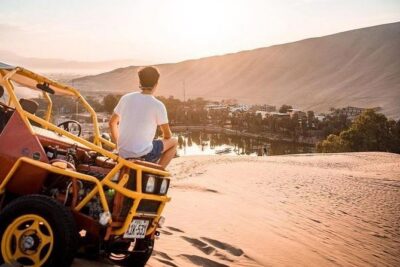
Full Day Paracas Ica and Huacachina from Lima All Included
Read our review →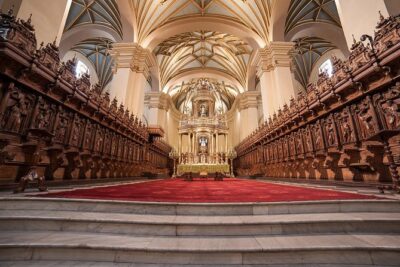
Lima’s Vibrant Heritage: Exploring the City’s Landmarks Half-day
Read our review →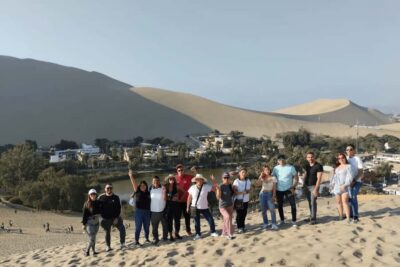

Paracas and the Huacachina Oasis Guided Day Tour
Read our review →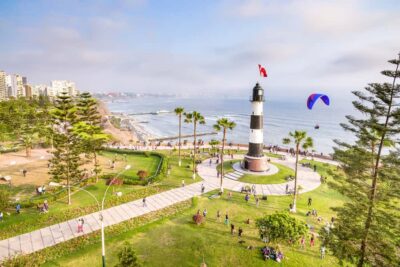
The Charm of Barranco & Pre Inca Pyramid in Miraflores
Read our review →
Full Day to Paracas and Huacachina Desert Oasis
Read our review →
Pachacamac Ruins & Barranco Half-Day Guided Tour
Read our review →Browse the lists this tour appears in