
Reviewed · TOURS IN LIMA
7 Day Peru Private Journey
Machu Picchu is the headline, but the smart part of this journey is how it builds toward that moment. You begin with Lima’s colonial center and food culture, then adjust to Cusco before exploring the Sacred Valley and taking the Expedition train toward the Inca citadel. I especially like the private format and the steady personal support, with airport pickups, hotel transfers, and railway connections arranged for you. I also like the mix of big sights and smaller cultural stops, from the Larco Museum to alpaca care and traditional weaving.
The main thing to consider is the pace. Six nights cover four major destinations, and several days run eight to ten hours. The price of $1,630 per person covers hotels, breakfasts, three lunches, guides, activities, and ground transport, but airfare between Lima and Cusco is extra. You will need to be comfortable with early starts, altitude changes, and a carefully timed schedule.
Key points at a glance
- Machu Picchu by Expedition train: The journey includes the train connection, bus ride up to the citadel, a guided visit, lunch, and return arrangements.
- Private service from airport to airport: Only your own party takes part, with transfers covering airports, hotels, railway stations, and bus stations.
- A useful Lima-to-Andes progression: Lima’s museums and colonial center come first, followed by Cusco, the Sacred Valley, and Machu Picchu.
- Real cultural stops beyond the headline ruins: You visit Pisac, Yucay, Inkariy Museum, Moray, Maras, Ollantaytambo, and Andean camelids.
- Strong logistics and personal attention: Guides and coordinators named in past departures include Sofia, Hector Morales, Ursula, Roger, Marcos, and Ruben Darius.
- A firm booking policy: The experience is non-refundable and cannot be changed after booking, so your dates and flights need to be settled first.
What $1,630 buys you in Peru
At $1,630 per person, this is not a budget independent trip, but it packs a lot into one booking. You receive six nights in selected hotels, six breakfasts, three lunches, all listed excursions, and transfers from the Lima airport through your final departure. The private setup also means your group is not folded into a large coach party.
That matters in Peru. Airport pickups, train stations, hotel changes, and the Machu Picchu bus system can create a string of small tasks. Here, a driver or coordinator meets you at each handoff. The strongest praise for this service centers on punctual transfers, clear scheduling, friendly staff, and guides who keep people informed.
You still pay for drinks and the Lima to Cusco round-trip flights. Those flights are a meaningful extra, so compare the full cost rather than treating $1,630 as the final bill. The tour also does not promise one fixed hotel brand, and the exact hotel selection can depend on availability.
The private design makes the price easier to justify for families, couples, or small groups that value help more than the lowest possible fare. Group discounts are offered, which may improve the per-person value if you are booking for several people.
Other week-long trips from Lima:
- 7 Day Exploration Tour from Cusco to Lima
★ 5.0 · 85 reviews - Cusco 7 days Tour in Machu Picchu, Humantay Lake and Vinicunca
★ 5.0 · 64 reviews
Day 1: Lima’s Pacific edge and colonial center
Your first day begins with an airport greeting at Jorge Chávez International Airport. From there, you transfer to your hotel before an afternoon tour through Lima.
The opening stop is Love Park in Miraflores, where you get a broad view of the Pacific Ocean. It is a gentle first look at Lima, especially after a long flight. The tour then turns inland to Huaca Pucllana, a ceremonial center built by the Lima culture. This gives you an early reminder that Peru’s story reaches far beyond the Inca period.
The afternoon continues through Lima’s Main Square, framed by the Government Palace and Town Hall. The Cathedral offers colonial art and architecture, while Santo Domingo Convent connects the city to two important religious figures, San Martin de Porras and Santa Rosa de Lima. Their remains are kept there, and the corridors add a human scale to the visit.
The city tour lasts about three hours and includes admission. I like this first-day plan because it avoids trying to do too much after arrival. Still, Lima traffic can affect the feel of any city tour, and you have little free time on this afternoon. If you hoped to explore Miraflores independently, you may need to use another part of the trip.
Day 2: Ancient Peru at the Larco Museum
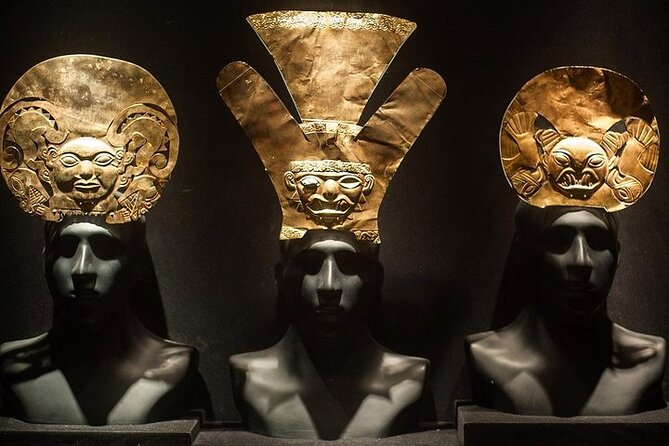
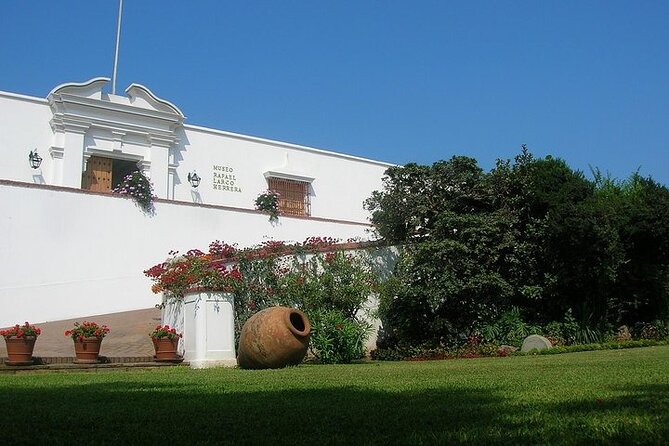
The second day gives you a closer look at Peru’s earlier cultures at the Larco Museum, about 30 minutes from central Lima. The visit lasts about two hours and includes admission.
Larco is a good choice for a short Peru introduction because it brings many periods and objects into one place. Displays cover ancient Peruvian cultures, while the storage collection presents ceramics shaped as faces, animals, plants, household objects, and scenes from ordinary life. That focus on daily life can make the past easier to picture than a site visit alone.
You also have the chance to connect history with food. The program includes a stop at an old tavern for Peruvian sandwiches and a drink made with pisco. Drinks are generally not included in the tour price, so clarify what is covered at each meal or tasting.
The afternoon and evening move to the Magic Water Circuit. Its fountains combine water, lights, music, and projected images. The complex holds Guinness World Records connected with the number of fountains and the height of its public fountain.
This is a more theatrical stop than the archaeological sites later in the trip. I would treat it as a change of pace rather than a substitute for Lima’s museums or historic buildings. The visit is scheduled near dusk, when the light effects have the most impact.
Day 3: Flying to Cusco and meeting the Inca stonework
Day 3 starts with a transfer to the airport and a flight to Cusco. The airfare is not included, but the airport transfer and arrival pickup are part of the arrangement.
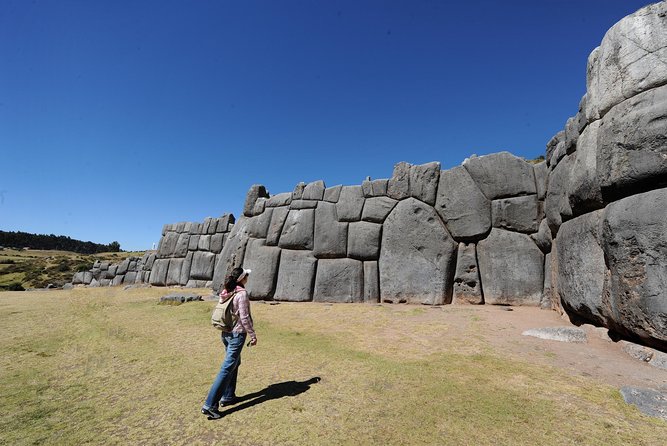
Cusco sits at a much higher elevation than Lima, so this is the day when you should pay attention to your energy. The itinerary moves into sightseeing after arrival, visiting Sacsayhuaman and several nearby Inca sites. The schedule allows about two hours at the archaeological park, followed by Qorikancha and the Cathedral.
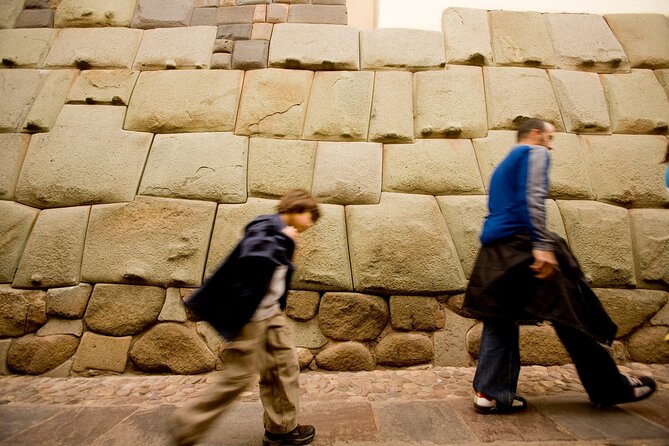
Sacsayhuaman is known for huge fitted stones, some reaching about four meters in height. The site is spacious and quiet in places, with views back toward Cusco. Q’enqo follows, with a carved rock and an interior altar associated with ceremonial use. At Tambomachay, you see sacred fountains connected with life and health. Puca Pucara served as a lookout point controlling access to Cusco.
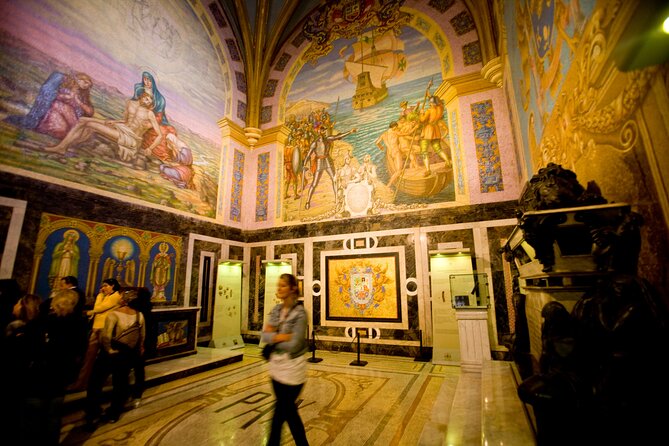
Back in the city, Qorikancha introduces the meeting of Inca and Spanish traditions. The Temple of the Sun once had a major place in the Inca capital, and the Santo Domingo Convent was later built on top of it. The Cusco Cathedral adds colonial paintings and other religious works, including a cross associated with the first Spanish conquerors.
This is a full introduction to Cusco, but it is also a demanding arrival day. You may be tired from the flight and the altitude. The private format helps because the guide can explain the sites without the noise and delays of a large group, but you should still keep your walking pace sensible.
Other private tours around Lima:
- Private transfers from Lima Airport or to Lima Airport
★ 4.0 · 359 reviews - Private Taxi Transfers to Lima Jorge Chavez Airport
★ 5.0 · 109 reviews - Historic Downtown, Miraflores & Catacombs Private Tour
★ 5.0 · 100 reviews - The 10 Tastings of Lima With Locals: Private Street Food Tour
★ 5.0 · 92 reviews
Day 4: Pisac, alpacas, and the Sacred Valley
The Sacred Valley day is one of the most varied parts of the trip. It lasts about eight hours and ends with an overnight stay in the valley rather than a return to Cusco.
At Pisac, you first visit the Inca and colonial town, then climb to the archaeological site above it. The position gives you views over the town and surrounding valley. After the guided visit, you have time to browse the handicraft market. This is one of the better places in the itinerary for shopping because the stop is built into the day rather than squeezed in at the end.
Lunch comes at the Inkariy Museum, where large cultural displays represent pre-Hispanic civilizations from across ancient Peru. The museum is useful if you want a broad visual guide to the country’s cultures, not only the Incas.
At the Yucay Living Culture Center, you see Andean camelids, including llamas and alpacas. You can feed them, and local residents demonstrate traditional textile weaving and dyeing. This is a welcome change from stone sites and formal museums. You get a direct look at craft skills that remain part of daily cultural life.
The day combines scenery, shopping, food, archaeology, and living traditions. The tradeoff is that it leaves little room for a slow, independent afternoon in one village. If you want the most relaxed version of the Sacred Valley, this day may feel tightly packed.
Day 5: Moray, Maras, and Ollantaytambo
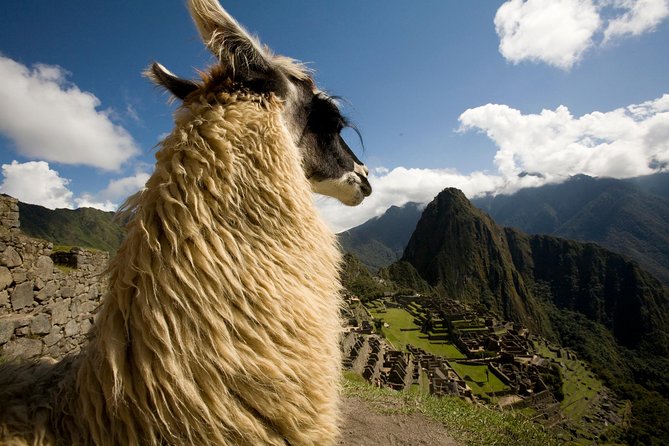
Day 5 is the longest scheduled day, at about ten hours. It covers three distinct places before your train connection from Ollantaytambo Railway Station.
Moray is famous for its large circular terraces, arranged like an amphitheater. The planned levels are described as a way to create different microclimates for agriculture. Even without spending a long time at the site, the shape is easy to remember and gives you a sense of how carefully the Incas worked with local conditions.
Maras brings a sharp visual change. Its colonial salt pools spread across the mountainside in pale bands, contrasting with the surrounding valley. The salt works are still a working cultural and economic feature, not simply an old ruin. The bright pools can look almost unreal, but the experience is also about seeing how local production fits into the setting.
A buffet lunch is included before the visit to Ollantaytambo. This archaeological complex is valued for its massive stonework and the skill required to shape and place the blocks. Ollantaytambo is also important for the railway connection, so the day ends with a practical transport step rather than a hotel check-in.
The long hours are the clear drawback. You will see a great deal, but you should not expect leisurely time at every stop. Your luggage arrangements also matter because the program moves toward the train station. Confirm in advance what you carry with you and what is transferred to your hotel.
Day 6: Machu Picchu, from bus ride to citadel
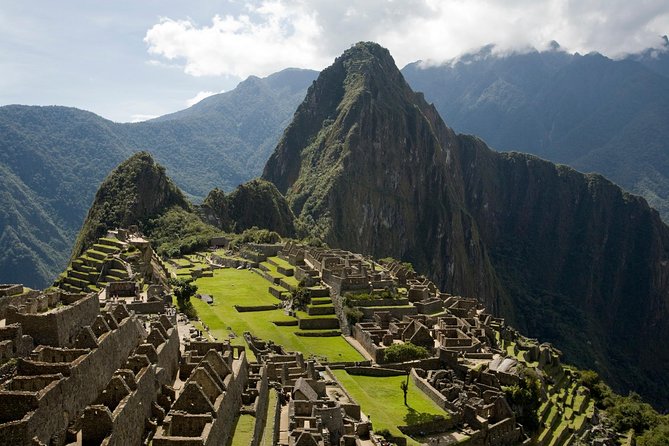
Machu Picchu receives a full day, about ten hours in total. You board a bus for the winding climb toward the site, with views of the Urubamba River and its canyon along the way.
Inside the citadel, the guided visit covers terraces, ceremonial areas, stairways, and urban spaces. The power of Machu Picchu comes from the way those elements fit into the mountain setting. A guide adds useful context, especially when the stonework and purpose of each area are not obvious at first glance.
Lunch is arranged at a restaurant in the area. Afterward, you return according to the schedule and transfer back to Cusco for the night.
Machu Picchu now uses specific visitor circuits. Route 2 is the priority option, but if it is unavailable, you are told whether Circuit 3B or Circuit 1B is available before tickets are issued. You can then confirm which route you accept. This is an important detail, since the route affects what you see and how you move through the site.
The experience provider also lists Machu Picchu admission as included in the activity details, while the itinerary labels the stop as admission free. Since circuit assignment is tied to ticket availability, ask for the exact ticket and route before final confirmation. That small check can prevent confusion on a major day.
Day 7: A simple departure day
The final day is built around a departure transfer. The service covers the final movement to the airport or onward connection, but no sightseeing is listed.
That simplicity is useful after a demanding week. It also means you should not plan a major activity on the morning of departure unless your flight timing clearly allows it. Your Lima to Cusco and Cusco to Lima flights are not included, so coordinate the domestic flight schedule carefully with the transfer times provided by the operator.
The private service and guide support
The most praised part of this journey is the organization. Specific team members associated with departures include Lima guides Sofia, Fatima, Roger, and Ursula; Cusco and Sacred Valley guides Hector Morales, Ruben Darius, Lucio, William, Hans, and Wilbert; and Machu Picchu guide Marcos. Drivers and coordinators such as Jose and David are also named in the service feedback.
You should not assume a particular person will lead your departure, but these names show the range of staff involved. The consistent strengths are clear communication, timely pickups, friendly help, and the ability to deal with problems as they arise.
That support is especially useful on a trip with flights, train tickets, buses, hotels, and several changes of location. You still need to follow the schedule, but you are not left to find every station or transfer alone.
Who will get the most from this itinerary
I would recommend this journey to a first-time Peru visitor who wants the main route handled in one booking. It suits couples, families, and small groups that prefer a private guide and vehicle over a large tour bus.
It also works well if your interests cover more than ruins. You get colonial art, museums, food, market time, textiles, alpacas, salt production, and major Inca sites. The guides named in the service history are noted for strong explanations of Peruvian culture and history, which adds value to otherwise short visits.
I would hesitate to recommend it to someone who wants slow travel. The schedule is active, with an eight-hour Sacred Valley day and a ten-hour day for Moray, Maras, Ollantaytambo, and the train connection. Independent hikers may also want a separate trip built around a longer trek. One past comment refers to an Inca Trail experience, but this seven-day plan itself is not presented as an Inca Trail trek.
The 4.9 rating from 71 ratings and 99 percent recommendation figure indicate a strong satisfaction record. Even so, the fixed, non-refundable policy deserves attention. You cannot cancel or amend the booking for a refund, so wait until your international and domestic flight plans are settled.
Should you book the 7 Day Peru Private Journey?
Book it if you want a well-supported first visit that covers Lima, Cusco, the Sacred Valley, and Machu Picchu without managing every transfer yourself. The value is strongest when you place a high price on private attention, reliable timing, and a guide at the major sites.
Think twice if you need flexible dates, long free afternoons, or the lowest total cost. Add the Lima to Cusco airfare, drinks, and any personal purchases to the advertised price, then decide if the convenience matches your budget.
For most people with one week, this is a sensible route. It gives you the headline sights, adds meaningful cultural stops, and keeps the complicated parts of Peru travel under one local team.
FAQ
How long is the Peru private journey?
The journey lasts approximately seven days and includes six nights of accommodation.
Where does the tour begin?
It begins with a pickup at Jorge Chávez International Airport in Lima, Peru.
Is this a private tour?
Yes. Only your own group takes part in the private activity.
Are airport and hotel transfers included?
Yes. Transfers to and from airports, hotels, railway stations, and bus stations are included.
Is airfare from Lima to Cusco included?
No. Airfare between Lima and Cusco, including the return flight, is not included.
How many meals are included?
The package includes six breakfasts and three lunches. Drinks are not included.
Is the Expedition train to Machu Picchu included?
The itinerary includes the train connection from Ollantaytambo Railway Station as part of the journey.
Which Machu Picchu circuit will I use?
Route 2 is the priority. If it is unavailable, Circuit 3B or Circuit 1B will be presented for your decision before tickets are issued.
Can most people participate?
The additional information states that most people can participate.
Can I cancel for a refund?
No. The experience is non-refundable and cannot be changed for any reason after booking.
Just added around Lima
- Lima : City Tour by Panoramic Bus – Walking & Catacombs★ 4.3 · 41 reviews
- Lima: A night on the Rooftops & Clubs of Barranco with Shots★ 5.0 · 11 reviews
- Miraflores: Amazing Peruvian Cooking Class Ceviche Seafood and Pisco Sour★ 4.9 · 57 reviews
- Lima Airport Transfers by SUV/Van★ 5.0 · 34 reviews
- Trending Flavors: Miraflores Walking Tour Including Food and Drinks Tasting★ 5.0 · 63 reviews
- Lima: Magic Water Circuit with Dinner★ 4.5 · 59 reviews
- Lima: Live Magic Water Show Experience★ 4.9 · 60 reviews
- The Nazca Lines & Huacachina Oasis from Lima – Private Trip★ 5.0 · 60 reviews
Tours in Lima, compared.

Full Day Paracas Ica and Huacachina from Lima All Included
Read our review →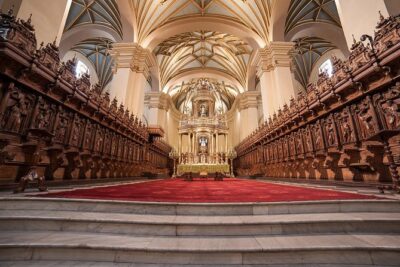
Lima’s Vibrant Heritage: Exploring the City’s Landmarks Half-day
Read our review →

Paracas and the Huacachina Oasis Guided Day Tour
Read our review →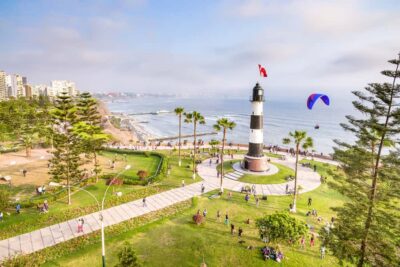
The Charm of Barranco & Pre Inca Pyramid in Miraflores
Read our review →
Full Day to Paracas and Huacachina Desert Oasis
Read our review →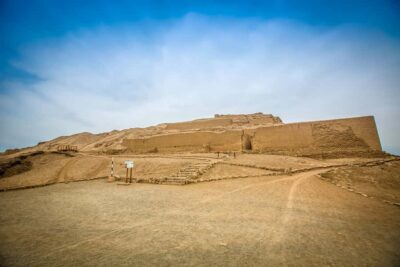
Pachacamac Ruins & Barranco Half-Day Guided Tour
Read our review →Browse the lists this tour appears in