
Reviewed · MACHU PICCHU TOURS
Small Group: 4-Day Inca Trail Trek to Machu Picchu
The best part of this four-day trek is that Machu Picchu arrives at the end of a real journey, not after a quick train ride and a short guided walk. You climb through high passes, cloud forest, stone ruins, and old ceremonial paths before reaching the Sun Gate on foot. I like the small group size, and I like that local guides such as Freddy, Edwin, Herlin, Ronald, and Paul bring personal stories and Quechua culture into the walk.
I also like the practical support: a chef, porters, camping gear, meals, transport, and a personal porter for 5 kilograms of your belongings. The catch is serious, though: this is a demanding high-altitude trek, with long days, steep steps, cold nights, changing weather, and camps as high as 3,600 meters.
Key points to know before you book
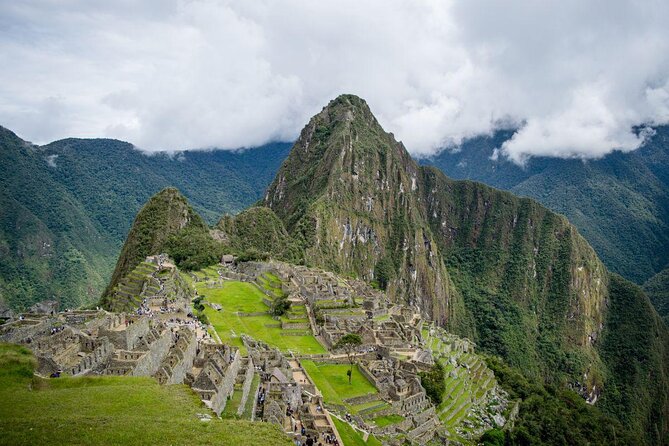
- Reach Machu Picchu through the Sun Gate: Your first view comes after hiking the final section of the Inca Trail, rather than arriving by train.
- Expect a true mountain challenge: Dead Woman’s Pass reaches 4,215 meters, and Day 3 lasts about eight hours.
- A local support crew makes a major difference: Your guide, chef, and porters handle food, camp equipment, and much of the daily practical work.
- Small groups make the trek more personal: The activity is capped at 10 people, though the included details also mention a maximum of 12, so confirm the final group size.
- Food is a major strength: The chef prepares three breakfasts, three lunches, and three dinners, with vegetarian meals available by request.
- Book early and protect your investment: Inca Trail permits can sell out at least five months ahead, and this booking is non-refundable.
What the $850 price really covers
At $850 per person, this is not just a hiking permit and a guide. The price includes hotel pickup in central Cusco, a private bus to Km 82, the Inca Trail permit and Machu Picchu admission, camping equipment, meals, porters, a chef, an English-speaking guide, and the return train and bus journey to Cusco.
You also get a dining tent with tables and chairs, an inflatable sleeping mattress, an inflatable pillow, hot water each morning, an oxygen bottle, and a first-aid kit. A personal porter carries up to 5 kilograms of your gear, which lets you walk with a much lighter daypack.
That package gives the tour solid value. You are paying for an organized mountain operation, not merely a walking route. The crew carries cooking and camping equipment, sets up the camp, prepares meals, and helps keep the four-day schedule moving.
You still need to budget for a sleeping bag, travel insurance, breakfast on Day 1, and lunch and dinner on Day 4. Huayna Picchu also costs extra, and the Day 4 details warn that a new ticket may be needed for re-entry to Machu Picchu. Ask the operator exactly what your admission ticket covers before you travel.
Other walks into the mountains in Cusco:
- From Cusco: 7 Lakes Ausangate Trek with Breakfast and Lunch
★ 4.8 · 360 reviews - Cusco: Rainbow Mountain Tour and Red Valley Hike (Optional)
★ 4.7 · 149 reviews - Cusco: Full-Day Rainbow Mountain & Red Valley Trekking Tour
★ 4.5 · 121 reviews
Day 1: From Cusco to Km 82 and Wayllabamba
Pickup begins around 5 a.m., so arrange your luggage and breakfast the night before. The bus heads through Chinchero, Urubamba, and Ollantaytambo toward the Sacred Valley. After roughly two and a half hours, you reach Km 82, the official starting point of the classic Inca Trail.
The first day is a useful introduction. You begin along the trail and climb toward Wilka Rakay, where views open toward Patallacta and the Kusichaca Valley. Patallacta is one of the first major Inca sites you encounter, and seeing it from above helps you understand how the old road connected settlements and farming areas.
The walk takes about five hours. It is shorter than the next two days, but you should not treat it as a casual warm-up. You are adjusting to altitude, carrying a daypack, and learning the rhythm of walking with a group.
The night is spent at Wayllabamba, at about 3,000 meters. Your crew sets up the camp and serves dinner in the dining tent. The tents are described as spacious four-person tents used by two people, a welcome arrangement after a day outside.
Bring your own water for the first four hours of the trek. Water is included after that point, but you should still carry a bottle or hydration system that is easy to reach while walking.
Day 2: Dead Woman’s Pass and Pacaymayo
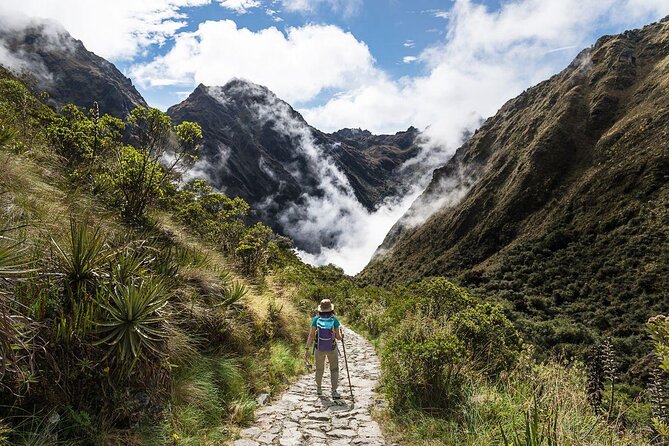
Day 2 is the hard one. After breakfast, you climb for about an hour toward Tres Piedras, then enter cloud forest with thicker vegetation and cooler, damp air. The trail continues upward to Abra de Warmihuañusca, better known as Dead Woman’s Pass.
At 4,215 meters, this is the highest point of the trek. The pass is not technically a climbing route, but the steady uphill steps make it physically demanding. Pace matters more than speed. You will do better with small steps, regular water breaks, and a willingness to let faster walkers go ahead.
The reward is a broad view across the high Andean ridges. After the pass, the trail drops steeply toward Pacaymayo, at about 3,600 meters. Descending can be just as tiring as climbing, especially on knees and thighs that have already worked hard.
The total walking time is about seven hours. You finish at a high camp surrounded by steep mountains, with dinner and a chance to rest. This is where the value of the support crew becomes clear. You do not need to help haul cooking equipment or set up a full camp after the longest climb of the trip.
The tour is listed for people with a moderate fitness level, but I would interpret that carefully. You should be comfortable walking for several hours, climbing many steps, and handling altitude. A medical condition involving your back, heart, or another serious concern is a reason to consult a doctor before booking.
Day 3: Runkurakay, Sayacmarca, and Wiñayhuayna
Day 3 is the longest and, for many people, the most rewarding. You begin with a 45-minute climb to Runkurakay, an old resting place for people using the Inca road. Another 45 minutes takes you to Runkurakay Pass at 4,000 meters.
From there, the trail descends toward Sayacmarca, a stone site built on a steep mountainside. Its position is part of the drama. You are not looking at a ruin in isolation. The site fits into the route, the slope, and the wider mountain setting.
The path is well preserved in sections, with carefully laid stonework and stairs. You continue to Chaquicocha for lunch, then enter high cloud forest. This part of the route brings thicker plant life and a change in feel after the open grasslands around the high passes.
The trail then follows a narrow ridge toward Phuyupatamarca Pass. Views can reach across the Sacred Valley and toward the peaks around Machu Picchu. You also pass ceremonial areas and agricultural terraces before descending to Wiñayhuayna, the final campsite.
This day lasts about eight hours. It includes repeated climbs and descents, so the distance alone does not tell the whole story. Take the breaks seriously. Guides such as Freddy and Paul are praised for mixing historical explanation with pauses to let people recover and take in the surroundings. That balance matters on a day when pushing too hard can spoil the final approach.
The food is another practical advantage. Past groups have singled out chefs such as Sabino, Herminios, Mario, and Nazario for producing varied, filling meals in a camp kitchen. Vegetarian food can be requested in advance. Do not expect restaurant service, but do expect more than basic trail rations.
Other ways up to Machu Picchu from Cusco:
- From Cusco: Full-Day Group Tour of Machu Picchu
★ 4.7 · 1,767 reviews - Machu Picchu Day Trip from Cusco
★ 4.5 · 1,644 reviews - Machu Picchu: Full-Day Tour from Cusco with Optional Lunch
★ 4.6 · 927 reviews - Cusco: 4-Day Inca Trail to Machu Picchu with Accommodation
★ 4.8 · 432 reviews
Day 4: The Sun Gate and Machu Picchu
The final morning begins early. From Wiñayhuayna, you walk for about an hour toward Inti Punku, the Sun Gate. This section is relatively easy compared with the previous days, but tired legs and excitement can make it feel longer.
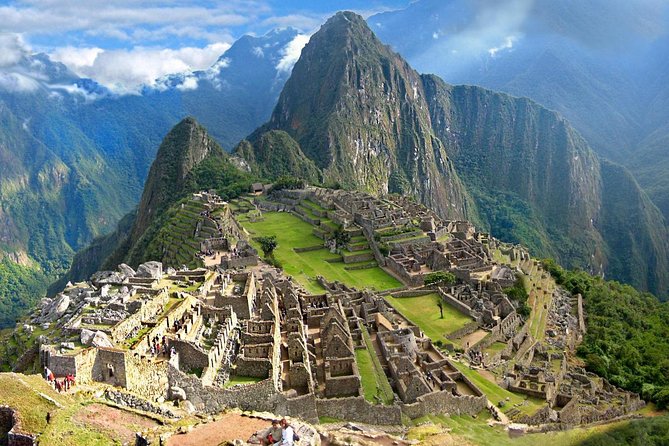
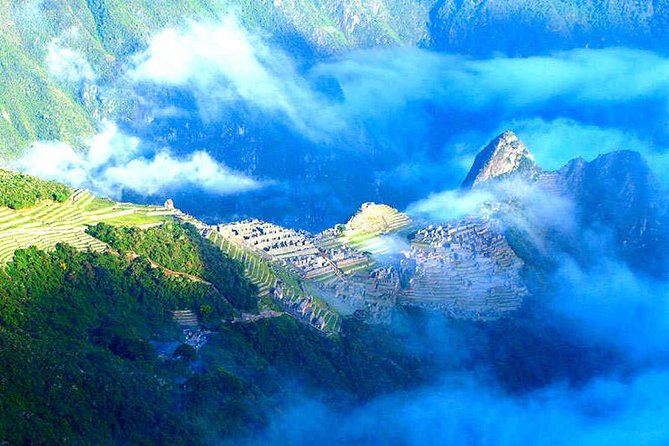
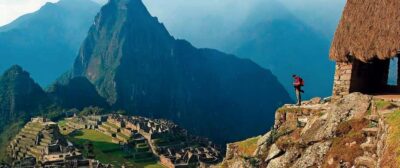
At the Sun Gate, Machu Picchu comes into view below. Weather controls the sunrise spectacle, so keep your expectations flexible. Clouds and mist are part of mountain travel. Even without a clear sunrise, arriving through this stone gateway gives the citadel a sense of arrival that you do not get when you step off a bus at the main entrance.
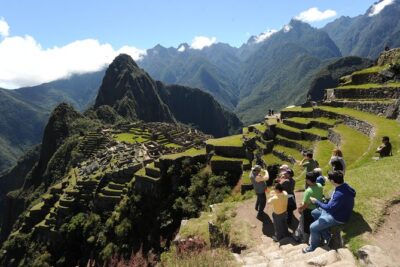
A 45-minute descent takes you to the upper terraces, where you can take the familiar wide views of Machu Picchu. Your guide then leads the visit through the temples, ceremonial areas, terraces, and storage structures.
Pay attention to the ticket details. Huayna Picchu and Machu Picchu Mountain are optional hikes, not included in the base price. Huayna Picchu rises to 2,720 meters, while Machu Picchu Mountain reaches 3,082 meters. You need to reserve the proper ticket ahead of time, and the tour information also notes an extra ticket for re-entry to the citadel in some cases.
After the Machu Picchu visit, you take a bus to Aguas Calientes. Lunch is not included on Day 4, so plan for that expense. Later, you board the train to Ollantaytambo, where a private van returns you to Cusco.
It is a long final day, listed at about nine hours. The return journey is useful, but do not schedule an important flight immediately afterward unless you have confirmed the timing and allowed for delays.
The guide and crew shape the whole trek
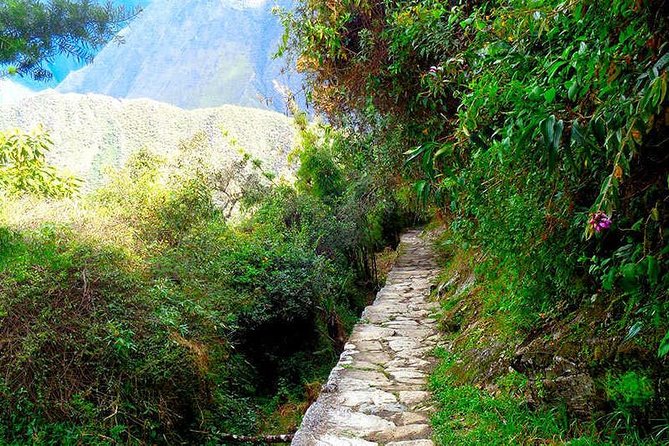
The route is famous, but the staff can determine how meaningful and manageable it feels. Freddy, also called Papa Freddy in some accounts, is praised for his calm manner, cultural knowledge, and ability to make the trek feel personal. Edwin, Herlin, Ronald Ccana Sotalero, Paul, and Yo-yo are also named as guides who bring humor, stories, and close attention to the group.
You should expect the guide to explain the ruins, describe Inca traditions, manage breaks, and check how people are coping. That last task is vital. A good mountain guide knows when to keep the group moving and when to let people rest.
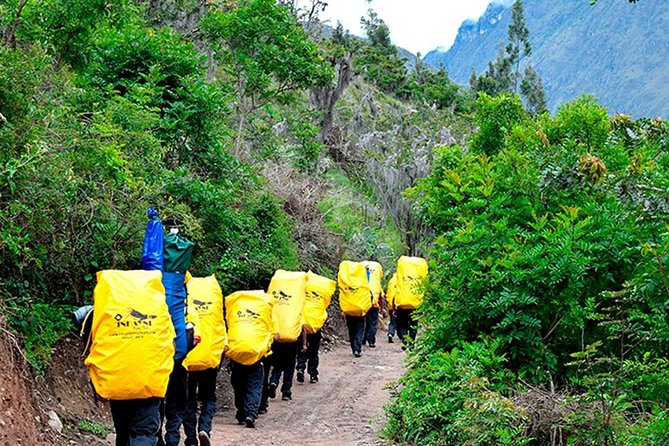
The porters, known locally as chaskis, carry cooking and camping supplies as well as the personal porter allowance. Their work is a central part of the operation. Pack light, respect the stated weight limit, and do not treat the porter service as an excuse to bring a full suitcase.
The chef is equally important. Several named chefs receive strong praise for three-course meals, local dishes, fresh ingredients, and enough variety to keep people eating through the long days. Food is not a small matter at altitude. A warm dinner and a proper breakfast can change your mood and your ability to walk.
Weather, camping, and what to pack
The trail can bring rain, hail, cold, bright sun, and soaked clothing within the same four days. Pack a waterproof jacket or rain poncho, warm layers, gloves, and a hat. Walking boots with good support are essential.
You need sunscreen rated SPF 35 or higher, insect repellent, toiletries, hand sanitizer, personal medication, and a torch with spare batteries. Keep waterproof protection around your passport, phone, and camera.
A sleeping bag is not included, but it can be rented from the local operator. The tour provides an inflatable mattress and pillow, though the pillow must be carried by you. Confirm the rental price and warmth rating before departure, since nights at the high camps can be cold.
Carry your own water for the first four hours on Day 1. After that, water is supplied. Your original passport is required, and students who want the ISIC discount should bring the current card.
Who should choose this Inca Trail trek?
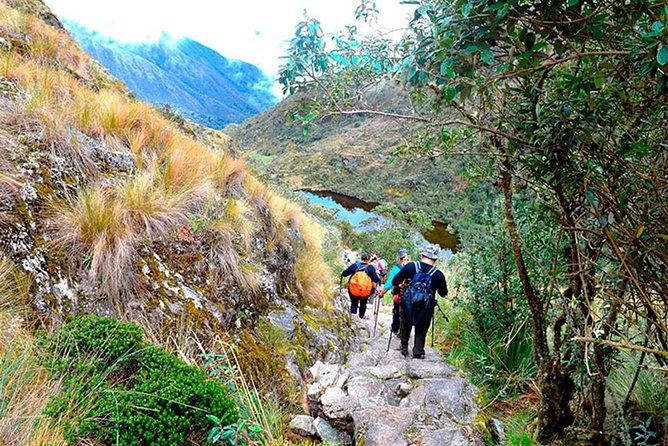
This tour suits you if you want the classic four-day route, prefer a small group, and care about the road to Machu Picchu as much as the citadel itself. It is especially appealing if you value a local guide, a camp chef, porters, and a lighter personal load.
It is less suitable if you dislike early starts, basic camping, steep stairs, or uncertain mountain weather. A six-year minimum age is stated, but age alone does not measure readiness. A young participant needs the fitness and stamina for long high-altitude days.
The group limit is described as 10 people in the activity details, while the included section says a maximum of 12. Ask for confirmation before paying. A smaller group usually makes breaks, questions, and guide contact easier.
Permits are limited to 500 people each morning, including guides, porters, and cooks. For that reason, book at least five months ahead when possible. The booking cannot be refunded or changed, so check your health, flights, passport, insurance, and preferred dates before committing.
Should you book it?
I would choose this trek if you want a supported but genuine mountain journey into Machu Picchu. The strongest reasons are the small group, personal porter allowance, local crew, strong meal service, and arrival through the Sun Gate.
I would pass if you want a soft adventure with hotel beds and flexible timing. Four days of altitude, camping, steep climbs, and early mornings require real preparation.
At $850, the package makes sense for you if you plan to use the included support. Bring the right clothes, train for long uphill walks, clarify the group size and ticket rules, and arrange insurance. Do that, and this tour offers a memorable way to earn your first view of Machu Picchu.
FAQ
How long is the Inca Trail tour?
The trek lasts four days, with walking times of about five hours on Day 1, seven hours on Day 2, eight hours on Day 3, and nine hours on Day 4.
What time does pickup begin?
Pickup begins at approximately 5 a.m. from your hotel in central Cusco.
Is food included?
Breakfast, lunch, and dinner are included for Days 1 through 3. Breakfast on Day 1 and lunch and dinner on Day 4 are not included. Vegetarian meals can be requested.
Is a sleeping bag included?
No. A sleeping bag can be rented from the local tour operator.
Are Huayna Picchu and Machu Picchu Mountain included?
No. Entrance to Huayna Picchu costs extra, and you must pre-book the appropriate ticket. Machu Picchu Mountain is also available if pre-booked.
What documents do I need?
You need your original valid passport on the day of the trek. Bring an ISIC card as well if you are a student seeking the discount.
More Machu Picchu tours in Cusco
- From Cusco: 2-Day Trip to the Sacred Valley and Machu Picchu
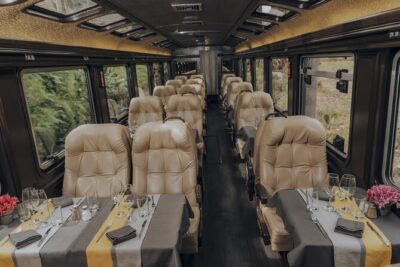
★ 4.6 · 265 reviews - The First Class Machu Picchu Train by Inca Rail
★ 4.0 · 182 reviews - From Cusco: 1-day Machu Picchu Tour by Train
★ 4.6 · 138 reviews - Private Tour to Sacred Valley and Machu Picchu from Cusco
★ 5.0 · 133 reviews
More treks in Cusco
- Cusco: Machu Picchu 2-Day Inca Trail with Panoramic Train
★ 4.9 · 260 reviews - From Cusco: 2-Day Inca Trail to Machu Picchu
★ 4.2 · 244 reviews - Machu Picchu: Inca Trail 2-Day Overnight Guided Tour
★ 4.9 · 203 reviews - Short Inca trail to MachuPicchu || 2days – 1nigth ||
★ 5.0 · 103 reviews
Just added around Cusco
- Zipline over the Sacred Valley Trip★ 5.0 · 11 reviews
- Waqrapukara 1 day trekking + meals★ 3.9 · 3 reviews
- Visit Pisac from Cusco: Private Transport★ 4.6 · 9 reviews
- Valle Sur Cusco | half day★ 4.3 · 3 reviews
- Trek to Humantay Lake from Cusco★ 4.9 · 8 reviews
- Trek to Choquequirao 4 days★ 3.8 · 4 reviews
- rainbow mountain full day★ 5.0 · 44 reviews
- Machu picchu one day by train all included★ 4.5 · 53 reviews
Machu Picchu Tours, compared.
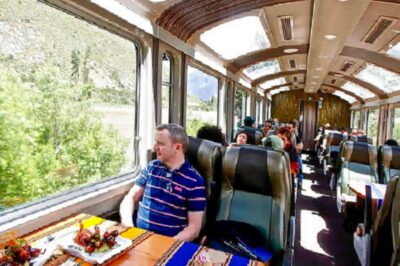
4-Day Inca Trail to Machu Picchu with Accommodation
Read our review →
2-Day Trip to the Sacred Valley and Machu Picchu
Read our review →
Machu Picchu 2-Day Inca Trail with Panoramic Train
Read our review →
The First Class Machu Picchu Train by Inca Rail
Read our review →Browse the lists this tour appears in