
Reviewed · MACHU PICCHU TOURS
5-Day: Salkantay Trek to Machupicchu and Humantay Lake
The real draw here is the big change in scenery. In five days, you move from icy Andean peaks and Humantay Lake to warm jungle, hot springs, railway paths, and Machu Picchu. I like the route’s variety, and I like that horses carry up to 5 kilograms of your gear during the hardest first three days. The group is capped at 15, which helps keep the mountain days personal.
I also like the strong value at $360, since camping, one hostel night, meals, transport, a guide, and the Machu Picchu entrance are included. The catch is the effort: this is a serious high-altitude hike, with an early start, long walking days, and a very late return to Cusco. You need good fitness and a sensible attitude toward simple camping.
Key points to know before you book
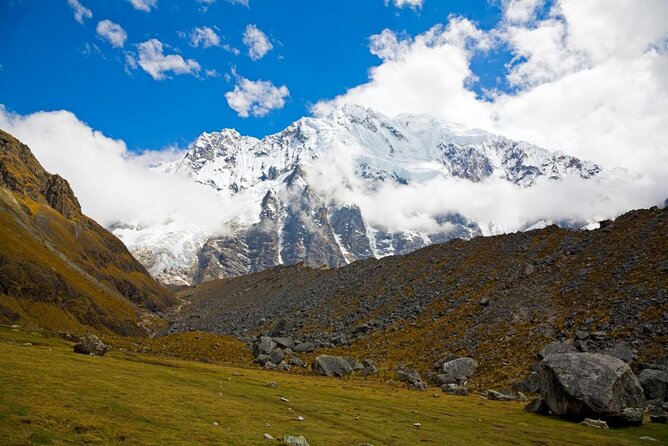
- Humantay Lake comes on the first day, after a four-hour ride and a climb to 4,200 meters.
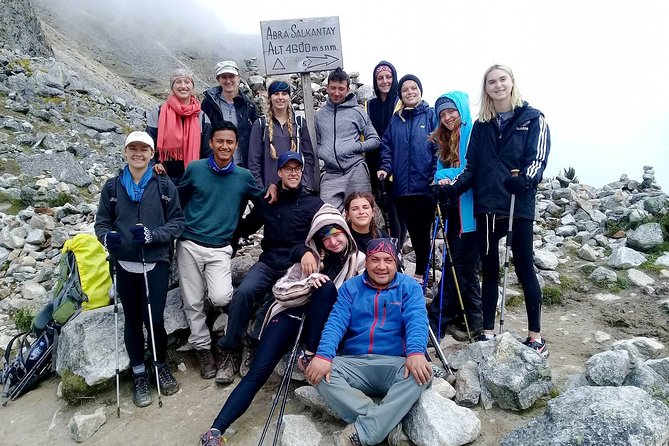
- Salkantay Pass reaches 4,600 meters, making altitude the main physical challenge.
- The route changes from mountain to jungle, with cooler conditions at Soraypampa and warmer weather near Santa Teresa.
- Three nights are spent camping and one night in a hostel, with a private hostel room for couples.
- A bilingual guide leads the group, and Roger is specifically praised for being helpful and friendly.
- The return to Cusco by bus takes until about 10 p.m., while a train option gives you more time at Machu Picchu for an added cost.
Why this Salkantay route is worth considering
The Salkantay Trek is a strong alternative for anyone who wants Machu Picchu but also wants the journey to feel like a real mountain trip. You are not simply transferred to the ruins. You walk through high country, cross a major pass, drop into warmer jungle, and approach Aguas Calientes along the railway.
That variety gives the five days a clear rhythm. The first two days are about altitude and mountain strength. The third and fourth days bring warmer air, plants, streams, hot springs, and a softer walking pace. The final morning is reserved for Machu Picchu.
At $360 per person, the package includes a good amount: four breakfasts, four lunches, four dinners, three nights of camping, one hostel night, camping equipment other than a sleeping bag, private transport, guide service, entrance to Machu Picchu, and a bus back to Cusco. You also get horses to carry up to 5 kilograms of your belongings during the first three days.
That price is attractive, but you should read it as a basic trekking package rather than a polished lodge-to-lodge holiday. You will camp, wake early, carry some of your own equipment, and spend many hours on the road. The included meals help control costs, while the optional hot springs and train ride require extra payment.
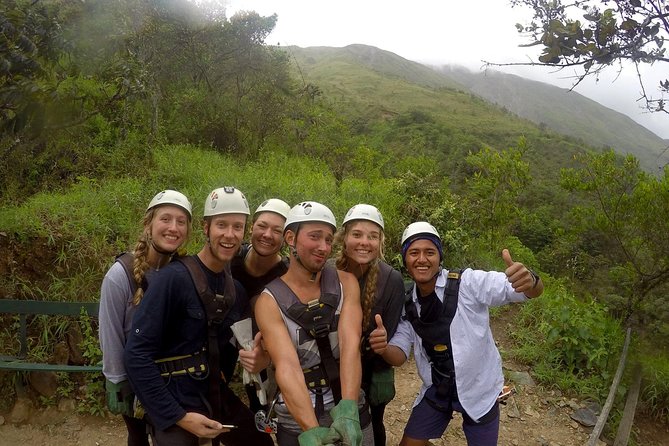
The group size is limited to 15 people. That is small enough for a guide to keep an eye on the pace and for the evening briefing to remain useful. One guide named Roger is praised for being especially helpful and friendly, though your assigned guide may differ.
Other walks into the mountains in Cusco:
- From Cusco: 7 Lakes Ausangate Trek with Breakfast and Lunch
★ 4.8 · 360 reviews - Cusco: Rainbow Mountain Tour and Red Valley Hike (Optional)
★ 4.7 · 149 reviews - Cusco: Full-Day Rainbow Mountain & Red Valley Trekking Tour
★ 4.5 · 121 reviews
Day 1: From Cusco to Humantay Lake
The first day begins before breakfast. Pickup is listed around 5:30 to 6 a.m., while the day-by-day schedule describes some pickups at 4:30 a.m. That difference matters, so confirm your exact pickup time during the briefing the day before.
You ride for about four hours before reaching Mollepata, at roughly 2,900 meters. The stop lasts about 30 minutes, giving you a chance to stretch and buy or organize anything you need before the mountain walking starts.
From Mollepata, transport continues to Challacancha. This is where you meet the porters and horses that carry equipment. The first hike takes about four hours toward Soraypampa, at 3,900 meters. The route passes beside Inca-era water irrigation channels, a small but interesting detail that makes the opening walk feel connected to the older agricultural life of the Andes.
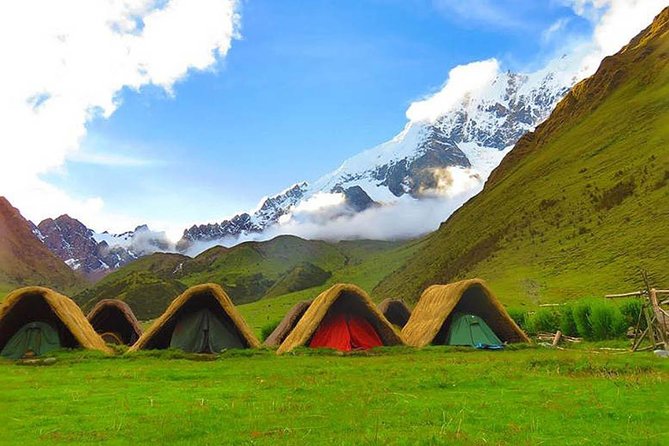
Soraypampa is the first camp. It sits beneath views of the snowy Salkantay peak, with daytime temperatures around 10°C and nights near 2°C. Your shelter is described as a four-season tent with an extra straw roof. This is still camping, so bring warm layers and do not expect the comfort of a hotel room.
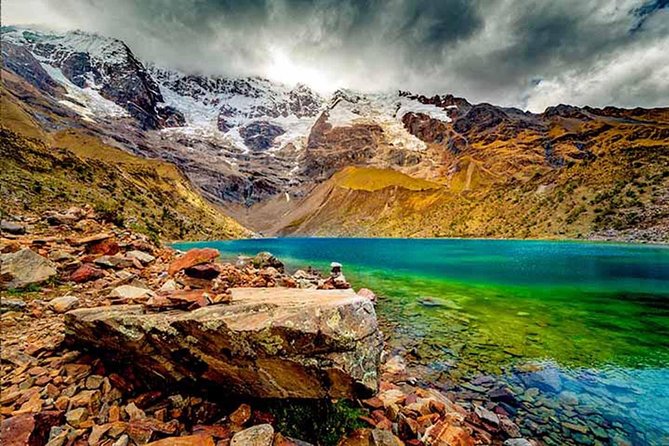
After lunch, you walk to Humantay Lake at 4,200 meters. The uphill trip takes about an hour and a half from camp, followed by time at the lake and the return. The stop is planned for about 90 minutes, but the altitude can make that short walk feel demanding.
Humantay Lake is the visual reward of the first day: a high mountain lake beneath steep Andean slopes. It is also an early test of your altitude response. You should walk slowly, drink water, and tell the guide if you feel unwell. The full first day lasts about eight hours when driving and walking are counted together, so this is not a gentle introduction.
Day 2: Crossing the 4,600-meter Salkantay Pass
Day two is the hardest part of the route for many people. You start with tea from the support staff, followed by breakfast. The tea is intended to help you adjust to the height, but it is no replacement for taking the climb at a steady pace.
The morning hike takes about three hours to reach Salkantay Pass at 4,600 meters. That is roughly 15,091 feet, a height where even fit people may need frequent pauses. The payoff is a broad view of powerful Andean peaks and a sense of reaching the trek’s highest point.
At the pass, the group follows an Andean custom by asking the Apus, or mountain gods, for permission to continue. It is a brief cultural moment, but it fits the setting. This is not just a viewpoint stop. It marks the divide between the high mountain section and the warmer country ahead.
From the pass, you descend toward Wayracpunku, also called HuayraPampa, for lunch. The descent is easier on the lungs but can be tiring on knees and legs. Good shoes and walking poles would be useful, although poles are not listed among the included equipment.
The afternoon brings one of the tour’s most striking changes. You leave the stark high country and enter the upper jungle, where large trees stretch over streams and bromeliads and orchids appear along the route. The walk to Chaullay takes about five hours after lunch.
Chaullay sits at approximately 2,900 meters. Dinner and rest come at the end of a long day. This is where the route’s variety becomes clear: in one day, you move from freezing-height conditions to a much warmer, greener setting.
Day 3: Jungle walking and Cocalmayo hot springs
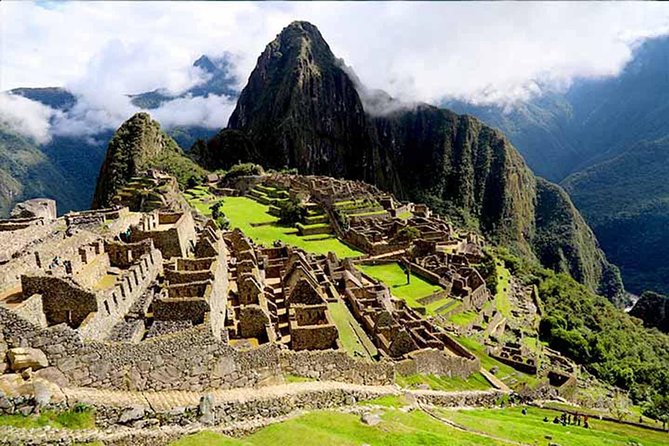
After breakfast at about 6:30 a.m., you continue toward Sahuyaco, also called La Playa, at roughly 2,000 meters. The route is warmer, with daytime temperatures around 25°C and nights near 14°C. Pack clothing that can handle both ends of that range, since the trip begins in cold high country and finishes in the jungle.
This section takes about six hours. You walk through jungle surroundings before stopping for lunch at La Playa. The terrain and temperature provide a welcome contrast after the pass, but the heat can make a steady pace important. You should keep water close and protect yourself from the sun.
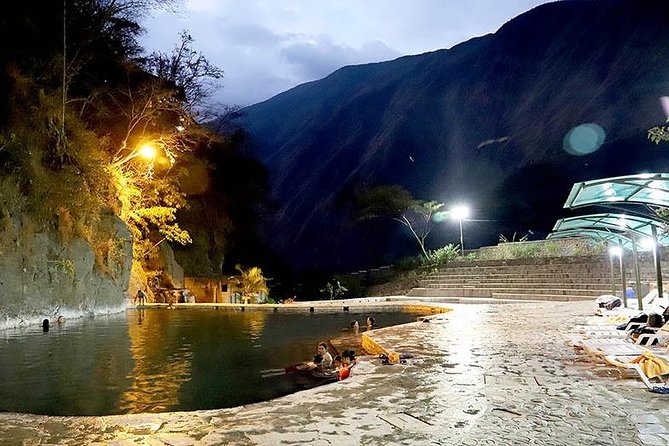
From La Playa, transport takes you to Santa Teresa at 1,550 meters. Here you set up camp and have the chance to visit Cocalmayo hot springs. The admission fee is not included and costs $6 at the time described. That extra charge is small, and the stop gives your legs a useful break after two demanding mountain days.
Cocalmayo is optional in practical terms, but it is one of the better moments to spend a little more. You are not paying for a luxury add-on. You are paying for a warm soak at the end of a long trek, with dinner and rest afterward.
The evening includes a traditional Peruvian dinner and a night at camp. Conditions here should be warmer than at Soraypampa, but you still need to be ready for basic facilities and shared trekking routines.
Other ways up to Machu Picchu from Cusco:
- From Cusco: Full-Day Group Tour of Machu Picchu
★ 4.7 · 1,767 reviews - Machu Picchu Day Trip from Cusco
★ 4.5 · 1,644 reviews - Machu Picchu: Full-Day Tour from Cusco with Optional Lunch
★ 4.6 · 927 reviews - Cusco: 4-Day Inca Trail to Machu Picchu with Accommodation
★ 4.8 · 432 reviews
Day 4: Santa Teresa to Aguas Calientes
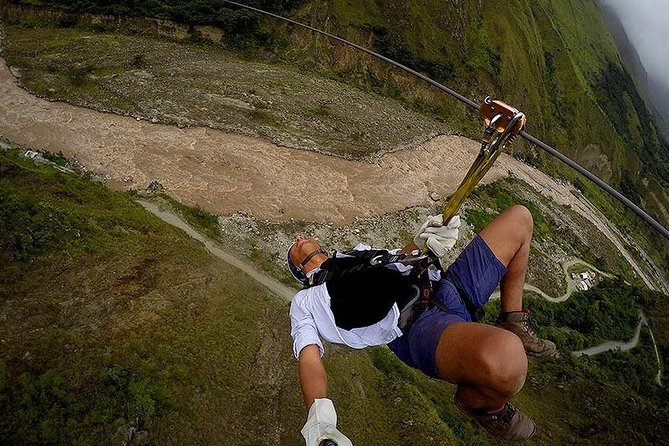
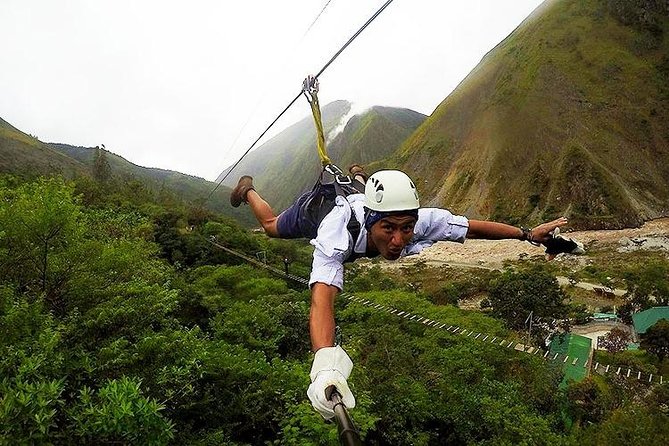
Day four gives you a choice. You can book the zip line, or you can walk from Santa Teresa to the hydroelectric station.
The zip line activity takes about two and a half hours and includes more than six cables. The longest cable is about one kilometer, with a listed maximum speed of 70 kilometers per hour. It also includes a climbing wall and suspension bridge. This is an optional adventure for people who want an active morning, but it changes the way you reach the rest of the group.
If you skip the zip line, you walk for about two hours from Santa Teresa to the hydroelectric station. The full group meets there for lunch and a break. From the station, everyone follows the railway toward Aguas Calientes.
The railway walk takes about three hours. You pass waterfalls, ecological farms, and jungle vegetation, with a chance of seeing wildlife. The route is not described as a hard mountain climb, but the total walking time still adds up, especially after three previous days on foot.
You reach Aguas Calientes around 5 p.m. This is the first night in a hostel rather than a tent. Couples are scheduled for a private room, which makes the change from camping especially welcome. Dinner is served at a local restaurant, followed by a briefing about the next morning at Machu Picchu.
Take that briefing seriously. Your final day begins around 4 a.m., and the group needs to be organized for the climb and entrance controls.
Day 5: An early climb to Machu Picchu
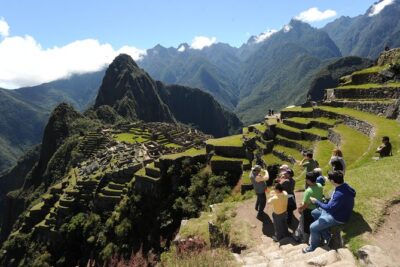
The final day starts in darkness. You walk uphill from Aguas Calientes through high jungle, aiming to reach Machu Picchu around sunrise. The entrance control is planned for about 6 a.m., followed by a private guided tour lasting roughly two hours.
This early timing is a major reason to choose the walking option. You get the satisfaction of reaching the ruins under your own power, and the mountain setting changes as daylight arrives. It is also the most tiring start possible after four days of hiking, so you need to decide if sunrise is worth the early climb.
After the guided tour, you have free time to explore Machu Picchu on your own. The included entrance is based on booking roughly two months ahead. If you book later, the operator says other entrance options may be available, but you should contact them before assuming your preferred date or circuit is secured.
The standard return plan is demanding. At about 11:30 a.m., you walk for roughly three and a half hours back to the hydroelectric station. A bus waits there until about 3 p.m., then drives to Cusco, with arrival around 10 p.m.
That means the last day is not a relaxed sightseeing day. You see Machu Picchu in the morning, walk back, ride for hours, and reach Cusco late at night. The return bus is included, but the schedule requires stamina.
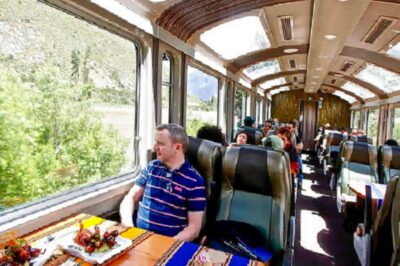
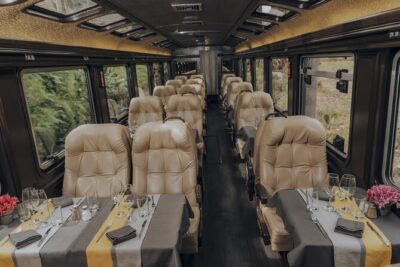
You can add a train from Aguas Calientes if you want more time at Machu Picchu. The train can leave as late as 5 p.m., travels to Ollantaytambo in about one hour and 40 minutes, and connects with a car back to Cusco. The added cost is not given, so ask for the current fare. The train is more comfortable and gives you more time at the ruins, but it is an extra expense.
Gear, meals, and what the $360 covers
The included gear covers the main camping setup, but not a sleeping bag. You need to bring or rent one. That detail matters because the first camp is at 3,900 meters, where nights are described as around 2°C.
The horses carry up to 5 kilograms per person during the first three days, specifically the hardest part of the trek. You still need a daypack for water, layers, snacks, sun protection, and anything you need during the day.
Meals include four breakfasts, four lunches, and four dinners. Breakfast on day one is not included, and neither are lunch or dinner on the final day. Plan for those gaps, especially the first morning pickup before the long drive.
The package includes private transport, all listed fees and taxes, the Machu Picchu entrance, and return bus service. The hot springs, sleeping bag, zip line, train, and Huayna Picchu are extra. Huayna Picchu is listed at $30, subject to availability.
You can also add a night in Machu Picchu town for $30 and return the next day. This is particularly useful if you want to climb Huayna Picchu or Machu Picchu Mountain, but availability must be checked after booking.
Who should book this trek
I would recommend this experience to you if you want a physically active route to Machu Picchu and prefer dramatic changes in scenery over hotel comfort. It suits people who can handle long walking days, basic camping, an early start, and high altitude.
It is a good match for you if:
- You want Humantay Lake and Salkantay Pass on the same journey.
- You are comfortable reaching 4,600 meters.
- You like the idea of horses carrying part of your gear.
- You value included meals and transport.
- You want a small group with no more than 15 people.
- You are willing to return to Cusco late on the final day.
I would think twice if you dislike camping, struggle with steep uphill walking, or want a flexible, comfortable Machu Picchu visit. The train add-on and extra night can soften the final day, but the standard plan remains demanding.
The experience is non-refundable and cannot be changed after booking, except when poor weather forces cancellation, in which case a new date or full refund is offered. Because Machu Picchu entry depends on advance booking, you should confirm the exact entrance arrangement before paying.
Should you book the Salkantay Trek?
Book this tour if your priority is the full journey: high mountains, Humantay Lake, a 4,600-meter pass, jungle walking, hot springs, railway tracks, and Machu Picchu at sunrise. At $360, the included transport, food, camping, guide, gear support, and entrance make it a strong-value choice.
Skip it if you want an easy route or a comfortable final day. The long return to Cusco, high altitude, early starts, and basic camps are real parts of the deal. For fit, adventurous hikers who want a varied route and a friendly small-group format, this is a practical way to reach Machu Picchu without paying for a luxury trek.
FAQ
How long is the Salkantay Trek to Machu Picchu?
The experience lasts approximately five days and includes four nights of accommodation.
What altitude does the trek reach?
The highest point is Salkantay Pass at 4,600 meters, or about 15,091 feet. Humantay Lake is at about 4,200 meters.
Is Humantay Lake included?
Yes. The first day includes the hike from Soraypampa to Humantay Lake and back.
Are meals included?
Four breakfasts, four lunches, and four dinners are included. Breakfast on the first day, plus lunch and dinner on the final day, are not included.
Is camping included?
Yes. The package includes three nights of camping and one night in a hostel. Camping equipment is included except for a sleeping bag.
How much luggage can the horses carry?
Horses carry a maximum of 5 kilograms of your belongings during the first three days.
Is the hot spring included?
No. Cocalmayo hot springs cost $6 at the time described and are paid for on site.
Can I take a train back from Machu Picchu?
Yes. A train can be added for the return from Aguas Calientes. It allows you to remain at Machu Picchu until as late as 5 p.m., then travel by train to Ollantaytambo and continue by car to Cusco.
Can I climb Huayna Picchu?
Yes, if space is available. The listed additional cost is $30. You can also add one extra night in Machu Picchu town for $30 and return the following day.
More treks in Cusco
- Cusco: Machu Picchu 2-Day Inca Trail with Panoramic Train
★ 4.9 · 260 reviews - From Cusco: 2-Day Inca Trail to Machu Picchu
★ 4.2 · 244 reviews - Machu Picchu: Inca Trail 2-Day Overnight Guided Tour
★ 4.9 · 203 reviews - Short Inca trail to MachuPicchu || 2days – 1nigth ||
★ 5.0 · 103 reviews
More Humantay Lake trips around Cusco
- Cusco: Humantay Lake Tour with Breakfast and Buffet Lunch
★ 4.9 · 2,976 reviews - From Cusco: Excursion to Humantay lake from Cusco
★ 4.7 · 514 reviews - Humantay Lagoon Tour
★ 5.0 · 96 reviews - Humantay Lake Full Day Hike
★ 5.0 · 75 reviews
Just added around Cusco
- Zipline over the Sacred Valley Trip★ 5.0 · 11 reviews
- Waqrapukara 1 day trekking + meals★ 3.9 · 3 reviews
- Visit Pisac from Cusco: Private Transport★ 4.6 · 9 reviews
- Valle Sur Cusco | half day★ 4.3 · 3 reviews
- Trek to Humantay Lake from Cusco★ 4.9 · 8 reviews
- Trek to Choquequirao 4 days★ 3.8 · 4 reviews
- rainbow mountain full day★ 5.0 · 44 reviews
- Machu picchu one day by train all included★ 4.5 · 53 reviews
Machu Picchu Tours, compared.
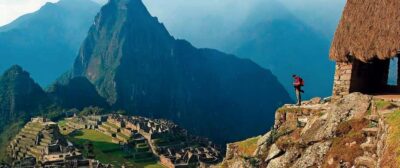
4-Day Inca Trail to Machu Picchu with Accommodation
Read our review →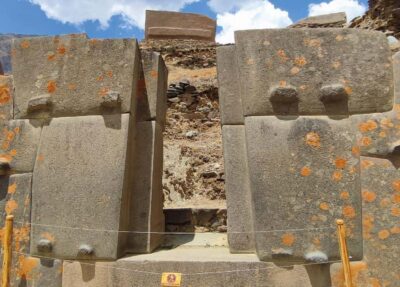
2-Day Trip to the Sacred Valley and Machu Picchu
Read our review →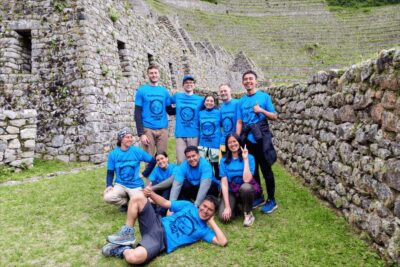
Machu Picchu 2-Day Inca Trail with Panoramic Train
Read our review →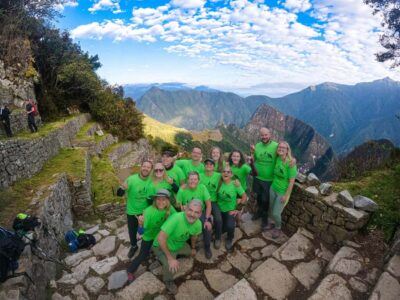
The First Class Machu Picchu Train by Inca Rail
Read our review →Browse the lists this tour appears in