
Reviewed · MACHU PICCHU TOURS
4 Day Classic Inca Trail to Machu Picchu by 360° Train
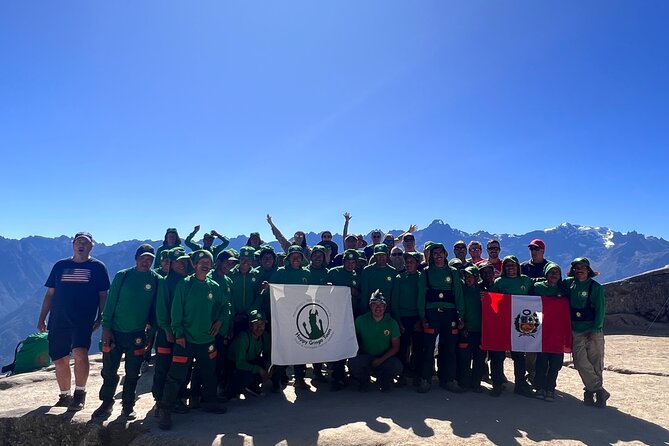
The hardest and most rewarding part of this four-day Inca Trail trek is the steady change from open mountain paths to stone steps, cloud-forest ruins, and your first view of Machu Picchu from the Sun Gate. You reach the famous citadel on foot, not by simply arriving on a bus.
I like the small maximum group of nine, which should make pacing and questions easier. I also like the practical all-inclusive setup: three breakfasts, four lunches, three dinners, tents, permits, and the return train are covered. The main caution is organization. Two serious customer accounts describe late communication, confusion over pickup and sleeping bags, and troubling behavior by a guide. The operator disputes those claims, so you should confirm every detail before paying.
Key points before you commit
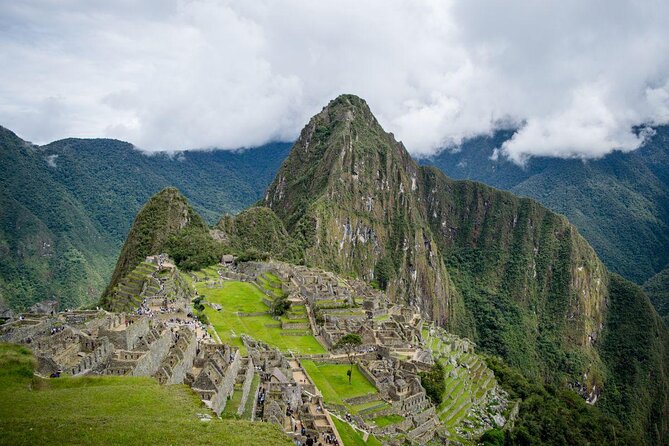
- Four days on the classic route: You cross Dead Woman’s Pass at 4,215 meters, then pass a chain of Inca sites before reaching Machu Picchu.
- Small group of up to nine: A compact party is useful on narrow paths and during long uphill sections.
- Private tent at each campsite: You are not assigned to a large shared sleeping shelter, though sleeping-bag arrangements need clear confirmation.
- Meals are included: Breakfast, lunch, and dinner are provided across the trek, with porters and cooks supporting the camp.
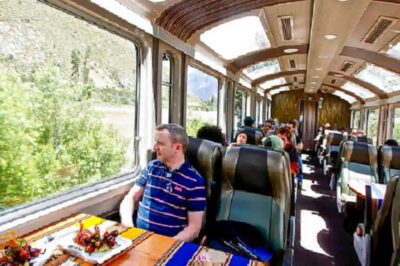
- The return train is included: After your Machu Picchu visit, you travel by train to Ollantaytambo and continue by bus to Cusco.
- Book well ahead: The average booking point is 56 days before departure, and Inca Trail permits are limited.
What the 4-day route is really like
This is not a gentle sightseeing walk. Each day is listed at about nine hours, and the route includes long climbs, steep stone descents, high altitude, and early starts. You need a strong level of fitness, not just a liking for walking.
The payoff is variety. Day one gives you a gradual start and the first archaeological site. Day two is the physical test. Day three brings the most rewarding sequence of ruins and mountain scenery. Day four is built around the approach to Machu Picchu, with the Sun Gate providing the first major reveal.
You sleep in a private tent at each campsite. That is more comfortable than a crowded shared arrangement, but private does not mean luxurious. You are still camping at altitude after long days on rough paths. Ask in advance if your sleeping bag is included, rented, or something you must carry yourself. One customer account says a rented sleeping bag and liner were not clearly handled and that carrying equipment became an issue.
Other ways up to Machu Picchu from Cusco:
- From Cusco: Full-Day Group Tour of Machu Picchu
★ 4.7 · 1,767 reviews - Machu Picchu Day Trip from Cusco
★ 4.5 · 1,644 reviews - Machu Picchu: Full-Day Tour from Cusco with Optional Lunch
★ 4.6 · 927 reviews
Day 1: KM-82, Llactapata, and Ayapata
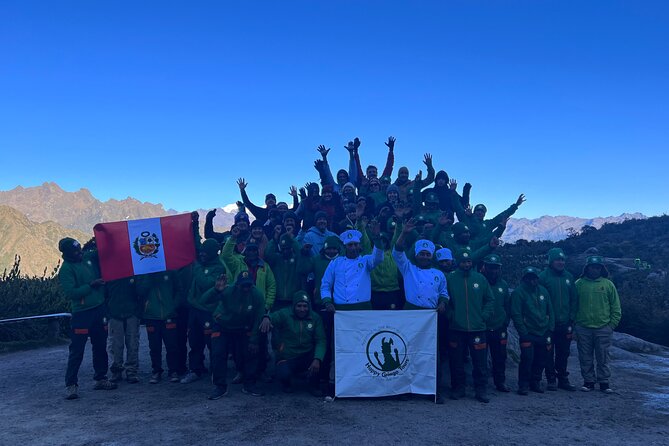
The day begins with a 4:00 am start and a pickup from your hotel. You drive to Piscacucho, also called KM-82, the trailhead for the classic route. At the checkpoint, your passport must match the permit used for entry. Check this before departure. A spelling error or mismatch is not the sort of problem you want to discover at dawn.
The first section is relatively flat, which helps you settle into the group’s pace. You walk toward Llactapata, an early Inca site that gives the route an archaeological focus from the beginning. This is not just a mountain hike with ruins added at the end. The remains and terraces appear throughout the journey.
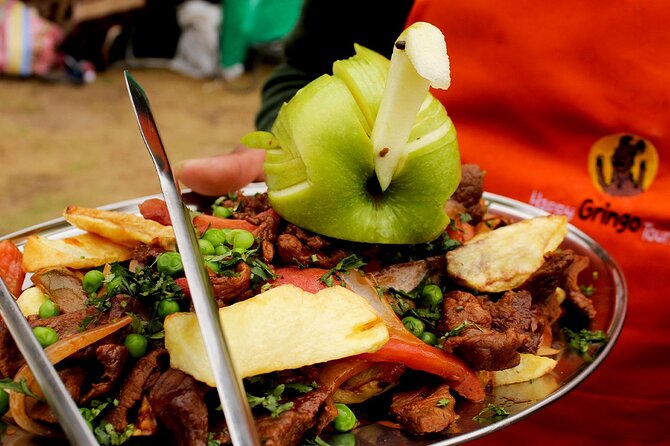
After several hours, you stop for lunch. The setup includes fresh, organic food prepared by the cooking team, with porters supporting the camp operation. That matters because a full day of walking requires more than snacks from a day pack. You should still carry water and any personal food you need, since the supplied details do not specify a personal water allocation.
The afternoon includes the first major uphill section. You take breaks along the way before continuing to Ayapata, the first campsite. The day is around nine hours, so the early flat portion should not fool you into thinking this is an easy opening stage. By the time you reach camp, your legs will have had a proper introduction to the route.
Day 2: Dead Woman’s Pass at 4,215 meters
Day two is the physical center of the trip. After breakfast, you climb for about five hours toward Dead Woman’s Pass, the highest point of the trek at 4,215 meters, or 13,779 feet.
The pass is famous for good reason. It is the highest point on this route and the day most likely to expose problems with fitness or altitude. The trail rises for hours, and your best approach is a slow, steady rhythm with regular pauses. You do not need to race the strongest person in the group. The guide should help keep the pace workable for the full party.
The descent from the pass takes roughly two hours and follows steep Inca steps. Downhill walking can be harder on knees than climbing is on lungs, especially on uneven stone. Trekking poles and shoes with reliable grip are practical choices, though the tour details do not state that equipment is supplied.
After lunch, you climb again for about two hours and then descend for another two, with breaks near Runkurakay and Sayacmarca. Runkurakay is a compact stone site, while Sayacmarca is reached along the mountain path and gives the day a strong sense of movement through old settlements and passageways.
You finish at Chaquicocha, the second campsite. This is a long day of roughly nine hours, so do not plan anything else for the evening. Eat, drink, dry what you can, and sleep. The route is demanding even in good weather.
Day 3: Phuyupatamarca, Inti Pata, and Wiñay Wayna
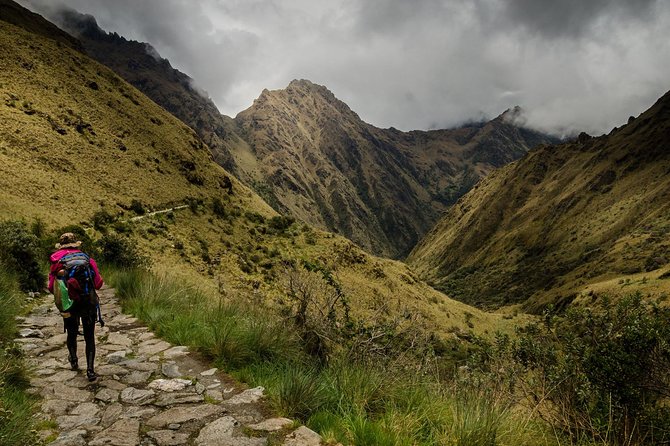
Day three is still about nine hours, but many hikers find it more rewarding than day two because the archaeological sites arrive in a steady sequence. You hike for around two hours to the final summit at Phuyupatamarca, meaning City in the Clouds.
The route here is valued for its plants, wildlife, and mountain views. The supplied itinerary highlights Phuyupatamarca as one of the best places to appreciate the natural setting, and that makes sense after the stark effort of the previous day. You have crossed the highest pass, so the mood changes from survival to discovery, even though the trail remains tiring.
You also visit Inti Pata, or Sun above the terraces. Terraces are among the most striking features of the Inca Trail because they show how carefully people shaped steep mountain ground for farming and settlement. You should allow time to look at the construction rather than treating each site as a quick photo stop.
After lunch, you reach Wiñay Wayna, translated as Forever Young. This is one of the major archaeological highlights before Machu Picchu. Its terraces and stonework make it an important part of the route, not merely a preview of the final destination.
The plan then returns to camp for dinner and a farewell to the porters. Their work is central to the experience. They carry tents, food, cooking supplies, and other camp equipment, allowing you to hike with a lighter load. That does not mean your day pack will be weightless, and you should ask exactly what you must carry, especially if you rent a sleeping bag.
One odd point needs clarification before booking: the supplied schedule mentions a final dinner in Wiñay Wayna on day four, even though Wiñay Wayna is also placed on day three. Treat that as a possible wording or scheduling error and ask the operator for the exact campsite and final-night plan.
Other multi-day treks out of Cusco:
- Cusco: 4-Day Inca Trail to Machu Picchu with Accommodation
★ 4.8 · 432 reviews - From Cusco: 7 Lakes Ausangate Trek with Breakfast and Lunch
★ 4.8 · 360 reviews - Cusco: Machu Picchu 2-Day Inca Trail with Panoramic Train
★ 4.9 · 260 reviews - From Cusco: 2-Day Inca Trail to Machu Picchu
★ 4.2 · 244 reviews
Day 4: The Sun Gate and Machu Picchu
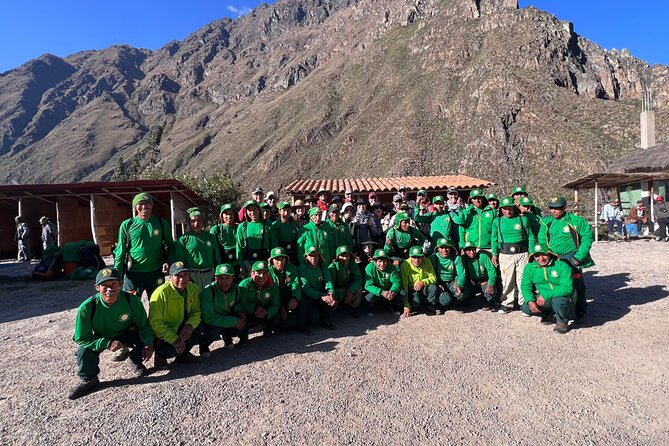
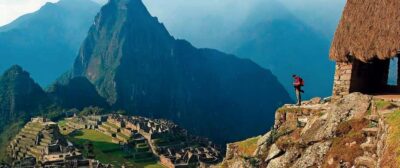
The final morning begins early. Your team wakes you before heading to the checkpoint for Machu Picchu. Once the site opens, you walk toward the Sun Gate, known as Inti Punku, for your first major view of the citadel.
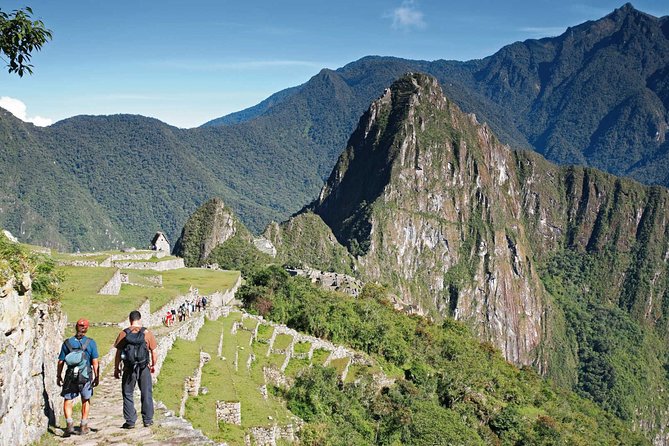
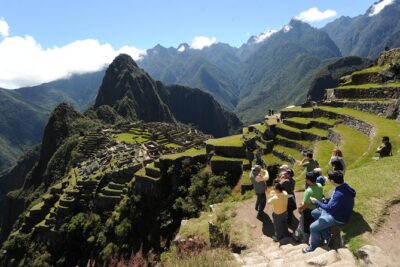
This approach is one of the strongest reasons to choose the classic Inca Trail. You do not first see Machu Picchu from a road or a train window. You arrive from above, after several days of walking through mountain passes and Inca sites. Weather can affect the view, so keep expectations sensible. The journey remains worthwhile even if clouds soften the first glimpse.
Inside Machu Picchu, you visit the important temples and principal areas with the guide. The supplied information does not name the guide, and no guide names are provided, so ask for the guide’s name and the precise tour plan before departure. You should also confirm how long you have inside the site, since the final train schedule controls the pace of the afternoon.
After the visit, you take the train to Ollantaytambo, then continue by bus to Cusco. The train is included in the price, which removes one major transport task at the end of a tiring trek. The ticket redemption point is given as Aguas Calientes, also known as Machu Picchu Pueblo, so confirm where and when the train tickets will be handed over.
What the $820 price covers
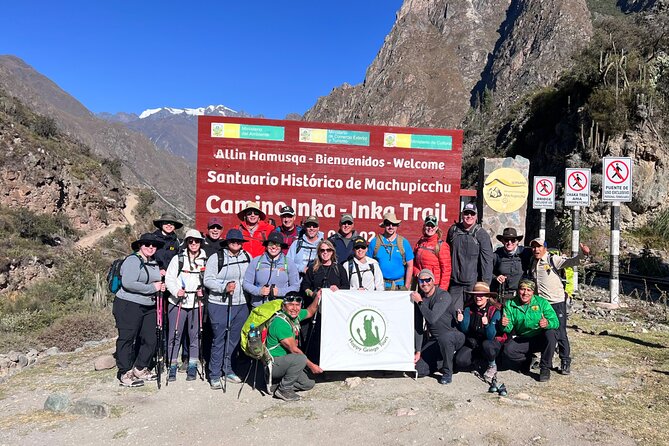
At $820 per person, this is not a budget walk, but the price includes several costly parts of the Inca Trail system. Your permit and Machu Picchu admission are included, as are three breakfasts, four lunches, three dinners, camping support, and the train back toward Cusco.
The value improves if you want a single organized package. Arranging the classic trail requires permits, a licensed operating structure, cooks, porters, campsites, entry tickets, and transport. Paying separately can become confusing, especially when permit availability is tight.
Still, you should not assume every useful item is included. Health insurance is excluded, and tips for the guide, cooks, and porters are also extra. Sleeping bags are not clearly listed among the inclusions. Since one customer account specifically raises a dispute about a sleeping bag, get a written answer covering the bag, liner, weight, rental fee, and who carries it.
The group cap of nine is a good feature. A smaller party can move more easily and makes it less awkward to tell the guide that you need a pause. It does not guarantee a private guide or perfect group chemistry, but it is preferable to a large trek party on narrow paths.
Communication matters as much as the scenery
The public rating attached to this experience is 4.9 from 62 assessments, with 97 percent recommending it. The strongest positive theme is the trek itself, including the guide and support team. The route, cooks, porters, camps, and meals create a well-supported way to reach Machu Picchu on foot.
The serious concern is not the trail. It is management and conduct. One account describes a last-minute change to the start date, with notice only about a day and a half before departure. The operator says the alternate date had been agreed to and disputes the account.
A second account raises claims about missed pickup, poor explanations, a sleeping-bag charge, alcohol use by the guide, and unwanted physical contact. The operator strongly denies the allegations, offers a different account of the pickup and alcohol, and says the disputed customer had requested money. Because the two sides give sharply different versions, I would not treat either account as proven fact. I would treat the presence of the dispute as a reason to set clear boundaries and confirm the operating plan.
Before departure, ask for:
- Pickup time and exact meeting location
- The confirmed start date and permit details
- Guide’s name and emergency contact
- Sleeping-bag and liner arrangements
- The amount of luggage or equipment you must carry
- Campsites for each night
- Train time and ticket handover point
- What happens if weather changes the schedule
Save the answers in writing. That is sensible for any high-altitude trek, especially one with a strict non-refundable policy.
Who will get the most from this trek
This experience suits you if you want the full classic route rather than a quick Machu Picchu visit. You should enjoy long walking days, archaeological sites, early mornings, simple camping, and the feeling of earning the final arrival.
It is a good match for a fit hiker who values a small group and does not want to organize permits, meals, porters, camps, and trains separately. The included meals also make the package easier for anyone who prefers not to plan food logistics in Cusco.
It is a poor match if you need flexible dates, dislike steep steps, or want a relaxed sightseeing holiday. The tour cannot be changed or refunded after booking, except when the operator cancels because of poor weather or an insufficient minimum group. In those cases, you are offered another date, another experience, or a full refund.
Should you book the 4-day Inca Trail?
I would consider booking it for the route, the small group, the included support, and the arrival at Machu Picchu through the Sun Gate. The itinerary gives you the classic sequence: Llactapata, Dead Woman’s Pass, Runkurakay, Sayacmarca, Phuyupatamarca, Inti Pata, and Wiñay Wayna.
I would book only after receiving written answers about pickup, permits, sleeping bags, guide conduct, campsites, and the day-four schedule. If the company communicates clearly and you are prepared for four long days at altitude, the $820 package can be a sensible value.
If the answers remain vague or arrive at the last minute, choose another operator. The Inca Trail itself is the star, but good organization and respectful leadership matter just as much when you are tired, cold, and far from town.
FAQ
How long is the Inca Trail tour?
The experience lasts approximately four days, with each itinerary day listed at about nine hours.
What fitness level do I need?
You should have a strong physical fitness level. The route includes long uphill sections, steep Inca steps, high altitude, and the 4,215-meter Dead Woman’s Pass.
What is the highest point on the route?
The highest point is Dead Woman’s Pass, at 4,215 meters or 13,779 feet.
Are meals included?
Yes. The package includes three breakfasts, four lunches, and three dinners.
Are Inca Trail and Machu Picchu tickets included?
Yes. Inca Trail access and Machu Picchu tickets are included.
Is the return train included?
Yes. After visiting Machu Picchu, you take the train to Ollantaytambo and then continue by bus to Cusco.
What is not included in the price?
Health insurance and tips for the guide, cook, and porters are not included. The supplied details do not clearly confirm the sleeping-bag arrangement, so ask the operator before booking.
More Machu Picchu tours in Cusco
- From Cusco: 2-Day Trip to the Sacred Valley and Machu Picchu
★ 4.6 · 265 reviews - Machu Picchu: Inca Trail 2-Day Overnight Guided Tour
★ 4.9 · 203 reviews - Private Tour to Sacred Valley and Machu Picchu from Cusco
★ 5.0 · 133 reviews - Machupicchu 1 day tour
★ 5.0 · 128 reviews
More train journeys around Cusco
- The First Class Machu Picchu Train by Inca Rail
★ 4.0 · 182 reviews - From Cusco: 1-day Machu Picchu Tour by Train
★ 4.6 · 138 reviews - 2-Day Machu Picchu Tour by train from Cusco ( All included )
★ 5.0 · 85 reviews - From Cusco: Sacred Valley & Machu Picchu 2-Day Tour by Train
★ 4.9 · 79 reviews
Just added around Cusco
- “Waqra Pucara, The Majestic Fortress Revealing Secrets of the Andes”.★ 3.5 · 8 reviews
- 1.5h Cusco Chocolate Workshop – Truffles & Hot Chocolate★ 4.3 · 8 reviews
- Cusco: Chocolate Workshop with the Best Local Organic Cacao★ 4.5 · 23 reviews
- Cusco: Bean to bar chocolate workshop★ 5.0 · 3 reviews
- Cusco: Pub Crawl with Skip-the-Line Access and Drinks★ 4.6 · 57 reviews
- Horseback Tour in cusco to Temple of the Moon & Hidden temples★ 5.0 · 54 reviews
- 2-Day Tour in Sacred Valley and Machu Picchu from Cusco★ 5.0 · 59 reviews
- Sacsayhuaman Temple, Tambomachay and Puca Pucara Half-Day Tour★ 4.5 · 59 reviews
Machu Picchu Tours, compared.
4-Day Inca Trail to Machu Picchu with Accommodation
Read our review →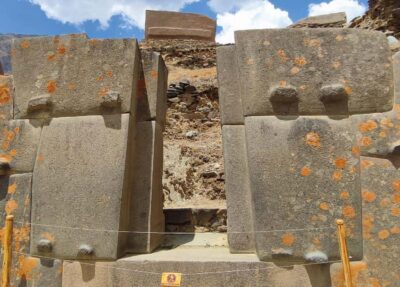
2-Day Trip to the Sacred Valley and Machu Picchu
Read our review →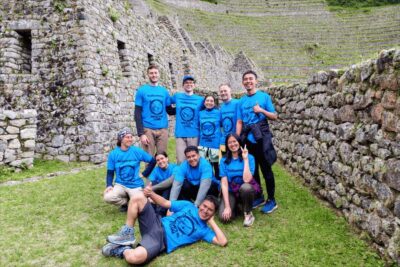
Machu Picchu 2-Day Inca Trail with Panoramic Train
Read our review →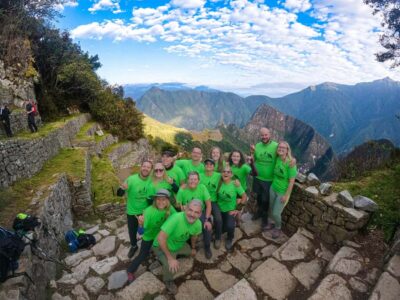
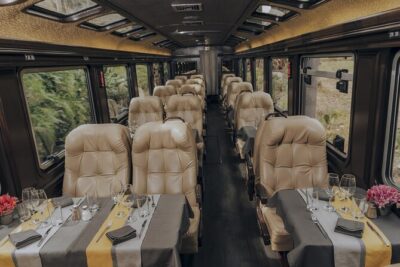
The First Class Machu Picchu Train by Inca Rail
Read our review →Browse the lists this tour appears in