
Reviewed · MACHU PICCHU TOURS
Small Group 5 Days Salkantay and Machu Picchu by Llactapata Tour
The best thing about this five-day route is the sharp change in scenery. You start among the snow peaks of Humantay and Salkantay, then walk down through coffee and cacao country before reaching Llactapata, an Inca site with views toward Machu Picchu. I like the small maximum group of nine, and I like that the trip includes both mountain camping and a private room in Aguas Calientes. The main caution is the altitude and pace: the first two days are demanding, and the climb to 4,600 meters can shape the rest of your trek.
I also like the human touches. Guides such as Jainor, Carlos, Dario, Henry, and Rolando have earned praise for clear English, good humor, Inca history, and patience with mixed fitness levels. Food is another strong point, with cooks preparing fresh meals in camp. Be clear about tips for cooks and porters before you leave, since the expectations may not be explained well enough.
Key points to know before booking
- 4,600-meter Salkantay Pass: The second day is the physical high point, with a long climb followed by a major descent.
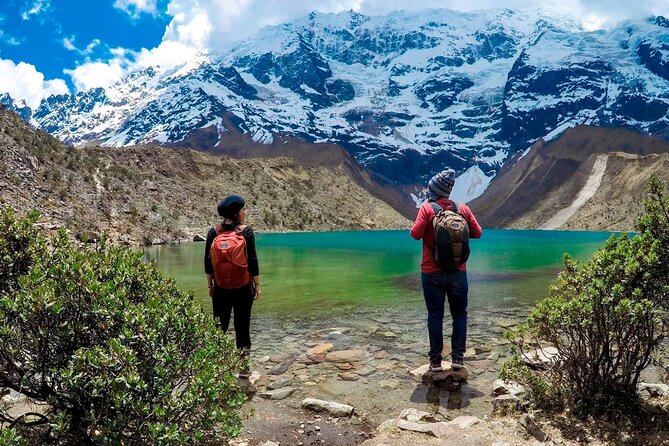
- Humantay Lake option: You can use the afternoon hike on day one to see the turquoise lake and adjust to the altitude.
- Coffee and cacao country: Day three brings plantations, local farming, and a family coffee demonstration in Lucmabamba.
- Llactapata viewpoint: The route reaches Inca ruins with views toward Machu Picchu Mountain and the Vilcanota Canyon.
- Small groups and support animals: The group limit is nine, with horsemen and mules carrying up to 7 kilograms of your personal gear.
- Machu Picchu logistics included: Your package covers the citadel ticket, guided visit, tourist train to Ollantaytambo, and a vehicle to Cusco.
Why this Salkantay route feels different
Many routes to Machu Picchu focus on one type of scenery. This one gives you a full Andean progression. You begin in cold, high country with snow-covered peaks, cross a serious mountain pass, and then descend into warmer forest and farming areas.
That variety is the tour’s main appeal. You are not simply walking toward Machu Picchu. You are watching the climate, plants, farms, and settlement patterns change with altitude. By the final hiking day, the high mountain air feels far away, replaced by coffee plants, fruit trees, and humid forest.
The trip also has a useful balance between guided structure and small-group atmosphere. You have organized meals, campsites, transport for bags, and a guide handling the route and archaeological sites. At the same time, a group of no more than nine people is small enough for questions, shared meals, and a less crowded feel around camp.
The price is $593 per person. That is a strong value if you want a guided trek with camping, meals, entrance tickets, support animals, one hotel night, and the return train. You should still budget for the first breakfast, the final lunch, the bus from Machu Picchu to Aguas Calientes if you choose it, and a sleeping bag. Those extras are listed at $30 for each of the two meals, $12 for the bus, and $5 per day for the sleeping bag.
Other ways up to Machu Picchu from Cusco:
- From Cusco: Full-Day Group Tour of Machu Picchu
★ 4.7 · 1,767 reviews - Machu Picchu Day Trip from Cusco
★ 4.5 · 1,644 reviews - Machu Picchu: Full-Day Tour from Cusco with Optional Lunch
★ 4.6 · 927 reviews
Day one: from Cusco to Soraypampa and Humantay Lake
The day begins early, with a 4:00 am start from Plaza de Armas in Cusco. Private transport takes you toward Mollepata and Challacancha. Mollepata, at roughly 3,000 meters, is a useful early stop to stretch, see the countryside, and gather yourself before the hike begins.
At Challacancha, around 3,400 meters, you meet the horsemen and the rest of the group. The first walking section leads through a broad mountain valley, with Humantay and Salkantay rising above you. The views arrive quickly, but so does the altitude. Even if the trail feels manageable at first, the thin air makes a steady pace important.
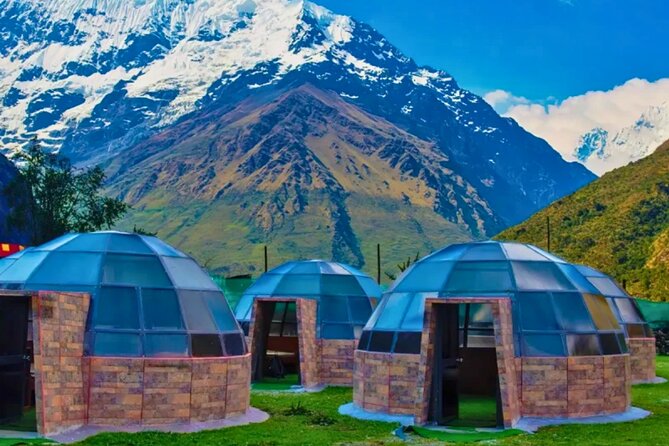
The campsite is at Soraypampa, about 3,700 meters. This is high enough that the evening can feel cold, so warm layers matter. The setting is one of the strongest parts of the first day, with open views of the surrounding peaks and valleys.
In the afternoon, you can make the optional hike to Humantay Lake. The lake is known for its bright turquoise water and high mountain setting. This is not a throwaway add-on. It gives you another chance to walk at altitude before the harder pass crossing, although you should judge your energy carefully. If you already feel the effects of elevation, resting at camp may be the wiser choice.
The first night is in a dining tent with tables and chairs. Tea and snacks are provided each day, along with dinner. Vegetarian meals are available, but you should state that preference when arranging the trip.
Day two: the Salkantay Pass is the real test
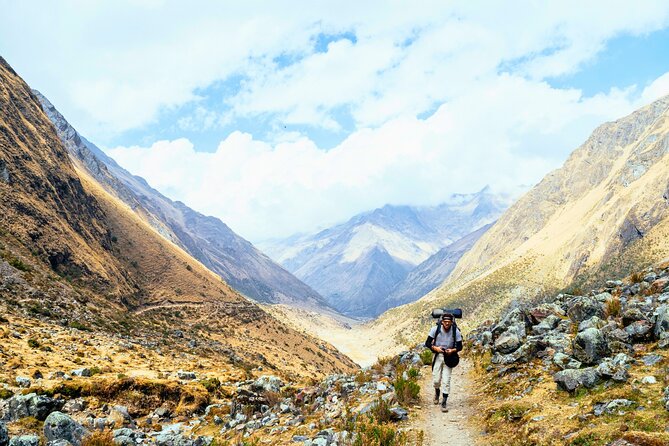
After breakfast, you climb from Soraypampa toward the Salkantay Pass at about 4,600 meters. This is the hardest physical section of the tour. The ascent takes around four hours, and the altitude can make a moderate trail feel much tougher.
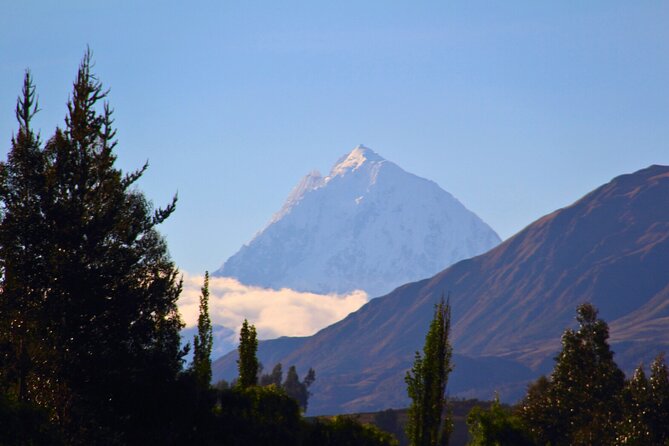
The reward is a close view of Salkantay, a 6,264-meter peak, along with broad mountain views. The pass is a place to pause, breathe, and take photographs, but do not expect to linger comfortably for a long time. At this height, cold, wind, and thin air can make a short stop feel sufficient.
After the pass, the trail drops. The change is dramatic. The cold upper zone gives way to warmer ground, more plant life, and a different rhythm of walking. The descent lasts several hours, so the day remains demanding even after the climb is finished.
The night is at Collpapampa, around 3,000 meters, in a tropical forest setting. You will likely appreciate the warmer temperature after Soraypampa, though mosquitoes are part of the deal. Bring repellent and cover exposed skin. The campsite facilities are practical rather than polished, and the toilet situation may feel basic, particularly on day three.
This day deserves honest planning. One experienced assessment described the first two days as very intense and suggested that the effort was not spread evenly across the trip. That is useful advice. You should not judge your fitness only by how you feel on a flat walk at home. A strong level of fitness is required, and altitude preparation matters.
Day three: coffee, cacao, and rural life near Lucmabamba
Day three changes the mood. The trail continues down through forest, where you may see orchids, bromeliads, and other plants suited to the warmer climate. You are no longer walking through bare high-country slopes. The route feels more enclosed, greener, and connected to farming.
The most interesting part for me is the move through coffee, cacao, and fruit plantations. These crops are more than scenery. They support local families and give you a direct look at how rural communities use the land at different elevations.
The route passes Wiñaypoco and Granadilla before reaching Lucmabamba, around 2,000 meters. This is a much warmer and more humid setting than the opening stages. You should expect a change in clothing needs, more insects, and a different style of walking.
At Lucmabamba, you visit a rural family and learn how coffee is grown, harvested, dried, and roasted. You then get to taste the finished drink. This is one of the most meaningful stops because it connects the scenery to daily work. Instead of simply seeing a coffee plantation, you learn what it takes to turn ripe cherries into a cup.
Your campsite is near Lucmabamba Lodge. Meals continue to be served during the trek, and the cook is an important part of the experience. The trip has received especially strong praise for the quality and creativity of the food, including breakfasts, lunches, and dinners prepared with limited camp equipment. One cook, Alejandro, was even known for making a birthday cake for a member of a group. That sort of personal effort can make a basic camp feel surprisingly warm.
Other multi-day treks out of Cusco:
- Cusco: 4-Day Inca Trail to Machu Picchu with Accommodation
★ 4.8 · 432 reviews - From Cusco: 7 Lakes Ausangate Trek with Breakfast and Lunch
★ 4.8 · 360 reviews - Cusco: Machu Picchu 2-Day Inca Trail with Panoramic Train
★ 4.9 · 260 reviews - From Cusco: 2-Day Inca Trail to Machu Picchu
★ 4.2 · 244 reviews
Day four: the Inca trail to Llactapata
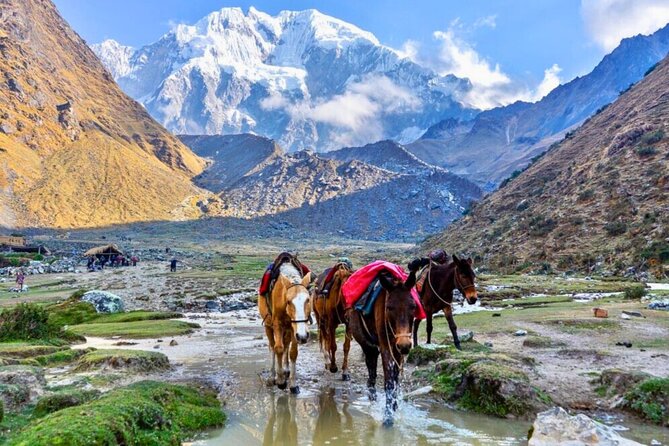
After breakfast, you take an old Inca route uphill toward Llactapata, at about 2,650 meters. The climb takes around three hours. It is a different challenge from the Salkantay Pass because the setting is warmer and the trail passes through forest rather than open high country.
Llactapata contains terraces and structures linked to the Inca road network. Your guide explains the site and its role in the wider Inca system. This is where a good guide matters. Guides such as Jainor and Rolando have been praised for answering detailed questions, switching comfortably between Spanish and English, and explaining Inca culture without rushing the group.
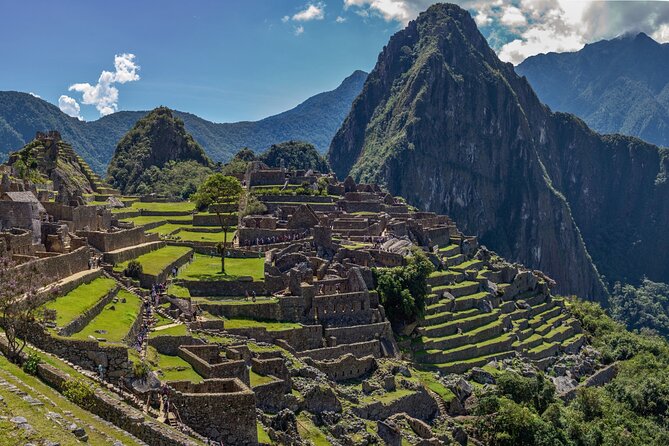
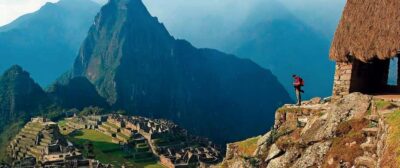
The archaeological site is also valued for its position. From Llactapata, you can see toward Machu Picchu Mountain and the Vilcanota Canyon. You do not get the same famous citadel view that you will see the following morning, but the angle gives you a useful sense of how Machu Picchu fits into the surrounding mountains.
From Llactapata, the route descends toward Hydroelectric Station, around 1,950 meters. The descent takes roughly three hours, followed by a break. Transportation from Lucmabamba to the station is provided for equipment and everyone’s bags, which means you are not expected to carry the full load through this section.
From Hydroelectric Station, you continue toward Machu Picchu town, also called Aguas Calientes. The town is your base for the night. You will have a private room with a private bathroom and breakfast included, a welcome change after several nights in camp.
You have the evening free to eat, walk through the markets, or prepare for the early visit to Machu Picchu. The final hotel night is one reason this trip costs more than a basic camping-only trek, but it also makes the transition to the ruins much easier.
Day five: Machu Picchu before the crowds build
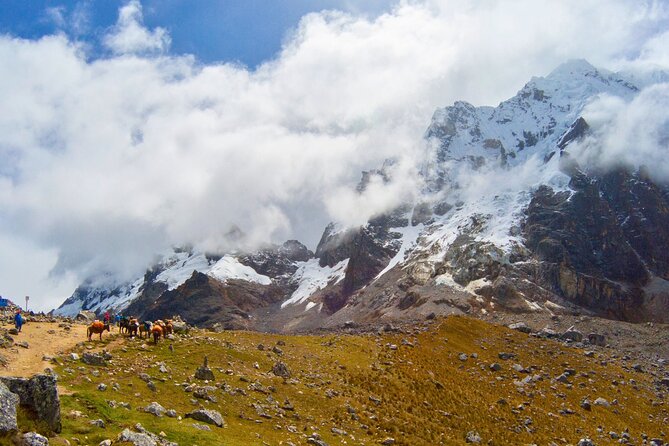
The final day starts at 5:30 am. After breakfast, you take a bus toward Machu Picchu and aim to arrive around 6:00 am. The bus from Machu Picchu back to Aguas Calientes is not included, so set aside the listed $12 if you want that ride after the visit.
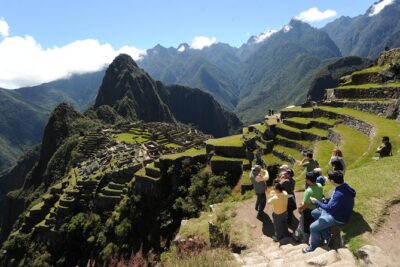
The guided visit lasts about three hours. Your guide takes you through the main archaeological area and explains the Inca buildings, engineering, culture, and setting. This is not just a photo stop. The context helps you understand why terraces, stonework, plazas, and sight lines were placed where they are.
An early arrival gives you the best chance of seeing the citadel in softer morning light. It also makes practical sense because you need time afterward for lunch, the train, and the return transfer.
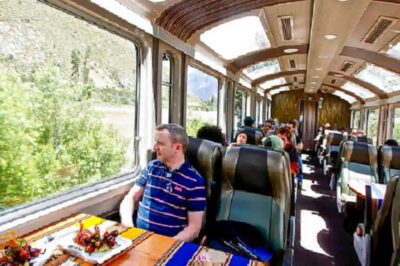
The train leaves Aguas Calientes in the afternoon for Ollantaytambo. From there, a vehicle takes you back toward Cusco Historic Center. The final travel section can take much of the day, so do not schedule an important evening commitment in Cusco.
Lunch in Aguas Calientes is not included, and the listed allowance is $30. The town is convenient but generally more expensive than smaller towns in the Sacred Valley, so plan for that cost.
Guides, food, and the small-group advantage
The group limit is nine people, and that matters on a trek with uneven fitness levels. A guide can adjust stops, answer questions, and keep the group connected more easily than with a large coach-sized party.
Guide assignments vary. Jainor has been praised for patience, detailed explanations, and an easy change between English and Spanish. Carlos has been credited with strong information throughout the route. Dario has received praise for humor and good energy, while Henry has been singled out for friendliness and support. Rolando has earned especially warm comments for answering questions, explaining Inca sites, and keeping morale up during long days.
You can request a guide, but you should treat that as a preference rather than a guarantee. The operator also provides a cook and horseman. Mules carry up to 7 kilograms of your personal equipment, which reduces the weight on your back but does not remove the need for a daypack.
The package includes three breakfasts, three lunches, and three dinners during the camping portion. Tea and snacks are served daily. A first-aid kit, oxygen bottle, and emergency horse between Marcoccasa and Chaullay provide extra support, though they are not a substitute for acclimatization or sensible pacing.
Tip expectations deserve a clear conversation before the trek begins. Cooks and porters do demanding work, and the service has been a major strength of this experience. Ask the office or guide what is customary for the full team so you are not trying to sort it out at the end.
What to pack and who should choose this trek
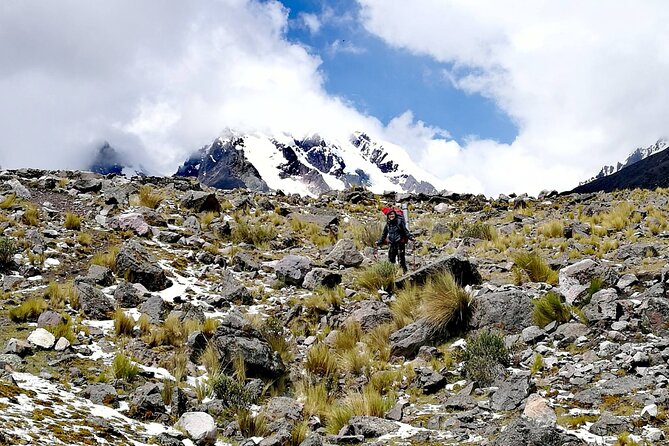
You need warm clothing for Soraypampa and the pass, lighter clothing for the warmer forest, rain protection, sturdy hiking shoes, sun protection, insect repellent, and a sleeping bag unless you rent one for $5 per day. A small daypack should hold water, layers, snacks, and personal items.
This trip suits you if you want a serious mountain route but also care about food, local farming, ruins, and a comfortable hotel night. It is a good choice for someone who prefers a small group and wants transport and permits organized.
It is less suitable if you dislike early starts, camping, basic toilets, mosquitoes, or steep climbs. The 4,600-meter pass is not a gentle sightseeing walk. You should also be comfortable with a long final travel day from Aguas Calientes back to Cusco.
The tour is non-refundable and cannot be changed after booking, so confirm your dates, fitness, and equipment needs before paying.
Should you book this Salkantay and Machu Picchu tour?
I would choose this trip if you want more variety than a direct Machu Picchu visit. The route gives you snow peaks, Humantay Lake, the Salkantay Pass, tropical farms, coffee preparation, Llactapata, and the main citadel in one package.
The best value comes from the combination of included services: guide, meals, camping equipment, mules, entrance tickets, hotel, train, and return transport. The main tradeoff is intensity. The first two days ask a lot from you, and the altitude can affect the whole group.
Book it if you are fit, prepared for high altitude, and interested in the people and working communities along the route, not just the final ruins. Choose a gentler option if your priority is comfort or if you want the hiking effort spread more evenly across the days.
FAQ
How long is the Salkantay and Machu Picchu tour?
The experience lasts approximately five days, beginning in Cusco and ending back at the Cusco meeting point.
What time does the tour begin?
The stated start time is 4:00 am from Plaza de Armas in Cusco.
How large is the group?
The maximum group size is nine people.
What is the highest point on the route?
The highest point is Salkantay Pass, at approximately 4,600 meters or 15,092 feet.
Is Humantay Lake included?
The afternoon hike to Humantay Lake on the first day is optional. The Salkantay entrance ticket is included.
Are meals included?
Three breakfasts, three lunches, and three dinners are included during the trek. Breakfast on the first day and lunch on the final day in Aguas Calientes are not included. Vegetarian meals are available.
Is accommodation included?
Yes. Camping equipment is provided during the trek, and you receive a private room with a private bathroom and breakfast in Aguas Calientes.
Is transportation back to Cusco included?
The tourist train from Machu Picchu to Ollantaytambo and a vehicle to Cusco Historic Center are included. The bus from Machu Picchu to Aguas Calientes costs an additional $12.
Can I bring less hiking gear?
Horsemen and mules carry up to 7 kilograms of each customer’s personal equipment. A sleeping bag is not included, but it can be rented for $5 per day.
More five-day trips from Cusco
- Machu Picchu: 5-Day Salkantay Trek with Panoramic Train
★ 5.0 · 79 reviews - Ausangate Trek 5 Days
★ 5.0 · 74 reviews
More Machu Picchu tours in Cusco
- From Cusco: 2-Day Trip to the Sacred Valley and Machu Picchu
★ 4.6 · 265 reviews - Machu Picchu: Inca Trail 2-Day Overnight Guided Tour
★ 4.9 · 203 reviews - The First Class Machu Picchu Train by Inca Rail
★ 4.0 · 182 reviews - From Cusco: 1-day Machu Picchu Tour by Train
★ 4.6 · 138 reviews
Just added around Cusco
- “Waqra Pucara, The Majestic Fortress Revealing Secrets of the Andes”.★ 3.5 · 8 reviews
- 1.5h Cusco Chocolate Workshop – Truffles & Hot Chocolate★ 4.3 · 8 reviews
- Cusco: Chocolate Workshop with the Best Local Organic Cacao★ 4.5 · 23 reviews
- Cusco: Bean to bar chocolate workshop★ 5.0 · 3 reviews
- Cusco: Pub Crawl with Skip-the-Line Access and Drinks★ 4.6 · 57 reviews
- Horseback Tour in cusco to Temple of the Moon & Hidden temples★ 5.0 · 54 reviews
- From Cusco: 2-Night Lake Titicaca Excursion★ 3.7 · 62 reviews
- From Cusco: Rainbow Mountain in ATV Quad Bikes + meals★ 4.5 · 60 reviews
Machu Picchu Tours, compared.
4-Day Inca Trail to Machu Picchu with Accommodation
Read our review →
2-Day Trip to the Sacred Valley and Machu Picchu
Read our review →
Machu Picchu 2-Day Inca Trail with Panoramic Train
Read our review →
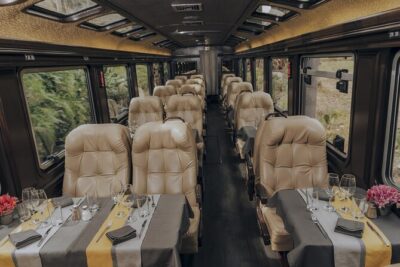
The First Class Machu Picchu Train by Inca Rail
Read our review →Browse the lists this tour appears in