
Reviewed · MACHU PICCHU TOURS
4 Day Inca Trail Trek to Machu Picchu Multi day tour
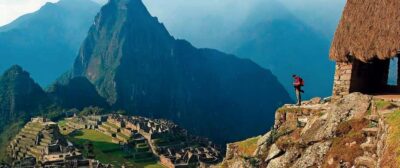
The best part of this four-day Inca Trail trek is that you reach Machu Picchu the old-fashioned way, on foot, through stone paths built by the Inca. You cross high Andean passes, cloud forest, and subtropical vegetation before entering through the Sun Gate, with the citadel spread below you.
I like the strong support system: porters carry your food, tents, and up to 7 kilograms of your personal gear, while a trekking chef prepares three breakfasts, lunches, and dinners. I also like the small maximum group of 16, plus guides such as Nico, César, Josias, and Plinio, who are repeatedly praised for pacing, encouragement, and clear explanations.
The catch is simple: this is a serious high-altitude hike, not a sightseeing walk. Dead Woman’s Pass reaches 4,215 meters, the trail includes long climbs and descents, and the non-refundable booking policy leaves little room for a change of plans.
Key points before you book
- Enter Machu Picchu through the Sun Gate: The final approach gives you a first high view of the citadel before the guided visit.
- Climb to 4,215 meters: Dead Woman’s Pass is the physical test of the trek, with a steep ascent followed by a descent into Pacaymayo Valley.
- Sleep three nights in camp: Eureka tents, dining and kitchen tents, a toilet tent, mattresses, and campsite water are included.
- Let the porters carry the heavy load: Your personal duffel can weigh up to 7 kilograms, while the support team carries communal gear and supplies.
- Enjoy serious trail cooking: The chef prepares three meals each day, and the food receives some of the strongest praise, including fresh baked treats at camp.
- Expect a small, organized group: The maximum is 16 people, with pickup from Cusco at about 4:30 a.m. on the first day.
The Inca Trail from Km 82 to Machu Picchu
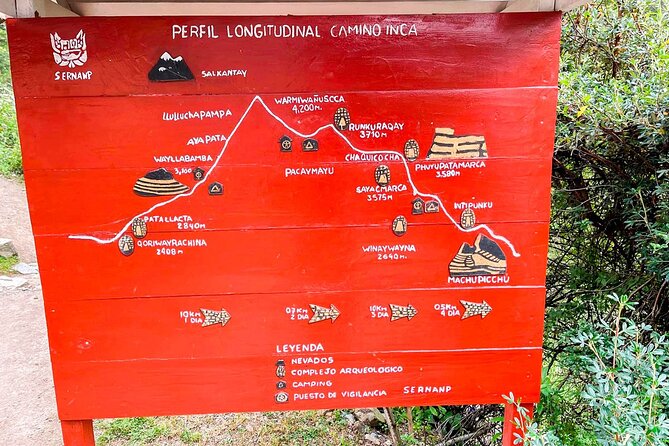
This route covers about 42 kilometers, or 26 miles, over four days. It follows an ancient Inca road from Km 82, crossing several climate zones and archaeological sites on the way to Machu Picchu.
The route is valuable because the walking is part of the history. You are not simply arriving at the ruins by bus and then looking around. You pass stonework, terraces, ritual sites, and old settlements before the final reveal at the Sun Gate.
At $930 per person, this is not a cheap way to reach Machu Picchu. But the price includes permits, entrance fees, camping, meals, transport from Cusco to the trailhead, porters, a chef, the train to Ollantaytambo, and the bus back to Cusco. Once you add those pieces together, the cost is easier to understand.
The included support also matters. Carrying food, cooking equipment, tents, and camping furniture across the Andes is a major task. Here, the porters handle the heavy communal load, and you carry only your day bag plus the personal items you place in the 7-kilogram duffel.
Other walks into the mountains in Cusco:
- From Cusco: 7 Lakes Ausangate Trek with Breakfast and Lunch
★ 4.8 · 360 reviews - Cusco: Rainbow Mountain Tour and Red Valley Hike (Optional)
★ 4.7 · 149 reviews - Cusco: Full-Day Rainbow Mountain & Red Valley Trekking Tour
★ 4.5 · 121 reviews
Day 1: 12 kilometers beside the Vilcanota River
Your first morning begins early, with pickup from your Cusco hotel at about 4:30 a.m. The drive passes through the Urubamba Valley before reaching Km 82, the official starting point of the trek.
After crossing the Vilcanota River, you begin with a moderate walk of about 12 kilometers. The trail follows the river and opens to views of Andean peaks and valleys. You pass through Huayllabamba, where you may have a chance to interact with local people.
This first day is useful as a gradual introduction. You are hiking for roughly eight hours, but the route is not yet the hardest section. It gives you time to settle into your boots, learn how the group moves, and see how the guide handles breaks and pace.
Do not treat Day 1 as a free pass. You are already hiking at altitude, and the early start can make the day feel long. Keep your day bag light, drink the water provided by the chef, and save energy for the two difficult days ahead.
Day 2: Dead Woman’s Pass and Pacaymayo Valley
Day 2 is the hardest physical day for many people. After breakfast, you climb steadily toward Warmiwañusca, better known as Dead Woman’s Pass, at 4,215 meters above sea level.
The name is dramatic, but the real challenge is the height and the long uphill push. The views across the mountains and valleys reward you as you climb, though the thin air can slow even fit hikers. A guide who controls the pace is especially useful here. Plinio, César, and Nico are among the guides praised for encouragement and for adjusting the walking rhythm to the group.
At the pass, you pause before descending into Pacaymayo Valley. That descent is welcome for your lungs, but it can be hard on knees and thighs. Trekking poles are not included, though they can be rented for $20. A sleeping bag costs $25, and an inflatable rest mattress costs $20 if you want those extras.
The route changes as you go. High grasslands give way to cloud forest, with orchids and bromeliads along the trail. The campsite at Pacaymayo is basic but practical, and the included tents, mattress, dining tent, and hot meals make a difference after an eight-hour day.
This is where the quality of the support crew becomes clear. You do not need to set up a cooking operation or carry fuel and food. The chef handles the meals, while porters move the camping equipment. Several guides, including César and Nico, are praised for helping people through the hard stretches without turning the day into a race.
Day 3: Three passes and the ruins of Wiñay Wayna
Day 3 is shorter at about six hours, but it is not easy. You climb to Runkurakay Pass at 3,970 meters, then descend through cloud forest toward Sayacmarca, an Inca site at about 3,624 meters.
Sayacmarca is one of the route’s memorable archaeological stops. Its position above the surrounding valleys gives you a strong sense of how carefully the Inca placed their settlements. The trail then continues through forest, passing smaller ruins before reaching Phuyupatamarca at 3,670 meters.
The reward comes later at Wiñay Wayna, a striking site with agricultural terraces and ritual baths. It sits at about 2,650 meters, lower and warmer than the high passes. The site also gives you a strong feeling that Machu Picchu is close, though the final morning still requires an early start.
Day 3 combines several things that make the Inca Trail special: stone paths, sudden changes in vegetation, mountain views, and ruins that are part of the route rather than isolated stops. It is also the day when the repeated climbs and descents may catch up with you.
The camp setup helps here. The four-person Eureka tents are shared by two people, giving you more room than a full four-person arrangement. A kitchen tent, dining tent, tables, chairs, cooking gear, and toilet tent are included. This is still camping, not a lodge, but it is organized camping with a proper support team.
Other ways up to Machu Picchu from Cusco:
- From Cusco: Full-Day Group Tour of Machu Picchu
★ 4.7 · 1,767 reviews - Machu Picchu Day Trip from Cusco
★ 4.5 · 1,644 reviews - Machu Picchu: Full-Day Tour from Cusco with Optional Lunch
★ 4.6 · 927 reviews - Cusco: 4-Day Inca Trail to Machu Picchu with Accommodation
★ 4.8 · 432 reviews
Day 4: Sun Gate views and the Machu Picchu visit
The final day starts early with breakfast and the walk to the checkpoint. From there, you take the last section of the Inca Trail to Inti Punku, the Sun Gate.
This is the moment many people imagine when they book the trek. You reach the gateway above Machu Picchu and get your first broad view of the citadel and surrounding mountains. Weather can shape the view, but the approach itself is part of the reward.
After the Sun Gate, you continue to Machu Picchu for a guided visit. The guide adds context to the terraces, structures, and ceremonial spaces, which is important after three days of walking through Inca sites. The citadel was brought to wider international attention by Hiram Bingham in 1911, but your arrival is more meaningful because you have approached it along the old trail.
At the end of the visit, you take the shuttle bus down to Aguas Calientes. Your last lunch in town is not included, so budget for that separately. You then take the tourist train to Ollantaytambo and a tourist bus back to Cusco.
The return journey is long, but it is a sensible way to finish. After four days on foot, you do not have to walk back or arrange separate transport. The train and bus are already part of the price.
Camps, meals, and the people who make the trek work
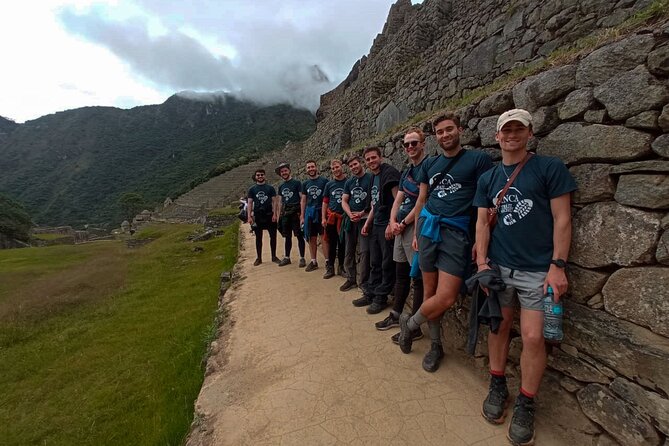
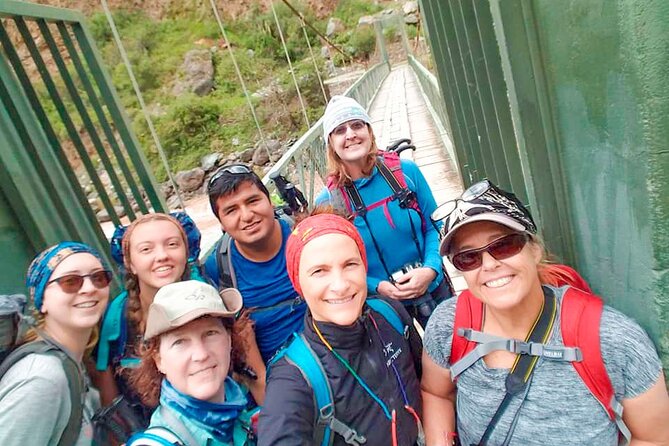
The strongest part of the operation is the combination of guide, chef, and porters. The guide manages the route, explains the Inca sites, watches the pace, and helps the group deal with changing weather and difficult climbs.
Named guides praised for their work include Nico Raul, Josias, César Pérez, César Coavoy, and Plinio, also called Pepe or Pinyo in some accounts. Their strengths differ, but the pattern is clear: expect an active guide who explains the route and history, keeps an eye on the group, and offers encouragement when the trail gets tough.
The chef is just as important. Meals include three breakfasts, three lunches, and three dinners. Food on the trail is described as plentiful and unusually good for a camping trek, with one chef even producing a cake in camp. That is not a small detail after a day of climbing.
Water is provided at each campsite by the chef. You still need to carry water during the walking day, though the supplied campsite water reduces the amount of liquid you need to carry for the entire trek.
Your duffel can weigh up to 7 kilograms. That limit is useful, but do not assume it means you can pack casually. You need warm layers, rain protection, personal items, and clothing for changing temperatures. The tour provides a plastic rain poncho, a sleeping-roll mattress, and an emergency oxygen bottle in the first-aid kit.
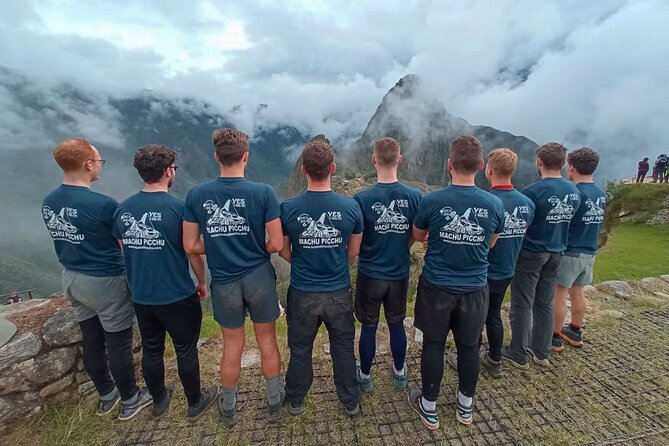
A special trek shirt and the chance to sponsor the planting of native trees are also included. These extras do not change the physical challenge, but they add a small sense of occasion to the trip.
Fitness, altitude, and what you should bring
The company states that you should have a strong level of physical fitness. Take that seriously. The distance is manageable for a fit hiker, but the altitude, steep steps, long descents, and changing weather make the trek demanding.
You should prepare for:
- Long uphill walking on Day 2
- Steep descents after the high passes
- Cold conditions at high camps
- Rain and sudden weather changes
- Early starts, including the 4:30 a.m. pickup from Cusco
- Four days without hotel comforts
Hiking poles are available for $20, sleeping bags cost $25, and an inflatable rest mattress costs $20. Peru travel insurance is not included. Tips, souvenirs, your first breakfast, and your last lunch in Aguas Calientes are also extra.
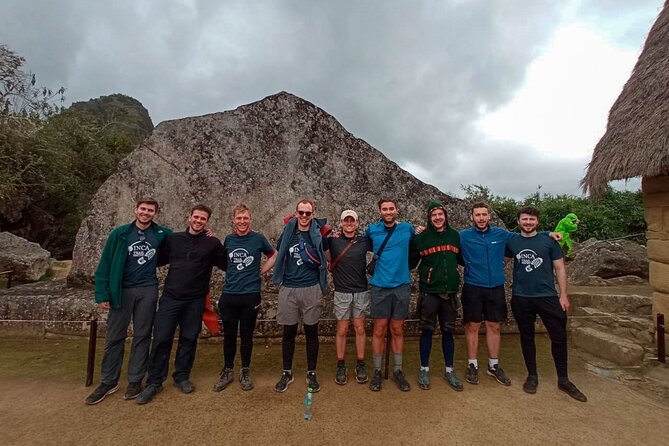
The maximum group size is 16. That is small enough for a guide to pay attention to individual pace, but you should still expect to walk as part of a group rather than alone. Solo booking is possible according to the experience details, and the organized camp and group structure can make that easier.
Is $930 a fair price?
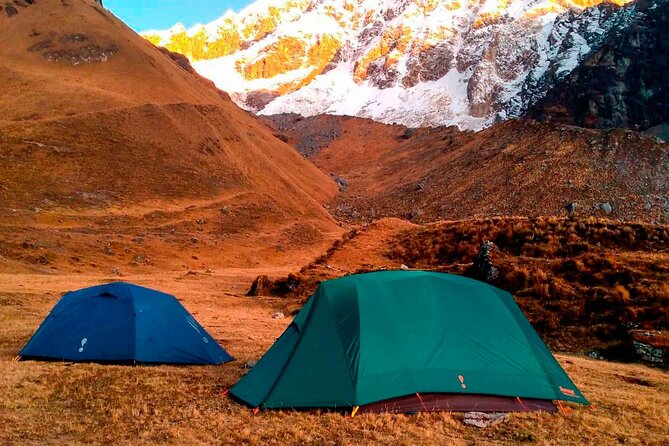
The $930 price makes the most sense if you value support and simplicity. You receive the permit and Machu Picchu entrance fee, which are essential, plus transport, three nights of camping, all listed trail meals, water at camp, porters, a chef, a guide, camping equipment, the shuttle from Machu Picchu, the train to Ollantaytambo, and the bus to Cusco.
The cost is less attractive if you already own camping equipment, plan to carry your own supplies, or prefer to arrange transport yourself. On this route, though, the permit and transport are not minor details. The organized support also saves you from hauling communal equipment over the passes.
The biggest financial risk is the cancellation rule. The experience is non-refundable and cannot be changed for any reason. Do not pay until your dates, fitness, travel insurance, and Cusco plans are firm.
Who should book this four-day trek?
You should consider it if you want the classic Inca Trail route and are willing to work for the arrival at Machu Picchu. It suits hikers who like archaeological sites, mountain scenery, basic camping, and a structured group trip.
It can also suit older or less speedy hikers if you are fit and honest about your limits. The accounts from people in their 60s and 70s show that age alone is not the deciding factor. Fitness, preparation, patience, and a guide who sets a sensible pace matter more.
This is not the best choice if you want a relaxed holiday, dislike camping, or cannot commit to strenuous high-altitude walking. The four days are carefully organized, but they are still four demanding days.
Should you book it?
I would book this trek if your main goal is to reach Machu Picchu by the original mountain route, with a capable support crew handling the heavy work. The combination of Inca ruins, changing scenery, strong food, small-group travel, and the Sun Gate arrival gives the trip real value.
Before booking, confirm your dates carefully, arrange insurance, decide if you need the sleeping bag and poles, and train for steep climbs and descents. If you can accept the early mornings, basic camps, altitude, and non-refundable terms, this is a well-supported way to take on one of Peru’s great walks.
FAQ
How long is the Inca Trail trek?
The trek lasts approximately four days and covers about 42 kilometers, or 26 miles.
Where does the trek begin?
The route begins at Km 82, reached by tourist transport from Cusco through the Urubamba Valley.
What time is pickup from Cusco?
The stated start time is 4:30 a.m.
How high is Dead Woman’s Pass?
Warmiwañusca, known as Dead Woman’s Pass, reaches 4,215 meters, or 13,828 feet.
How many nights do you camp?
You camp for three nights. Camping tents, a kitchen tent, a dining tent, a toilet tent, tables, chairs, and cooking equipment are included.
Are meals included?
Three breakfasts, three lunches, and three dinners are included. Your first breakfast and last lunch in Aguas Calientes are not included.
How much personal luggage can the porter carry?
A personal super porter carries a duffel weighing up to 7 kilograms, or about 11 pounds.
Are a sleeping bag and hiking poles included?
No. A sleeping bag costs $25, and hiking poles cost $20. An inflatable rest mattress costs $20.
Is the tour refundable if I cancel?
No. The experience is non-refundable and cannot be changed for any reason.
More Machu Picchu tours in Cusco
- From Cusco: 2-Day Trip to the Sacred Valley and Machu Picchu
★ 4.6 · 265 reviews - The First Class Machu Picchu Train by Inca Rail
★ 4.0 · 182 reviews - From Cusco: 1-day Machu Picchu Tour by Train
★ 4.6 · 138 reviews - Private Tour to Sacred Valley and Machu Picchu from Cusco
★ 5.0 · 133 reviews
More treks in Cusco
- Cusco: Machu Picchu 2-Day Inca Trail with Panoramic Train
★ 4.9 · 260 reviews - From Cusco: 2-Day Inca Trail to Machu Picchu
★ 4.2 · 244 reviews - Machu Picchu: Inca Trail 2-Day Overnight Guided Tour
★ 4.9 · 203 reviews - Short Inca trail to MachuPicchu || 2days – 1nigth ||
★ 5.0 · 103 reviews
Just added around Cusco
- “Waqra Pucara, The Majestic Fortress Revealing Secrets of the Andes”.★ 3.5 · 8 reviews
- 1.5h Cusco Chocolate Workshop – Truffles & Hot Chocolate★ 4.3 · 8 reviews
- Cusco: Chocolate Workshop with the Best Local Organic Cacao★ 4.5 · 23 reviews
- Cusco: Bean to bar chocolate workshop★ 5.0 · 3 reviews
- Cusco: Pub Crawl with Skip-the-Line Access and Drinks★ 4.6 · 57 reviews
- Horseback Tour in cusco to Temple of the Moon & Hidden temples★ 5.0 · 54 reviews
- From Cusco: 2-Night Lake Titicaca Excursion★ 3.7 · 62 reviews
- From Cusco: Rainbow Mountain in ATV Quad Bikes + meals★ 4.5 · 60 reviews
Machu Picchu Tours, compared.
4-Day Inca Trail to Machu Picchu with Accommodation
Read our review →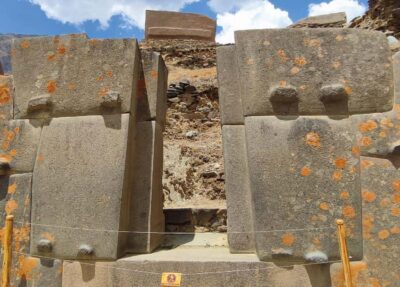
2-Day Trip to the Sacred Valley and Machu Picchu
Read our review →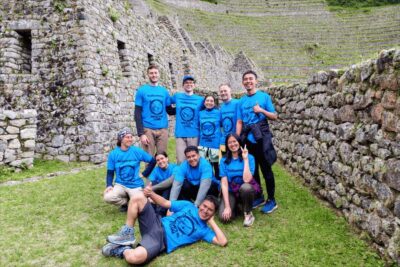
Machu Picchu 2-Day Inca Trail with Panoramic Train
Read our review →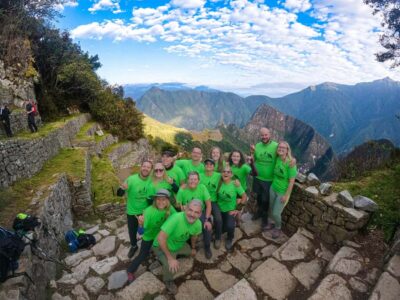
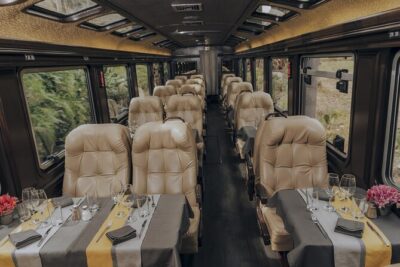
The First Class Machu Picchu Train by Inca Rail
Read our review →Browse the lists this tour appears in