
Reviewed · WINE & PISCO TOURS
Miraflores: Amazing Peruvian Cooking Class Ceviche Seafood and Pisco Sour
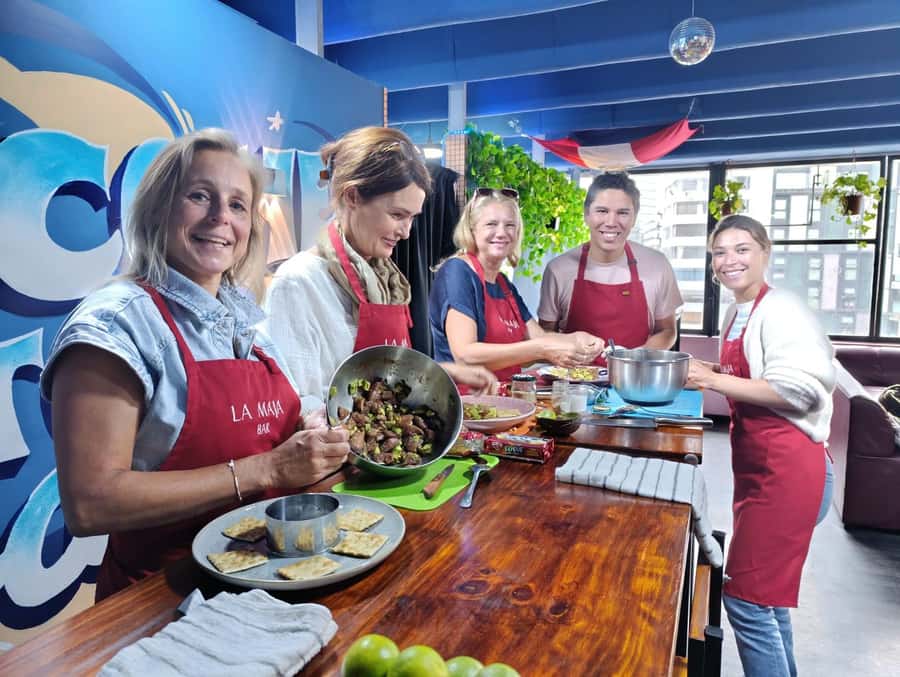
The best part of this Miraflores class is the combination of hands-on cooking and pisco tasting. José Antonio Castillo and his wife welcome you into their dedicated experience room, where you learn about Peru through its fruit, seafood, drinks, and regional traditions. You will prepare tuna tartare, ceviche, and your own Pisco Sour during a compact 2.5-hour session.
I like the small group size, limited to eight people, and the convenient location near Kennedy Park. I also like the personal touch: José Antonio makes the pisco himself, shares travel advice for Lima and other parts of Peru, and sends photos, videos, and recipes after the class.
One thing to consider is that some ingredients, including fish and onions, may already be cut and prepared. That keeps the class moving, but it makes the experience more of a guided tasting and assembly workshop than a full lesson in every kitchen technique.
Key points at a glance
- Ten pisco macerates: Taste house-made pisco flavored with ingredients such as passionfruit and chicha morada, then choose one for your cocktail.
- Three dishes and drinks: Prepare one serving each of tuna tartare, fish ceviche, and a Pisco Sour or chilcano.
- Small Miraflores setting: The class meets at the Wong supermarket, only half a block from Kennedy Park.
- Personal local guidance: José Antonio and his wife share food traditions and practical ideas for Lima, Cusco, Paracas, the jungle, and northern Peru.
- Useful take-home extras: You receive recipes, recommendations, and photos or videos from the session.
- Dietary needs can be discussed: Vegetarian options are available, and you should report allergies or gluten concerns when booking.
Why this Miraflores cooking class works
Peruvian food can seem like a long list of famous dishes until you understand how its ingredients fit together. This class gives you a manageable introduction through three familiar preparations: tuna tartare, ceviche, and Pisco Sour.
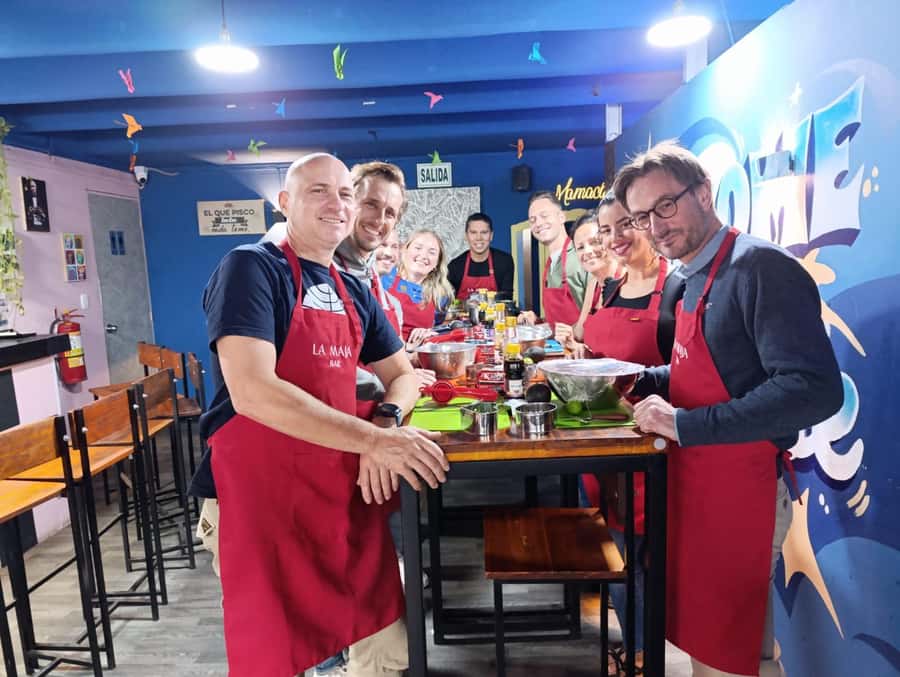
The setting also matters. You are not being rushed through a large demonstration kitchen with dozens of people. The group is capped at eight, so you can ask questions and take part without fighting for space at the counter. A solo visitor can join comfortably, while couples and small groups get plenty of time to talk with the hosts.
The class begins at the door of the Wong supermarket, where you meet a host wearing a red apron. From there, you enter the experience room, a short walk from Kennedy Park and close to many Miraflores hotels. The location is handy if you are staying in the neighborhood and want an activity that does not require a long taxi ride.
A short video introduces Peru’s coast, highlands, and jungle. That opening gives the food a wider setting. Ceviche is not just a dish served in Lima, and pisco is not just a cocktail ingredient. The class connects both to the country’s regions and traditions before moving into the kitchen.
Other hands-on kitchens in Lima:
- Cook an Authentic Ceviche And Peruvian Pisco Sour!
★ 5.0 · 107 reviews - Market Tour, Tasting of 35 Fruits, and 4-Course Peruvian Cooking Class in Lima
★ 5.0 · 86 reviews - #1 Rated Cooking Classes with Local Market Tour & Pickup
★ 5.0 · 69 reviews
Exotic fruit and ten flavored piscos
The tasting begins with exotic Peruvian fruit. Specific fruits can vary, but one experience included chirimoya, a soft, sweet fruit with a creamy texture. This is a useful start because it brings you into Peruvian food through something simple and fresh before the seafood and alcohol arrive.
Next comes the pisco macerate tasting. José Antonio produces his own pisco and offers up to ten infused flavors. Depending on the available selection, you might taste options such as passionfruit or chicha morada. The point is not to rush through ten large drinks. It is to compare how different fruits, herbs, and flavorings change the character of the spirit.
This part is especially useful if pisco is new to you. You learn about the drink’s place in Peruvian culture and how it can be used beyond the standard Pisco Sour. You also choose the flavor for your cocktail, giving you a small but enjoyable bit of control over the final drink.
Keep in mind that this is a tasting-led class, so alcohol is part of the experience from early on. Unlimited water is included, which is welcome. If you do not drink alcohol, ask about the options before booking rather than assuming the full class can be adapted.
Tuna tartare made with fresh fish
The first prepared dish is tuna tartare. The recipe combines tuna of the day with soy sauce, sesame oil, avocado, and lemon, then serves the mixture on crackers.
This is a good first dish because it is quick to assemble and lets you focus on balance. The soy sauce brings salt, sesame oil adds a toasted note, avocado softens the texture, and lemon supplies acidity. You can see how small changes in those ingredients affect the finished bite.
The fish is a major part of the appeal. Several descriptions of the class highlight very fresh fish, in some cases caught that morning. The exact catch can change, but the broader lesson is clear: seafood is treated as the main event, not as a garnish hidden under a heavy sauce.
The tartare course also keeps the class approachable. You are not expected to master difficult knife work or spend an hour at the stove. The emphasis is on handling good ingredients and understanding the flavor mix. That makes it suitable for people who enjoy food but do not normally take cooking classes.
There is a minor limitation. At least one participant found that some ingredients were already cut and prepared. If you want a technical lesson in filleting fish, chopping onions, or preparing every component from scratch, this class may feel light on kitchen mechanics. If you prefer a social experience with a clear result, the preparation works well.
Making your own Pisco Sour
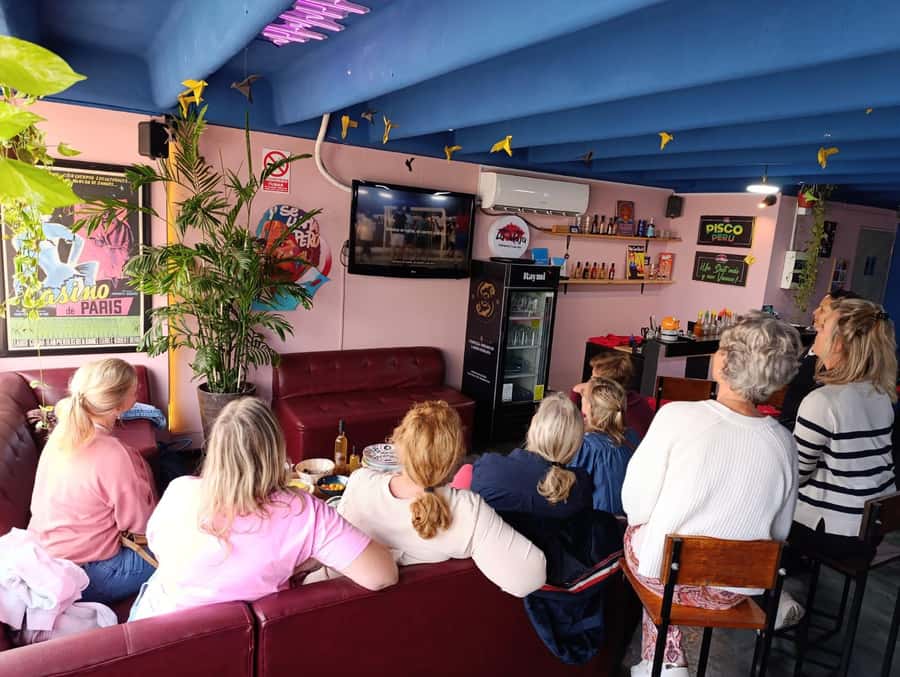
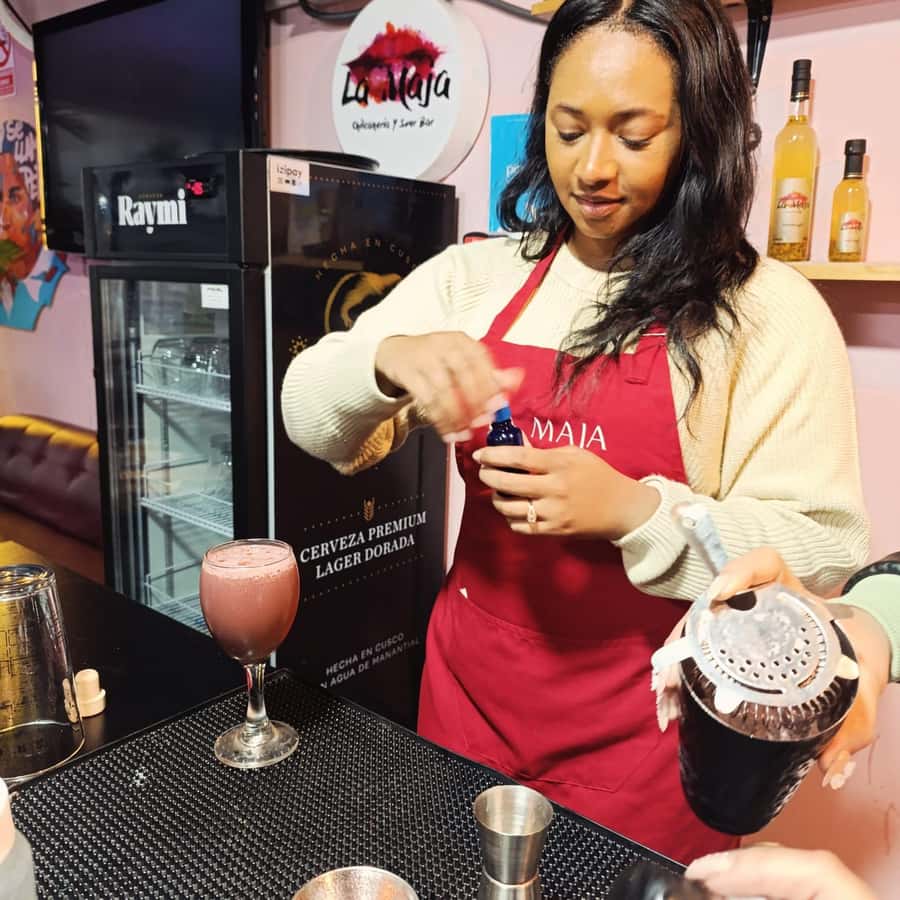
After the tartare, the group moves to the professional bar area. Here you learn the standard Pisco Sour recipe and make one drink yourself. A chilcano is also available as the cocktail option.
The process gives you more than another sample. You measure, combine, and shake the drink, then see how the texture changes as the ingredients come together. The frothy top is part of the drink’s identity, and shaking it yourself makes the final glass feel earned.
Your choice of infused pisco changes the result. A fruit-forward macerate can make the drink taste sweeter and more aromatic, while another flavor may produce a sharper or more unusual cocktail. José Antonio explains the background and preparation rather than simply handing you a finished drink.
This is one of the strongest parts of the class for people who want a useful skill to take home. The cocktail is simple enough to repeat, and the pisco tasting helps you understand why the spirit matters in the recipe.
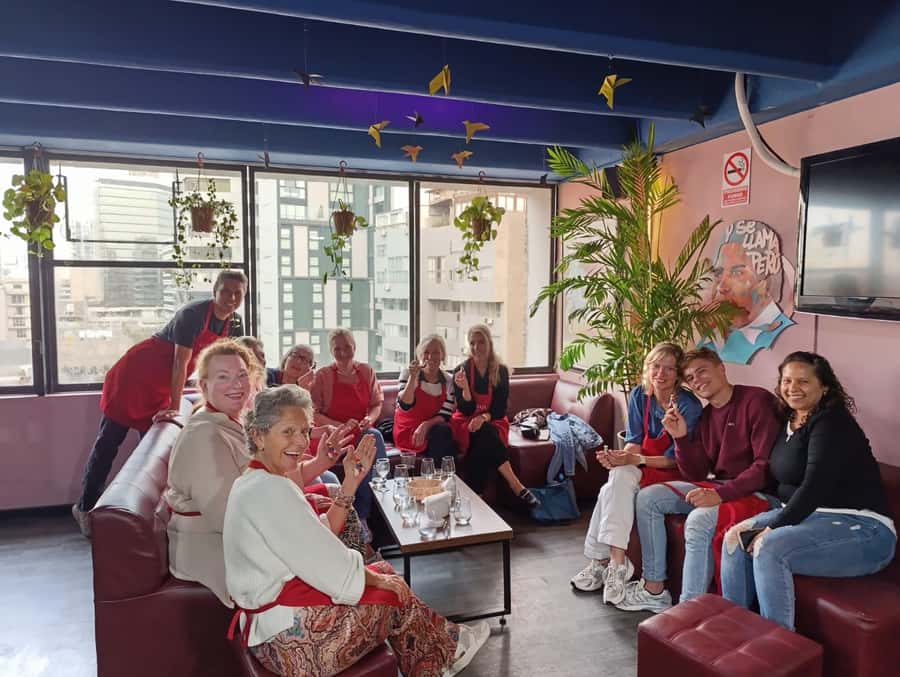
Pacing is worth noting. You will be tasting several pisco flavors and making a cocktail within a 2.5-hour class, so the atmosphere is social and lively rather than slow and formal. Eat something beforehand if alcohol affects you quickly, even though food is served during the experience.
Other pisco and wine tastings around Lima:
- Larco Museum, Pisco Old Tavern and Magic Water Circuit Evening Tour
★ 4.5 · 66 reviews - Winery and Pisco Distillery tour
★ 5.0 · 82 reviews - ICA: Pisco and Wine Route with tasting in 03 Wineries
★ 4.3 · 80 reviews - Cusco by Night: Planetarium Cusco, Dinner, and Pisco Sour
★ 5.0 · 75 reviews
Ceviche with a Peruvian point of view
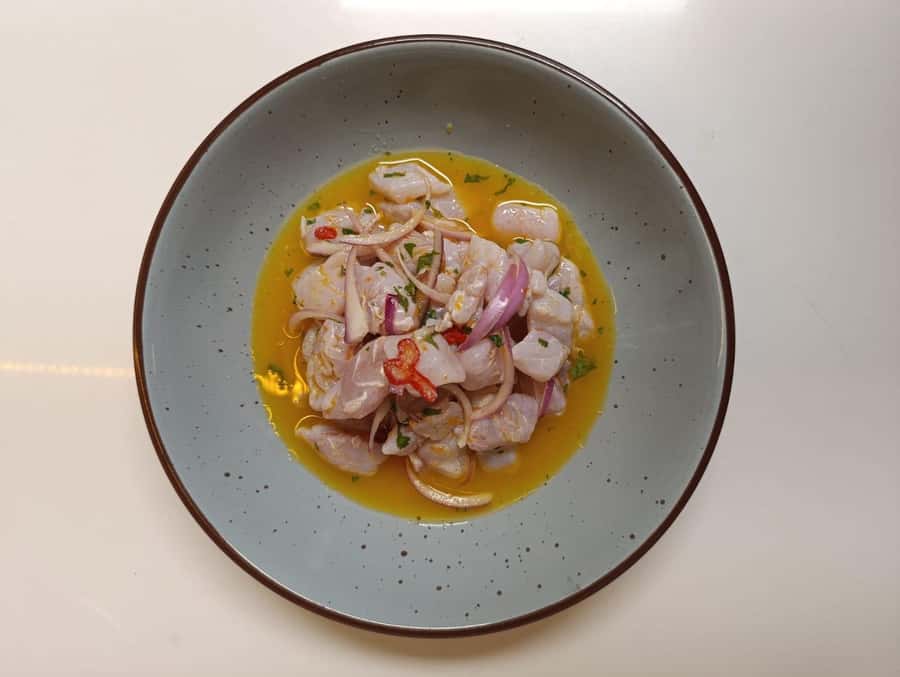
The final main dish is fish ceviche, prepared with the hosts’ own recipe. You learn about the origins of ceviche and how the dish fits into Peruvian food culture before preparing one plate per person.
The core appeal is the freshness of the fish and the sharp contrast of citrus, seasoning, and seafood. Ceviche is often presented as a simple dish, but its success depends on timing, ingredient quality, and restraint. The class shows you how those pieces work together without burying the fish under too many additions.
This is also the dish where the regional context feels most important. The introductory video covers Peru’s coast, highlands, and jungle, while the ceviche brings the focus back to the coast and Lima. You get a short cultural lesson alongside the practical recipe.
The class is not described as a long chef-led demonstration. Instead, you help prepare and mix the dish with guidance from José Antonio and his wife. You receive the finished plate as part of the meal, so the cooking lesson ends with something substantial rather than a series of tiny samples.
If you have a seafood allergy or another food restriction, tell the hosts in advance. A vegetarian option is available, and the hosts ask participants to share allergies, language needs, and dietary preferences before the session. Gluten-free adaptations have also been accommodated, but confirm your needs directly so the ingredients can be planned properly.
The hosts are part of the experience
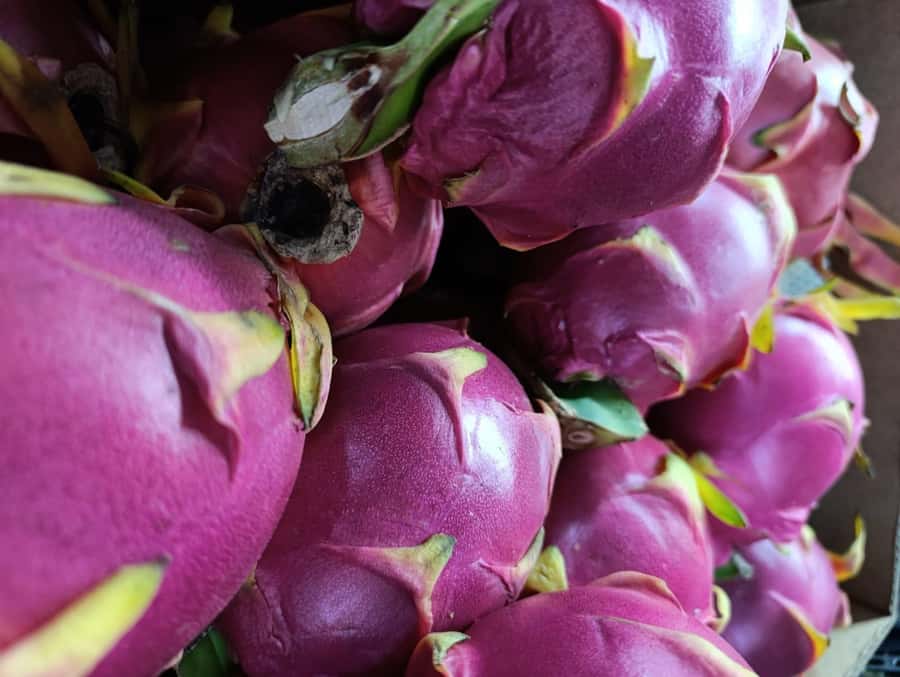
José Antonio is not only leading a recipe demonstration. He makes his own pisco and talks about the story behind the spirit and his work as a producer. His wife, María, also helps host the class, creating a more personal setting than a standard commercial food tour.
That personal approach comes through in the practical advice offered after and during the meal. You can ask for ideas on restaurants, walks, and activities in Lima, as well as places to visit in Cusco, Paracas, the jungle, and northern Peru. This is useful early in a trip, when you are still deciding how to spend your time.
The hosts also take pictures and videos throughout the session. They send these along with recipes and recommendations after the activity. That is a thoughtful extra, particularly for solo visitors or couples who would otherwise have few photos of themselves cooking.
The warm hosting does not mean the class is unstructured. There is a clear sequence: introduction and video, fruit, pisco tasting, tartare, cocktail, and ceviche. You get both conversation and a plan, which is the right balance for a short class.
Price, timing, and practical value
At $40 per person, this is a fair price for a 2.5-hour food experience in central Miraflores. You are not paying only for a recipe lesson. The price includes exotic fruit, up to ten pisco macerate tastings, three prepared items, unlimited water, cultural background, recipes, and follow-up photos or videos.
The value is strongest if you want several parts of Peruvian cuisine in one sitting. A seafood dish, a cocktail lesson, a pisco tasting, and local orientation would cost more if booked as separate activities. The class also avoids the time and transport involved in reaching a distant venue.
The small group limit adds value. With no more than eight participants, the hosts can answer questions and adjust the pace more easily than they could in a large workshop. A quieter time slot may even result in a nearly private class, depending on other bookings.
Choose your timing with the rest of your day in mind. The activity lasts 2.5 hours, and starting times depend on availability. An afternoon or evening session works well if you want food and cocktails to serve as a main activity rather than a quick stop between sightseeing visits.
The meeting point is straightforward: the door of the Wong supermarket, where the host wears a red apron. The activity ends back at the same meeting point. The venue has an elevator and no stairs, and the class is listed as wheelchair accessible.
Free cancellation is available up to 24 hours before the activity, and you can reserve without paying immediately. If the published time does not suit you, contact the hosts about another schedule. Private transport can also be requested, but it is not part of the standard meeting arrangement.
Who should book this experience
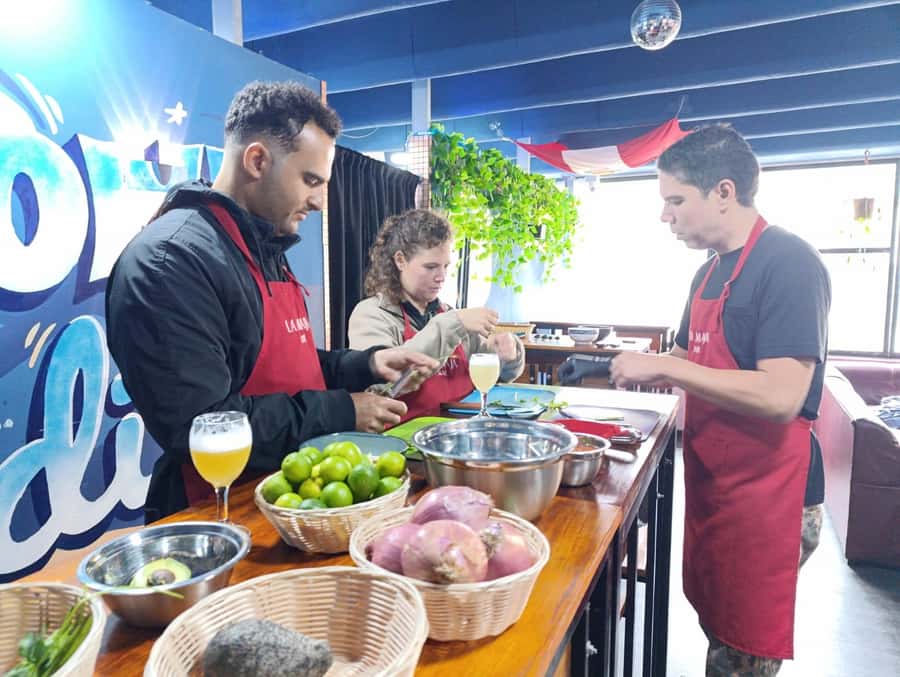
I would choose this class if you want an easy introduction to Peruvian food without spending a full day in a kitchen. It suits couples, solo visitors, food-focused families, and anyone who wants a friendly activity close to Miraflores hotels.
It is particularly good for people who want to learn a repeatable cocktail recipe and sample different pisco flavors. The follow-up recipes make it more useful than a meal you simply eat and forget.
It also works well near the start of a Peru trip. The hosts offer ideas for Lima and other regions, and the opening video gives you a quick sense of the country’s geographic variety. You can use the conversation to shape the rest of your itinerary.
I would look elsewhere if your main goal is advanced culinary training. The class centers on fresh ingredients, assembly, tasting, and cultural context. Some chopping and preparation may already be done, so you should not expect a full professional cooking course.
Should you book it?
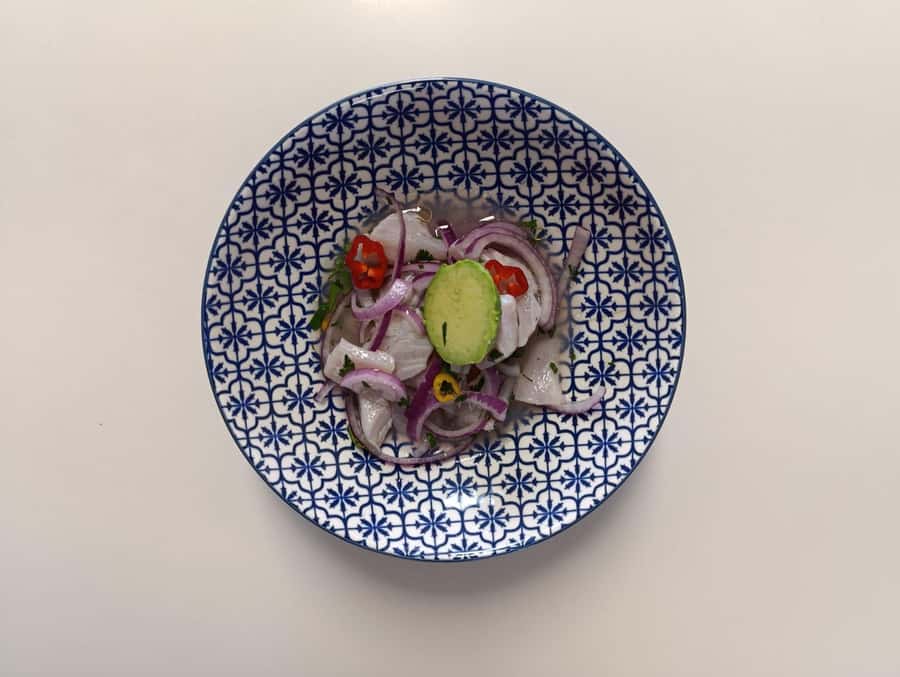
Book this Miraflores class if you want fresh seafood, house-made pisco, and direct contact with local hosts in one compact activity. The combination of tuna tartare, ceviche, and a handmade Pisco Sour gives you a good taste of Peru without a complicated schedule.
Before booking, share allergies, dietary needs, language preferences, and any request for a different start time. If you prefer a more technical cooking lesson, ask how much preparation participants will handle. For most visitors, though, the small group, central location, useful recipes, and personal advice make $40 a sensible choice.
FAQ
How long does the cooking class last?
The experience lasts 2.5 hours. Starting times depend on availability.
Where do I meet the hosts?
Meet at the door of the Wong supermarket in Miraflores. The host will be wearing a red apron. The activity ends at the same meeting point.
What food and drinks will I prepare?
You will prepare one plate of tuna tartare, one plate of fish ceviche, and one Pisco Sour or chilcano per person. The class also includes exotic fruit and pisco macerate tastings.
How many pisco flavors can I taste?
You can taste up to ten different pisco macerate flavors. You then choose a flavor for your Pisco Sour.
Is there a vegetarian option?
Yes. Vegetarian options are available. Tell the hosts about this request when booking.
Is the activity suitable for wheelchair users?
Yes. The venue has an elevator and no stairs, and the activity is listed as wheelchair accessible.
More cooking classes in Lima
- Cusco: Peruvian Cooking Class, Cocktails & Local Market Tour
★ 4.9 · 512 reviews - Cooking class and market tour with a local chef
★ 5.0 · 186 reviews - Cusco: Historic Walking Tour with Pisco Sour and Music Show
★ 4.6 · 65 reviews
Just added around Lima
- Lima : City Tour by Panoramic Bus – Walking & Catacombs★ 4.3 · 41 reviews
- Lima: A night on the Rooftops & Clubs of Barranco with Shots★ 5.0 · 11 reviews
- Lima Airport Transfers by SUV/Van★ 5.0 · 34 reviews
- Lima: Live Magic Water Show Experience★ 4.9 · 60 reviews
- The Nazca Lines & Huacachina Oasis from Lima – Private Trip★ 5.0 · 60 reviews
- Trending Flavors: Miraflores Walking Tour Including Food and Drinks Tasting★ 5.0 · 63 reviews
- Lima: Magic Water Circuit with Dinner★ 4.5 · 59 reviews
- Caral, Oldest Civilization of America: Private Day trip from Lima★ 4.5 · 72 reviews
Wine & Pisco Tours, compared.
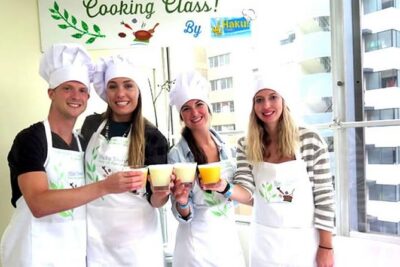
Cook an Authentic Ceviche And Peruvian Pisco Sour!
Read our review →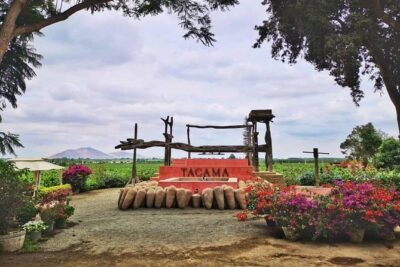
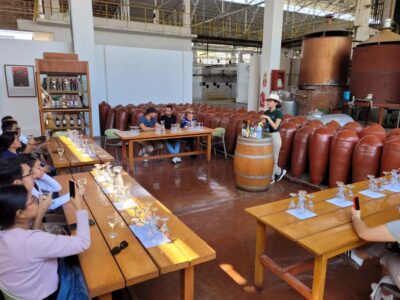
Pisco and Wine Route with tasting in 03 Wineries
Read our review →
Cusco by Night: Planetarium Cusco, Dinner, and Pisco Sour
Read our review →
Ballestas island & Paracas reserve from PISCO CRUISESHIP TERMINAL
Read our review →
Larco Museum, Pisco Old Tavern and Magic Water Circuit Evening Tour
Read our review →
Historic Walking Tour with Pisco Sour and Music Show
Read our review →Browse the lists this tour appears in