
Reviewed · FOOD TOURS
Lima: Food Tour on Local Market
Lima’s best introduction may come one bite at a time. This three-hour walk takes you from Barrios Altos to Chinatown and the Central Market, with nine Peruvian snacks along the way, including ceviche, anticuchos, picarones, lucuma, and pan con chicharrón. I like the range of food and the way the route connects Peruvian cooking with Chinese influence. I also like that local vendors prepare the tastings, rather than a single restaurant serving a fixed meal.
The main consideration is pace. You are eating often while walking through busy city streets, so this is not a slow restaurant meal. At $75 per person, the value depends on how much you want a guided introduction to Lima’s food and culture. Dietary restrictions should be reported when you book, and you will want to arrive hungry.
Key points to know before you book
- Nine separate tastings: The route includes ceviche, choclo con queso, papa rellena, siu mai, min pao, lucuma juice, anticuchos, picarones, pan con chicharrón, emoliente, and more.
- Three central Lima areas: You walk through Barrios Altos, Chinatown, and the Central Market rather than staying in one dining district.
- A cultural food tour: The guide explains Chinese influence on Peruvian society as well as the ingredients and dishes.
- A practical tip: Eat lightly beforehand. The stops come one after another, and the food is included.
- Personal guiding: Giovanna is named as one guide, while the tour is offered in English or Spanish.
- Optional Pisco Sour: The final drink costs extra, so you can decide at the last stop.
Starting at Jr. Cusco and entering Barrios Altos
The tour begins at Jr. Cusco 400, then heads into Barrios Altos. This is a useful starting point because the tour gets you into ordinary central Lima instead of opening with a polished dining room or a hotel pickup. You begin on foot, so comfortable shoes and a willingness to keep moving will help.
The first tastes include choclo con queso, large-kernel Peruvian corn served with cheese, and papa rellena, a stuffed potato preparation. These are simple foods, but they give you a quick sense of Peru’s fondness for potatoes, corn, cheese, and hearty fillings.
The guide is not only there to hand you food. The aim is to explain the place of each dish in daily life and to point out the local setting around it. That matters in Lima, where a snack can tell you more about ordinary routines than a formal tasting menu.
Barrios Altos also sets the tone for the rest of the route. You are not touring only the famous sights. You are walking through historic streets and stopping where local food is made and sold. The tradeoff is that central Lima can feel rougher and less polished than the city’s upscale restaurant districts. If you want a carefully staged food experience, this may feel too street-level. If you want a closer look at everyday Lima, that is the point.
More eating your way around Lima:
- Lima: Ultimate Peruvian Food Tour
★ 4.9 · 700 reviews - Lima: Historic Center Street Food, Market, and Eateries Tour
★ 4.9 · 216 reviews - Lima Street Food Tour Beyond Netflix
★ 5.0 · 117 reviews
Ceviche in the middle of the walk
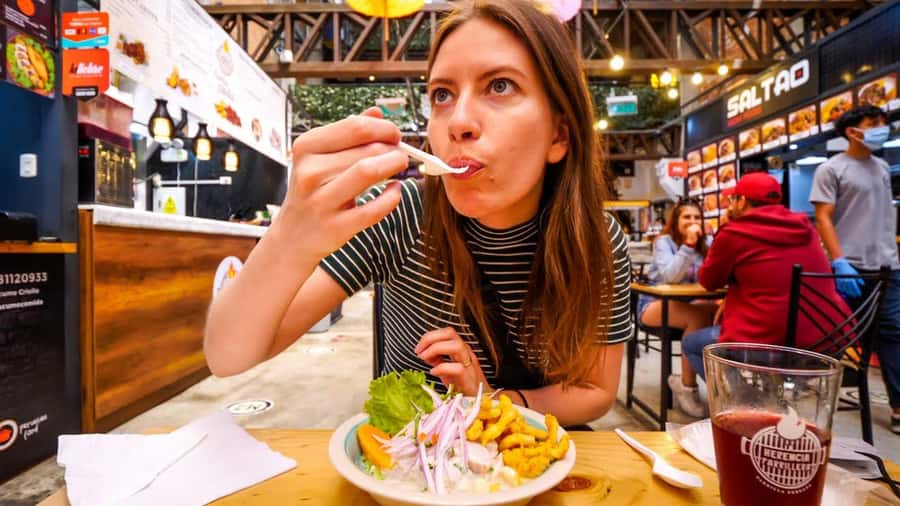
The next major tasting is ceviche, one of Peru’s signature dishes. Here, it is presented as a fresh stop during the walk rather than as the centerpiece of a long restaurant lunch.
The benefit is variety. You taste fish alongside corn, potato, grilled meat, fruit, sweets, and Chinese-Peruvian dishes. This gives you a better sense of the country’s cooking than eating several versions of one dish.
Ceviche also makes the tour dependent on your comfort with seafood and strong flavors. The supplied information does not specify the fish, preparation time, or portion size, so you should treat this as a guided sample rather than a guaranteed full serving. If you have food allergies or other restrictions, contact the provider before booking. The tour specifically asks you to share that information in advance.
One useful feature is that the guide can explain what you are eating as you go. The food is not presented as a mystery challenge. You can ask about ingredients, preparation, and local habits, then carry that information into later meals in Peru.
Chinatown and Lima’s Chinese-Peruvian connection
The route then reaches Chinatown, where the tour turns from traditional Peruvian snacks to the meeting of Peruvian and Chinese cooking. You taste siu mai and min pao while learning about Chinese influence on Lima’s society and food.
This is one of the most interesting parts of the experience because it adds context to the meal. Lima’s food is not a single national style. It reflects migration, adaptation, local ingredients, and the habits of different communities. The Chinatown stop gives you a clear example of that exchange without requiring a separate cultural tour.
The food here also breaks up the texture of the day. After ceviche and potato-based dishes, steamed or filled Chinese-style bites offer something different. You do not need to know the names in advance. The guide’s job is to make the connections clear and help you understand why these dishes belong on a Lima food route.
The stop is likely most valuable for people who want food paired with history and culture. If you care only about eating large portions, the small tasting format may feel modest. The tour is built around sampling many foods, not ordering one large plate at each stop.
Central Market: fruit, spices, and street food
At the Central Market, the route moves into the practical heart of Lima’s food supply. You can expect the sights and smells of local ingredients, spices, produce, and prepared foods. The market visit gives the tastings a useful setting because you see the kinds of goods that support home cooking and street food.
A lucuma juice is one of the planned stops. Lucuma is a Peruvian fruit with a sweet, distinctive flavor, and trying it as a drink gives you an easy introduction to an ingredient you may not encounter at home. The tour also includes seasonal exotic fruits later in the route, so fruit is more than a quick side note.
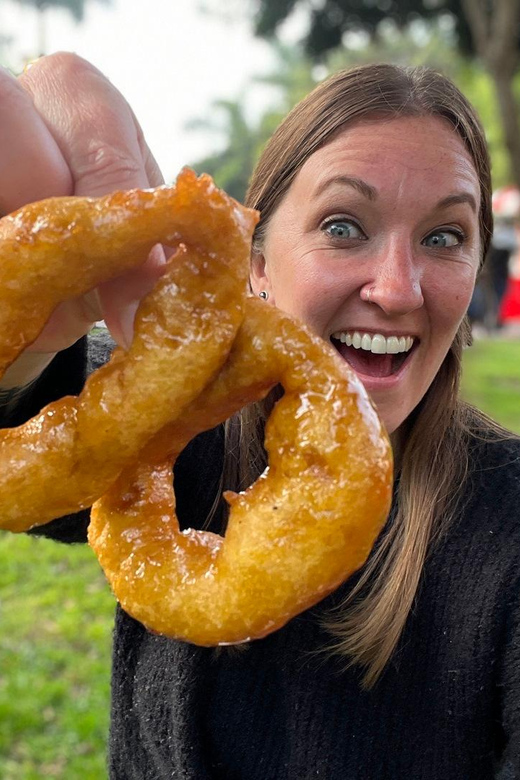
The market is also where you taste anticuchos and picarones. Anticuchos are skewered and grilled, while picarones are a traditional dessert. Together, they show two very different sides of street food: smoky and savory at one stop, sweet and fried at another.
You may also have a chance to help prepare your own anticuchos. That small hands-on element makes the food easier to remember, though the details of how much preparation you do are not specified. I would treat it as a pleasant possibility, not the main reason to book.
The Central Market can be stimulating, especially if you are not used to busy public markets. Stay close to your guide and keep the group’s walking pace. The route is designed to fit several food stops into three hours, so there is not much time to linger over every stall.
Same base, a completely different day:
- Full Day Paracas Ica and Huacachina from Lima All Included
★ 4.5 · 623 reviews - Lima’s Vibrant Heritage: Exploring the City’s Landmarks Half-day
★ 4.5 · 581 reviews - From Lima: Day trip to Paracas, Ica and Oasis Huacachina
★ 4.6 · 409 reviews - Private transfers from Lima Airport or to Lima Airport
★ 4.0 · 359 reviews
From anticuchos to picarones
The balance between savory and sweet is one of the route’s strengths. Anticuchos bring grilled meat and seasoning, while picarones offer a dessert made for snacking. The tour does not leave you with only the famous headline dishes. It includes foods that help you understand how people eat between meals and while moving around the city.
The guide can also help you compare preparation styles. A market snack is different from a restaurant dish in size, setting, and purpose. That distinction is valuable if you plan to explore Lima on your own later. You will have a better idea of what to order and what kind of portion to expect.
Do not eat much before the tour. That advice is especially important here. The stops are not all full meals, but they add up quickly, and the itinerary includes drinks as well as food.
Chinitos restaurant and the pan con chicharrón stop
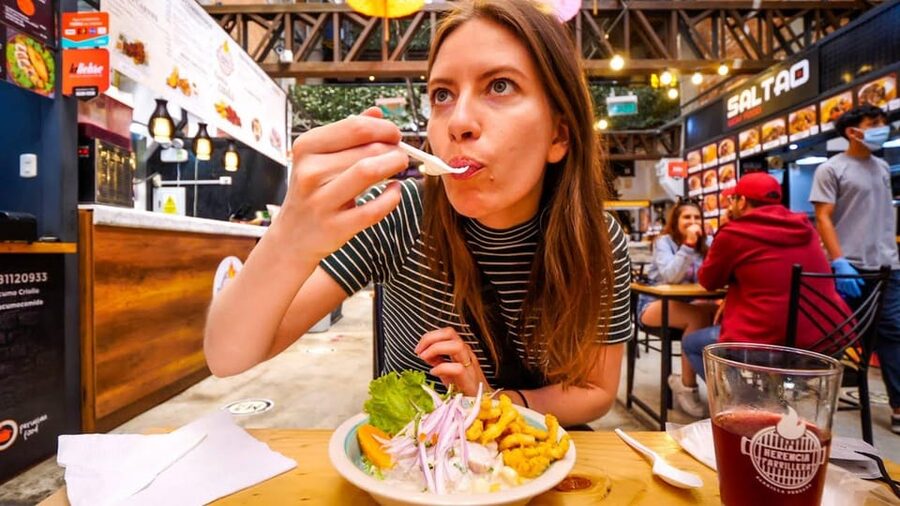
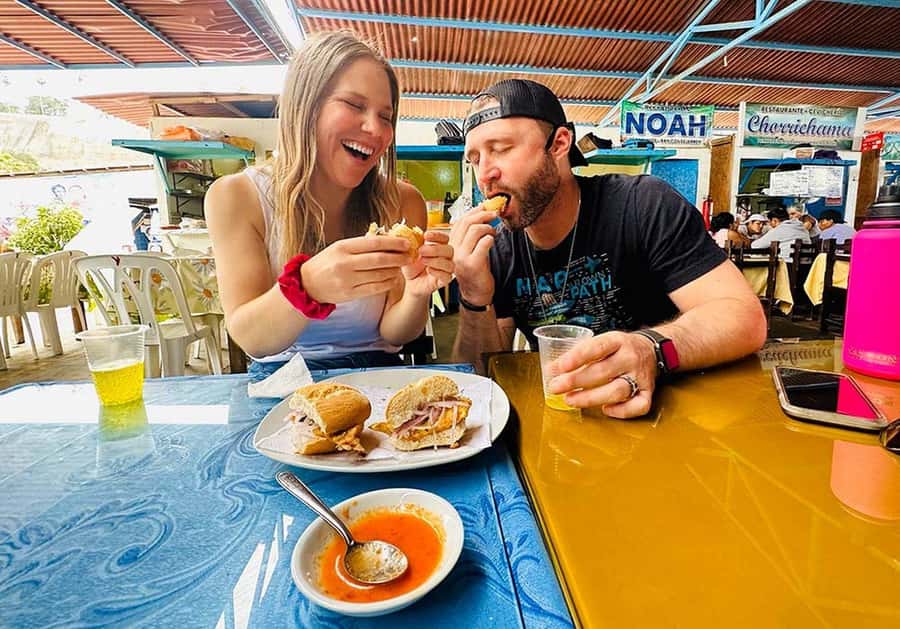
The route continues to Chinitos for pan con chicharrón paired with emoliente. This brings the tour back to a more substantial sandwich-style bite after several smaller samples.
Pan con chicharrón is a filling Peruvian street-food favorite, and it gives you a chance to try a recognizable local breakfast or snack format. Emoliente, a traditional warm drink, adds another piece of everyday food culture. Together, they feel less like a tasting gimmick and more like a look at the kind of food people actually seek out.
This stop also helps pace the experience. By this point, you have tried food from several traditions and categories. The sandwich gives you something hearty, while the drink offers a different flavor and texture from the fruit juice and dessert.
The restaurant setting may be a relief if you prefer a short pause during a walking tour. Still, the tour remains active overall. You should expect a route with regular movement, not a seated progression between restaurants.
Ending at Bolivarsito with fruit and Pisco Sour
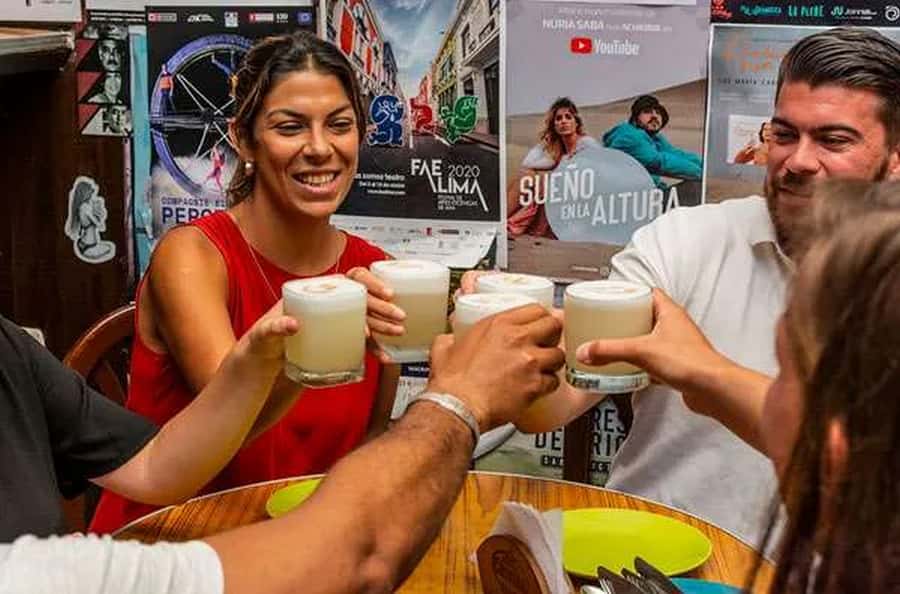
The final stop is Bolivarsito. Here, you can try seasonal exotic fruits and, if you choose, an iconic Pisco Sour. The fruit tasting is included, but the Pisco Sour is optional and not included in the $75 price.
This is a sensible ending because it gives you a chance to finish with something fresh after a long series of savory and fried foods. Seasonal fruit also means the exact selection can vary. That is part of the appeal, but it means you should not expect a fixed fruit list.
The Pisco Sour is a separate decision. If you want to sample Peru’s best-known cocktail, budget extra. If you do not drink alcohol, the included fruit gives you a useful alternative. The tour still works without the cocktail.
The route returns to Jr. Cusco 400 after the final stop. Transportation is not included, so you are responsible for getting to the starting point and arranging your way onward. The stated duration is three hours, with starting times based on availability.
What the guides add to the food
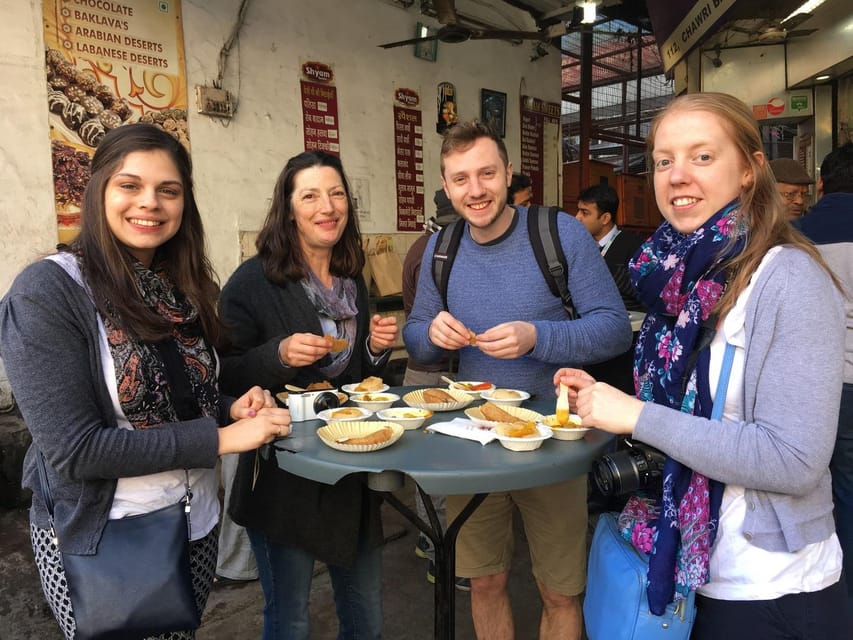
A good food tour depends on explanation as much as eating. The guide is certified and available in English or Spanish. One guide named in the experience is Giovanna, who led a particularly personal tour for one booking and spent time explaining the different foods and their background.
Another account highlighted a guide who could explain the food, history, and stories behind the dishes. That is the standard I would hope for here. The best moments are likely to come when you ask why an ingredient matters, how a dish is normally eaten, or how Chinese cooking changed local food.
You are also allowed to take photographs and video during the experience. Keep in mind that you will be walking and eating, so a small camera or phone is easier than a large setup.
The tour has a rating of 5 from eight reviews, which is a small sample. The repeated strengths are clear: friendly guiding, strong explanations, a wide range of food, and a route that helps you understand Lima through what people eat. That does not guarantee that every group will be private or that every guide will be Giovanna. Group size is not stated, so book this for the route and structure rather than assuming a private tour.
Is $75 a fair price?
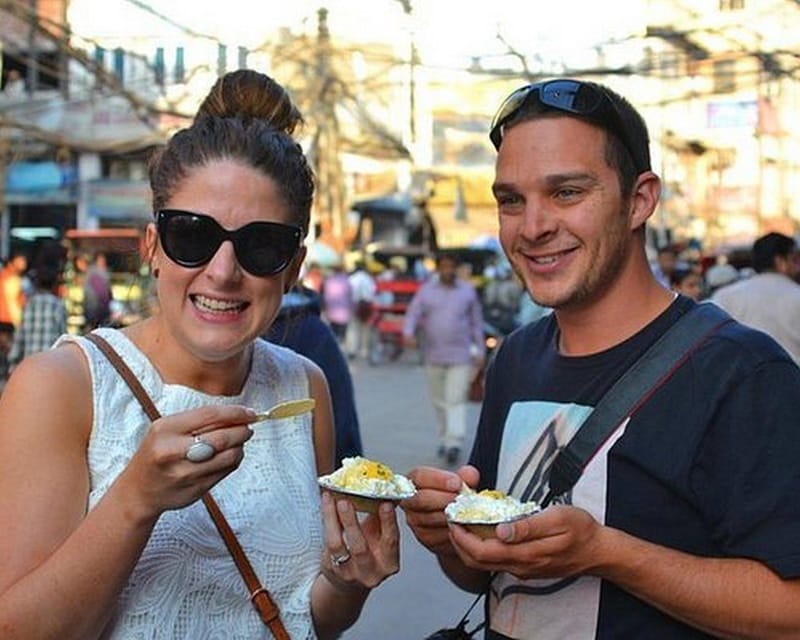
At $75 per person, this is not the cheapest way to eat street food in Lima. You could spend less by choosing snacks yourself. The price makes more sense when you count the guide, the cultural explanation, the number of tastings, and the time saved finding each place.
Food is included, with the Pisco Sour as the clear extra. You are paying for nine or more samples spread across several parts of central Lima, not for one large restaurant meal. For a first day in the city, that can be useful because you learn what you like before ordering independently.
The value is strongest if you are new to Peru, enjoy trying many small dishes, or want a food tour that includes Chinese-Peruvian connections. It is weaker if you already know Lima’s food well, prefer large portions, or dislike eating on a fixed schedule.
The tour also offers free cancellation up to 24 hours in advance and a reserve-now, pay-later option. That gives you some flexibility, though the main practical question remains whether you want three hours of walking and frequent tasting.
Who should book this Lima food tour?
I would recommend it to first-time visitors who want an introduction to Lima beyond the usual sightseeing route. It is also a good match for curious eaters who like comparing flavors and learning the story behind a dish.
Families and mixed-age groups may find the variety useful, though each person should be comfortable walking through central city streets. The experience is listed as wheelchair accessible, but the supplied details do not explain the surfaces or access at every food stop, so ask the provider for route specifics if that affects your plans.
I would hesitate if you need strict control over ingredients, dislike seafood, or want a quiet, seated meal. Tell the provider about dietary restrictions when you book, but do not assume every tasting can be changed. The route is built around local vendor specialties.
Should you book it?
Book this tour if you want a fast, guided introduction to Lima’s street food and cultural mix. The strongest reasons are the nine tastings, the Chinatown connection, and the chance to see how food fits into ordinary city life.
Skip it if your priority is a long gourmet meal, a private vehicle, or a fixed menu with generous portions. For most first-time visitors who arrive hungry and enjoy trying unfamiliar foods, $75 is a reasonable price for three hours of eating, walking, and learning in central Lima.
FAQ
Where does the Lima market food tour begin?
The tour begins at Jr. Cusco 400 in Lima and returns to the same location.
How long does the tour last?
The stated duration is three hours. Starting times depend on availability.
What foods are included?
The tastings include choclo con queso, papa rellena, ceviche, siu mai, min pao, lucuma juice, anticuchos, picarones, pan con chicharrón, emoliente, seasonal fruits, and other local snacks.
Is food included in the $75 price?
Yes. Food is included in the tour price. The optional Pisco Sour is not included.
Is the Pisco Sour required?
No. The Pisco Sour at Bolivarsito is optional and costs extra. Seasonal fruit is also available at the final stop.
What languages are available?
The tour is offered with a live guide in English or Spanish.
Can I tell the provider about dietary restrictions?
Yes. You should provide information about dietary restrictions when booking so the provider can advise you about the tastings.
Just added around Lima
- Lima: Half-Day Private Lima City Tour and Larco Museum★ 4.7 · 20 reviews
- Lima: Flavors and Tradition Walking Tour with Food Tasting★ 4.6 · 40 reviews
- Lima: Half-Day Colonial Lima and Larco Museum Tour★ 4.9 · 31 reviews
- Lima: Escapada de 2 Días a la Reserva Nor Yauyos-Cochas★ 3.1 · 3 reviews
- Lima: City biking★ 4.5 · 36 reviews
- Full Day Lima: Local Market+ CityTour+ Barranco & Miraflores★ 5.0 · 3 reviews
- Lima city tour: Larco Museum and Huaca Pucllana★ 4.8 · 33 reviews
- Lima: City Sightseeing Panoramic Bus Tour★ 3.3 · 3 reviews
Food Tours, compared.
Peruvian Cooking Class, Cocktails & Local Market Tour
Read our review →
Historic Center Street Food, Market, and Eateries Tour
Read our review →
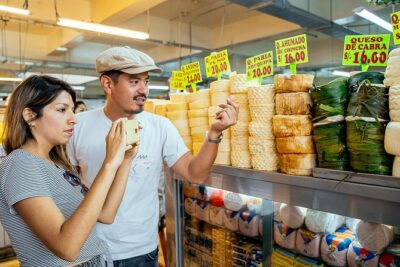
The 10 Tastings of Lima With Locals: Private Street Food Tour
Read our review →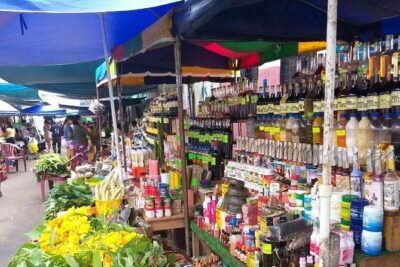
Belen Market and La Venecia Loretana Tour With A Local Guide
Read our review →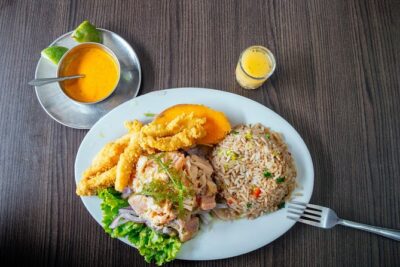
The 10 Tastings of Cusco With Locals: Private Food Tour
Read our review →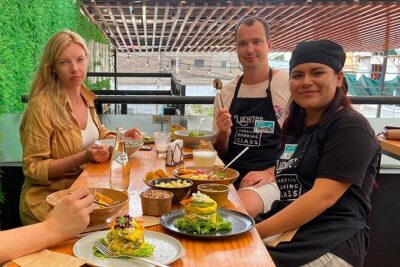
#1 Rated Cooking Classes with Local Market Tour & Pickup
Read our review →Browse the lists this tour appears in