
Reviewed · MACHU PICCHU TOURS
5 Day – Salkantay trek to Machu Picchu – Group Service
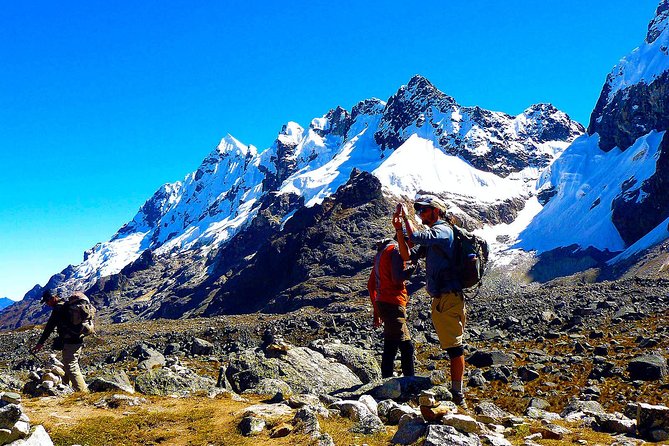
The best part of this five-day Salkantay trek is the steady change of scenery. You start among the snow peaks of Humantay and Salkantay, cross a high mountain pass at 15,200 feet, then walk down through cloud forest and warm jungle before reaching Machu Picchu. It feels like several Peru trips packed into one.
I like two things in particular. First, the price includes the hard-to-arrange pieces: camping gear, cooks, mules, meals, entrance fees, a hotel night in Aguas Calientes, and the train back toward Cusco. Second, the guides are a real strength. Aldo, Victor, Ruben, Lenin, Oscar, and Claudio have each been praised for encouragement, humor, cultural explanations, and careful support on the trail.
The catch is that this is a demanding mountain trek, not a casual walk. Day two reaches extreme altitude, and the camping grounds on the second and third nights may feel basic. The route also passes through inhabited areas, roads, and working agricultural zones, so do not expect five days of untouched wilderness.
Key points to know before booking
- 4,650-meter high point: The Salkantay Pass is the toughest section, with possible snow and very thin air.
- Three major climate zones: You move from icy high mountains to cloud forest, then warm jungle valleys.
- Small group format: The maximum group size is 16, with a professional bilingual guide and an assistant guide.
- Full support on the trail: A cook, horsemen, mules, tents, mattresses, meals, snacks, oxygen, and first-aid equipment are included.
- Machu Picchu at sunrise: The final morning begins early, with a 5:40 am hotel pickup for the bus to the citadel.
- Camping comfort varies: The first camp is in the high Andes, while the second and third camping areas can be more modest than expected.
What the $650 price really covers
At $650 per person, this trek offers solid value if you want a supported route to Machu Picchu without arranging every piece yourself. The price includes pickup from your hotel, transportation to the trailhead, four breakfasts, four lunches, four dinners, camping equipment, sleeping mattresses, three nights of camping, and one night in a superior three-star accommodation in Aguas Calientes.
You also get the services that make a long trek possible. Horsemen and mules carry camping equipment and a stated allowance of personal belongings. The trip information refers to both 8 kilos carried by the mules and a 7-kilo personal porter allowance, so I would confirm the exact baggage limit before departure.
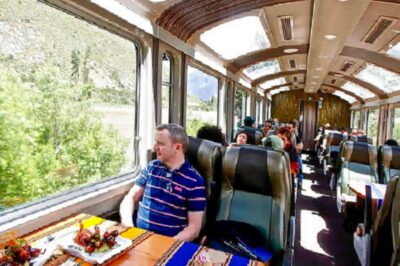
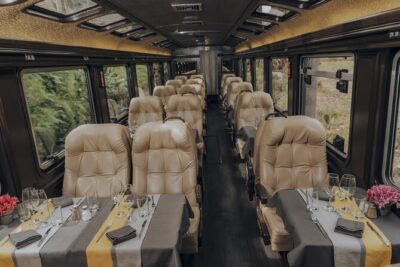
The return transport is included by tourist train to Ollantaytambo, followed by the arranged return transportation. Train times can change, and the standard service may be upgraded to Vistadome for an extra cost if arranged ahead of time.
The price does not cover flights, drinks, insurance, laundry, airport taxes, or extra nights caused by flight problems. You also pay separately for the hot springs in Aguas Calientes, which cost 10 soles, and for any Huayna Picchu ticket. Breakfast on the first day, plus lunch and dinner in Aguas Calientes, are also your responsibility.
That last point matters. Your final day is long and begins before sunrise, so plan ahead for food in Aguas Calientes. The tour covers the main transport and entry costs, but it is not an all-inclusive holiday.
Other walks into the mountains in Cusco:
- From Cusco: 7 Lakes Ausangate Trek with Breakfast and Lunch
★ 4.8 · 360 reviews - Cusco: Rainbow Mountain Tour and Red Valley Hike (Optional)
★ 4.7 · 149 reviews - Cusco: Full-Day Rainbow Mountain & Red Valley Trekking Tour
★ 4.5 · 121 reviews
Day one: Mollepata, Cruzpata, and Soraypampa
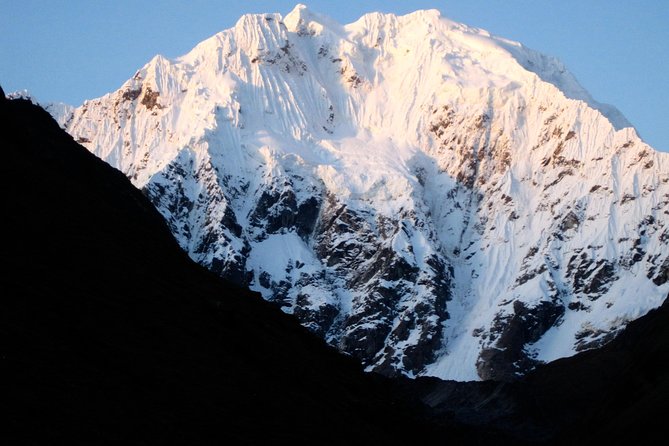
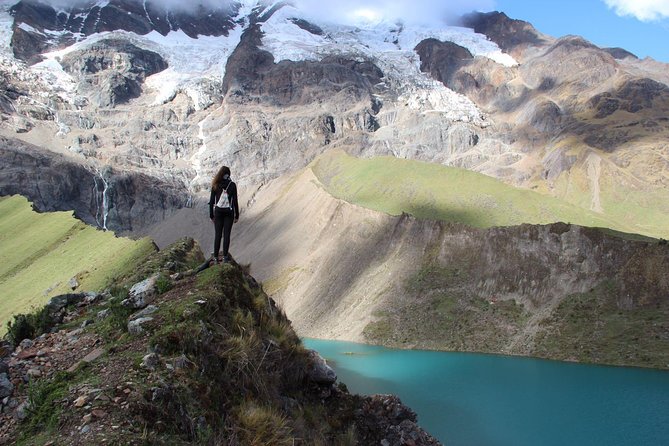
Pickup begins at 5 am in Cusco. You travel by bus toward Mollepata, then start the first major walking section. The route to Cruzpata takes about three hours and rewards you with broad views of Humantay and Salkantay, two of the great snow-covered peaks in this part of the Andes.
Lunch is served with those mountains in view. This is a useful first test of your pace. You are already gaining altitude, and the excitement of the first morning can make it easy to walk too quickly. Keep your steps steady and drink water often.
After lunch, you continue for about two hours toward Soraypampa, the first camp. The surroundings are cold and high, so warm layers are important even if Cusco felt mild when you left. The camping setup includes four-person tents used by two people, sleeping mattresses, and a dining tent with tables and chairs.
The first day is not the hardest day on paper, but it sets the tone. You spend much of it climbing and adjusting to the altitude. The scenery is dramatic from the start, and the support team handles camp cooking and equipment, allowing you to focus on walking.
Day two: the Salkantay Pass at 15,200 feet
Day two is the physical centerpiece of the trek. Breakfast is planned for around 5:30 am, followed by the climb toward the Salkantay Pass. At 4,650 meters, this is a serious altitude gain, and you may encounter snow near the top.
The pass lies between Salkantay on one side and Tucarhuay on the other. The views are the reward, with huge snow peaks filling the horizon. Still, this is where you should pay close attention to your body. The itinerary calls for roughly seven hours of walking to Huayracpunco, including the climb and the descent into cloud forest.
Your guide and assistant guide are important here. Several guides associated with this trip, including Aldo, Victor, Ruben, and Lenin, have been praised for setting a supportive pace and helping people through the harder sections. Oxygen and a first-aid kit are carried as part of the support equipment, though neither replaces good preparation for altitude.
After lunch at Huayracpunco, also called Huayracmachay, the route changes character. You descend for around three hours toward the jungle and the second camp, usually near Colcapampa at about 3,000 meters. Depending on the group’s pace, the camp may instead be at Challway or Andenes.
This is a long day, close to ten hours of walking in total. The downhill section may feel easier on your lungs, but it can be tiring for your knees. Trekking poles are a sensible personal addition, although they are not listed among the included equipment.
The camping arrangements on this night may be simpler than you expect. If you need polished facilities, this is a point to consider carefully. The trip is built around access and scenery, not hotel-style comfort.
Day three: waterfalls, fruit, and optional hot springs
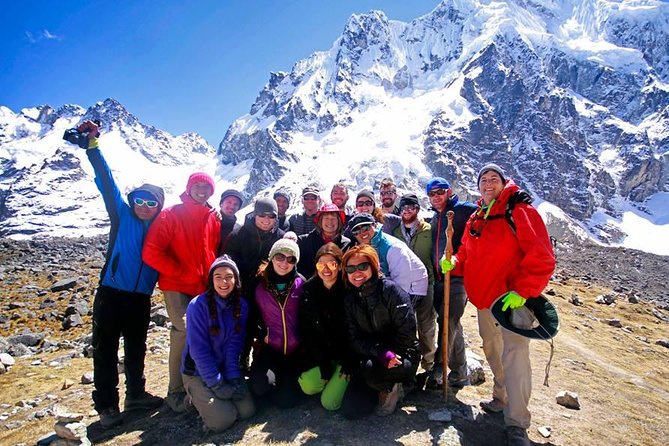
The third morning begins around 6:30 am. You walk through the upper jungle, cross the Lluskamayo River, and pass small brooks, waterfalls, tropical plants, and fruit-growing areas. The temperature rises as you descend, so you will want easy access to sun protection and a change of clothing.
The route ends at La Playa, around 2,500 meters. This is a marked contrast to the cold first camp. The scenery becomes greener and warmer, but the route is still active and uneven. The day includes about six hours of walking, which makes it easier than day two, though you will already have two long days behind you.
After camp is set up, you can visit hot springs in Santa Teresa. This is optional, and it costs extra. I see it as a worthwhile add-on if your legs need a soak, but you should not mistake it for part of the base price.
The camping area on day three has also been described as less appealing than expected. Keep your expectations practical. You are paying for a working trekking camp, not a scenic resort. The reward is the setting and the route itself, plus the hot-spring option after a demanding stretch of walking.
Food is one of the strongest parts of the setup. The cooks prepare four breakfasts, lunches, and dinners, and several guides and cooks have been singled out for generous, varied meals. Vegetarian food is available if you request it when booking. If you have other dietary needs, ask before you leave Cusco rather than hoping the kitchen can adjust at the last minute.
Other ways up to Machu Picchu from Cusco:
- From Cusco: Full-Day Group Tour of Machu Picchu
★ 4.7 · 1,767 reviews - Machu Picchu Day Trip from Cusco
★ 4.5 · 1,644 reviews - Machu Picchu: Full-Day Tour from Cusco with Optional Lunch
★ 4.6 · 927 reviews - Cusco: 4-Day Inca Trail to Machu Picchu with Accommodation
★ 4.8 · 432 reviews
Day four: Llactapata and the walk to Aguas Calientes
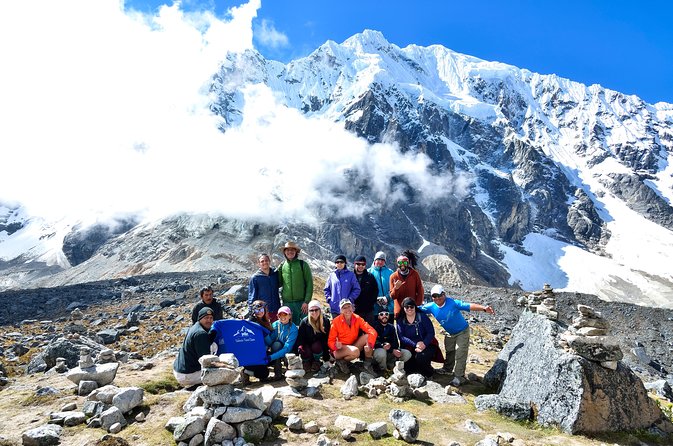
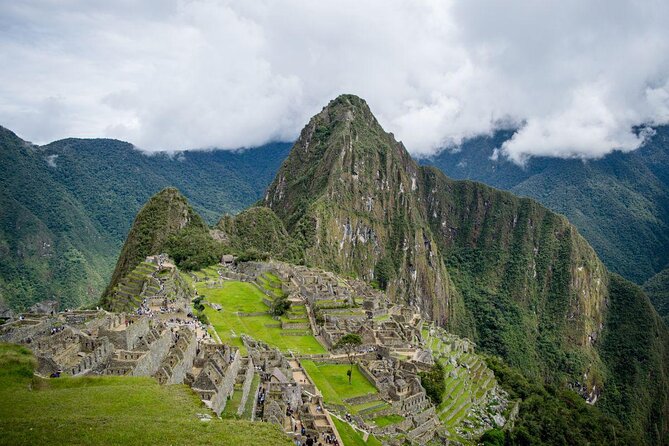
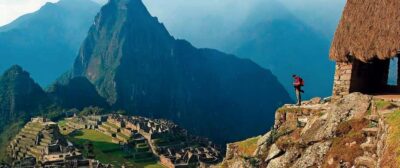
Breakfast comes at about 6:30 am, then you begin a steady three-hour climb to Llactapata. This Inca site gives you an important first view of Machu Picchu, which adds meaning to the days of walking that came before it.
Llactapata is more than a photo stop. It gives you a different angle on the destination and helps you understand the way the route approaches Machu Picchu through the surrounding mountains. Take time here. The climb is steady, and the view is one of the best reasons to choose this route instead of simply taking a train from Cusco.
From Llactapata, you descend for about two hours through plantations growing coca, bananas, and other crops. Lunch is served near the Hydroelectric dam. Afterward, you walk for another couple of hours toward Aguas Calientes, also called Machu Picchu Pueblo.
This final walking section is less remote and more connected to transport and local activity. That is useful because you are nearing the final destination, but it also means the route does not feel like wilderness from beginning to end. One dissatisfied account specifically objected to the presence of roads and local communities along parts of the trek. That criticism is fair if you expect total isolation.
You spend the night in a superior three-star hotel in Aguas Calientes. You can also visit the town hot springs for 10 soles. Since day five starts very early, do not plan a late night. Use the hotel stay to shower, repack, and get some sleep.
Day five: sunrise at Machu Picchu
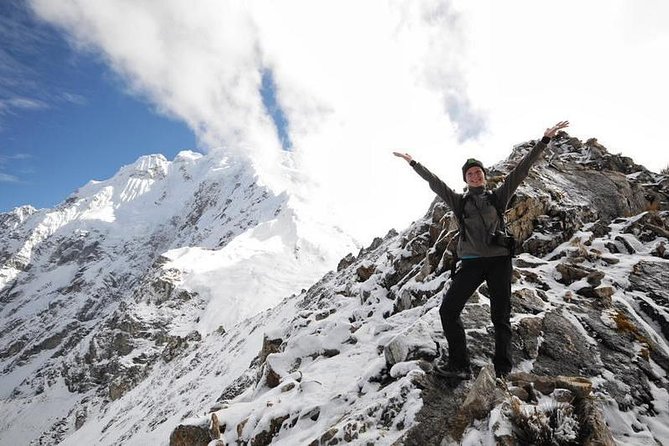
The final morning starts early. Your guide picks you up from the hotel at 5:40 am, and you take the short bus ride to the entrance of Machu Picchu. The goal is to reach the gates in time for sunrise, though actual conditions can vary with weather and entry procedures.
Inside the citadel, your guide leads an approximately two-hour walking tour. This is where the cultural side of the trip becomes especially useful. Guides such as Aldo, Victor, Claudio, and Oscar have been praised for explaining Inca culture, local customs, and the meaning of the places along the route.
After the guided portion, you have free time to explore on your own. The schedule does not include Huayna Picchu, so you need a separate ticket if you want that additional climb. The listed Machu Picchu entry is included, but make sure your booking details show the correct entry arrangements.
The return journey uses the tourist train to Ollantaytambo. Train schedules are subject to availability and can change, so treat the final afternoon as flexible. The return transport is included, but the exact timing is not fully in your control.
What the guides and crew add
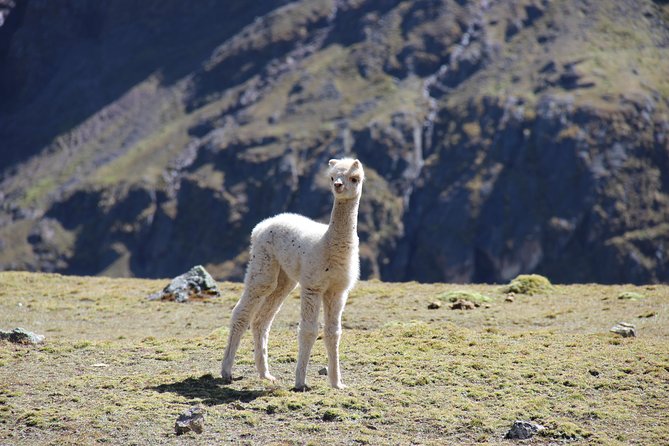
A long trek rises or falls on the people managing it. Here, the package includes a bilingual professional guide, an assistant guide, a cook, horsemen, and mule support. That is a substantial team for a group capped at 16 people.
The guides most often associated with strong service on this trip include Aldo, Victor, Ruben, Lenin, Oscar, and Claudio. Their praised qualities are practical ones: keeping the group together, helping with difficult sections, explaining local culture, using humor when the day gets hard, and adjusting parts of the trek to suit the group’s pace.
The cook matters just as much. Cooks named Gregorio, Wilfredo, and Cirilo have been credited with preparing especially good meals, including food in cold conditions and customized vegetarian dishes. After several hours of walking, a hot and filling meal is not a small detail.
The mule support also changes the experience. You are not carrying the full camping operation on your back, but you still need to carry your daypack. Pack lightly and confirm the exact personal baggage limit before departure.
Fitness, altitude, and packing reality
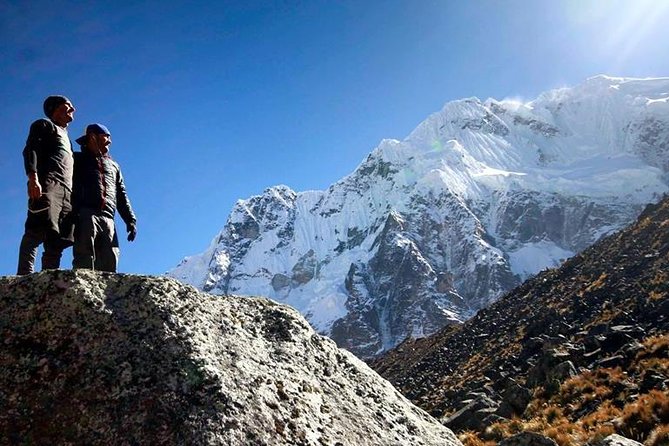
You should have a strong fitness level for this trip. The route includes a 4,650-meter pass, long walking days, steep climbs, sustained descents, and several consecutive nights in camp.
The most important preparation issue is altitude. The tour begins in Cusco and quickly reaches much higher ground. The provided information does not specify an acclimatization schedule, so you should take your own preparation seriously and discuss altitude concerns with a medical professional before booking.
Pack for sharp temperature changes. You need warm clothing for Soraypampa and the pass, lighter clothing for the jungle, rain protection, sun protection, sturdy hiking shoes, and a headlamp for early starts. You should also keep personal medication and essential items in your daypack rather than in the mule baggage.
The group limit of 16 is a good compromise. It is small enough for a guide to offer personal help, but large enough that walking speeds will vary. The guide may adjust some camping locations according to the group’s pace, so the exact second-night or third-night site can change.
Who should choose this Salkantay trek?
I would choose this trip if you want Machu Picchu to feel earned, not simply visited. You get high mountains, jungle valleys, Inca ruins, local agricultural areas, camping, and a guided visit to the citadel in one package.
It suits hikers who can handle long days and basic camp conditions. It also works well for people who want support with meals, tents, mules, transportation, and entry fees rather than organizing each service independently.
I would think twice if you want quiet luxury, predictable hotel rooms, or a route far from roads and settlements. The second and third camps may disappoint you, and the trail is not remote every step of the way.
The tour is non-refundable and cannot be changed after booking. A minimum number of participants is required, and if that minimum is not met, the provider offers another date or experience, or a full refund. That makes it important to confirm your schedule before paying.
Should you book it?
Book this Salkantay trek if the combination of high-altitude scenery, varied climates, strong guide support, and Machu Picchu appeals to you more than comfort does. At $650, the inclusion of meals, camping gear, staff, mules, entrance fees, hotel accommodation, and return train transport gives you a useful package for the cost.
Do not book it as an easy alternative to the Inca Trail. The Salkantay route is challenging, the highest pass is genuinely high, and camp conditions can be plain. But if you prepare for the altitude, pack for changing weather, and accept that the route includes working communities as well as wild mountain scenery, this is a memorable and well-supported way to reach Machu Picchu.
FAQ
What time does the Salkantay trek begin?
Pickup begins at 5:00 am on the first day. On the final morning, the guide picks you up from your hotel in Aguas Calientes at 5:40 am for the bus to Machu Picchu.
How high does the trek go?
The highest point is the Salkantay Pass at 4,650 meters, or 15,200 feet. Snow is possible at the pass.
How many people are in the group?
The group can include a maximum of 16 people. The tour includes a professional bilingual guide and an assistant guide.
Are meals included?
Breakfast, lunch, and dinner are included for the four trekking days. Breakfast on day one is not included, and lunch and dinner in Aguas Calientes are also excluded. Vegetarian food is available if requested when booking.
Is camping equipment provided?
Yes. The tour includes four-person tents shared by two people, sleeping mattresses, a dining tent with tables and chairs, a cook, horsemen, and mules for carrying camping equipment and a stated allowance of personal belongings.
Is the train back to Cusco included?
Return transportation includes a tourist train to Ollantaytambo. Train times depend on schedules and availability. A Vistadome upgrade with larger windows may be arranged for an additional cost.
More Machu Picchu tours in Cusco
- From Cusco: 2-Day Trip to the Sacred Valley and Machu Picchu
★ 4.6 · 265 reviews - The First Class Machu Picchu Train by Inca Rail
★ 4.0 · 182 reviews - From Cusco: 1-day Machu Picchu Tour by Train
★ 4.6 · 138 reviews - Private Tour to Sacred Valley and Machu Picchu from Cusco
★ 5.0 · 133 reviews
More treks in Cusco
- Cusco: Machu Picchu 2-Day Inca Trail with Panoramic Train
★ 4.9 · 260 reviews - From Cusco: 2-Day Inca Trail to Machu Picchu
★ 4.2 · 244 reviews - Machu Picchu: Inca Trail 2-Day Overnight Guided Tour
★ 4.9 · 203 reviews - Short Inca trail to MachuPicchu || 2days – 1nigth ||
★ 5.0 · 103 reviews
Just added around Cusco
- Zipline over the Sacred Valley Trip★ 5.0 · 11 reviews
- Waqrapukara 1 day trekking + meals★ 3.9 · 3 reviews
- Visit Pisac from Cusco: Private Transport★ 4.6 · 9 reviews
- Valle Sur Cusco | half day★ 4.3 · 3 reviews
- Trek to Humantay Lake from Cusco★ 4.9 · 8 reviews
- Trek to Choquequirao 4 days★ 3.8 · 4 reviews
- rainbow mountain full day★ 5.0 · 44 reviews
- Machu picchu one day by train all included★ 4.5 · 53 reviews
Machu Picchu Tours, compared.
4-Day Inca Trail to Machu Picchu with Accommodation
Read our review →
2-Day Trip to the Sacred Valley and Machu Picchu
Read our review →
Machu Picchu 2-Day Inca Trail with Panoramic Train
Read our review →
The First Class Machu Picchu Train by Inca Rail
Read our review →Browse the lists this tour appears in