
Reviewed · MACHU PICCHU TOURS
4-Day Lares Trek to Machu Picchu
The best part of this four-day trip is that Machu Picchu comes at the end of a real mountain journey, not as a quick stop reached by bus and train. The Lares route takes you through quiet Andean valleys, small Quechua communities, high passes and dark mountain lakes before you reach the famous Inca citadel.
I like the less-crowded trail and the chance to meet an Andean family in Cuncani. I also like the thoughtful support system: a chef, mules for equipment and 7kg of your personal items, camping gear, meals and a hotel in Aguas Calientes. The main caution is altitude. You climb to nearly 14,000 feet, and a strong level of fitness is needed.
Key points to know
- The highest pass reaches about 14,000 feet: Day 2 brings the toughest altitude, even though much of the walking afterward is downhill.
- Small Quechua villages are central to the trip: You visit a local family, see farming areas and have the option to buy handwoven alpaca textiles.
- The first two days are proper high-altitude hiking: The route covers about 14 kilometers on Day 1 and 13 kilometers on Day 2.
- Camping is softened by good support: A chef prepares meals, mules carry supplies, and you sleep on an inflatable Thermarest mattress.
- Machu Picchu is visited early on Day 4: You receive a guided tour, then have solo time before returning to Aguas Calientes.
- The $656.42 price covers a lot: Meals, tents, transfers, train and bus transport, entrance fees, guides and an Aguas Calientes hotel are included.
Why choose the Lares route to Machu Picchu
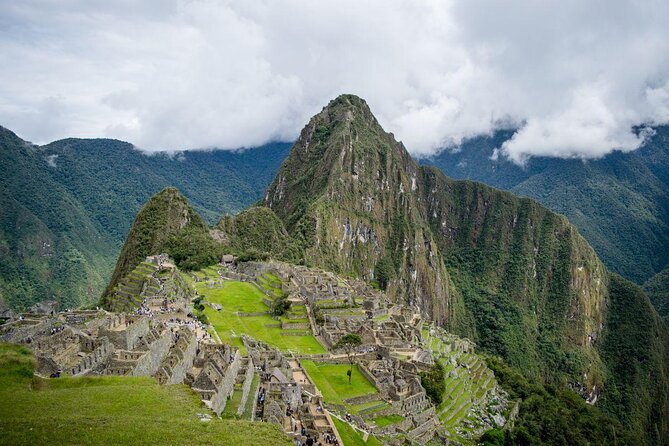
The classic image of Machu Picchu usually comes with a busy approach. Lares offers a different rhythm. You spend two demanding days in high country, then descend through communities where farming, weaving and Quechua traditions remain part of daily life.
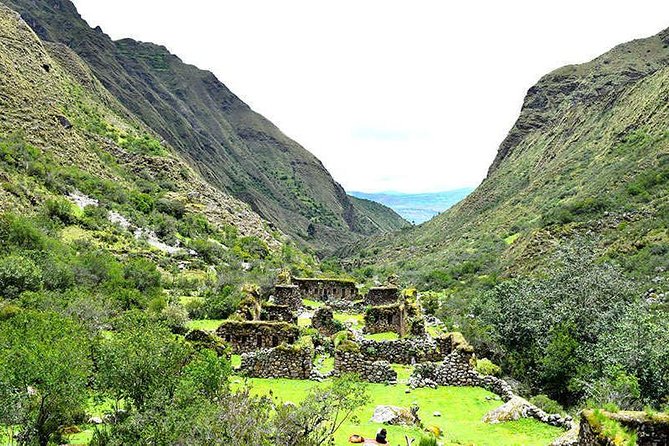
This route is less about checking off ruins and more about earning the final visit. You see the Pumahuanca Inca site, pass alpine lakes and walk beneath snow-covered peaks. The archaeological sites are important, but the quiet valleys and human encounters give the trip its character.
The route is also a good choice if you want a four-day trek without committing to the longer Inca Trail. It does not follow the famous stone-paved route into Machu Picchu. Instead, you cross the Lares region, descend to hot springs and connect with the railway at the end.
At 5:00 a.m., the day begins early with hotel pickup in Cusco. Since Cusco itself sits at about 11,152 feet, you are already starting at serious altitude. You should allow time in Peru before the trek to adjust, although the supplied information does not specify an acclimatization schedule.
Other walks into the mountains in Cusco:
- From Cusco: 7 Lakes Ausangate Trek with Breakfast and Lunch
★ 4.8 · 360 reviews - Cusco: Rainbow Mountain Tour and Red Valley Hike (Optional)
★ 4.7 · 149 reviews - Cusco: Full-Day Rainbow Mountain & Red Valley Trekking Tour
★ 4.5 · 121 reviews
Day 1: Pumahuanca and the first high climb
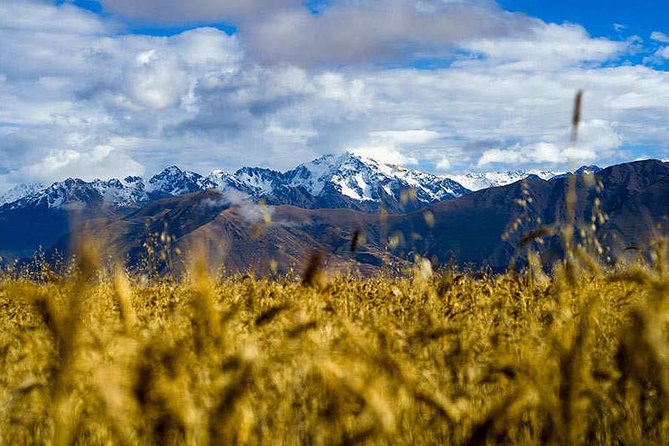
Your private transport leaves Cusco and passes through the Sacred Valley. Snow-capped peaks and traditional Andean villages appear along the way, giving you a sense of how quickly the urban setting gives way to open mountain country.
The trek begins at Pumahuanca, about 9,678 feet above sea level. The day covers roughly 14 kilometers and climbs about 1,150 meters. That is a substantial first day, so do not treat the word gradual as easy. The route rises through a valley with native forest and streams, and the altitude makes every uphill section more serious than the mileage suggests.
You also visit the Inca site of Pumahuanca. Your guide explains the site, local plants and birdlife, adding useful context to what might otherwise look like scattered stonework. This is a good feature of the trip: the scenery is not left to speak for itself, and you get help understanding how the area fits into Andean life.
The trail is described as quiet and peaceful. That matters if you dislike walking in a procession. You should still expect a long day, changing weather and a campsite at high altitude. Your own breakfast on Day 1 is not included, so plan for that before pickup.
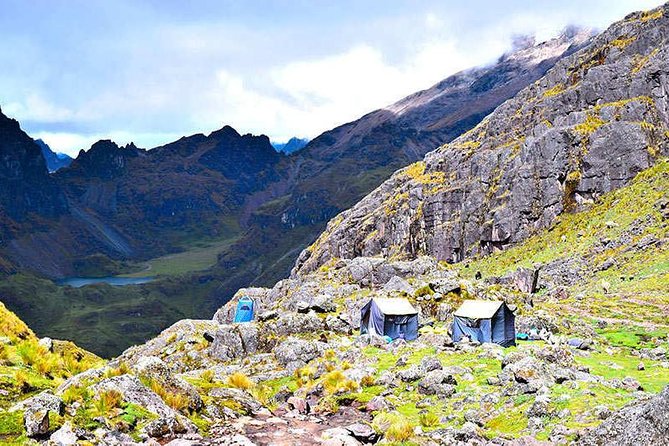
Camping equipment is supplied, with one four-person tent for every two people. You receive an inflatable Thermarest mattress, but a sleeping bag is extra and can be hired. Bring warm clothing even if Cusco feels mild when you leave. Nighttime conditions at the campsite can be cold.
Day 2: The high pass, Yanacocha and Cuncani
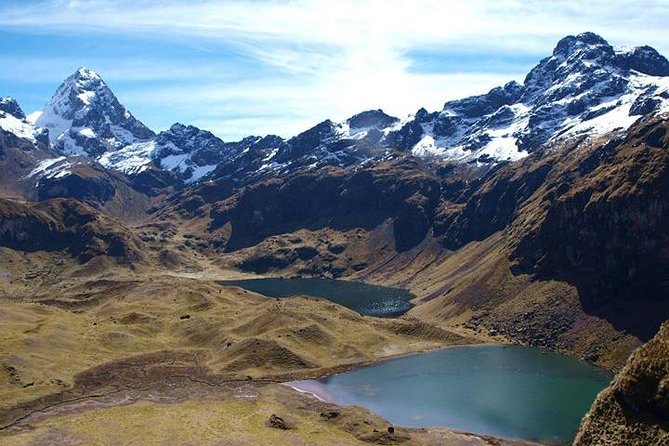
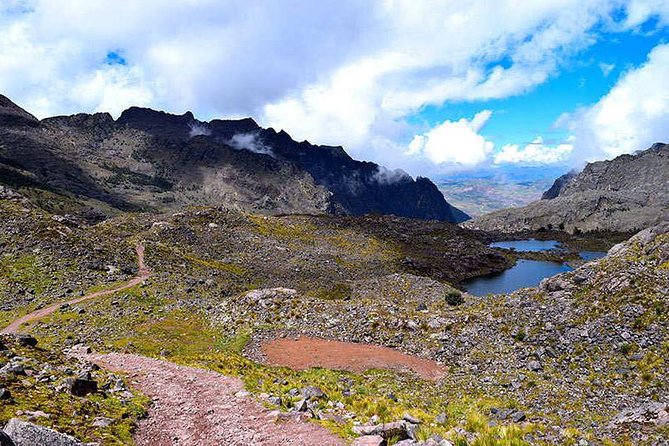
Day 2 is the visual high point of the trek and the most demanding day for altitude. From Puyoc, you climb for about two hours to the highest pass, reaching close to 14,000 feet, or 4,400 meters.
The reward is a wide view of snow-covered peaks and remote valleys. This is the kind of setting that makes the Lares route worth choosing, but the climb should not be underestimated. One past participant had trouble walking at the higher elevations and needed support and encouragement from the guide, Edgar. That detail is useful: the guides are expected to help you manage the pace, but you still need a strong base of fitness.
After the pass, the route becomes easier, with much of the 13-kilometer day descending toward Cuncani at about 12,795 feet. The change in direction helps your legs, though walking downhill for hours can still be tiring.
The mountain lakes are a special feature. Yanacocha, or Black Water Lake, reflects the sky in dark, still water. You pass other quiet lakes as well, with the surrounding peaks giving the day a strong sense of place. Bring a camera, but keep it protected from rain and dust.
By the time you reach Cuncani, you have crossed from dramatic open mountain terrain into a more settled area. This shift gives the trek its cultural balance. It is not just a route from one famous site to another. You see how communities occupy these high valleys and use the land.
Day 3: A Quechua family, fields and Lares hot springs
Day 3 is shorter, covering about 6 kilometers and taking roughly three hours. That makes it a welcome change after two long days. The early start remains, though, and the visit to a local home is a key part of the morning.
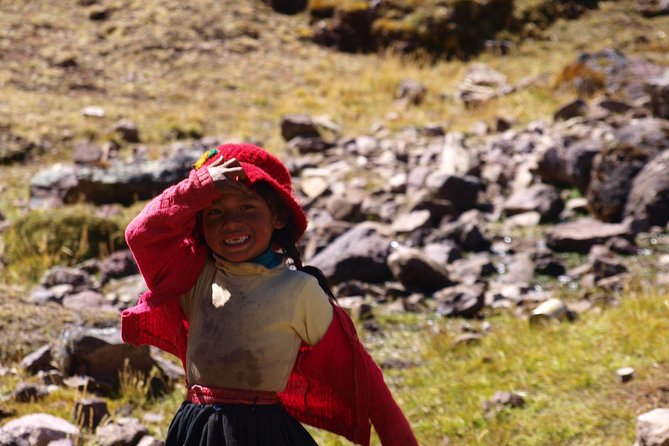
An Andean family shares some of its customs and daily life with you. You may also pick up a few Quechua phrases during the visit. Small gifts are welcome, and you can browse handwoven alpaca textiles. If you are interested in buying something, this is a more personal setting than a standard market stop, but the information does not say that purchases are required.
Leaving Cuncani, you descend through fields of quinoa and tarwi. These crops connect the scenery to the food and farming traditions of the region. You may also spot Andean wildlife along the way, although no specific animals are guaranteed.
The route finishes at the Lares hot springs, around 10,334 feet. After the cold nights and high passes, soaking in the springs is a sensible way to end the walking portion. This is also where the trip changes gears. Instead of another night at a remote campsite, you continue toward Aguas Calientes and sleep in a hotel.
The included hotel room is one of the tour’s practical strengths. You still get the adventure of camping, but you are not asked to camp every night before visiting Machu Picchu. The transport details for the connection from Lares to Aguas Calientes should be confirmed with the operator, since the supplied schedule describes the train as part of the return transportation but does not give a precise departure time for Day 3.
Other ways up to Machu Picchu from Cusco:
- From Cusco: Full-Day Group Tour of Machu Picchu
★ 4.7 · 1,767 reviews - Machu Picchu Day Trip from Cusco
★ 4.5 · 1,644 reviews - Machu Picchu: Full-Day Tour from Cusco with Optional Lunch
★ 4.6 · 927 reviews - Cusco: 4-Day Inca Trail to Machu Picchu with Accommodation
★ 4.8 · 432 reviews
Day 4: Machu Picchu before the day gets crowded
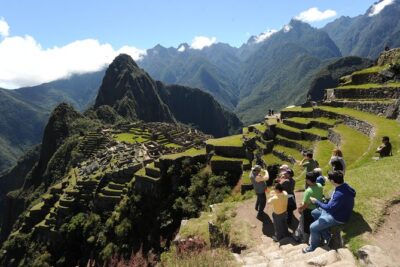
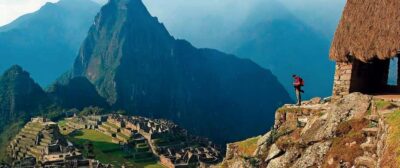
Your final morning begins with breakfast and a bus up to Machu Picchu. The site sits at about 7,972 feet, lower than the high points of the trek but still high enough for cool, changeable conditions.
Your guide leads an in-depth visit through the citadel. You see temples, ceremonial spaces, terraces and storage structures, and you have time to understand how the site was organized rather than simply taking photos from the main viewpoints.
The timing is smart. A morning entry gives you a chance to see Machu Picchu before the busiest part of the day. The bus from Aguas Calientes to the citadel is included, as is the return bus. After the guided portion, you receive solo time to explore, which gives you room to move at your own pace and revisit the places that interest you most.
Huayna Picchu and Machu Picchu Mountain are not included. If you want either additional climb, you need to secure the separate ticket in advance. Huayna Picchu rises to about 8,924 feet, while Machu Picchu Mountain reaches about 10,111 feet. Do not assume these add-ons are available at the last minute.
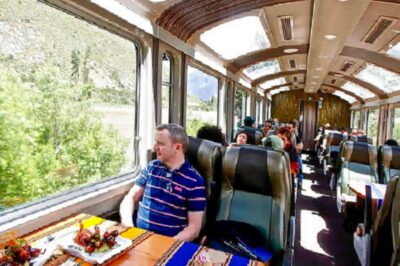
After the visit, you return to Aguas Calientes and take the train. Lunch on Day 4 is not included, so budget for that meal. The listed return transport continues by train and bus to Cusco, though you should confirm the exact schedule and final drop-off details before departure.
What the $656.42 price really covers
At $656.42 per person, this is not a bare-bones hike. The price includes a bilingual professional guide, an assistant guide for groups of nine or more, a chef, mules, camping equipment, meals, water after the first four hours of trekking, a hotel in Aguas Calientes, train travel, bus transport and entrance fees.
That package matters because the Lares route is logistically complicated. You are not carrying all the cooking equipment, food and tents yourself. The mules carry camping and cooking supplies plus up to 7kg of your personal items. You still need a day pack for water, rain gear, sunscreen, medication and anything you want during the walk.
Included food covers three breakfasts, three lunches and three dinners, along with three afternoon snacks. Water is supplied except during the first four hours of the trek, so carry enough for that opening stretch. Vegetarian meals are available at no extra cost if you request them when booking.
A sleeping bag costs extra. Tips, travel insurance, breakfast on Day 1, lunch on Day 4 and any Huayna Picchu ticket also sit outside the package. Travel insurance is strongly recommended, particularly for a non-refundable trip at high altitude.
Fitness, altitude and packing advice
The biggest issue is not technical climbing. It is altitude, long uphill walking and several days of sustained effort. The operator asks for a strong level of physical fitness, and that is sensible.
Pack walking boots, waterproof clothing or a rain poncho, warm layers, a hat, gloves and comfortable trousers. You also need sunscreen of at least factor 35, insect repellent, toiletries, hand sanitizer, personal medication and a torch with spare batteries.
Your original passport is required. If you are a student and want the discount, bring your ISIC card. You must also provide your full name, nationality, passport number and date of birth when booking.
The operator accepts children from age six, but the stated minimum age is not the same as a recommendation for every child. The high pass and long first two days make this a better fit for young people who already handle strenuous hiking well.
Tell the operator about vegetarian meals or other dietary needs as soon as possible. Food allergies must also be written on your voucher and explained to both the guide and cook. The operator does not accept bookings from people with life-threatening allergies.
Group size and the guide experience
The maximum group size is 15 people. That is large enough to provide social company but small enough for a mountain guide to keep the group together. Groups of nine or more receive an assistant guide.
The guide’s role matters most on the high pass and during the community visit. You want clear pacing, help with altitude concerns and respectful communication with the family you meet. One guide named Edgar is specifically praised for supporting a participant who struggled at altitude, but your assigned guide may be different.
The tour also includes an oxygen bottle and first-aid kit. These are sensible safety provisions, but they are not a substitute for telling the guide early if you feel unwell. Speak up before a mild altitude problem becomes a serious one.
Who should book this trek?
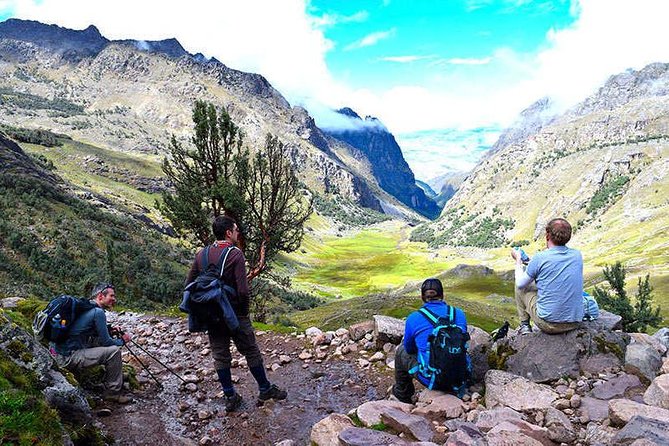
You should consider this trip if you want a quieter route to Machu Picchu, enjoy mountain scenery and value contact with local communities more than a quick archaeological tour. It suits hikers who can manage a long first day, a high pass and several hours on uneven ground.
It is less suitable if you dislike camping, struggle with altitude or want a relaxed holiday with short walks. The hotel in Aguas Calientes helps, but two of the first three days are still physically demanding.
The trip is recommended by 97 percent of its published participants and carries a 4.9 rating from 30 reviews. Those figures support the idea that the combination of scenery, guiding and support works well, but they do not remove the basic demands of the route.
Should you book the Lares Trek?
Book it if you want the journey to matter as much as the destination. The Lares route gives you high mountain views, a 14,000-foot pass, Quechua villages, Yanacocha, hot springs and a guided Machu Picchu visit in one well-supported package.
Skip it if your main goal is simply to reach Machu Picchu with minimal exertion. The non-refundable policy also means you should be confident about your dates, fitness and health before paying.
For the right person, the value is strong. You get four days of transport, guiding, food, camping support, an Aguas Calientes hotel, train travel and site entry for $656.42. Just prepare seriously for the altitude, bring a sleeping bag or hire one, and confirm any extra mountain tickets before you leave.
FAQ
How long is the Lares Trek to Machu Picchu?
The experience lasts approximately four days. It includes two longer high-altitude hiking days, a shorter third day with a family visit and hot springs, and a fourth day at Machu Picchu.
What time does the tour start?
Hotel pickup begins at 5:00 a.m. on the first day.
How high does the trek go?
The highest pass reaches nearly 14,000 feet, or about 4,400 meters.
Are meals included?
Three breakfasts, three lunches, three dinners and three afternoon snacks are included. Breakfast on Day 1 and lunch on Day 4 are not included.
Is a sleeping bag provided?
No. A sleeping bag can be hired from the operator, but it is not included in the tour price.
How much luggage can the mules carry?
Mules carry camping and cooking equipment plus up to 7kg of your personal items.
Is Machu Picchu Mountain included?
No. Entrance to Huayna Picchu or Machu Picchu Mountain requires a separate ticket arranged in advance.
Can I request vegetarian food?
Yes. Vegetarian meals are available at no extra cost if you advise the operator when booking.
More Machu Picchu tours in Cusco
- From Cusco: 2-Day Trip to the Sacred Valley and Machu Picchu
★ 4.6 · 265 reviews - The First Class Machu Picchu Train by Inca Rail
★ 4.0 · 182 reviews - From Cusco: 1-day Machu Picchu Tour by Train
★ 4.6 · 138 reviews - Private Tour to Sacred Valley and Machu Picchu from Cusco
★ 5.0 · 133 reviews
More treks in Cusco
- Cusco: Machu Picchu 2-Day Inca Trail with Panoramic Train
★ 4.9 · 260 reviews - From Cusco: 2-Day Inca Trail to Machu Picchu
★ 4.2 · 244 reviews - Machu Picchu: Inca Trail 2-Day Overnight Guided Tour
★ 4.9 · 203 reviews - Short Inca trail to MachuPicchu || 2days – 1nigth ||
★ 5.0 · 103 reviews
Just added around Cusco
- Zipline over the Sacred Valley Trip★ 5.0 · 11 reviews
- Waqrapukara 1 day trekking + meals★ 3.9 · 3 reviews
- Visit Pisac from Cusco: Private Transport★ 4.6 · 9 reviews
- Valle Sur Cusco | half day★ 4.3 · 3 reviews
- Trek to Humantay Lake from Cusco★ 4.9 · 8 reviews
- Trek to Choquequirao 4 days★ 3.8 · 4 reviews
- rainbow mountain full day★ 5.0 · 44 reviews
- Machu picchu one day by train all included★ 4.5 · 53 reviews
Machu Picchu Tours, compared.
4-Day Inca Trail to Machu Picchu with Accommodation
Read our review →
2-Day Trip to the Sacred Valley and Machu Picchu
Read our review →
Machu Picchu 2-Day Inca Trail with Panoramic Train
Read our review →
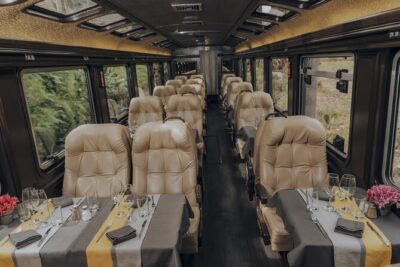
The First Class Machu Picchu Train by Inca Rail
Read our review →Browse the lists this tour appears in